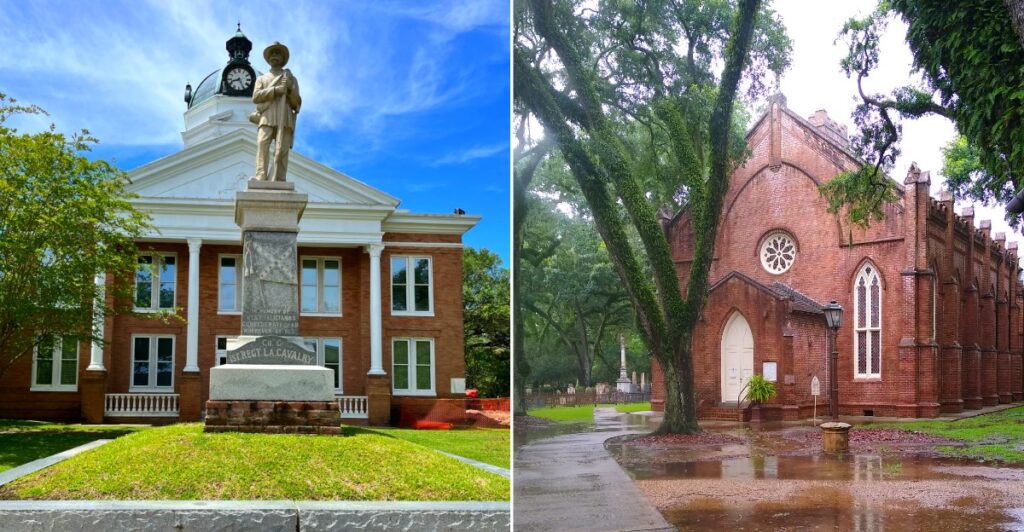
Some towns reward a checklist. This one rewards wandering. Perched above the Mississippi River on a narrow ridge, this small Louisiana town feels built for slow mornings, shaded walks, and detours down streets lined with old homes and churchyards.
I like places where history is visible without being tidy, and here the past is everywhere, from the brief Republic of West Florida era to the plantation economy that shaped the landscape and left far more complicated stories behind.
This Louisiana river town blends historic architecture, quiet gardens, literary stops, and layered Southern history into one of the state’s most rewarding small-town escapes.
The best way to explore is to leave room for both beauty and context. Admire the porches and live oaks, but pay attention to the people and labor behind them too. Then make time for a bookstore, a garden path, or a long lunch before heading on.
Walk Where Everyday History Lives
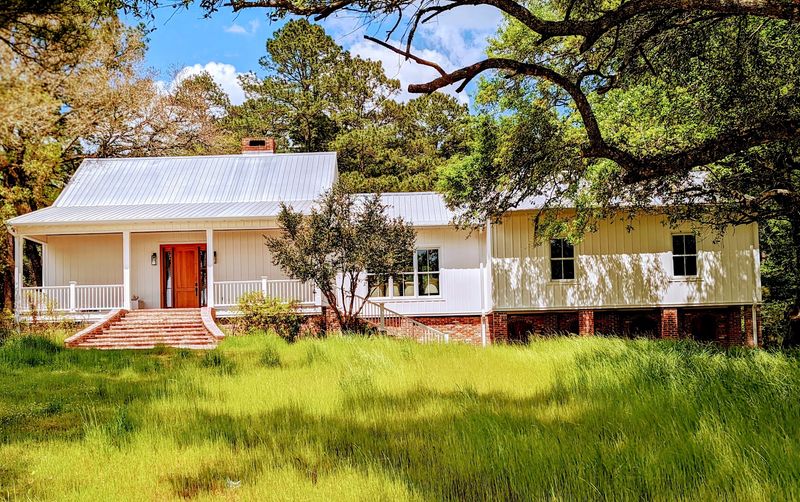
A porch can tell you quite a lot without opening its front door. Around the historic district, houses and public buildings reveal different chapters of St. Francisville through rooflines, windows, fences, and the space between neighbors.
Royal Street is a useful starting point for an unhurried look at the town’s older streetscape. Instead of hunting only for grand buildings, give smaller homes and ordinary details some attention.
Deep porches offer shade, while tall windows hint at the practical business of keeping rooms comfortable before modern cooling. Not every older building is open to visitors, and a handsome garden is not an invitation to enter.
Stay on public paths, avoid blocking driveways, and photograph homes respectfully. A short walk with frequent pauses usually reveals more than a hurried circuit, especially when you start noticing how different buildings answer the same hot Louisiana weather.
Ferdinand Street Puts You In The Historic Core
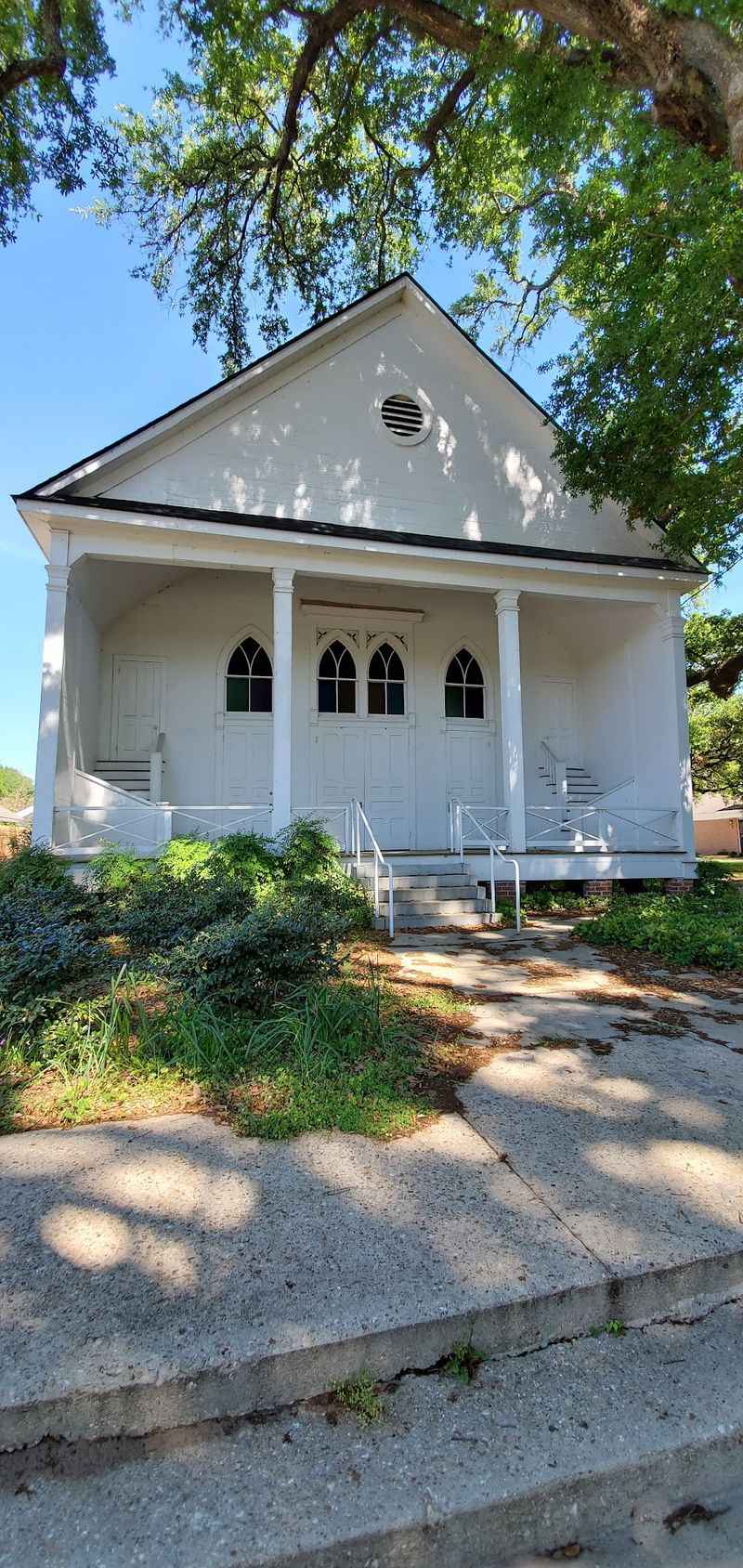
St. Francisville, Louisiana, is best approached as a small historic district rather than a single attraction. Aim for Ferdinand Street and the West Feliciana Historical Society Museum at 11757 Ferdinand Street, which lands you right in the part of town meant for exploring on foot.
The final stretch changes quickly from ordinary highway driving to shaded streets, historic houses, churches, and brick or concrete walkways. Once Ferdinand Street starts feeling more like an old neighborhood than a through-road, you are in the right part of town.
Use legal street parking or one of the public parking areas around the edge of downtown, then continue on foot through the historic district. Street parking is available throughout the district, and the town specifically encourages visitors to park outside the busiest downtown blocks when traffic is heavy.
The Myrtles Beyond The Ghost Stories
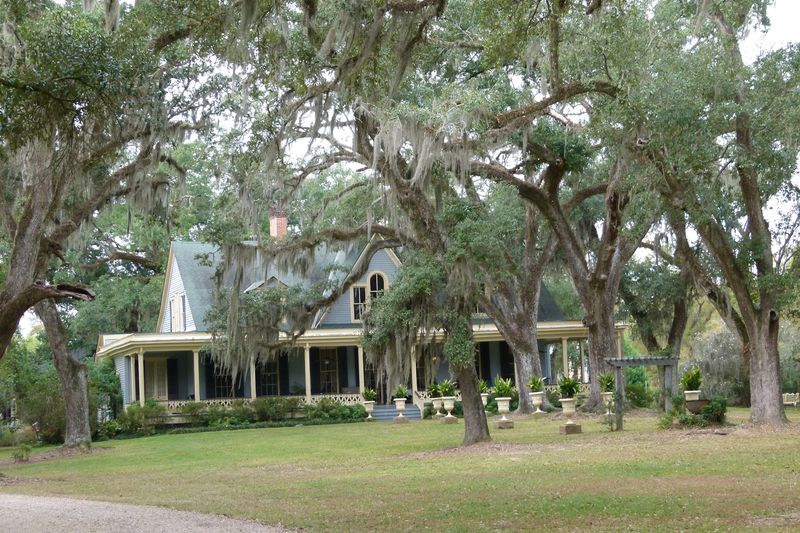
Ghost stories may draw the crowd, but the broad veranda deserves attention of its own. The Myrtles dates to 1796 and is known for tours that mix house history with tales of hauntings.
Treat those supernatural accounts as folklore rather than proven events. The distinction matters, especially when a dramatic story starts sounding more certain than the historical record allows.
Choose a daytime history tour if architecture and the property’s past are your main interests. Check the current schedule before arriving, since tour choices, access, and reservations can change.
Look closely at the house’s decorative details, then ask what is original and what has been restored. Also make room for questions about enslaved people who lived and worked here.
A beautiful building becomes more meaningful when the visit includes lives beyond the owners, not just the famous stories told about its rooms.
Rosedown’s Gardens Deserve Their Own Time
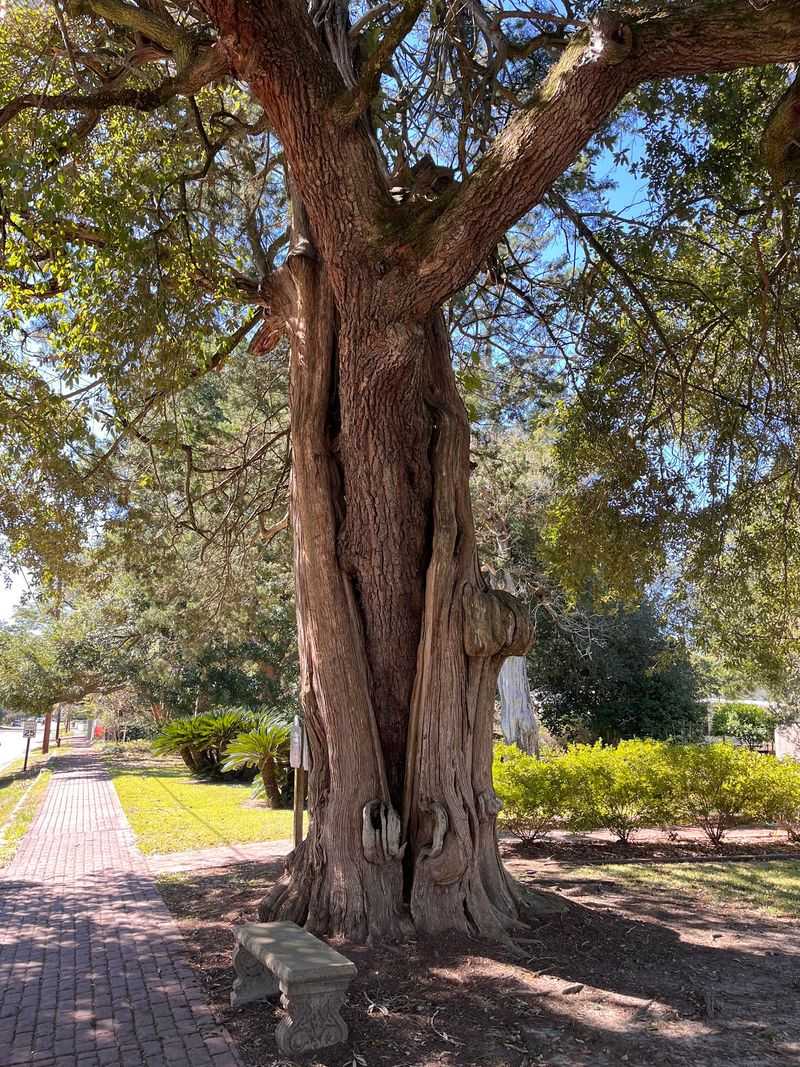
Garden paths can steal the show from a mansion, and Rosedown makes a strong case. Built in 1835, the house stands within a landscape closely tied to Martha Turnbull’s interest in gardening.
Her garden records help explain how this place developed over time. The grounds are not simply a pretty border around an old home; they are part of the site’s historical story.
Allow separate time for the house and gardens instead of squeezing both into a quick stop. Comfortable shoes, drinking water, and protection from the sun make wandering much easier.
Ask staff which areas are accessible and what is blooming during your visit. Remember, too, that the estate’s wealth depended on enslaved labor and cotton production.
The gardens reward close looking, but their beauty should never crowd out the human history that made such an elaborate property possible to create.
Birdsong Adds Another Layer To Oakley
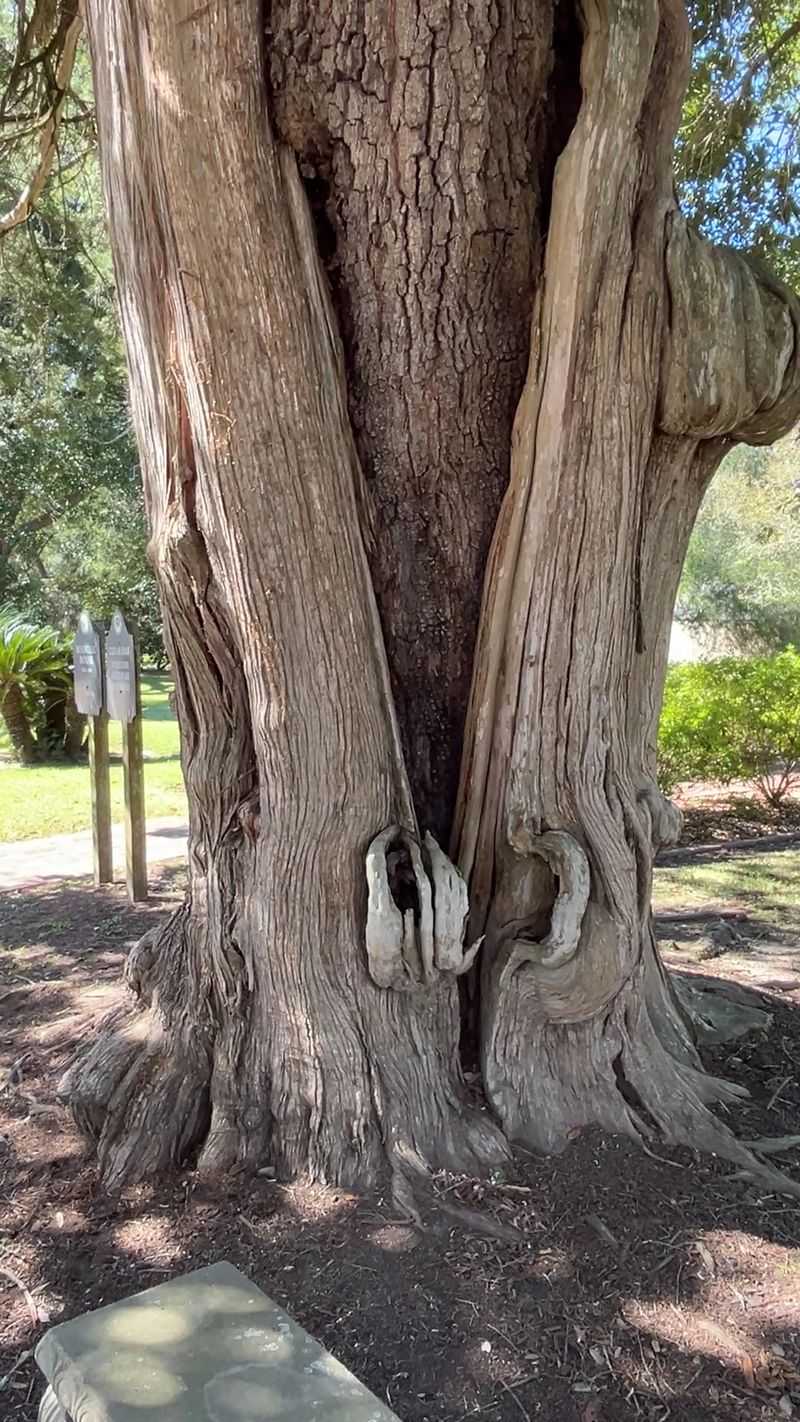
Listen before reaching for your camera at Audubon State Historic Site. Bird calls connect the grounds to the reason many visitors come: John James Audubon’s stay at Oakley House in 1821.
He worked here as a drawing tutor, and the surrounding birdlife helped shape his art. The house offers a useful setting for understanding that period without reducing the whole property to one famous guest.
Check the house tour schedule first, then leave room for a quiet walk outside. Binoculars are helpful, although patient watching can reveal movement in the branches without any special equipment.
Keep voices low and avoid approaching wildlife for a better picture. During the tour, ask about the household and the enslaved workers whose lives also belonged to this place.
Art, nature, and social history fit together here, and each adds something the others cannot fully explain alone.
Quiet Moments At Grace Church
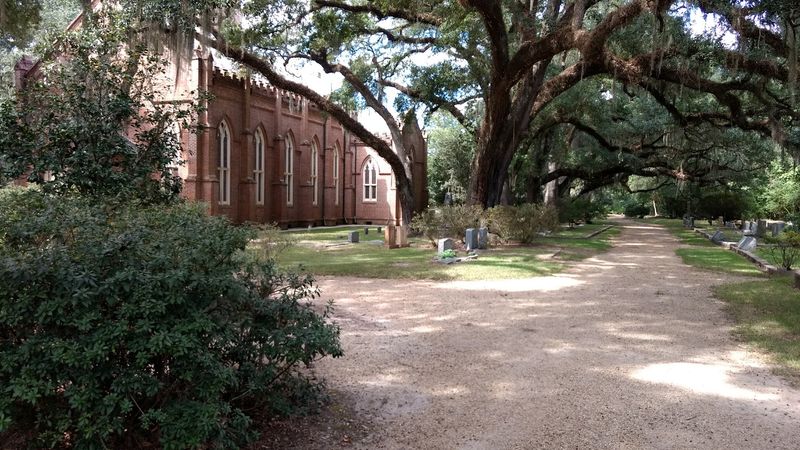
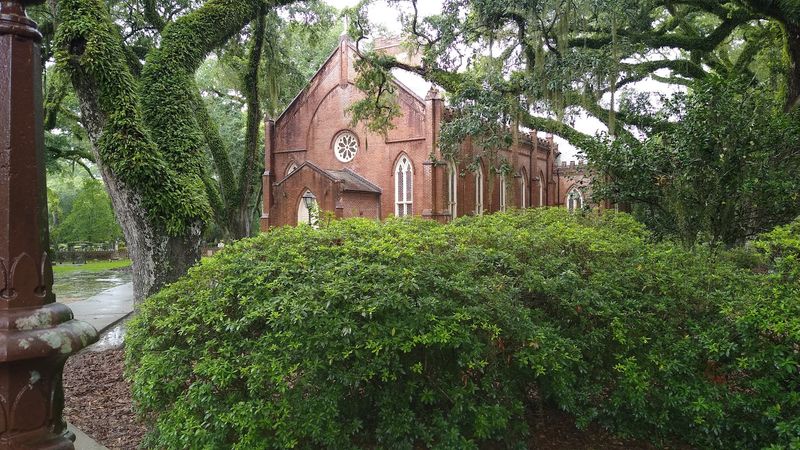
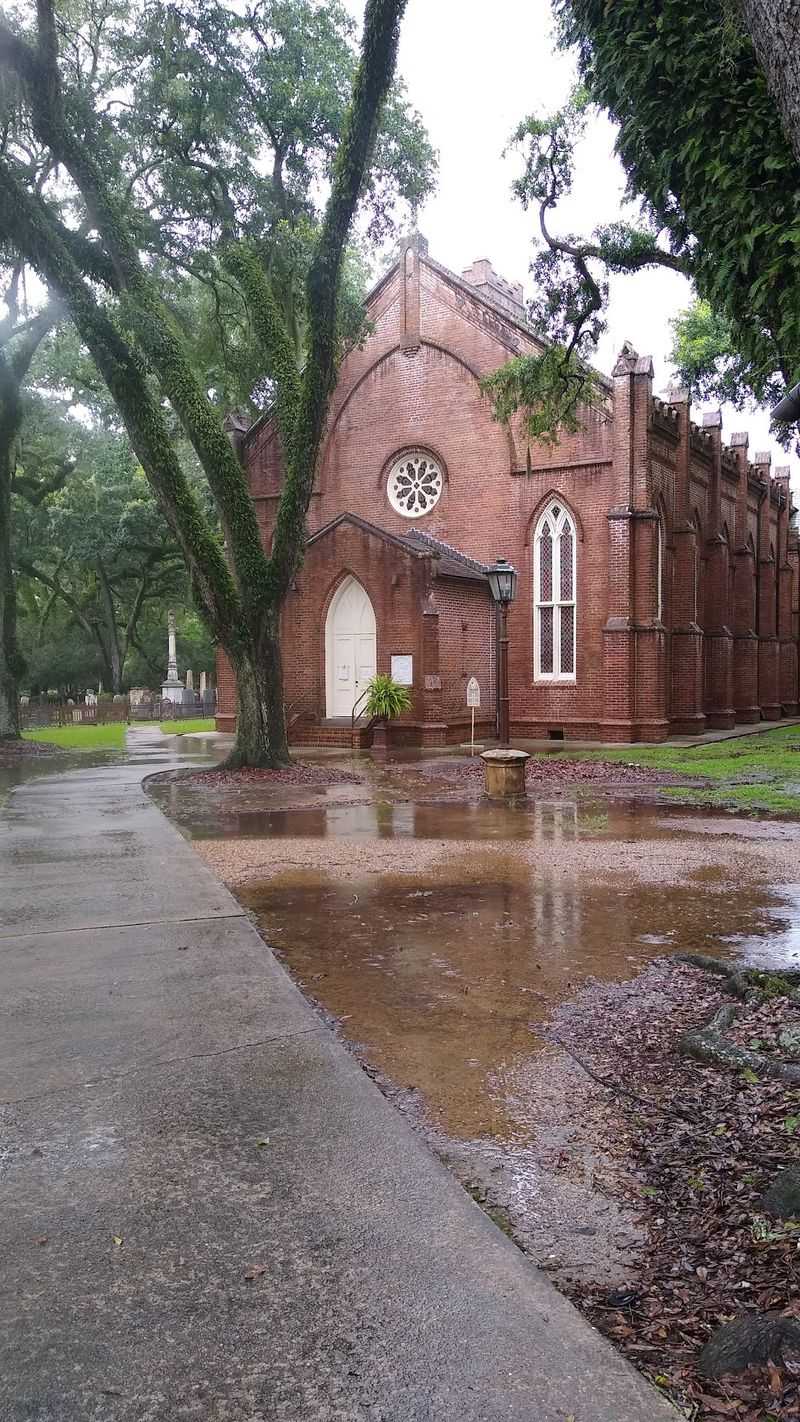
Some places ask for a lower voice without posting a sign. Grace Episcopal Church and its cemetery offer that kind of pause within St. Francisville’s historic streets.
The church building dates to 1860 and suffered damage during the Civil War. Its continued use makes it more than a preserved object; it remains part of a living congregation.
Approach a visit as you would any active place of worship. Check whether the building is open, give services priority, and keep photography discreet when other people are present.
Outside, read a few grave markers rather than trying to cover the entire cemetery. Names and dates can make the town’s history feel personal, but avoid touching fragile stones or stepping across graves.
The architecture may draw you in first, while the smaller details encourage a slower, more thoughtful visit than a simple photo stop would.
The Missing Port Below The Bluff
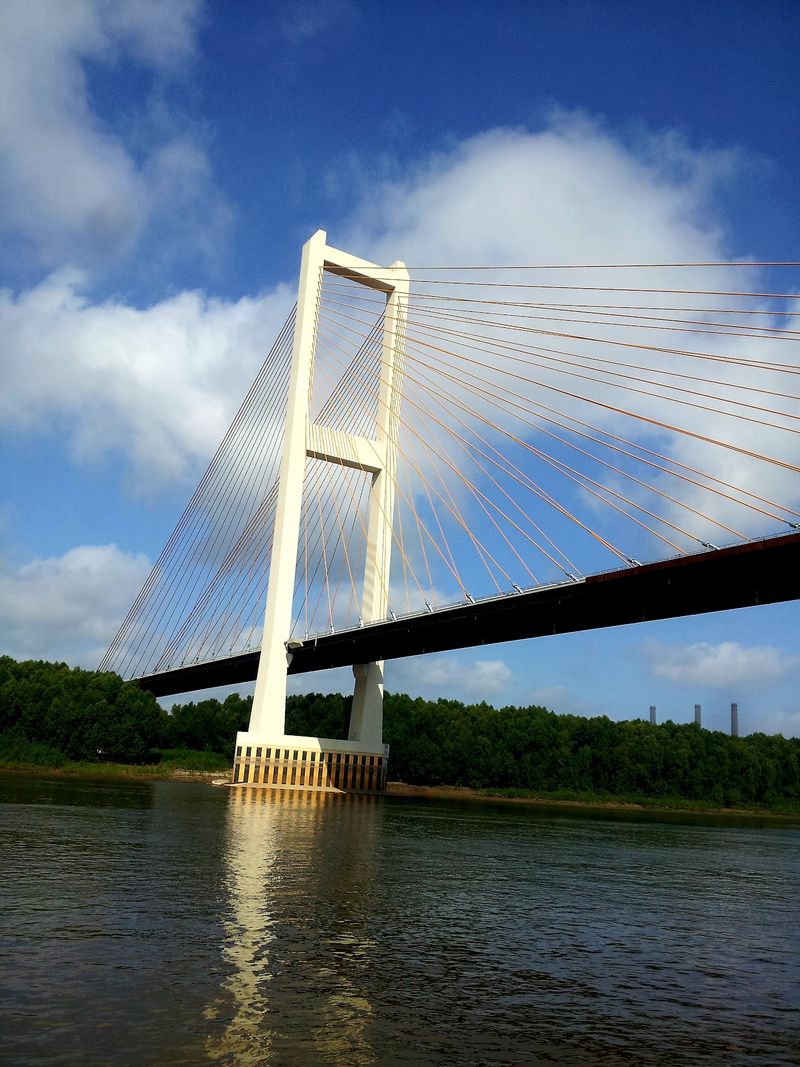
A missing town can explain a surviving one. Below St. Francisville, Bayou Sara once served as a busy river port, linking local trade to traffic on the Mississippi.
Repeated floods and fires changed that community’s future, while the settlement on higher ground endured. Some buildings were moved uphill, carrying pieces of the lower town into St. Francisville.
Keep this relationship in mind as you explore the historic district. The bluff was not merely an attractive setting; elevation could mean a very different outcome when the river rose.
Ask at the local museum about maps, photographs, or exhibits that explain Bayou Sara. They provide more context than searching for a vanished streetscape on your own.
Never assume river access is safe or public, and follow posted restrictions. The most useful view may be an old map showing how both communities once worked together.
Ask Better Questions About The Past
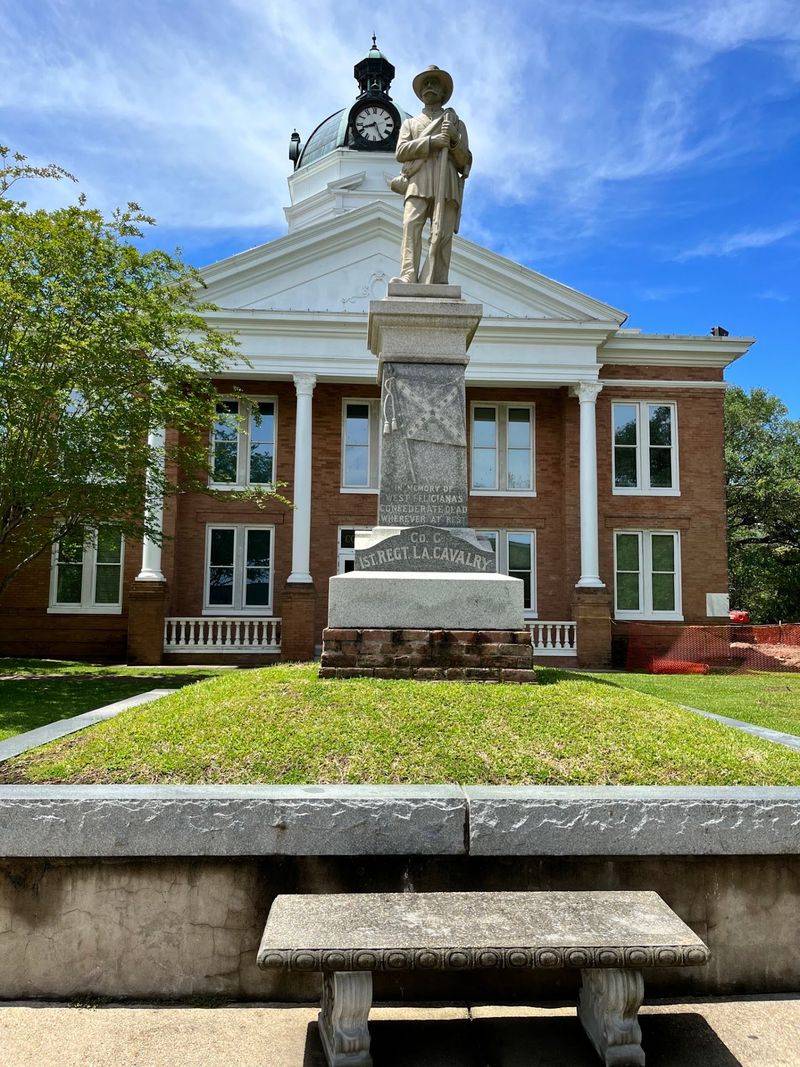
Pretty rooms are only one part of the story. St. Francisville’s historic sites become more rewarding when you ask who built, maintained, cooked for, and cleaned the homes you are admiring.
At plantation properties, enslaved people supported the households and agricultural systems that produced the owners’ wealth. Their experiences belong at the center of the history, not in a passing footnote.
The West Feliciana Historical Society Museum is a useful place to seek broader local context. Check its current hours before planning your day around a visit.
On guided tours, ask what records survive and where historians still face gaps. Good questions leave room for uncertainty rather than demanding a tidy story.
You can appreciate craftsmanship and gardens while recognizing suffering and unequal power. Holding both ideas together makes the visit more honest, and far more interesting than simply collecting attractive photographs.
Leave Room For Books And Small Shops
A bookshop is a fine place to let a packed itinerary loosen its grip. The Conundrum, an independent bookstore in St. Francisville, adds a different kind of discovery to a town known for historic homes.
Look for books about Louisiana, regional writers, or a subject that caught your attention during a tour. A local history title can keep the visit going long after the car leaves town.
Independent shops also give you a reason to explore downtown without treating every building as a museum. Browse at a comfortable pace, and check opening hours rather than assuming businesses follow a large city’s schedule.
If you ask for recommendations, be specific about what you enjoy reading. Leave some room in your bag for a modest souvenir with an actual connection to the place.
Sometimes a paperback makes a better memory than another rushed photograph.
Lunch Is Part Of The Pace
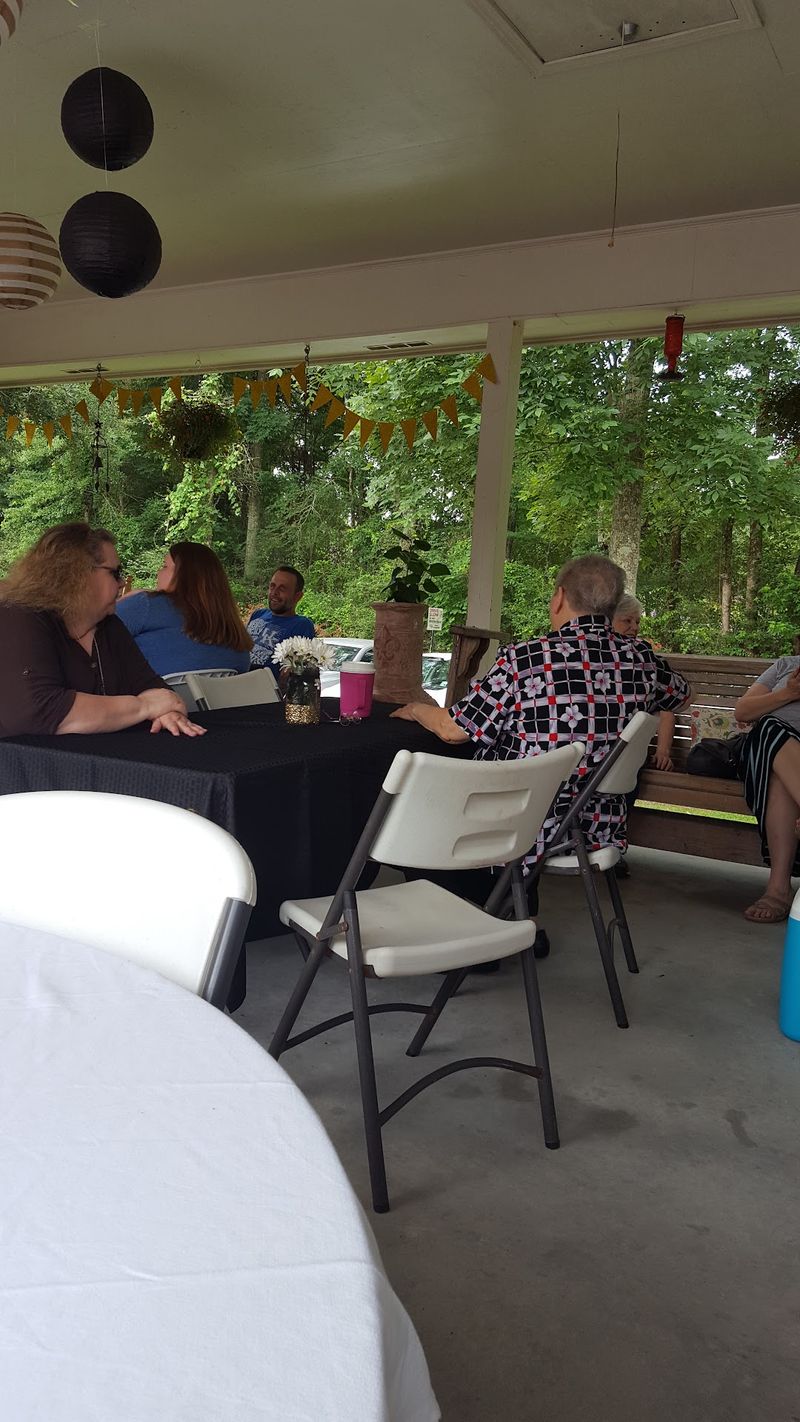
Hungry sightseeing rarely produces your best decisions. Build a proper meal into your St. Francisville day instead of hoping to squeeze one between house tours.
Local menus often reflect Louisiana cooking and Southern comfort food, though dishes and opening times vary. Read the current menu, ask about daily offerings, and choose something that fits your appetite rather than chasing a supposedly essential order.
A seated lunch also gives your feet a useful break. In warm weather, drink water before you feel worn out, and avoid scheduling your longest outdoor walk immediately after a heavy meal.
For a weekend visit or a community event, check whether your chosen restaurant takes reservations. Keep a second option in mind, especially when traveling with children or anyone with dietary needs.
The goal is a pleasant pause that supports the afternoon, not a complicated mission of its own.
Choose Your Season With Care
The calendar can change the character of a small town overnight. St. Francisville hosts community celebrations such as Christmas in the Country and the Yellow Leaf Arts Festival, giving visitors another way to meet its creative side.
Event dates and activities can shift, so confirm details with local organizers before booking. A festival visit may bring fuller parking areas and busier restaurants than an ordinary weekday.
For gardens and walking, consider the weather as carefully as the calendar. Louisiana heat and humidity can make a short outing feel longer, while rain can interrupt even a well planned afternoon.
Pack layers, water, and a flexible schedule rather than expecting every hour to behave. Choose one main reservation and let smaller stops fit around it.
St. Francisville rewards attention more than speed, whether you arrive for holiday lights or a quiet day among old homes.