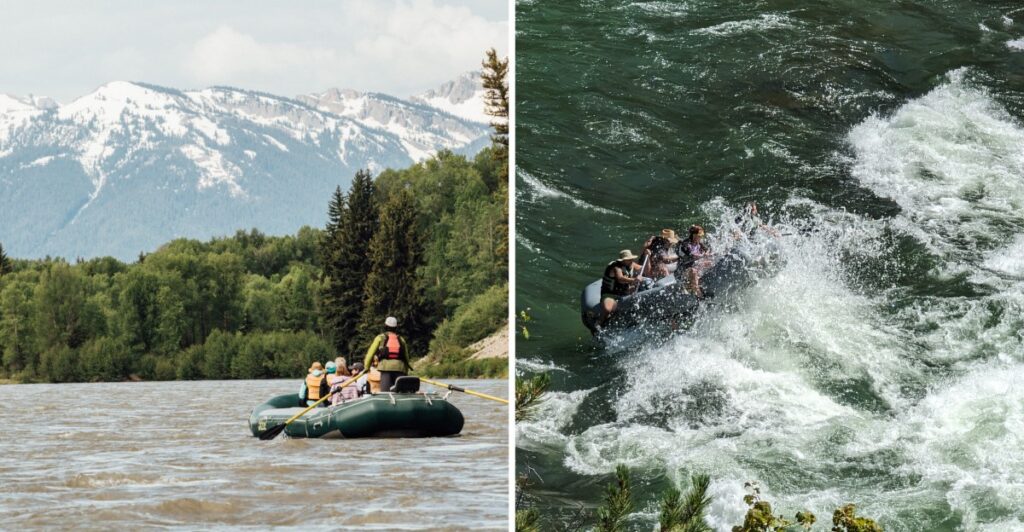
Do you want the river to behave, or are we letting it get a little wilder?
That is probably the first thing to settle.
In Wyoming, one stretch can feel calm enough for an easy float. Head into the canyon, though, and the whole mood changes.
The rock walls close in.
The water picks up.
Relaxing becomes a much more active hobby.
The classic whitewater run covers about eight miles, with calmer sections breaking up the rougher water.
Most people go with a commercial guide, so you do not need rafting experience. You will still get a safety talk before pushing off.
Pick your river mood first.
If you choose the canyon, expect the river to keep you busy.
Snake River Canyon Packs Whitewater Into About Eight Miles
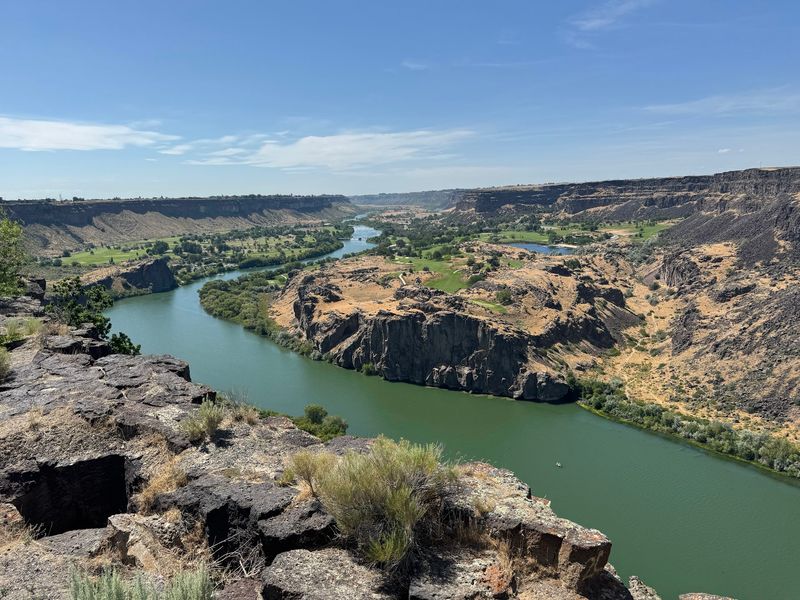
The standard commercial whitewater run through Snake River Canyon covers about eight miles south of Jackson Hole.
This is the stretch built around paddling rather than panoramic Teton views. The river threads between steep, forested slopes, with calmer sections between the named rapids.
Commercial trips commonly classify the run as Class II and III, although individual rapids change with flow. Higher spring and early-summer water can create larger waves and faster current, while lower late-summer flows expose different river features.
First-time rafters can join guided trips, but that does not make the river risk-free. Listen closely during the safety briefing, keep your personal flotation device secured, and follow paddle commands when the guide calls them.
Expect cold water even when the afternoon air feels warm. Quick-dry clothing and secure footwear work better than cotton or loose sandals once the raft starts taking spray.
Lunch Counter And Big Kahuna Are Two Named Rapids On The Run
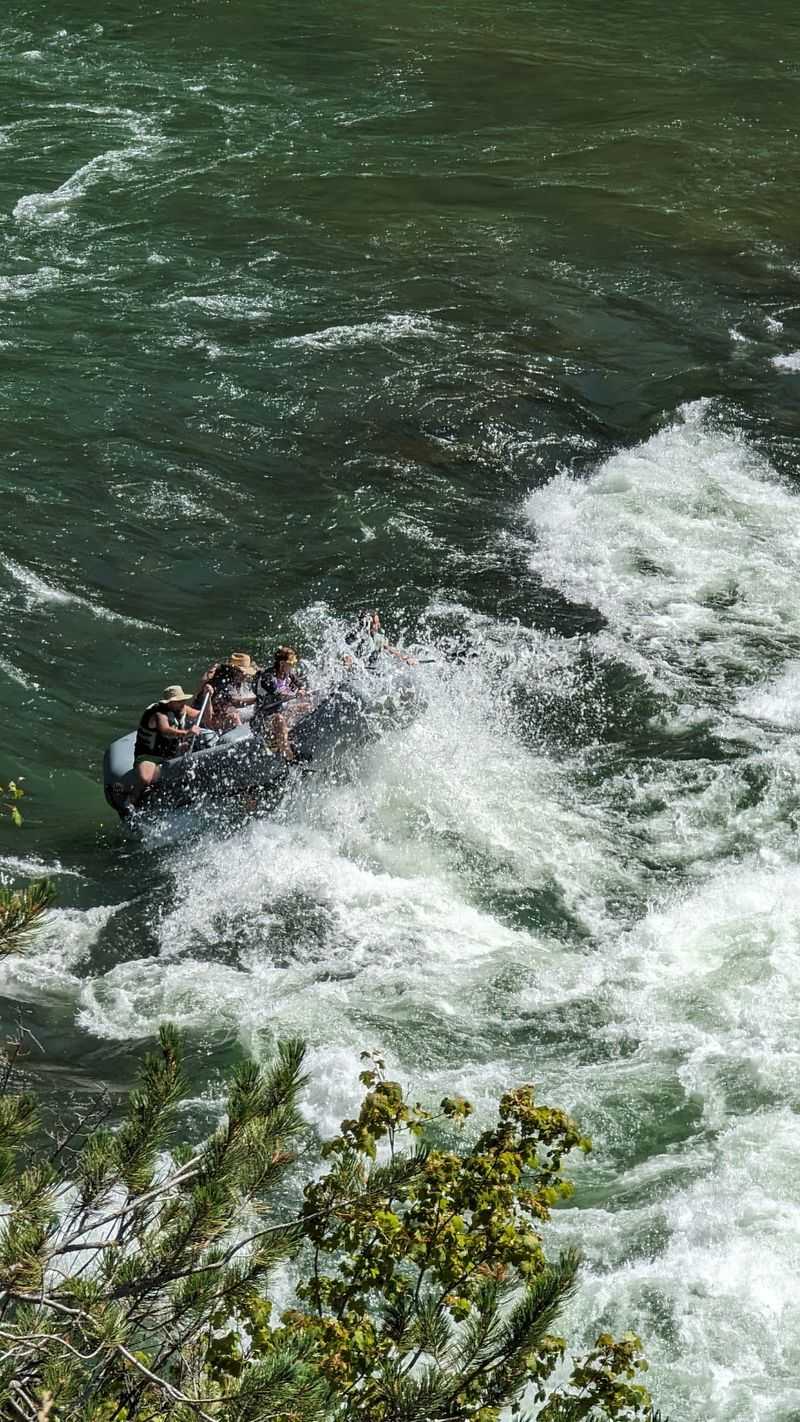
Lunch Counter and Big Kahuna are two of the best-known named rapids on the Snake River Canyon whitewater section.
Their exact shape changes with water level. Waves that stand prominently at one flow can flatten, shift, or be replaced by different features as the river rises or drops.
That is one reason guides choose lines based on the conditions in front of them rather than treating every trip as a repeat of the last one.
Other named features can include Ropes and Champagne. Between faster sections, the river settles enough for paddlers to regroup.
Keep your attention on the guide as a rapid approaches. Paddle commands are short for a reason, and everyone moving together helps the raft respond predictably.
Swimming opportunities may be offered on calmer stretches when conditions allow, but do not assume every trip will include one. Cold water, flow, weather, and guide judgment can affect whether getting into the river is appropriate.
If you bring a phone or small camera, secure it before launch rather than trying to grab it when the boat reaches rough water.
Learn the few commands you need, keep your feet braced as instructed, and let the guide handle the route through each feature.
Water Levels Change The Feel Of The River Through The Season
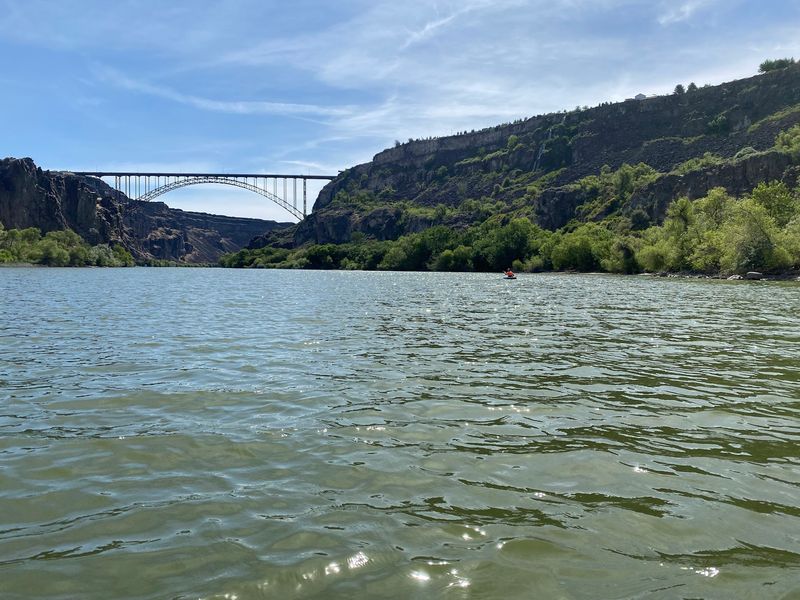
Snake River flows change substantially during the rafting season.
Snowmelt generally pushes water levels higher in spring and early summer. As runoff declines, flows usually drop through mid and late summer, changing the size and position of waves through the canyon.
Higher water does not simply make every rapid a larger version of itself. Some waves become more pronounced, while others can wash out or change shape. Lower flows can reveal rocks and create different features.
Commercial operators adjust around those conditions. Minimum ages may rise during high water, smaller rafts may be restricted, and equipment recommendations can change as water temperature and flow shift.
Check current age limits and river conditions shortly before the trip, especially if children are coming.
Operating dates depend on the outfitter and river conditions, so check your trip date before building the rest of the day around it.
Morning trips can begin in cool air even during summer. A synthetic layer, swimsuit, or other quick-drying clothing gives you more flexibility than heavy fabric that stays wet.
Teton Views Belong To The Calmer Snake River Stretches
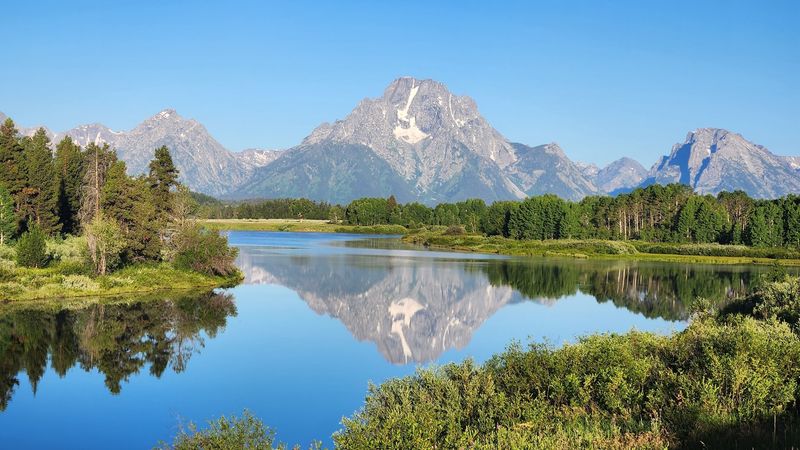
The Snake River also runs through Grand Teton National Park, where calmer float sections open broad views toward the Teton Range.
That is a different experience from rafting Snake River Canyon.
Inside the canyon, nearby slopes and walls block much of the distant mountain skyline. The scenery is tighter, with forest, rock, river bends, and whitewater surrounding the raft.
Upstream, the valley opens. Scenic floats in and around Grand Teton country trade rapids for slower water, broader sightlines, and more time to scan the riverbanks.
The national park section of the Snake is still a powerful, complex river, with shifting channels and logjams that require navigation skill. Guided scenic trips let passengers concentrate on the landscape while trained boaters handle the route.
Wildlife can include bald eagles, osprey, moose, beavers, and other animals associated with the river corridor, but sightings are never guaranteed.
If both experiences appeal to you, treat them as separate parts of the same river rather than expecting one raft trip to deliver everything.
Choose whitewater for the canyon run. Choose a scenic float for the strongest Teton backdrop. A combination trip can put both into the same day.
Jackson Hole Is A Practical Base For A Rafting Day
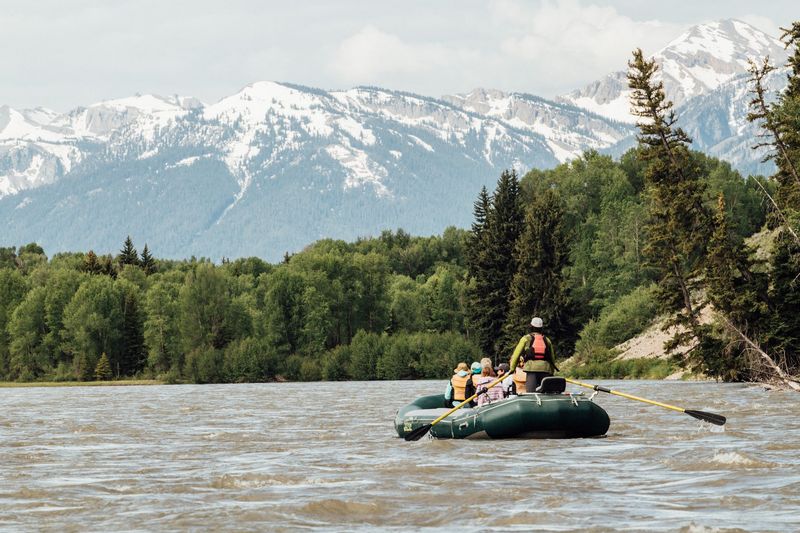
Jackson and the surrounding Jackson Hole valley put travelers close to both the whitewater canyon and scenic sections of the Snake River.
Commercial outfitters handle transportation differently, so the meeting point on your reservation matters more than the name of the river access itself. Some trips begin at an office and shuttle guests to the launch.
One current meeting point is Teton Whitewater at 10875 US-89, Jackson, WY 83001, in the Hoback Junction area south of downtown Jackson.
That address applies to that company, not to every Snake River rafting trip. Use the location supplied with your own reservation rather than assuming all operators meet in the same place.
Build enough time for check-in, equipment fitting, transportation, and the safety briefing before launch. The advertised river mileage is only one part of the total trip duration.
Changing rooms, restrooms, wetsuit rentals, or bootie rentals may be available at some rafting offices, but services vary. Check what your operator provides before deciding what to pack.
Arrive dressed for the river, keep valuables to a minimum, and have dry layers ready for afterward.
Age Limits And Raft Options Depend On Conditions
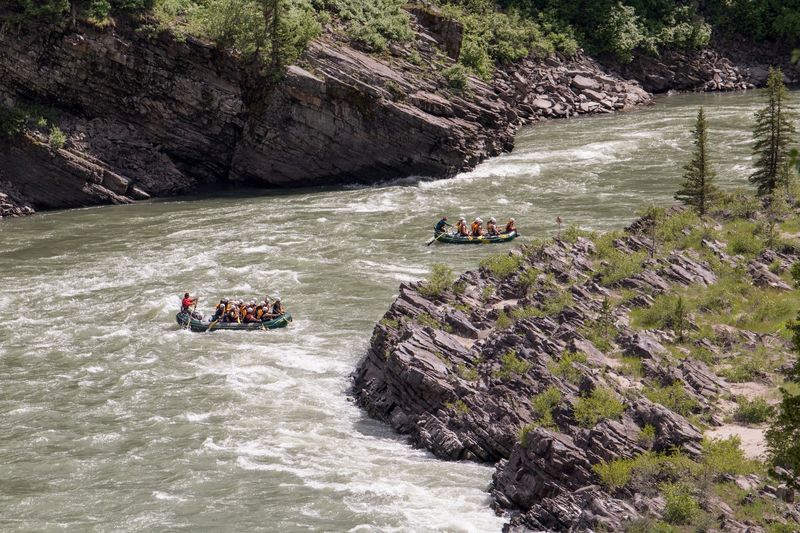
Whitewater age limits are not universal across every Snake River outfitter or every water level.
At Teton Whitewater, the standard raft minimum starts at age six under normal conditions, while the smaller raft starts at eight. During high water, those minimums can rise.
Treat the number shown when you book as a starting point, not a guarantee months in advance. Snowmelt, river flow, raft type, and operator policy can all affect who can safely join.
Smaller rafts generally create a more active paddling experience, while larger rafts carry more passengers.
Neither choice removes the need to follow instructions. Keep hands on the paddle as directed, brace your feet where the guide shows you, and know what to do if someone enters the water.
Secure footwear is important. Choose river shoes, water shoes, or sandals with heel straps rather than flip-flops.
Bring sunscreen and a water bottle, and leave anything unnecessary on shore or in the shuttle vehicle according to the operator’s instructions.
If you are traveling with children or anyone uncertain about whitewater, compare the canyon trip with a scenic float before booking. The Snake offers both without requiring every traveler to choose the rapids.
What To Know Before Rafting The Snake River In Wyoming
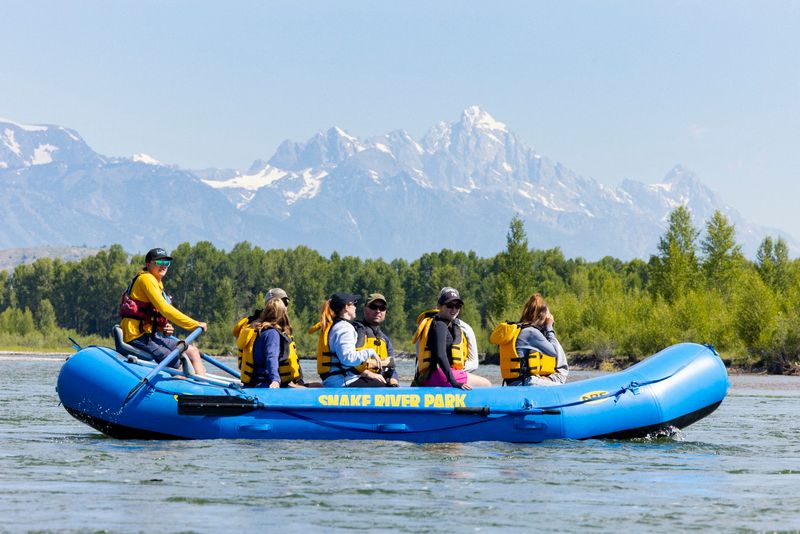
A guided whitewater trip begins with a safety briefing, and that information matters more than any general rafting tip beforehand. River conditions can change quickly, so follow the instructions given for that day.
Wear quick-drying clothing and secure footwear. Bring sun protection, water, and a dry layer for afterward. Avoid carrying loose items that can fall into the river, and use a secure waterproof system if you take a phone.
Expect to get wet on the whitewater run, even on a warm day.
Check minimum ages again close to departure if children are joining you. High water can raise age limits, and some raft types may be unavailable when flows cross an operator’s safety threshold.
Do not confuse the canyon run with the scenic Snake River sections closer to the Tetons. The whitewater trip is about the canyon and its rapids, while scenic floats are the stronger choice for open mountain views and slower wildlife watching.
Trip schedules, prices, equipment, cancellation terms, and season dates vary by company, so use the details attached to your specific reservation.
Leave enough time before and after the outing that a shuttle delay or changing river conditions do not squeeze the rest of the day.
Then choose your seat, listen to the guide, and save the wide Teton views for the stretch of river where the mountains actually fill the horizon.