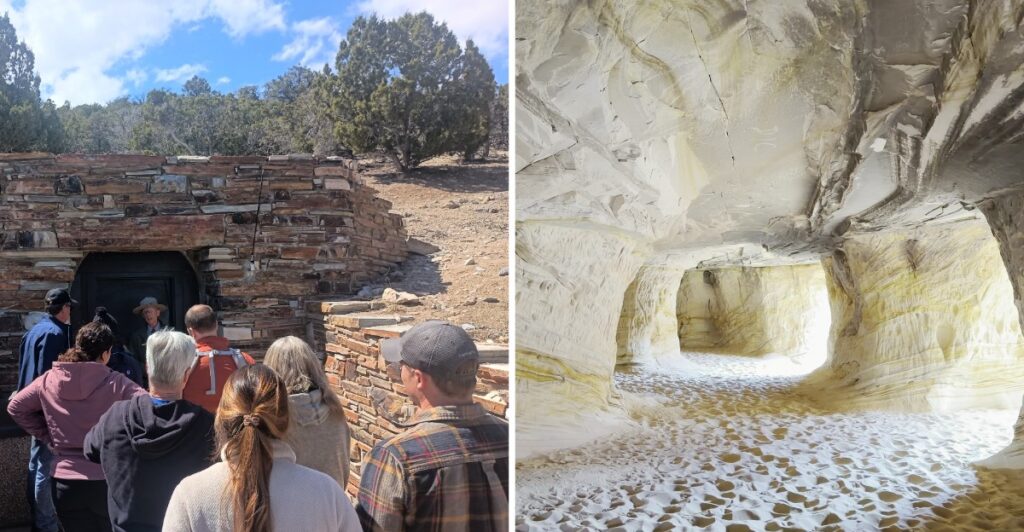
Nevada is keeping part of the landscape downstairs.
Above ground, everything feels wide open. Sagebrush rolls toward the mountains. The desert looks like it has already shown you the whole picture.
Then you head underground.
Now the walls close in. Strange formations start appearing. Every few steps, there is something else worth pointing at.
People have been curious about this cave since the 1800s, and today a park ranger leads the way.
One practical note: bring a layer.
The cave stays close to 50 degrees year-round, even when the desert outside feels much warmer.
Book ahead if you can, then forget about rushing.
Once you are down there, you will be too busy looking around to care what time it is.
Lehman Caves Stretch For About Two Miles Beneath Great Basin
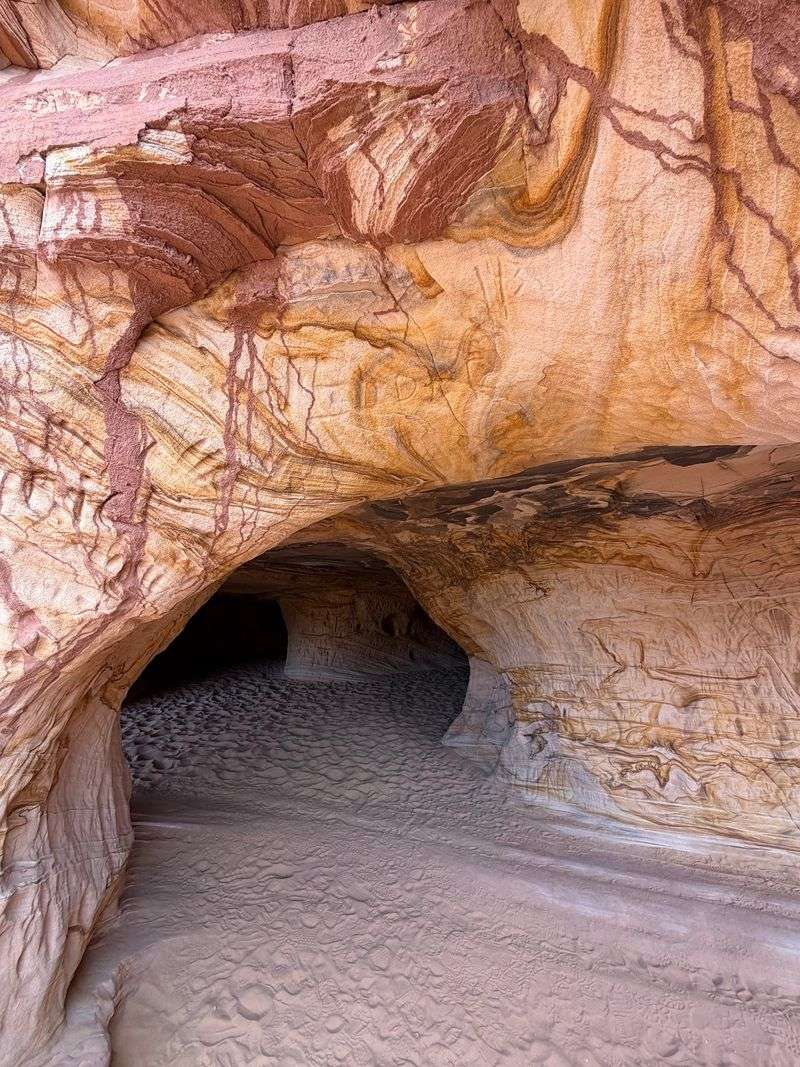
Lehman Caves lies near Baker in Great Basin National Park, beneath the eastern Nevada landscape of the South Snake Range.
The cave contains about two miles of known passageways, making it the longest known cave in Nevada. Visitors do not walk all of those passages. Guided tours use selected routes that protect sensitive areas while still reaching some of the cave’s most decorated rooms.
The underground setting feels very different from the surface. Lehman Caves stays around 50 degrees Fahrenheit throughout the year, with humidity typically between 90 and 100 percent.
That steady temperature makes a light jacket or long-sleeved layer useful in every season. Shoes with good traction also help on paved cave paths that can be damp or sloped.
The cave sits within a park that contains dozens of known caves, but Lehman is the one developed for regular public tours.
Before heading underground, use the visitor center to check in, review cave rules, and make sure everyone in your group has a ticket.
Ranger-Guided Tours Follow Three Developed Routes
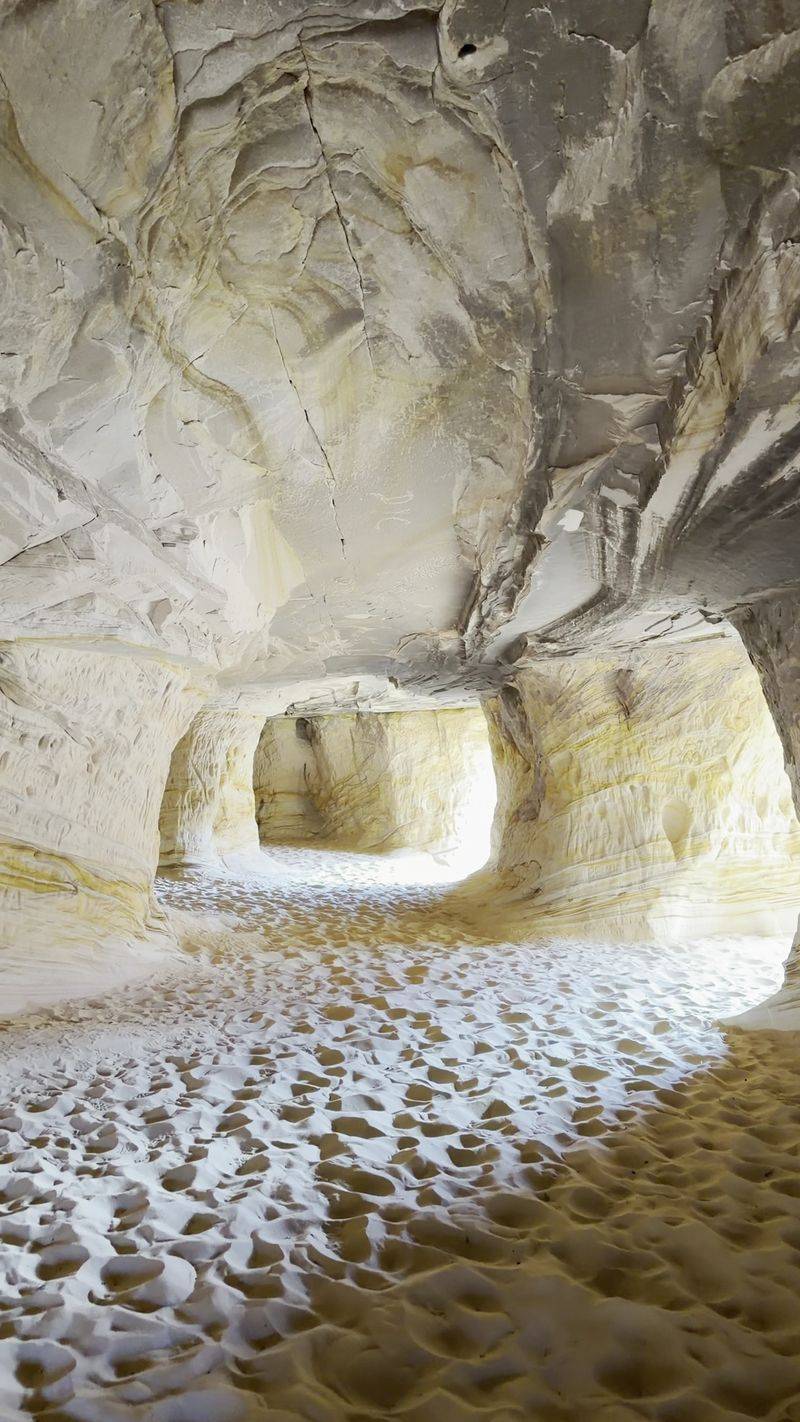
Lehman Caves can only be entered on an authorized tour.
Three developed cave-tour routes are offered, with schedules changing through the year. A separate Introduction to Wild Caving Tour may also be offered on selected dates.
The Grand Palace Tour lasts about 90 minutes and covers roughly six-tenths of a mile. It includes 69 stairs and reaches several decorated rooms.
The Lodge Room Tour lasts about 60 minutes and follows a shorter route. An Accessible Gothic Palace Tour lasts about 30 minutes and visits the first highly decorated room of the cave. It is intended for visitors with limited mobility and their immediate companions.
Tour schedules change through the year, so pick the route first and then build the rest of your park day around the departure time.
Every person entering the cave needs a ticket, including young children. Age rules can differ by tour, especially for the longer routes, so check the current requirements before booking for a family.
Arrive early enough for check-in and screening. Visitors are asked about recent visits to other caves or underground mines because Great Basin uses decontamination procedures to help protect bats from white-nose syndrome.
Once the group heads underground, stay on the designated route and follow the ranger’s instructions. The cave’s formations can be damaged by touching, leaning, or stepping outside the established path.
Cave Shields Are One Of Lehman Caves’ Distinctive Features
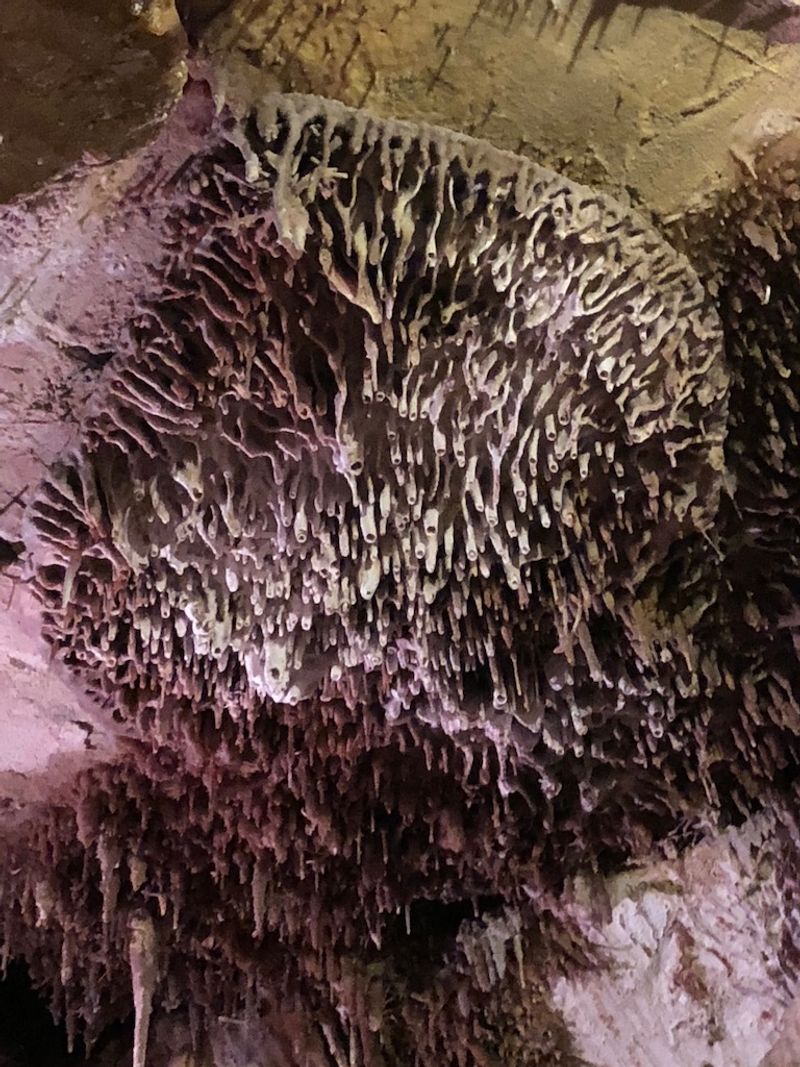
Stalactites and stalagmites are only the beginning here.
Lehman Caves contains flowstone, columns, draperies, cave popcorn, helictites, anthodites, and an unusually large concentration of cave shields.
Shields look like two round or oval plates of calcite with a narrow crack between them. They can grow from walls, ceilings, and floors at different angles, and some carry draperies or stalactites along their lower edges.
More than 500 shields have been inventoried in Lehman Caves, giving you plenty of chances to see the formation type along tour routes.
Their growth is tied to water moving through fractures in the rock. Calcite-rich water enters a crack under pressure, then deposits mineral material as it reaches open cave air.
The result can look almost architectural, with flat disks jutting from the cave walls and other formations hanging beneath them.
Look closely without reaching out. Cave formations grow over extremely long periods, while oils, lint, dirt, and physical contact can leave effects that last much longer than a surface scuff would.
A slower walk gives you time to notice the smaller details between the larger formations, especially once your eyes adjust to the cave lighting.
Touring Lehman Caves Began In 1885
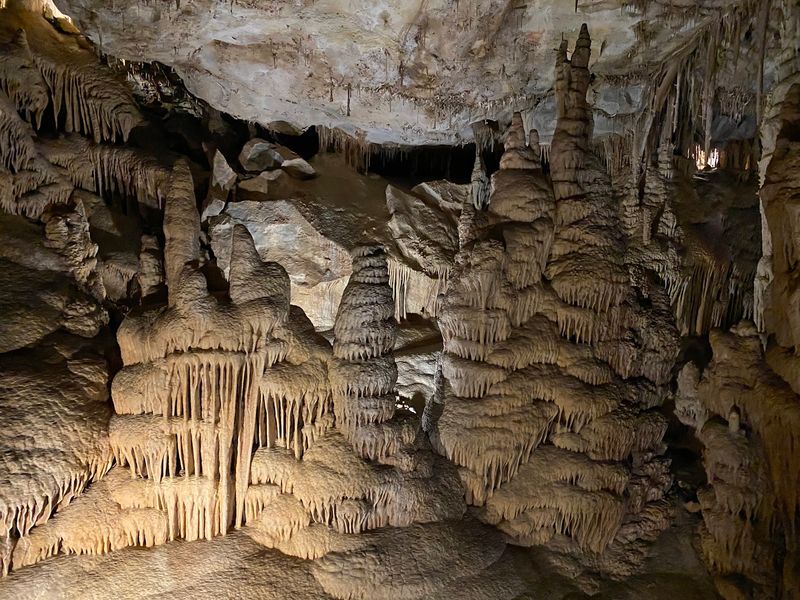
The modern visitor route has a long history.
Absalom Lehman is generally credited with rediscovering the cave in 1885, although the complete story of its discovery is uncertain. By August of that year, major parts of the cave had been entered and tourism had begun.
Roughly 800 people toured the cave before September 1885, and Lehman personally guided many early visitors.
Those first tours looked nothing like today’s experience. Early development involved ladders, ropes, widened passages, and physical alteration of the cave. Formations were removed, and visitors left names and markings that can still be found in some areas.
Federal protection came later. Lehman Caves became a national monument in 1922 and eventually became part of Great Basin National Park when the park was established in 1986.
Electric lighting was installed in the cave in 1941, and later infrastructure added more formal pathways and an exit tunnel.
Today’s tour routes reflect a very different approach. Stay on the established path, do not touch formations, and leave historic inscriptions and other cave features exactly as you find them.
The Cave Is Nevada’s Longest Known Cave System
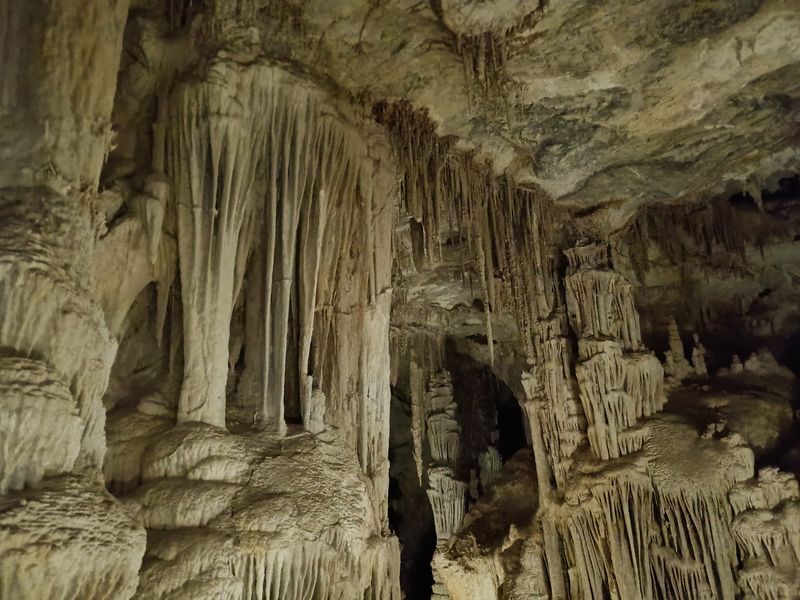
Lehman Caves contains about two miles of surveyed passageways.
That state record does not translate into an all-day underground hike. The 90-minute Grand Palace Tour covers about six-tenths of a mile, while the 60-minute route is shorter.
The rest of the cave remains outside the standard public-tour path.
Room sizes vary considerably. The Talus Room is the largest by area and also the tallest known room in the cave, while the Music Room is the tallest room currently included on regular tour routes.
Great Basin National Park also protects many other caves, most of which are not developed for casual public access. Some contain streams, ice, mud, or passages that require specialized caving skills and permits.
For a regular visit, Lehman Caves provides the developed option with lighting, designated paths, ranger guidance, and scheduled entry.
The Lehman Caves Visitor Center is at Nevada 488, Baker, NV 89311, about five and a half miles west of Baker.
Use that location for check-in rather than the park’s administrative mailing address. Cell service can be limited in the region, so save directions before the final drive.
Reservations Matter Because Tour Space Is Limited
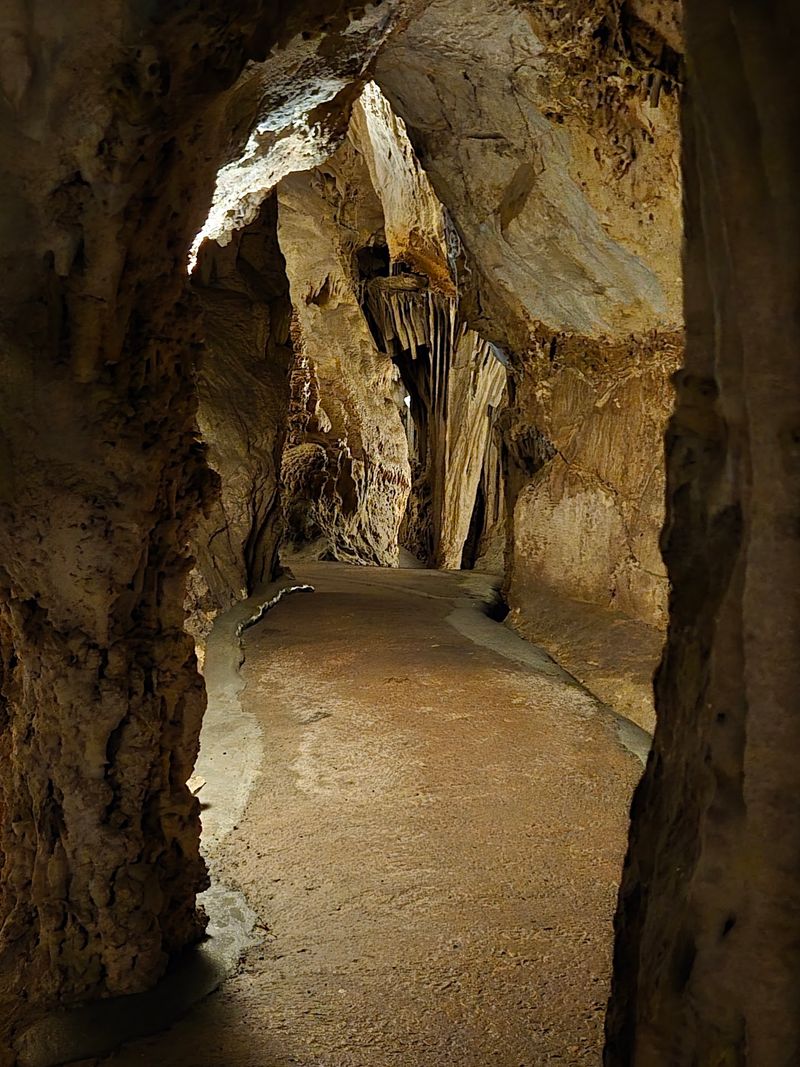
Cave tours are limited in size, and reservation availability can disappear quickly during busy periods.
Each standard cave tour is capped at 20 visitors. Summer dates, weekends, and other high-demand periods can sell out, so reserving in advance gives you a much stronger chance of getting the route and time you want.
Walk-up spaces may be offered when staffing and scheduling allow, but they are not guaranteed.
Tour availability also changes by season. The developed tour options may not all run at the same times every day, and schedules can shift as staffing or cave conditions change.
Once you have a reservation, treat the check-in time seriously. Arrive at the visitor center at least 15 minutes before departure so there is time to claim tickets and complete any required screening.
The park itself does not charge an entrance fee, but cave tours require separate paid tickets.
Keep the rest of the day’s plan flexible around that reservation. Great Basin is remote, and road delays, weather, or a slow approach through the mountains can make a tightly timed arrival harder than it looks on a map.
Book the cave first, then fit hikes, scenic drives, and other stops around the confirmed tour.
What To Know Before Visiting Lehman Caves
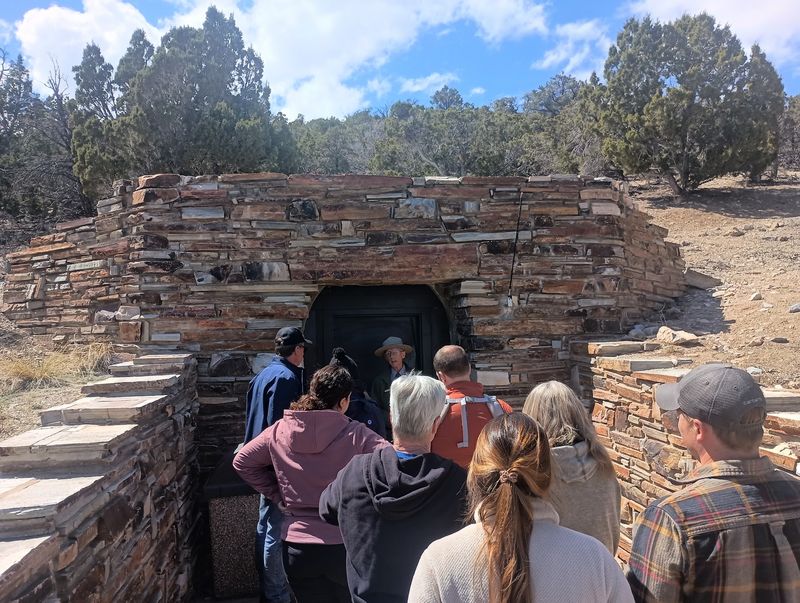
Start with clothing. The cave stays around 50 degrees Fahrenheit all year, so a light layer is useful even during hot weather outside.
Wear sturdy shoes with traction. The routes include paved surfaces, slopes, and stairs, and cave humidity can make some areas feel damp.
Leave food, drinks, large bags, and unnecessary gear outside the cave unless current rules specifically allow them. Keep your hands off formations, walls, and historic markings.
If you have visited another cave or underground mine, pay attention to the white-nose syndrome screening instructions. Equipment or clothing exposed to another underground environment may need cleaning or may not be allowed inside.
Great Basin National Park has no entrance fee, but cave tours have separate ticket fees. Tour types, schedules, and age requirements can change, so confirm the details attached to your reservation before driving to the park.
Fuel and other services are limited around the park compared with a larger town. Fill the tank before exploring remote roads, and carry water and snacks for the above-ground part of the day.
If you have extra time, Great Basin also offers hiking, high-elevation scenery, bristlecone pines, and dark-sky viewing after sunset.
For the cave itself, the simplest plan is also the safest: reserve a tour, arrive early, bring a layer, wear solid shoes, and let the ranger set the pace underground.