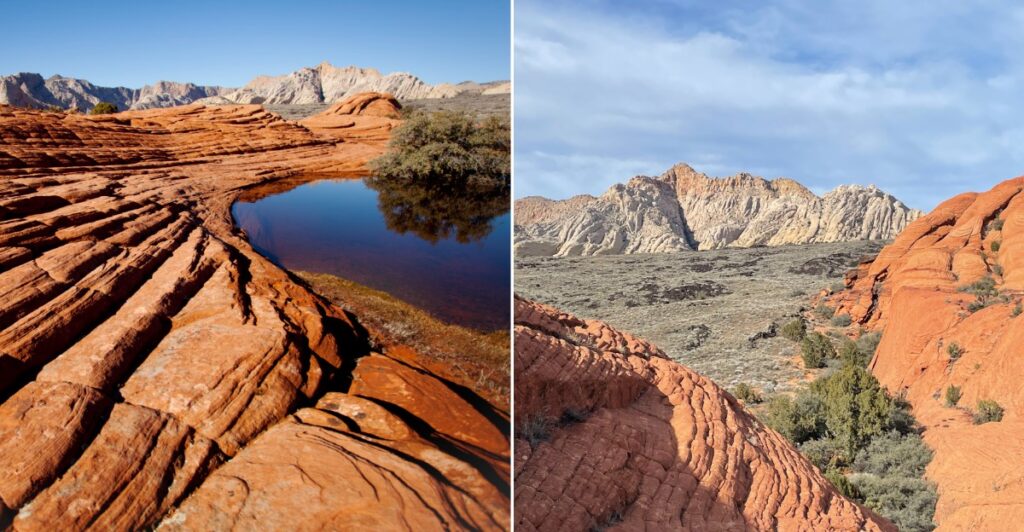
Red sandstone and black lava rock make this desert landscape look dramatic enough without adding wildlife encounters to the itinerary. The trails pass through native rattlesnake habitat, which means awareness matters, but fear does not need to run the day.
Hikers in southern Utah can enjoy the scenery more confidently by watching where they step, staying on established paths, and giving any snake plenty of space. Preparation makes the difference between feeling uneasy and feeling ready.
Closed-toe shoes, attention around rocks and brush, and a little patience go a long way when the terrain itself already demands focus. The goal is not to avoid the desert, but to move through it responsibly.
Wild places across Utah stay remarkable because animals are allowed to remain part of the landscape. Respect the distance, keep your eyes open, and let the cliffs, lava, and wide desert views be the part you remember most.
Rattlesnakes Belong To Snow Canyon’s Landscape
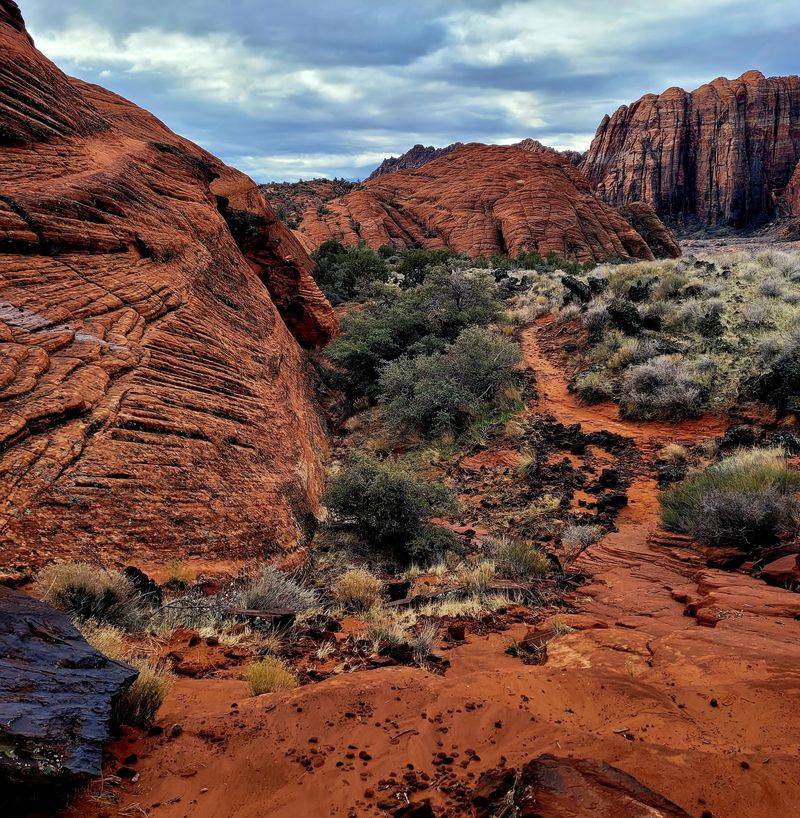
The park’s wildlife did not arrive after the hiking trails. Rattlesnakes are native desert residents, and Snow Canyon State Park gives them habitat among the rocks, shrubs, and sandy ground that visitors come to explore.
Keeping that fact in perspective makes a visit easier. A snake sighting is possible, but it should not be promised, and no visitor needs to search for one to understand the landscape.
Your simplest precaution is also your most useful: watch where your feet and hands go. Stay on designated routes, avoid reaching into places you cannot see, and look beyond a rock or log before stepping over it.
Give any snake plenty of room. Stop, calmly move away, and choose another route only when doing so keeps you on permitted ground; do not crowd the animal for a closer photograph.
A rattle is not a warning you can count on hearing every time. Looking carefully matters more than waiting for a sound, especially when conversation or headphones draw attention away from your surroundings.
The appeal remains straightforward: striking desert scenery, real walking choices, and wildlife living where it belongs. Bring curiosity, but keep your distance; the park is not a petting zoo, even when its residents hold still.
An Ivins Outing With 7,400 Acres Of Desert
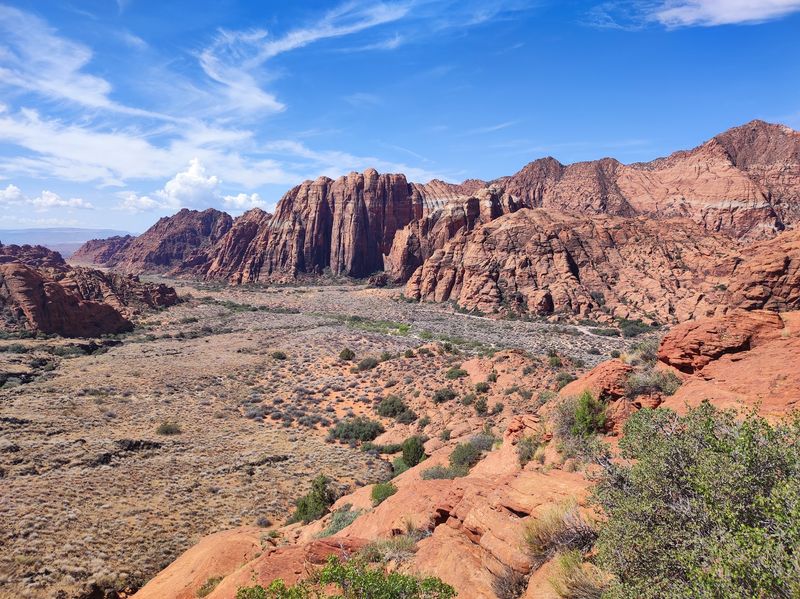
A weekend plan gets simpler when one park supplies the scenery and several ways to explore it. Snow Canyon State Park covers about 7,400 acres, with sandstone cliffs, lava flows, dunes, and trails sharing the same desert landscape.
The supplied visitor address is 1002 Snow Canyon Dr, Ivins, UT 84738, USA. That places your outing in southwestern Utah, near St. George, rather than in some distant mountain canyon that requires a full vacation calendar.
The name can be misleading: snow is not the main attraction. Red and white sandstone, dark volcanic rock, and open desert give the park its identity, with hiking routes providing closer looks at those different surfaces.
Native rattlesnakes belong in that setting, too. Their presence is a reason to pay attention to the ground, especially around rocks and brush, not a reason to treat every trail as a snake encounter waiting to happen.
Start with a modest plan instead of trying to cover the entire park. Choose one walk, carry water, and leave time for stops along the park road.
A sprawling landscape does not require a sprawling schedule. For a first visit, one well chosen trail can provide plenty to notice without turning your afternoon into a mileage contest.
Sandstone And Lava Make The Ground Worth Watching
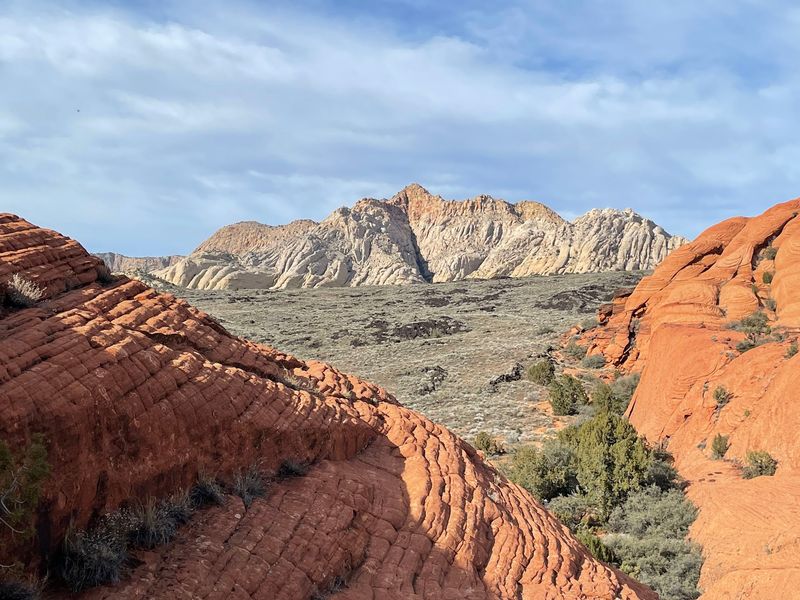
Looking down here is not only a safety habit. The ground itself helps explain the canyon, where sandstone, loose sand, and dark lava rock create very different walking surfaces within one park.
Snow Canyon State Park sits where the Mojave Desert, Great Basin, and Colorado Plateau meet. That geographic overlap helps explain why this corner of Utah contains such a varied mix of landforms and desert life.
The sandstone began as ancient sand dunes that later became rock. Younger volcanic flows added black basalt, creating a sharp contrast with the red and pale cliffs.
On arrival, use the park map to connect those features with the routes you are considering. A trail crossing sand asks something different of your legs than a paved path or uneven rock.
Wear shoes with dependable traction, and resist the temptation to watch the cliffs while your feet negotiate rough ground. Stop for photographs instead; your camera can wait a few seconds for a stable place to stand.
Rock crevices and brush also deserve a careful look before you put a hand nearby. The scenery rewards attention at every height, but there is no prize for discovering the next foothold by surprise halfway through a step on uneven sandstone.
A Snake Encounter Calls For Space, Not A Photo Chase
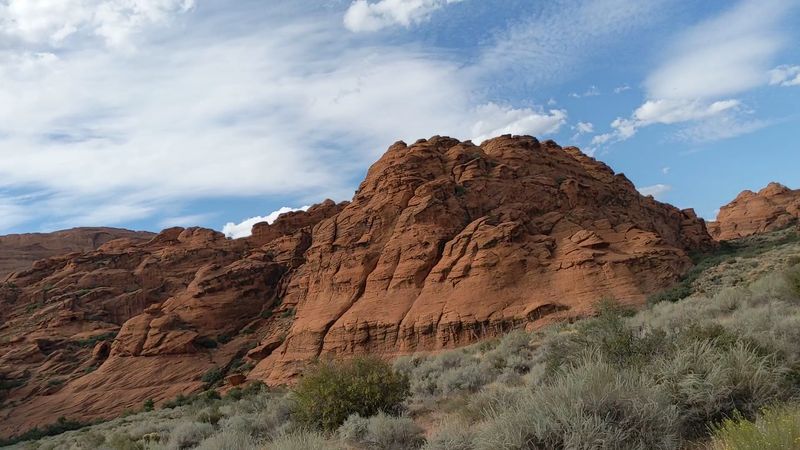
A useful layer of this park’s appeal is learning how to share it. Established in 1958, Snow Canyon State Park protects a landscape that is more than a backdrop for walks and photographs.
Rattlesnakes help fill that landscape’s food web by feeding on small animals. Their role is a reminder that protected desert land has work going on beyond the trail map.
Good To Know: Give a snake room to leave, and never try to move it yourself. Keep children beside you, hold dogs close on a leash where pets are permitted, and avoid surrounding the animal.
Do not throw objects, poke with a walking stick, or step closer to improve a picture. A photograph taken from a respectful distance is optional; leaving the snake undisturbed is not.
If someone is bitten, call 911 and seek emergency medical care immediately. Move away from the snake, limit unnecessary movement, and follow emergency instructions rather than trying home remedies.
Do not cut the bite, use suction, apply ice, or use a tourniquet. Those measures can cause additional harm and waste time better spent arranging medical help.
Preparation is not pessimism. Knowing the response beforehand lets the rest of your attention return to the canyon’s rocks and trails.
Jenny’s Canyon Offers A Shorter Way Into The Scenery
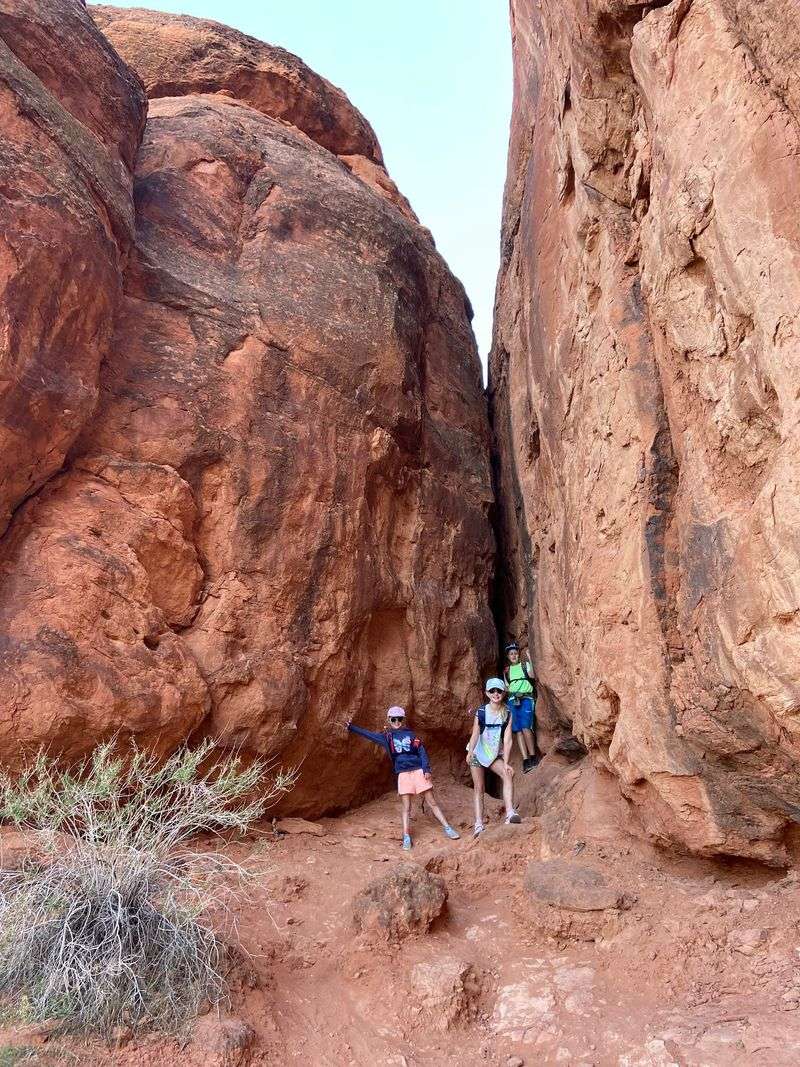
Not every outing needs a long trail and a heroic snack supply. Jenny’s Canyon offers a short walk to a narrow sandstone canyon, giving visitors a specific goal without committing them to hours of hiking.
At Snow Canyon State Park, that kind of choice helps different groups build a realistic day. Families can keep the route modest, couples can linger over the rock formations, and solo visitors can choose a pace without negotiating every stop.
Short does not mean free of preparation. Bring water, wear suitable shoes, and check the current trail information before leaving the parking area.
Weekend travelers exploring southern Utah can also use the park road to see the broader setting between walks. A drive and one selected trail make a different outing than a full day covering several routes.
For anyone with mobility concerns, review individual trail surfaces rather than assuming every short route is accessible. Sand, steps, and uneven rock can matter more than the distance printed on a map.
Children should learn the same simple wildlife rule as adults: look without approaching. Keeping hands out of cracks and staying beside the group turns snake awareness into an ordinary trail habit, not a frightening lecture before the first step.
Make The Ivins Stop Small Enough To Enjoy
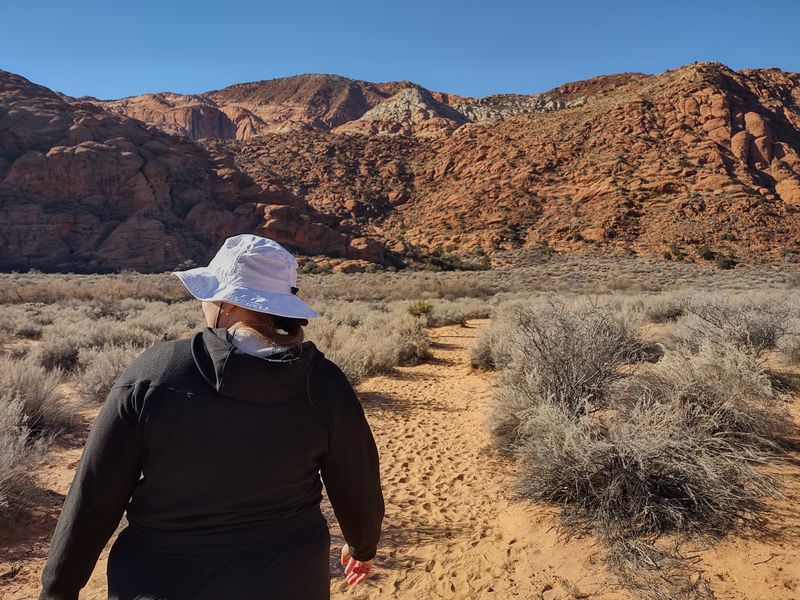
A simple Saturday detour works better with one clear target than six hopeful ones. Set your navigation for Snow Canyon State Park, 1002 Snow Canyon Dr, Ivins, UT 84738, USA, then choose a walk that matches the time and energy you have.
The supplied visitor listing gives daily hours of 6 a.m. to 10 p.m. Check the official park website before departure for current access information, trail notices, and admission details rather than relying on an old price mentioned elsewhere.
Pack drinking water before you arrive, along with sun protection and shoes suited to desert ground. Summer heat in southwestern Utah makes timing important, so base your walking plan on the forecast rather than the size of your enthusiasm.
At the trailhead, pause long enough to read posted information and confirm your route. Tell someone your plans when walking alone, and do not assume a phone signal will handle every problem.
Keep the outing flexible if your chosen route is unavailable or conditions feel uncomfortable. Turning a long walk into a shorter one is good judgment, not an unfinished vacation assignment.
Before returning to the car, check that everyone has water and belongings. An uncomplicated plan leaves more attention for the canyon and less for logistics.
Leave Snow Canyon With Pictures And Careful Footsteps
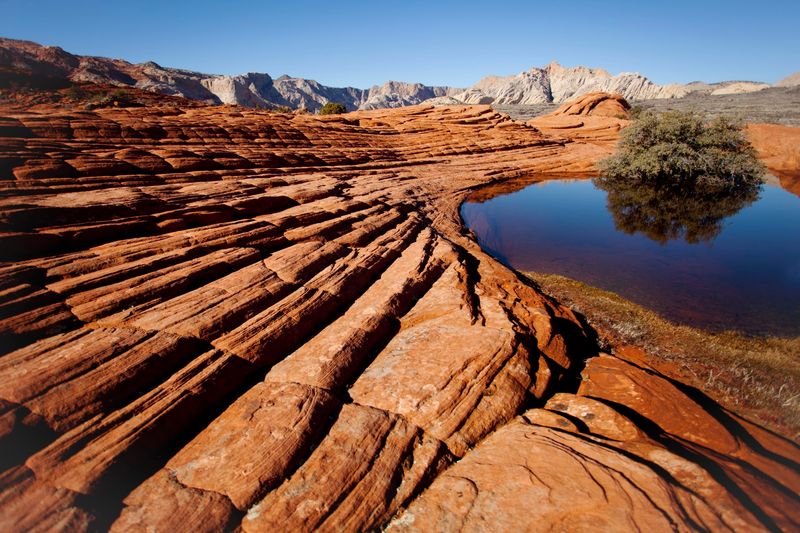
The most useful souvenir might be a better walking habit. Snow Canyon State Park asks you to notice both the cliffs ahead and the ground nearby, and that combination makes the landscape more interesting, not less enjoyable.
Its sandstone and lava tell different parts of the canyon’s story. Native rattlesnakes add another layer: this is living desert habitat, even where a marked trail makes a visit feel neatly organized.
Leave room for that distinction. Stay on designated routes, keep hands away from hidden spaces, and give wildlife distance instead of treating every sighting as a chance to get closer.
A successful visit does not require a snake encounter or a long list of completed hikes. One manageable walk, a few photographs, and enough water can be a sensible way to spend part of a day in southern Utah.
For families, couples, or someone traveling alone, the strongest plan remains the one that fits actual conditions. Weather, footing, and comfort should have more say than an ambitious schedule drafted somewhere with air conditioning.
Return to the car with the canyon’s contrasts in mind: red rock, pale sandstone, and dark lava. Bring water, watch your step, and let the snakes keep their corner of Snow Canyon.