
A beautiful view is easy to admire, but choosing where to build a life takes harder evidence. HomeSnacks’ 2026 ranking looks beyond scenery, weighing factors such as household income, unemployment, and other measures tied to everyday stability.
The strongest communities in Utah stand out because the numbers suggest more than postcard appeal. Some sit in established suburban areas, while others offer a quieter pace near growing valleys and smaller neighborhoods.
Housing costs, commute patterns, and available space can shift the equation quickly, so a high ranking is better treated as a starting point than a final answer. The right choice depends on what matters most once the moving boxes are unpacked.
A town that looks perfect statistically may feel very different when price, location, and daily routine enter the picture. Across Utah, the most appealing places balance strong numbers with the practical details that make staying there actually work.
1. Kaysville, Utah
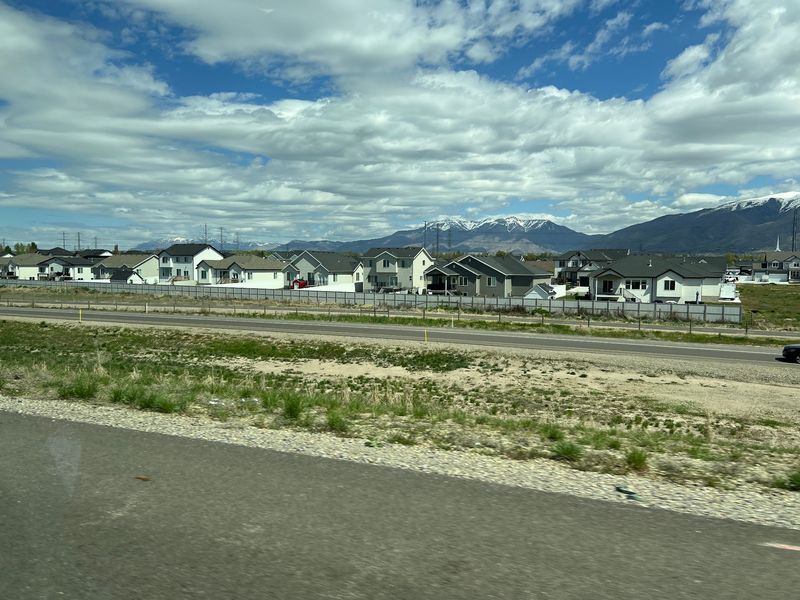
A strong paycheck helps, but a useful location can make everyday life work better, too. Kaysville earned the top spot in HomeSnacks’ 2026 Utah ranking by combining strong household incomes, low unemployment, and comparatively low crime.
The supplied figures put its population at 33,053 and median household income at $133,026. HomeSnacks also reports a crime rate about 65% below the national average, a notable number for anyone comparing communities.
Its position between Salt Lake City and Ogden gives residents access to two employment centers rather than just one. That flexibility matters for couples whose jobs may point in different directions, though actual commute times depend on the address and work schedule.
Housing deserves a careful look before the moving boxes appear. The ranking lists a median home value of $682,325, so the town’s strong economic profile does not automatically translate into a modest mortgage.
For a scouting visit, compare neighborhoods with your likely commute instead of judging the whole city from one attractive street. Check current listings, school boundaries, and the route to your workplace.
Kaysville’s case rests on balance: access to larger cities without choosing either as your home base. The mountain backdrop is a bonus, not a substitute for doing the household math first.
2. Syracuse, Utah
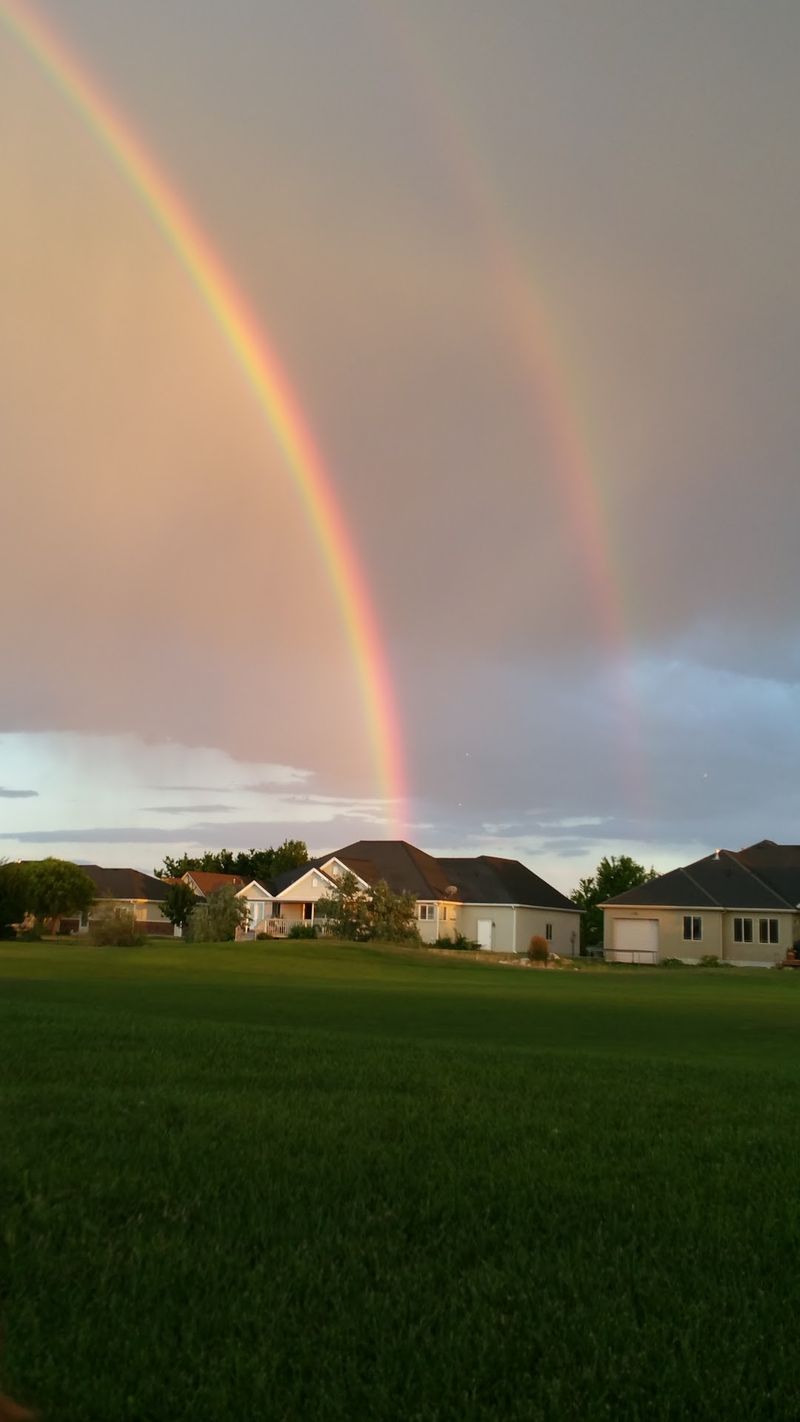
Homeownership is a major part of the story here. More than 90% of Syracuse residents own their homes, according to the supplied HomeSnacks figures, giving prospective buyers a useful clue about the community’s housing mix.
The city’s western Davis County location also puts Great Salt Lake and Antelope Island State Park within reach. Those landmarks give Syracuse a distinct geographic identity beyond the usual suburban checklist of bedrooms, garages, and grocery runs.
With 35,488 residents, it is larger than several communities on this list without approaching South Jordan’s scale. Its reported unemployment rate is just 1.2%, while median household income reaches $133,443.
The listed median home value of $584,934 is lower than Kaysville’s, although individual properties can differ widely. Buyers should compare current asking prices, property taxes, and maintenance costs rather than treating a citywide figure as a price tag.
Renters may need to look closely at available options because the ownership share is so high. A strong ranking cannot tell you whether the right rental is available when your lease ends.
Spend part of a scouting trip testing the drive to work and part exploring the surrounding geography. Syracuse makes the most sense when both your weekday route and your housing needs line up.
3. Mapleton, Utah

Room around a community can change how a place feels on the map. In Mapleton, HomeSnacks reports that roughly 60% of the city’s land remains undeveloped, a distinguishing feature among these largely suburban picks.
Located southeast of Provo, the city combines a rural edge with access to larger Utah County employment centers. Its population of 13,114 also puts it among the smaller places in the ranking.
That setting comes with a substantial housing bill. The supplied median home value is $730,777, while median household income stands at $133,142.
HomeSnacks reports crime substantially below the state norm, another reason Mapleton draws attention in this comparison. Still, a broad city statistic should support neighborhood research, not replace it.
For buyers, the undeveloped land figure calls for a little homework. Open land is not necessarily public land, and today’s open parcel does not promise tomorrow’s unchanged view.
Review city planning information and ask about nearby development before making an offer. Also test the route to your actual workplace, especially if your job is outside the Provo area.
Mapleton suits readers who value a smaller community and a less built-up setting enough to budget for them. Think of the extra space as a lifestyle choice, not a bargain label.
4. Centerville, Utah
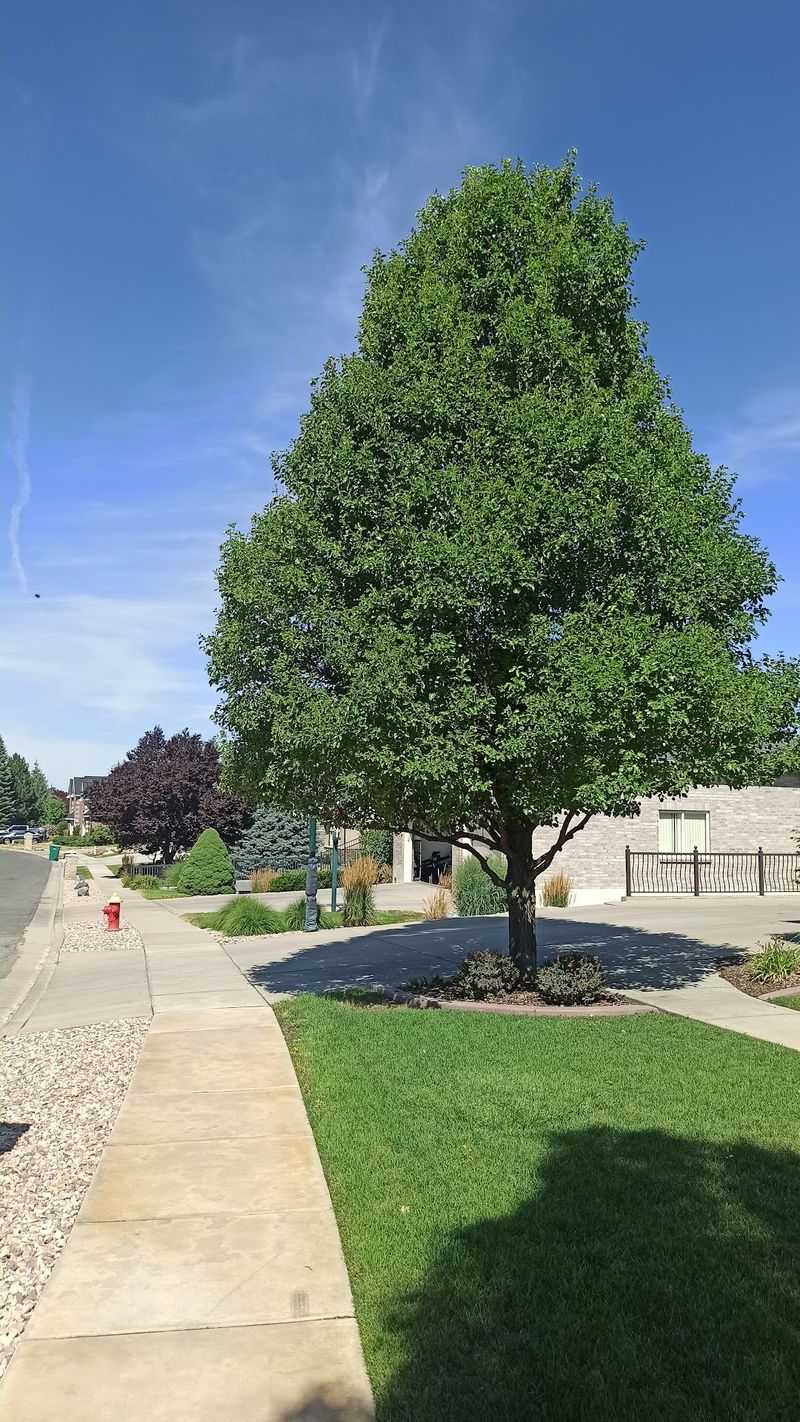
Living near a capital does not have to mean living in its center. Centerville sits just north of Salt Lake City, making location one of its clearest selling points for people comparing nearby communities.
Education also helped it stand out in the HomeSnacks ranking. The supplied summary points to strong school spending and unusually high levels of college attainment among residents.
Those measures say something about the community, but they do not answer every family’s school questions. Check the assigned schools for a specific address and look into the programs your children actually need.
Centerville has 16,679 residents, a median household income of $123,130, and a listed median home value of $588,129. That housing figure places it below several others here, though it still requires a serious budget.
A useful scouting plan starts with your weekday routine. Drive between a possible home and your workplace, then check the locations of errands you would make regularly.
Being north of the capital is convenient geographically; whether it is convenient personally depends on where your day begins and ends. The same address can work beautifully for one household and poorly for another.
Centerville’s appeal is practical: a smaller community near a major employment center, with education adding substance.
5. Farmington, Utah
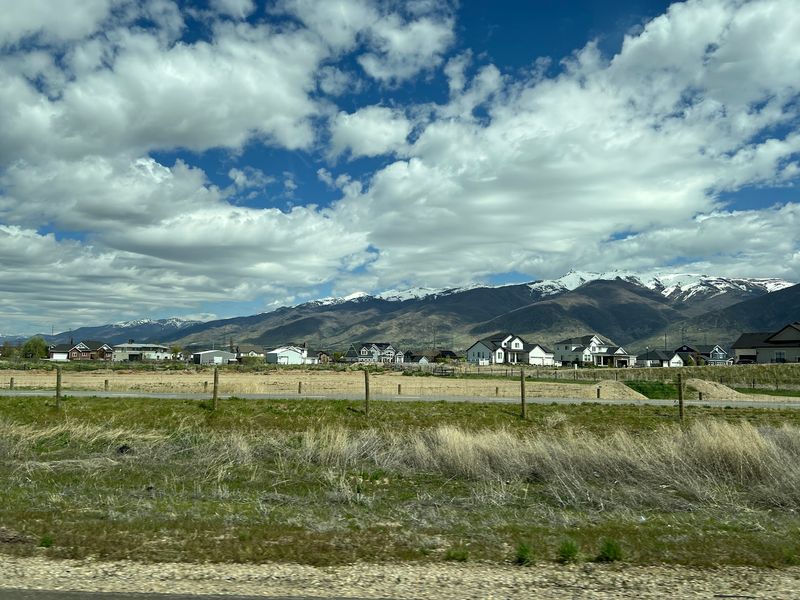
An amusement park is an unusual neighbor to include in a housing search, but Farmington has one. Lagoon adds a recognizable attraction to a city whose everyday appeal also includes location, shopping, and solid economic measures.
Farmington sits between Salt Lake City and Ogden along Interstate 15. That position gives households a useful starting point when comparing jobs across northern Utah, although a highway connection is not a promise of a quick commute.
Station Park supplies another major amenity close to home. Together, the shopping development and Lagoon make Farmington more distinctive than a suburb defined only by its distance from somewhere else.
The supplied ranking lists 25,389 residents and a median household income of $127,338. Its median home value is $692,138, putting affordability firmly on the list of questions to ask.
HomeSnacks also gives Farmington credit for families, education, and economic conditions. Treat those broad strengths as an invitation to investigate specific neighborhoods and schools.
During a scouting trip, separate visitor pleasures from resident needs. A day at an attraction can be enjoyable, but groceries, school routes, and the drive to work deserve their own inspection.
Farmington’s strongest pitch is that recognizable amenities accompany its useful location. Just keep the mortgage separate from the roller-coaster budget.
6. South Jordan, Utah

Size changes the conversation in South Jordan. With 82,686 residents in the supplied figures, it is easily the largest community in this top ten, so readers should expect a broader suburban setting rather than a tiny town.
The Salt Lake County city combines high household incomes with low unemployment and extensive parks and recreation. Its median household income of $134,047 helps explain why it performed well in the HomeSnacks comparison.
Housing remains a major consideration. The listed median home value is $665,928, and the supplied summary flags rapid growth as another factor prospective residents should weigh.
A growing city can contain neighborhoods with quite different layouts and daily routines. Compare the exact area you are considering instead of assuming one afternoon represents all of South Jordan.
Families might start with school assignments and access to recreation, while professionals may focus first on the workplace route. Neither approach is wrong; the trick is matching the search to the life you already lead.
Check current development plans around any property that interests you. Growth can affect the surroundings, and an attractive listing photo cannot explain every future change.
South Jordan belongs on the shortlist for readers seeking a larger suburban community. Here, neighborhood selection matters as much as the city name.
7. Bluffdale, Utah

A six-place jump gives Bluffdale a little extra momentum in this year’s results. HomeSnacks moved it upward in the 2026 ranking, drawing attention to a community about 20 miles south of Salt Lake City.
Its appeal combines suburban housing with mountain scenery, parks, and trails. For someone weighing access to employment against outdoor space, that mix provides a concrete reason to investigate further.
The supplied population is 18,797, with median household income of $129,531. A median home value of $612,682 places Bluffdale below several higher-priced entries, though that hardly makes every available house inexpensive.
Distance from Salt Lake City is useful context, not a commute estimate. Your workplace may sit elsewhere, and the route from a particular neighborhood matters more than a general mileage figure.
Before choosing a home, identify the parks or trails you would actually use and check how you would reach them. Nearby on a map does not always mean convenient with children, a bicycle, or a busy schedule.
Also compare existing homes with any newer options using the full monthly cost. Taxes, insurance, and maintenance belong beside the purchase price.
Bluffdale’s rise makes it interesting, but the ranking is only the opening conversation. The better test is whether its location supports your ordinary Tuesday.
8. Providence, Utah
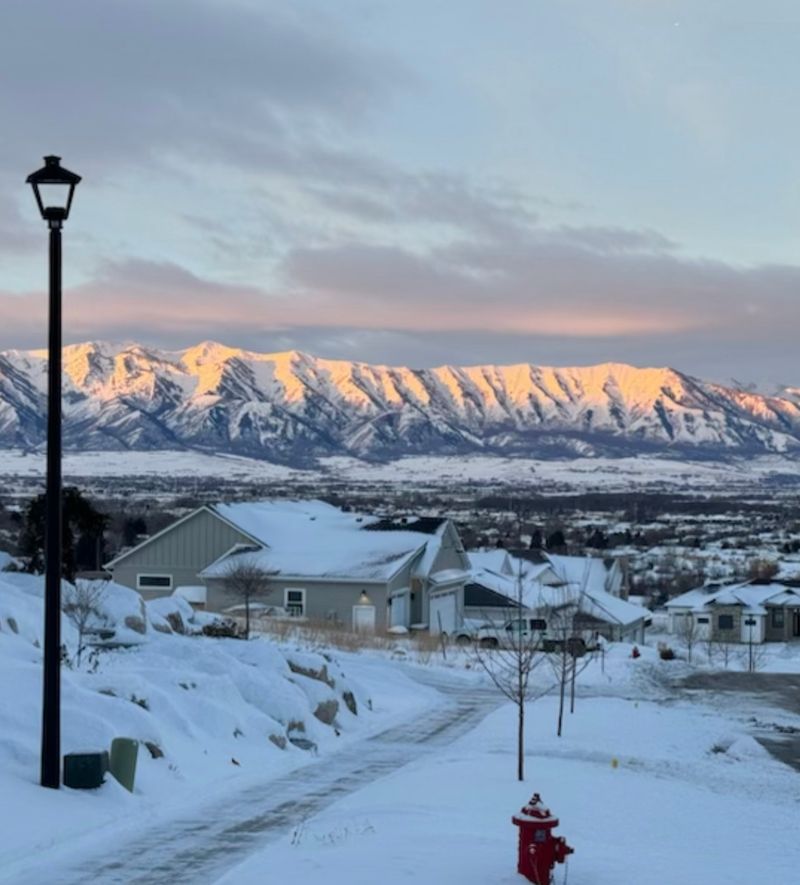
Not every strong contender sits along the Salt Lake City suburban corridor. Providence brings Cache Valley into the picture, offering a smaller community near Logan with a different regional starting point.
Its supplied population is 8,947, and HomeSnacks reports an unemployment rate of just 1.1%. The ranking also credits schools, short commutes, and access to Cache Valley recreation.
Another useful distinction is housing value. Providence’s listed median of $527,895 falls slightly below the statewide median used in the ranking, while median household income reaches $118,072.
That comparison makes Providence worth examining for buyers who find the southern entries financially difficult. It does not guarantee an affordable listing, but it gives the budget discussion a different baseline.
Start your research with employment, especially if moving would mean changing jobs. A low local unemployment figure describes the dataset, not the availability of work in your particular field.
Then compare neighborhoods, assigned schools, and the routes you would use around Logan. Reported short commutes are encouraging, but your own destination still determines the daily drive.
For a scouting visit, focus on ordinary needs rather than trying to turn the whole trip into a vacation. Providence’s strongest argument is a smaller Cache Valley home base with numbers that reward a closer look.
9. Highland, Utah
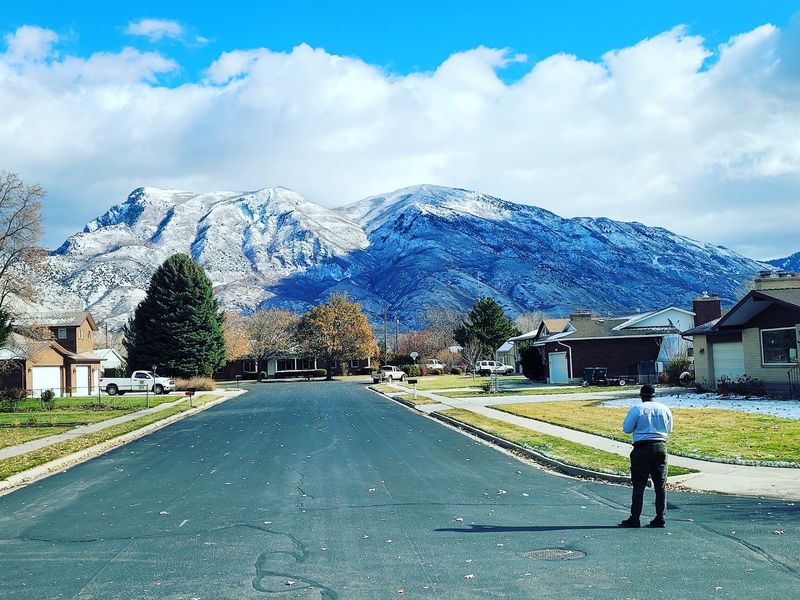
The budget conversation gets serious in Highland. Its median home value of $971,050 is the highest on this list, placing the supplied figure close to the million-dollar mark before anyone starts discussing furniture.
Income is equally striking. At $186,075, Highland’s median household income leads these ten communities by a wide margin.
HomeSnacks also highlights strong educational indicators and a low poverty rate. Those measures help explain its position, but they should not be mistaken for proof that every household enjoys the same financial circumstances.
With 20,119 residents, Highland is not the largest entry here. Its distinguishing feature in this comparison is the combination of high income, educational strength, and expensive housing.
Prospective buyers should build a full ownership budget before falling for a listing. Mortgage payments are only part of the picture; property taxes, insurance, utilities, and upkeep also need room.
Families should review the schools assigned to each address rather than relying solely on citywide education measures. A strong overall indicator cannot tell you whether a particular program fits your child.
Highland makes sense for households whose resources match its housing market and whose priorities align with its strengths. The ranking explains the appeal; your spreadsheet decides whether the address belongs in the next chapter of your life.
10. Fruit Heights, Utah

A small population and a tiny unemployment figure give Fruit Heights a memorable finish. The supplied dataset lists 6,023 residents and reported unemployment of just 0.2%, the lowest figure mentioned among these entries.
The Davis County community sits along the Wasatch foothills near Kaysville and Farmington. That location ties it to the same broader northern Utah corridor while preserving its much smaller scale.
Its median household income is $140,679, and its median home value reaches $758,826. Small, in other words, does not necessarily mean inexpensive.
The unemployment number deserves careful reading. It describes the dataset used for the ranking, not a guarantee that a newcomer will immediately find the right job.
For homebuyers, begin with the actual supply of properties and the cost of owning them. In a community this size, the available choices matter more than a general impression from a regional search.
Check your route to work and compare nearby services with your household’s routine. Proximity to Kaysville and Farmington provides useful context, but each address still needs its own practical review.
Fruit Heights closes the list with a foothill setting, strong income figures, and a notably small community. Its appeal is clear, provided the housing budget and everyday logistics are equally clear before you commit.