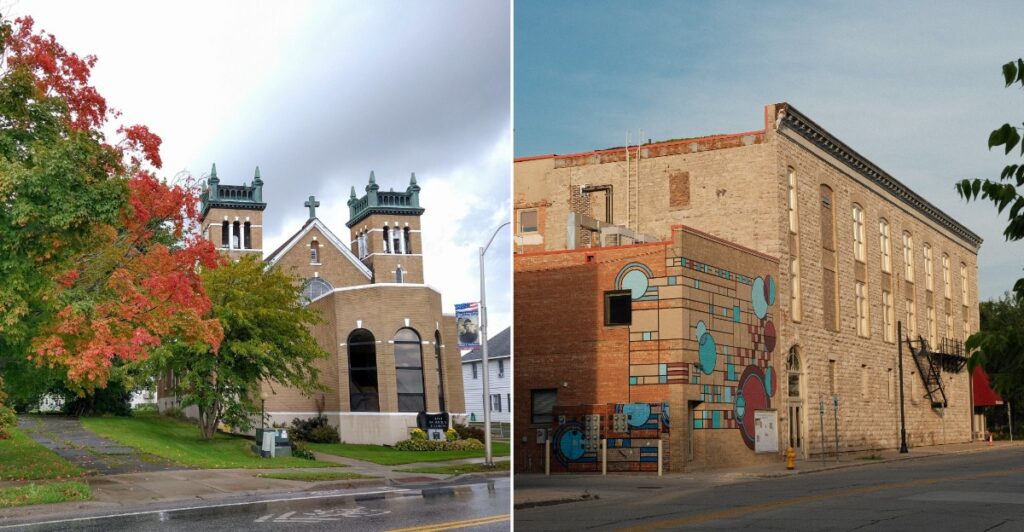
A town can keep the same courthouse, Main Street, and familiar faces while quietly becoming a very different place.
That is happening across parts of Iowa. In several communities, the population has been slipping for years while the share of older residents keeps growing.
Fewer young adults stay, fewer children are born, and longtime neighbors make up more of the people who remain.
The numbers tell part of the story, but they look different from town to town. Some are old river and railroad hubs.
Others are county seats that still serve as anchors for the surrounding countryside.
These Iowa towns show what that slow demographic shift looks like on the ground, and why population change can reshape a community long before it becomes obvious from the road.
1. Keokuk, Lee County
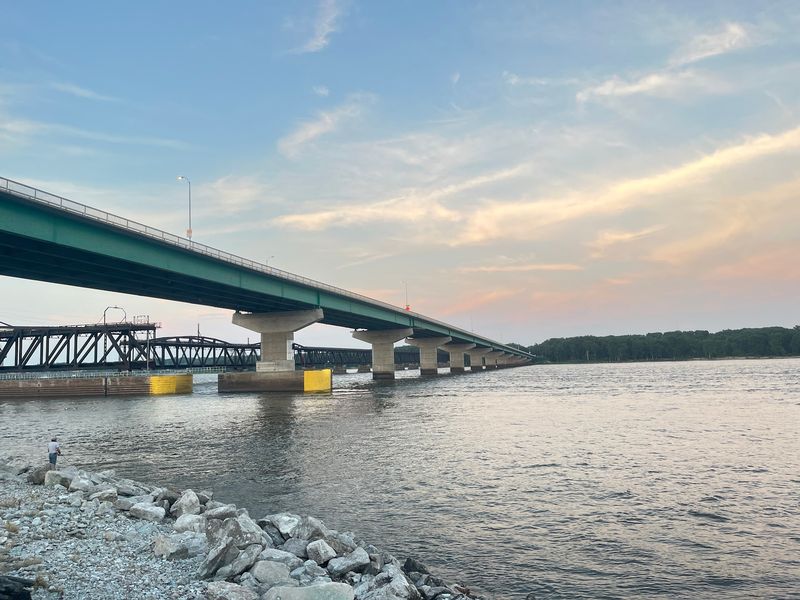
Where the Des Moines River meets the Mississippi, Keokuk sits in the far southeastern tip of Iowa like a sentry watching the water roll by.
The city in Lee County had an estimated 9,510 residents in July 2025. That is a drop of 4.0% from the revised 2020 estimates base, and about 16.8% smaller than it was in 2000.
The median age here is 43.1 years. Women average 44.1 and men average 42.1, so the town skews a bit older than many places.
About 21.4% of residents are 65 or older, which is a big slice of the community.
Lee County has also faced broader demographic pressures in recent years, which adds to the slow slide in numbers. Keokuk once had a powerful industrial economy, and the changes since then still shape daily life.
Still, the riverfront is lovely, and the history is easy to spot along the streets. If you want a quiet walk with big water views, Keokuk delivers without a single traffic jam.
Older neighbors remain an important part of the community as Keokuk looks toward attracting new families.
2. Burlington, Des Moines County
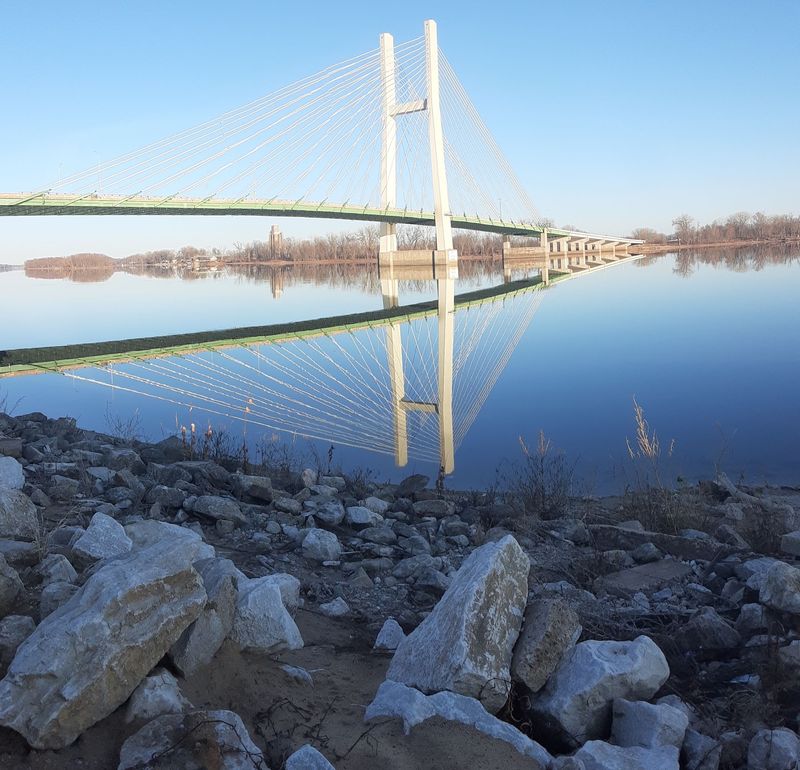
Snake Alley twists up a hillside in Burlington, and locals proudly call it the crookedest street in the world.
The Des Moines County city sits along the Mississippi River, and it has plenty of character. Its population was estimated at 23,336 in July 2025, which is down 2.8% from the revised 2020 estimates base.
Back in 2000, Burlington had 26,839 residents. By 2020 that number had slipped to 23,982, and the slide has continued since.
The median age is 42.5 years, several years older than the national figure. Around 21.5% of residents are 65 or older, according to recent Census estimates.
Factory closures took away many jobs over the years, and younger workers often followed the paychecks elsewhere. That left behind a community with deep roots and an older population.
Visitors can still enjoy river views, old brick streets, and friendly conversation at nearly every corner. Burlington may be getting older, but it still knows how to twist a good story.
3. Clinton, Clinton County
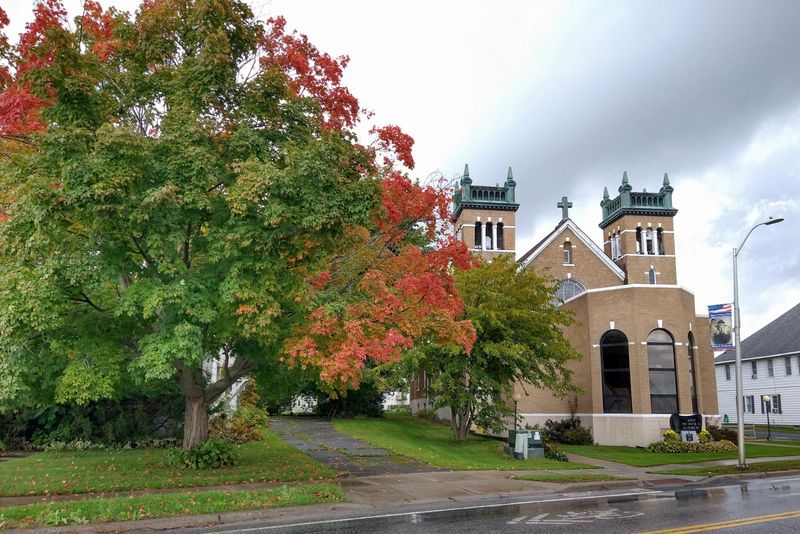
Lumber once made Clinton one of the busiest spots on the Mississippi River, with sawmills humming day and night.
Those days have faded. The Clinton County city lost many jobs as its historic lumber industry declined and manufacturing changed over time.
The population was estimated at 24,049 in July 2025, down 1.7% from the revised 2020 estimates base. The median age is 44 years, and about 21.3% of residents are 65 or older.
Downtown has felt emptier over the decades, and the poverty rate sits near 18.5%. These figures reflect some of the economic and demographic challenges facing the community.
Challenges like these can make it harder to keep young adults around. When a town cannot offer enough jobs, many graduates pack up for bigger places.
Even so, Clinton still has its river, its history, and neighbors who care about what happens next. For anyone curious about how Iowa river towns are changing, this one tells a clear story.
4. Mason City, Cerro Gordo County
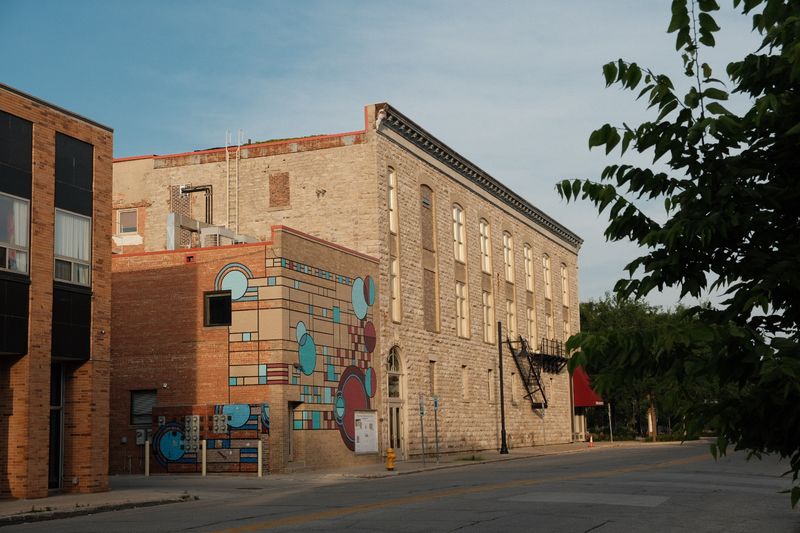
Seventy-six trombones may not be marching down the street, but Mason City still hums with the spirit of The Music Man.
Meredith Willson drew inspiration from this North Iowa city, which serves as the county seat of Cerro Gordo County.
Its population peaked at 30,642 in 1960. The July 2025 estimate was 26,853, which is a 1.8% drop from the revised 2020 estimates base.
The median age is 42.5 years. Women average 45.2, while men average 41.3.
About 23.0% of residents are 65 or older, higher than Iowa’s statewide share of 20.1%. That makes older residents a substantial part of the city’s population.
As longtime workers move toward retirement, maintaining a strong workforce will remain important. Attracting younger residents and new employers could help the city meet that challenge.
Mason City has architecture to admire and culture to enjoy, so it keeps adapting while the music plays on.
5. Fort Madison, Lee County
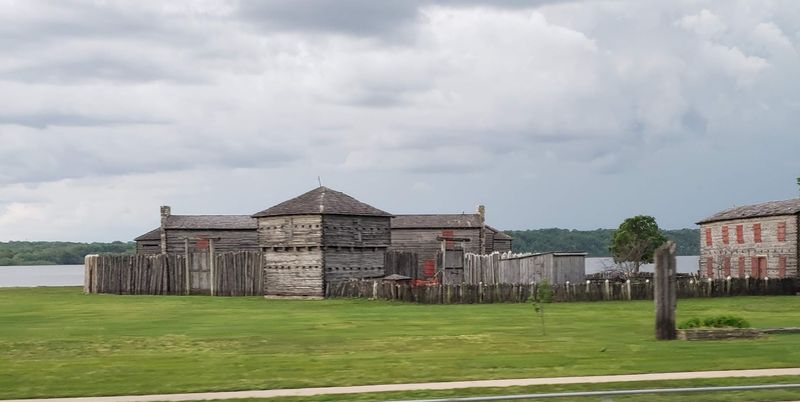
Frontier history is baked into Fort Madison, a city named for a U.S. Army fort on the Mississippi River.
Like its neighbor Keokuk, it sits in Lee County. The July 2025 population estimate was 9,935, which is a 3.7% drop from the revised 2020 estimates base.
The decline has unfolded gradually over several years. The median age is 42.1 years.
Women average 44.8 years, while men average 39.3. That gap shows how the older end of the community leans female.
About 21.8% of residents are 65 or older, according to recent Census estimates. That is a substantial share, and it can influence everything from local services to community planning.
Residents are working to refresh the city and keep its legacy alive for future generations. A walk along the riverfront shows how much pride people have in this place.
Fort Madison proves that a town can get older and still stand tall.
6. Fort Dodge, Webster County
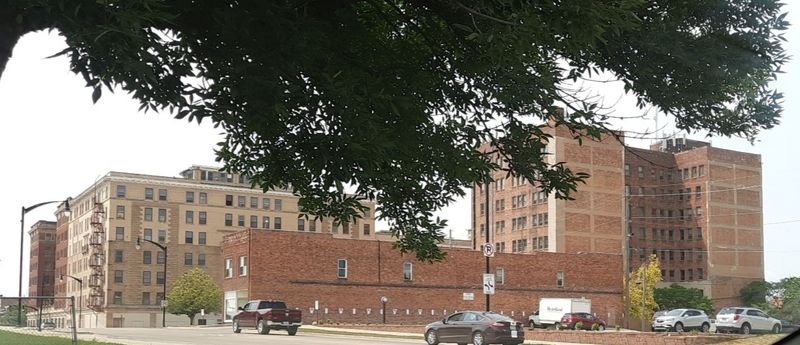
Younger than many towns on this list, Fort Dodge still faces questions about long-term population growth.
The Webster County seat sits in central Iowa and had an estimated 24,837 residents in July 2025, down just 0.2% from the revised 2020 estimates base. Its median age is 38.2 years.
The bigger issue is what happens after high school. Some young adults leave for college or jobs in larger areas such as Des Moines or Minneapolis.
Keeping those residents and attracting new families could help determine the city’s direction over the next decade. About 19.0% of residents are already 65 or older, according to recent Census figures.
Maintaining local schools, services, and job opportunities is an important part of that challenge. Communities with limited population growth must still find ways to compete for families and employers.
Still, Fort Dodge has a lot going for it. Housing remains relatively affordable, and the city rests on a strong history of industry and agriculture.
For families who want a budget-friendly home base, this one deserves a look.
7. Centerville, Appanoose County
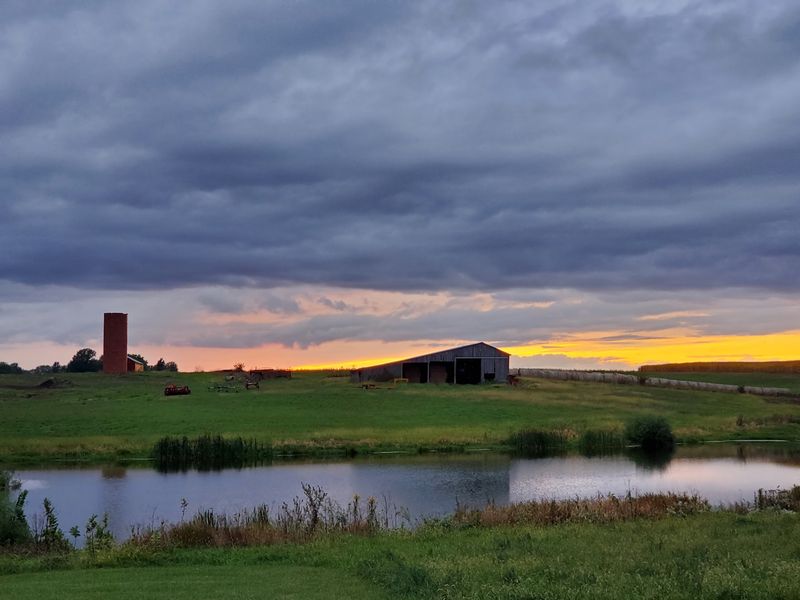
Few things say small-town Iowa like a historic square with a courthouse in the middle, and Centerville has exactly that.
The city is the county seat of Appanoose County in southern Iowa. Neighbors here know each other, and the close-knit feel is part of the appeal.
The population was estimated at 5,327 in July 2025, down 1.7% from the revised 2020 estimates base. About 22.4% of residents are 65 or older, showing how important older age groups are to the community.
That mix can contribute to labor shortages and slow business growth. Natural population decrease is also a concern in many rural Iowa communities.
A town in a non-metro county like Centerville can face some of those same pressures. Younger people may choose bigger places, while older residents remain in their longtime homes.
The quiet charm remains, though. A stroll around the square is a pleasant way to see how community spirit holds up when times change.
8. Shenandoah, Page County
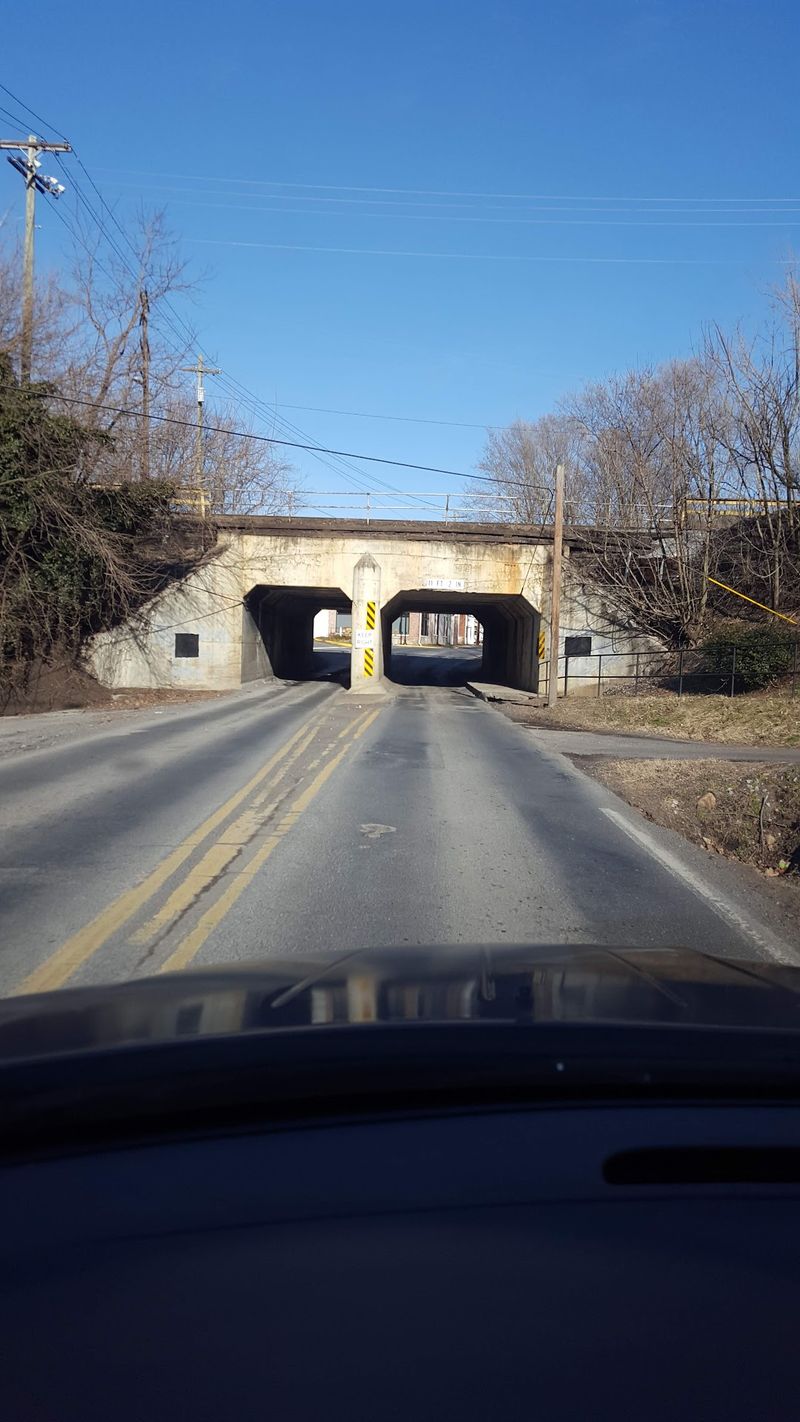
Seeds and radio waves once put Shenandoah on the map in southwest Iowa.
The Page County city sits near the Missouri and Nebraska borders, and it feels a bit off the beaten path. Its July 2025 population was estimated at 4,808, roughly 2.4% below the 2020 census count.
At its peak in 1990, Shenandoah had 5,615 residents. The 2025 estimate is about 14.4% below that peak and approximately 13.3% below the city’s population in 2000.
The median age is about 47 years, one of the highest on this list. Women average 47.2, and men average 45.8.
In the 2020 census, about 24.8% of residents were 65 or older. Page County has also experienced natural population decreases, adding to its broader demographic challenges.
Even so, the town holds tight to its heritage. Old buildings and proud neighbors keep the past close at hand.
Shenandoah may be quiet, but it speaks clearly about resilience.
9. Creston, Union County
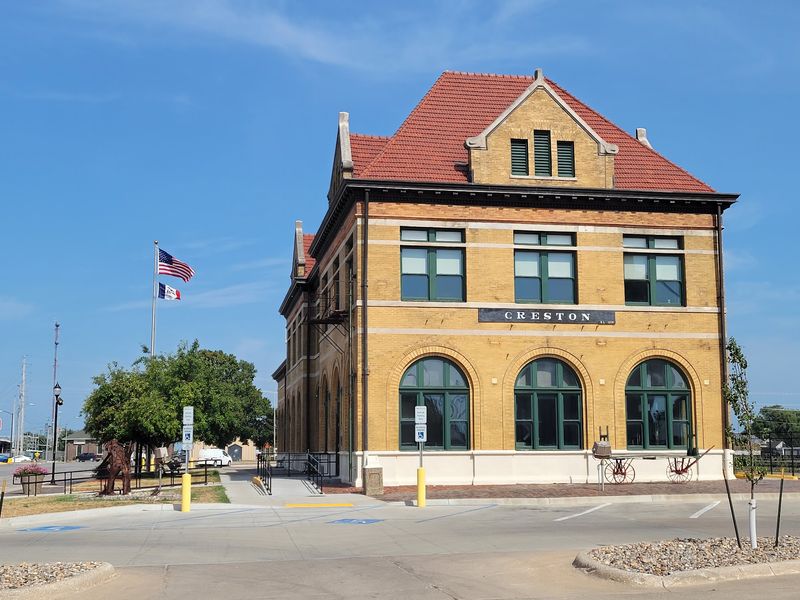
Trains built Creston, and the railroad architecture still stands proudly in town.
As the county seat of Union County in southwest Iowa, Creston serves as a regional hub. Its July 2025 population was estimated at 7,335.
In 2020 the census counted 7,536, and the city is down 2.7% from the revised 2020 estimates base. That continues a longer period of population decline.
The median age is 39.5 years. Women average 41, and men average 36.5.
About 19.7% of residents are 65 or older in recent Census estimates. The 2020 census showed 20.7%, so older residents remain a significant part of the population.
Creston is searching for fresh momentum, like many small Midwestern towns. A community college and strong historical ties give it a solid base to build on.
Walk past the depot, and you can almost hear the whistle. The town is working to honor its past while making room for what comes next.
10. Red Oak, Montgomery County
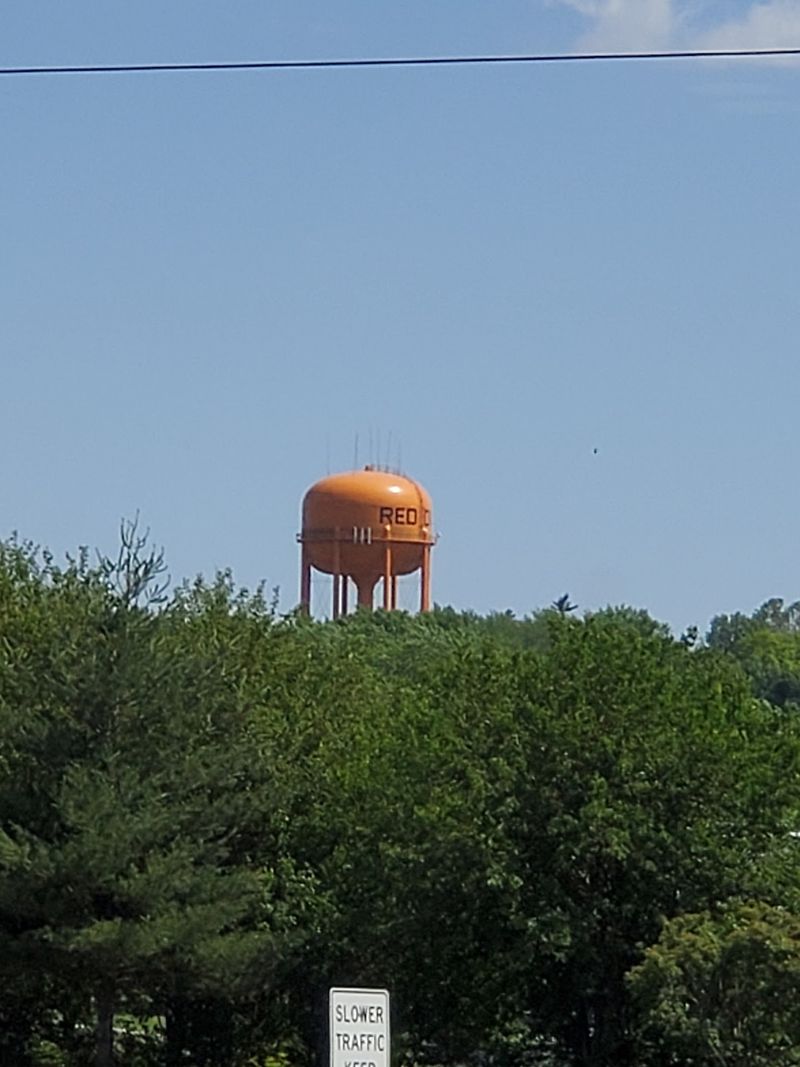
Red oaks once lined a local creek, and that is how Red Oak got its name.
This Montgomery County seat in southwest Iowa had an estimated 5,388 residents in July 2025. That is a 3.7% drop from the 2020 estimates base of 5,596.
In 2000 the city had 6,197 people, so the longer story is one of slow shrinking. The decline has continued through much of the past two decades.
The median age is 40.2 years. Women average 42.8, and men average 37.5.
In the 2020 census, 22.2% of residents were 65 or older, a substantial share of the local population. That is a large group of seasoned neighbors.
Montgomery County has also faced natural population decrease and an aging population. Those trends can make it challenging to attract younger workers and families.
Even so, Red Oak keeps a warm, close-knit feel that makes visitors want to linger a little longer.
11. Clarinda, Page County
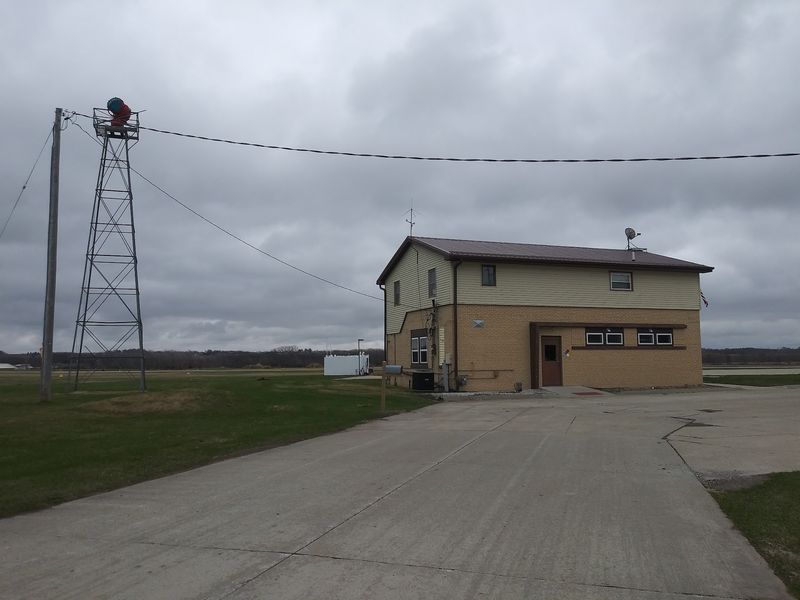
Last on the list is Clarinda, a southwest Iowa county seat with a strong sense of community.
The city sits in Page County, and its July 2025 population was estimated at 5,273. In 2020 it had 5,369 residents, and the latest estimate is down 1.9% from the revised 2020 estimates base.
The population decline has been relatively gradual compared with several other towns on this list. That slower pace gives the town some breathing room.
The median age is 40.1 years, though the gender gap is wide. Women average 48.4, while men average 37.7.
About 22.9% of residents are 65 or older, according to recent Census estimates. That is a sizable senior population.
Like Shenandoah, Clarinda sits in Page County, which has experienced population decline and broader demographic pressures. An aging population and natural decrease remain important challenges.
Residents are not sitting still, though. They honor local history while looking ahead, and that mix of patience and grit sends this list off on a hopeful note.