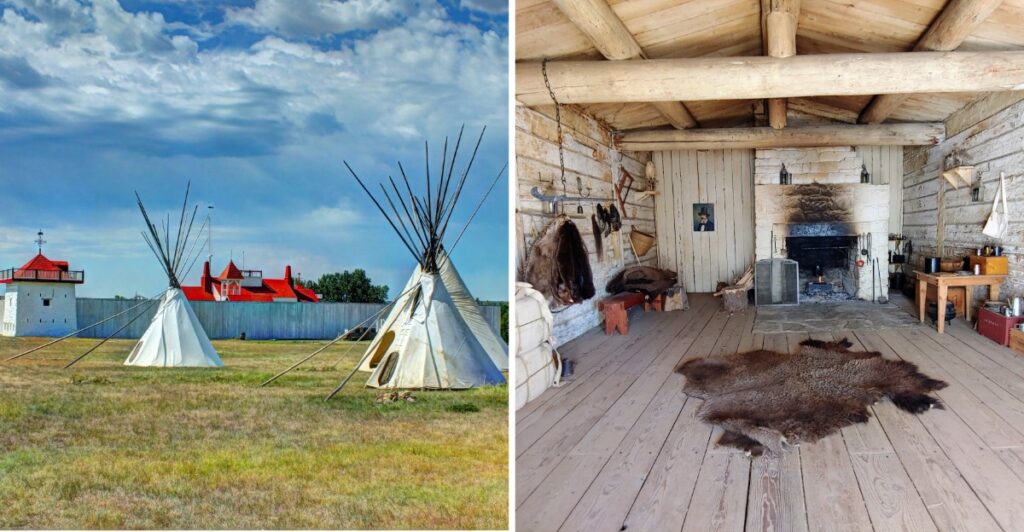
This fort was never really about soldiers.
It was about business.
Back in the 1800s, people came here to trade, move goods, and keep commerce flowing along the Upper Missouri.
That makes the place feel very different from the usual fort story.
The reconstructed post sits near the North Dakota-Montana line, with the Missouri and Yellowstone rivers shaping much of what happened here.
Inside the walls, you can follow the trade story through the buildings and exhibits without turning the visit into a history lecture.
And there is plenty to untangle.
Who came through?
What changed hands?
How did a remote post become such an important meeting point?
I’d start with those questions.
The walls make more sense once you know what everyone was doing inside them.
The Upper Missouri’s Most Important Fur Trading Post
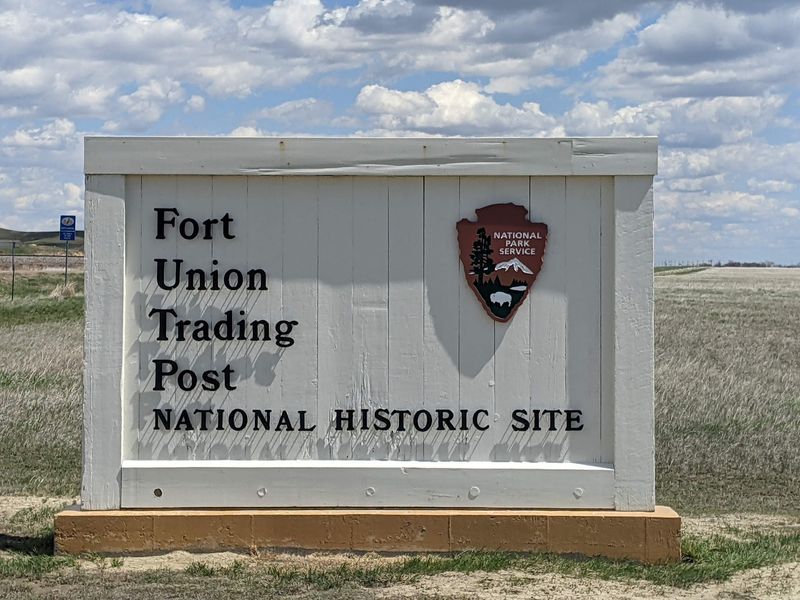
Fort Union operated from 1828 to 1867 as a privately owned commercial trading post rather than a military fort.
The American Fur Company established the post near the Missouri and Yellowstone rivers, and it quickly became the most important fur trading post on the Upper Missouri.
Its location placed it near the homelands of several Northern Plains nations and along a major river transportation route.
Trade centered on buffalo robes, beaver pelts, and other furs. In exchange, Native trading partners received goods such as cloth, blankets, beads, firearms, ammunition, pipes, knives, kettles, and other manufactured items brought from distant markets.
The post also handled storage, supplies, records, and the movement of merchandise through the Upper Missouri region.
When you walk through the reconstructed entrance, keep in mind that the walls enclosed a working business complex. The site included employee housing, workshops, storage areas, animal pens, and spaces used for trade.
The Bourgeois House, Trade House, and courtyard sit close together inside the reconstructed walls. Take a few minutes outside to see how the buildings relate to the walls and gate before moving indoors.
More Than Twenty-Five Thousand Buffalo Robes A Year
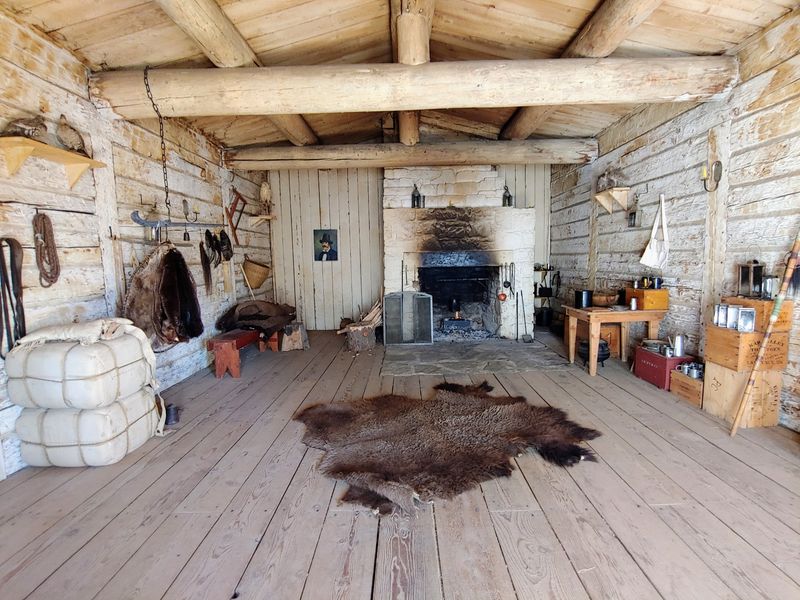
Fort Union received more than 25,000 buffalo robes in an average year and handled more than hundreds of thousands of dollars in merchandise annually.
The annual flow of robes and merchandise made Fort Union a major commercial center on the Upper Missouri. Buffalo robes arrived through Native trading networks, while manufactured goods traveled upriver before being distributed through the post.
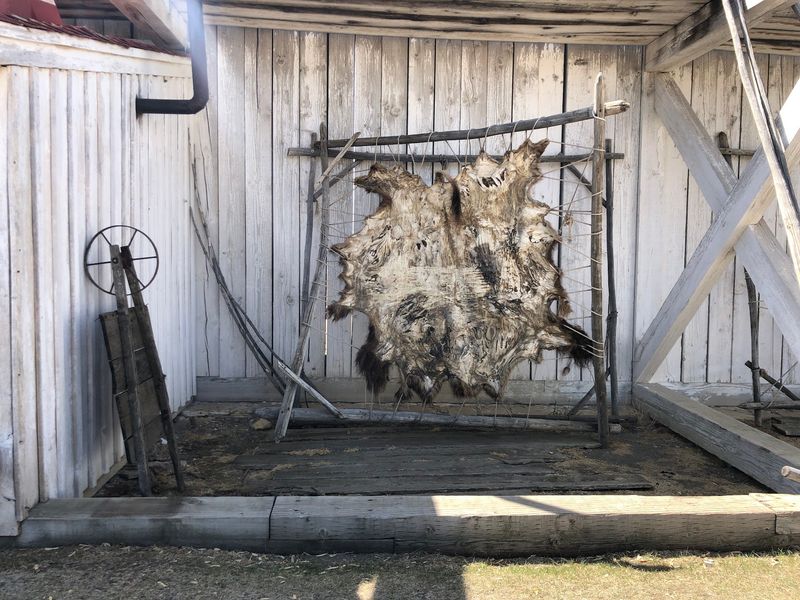
The robes were valuable trade items, especially as demand grew during the nineteenth century. Other furs and hides also moved through Fort Union, including beaver, grizzly bear, and smaller animal pelts.
Inside the Trade House and museum exhibits, look for examples of the goods that changed hands.
Beads, cloth, firearms, cooking items, tools, and personal objects help turn the large trade figures into things you can actually picture being packed, carried, stored, and exchanged.
Notice the contrast between what arrived at the post and what left it. Furs and robes moved toward outside markets, while manufactured goods moved back through the post to Native trading partners.
Fort Union served as a regional business center for decades, storing and moving goods through the Upper Missouri trade network.
Near The Missouri And Yellowstone Confluence
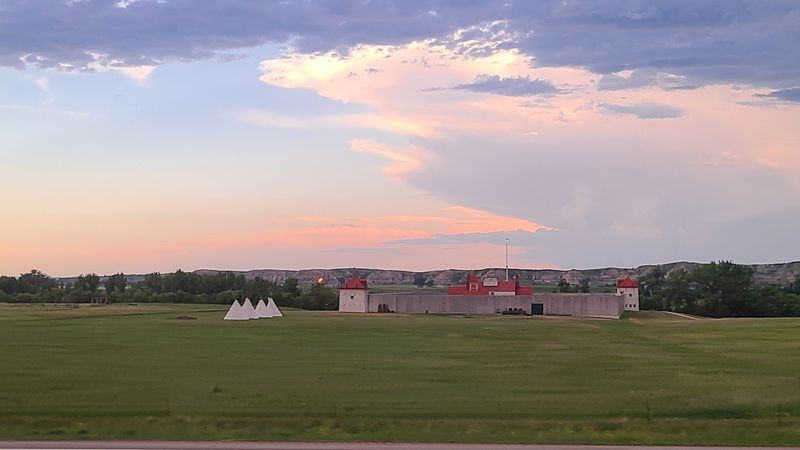
Fort Union stands near the confluence of the Missouri and Yellowstone rivers, on a high bank above the Missouri.
That location connected the post to river transportation and to trade routes used across the Northern Plains. Boats carried supplies and merchandise upstream, while furs, robes, correspondence, and other cargo moved back downriver.
The Missouri became even more important after steamboats began reaching Fort Union in the 1830s. River travel lowered transportation costs and increased the amount of freight that could move between the post and markets farther east.
The national historic site also sits directly along the North Dakota-Montana state line. Travelers arriving from Montana should pay attention to the clock because Fort Union follows Central Time.
Leave the main buildings for a look across the open ground toward the Missouri. The Yellowstone joins it a short distance away, placing the fort close to two major waterways used by travelers and traders.
With extra time, walk the outdoor areas and take in the river setting beyond the walls. River access and nearby tribal homelands were central to how the trading network functioned.
Trade Connected Many Northern Plains Nations
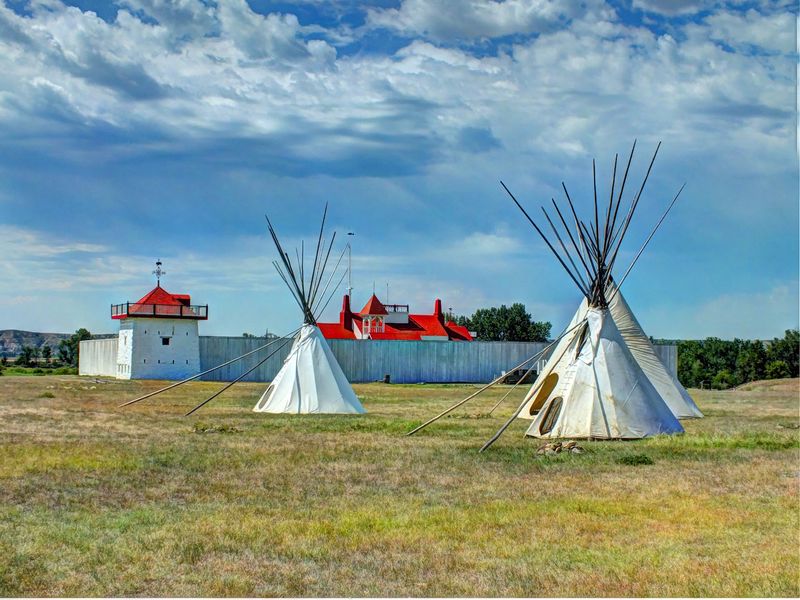
Fort Union stood in Assiniboine territory. Kenneth McKenzie received Assiniboine permission to establish the post, and the Assiniboine became its principal trading partners.
Over the following decades, people from many other Northern Plains nations also traded there, including Apsáalooke, or Crow, Plains Cree, Blackfeet, Plains Ojibwa, Mandan, Hidatsa, Arikara, Lakota, and Dakota.
They brought buffalo robes, hides, pelts, and other goods to Fort Union and received imported manufactured items in exchange. Trade relationships varied by nation, season, politics, and regional conditions.
The post was therefore more than a place where merchandise changed hands. Meetings here also involved negotiation, diplomacy, language, travel, and relationships built over repeated visits.
In the exhibits, focus on specific objects and the people connected to them rather than treating the trade as one simple transaction. Beadwork, clothing, tools, weapons, cooking goods, and archaeological finds all reflect different parts of the exchange.
The Assiniboine relationship remained central to Fort Union throughout its operating years.
Allow enough time to read the names, objects, and individual histories connected with the different Native nations represented in the exhibits.
The American Fur Company Established The Post In 1828
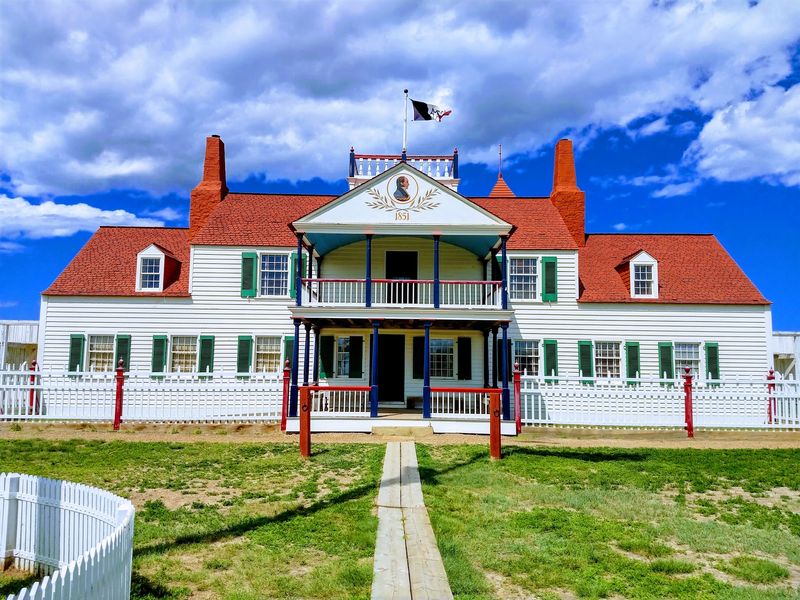
John Jacob Astor’s American Fur Company established Fort Union in 1828 as part of its Upper Missouri operations.
Kenneth McKenzie became the founding bourgeois, or post manager. Under his management, Fort Union grew into the headquarters of the company’s Upper Missouri Outfit and became a major center for business, storage, transportation, and trade.
Steamboat service strengthened that role. In 1832, the first steamboat reached Fort Union, making it easier to move larger quantities of goods along the Missouri River.
After the first steamboat reached Fort Union in 1832, steamboat traffic became an increasingly important part of the post’s supply system.
Boats brought manufactured goods, mail, employees, and other supplies upriver. On return trips, they carried furs, robes, correspondence, and other cargo downstream.
The river season shaped when large shipments could move, tying the business calendar closely to navigation on the Missouri.
Daily work inside the walls involved clerks, laborers, interpreters, craftsmen, traders, hunters, and other employees. Records had to be kept, goods stored and counted, equipment repaired, animals managed, and trade arrangements completed.
Begin in the Bourgeois House for exhibits on the people and jobs that kept the post functioning, then step back outside and look across the courtyard toward the other reconstructed spaces.
The Bourgeois House held management and administrative functions, while the Trade House centered on exchange between company traders and Native trading partners.
Fort Union remained active under changing ownership until 1867.
Archaeology Guided The Reconstruction
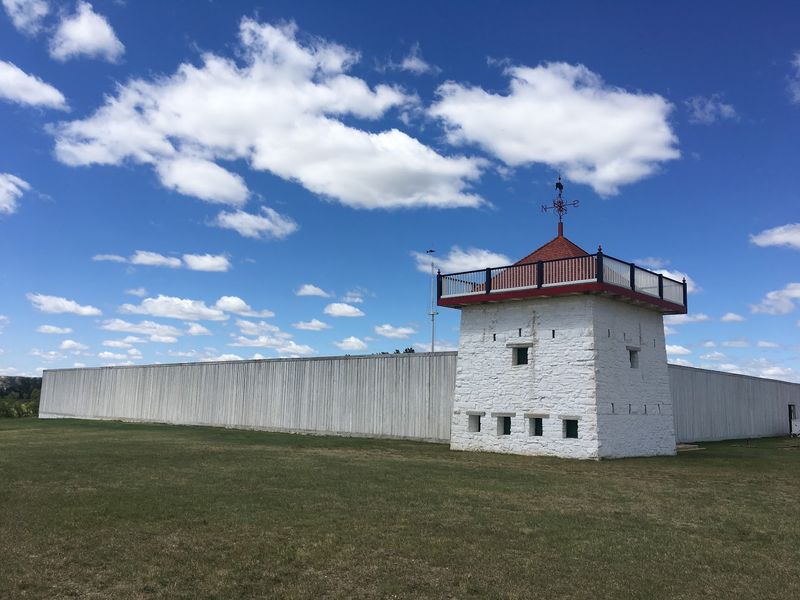
Very little of the original fort remained above ground by the twentieth century, so archaeology played a major role in reconstructing the site.
Excavations documented foundations, building locations, artifacts, and other evidence beneath the ground. Reconstruction began with the flagpole in 1985 and expanded through the late 1980s and early 1990s.
The Bourgeois House was reconstructed after archaeological work in 1986 and opened as the visitor center in 1987. The palisade walls, bastions, and other features followed, and the reconstructed Trade House opened to the public in 1993.
The Bourgeois House Visitor Center is fully accessible and contains exhibits, archaeological artifacts, interpretive displays, and videos about the fort’s history.
Fort Union Trading Post National Historic Site is at 15550 Highway 1804, Williston, ND 58801. The park currently operates Tuesday through Saturday from 9 a.m. to 5 p.m. Central Time, while the Bourgeois House Visitor Center closes at 4:30 p.m.
Before driving out, check the current schedule for closures or seasonal changes. The site is remote enough that arriving on the wrong day can add a long unnecessary drive.
Trade Ended In 1867 But The Site Remains Active
Fort Union’s fur trading era ended in 1867.
By then, political, economic, military, and settlement patterns across the Upper Missouri had changed considerably. The U.S. Army purchased the post from its final private owner and dismantled parts of the fort, using salvaged materials at nearby Fort Buford.
The reconstructed site now focuses on the trading years from 1828 to 1867 and the people who moved through the post during that period.
The annual Fort Union Rendezvous brings period crafts, living-history demonstrations, traders, and other fur-trade-era programming to the grounds during the summer.
On an ordinary visit, the courtyard, exhibits, Trade House, Bourgeois House, walls, and bastions provide the main route through the site.
For a shorter stop, begin in the visitor center and walk the central courtyard before visiting the Trade House. With more time, add the outdoor grounds, river views, exhibits, and conversations with park staff.
Remember the time zone before setting out, especially if your route begins in Montana. Fort Union keeps Central Time even though it sits directly on the state line.
Plan on enough time to see the trade relationships, river geography, reconstructed buildings, and archaeological evidence before you head back across the plains.