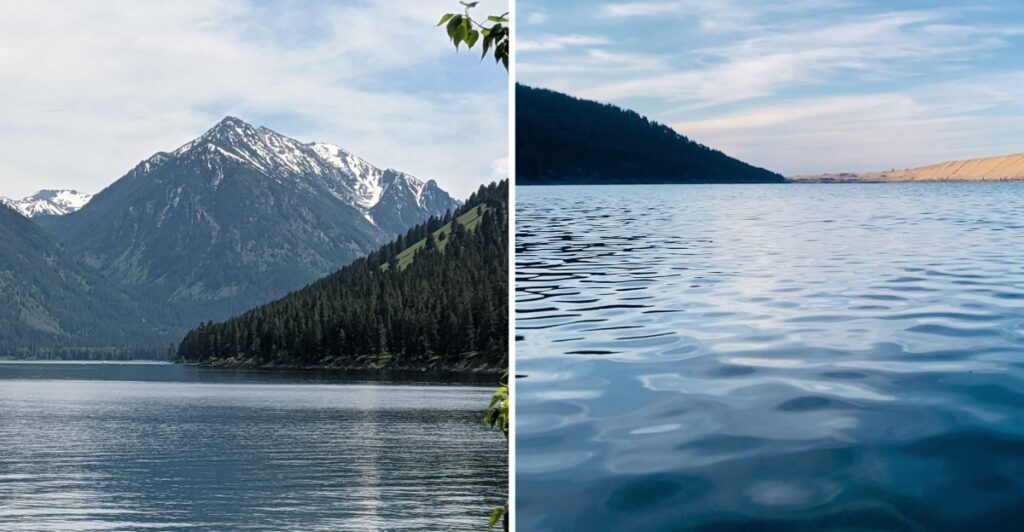
If we got here and you said, “Ten minutes should be enough,” I’d probably laugh.
Look at it.
Blue water. Mountains practically crowding the shoreline. Forest everywhere you turn.
Ten minutes is not happening.
You can sit by the water and do absolutely nothing useful. You can paddle out and see the valley from a completely different angle. Or follow the scenery farther into the mountains.
Ancient glaciers carved much of what you are looking at, which feels almost unfair considering how good the final result turned out.
Oregon really brought its A-game here.
So bring lunch.
Maybe bring dinner plans too.
I have a feeling the car is going to be waiting a while.
An Alpine Corner Of Oregon That Feels Like Another Country
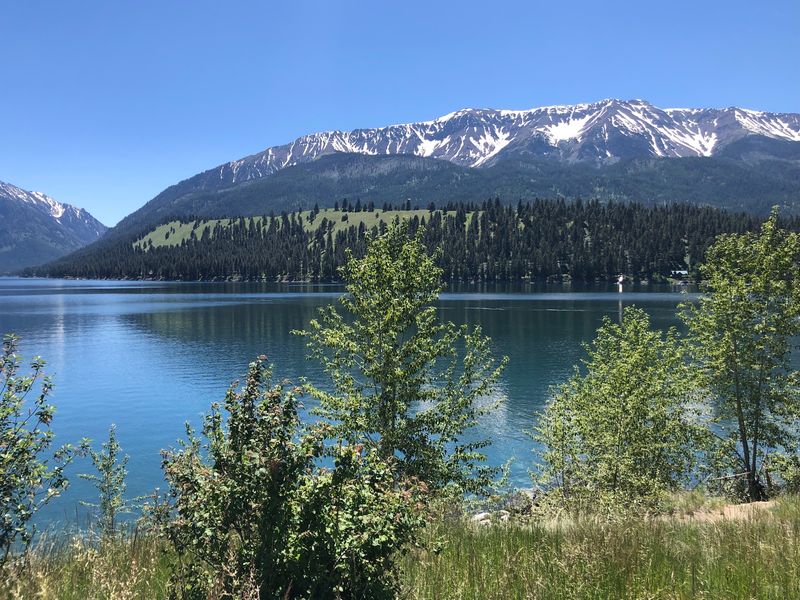
Ever rubbed your eyes at a mountain view because it seemed a little too good to be real? Wallowa Lake provides a striking first glimpse of blue water beneath the Wallowa Mountains, not far from the town of Joseph.
The peaks rise at the southern end of the lake, while forested slopes and long ridges frame its shoreline. On calm mornings, reflections can make the mountains appear twice, once above the water and again on its surface.
The northeastern corner of Oregon is a substantial drive from the state’s larger cities. Plan the journey as part of the visit rather than squeezing the lake into a quick detour.
A night nearby makes it easier to see the water in changing light and to explore the surrounding park at an unhurried pace.
Mountain weather deserves a place on the packing list. Even when afternoons are warm, conditions can shift, particularly near the higher trails.
Start at the shoreline to get your bearings. Then decide whether the day calls for a lakeside picnic, a paddle, or a ride into the mountains. Each option offers a different perspective on the same remarkable landscape.
Ice Age Glaciers Carved This Valley Long Before Anyone Arrived
Giant rivers of ice shaped this scenery, and their work is still visible around the lake. Glaciers moved down from the Wallowa Mountains, carving a broad valley and carrying enormous quantities of rock, gravel, and sediment.
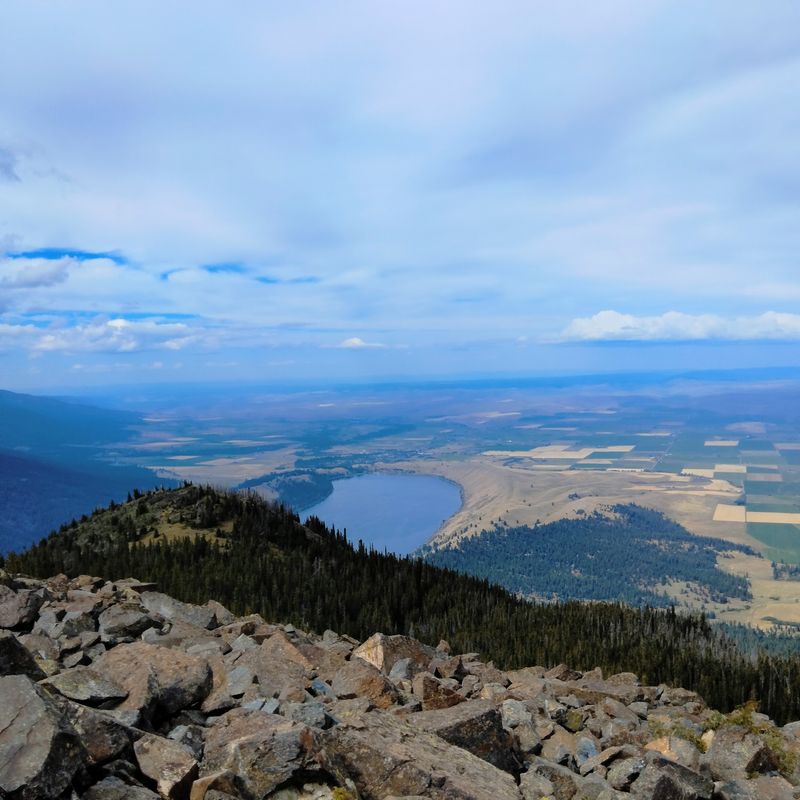
When the ice retreated, much of that material remained in long ridges called moraines. The ridges flanking Wallowa Lake are exceptionally well preserved. From a higher viewpoint, their sweeping outlines are easy to distinguish from the sharper mountain slopes beyond.
The terminal moraine at the northern end helps hold the lake in its basin. Look for its broad curve when driving along the water, then compare it with the ridges running beside the lake.
The geology becomes particularly clear from above, although there is plenty to notice without taking to the heights. The smoother, grassy contours of the moraines contrast with the craggy peaks to the south.
For a little perspective, imagine the valley filled with a glacier rather than lake water. Today’s wooded slopes, beaches, and boating areas occupy ground shaped during a much colder chapter of Oregon’s history.
Clear Blue Water That Keeps Going Deeper Than You Expect
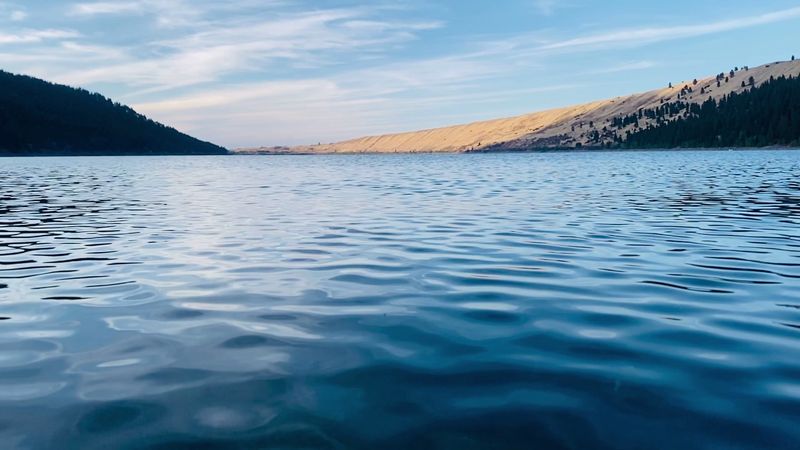
Peer over the edge of a kayak near shore, and you may be able to make out rocks beneath the water. Wallowa Lake is known for its clear appearance, particularly when light and wind cooperate.
Its blue color can change through the day. Shallow water along the edge may look lighter, while the broader lake reflects darker tones from the sky and surrounding mountains.
There is considerable depth beneath that surface. The water drops into a deep, glacially formed basin rather than remaining shallow across the lake. From the shore, that depth is not always obvious.
Its basin and steeply rising shores are part of the same Ice Age landscape.
Bright sunshine can show off the water’s color, but a still, overcast morning has its own appeal.
The water can remain cold even in summer, despite warm air and bright sunshine. Swim only in suitable areas, pay attention to underwater obstacles and steep drop-offs, and use a properly fitted life jacket.
The park’s swimming area is unsupervised, so bring a companion rather than heading in alone.
Keep a dry layer nearby for afterward.
Rugged Peaks That Frame Every Single Photo
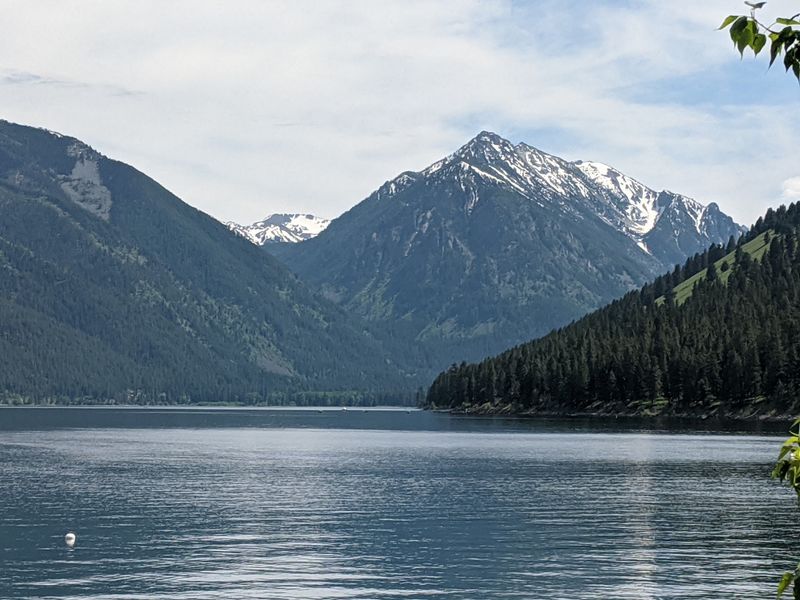
Snow sometimes lingers on the higher Wallowa summits into the warmer months, contrasting with green forests and blue water below.
These peaks are steep and rugged rather than gently rolling. From the shoreline, the slopes form a dramatic background for photographs, while the road and lakefront areas offer opportunities to change angles without committing to a long hike.
Morning light can pick out ridges and rock faces; late-day light may add warmer tones. Try framing the mountain slopes through the trees, then step closer to the water for a wider composition.
For visitors interested in walking beyond the lake, the nearby Wallowa Lake Trailhead provides access toward the Eagle Cap Wilderness.
The trailhead is reached through the Little Alps day-use area along the river, which operates seasonally. Longer hikes require more preparation than a stroll around the park.
Check trail and weather conditions before setting out, carry water, and choose a route appropriate for your group. High-country weather can change quickly, and an easy lakeside afternoon should not be confused with a mountain trek.
With another day available, consider a properly planned hike or the tramway for a different view.
Paddles, Fishing Lines, And Chilly Swims On A Sunny Afternoon
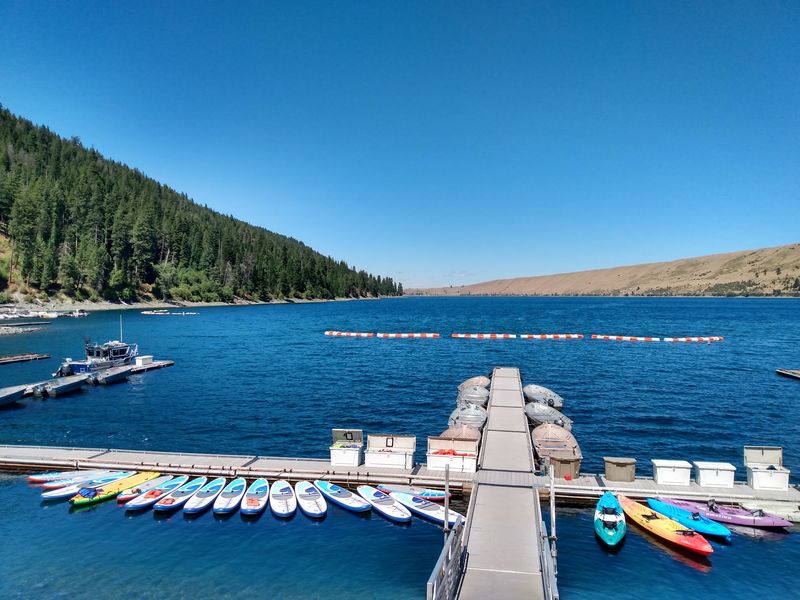
Splash first, warm up later? At Wallowa Lake, a more useful plan is to decide how you want to enjoy the water before choosing your equipment.
Wallowa Lake State Park sits at the southern end and offers a beach, fishing spots, picnic tables, and access to boating. Swimming is unsupervised, and the water remains cold year-round. A life jacket and a swimming companion are sensible essentials, even on a sunny day.
The marina within the park rents kayaks, paddleboards, canoes, and several kinds of boats during its operating season.
Those rentals generally end around mid-September, so an autumn trip should not depend on finding a kayak waiting at the dock. During the main season, nonmotorized rentals are generally first-come, first-served.
Bringing your own boat requires some extra attention to current access arrangements.
Low lake levels have prompted removal of the state park boat ramp’s boarding dock for the season, although the ramp itself remains open.
Plan around those conditions rather than assuming normal dock access.
Fishing is another option. Wallowa Lake has kokanee and other fish, and anglers can obtain licenses and tackle at the marina when it is operating. Check Oregon fishing regulations before casting a line.
A quieter alternative takes no special equipment: choose a picnic table, bring snacks and water, and watch the light move across the lake.
A Steep Tram Ride To The Top Of Mount Howard
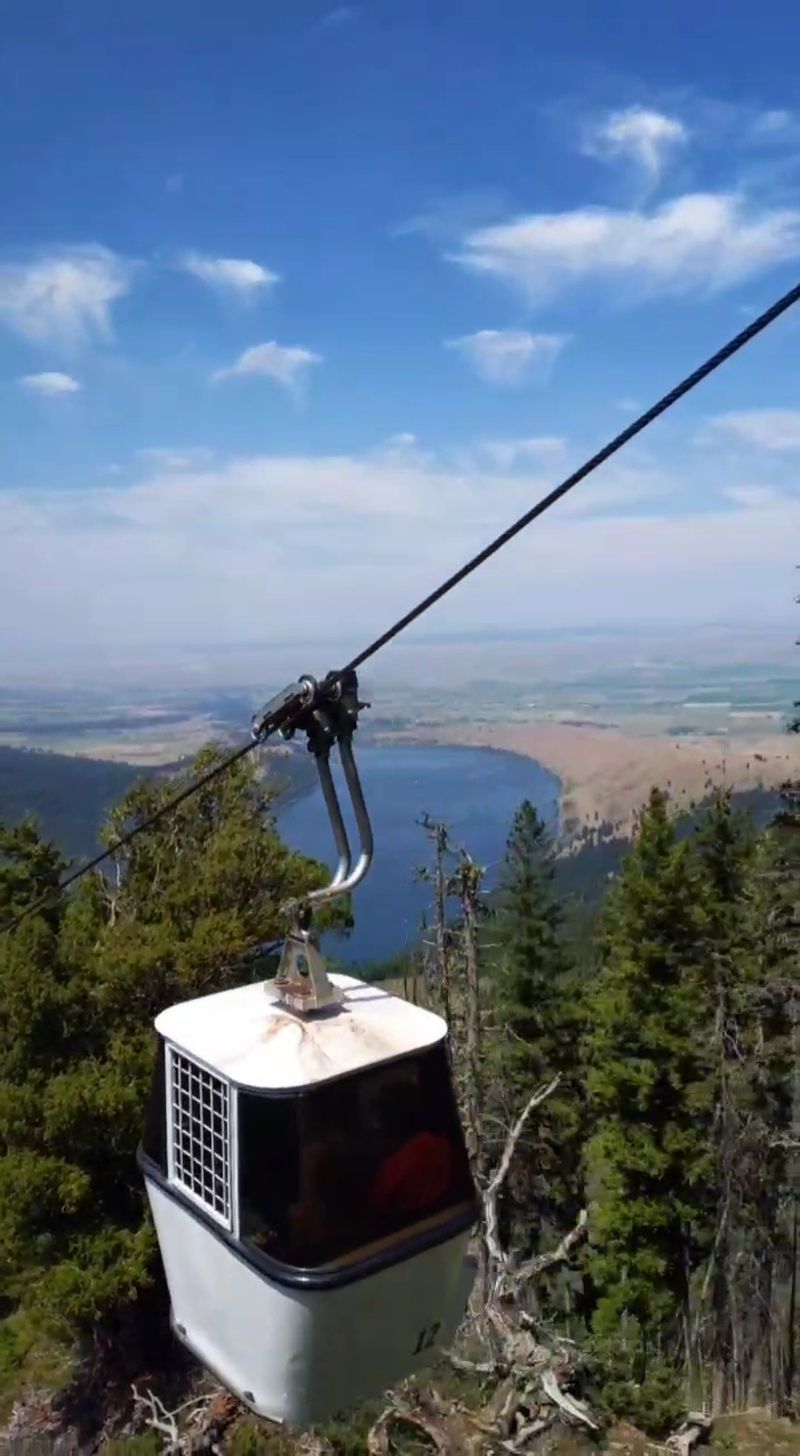
The Wallowa Lake Tramway climbs from near the southern end of the lake toward Mount Howard, trading shoreline views for a broad look over the basin.
Near the upper station, walking paths lead to viewpoints across the Wallowa Mountains and the glacial landscape below. On a clear day, look for the long moraines beside the lake as well as the peaks reaching across the horizon.
This is a seasonal outing, not a year-round lift. The regular operating calendar centers on the warmer months, with daily ticket-booth hours varying between June, July, August, and September.
Limited dates may fall outside those months, but the tram does not offer scheduled winter service.
No standard reservation is needed for an individual visit, although groups seeking special rates have separate arrangements. Each gondola cabin accommodates up to four adults. Check the operating calendar and weather before making the tram the centerpiece of a day.
Bring another layer for the top, where the higher elevation can feel cooler and windier than the lakeshore. Stay on established paths, keep food secured, and never feed wildlife.
If clouds obscure the upper slopes or the tram is closed, keep a lakeside walk as your backup.
Planning Your Trip To The Lake Near Joseph
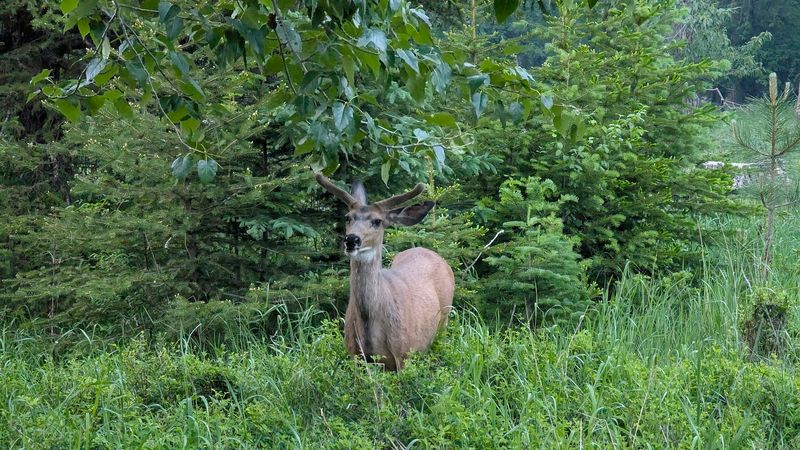
Deer sometimes wander through Wallowa Lake State Park, including near campsites. Give them plenty of space, keep pets controlled, and store food and garbage securely. These animals are wild even when they appear comfortable around people.
The park lies south of Joseph and remains open year-round for day use and camping. Its campground includes tent sites, full-hookup RV sites, group tent areas, and two heated yurts.
Showers, flush toilets, a playground, and picnic areas add practical comforts to a longer stay.
Reservations are available for many campsites and are required for yurts. In winter, fewer facilities and camping sites remain available, and water service is limited. A day-use parking permit is required for drivers who are not camping.
Day-use areas operate during daylight hours, with local closing times posted at the park. A one-day parking permit can be purchased on site.
The surrounding lake community offers seasonal businesses and activities, while Joseph provides another place to find meals and browse shops. Check operating seasons before planning a trip around rentals or the tramway, especially in autumn.
For navigation, use Wallowa Lake State Park, 72214 Marina Lane, Joseph, OR 97846. The park entrance is at the lake’s southern end, where the campground and day-use areas provide a starting point.
Bring layers, drinking water, and suitable footwear.