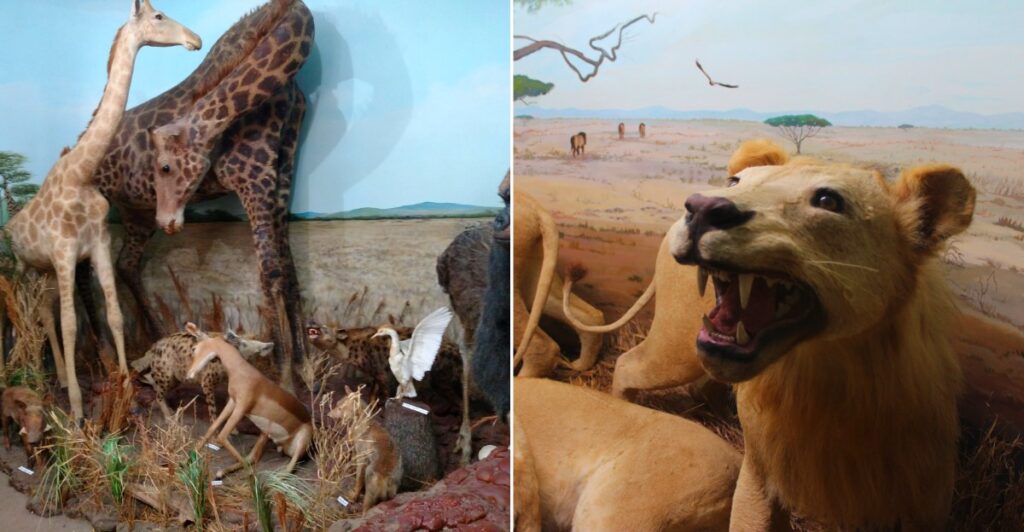
A giraffe beside a snow leopard is not the usual Louisiana roadside pairing, which is exactly why this museum became a memorable curiosity. Founded in 1981, the family-run collection displayed more than 1,000 mounted animals inside painted habitat scenes designed to bring distant wilderness indoors.
The result was part natural-history display, part personal art project, and shaped by one family’s unusual vision.
Louisiana once had a wildlife museum where more than 1,000 mounted animals, painted landscapes, and decades of family ambition created an immersive roadside attraction.
What fascinates me most is the scale of the dream behind it. These displays were not simply rows of specimens; they tried to build whole environments around them.
The museum is now closed due to lack of community support, so this is a story to explore through its history rather than a place to visit. Its strange legacy, however, still deserves a closer look.
A Highway Address With A Global Collection
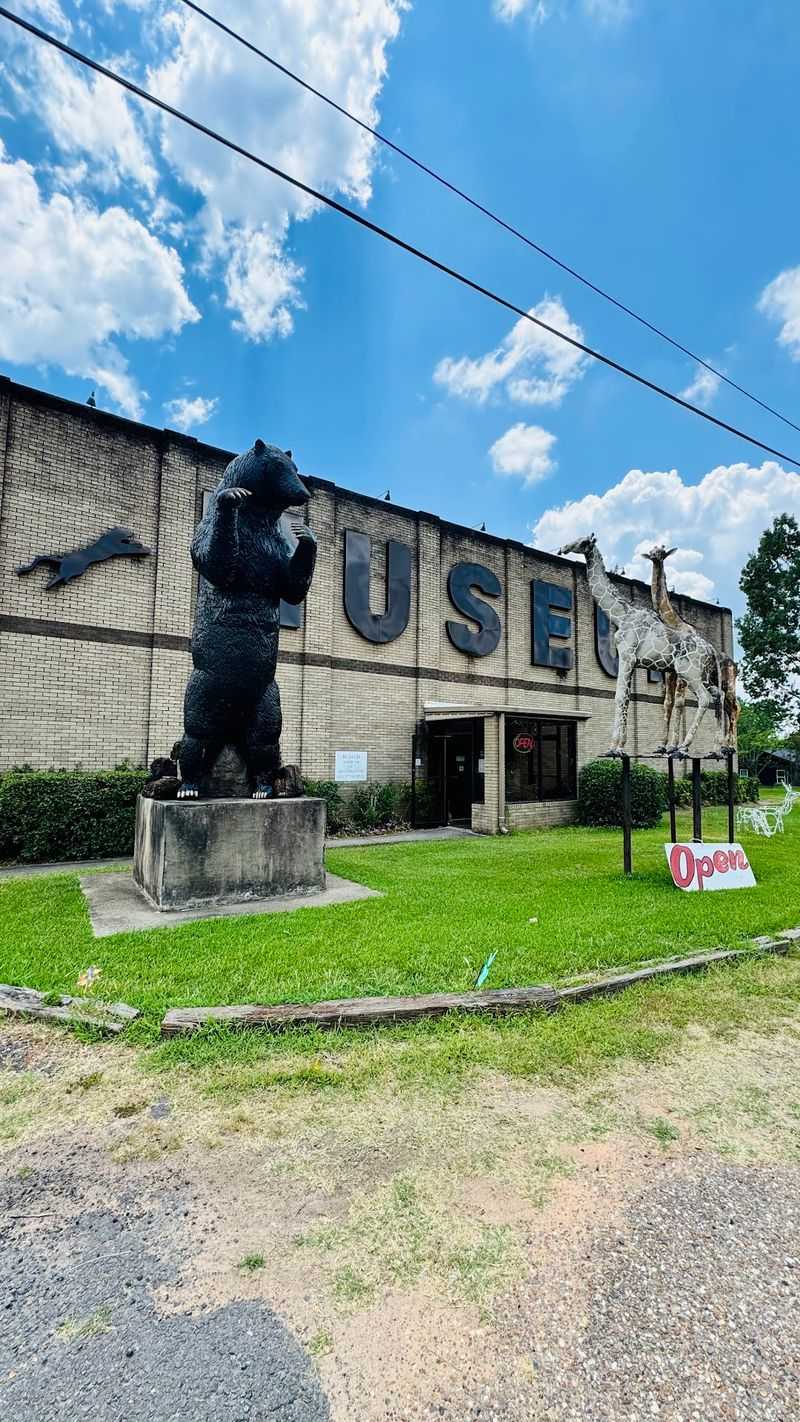
Highway 80 in Haughton was the setting for a collection that reached far beyond Louisiana. The museum’s address is 3386 Hwy 80, Haughton, LA 71037, about twenty minutes from Shreveport, depending on traffic and your starting point.
That contrast helps explain its appeal: a family museum beside a familiar road held animals associated with landscapes around the world. You did not need a major city setting for a collection with this much range.
Keep the full address handy when researching its history, since abbreviated names can lead to scattered or outdated listings. A map marker identifies the building’s location, not its current availability.
For now, the address is useful context rather than a travel recommendation. Understanding where the museum stood also makes its story more grounded: this ambitious wildlife display grew from a specific family and a specific Louisiana community.
Highway 80 Brings You Straight To The Museum
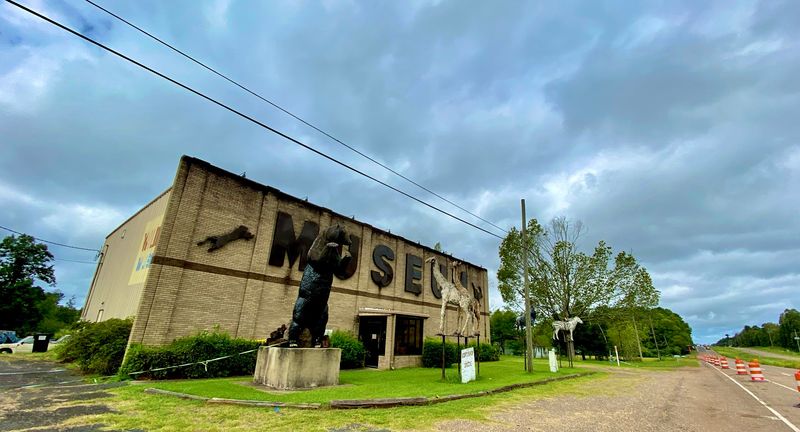
Touchstone Wildlife & Art Museum sits at 3386 Highway 80 in Haughton, Louisiana, east of Bossier City. Highway 80 is the road to stay with on the final approach, with the museum set directly along the corridor rather than tucked into a side street.
The last stretch gets more open and roadside-focused as you move east, with larger lots and low commercial buildings replacing denser city traffic. Once you reach the 3300 block of Highway 80, the museum property comes up directly along the road.
Pull into the museum property from Highway 80 and use the parking around the building, then head toward the main entrance. Since the museum has recently listed itself as closed, check its current status before making a special trip.
Stuffed Animals Without The Toy Store
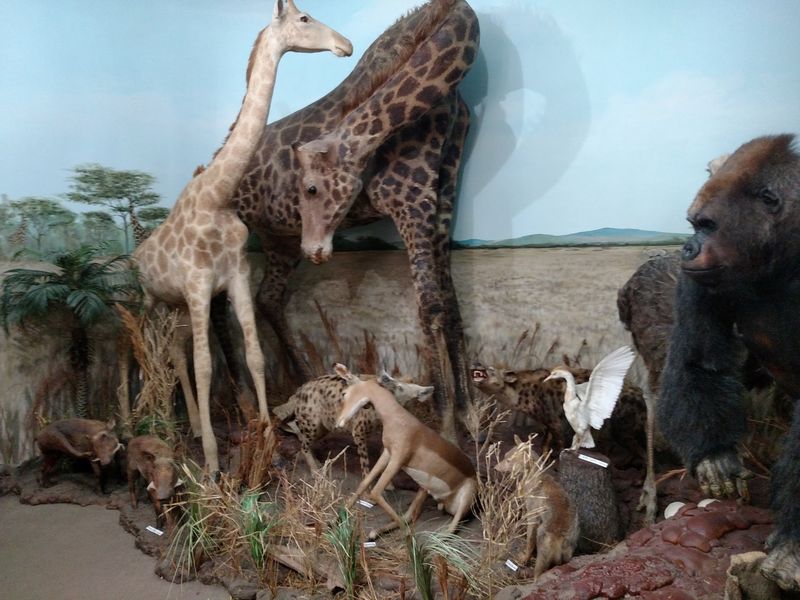
Forget plush bears with ribbon collars. The stuffed animals in this museum were mounted specimens, preserved through taxidermy and arranged to show their size, shape, and appearance.
Before its closure, Touchstone was known for more than 1,000 specimens from across the globe. Many were zoo animals donated after natural deaths, but that does not establish the same history for every animal in the collection.
When looking at archived photographs, notice the difference between an animal’s preserved outer appearance and its original living body. Taxidermy involves skilled preparation and mounting, not simply filling an intact animal with stuffing.
For children, a clear explanation helps: these were real animals, but they were no longer alive. That distinction makes the collection easier to understand without turning it into something frightening.
It also gives the museum’s animal displays a more thoughtful frame than the playful title suggests.
Painted Wilderness Did Half The Work
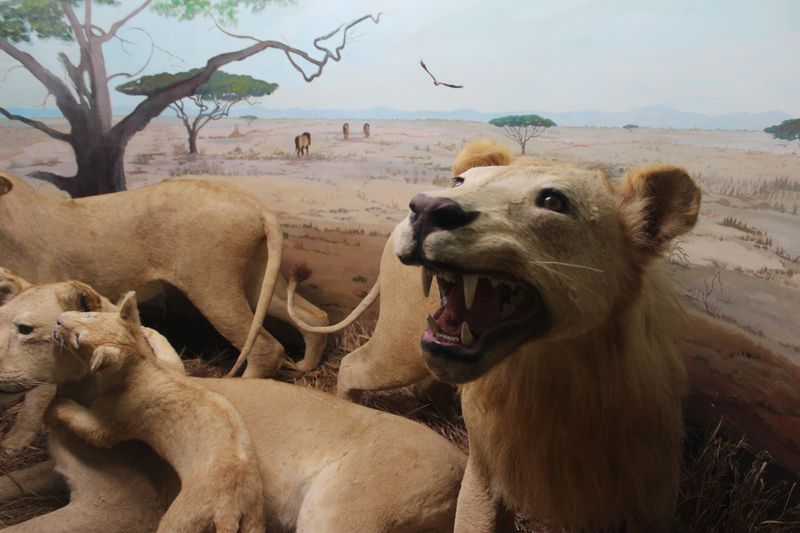
A painted horizon can make a small room seem much larger. Touchstone’s animal scenes used hand-painted backdrops by professional artists to suggest habitats beyond the physical limits of each exhibit.
The result was a diorama, a staged scene combining preserved animals with a setting meant to resemble nature. Rather than presenting every specimen against a blank wall, the museum gave animals a surrounding landscape and a sense of place.
In photographs, look past the animal and study the scenery. Notice where the physical display ends and the painted distance begins, or how background colors help the subject stand out.
Those choices are part of the artwork, not just decoration. The wilderness was artificial, as the title promises, but creating a convincing scene required observation and planning.
This is where the museum’s wildlife collection and its art collection became the same thing.
Big Animals Changed The Sense Of Scale
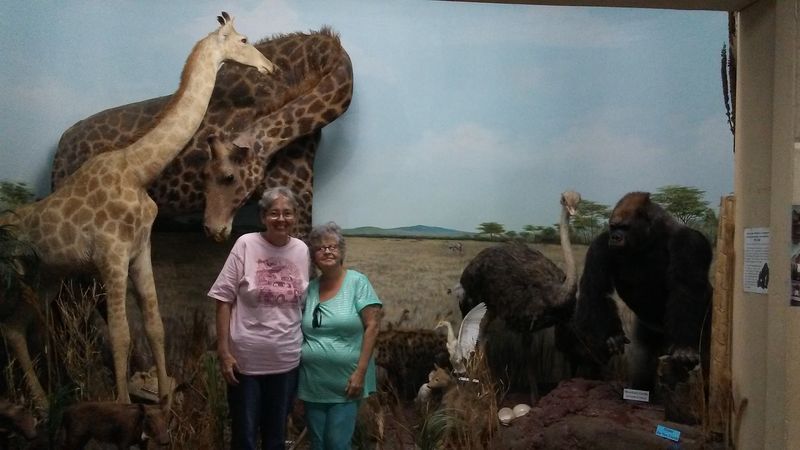
Giraffes are easy to recognize in pictures, yet their size is another matter entirely. Touchstone’s life-size specimens offered a way to understand animal proportions without relying only on a small photograph or a screen.
The collection included African animals such as giraffes, lions, zebras, and warthogs. Together, those species show why a museum of preserved wildlife could hold a child’s attention even without movement or sound.
When studying images of these displays, compare neck length, leg shape, and body size rather than simply naming each animal. A zebra’s familiar stripes can become a starting point for noticing its build.
A warthog encourages a different kind of looking, with its unusual face and sturdy body. Avoid assuming that every nearby species shares the same exact habitat.
A museum arrangement is a teaching scene, not a complete map of relationships in the wild.
Snow Leopards Rewarded A Closer Look
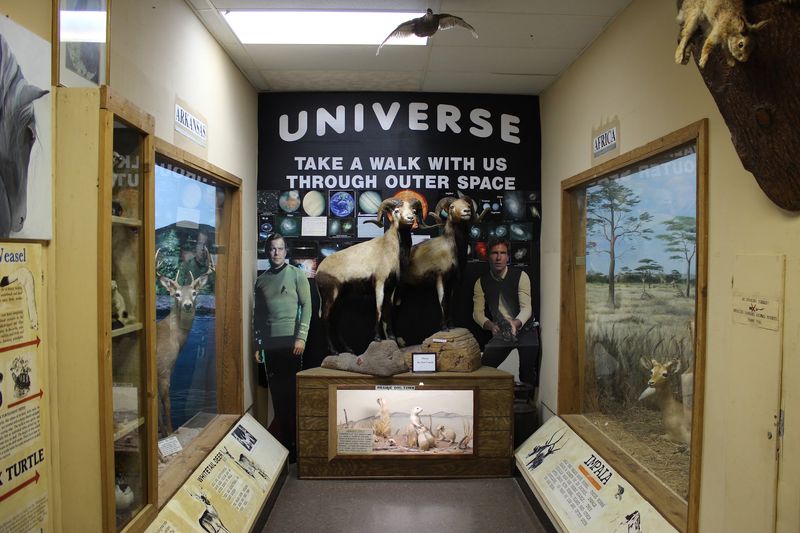
Not every memorable animal in the collection belonged to an African safari scene. Snow leopards and bighorn sheep added another layer to the museum’s broad view of wildlife.
These species provide useful subjects for slow looking. A snow leopard’s coat and tail invite questions about life in cold mountain regions, while a bighorn sheep’s horns draw attention to a very different body design.
Use a reliable wildlife reference alongside archived museum images if you want to learn more. The photograph can show the specimen’s appearance, while a current reference can explain range, behavior, and conservation status.
Keep those roles separate, since a mounted display cannot show how an animal moves or behaves. That approach makes the collection a starting point for learning rather than the final word.
Sometimes the quieter subject teaches more than the biggest animal occupying the most space.
The Snake Collection Had Its Own Appeal
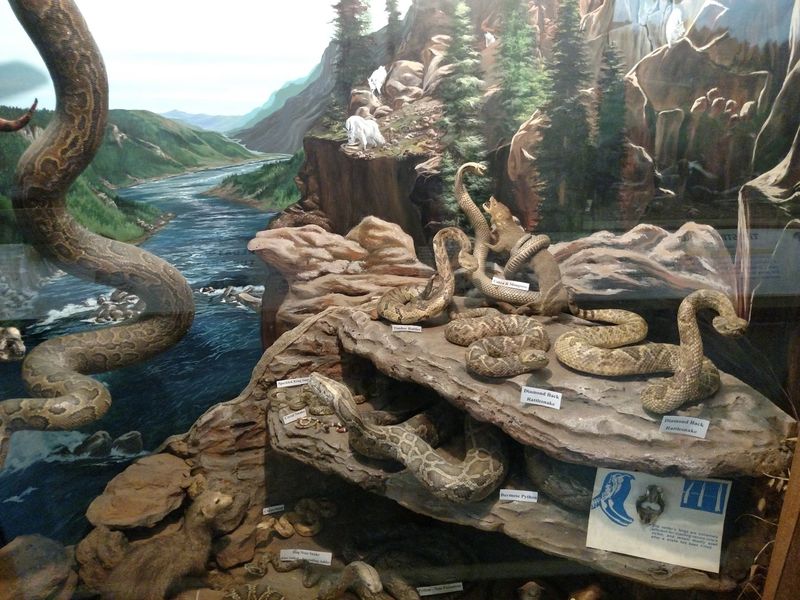
Snakes brought a different kind of attention to the museum: less about towering height, more about the details people often miss. The collection included an extensive snake display, with rattlesnakes among its notable specimens.
For anyone uneasy around snakes, photographs of preserved examples offer a chance to look without facing a living animal. Patterns, body shapes, and tails can become subjects of curiosity rather than a reason to hurry away.
Still, an exhibit photograph is not a safe field guide for identifying a snake outdoors. Lighting, viewing angles, and preservation can affect appearance, and similar species may be difficult to tell apart.
Use the museum’s collection to spark questions, then consult trusted wildlife information for answers. With children, keep the lesson simple: observe wild snakes from a safe distance and never handle one.
Curiosity works best when it travels alongside caution.
Upstairs Took An Unexpected Turn
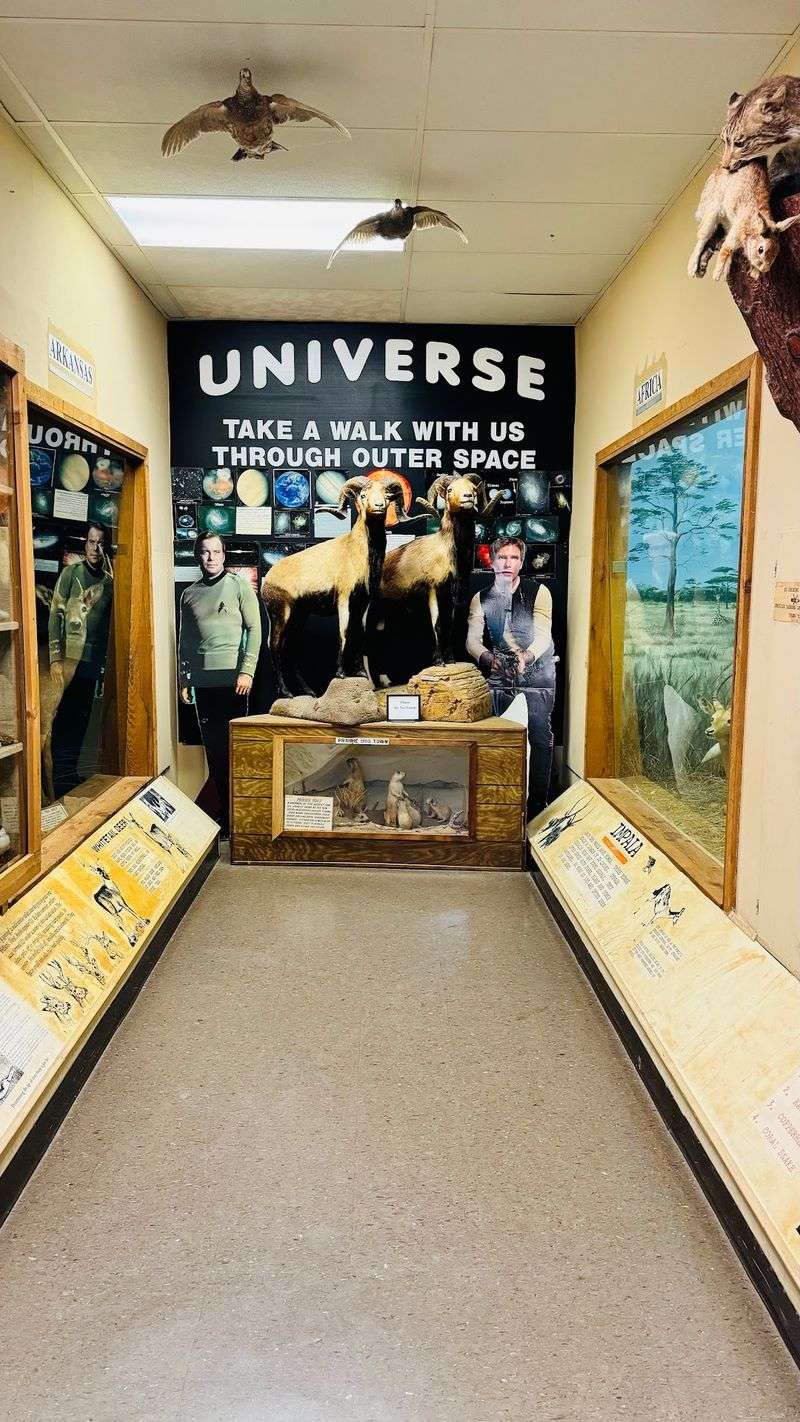
Wildlife was only part of the story. The museum’s second floor held an eclectic mix of historical objects, minerals, antiques, and pop culture material that pushed the collection beyond natural history.
Reported displays included Confederate money, Civil War weapons, Native American arrowheads, crystals, gems, rocks, and minerals. Star Trek and Bonnie and Clyde material added another unexpected shift in subject.
That variety is best understood as a family collection rather than a single tightly organized lesson. When researching individual objects, separate what is documented about the museum from claims about an artifact’s age, origin, or authenticity.
Historical items need context, especially those connected to war or Native American cultures. The unexpected neighbors are part of the museum’s character, but they deserve more than a quick amused glance.
A wildlife visit could become a reminder that collecting follows human interests as much as categories.
A Childhood Skill Became A Family Museum
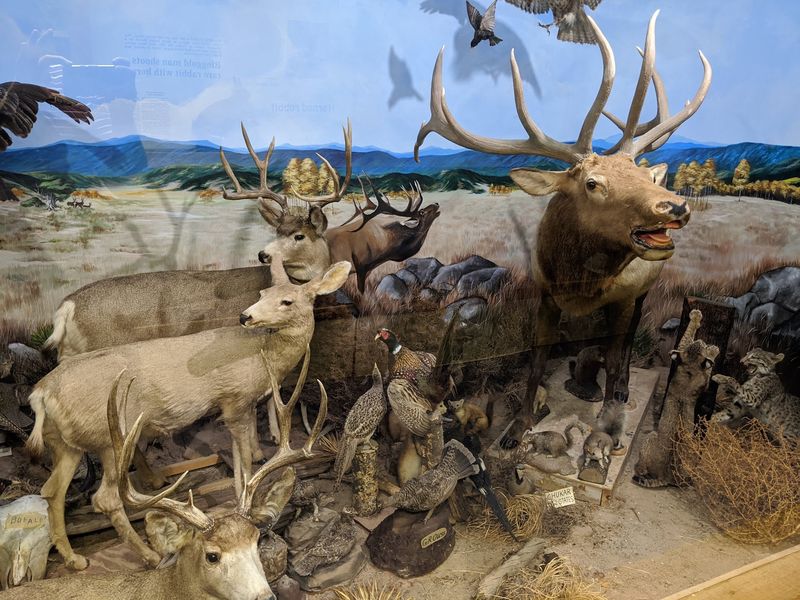
Nine years old is an early age to begin learning taxidermy. Sam Touchstone started then, and the interest eventually grew into the museum he founded in 1981.
He and his wife, Lura, traveled to places including Denver to study how other museums created dioramas. Learning about scenes behind the exhibits helps explain why Touchstone’s collection was about more than placing animals in a room.
After Sam’s death, Lura continued operating the museum and preserving his vision. That family history gives the displays a personal thread, even when the subjects range from wildlife to unrelated antiques.
When exploring the museum’s story, pay attention to the work behind the finished scenes: preserving specimens, arranging them, and building believable surroundings. A visitor could see the result in minutes, but the skills took years to develop.
The collection reflects a long commitment rather than a passing hobby.
Ask What Each Display Is Explaining
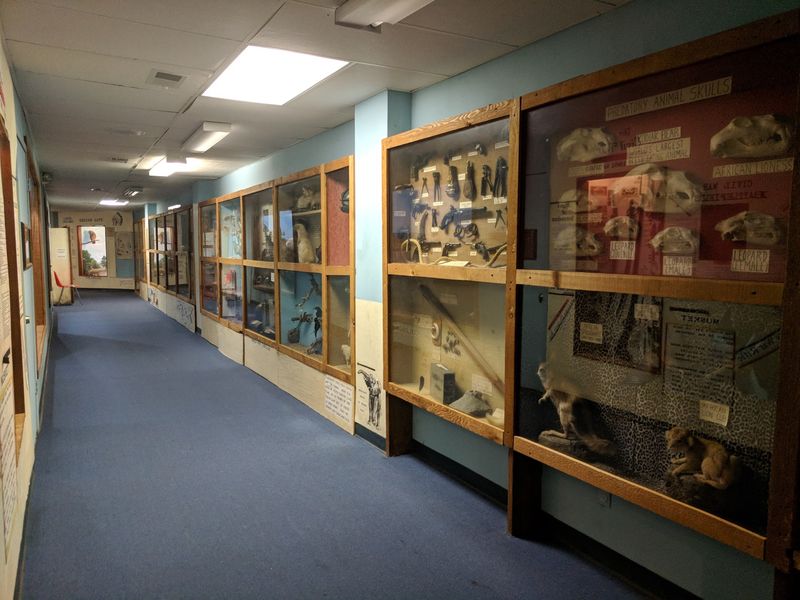
A museum scene always makes choices about what to show and what to explain. At Touchstone, some displays reflected Sam Touchstone’s personal belief in Creationism later in his life.
Knowing that background helps readers understand the museum as an expression of its founder’s views as well as a collection of preserved animals. It also encourages a useful distinction between observing a specimen and accepting every explanation presented beside it.
Families can approach that difference calmly. Ask what a display shows directly, what its text claims, and where another reliable source might offer more information.
Current scientific resources are useful for checking explanations about evolution, habitats, and animal relationships. There is no need to turn a curious afternoon’s subject into an argument.
Clear questions make room for both historical understanding and careful learning, while keeping the founder’s personal perspective in its proper context.
Old Visitor Details Are Not Current Promises
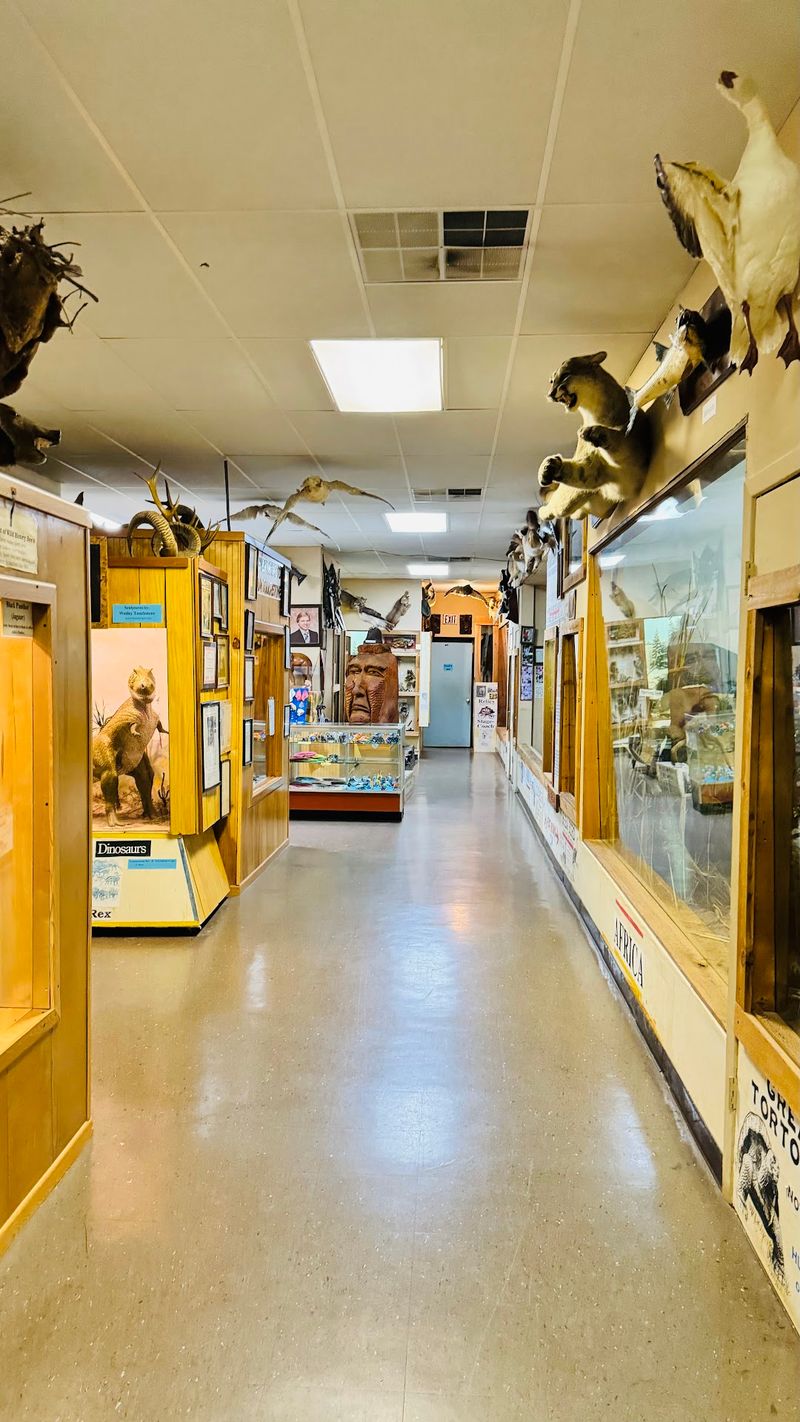
A five-dollar ticket belongs to the museum’s operating history, not a guaranteed future visit. Past admission was listed at $5 for adults and $3 for children, with certain young children admitted free alongside a paid adult.
Other historical details included cash-only payment, permitted photography, seasonal hours, and advance arrangements for groups. None should be treated as current while the museum remains closed.
Accessibility deserves particular care because the collection occupied two floors. A general statement about access does not establish that every exhibit could be reached without stairs.
If reopening is announced, ask specifically about entry, upper-floor access, seating, and any needs in your party before traveling. Confirm photography rules and payment methods at the same time.
The best way to honor this unusual place is to share its history accurately, without turning yesterday’s practical information into promises the museum has not made.