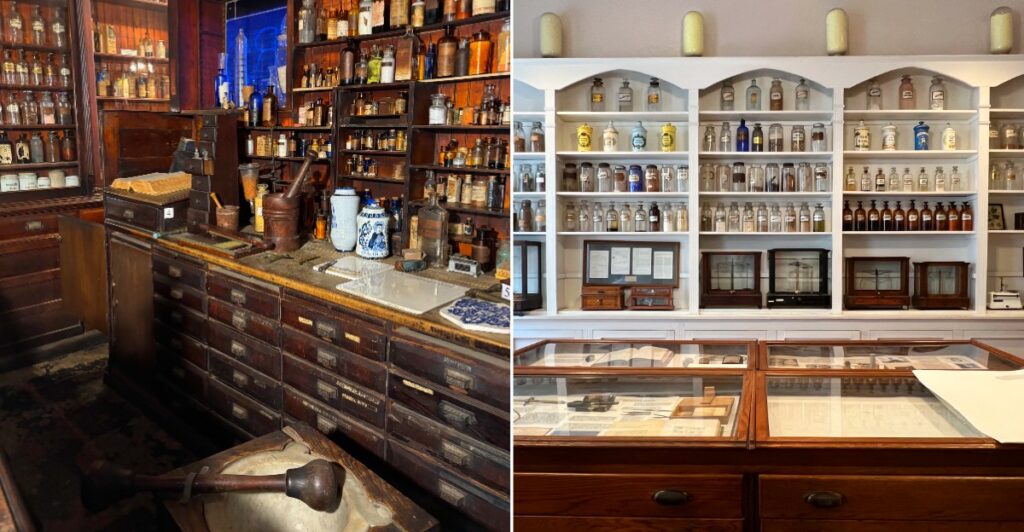
A bottle labeled Love Potion No. 9 sits in a museum dedicated to serious medicine. That alone tells you this place has a sense of humor about history.
The collection holds roughly 18,400 historical items. You’ll find leech jars, antique dental tools, and an 1855 soda fountain once used to mix medicines. Yes, your favorite fizzy drink has a pharmacy backstory.
All of this lives inside a real Louisiana apothecary from the 1820s. The man who worked here was the first licensed pharmacist in America. His old courtyard still grows the kind of herbs he once used.
It is hard to imagine trusting half of these cures today. Still, I believe every strange remedy tells a story about people doing their best with what they knew. Which odd treatment would you have tried first?
Leech Jars Are Even Stranger Than They Sound
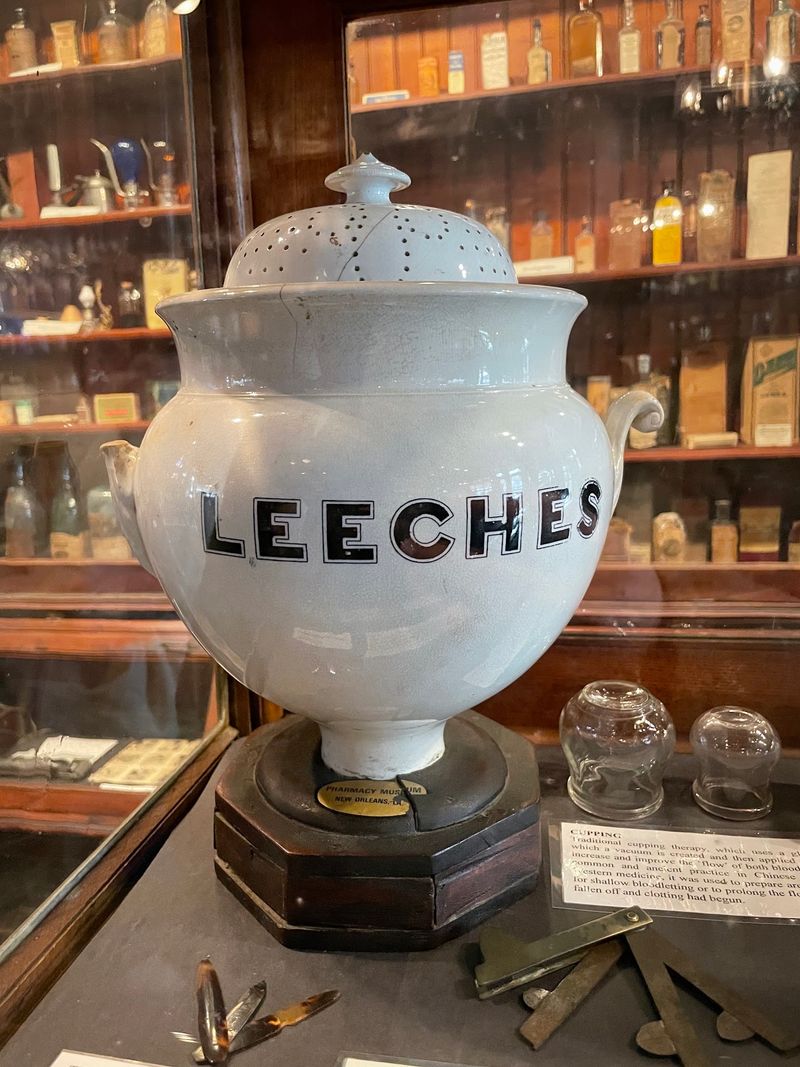
Leeches were once a real medical tool, and the museum has the jars to prove it. Doctors used them for bloodletting, a treatment people trusted for a very long time.
These containers were made to keep the little critters alive and ready for work. It’s a reminder that pharmacies once stocked living supplies next to their powders and tonics.
The strange remedies don’t stop there. Many old medicines contained substances we now know were addictive, and some were even sold for children.
That fact tends to stop people in their tracks. It also shows why licensing and careful science became such a big deal over time.
Voodoo potions sit in the collection too, including the famous Love Potion No. 9. New Orleans has always blended medicine, belief, and folk tradition in its own way.
Seeing these items side by side is oddly fun. You get a full picture of how people searched for cures before modern labs existed.
Take your time reading the labels here. The small details often hold the biggest surprises in the whole building.
Chartres Street Leads To The Old Pharmacy
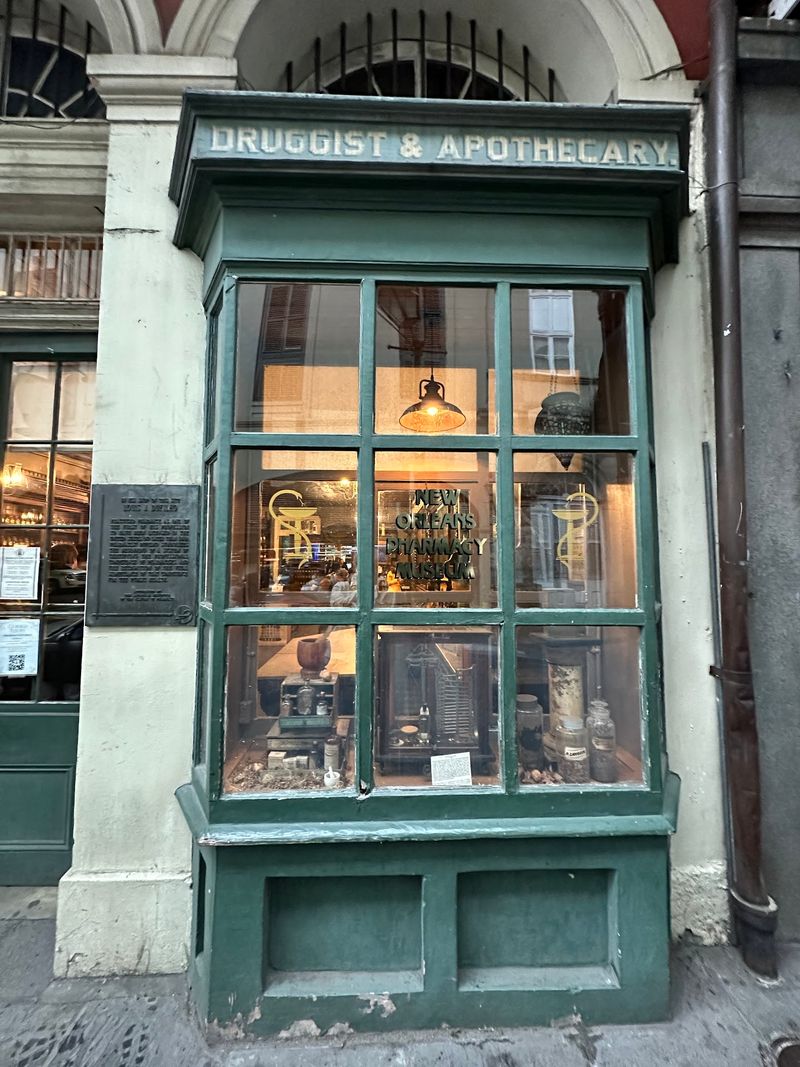
The New Orleans Pharmacy Museum sits at 514 Chartres Street in the French Quarter of New Orleans, Louisiana. Approach the central Quarter on foot from Canal Street or Jackson Square.
The museum occupies a historic street-front building near the intersection with St. Louis Street, amid the Quarter’s narrow blocks.
Use legal parking outside the busiest streets and walk to the Chartres Street entrance. Reserve guided tours online in advance if desired.
Your Dentist Will Seem Like A Saint After This Room
Old dental equipment has a way of making modern checkups feel like a spa day. The antique dental tools here are a highlight of the instrument collection.
Nearby, you’ll spot other antique medical instruments that once traveled with doctors. Physicians’ bags and old wheelchairs show how care looked in everyday life.
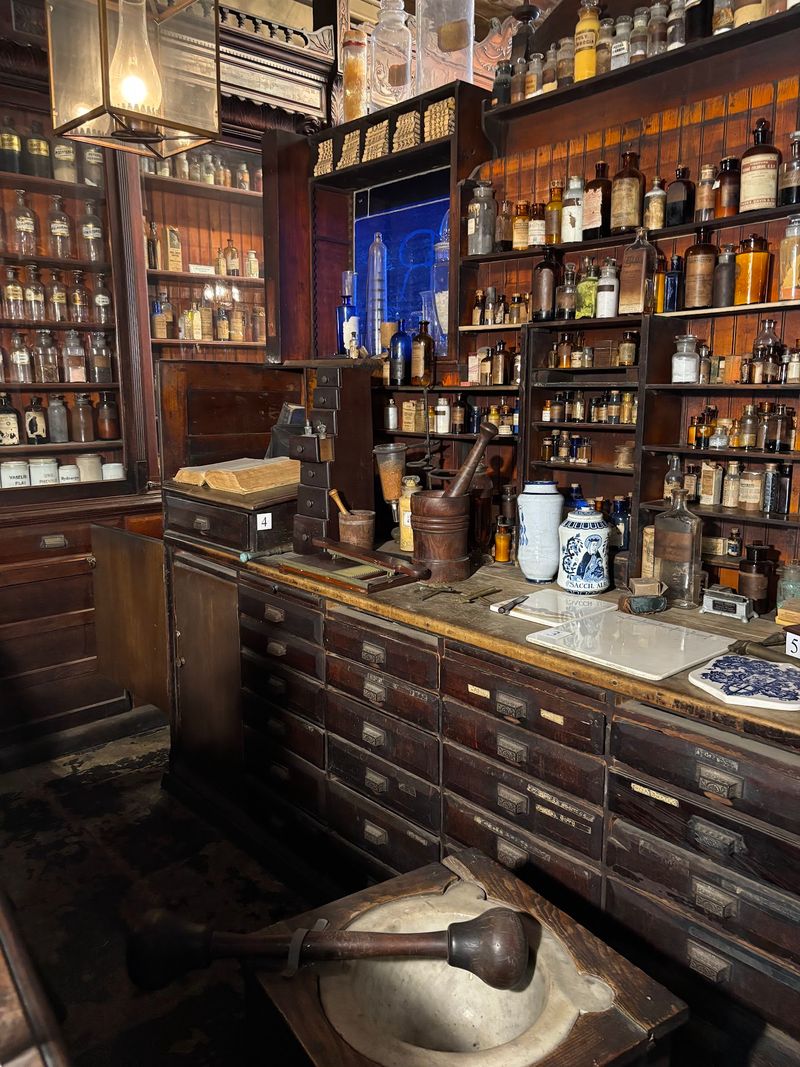
The pharmacist’s work area is recreated too. It includes a mortar and pestle, microscopes, and wooden blenders used to prepare medicines.
Wooden blenders might sound like a joke. They were serious equipment, though, and they remind you how much hand labor went into a single remedy.
Microscopes in the display show that science was creeping into the craft. Pharmacy was slowly moving from guesswork toward careful study.
This section works well for curious kids and adults alike. Everyone can compare these tools to the gadgets in a modern clinic or drugstore.
A quick tip: look closely at the handles and materials. Craftsmanship mattered back then, and many pieces look more like fine furniture than medical gear.
The Soda Fountain Has A Surprisingly Medical Past
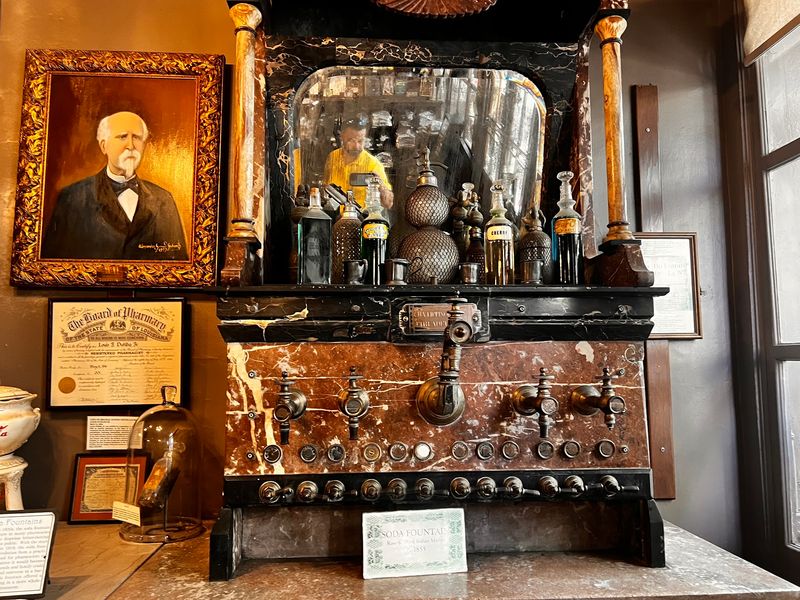
Here’s a fun fact for your next soda break. Pharmacies once used soda fountains to mix medicines, and that practice helped lead to several modern soft drinks.
The New Orleans Pharmacy Museum shows off an 1855 Lippincott soda fountain. It’s one of the most eye-catching pieces in the entire collection.
Fizzy water made bitter medicine easier to swallow. Flavors were added, and over time some of those mixtures became popular drinks on their own.
So the soda in your fridge has a pharmacy family tree. That’s a great piece of trivia to bring home to friends.
The fountain also shows how pharmacies served as community spots. People came for remedies, but they also lingered for refreshment and conversation.
Stand back and take in the whole piece. Details like this made the soda fountain a showpiece in its day.
Kids especially tend to enjoy this stop. It connects something they already love with history they might never have guessed.
Don’t rush past it on your way upstairs. This one deserves a few extra minutes and probably a photo or two.
Gorgeous Cabinets Make Every Shelf Worth Studying
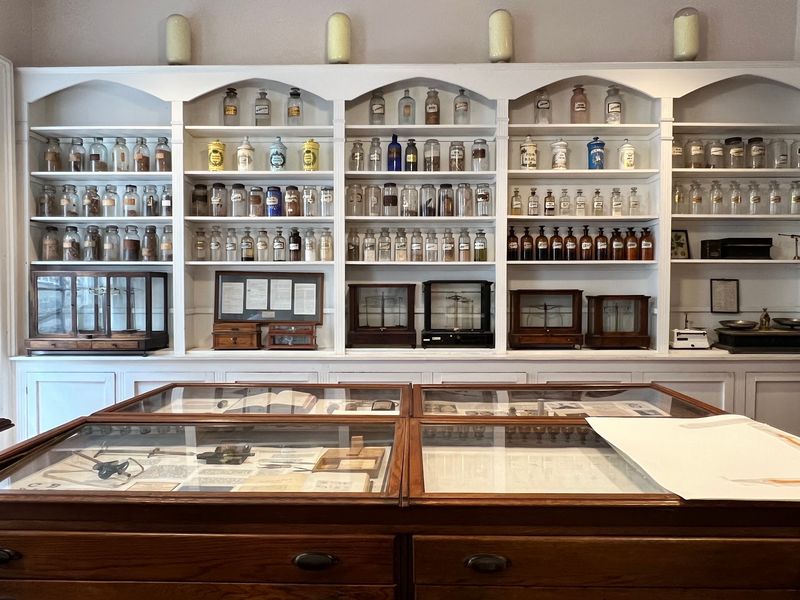
Hand-carved, glass-fronted cabinets line the rooms, and they’re beautiful enough to steal the show. Inside, rows of apothecary jars and glass bottles glow behind the panes.
Each bottle once held something a pharmacist measured and mixed. Many still carry old labels that hint at long-gone treatments.
The museum holds the largest collection of pharmaceutical memorabilia in the United States. Items span from the late 18th century to the mid-20th century.
That wide range lets you watch medicine change over time. Early handmade remedies slowly give way to more standardized products.
Photo lovers will enjoy this area. Taking pictures of the items is allowed, so you can snap the labels that catch your eye.
Those photos come in handy later. You can look up a strange ingredient once you’re back at your hotel.
The exhibits spread across two floors, so pace yourself. A self-guided visit can easily take an hour or more if you like reading every card.
It’s worth that time. The cabinets alone feel like a trip back to an elegant old shop.
A 19th-Century Sick Room Shows How Patients Recovered
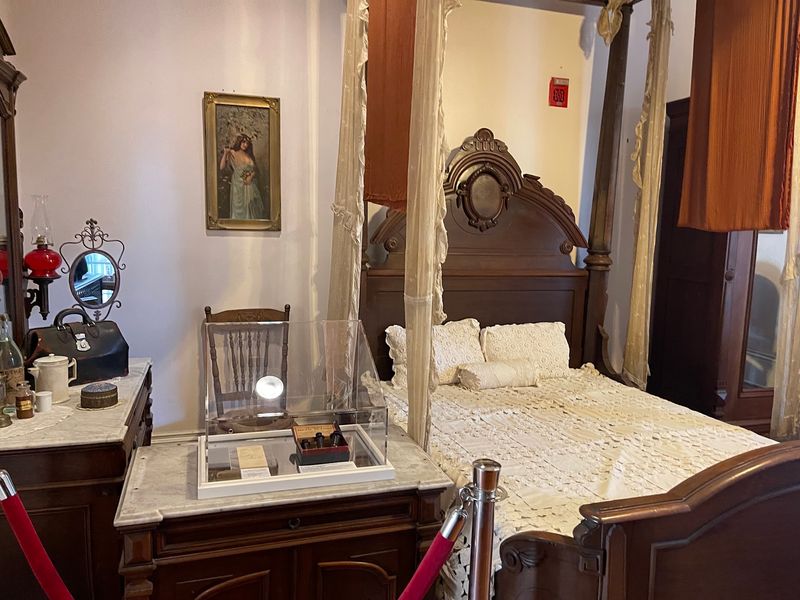
Getting sick in the 1800s usually meant staying home, not heading to a hospital. The museum recreates a typical upper-class sick room from that era to show what recovery looked like.
It’s a quiet, thoughtful exhibit. You can see how families arranged a space to care for someone who needed rest.
Wealthier households often had the means to set aside a room like this. Doctors made house calls, which explains all those physicians’ bags elsewhere in the building.
The display helps the rest of the collection make sense. Medicines were made downstairs, then used in rooms much like this one.
Other exhibits round out the story of care. You’ll find information on midwife history and African American pharmacy history too.
Those sections add important voices to the picture. Medicine in Louisiana involved many communities, not just one licensed pharmacist.
The museum also addresses harder parts of the building’s past honestly. Records show a later occupant, Dr. James Dupas, enslaved people, while popular rumors about him lack solid proof.
That careful approach builds trust. You leave with facts, not just spooky stories.
Spectacles Fans Get Their Own Corner Upstairs
Eyeglasses might not be the first thing you expect at a pharmacy museum. The Dr. J. William Rosenthal Spectacle Collection changes that fast.
This display features antique eyeglasses and optical prosthetic devices. It shows how people tried to fix vision long before quick eye exams at the mall.
Some frames look delicate and clever. Others look like they’d take real patience to wear all day.
Anyone who wears glasses will feel a little connection here. You’ll probably appreciate your own lenses a bit more afterward.
The collection also proves how broad this museum really is. It covers pharmacy, tools, folk remedies, and even the history of seeing clearly.
Pair this stop with the courtyard discoveries for a full picture. Artifacts excavated from the courtyard once belonged to the original apothecary.
Those dug-up items connect the building to everyday work. They’re small pieces of the real business that once ran here.
Give the cases a slow look. Tiny details in the frames and lenses reward anyone who pays attention.
Book The Guided Tour For The Best Stories
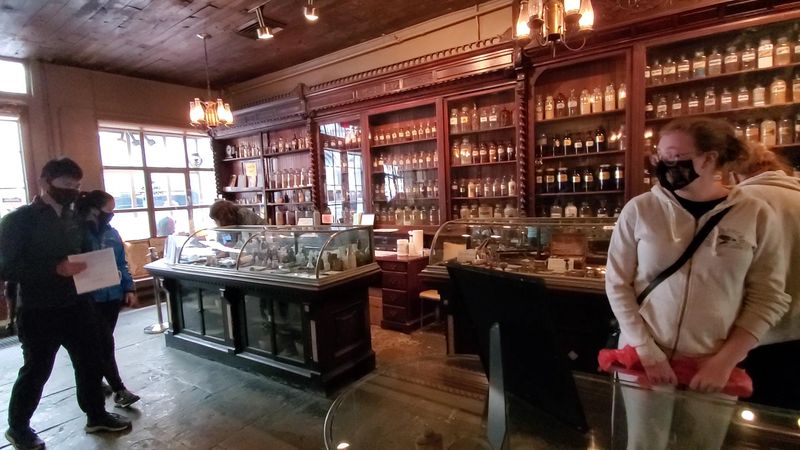
Reading labels is great, but a good storyteller brings the old bottles to life. Guided tours run Thursday through Sunday at 10 AM.
On Sundays, the museum opens only for that morning tour. It closes right after, so plan your weekend with that in mind.
Self-guided visits run Tuesday through Saturday from 11 AM to 4 PM. The museum is closed on Mondays.
Hours can shift during busy seasons, though. Checking the museum’s Instagram or Facebook pages before you go is a smart move.
The guided tour starts before general opening hours. That means a quieter building and a chance to ask questions.
Guides cover topics like early ideas about disease, germ theory, and why soda fountains mattered. Those connections are hard to piece together on your own.
Wear comfortable shoes, since the tour involves standing. Seating is limited, so mention any mobility needs when you arrive.
Either option works well. Choose the tour for stories, or wander solo if you like setting your own pace.
Save Time For The Herb-Filled Courtyard
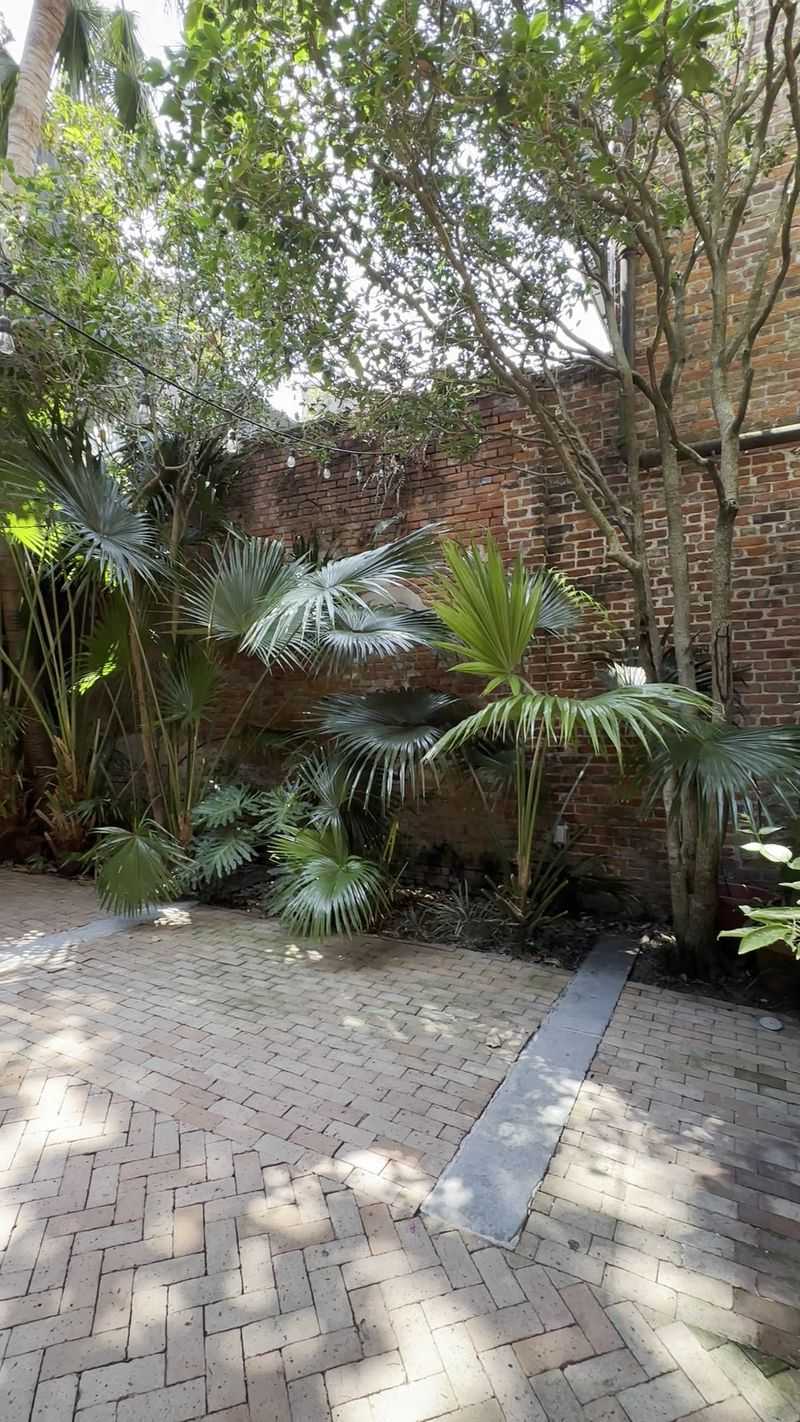
Out back, the courtyard grows plants and herbs once used in early medicines. It’s a living exhibit, and it gives your eyes a break from all those glass cases.
A fountain adds to the calm setting. After the leech jars, a little greenery feels pretty welcome.
This garden shows where many remedies began. Before factories, a pharmacist’s supply often started with leaves, roots, and flowers.
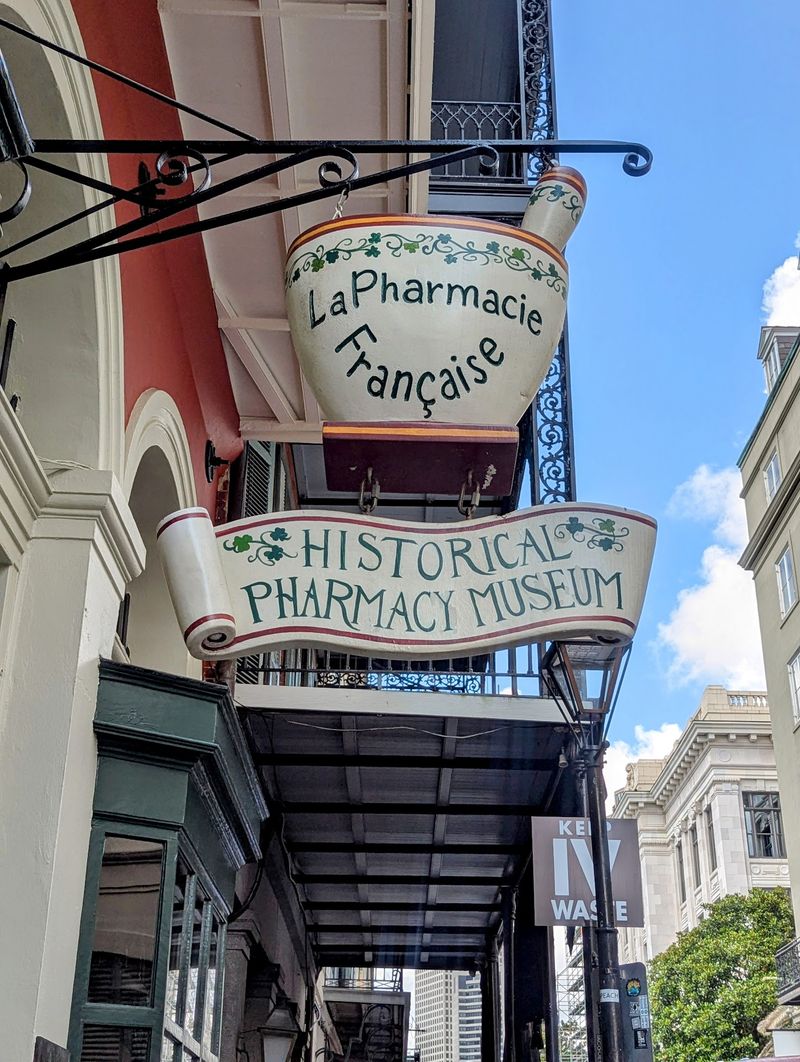
You’ll find the museum at 514 Chartres Street, New Orleans, Louisiana 70130. It sits in the French Quarter, so it fits easily into a day of exploring.
Walking is the easiest way to reach it. Nearby streets are packed with history, so pair this stop with a stroll through the neighborhood.
Discounts are available for seniors, students, and veterans. That makes the New Orleans Pharmacy Museum an easy pick for families and groups.
Wrap up your visit here before heading back out. It’s a peaceful way to process everything you just learned about medicine.
Honestly, Louisiana has plenty of odd treasures. This one might be the only spot where a love potion and a microscope share the spotlight.