One New Mexico town traded its own name for a radio game show in 1950. The host even came back to visit for decades afterward.
I love that a whole town was willing to be that playful.
Quirky stories like that pop up all over this state. Small towns here offer hot springs, dinosaur tracks, old Route 66 motels, and wide-open skies.
Several also have housing costs that compare favorably with those in larger cities.
I can’t stop thinking about how much difference affordable housing could make to a retirement budget. Lower housing expenses may leave more room for hobbies, travel, and time with the grandkids.
Of course, healthcare, transportation, and everyday living costs still need to fit the numbers.
So which small towns offer interesting things to do without requiring a big-city housing budget? I found some worth a closer look, and a few of them genuinely surprised me.
1. Tucumcari
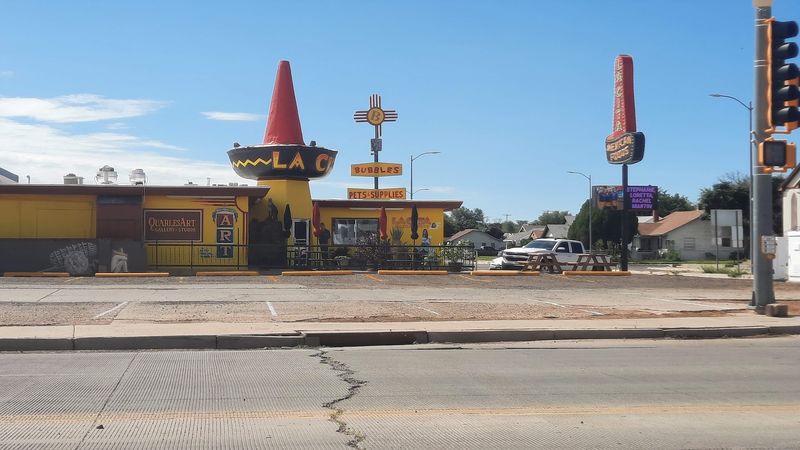
Neon signs and vintage motels give this Route 66 town a look straight out of a road trip postcard. The famous Blue Swallow Motel still glows along the old highway.
Tucumcari also calls itself the City of Murals. Colorful paintings cover walls across town, so a simple walk feels like a free art tour.
Housing affordability is one of Tucumcari’s biggest selling points. The town has relatively inexpensive housing compared with many larger cities, making it worth considering for retirees working with a limited budget.
Just remember to factor healthcare and transportation into the monthly expenses, too.
Nature lovers get perks too. Ute Lake State Park sits a short drive away in Logan, with boating and fishing on a big reservoir.
Closer to town, the Mesalands Community College Dinosaur Museum shows off real fossils and bronze casts. It’s a fun stop when the grandkids visit and ask what there is to do.
The Tucumcari Historical Museum adds even more local stories. You’ll find exhibits on ranching, the railroad, and Route 66 history packed into one spot.
Interstate 40 runs right past town, so road trips stay simple. Amarillo sits roughly two hours east for bigger shopping runs or medical visits.
Life here moves slowly, and that’s part of the charm. If you like quiet nights and big sunsets, this could be your spot.
2. Raton
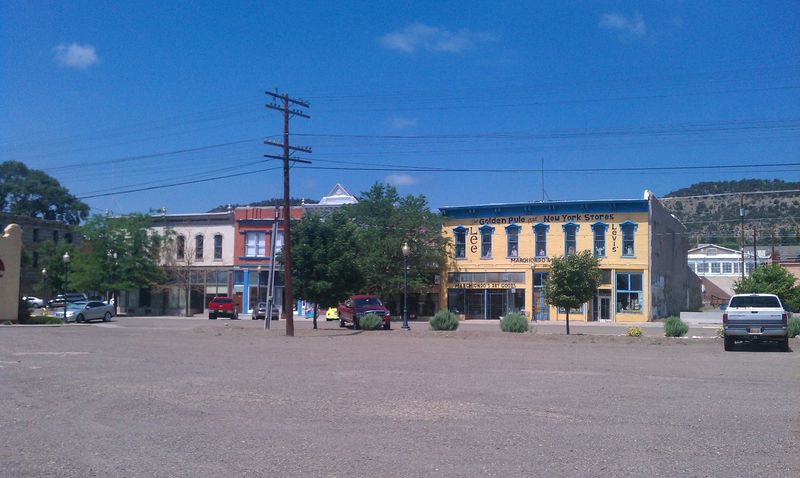
Sitting just south of the Colorado line, Raton greets you with mesas, pine-dotted hills, and a classic railroad downtown. The Santa Fe Trail once passed right through here.
Downtown’s historic district holds dozens of old buildings. The Shuler Theater, opened in 1915, still hosts shows and community events today.
Home prices in Raton offer a reason to look twice. U.S.
Census Bureau estimates for 2020–2024 put the median value of owner-occupied homes at $134,300. That could make the town appealing for retirees watching their housing budget, especially those who prefer cooler summers to desert heat.
Outdoor fun sits close by. Sugarite Canyon State Park offers lakes, trails, and fishing just a few miles northeast of town.
Want something wild? Capulin Volcano National Monument sits about 33 miles east of Raton, and you can drive near the top of an old cinder cone.
Amtrak’s Southwest Chief stops in Raton too. That means you could ride a train to Chicago or Los Angeles without fighting airport lines.
Winters do bring snow, so plan for chilly months. Many folks happily trade a little shoveling for four true seasons.
Small-town living here feels relaxed and friendly. If you love history, fresh air, and a slower pace, Raton might just win you over fast.
3. Truth or Consequences
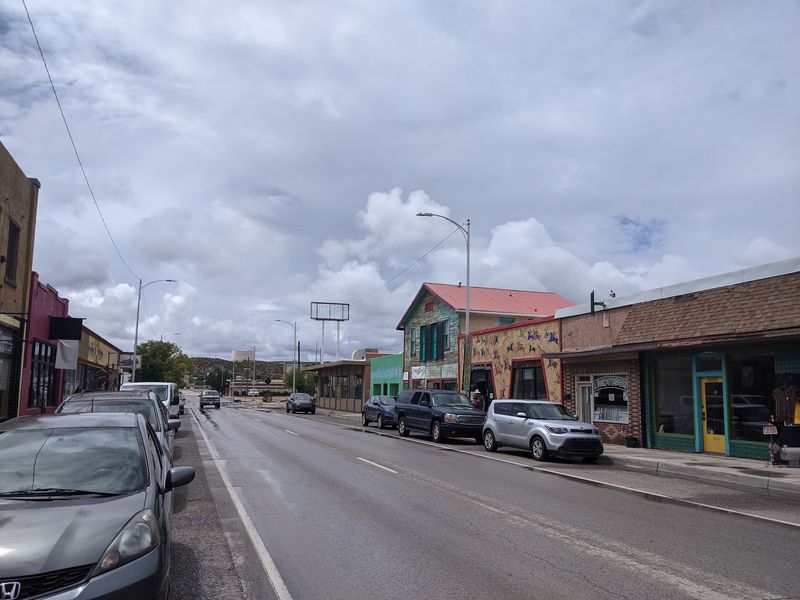
Few towns can say they renamed themselves after a radio quiz show, but this one did in 1950. Before that, folks knew it as Hot Springs.
Those springs still bubble up today. Downtown has a cluster of bathhouses where you can soak in naturally hot mineral water.
Housing expenses are a big part of the appeal here. Census Bureau estimates for 2020–2024 put median gross rent at $714 per month.
For retirees watching their monthly expenses, that makes this hot springs town worth investigating, although healthcare and transportation costs still matter.
Elephant Butte Lake State Park sits just a few miles north. It’s the largest lake in New Mexico, with boating, fishing, and long sandy shores.
Sunshine is a big draw too. Winters stay fairly mild, which beats scraping ice off your windshield every morning.
Spaceport America lies out in the desert to the southeast. It’s an unusual neighbor for a small retirement town, adding a little space-age excitement to the surrounding landscape.
The town also has a quirky art scene. Galleries and small shops line the downtown streets, giving you something to explore on slow afternoons.
Medical needs can be met at the local hospital, and Las Cruces is a drive away for more options. Soak, relax, and let your budget breathe a little.
4. Deming
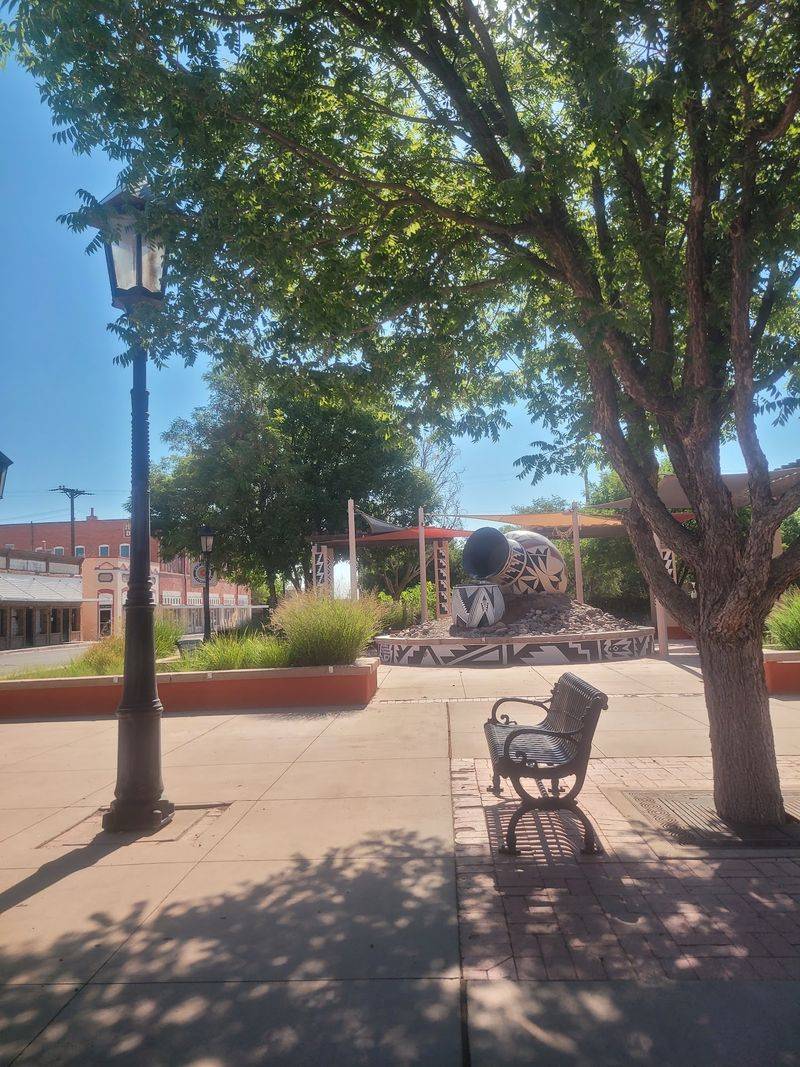
Ducks racing down a track? Deming has hosted the Great American Duck Race for decades, and yes, it’s as silly and fun as it sounds.
Beyond the feathers, this southwest town offers an interesting possibility for budget-conscious retirees. Census Bureau estimates for 2020–2024 put median gross rent at $586 per month.
That gives anyone living on retirement income a useful starting point when comparing housing expenses with other destinations.
Weather plays a big role here. Mild winters and lots of sunshine make daily walks easy most of the year.
Rockhound State Park sits just southeast of town. Visitors can hunt for rocks like jasper and quartz and take some home, within the park’s limits.
Spring Canyon, part of the same park, offers trails in the Florida Mountains. Bird watchers and hikers both find plenty to enjoy.
The Deming Luna Mimbres Museum holds a big collection of local history. You’ll see Mimbres pottery, old dolls, quilts, and more.
Interstate 10 runs through town, so trips to Las Cruces or Tucson stay simple. Las Cruces is about an hour east for bigger shopping.
Deming keeps things easygoing and affordable. If you want sun, space, and a town with a sense of humor, put it near the top of your list.
5. Clayton
Hundreds of dinosaur tracks sit by a lake just outside Clayton. Clayton Lake State Park preserves them along a boardwalk you can stroll.
Talk about bragging rights for your new hometown. Your grandkids will think you moved next door to Jurassic Park.
Clayton sits in the far northeast corner of New Mexico, close to Texas and Oklahoma. It’s a ranching town with wide grasslands and big skies.
Clayton’s small-town housing market deserves a closer look if you’re planning retirement on a limited budget. But low home prices alone won’t tell you what living here costs.
The town’s remote location makes transportation and access to medical care especially important when calculating monthly expenses.
The Kiowa National Grassland surrounds much of the area. It’s a great place for spotting pronghorn and enjoying wide views.
History buffs can visit the Herzstein Memorial Museum downtown. It shares stories about the Santa Fe Trail, homesteaders, and local life.
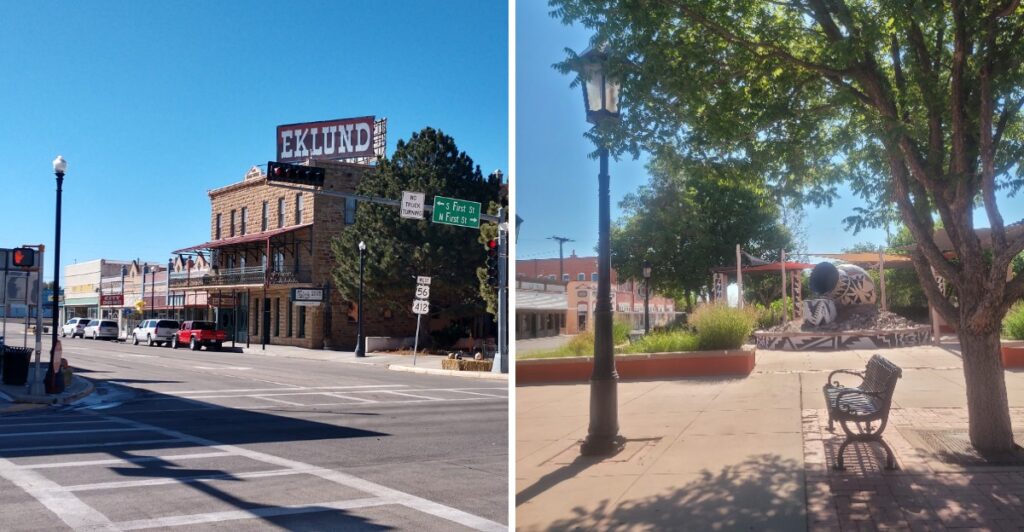
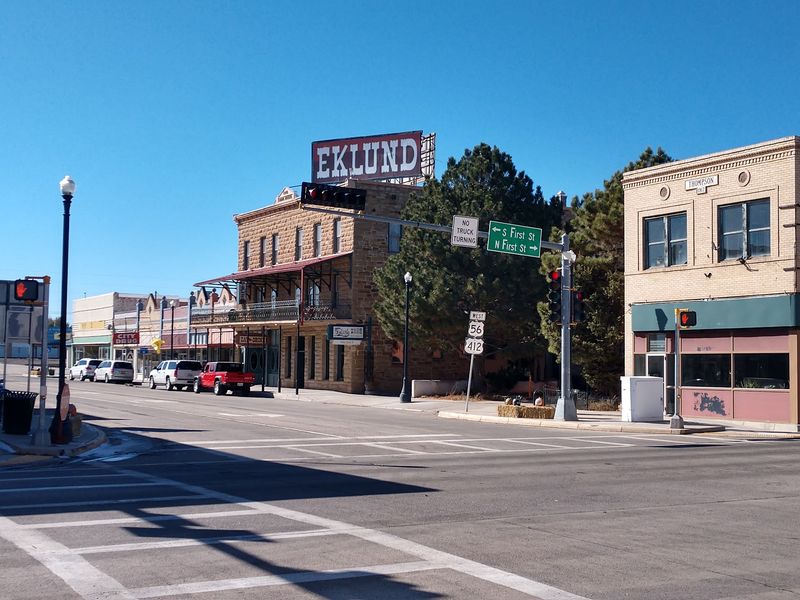
The Eklund Hotel adds old-time flavor too. Built in the 1890s, it still stands as a well-known landmark in town.
Because Clayton is remote, plan ahead for bigger shopping and specialty doctors. Amarillo is a couple of hours away.
If peace and quiet top your wish list, this tiny town delivers. Fewer crowds and fossils nearby make a pretty sweet combo.
6. Grants
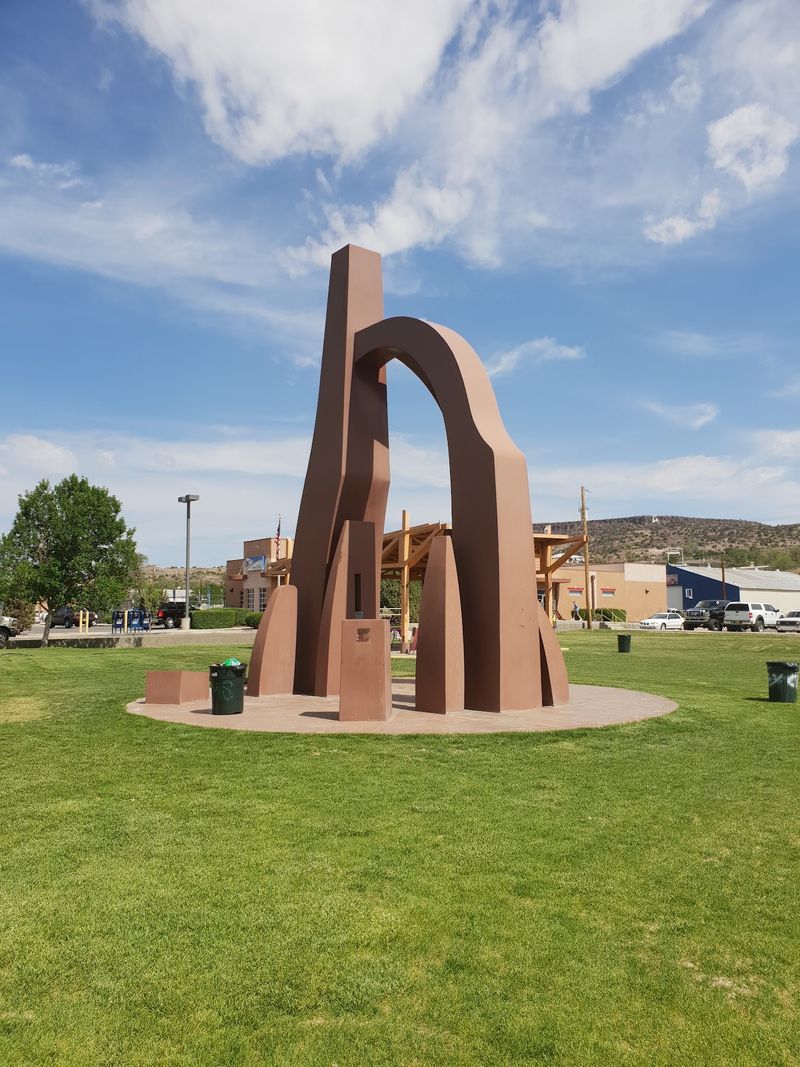
Grants once called itself the Uranium Capital of the World. The New Mexico Mining Museum downtown tells that story, with a model underground mine you can explore.
Today, the town offers a calm lifestyle and housing options worth considering for a limited retirement budget. It also sits along historic Route 66 and Interstate 40.
Albuquerque is about an hour east. That’s handy for airports, big hospitals, and fun day trips.
Outdoor scenery here is downright amazing. El Malpais National Monument features lava flows, caves, and sandstone bluffs right near town.
El Morro National Monument is a bit farther west. Travelers carved names into its rock for centuries, and you can still see them today.
Mount Taylor rises north of town at over 11,000 feet. It’s a popular area for hiking and scenic drives.
Housing affordability is one reason Grants deserves attention. The town offers housing options that may appeal to retirees hoping to spend less than they would in a larger city.
That could mean more flexibility in the retirement budget, although utilities, healthcare, and other regular expenses still need careful consideration.
Grants offers a nice middle ground. You get small-town calm with big-city services close enough for a quick trip.
If lava fields and history sound more exciting than malls, give this town a serious look.
7. Portales
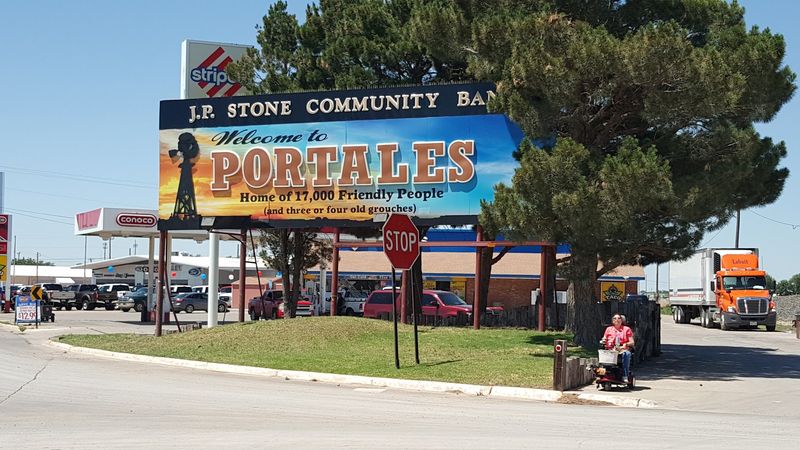
Peanuts are a big deal in Portales. The area is known for growing Valencia peanuts, and the town even celebrates them with an annual festival.
Home to Eastern New Mexico University, Portales has a lively college-town feel. That means sports, concerts, and campus events open to the public.
Many retirees enjoy taking classes or attending talks at the university. Learning something new keeps the brain busy and happy.
Housing costs give Portales an advantage worth considering. Census Bureau estimates for 2020–2024 put the median value of owner-occupied homes at $133,400.
That’s encouraging for retirees comparing housing options, but the full retirement budget should also account for medical care and everyday expenses.
The Blackwater Draw site sits just north of town. It’s an important archaeological site tied to the ancient Clovis culture.
ENMU also runs museums with exhibits on natural history and local finds. They’re perfect for rainy afternoons or curious guests.
Clovis is only about 20 minutes away. You can head there for more shopping, restaurants, and medical care.
The pace here is relaxed, and the eastern plains bring huge sunsets. Wind can be strong at times, so hang onto your hat.
Portales mixes small-town ease with college energy. For a budget-friendly home with things to do, it’s a smart choice.
8. Santa Rosa
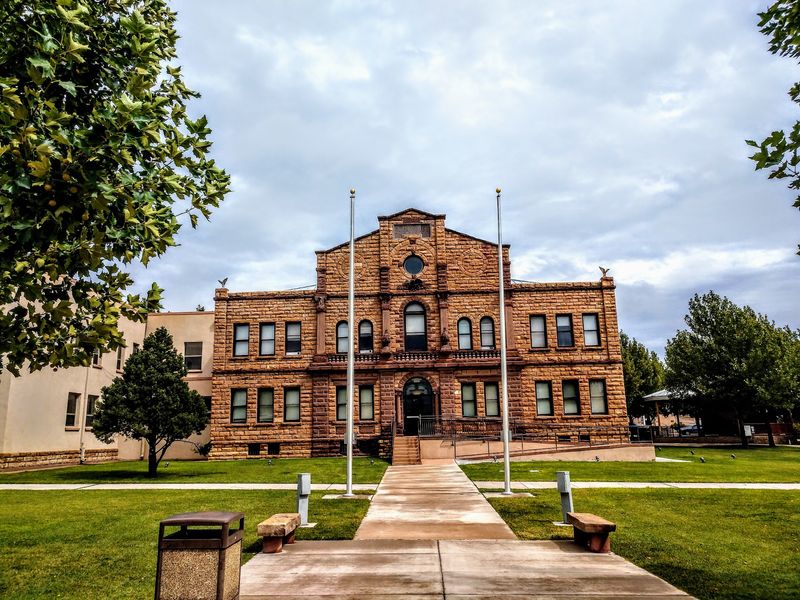
Scuba divers in the desert sound like a joke. In Santa Rosa, they’re real, thanks to the famous Blue Hole.
This bell-shaped spring has clear blue water that stays around 62 degrees all year. Divers come from far away to train here.
You don’t have to dive to enjoy it. Plenty of visitors simply swim or jump in on hot summer days.
Santa Rosa calls itself the City of Natural Lakes. Park Lake and Santa Rosa Lake State Park add more spots for fishing and picnics.
Car fans will love the Route 66 Auto Museum. It shows off classic cars and fun road memorabilia.
Housing affordability is part of Santa Rosa’s appeal, but finding the right home is only one piece of the retirement puzzle. Anyone considering a move should compare available housing prices with utility bills, medical expenses, and transportation costs.
The town’s small size makes planning for services outside the community particularly important.
Interstate 40 makes travel simple. Albuquerque sits about two hours west for bigger needs.
Life in Santa Rosa feels slow and simple. Summers are sunny, and the lakes give you a break from the dry plains.
If you want water fun without coastal prices, this town is a refreshing surprise. Pack a swimsuit and enjoy the cool blue view.
9. Belen
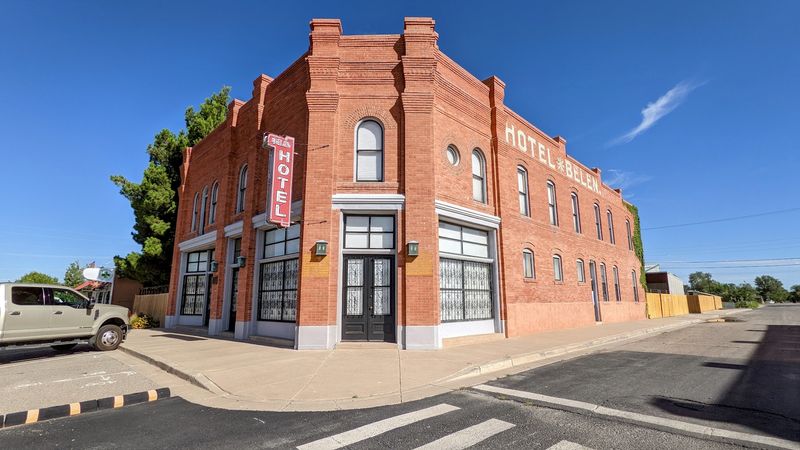
Trains rule the rhythm in Belen, nicknamed the Hub City. A major BNSF rail line runs right through town.
The Belen Harvey House Museum celebrates that history. It’s set in an old Harvey House building from the early 1900s.
Railroad fans can watch freight trains roll by often. It’s a free show that never really gets old.
Belen sits about 35 miles south of Albuquerque. That means you can consider a smaller-town housing market while still reaching big-city stores and doctors.
The New Mexico Rail Runner Express also stops in Belen. You can ride the train to Albuquerque or Santa Fe without driving.
Belen offers an interesting balance for retirees who want to watch their housing expenses without moving too far from Albuquerque. Housing may cost less than in the larger city, and the nearby rail connection is another advantage.
Still, healthcare costs and everyday living expenses deserve a closer look before making retirement plans.
The Rio Grande flows nearby, too. Its green bosque areas are nice for walks and bird watching.
Belen also has a historic downtown with art spaces and small shops. It’s a pleasant place for a slow morning stroll.
If you want small-town living with a train ticket to the city, Belen checks plenty of boxes. The combination deserves a closer look when planning a retirement budget.
10. Las Vegas
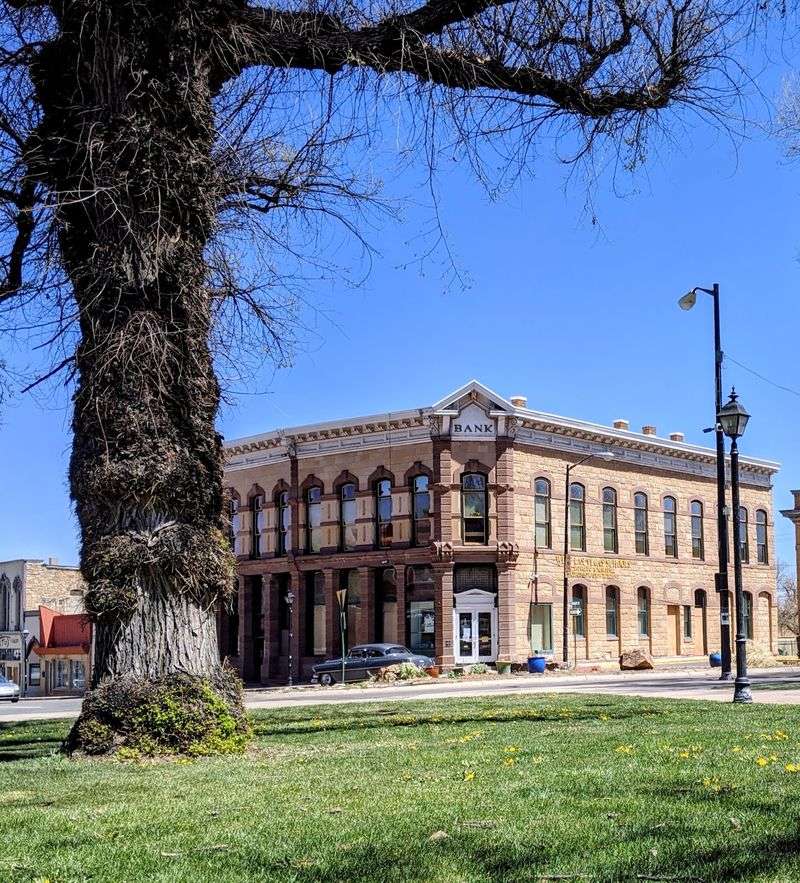
This Las Vegas is older than its Nevada cousin and packed with Victorian charm. Historic buildings, an old-fashioned plaza, and mountain scenery give the town a character all its own.
The town has hundreds of buildings on the National Register of Historic Places. Strolling around the Plaza feels like stepping back in time.
The Plaza Hotel, built in 1882, still welcomes guests today. Many films and TV shows have been shot in town too.
Housing costs here offer an interesting alternative to nearby Santa Fe. Census Bureau estimates for 2020–2024 put the median value of owner-occupied homes at $155,300.
For retirees interested in history and a smaller-town lifestyle, that makes Las Vegas worth considering when comparing housing budgets.
New Mexico Highlands University adds events, classes, and a youthful spark. Community life stays busy year-round.
Nature sits close by as well. Las Vegas National Wildlife Refuge offers bird watching and wide grassland views.
The Sangre de Cristo Mountains rise to the west. Scenic drives and hikes are just a short trip away.
Santa Fe is about an hour away for extra shopping and culture. Amtrak’s Southwest Chief also stops in town.
Las Vegas brings history, nature, and relatively affordable housing into one appealing package. For retirees who want a smaller-town lifestyle without giving up access to cultural attractions, it’s a place worth putting on the shortlist.