
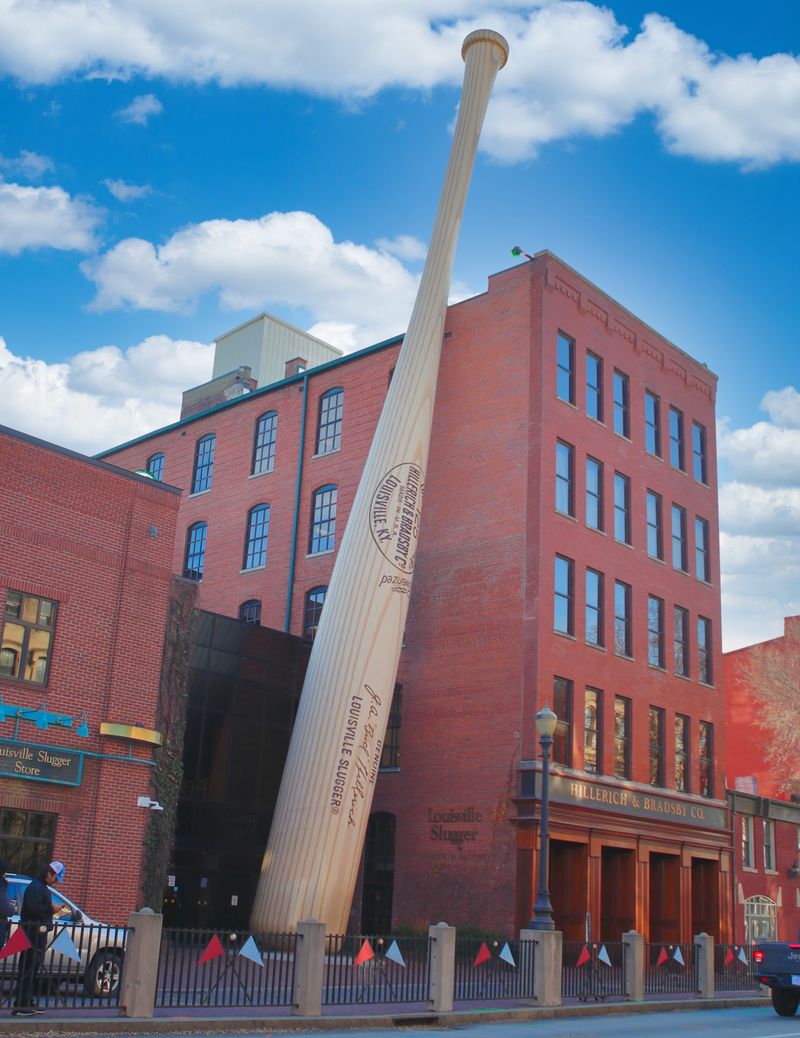
A steel baseball bat weighing about 68,000 pounds leans against a brick building like someone just set it down after practice. It stands 120 feet tall. That is not a typo.
The giant bat copies a real one, built to exact scale from a 34-inch bat once owned by Babe Ruth. I love that someone looked at a legend’s bat and decided it needed to be bigger. Much bigger.
Inside the building, real bats get made every single day. Workers shape, brand, and finish wood right in front of you. I can’t imagine a better way to see how a simple tool becomes a piece of sports history.
This spot sits in Kentucky, and it mixes a museum, a working factory, and a few surprises. I love that one piece of wood gets this much respect.
Start With The 120-Foot Bat Out Front, Because It Demands Attention
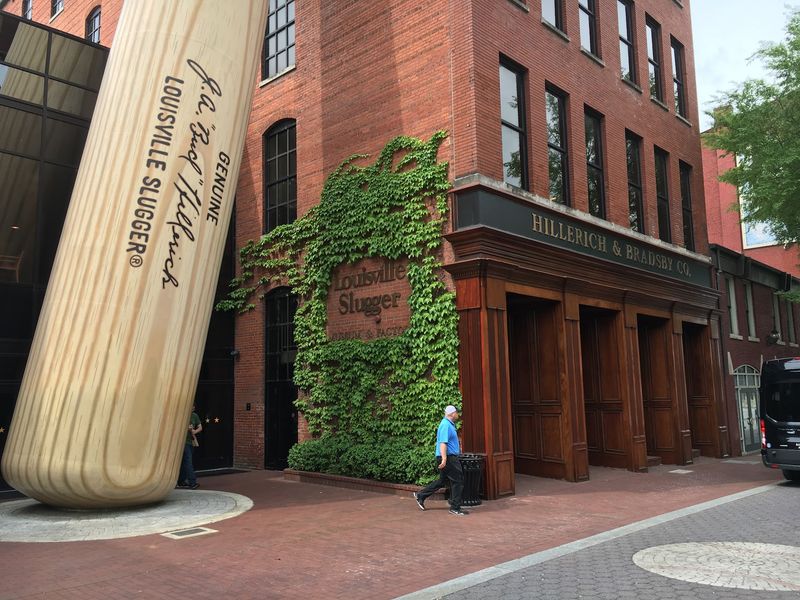
Few buildings get a sidekick this tall. The Louisville Slugger Museum & Factory is famous for the World’s Largest Baseball Bat, which leans casually against its outside wall.
The numbers are wild. The steel bat weighs around 68,000 pounds and rises 120 feet into the air.
Its base measures 9 feet across. The handle is 3 feet, 6 inches wide, and the knob stretches 6 feet, 6 inches.
Here’s the fun part. The giant is an exact-scale copy of Babe Ruth’s 34-inch Louisville Slugger bat.
So when you stand beside it, you’re basically shrinking next to a Hall of Famer’s gear. That’s a strange and wonderful feeling for any fan.
Inside, a museum exhibit tells the story of the bat itself. It explains how the massive piece was created and moved to its spot on Main Street.
Plan for photos first. The bat is free to admire from the sidewalk, and it makes a perfect starting point.
Get far enough back to fit the whole thing in frame. Otherwise, your picture may look like a very tall brown pole.
Watch Real Bats Get Made On Every Single Factory Tour
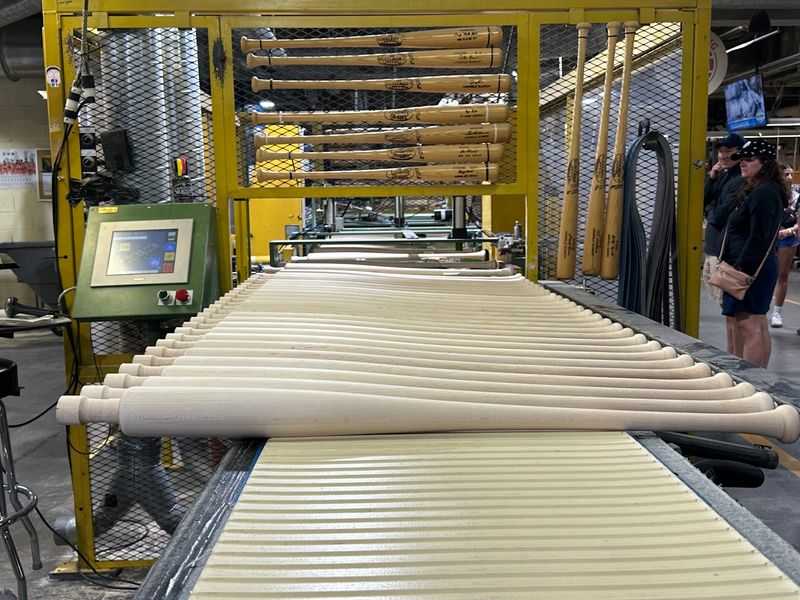
Plenty of museums show you old stuff behind glass. This one shows you new stuff being made right now.
The guided factory tour lasts about 30 minutes. Tours leave every 10 to 30 minutes, depending on the season.
Best of all, every tour guarantees you’ll see bats in production. No sad empty factory floors here.
The tour opens with a short film. It follows the wood’s trip from northern forests to finished bats.
Then you head onto the factory route. You’ll see shaping, branding, finishing, and quality checks happen up close.
The pace is impressive. Around 3,000 full-sized bats are made each day, and that jumps to about 5,000 before Spring Training.
Most bats come from maple, which makes up about 75 percent. Birch covers about 20 percent, and northern white ash fills the rest.
Much of that wood comes from states like Pennsylvania and New York. It’s a long road from tree to home run.
Buy tickets ahead when you can. Hours can change, and advance purchases are recommended for a smoother day.
Your Ticket Ends With A Tiny Bat You Get To Keep
Good news for anyone who hates leaving empty-handed. Every guest on the factory tour receives a complimentary miniature souvenir bat at the end.
It’s small, but it carries a big name. That little bat comes from the same place that has supplied pros since the 1800s.
Kids tend to treat these like trophies. Grown-ups often act cooler about it, then quietly guard theirs all the way home.
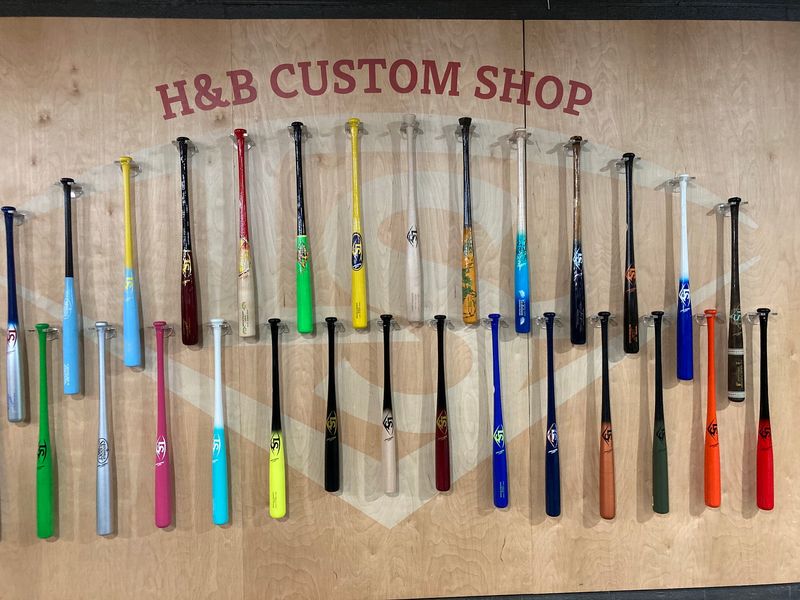
Want something bigger? The museum store sells collectible bats, apparel, accessories, memorabilia, and coffee mugs.
Personalized bats are a popular choice. You can order one for pickup at the museum or have it shipped.
A smart move is ordering before your tour starts. That way, you’re not rushing at the end of your visit.
A custom bat makes a great birthday gift for a young player. Adding a name turns a souvenir into something they’ll really keep.
Leave a little room in your bag, too. Those mini bats travel well, but a full-size one needs space.
Either way, nobody walks out of this factory without at least a little lumber.
Go Ahead And Grip A Bat That Babe Ruth Actually Used
Most museums post signs saying hands off. At the Louisville Slugger Museum & Factory, holding history is part of the plan.
The Hold a Piece of History exhibit lets guests grip game-used bats from baseball legends. The lineup includes Babe Ruth, Derek Jeter, Willie Mays, Ken Griffey Jr., and Johnny Bench.
That’s a serious roster. You could hold the same wood that once swung at major league pitches.
It’s also a perfect photo moment. Few pictures say baseball fan quite like you holding a Ruth bat with a big grin.
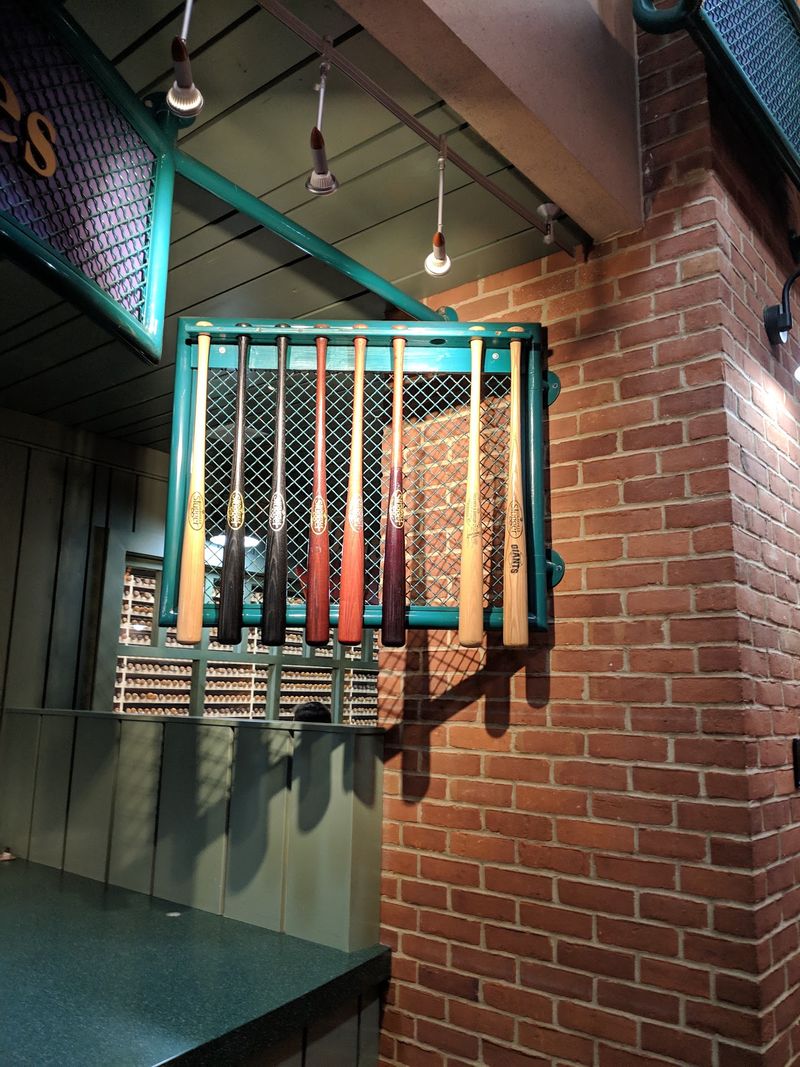
Nearby, the Bat Vault stores over 3,000 original bat models. It’s a library, only with fewer books and more knobs.
Access to the Bat Vault is included with regular museum admission, while certain premium tours offer more extensive experiences.
Don’t skip the Signature Wall in the foyer, either. This large wooden wall shows the signatures of every player who has signed a contract with Louisville Slugger.
Hunt for your favorite names. Spotting a hero’s signature can turn a casual stop into a scavenger hunt.
Step Into The Batting Cage And See A 90 MPH Fastball In Action

Ever wondered how fast a big-league pitch really feels? The batting cages here give you a chance to find out.
Visitors can swing replica bats modeled after famous players.
Visitors can also see what a 90 mph fastball looks like in a separate museum experience.
That’s quick. Many people discover that hitting looks a lot easier on TV than it does in real life.
Don’t stress if you whiff. Even professional hitters miss plenty, and they practice every day.
The cages work well for families with mixed skills. A Little Leaguer can swing next to a parent who hasn’t batted since middle school.
Using a replica of a star’s bat adds extra fun. You get a small taste of the weight and feel a pro preferred.
Plan your swing time after the tour. That keeps your schedule simple and gives you something to look forward to.
Wear comfortable shoes and clothes that move easily. Stiff jeans and a big swing aren’t always friends.
Even if you never make contact, you’ll leave with a new respect for every player who does.
A Stone Glove Outside Lets Kids Climb, Crawl, And Slide
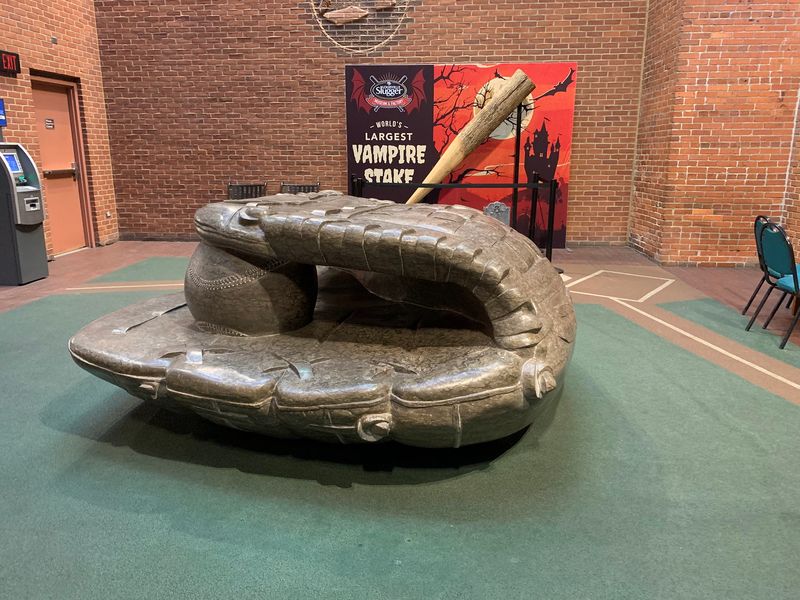
Seventeen tons of limestone, shaped like a baseball glove. That’s the Play Ball sculpture, and it’s built for play.
The Big Glove sits outdoors at the Louisville Slugger Museum & Factory. Kids can climb on it, crawl through it, and slide down it.
The stone itself is ancient. It’s carved from Kentucky limestone that’s about 450 million years old.
Think about that for a second. Your kid is sliding down rock older than the dinosaurs, shaped into a mitt.
The sculpture gives younger visitors a great break between exhibits. Little legs can burn off energy before or after the factory tour.
Parents also get a solid photo spot. A kid sitting inside a giant glove looks like the world’s best catch.
Pair it with the giant bat for a fun set of outdoor pictures. Between the two, you’ve got a full set of oversized gear.
Check the weather before you head out. Stone sculptures can get warm in summer sun or slick after rain.
Mostly, just let the kids loose. The glove was made for exactly that.
Some Of The Best Stories Here Are About The Players Themselves
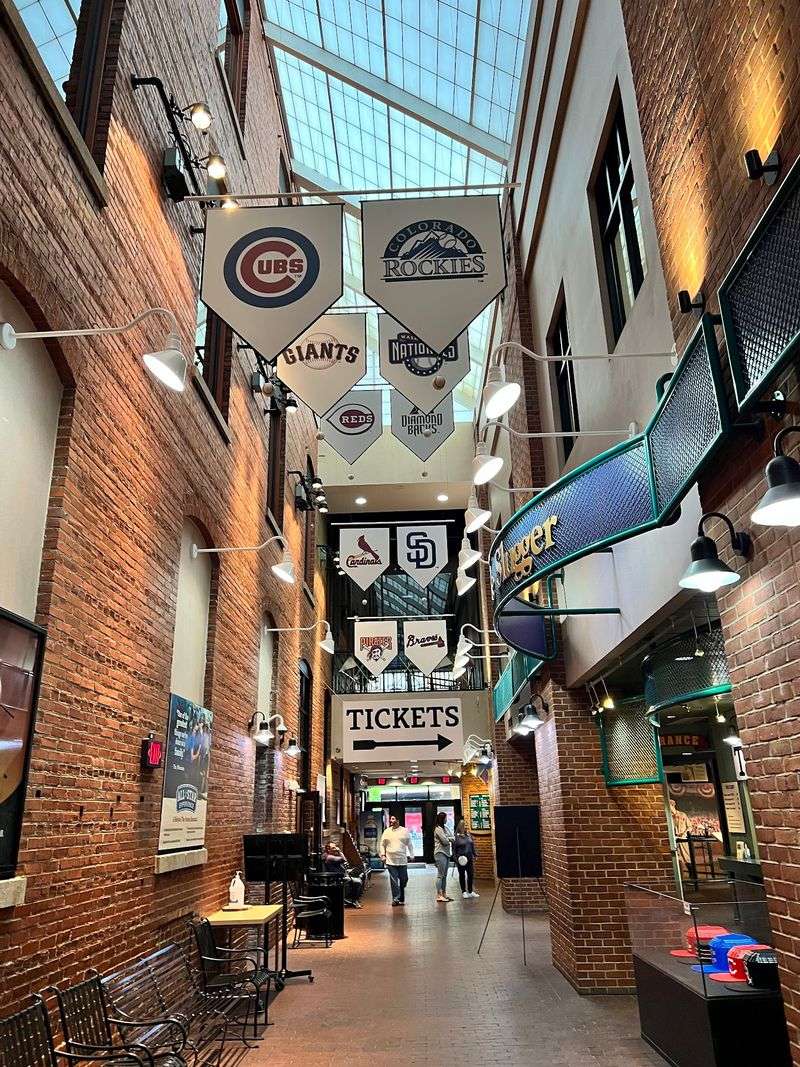
Baseball history runs deeper than box scores. The exhibit called Black Ballplayers: Heritage & Heroes shows that in a powerful way.
It honors the contributions of Black ballplayers through lifelike sculptures. The figures help bring famous faces and moments to life.
Artifacts add even more weight. One highlight is the bat Hank Aaron used for his 700th home run.
That’s a milestone few players ever reach. Seeing the actual bat connects you to a huge chapter of the game.
The exhibit also covers the Louisville Unions. This local team played before the Negro Leagues era.
I like that the museum shines a light on hometown history. It reminds visitors that great baseball happened right here in Louisville.
Give this area some real time. It’s the kind of space where reading every panel pays off.
The museum also hosts temporary exhibits throughout the year. Some lean into pop culture and come from partnerships with other brands and institutions.
So even repeat visitors may find something new. Check what’s showing before you go.
Plan A Couple Of Hours On Main Street For The Full Experience
You’ll find the Louisville Slugger Museum & Factory at 800 W Main St, Louisville, KY 40202. It sits along downtown’s Museum Row.
Hours run Monday through Saturday from 9 AM to 5 PM. Sunday hours are 10 AM to 4 PM, Eastern Time.
The museum suggests allowing about two hours. That covers both the factory tour and the exhibits without rushing.
Parking is pretty simple. A city-operated garage sits right behind the building, and some street parking is available too.
Accessibility gets real attention here. The museum and factory are fully handicap-accessible.
The theater offers open captioning and listening devices. An accessible door also provides a route around the theater steps.
Guests with hearing impairments can use tour scripts. The Nearby Explorer App offers directions for visually impaired visitors.
Want serious bragging rights? The All-Star Experience is a private 2.5-hour tour with Bat Vault access and a personalized full-size bat.
Book that one at least a week ahead. For something shorter, the one-hour Sweet Spot Experience digs deeper than the standard tour.
Either way, Kentucky’s biggest bat will be waiting out front.