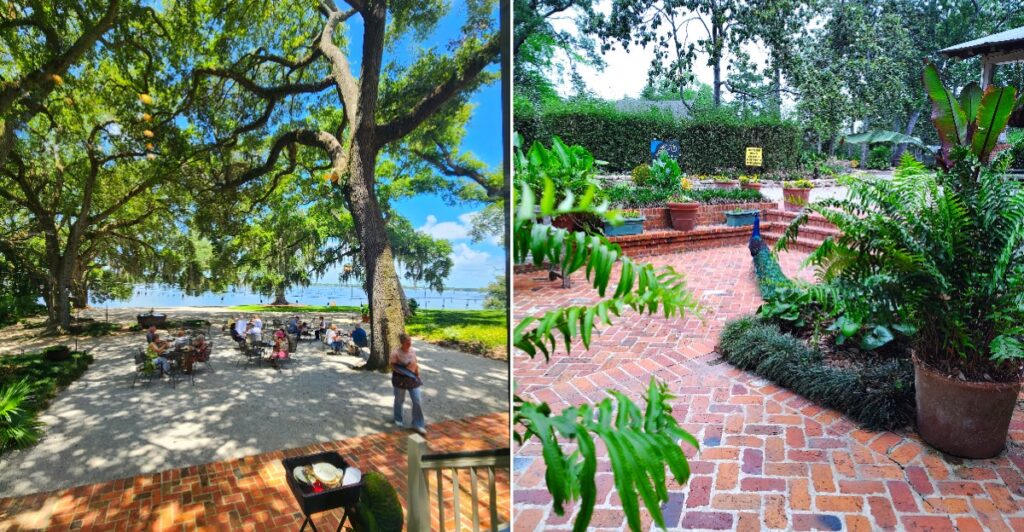
Peacocks wander past the patio while you eat lunch under live oaks that may be over 500 years old. One of those oaks is even named after a U.S. president. That alone got my attention.
The food has a surprise of its own. This Louisiana cafe serves seafood bisques, gumbo, and etouffee, yet you won’t find fried food on the menu. In Cajun country, that feels almost rebellious.
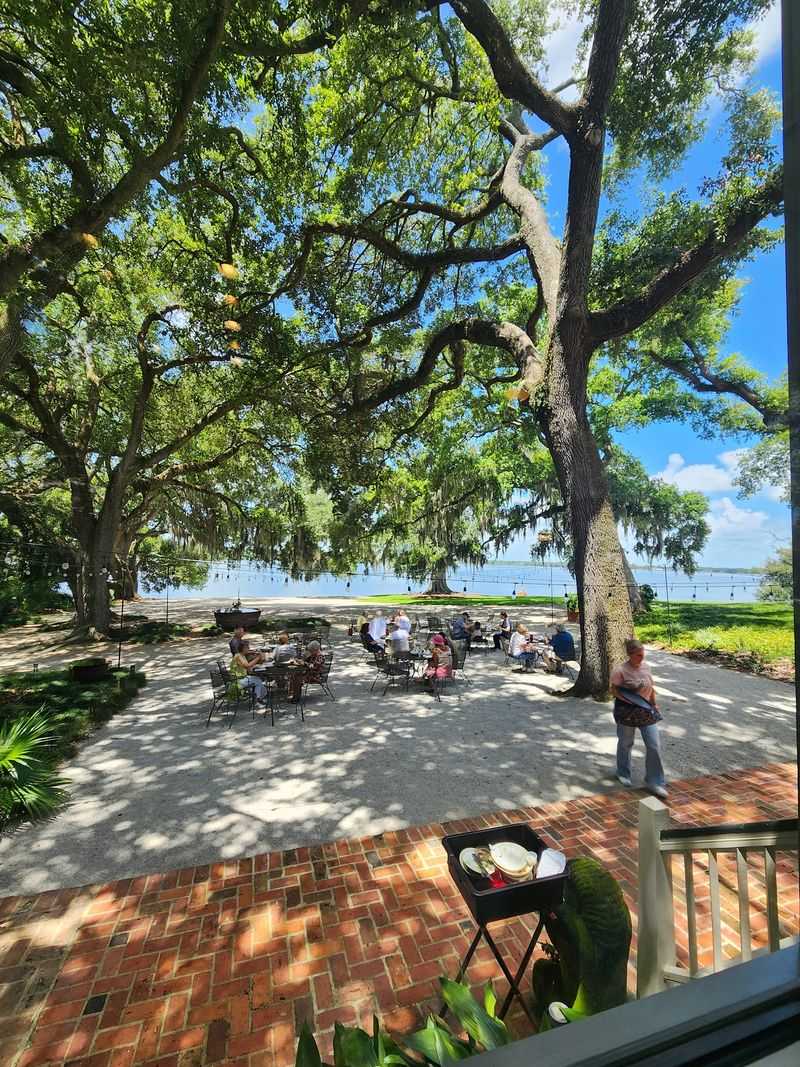
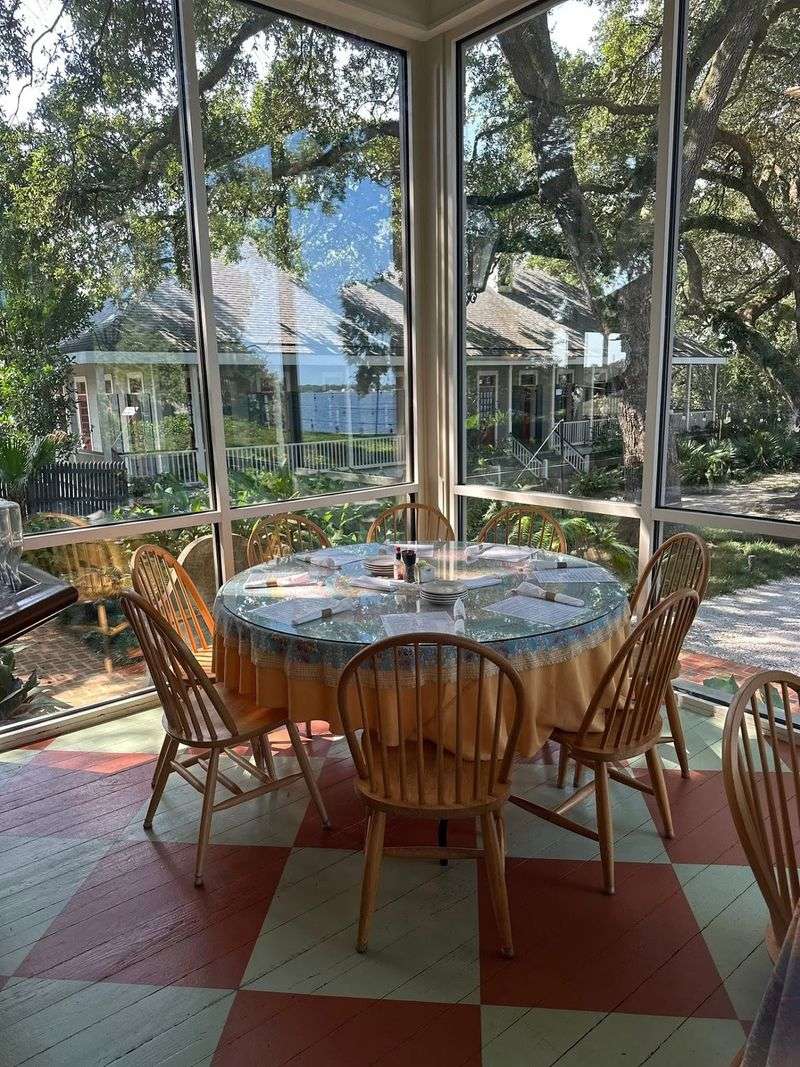
The dining room is a glassed-in porch with views of a lake and moss-draped trees. I like how the setting does half the work before the food even arrives. It feels like lunch with a side of storybook.
And the story behind the property? It involves a famous actor, a salt dome, and a lake that once vanished. I can’t imagine a more unusual backdrop for a crab dish.
Seafood Takes Center Stage, And The Fryer Sits This One Out
No fried food in a Cajun restaurant sounds like a dare. The kitchen here accepts that dare and wins with seafood dishes built on rich sauces instead.
Bisques, gumbos, etouffee, and sauce piquante fill out the menu. Salads and sandwiches round things out for lighter appetites.
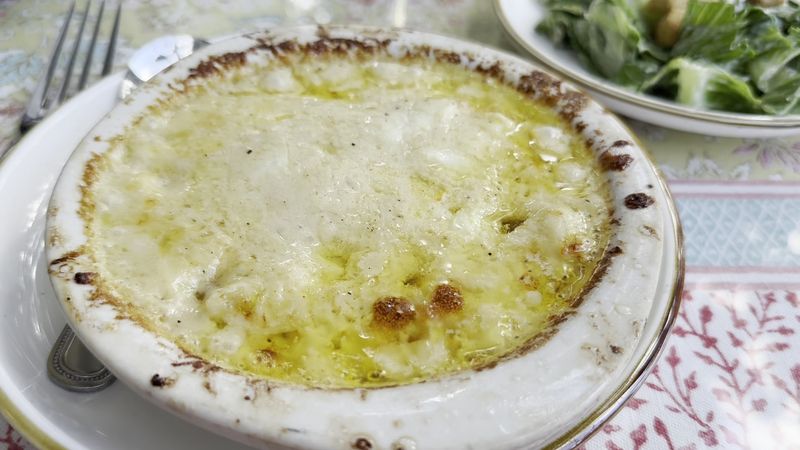
Crab Meat Au Gratin is one of the most talked-about plates. It comes bubbling with cheesy cream sauce and plenty of crab.
Seafood Heaven is another well-known order. It pairs Gulf shrimp and lump crab with a basil cream sauce.
The seafood bisque deserves its own mention, too. Shrimp, crawfish, and crab show up in a creamy, comforting bowl.
Not a seafood fan? Chicken sauce piquante, a muffuletta, and a turkey sandwich have appeared on the menu as well.
Menus can change, so think of these as highlights, not promises. Ask your server about what’s being served that day.
One practical idea is to share. Order a bowl and a sandwich, then split them so you can taste more of the kitchen’s range.
Skipping the fryer doesn’t mean skipping flavor. It just means your spoon gets a serious workout.
Follow The Oaks Toward The Lake
Cafe Jefferson is on the Rip Van Winkle Gardens property at 5505 Rip Van Winkle Road in New Iberia, Louisiana. Head toward the Jefferson Island area and use Rip Van Winkle Road for the last approach to the gardens.
The distinctive arrival clue is the garden property overlooking Lake Peigneur, with a grove of mature live oaks surrounding the cafe’s glassed-in porch. Look for the garden grounds rather than a separate roadside restaurant building.
Enter the Rip Van Winkle Gardens property and follow on-site guidance to Cafe Jefferson’s dining entrance. You do not need to buy a garden admission ticket just to eat at the cafe.
Save Room, Because The Rolls And Desserts Are Sneaky Good
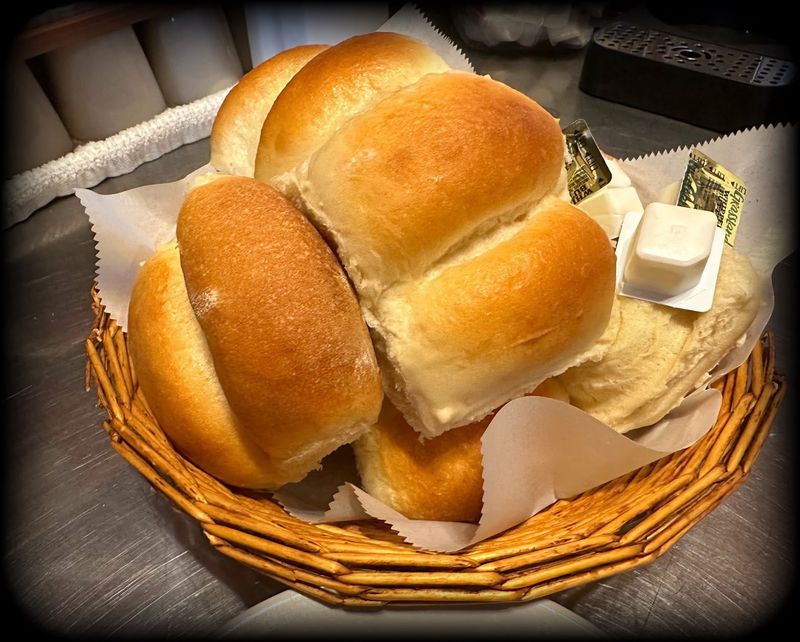
Warm bread before lunch is a dangerous little tradition. At this cafe, freshly baked yeast rolls arrive golden brown and ready to test your self-control.
They’re the kind of rolls that make you ask for another basket. Pace yourself, though, because the main course still needs attention.
Desserts here are homemade and gourmet. Key lime pie has been one of the sweet options on the menu.
Sweet endings matter when lunch is this relaxed. A slice of pie gives you a reason to linger and enjoy the lake view a bit longer.
Coffee pairs nicely with dessert, and it comes with a local story. The cafe serves coffee from Orange Island Coffee Company.
That name connects right back to the property. Before it became Jefferson Island, this land was known as Orange Island.
So your after-lunch cup carries a bit of history with it. Pretty clever for something served in a mug.
A good plan is to order dessert even if you’re full. Split it with your table, sip your coffee, and let the afternoon slow down a little.
Nobody ever regrets the extra roll. Well, almost nobody.
Peacocks Roam Like They Own The Place, Because They Kind Of Do
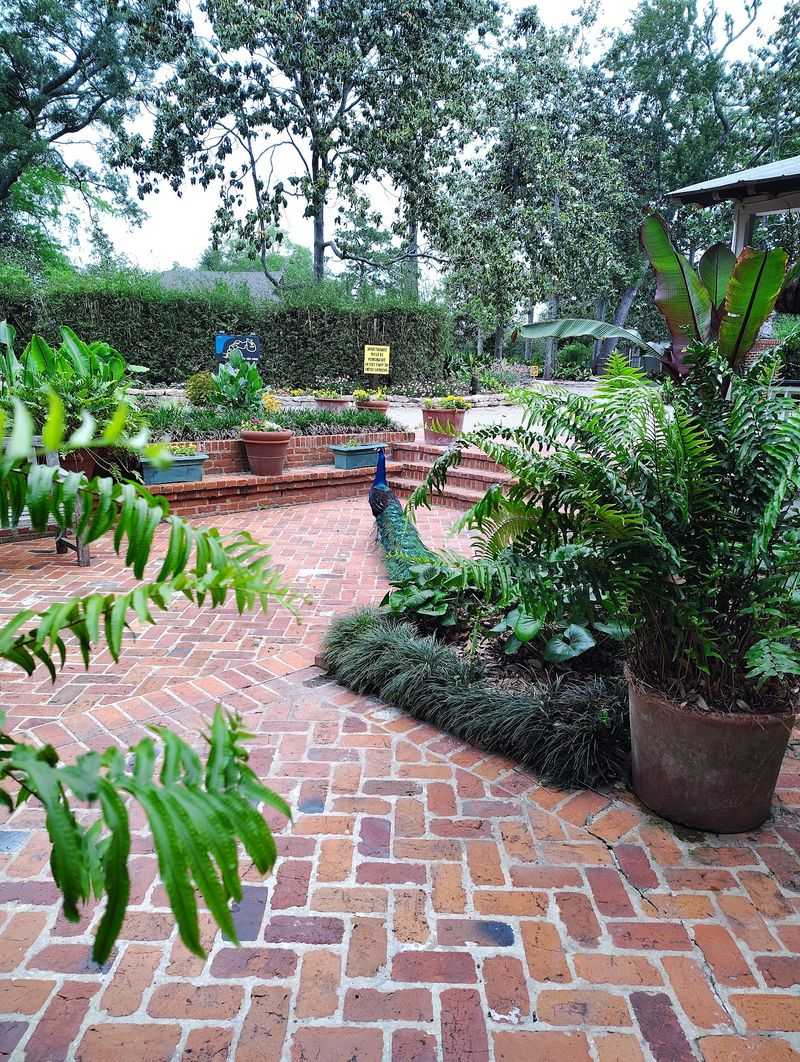
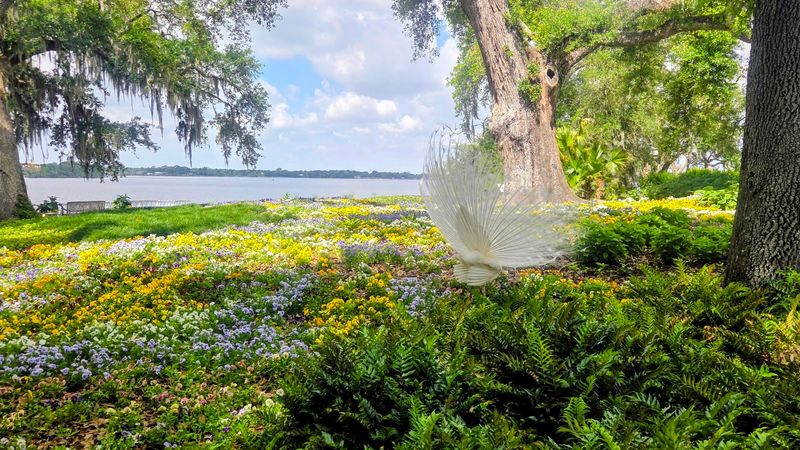
Your lunch might come with a feathered audience. Peacocks wander freely around Rip Van Winkle Gardens, and they often show up near the cafe patio.
Some perch in the trees, while others stroll across the grounds. They seem completely unbothered by the humans eating nearby.
One of the most famous residents is William, a white albino peacock. He has earned a reputation for showing off his feathers.
Bird lovers get even more to enjoy here. Around 260 species of birds have been spotted at the gardens.
Roseate spoonbills are among the stars. Their bright pink feathers stand out against the green oaks and blue lake.
Egrets also appear around the water. Bring binoculars if birdwatching is your thing.
Kids usually love the peacocks most of all. Teach them to watch from a respectful distance and never chase the birds.
A camera ready on your phone is a smart move. When a peacock fans its tail, you’ll want that photo fast.
Few restaurants can promise wildlife sightings with your gumbo. This one practically delivers them to the patio.
Those Giant Oaks Were Old Before America Was Born
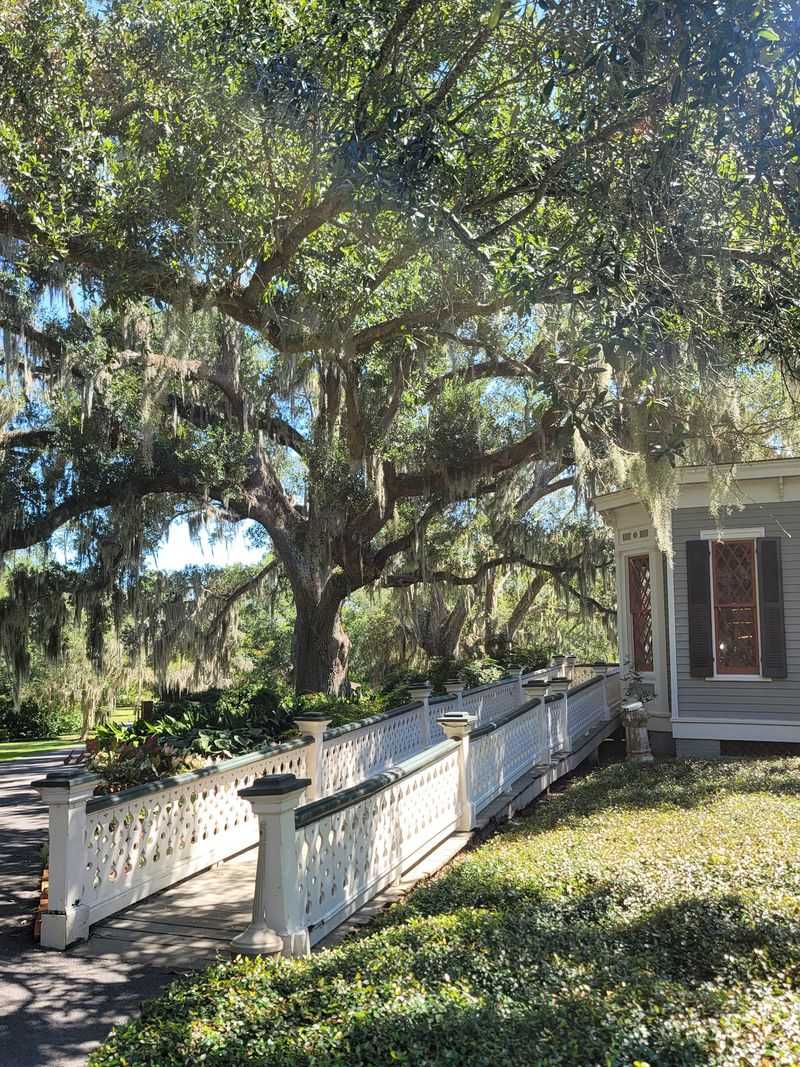
Some of the live oaks shading your table are estimated to be 350 to 550 years old. That means they were growing long before the United States existed.
Their branches stretch wide and low. Spanish moss hangs from them like gray curtains swaying in the breeze.
One tree carries a presidential name. The Grover Cleveland Oak honors the president who visited the estate in 1892.
That oak is estimated at around 550 years old. Standing near it gives you a quick lesson in patience.
These trees anchor the whole garden experience. They shade the paths, frame the lake, and give the cafe its signature look.
Live oaks are a classic symbol of south Louisiana. Seeing them this close, and this old, feels special.
A smart move is to stroll among them before or after lunch. Walking helps you see their full size, which windows can’t quite capture.
Look up, too. The tangle of branches overhead is half the show.
Plenty of restaurants have nice landscaping. Very few have trees with centuries of seniority over the building.
Walk Off Lunch In Fifteen Acres Of Blooms
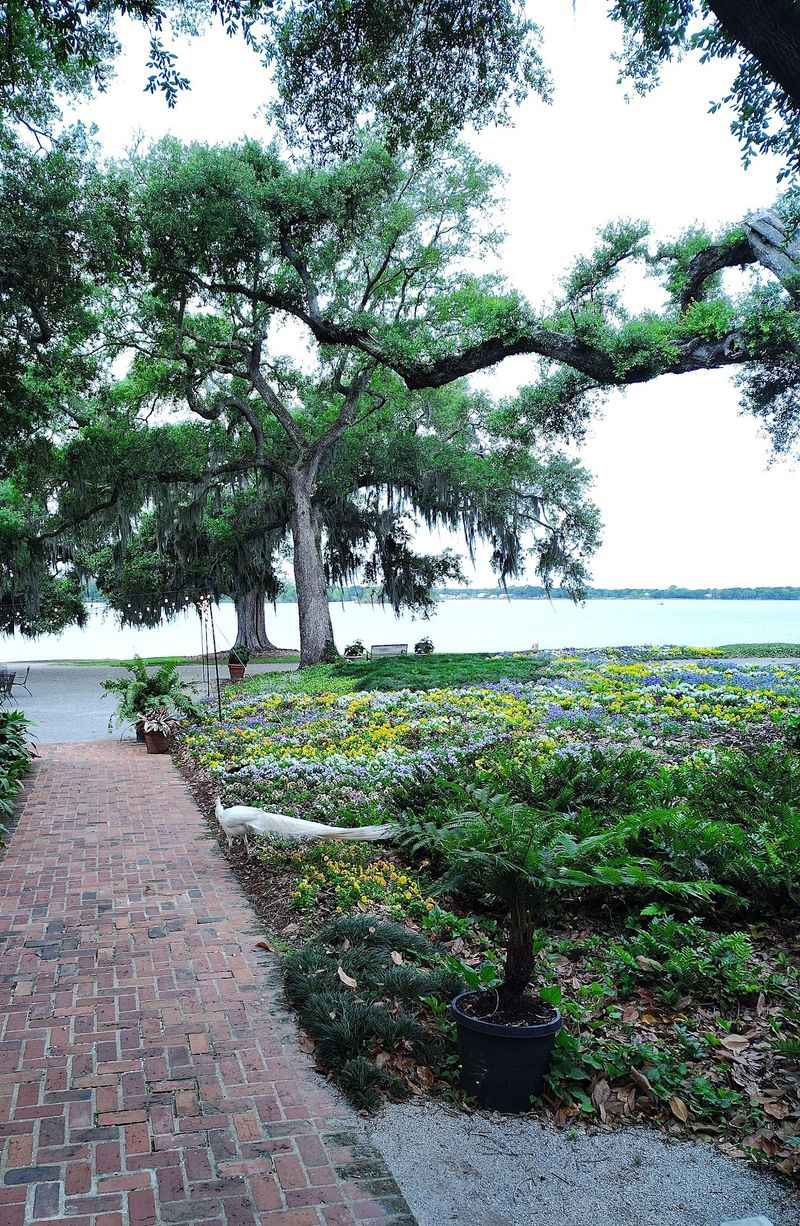
Lunch is only part of the visit. Cafe Jefferson at Rip Van Winkle Gardens sits inside about 15 acres of semi-tropical landscaping worth exploring.
Plantings include irises, magnolias, hibiscus, camellias, and azaleas. Bulbs and annuals add even more color through the year.
Themed spaces make the stroll feel like a small trip around the world. You’ll find a Japanese Tea House, a Balinese Gateway, and an Alhambra Garden.
The gardens took shape in the 1950s. John Lyle Bayless Jr. developed them after his family acquired the estate in 1917.
Visiting in different seasons gives you different views. Spring blooms look nothing like the quieter greens of other months.
The grounds are open daily from 9 a.m. to 5 p.m. That gives you time to explore before the cafe opens at 11.
Wear comfortable shoes and bring water on warm days. Louisiana humidity doesn’t take a lunch break.
A garden walk also makes waiting for a table easier on busy days. Blooms beat staring at your phone in a lobby.
Consider it dessert for your eyes.
A Famous Actor Built A Mansion Here In 1870
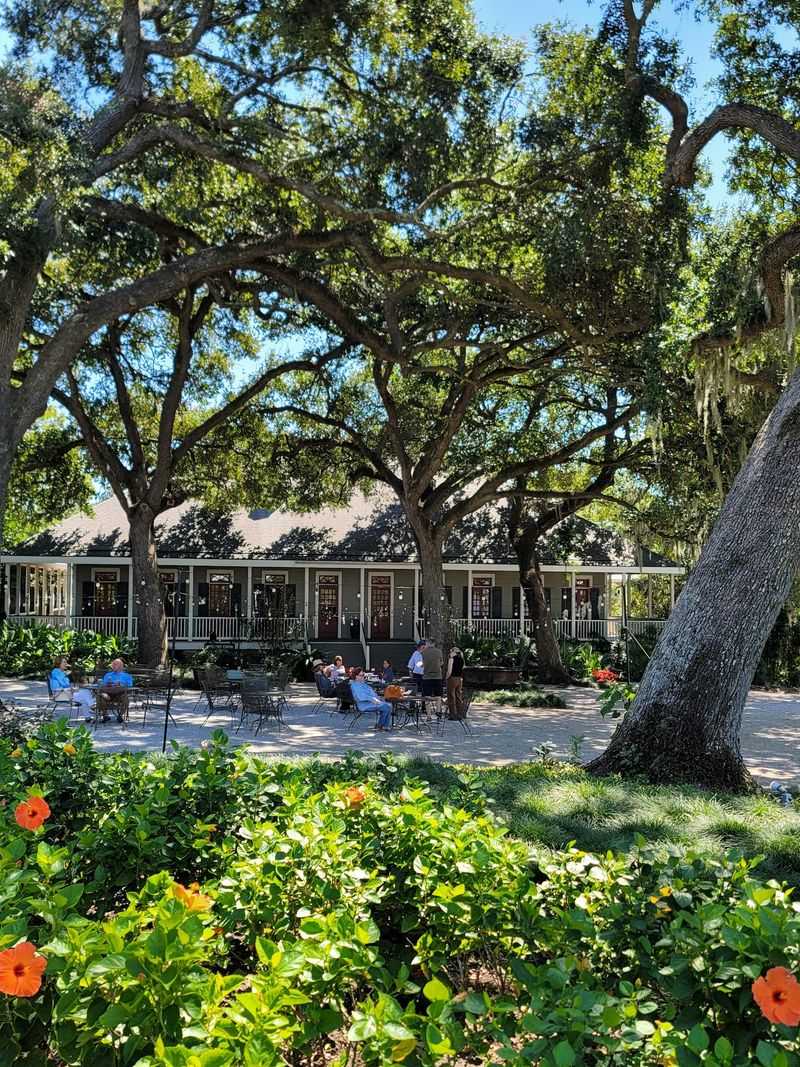
Joseph Jefferson played Rip Van Winkle on stage more than 4,500 times. That role made him famous, and it eventually gave these gardens their name.
Jefferson bought the island in 1869 as a hunting and fishing retreat. A year later, in 1870, he built the mansion that still stands on the grounds.
The Joseph Jefferson House joined the National Register of Historic Places in 1973. It’s a big part of the property’s charm and story.
Famous guests came calling, too. President Grover Cleveland visited the estate in 1892.
After Jefferson, the Bayless family took ownership in 1917. Their work turned the estate into the garden destination it is today.
Lunch at the cafe feels richer once you know this history. You’re eating on land shaped by an actor, a president’s visit, and generations of gardeners.
Plan extra time if you want to see the mansion. Ask at the gift shop about touring options during your visit.
History buffs will enjoy connecting the dots. Everyone else will simply enjoy a beautiful old house.
Not bad for a stage character who famously slept twenty years.
The Lake Outside Once Disappeared Into A Salt Mine
In 1980, an oil drilling accident caused Lake Peigneur to drain into a salt mine below. It’s one of the strangest events in Louisiana history.
The disaster damaged parts of the property. A later hurricane added more trouble, but the gardens have since been restored.
Today the lake looks calm and inviting from the cafe windows. Knowing its wild past makes that peaceful view even more fascinating.
Jefferson Island isn’t a typical island, either. It’s one of Louisiana’s Five Islands, which formed on top of underground salt domes.
The island was first called Orange Island. Its current name honors Joseph Jefferson, the actor who made it his retreat.
So when you sip your coffee by the water, you’re sitting above some remarkable geology. Salt, oil, and history all meet right here.
Curious diners might want to read a little about the 1980 event before visiting. It makes great table conversation while you wait for your food.
Kids especially tend to love this kind of real-life mystery. A lake that vanished beats most science textbook chapters.
Now it simply reflects the oaks. Quite a comeback.
Plan Your Visit Smart And Stay A Little Longer
Timing is everything at this lunch-only spot. The cafe serves from 11 a.m. to 3 p.m. on weekdays and stays open until 4 p.m. on weekends.
You’ll find it at 5505 Rip Van Winkle Road, New Iberia, Louisiana 70560. It’s an easy drive from Lafayette and pairs nicely with other stops in Iberia Parish.
Busy holidays like Mother’s Day can bring longer waits. Arriving early gives you the best shot at a good table.
Groups are welcome here. The cafe can host up to 100 people, which works well for family gatherings and celebrations.
Leave time for the gift shop before heading home. It carries home decor, garden items, food products, postcards, and children’s items.
Don’t miss the showcase of mastodon bones and teeth found on the island. That’s not something most gift shops can offer.
Want more time with the peacocks? Bed and breakfast lodging is available on the grounds.
Choices include a standalone cottage and two rooms in former servants’ quarters. Waking up near those oaks sounds like a fine way to start the day.
Lunch might be the reason you come. The setting is why you’ll stay.