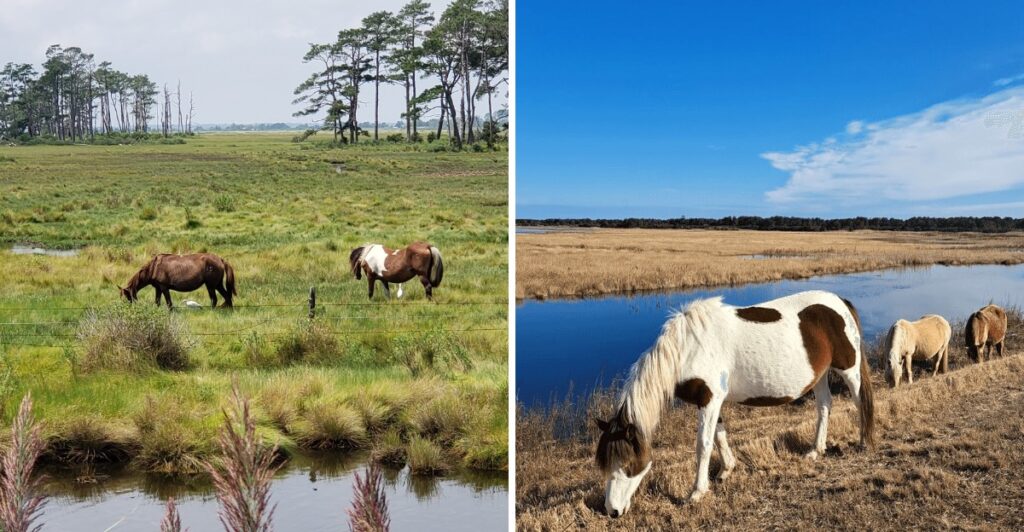
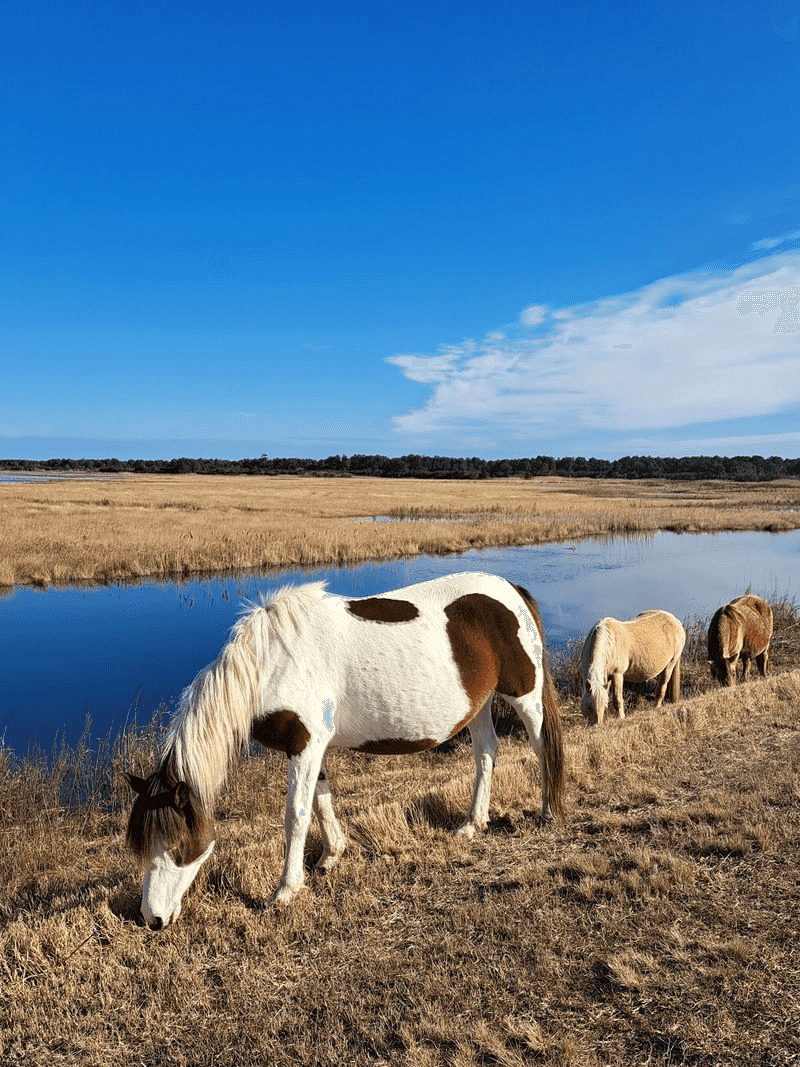
On one stretch of Atlantic beach, the traffic jams are caused by about 150 wild ponies. They have salty manes, sandy hooves, and a firm policy of ignoring your schedule.
Virginia made their breed the Official State Pony in 2023, so these beach locals now have paperwork.
How they got here is still up for debate, with a Spanish shipwreck tale leading the rumor mill.
More than 320 bird species, sika deer, red foxes, and passing dolphins share the neighborhood.
A striped lighthouse rounds things out, with climbing open on Saturdays this year.
Late fall still leaves room for one more coastal getaway before 2026 runs out. Keep a respectful distance, though, because these ponies have zero manners around snacks.
The Famous Ponies Are The Reason Your Camera Battery Won’t Last
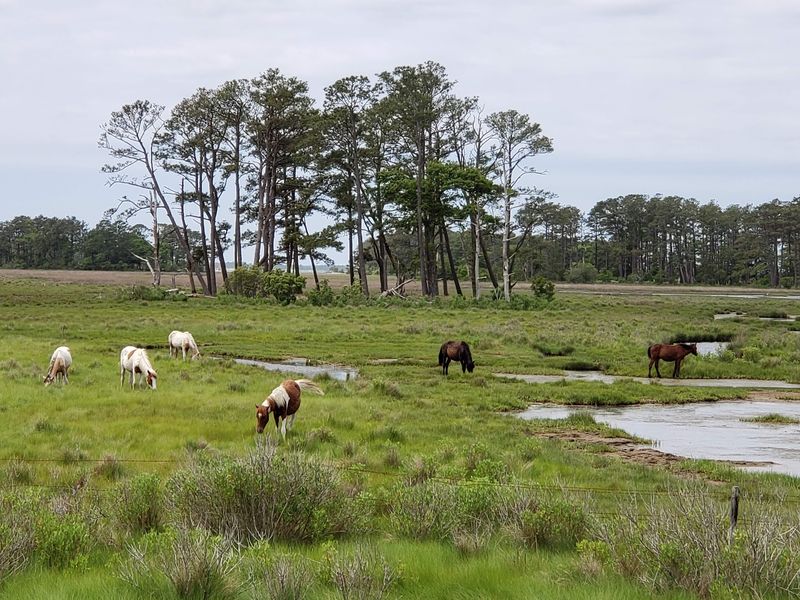
Roughly 150 wild ponies live on the Virginia side of Assateague Island. Their home base is Chincoteague National Wildlife Refuge, a protected stretch of marsh, forest, and beach.
Technically, they’re feral horses. Over centuries, their ancestors adapted to salty grass, coastal storms, and plenty of mosquitoes.
Nobody knows exactly how they arrived. One story says Spanish horses swam ashore after a 16th-century shipwreck.
Another theory points to early settlers who turned livestock loose to avoid taxes. Honestly, both versions make a great campfire story.
The ponies earned a big honor in 2023. Virginia named the Chincoteague Pony its Official State Pony.
Spotting them takes a little patience and a lot of luck. The herds roam freely, so they might be close one day and far the next.
A pony overlook along the trails can help with better views. Binoculars or a zoom lens are smart packing choices.
Keep a respectful distance, too. These are wild animals, not petting zoo residents, and they deserve their space.
Seeing a herd graze against the marsh feels like a gift. Just don’t expect them to pose on command.
Bring Binoculars Because The Birds Outnumber Everyone
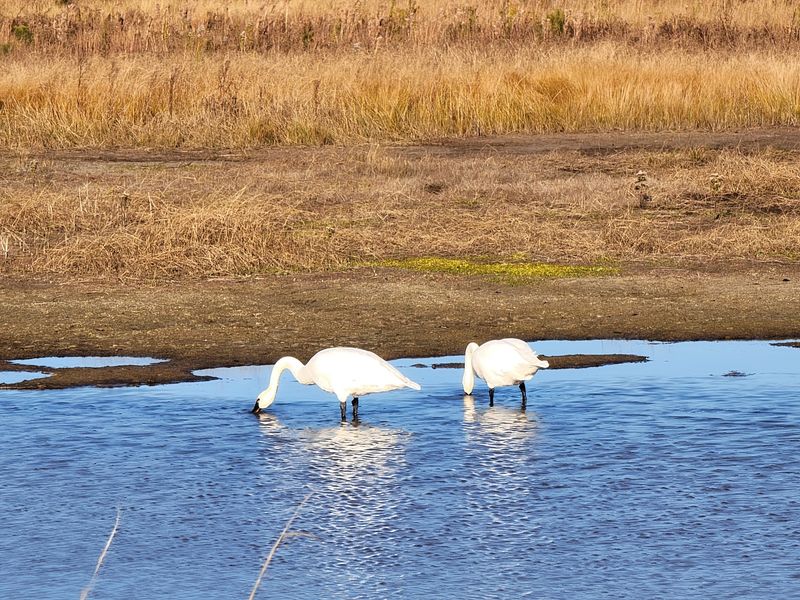
More than 320 bird species pass through this refuge during the year. That number alone makes birders reach for their notebooks.
Birds are actually the reason the place exists. Chincoteague National Wildlife Refuge was established in 1943 to protect migratory birds, especially greater snow geese.
Since then, it has become one of the most visited refuges in the United States. The birds clearly made a strong first impression.
Bald eagles, ospreys, and pelicans show up here. Shorebirds patrol the beaches while waterfowl gather in the marsh pools.
The refuge also protects threatened and endangered species. The Piping Plover nests here, and some beach areas may close to protect them.
Those closures help tiny chicks survive busy summers. A few roped-off spots are a fair trade.
Fall and winter can bring big waves of migrating waterfowl. Spring brings fresh activity as birds return north.
You don’t need to know every species to enjoy it. Watching an osprey dive for a fish is thrilling all by itself.
Pack binoculars and a field guide app. Then let the sky do the showing off.
Pedal The Wildlife Loop And Let The Marsh Come To You
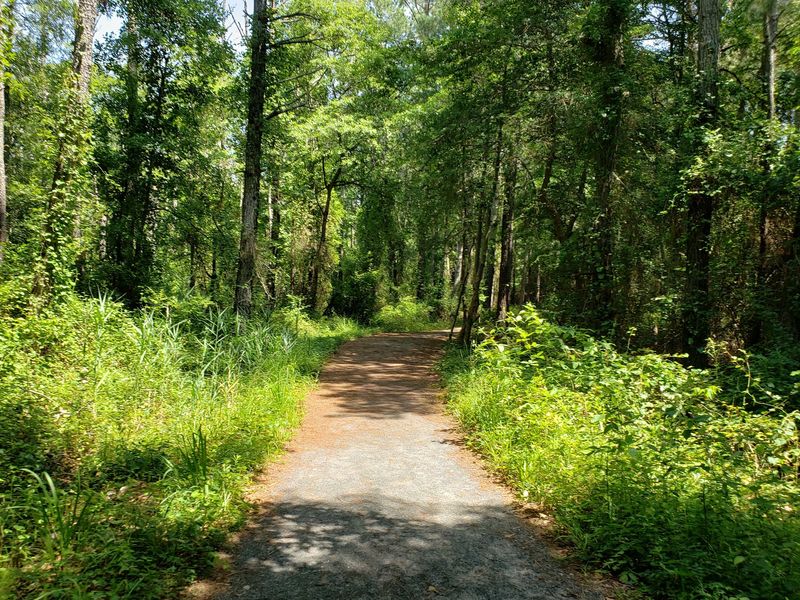
Fifteen miles of connected trails wind through this refuge. Some sections are paved, which makes biking easy and smooth.
The Wildlife Loop is the star route. Walkers and cyclists love it, and it circles marsh where birds and deer often appear.
Cars can drive the loop too, but only from 3 PM until dusk. Earlier in the day, it belongs to feet and pedals.
Bikes make a real difference here. Overlooks and beach access points can be spread out, so walking everything takes serious stamina.
No bike at home? Rentals are available on Chincoteague Island, so you can travel light.
Keep your eyes moving as you ride. Sika deer, native white-tailed deer, and red foxes all live in the refuge.
Mosquitoes live here too, and they are enthusiastic. Bug spray is a must, especially on wooded trails in warm months.
The Woodland Trail and Swan Cove Trail add variety beyond the loop. Each one shows off a different slice of island habitat.
A slow ride usually wins here. The marsh rewards anyone who takes their time.
Mark Your Calendar For The Wildest Swim Of Summer
Once a year, a herd of ponies swims across a channel while crowds cheer from shore. That’s the Chincoteague Pony Swim, and it’s a true island tradition.
The event typically happens on the last Wednesday of July. Ponies cross from Assateague Island to Chincoteague Island through the Assateague Channel.
For many families, this is the main reason to visit. It ties the island’s history, legends, and wildlife together in one splashy morning.
Timing matters if you want to see the swim. Summer is the busiest season, so lodging fills up fast.
Booking early is a wise move. So is packing patience, sunscreen, and plenty of water.
There’s a small catch for refuge visitors. Around swim time, the herds are being gathered, so pony sightings inside the refuge may dip.
That’s not a reason to skip it. It’s just a good reason to plan a few extra days.
Missed July this year? The ponies stay on the island year-round, so a fall trip still works beautifully before 2026 wraps up.
Either way, the legend keeps swimming along.
That Quiet Beach Is Literally On The Move
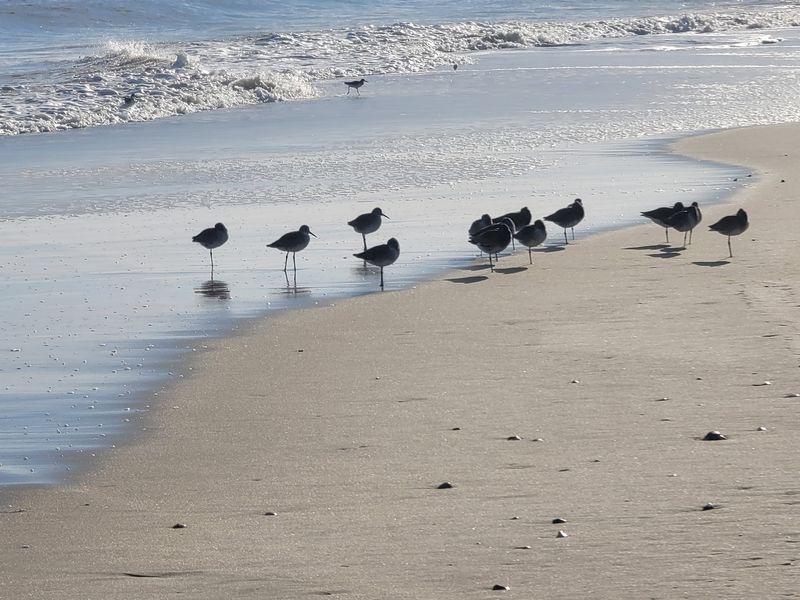
Islands aren’t supposed to wander, but Assateague does. The island shifts naturally over time, and the beach is moving with it.
As of April 2025, a project began to relocate the recreational beach about 2.5 miles north. Talk about a beach that refuses to sit still.
For now, Assateague Beach remains the main stop for refuge visitors. It offers natural dunes and a wide, open Atlantic shoreline.
The vibe leans calm rather than flashy. You won’t find a boardwalk crowded with arcades and fudge shops here.
Instead, you get swimming, shelling, and plenty of space to breathe. Ghost crabs and horseshoe crabs make regular appearances along the sand.
Before you go, check the refuge updates for current beach access. Construction and storms can change parking and entry points.
Restrooms and shower stations are a welcome bonus after a salty afternoon. Bring your own shade and snacks, though.
Families with little ones can enjoy the waves here. Strong swimmers will appreciate the open ocean feel.
Just remember the island sets the rules. Nature is clearly in charge of this real estate.
Climb The Candy-Striped Lighthouse On A Saturday
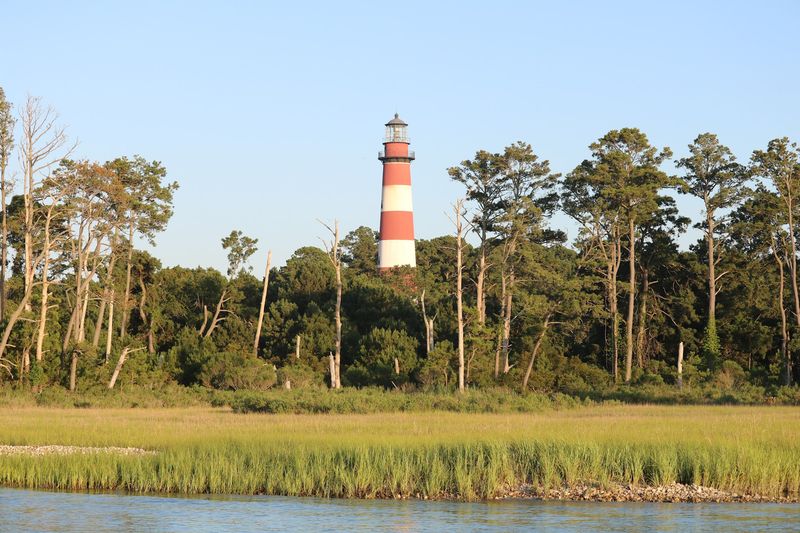
Red and white stripes rise above the pine trees like a giant peppermint stick. That’s the Assateague Lighthouse, a historic landmark inside the refuge.
Here’s the time-sensitive part. The lighthouse is open on Saturdays from 10 AM to 4 PM through November 21, 2026, with the last climb at 3:30 PM.
Miss that window, and you’ll be admiring it from the ground. That’s still nice, but the climb is the real prize.
The lighthouse trail is a short walk. It sits near the route to the beach, so it pairs easily with a beach day.
Plan your week around a Saturday if the climb matters to you. Weekday visitors can still enjoy the trail and the striking exterior.
Climbing stairs in a lighthouse is a workout, so pace yourself. Wear comfy shoes and bring water.
From the top, the island’s mix of marsh, forest, and water spreads out below. It’s a great way to understand how the refuge fits together.
Photographers love the tower from the trail, too. Those stripes pop against a blue Virginia sky.
Consider this your gentle reminder. November 21 will arrive faster than you think.
Get Smart About Timing Before You Pull Up
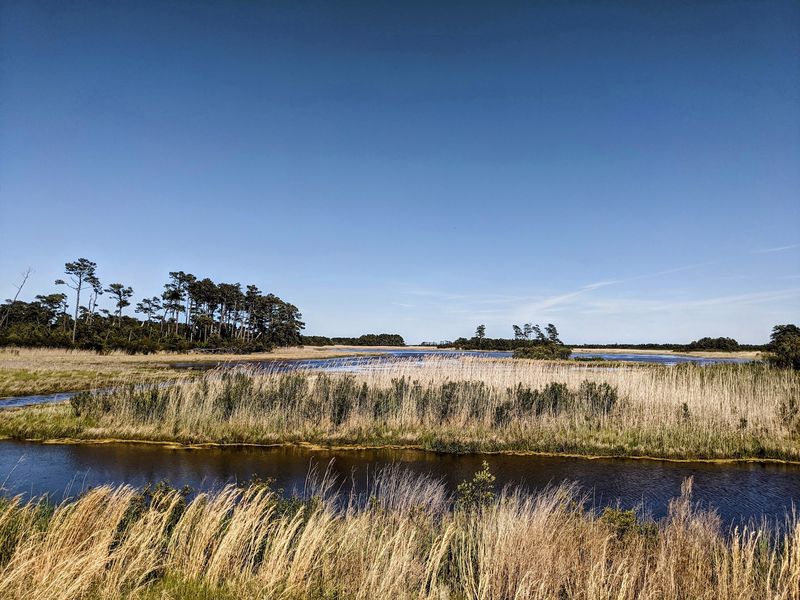
A little planning goes a long way at Chincoteague National Wildlife Refuge. The address is 8231 Beach Rd, Chincoteague Island, VA 23336.
The refuge is open year-round, seven days a week. Hours change with the seasons, so check before you head out.
From May through September, gates open at 5 AM and close at 10 PM. April and October run from 6 AM to 8 PM.
From November until mid-March, refuge hours are 6 AM to 6 PM, changing to 6 AM to 8 PM from mid-March through April.
Fall visitors should plan around shorter daylight.
The refuge remains open daily during its regular seasonal hours, but the visitor center closes on certain holidays, including December 24, 25, 26, 31, and January 1.
If you’re squeezing in a late December trip, those dates matter.
The Herbert H. Bateman Visitor Center is a smart first stop. It has exhibits and is generally open Friday through Monday from 10 AM to 4 PM, except on designated holidays.
One firm rule surprises many travelers. Pets aren’t allowed anywhere in the refuge, not even inside your car.
So Fido needs a sitter or a pet-friendly rental elsewhere. The ponies and plovers will appreciate it.
Early mornings are great for wildlife and cooler temperatures. Pack layers, snacks, and that trusty bug spray.
See The Ponies From The Water For A Whole New Angle
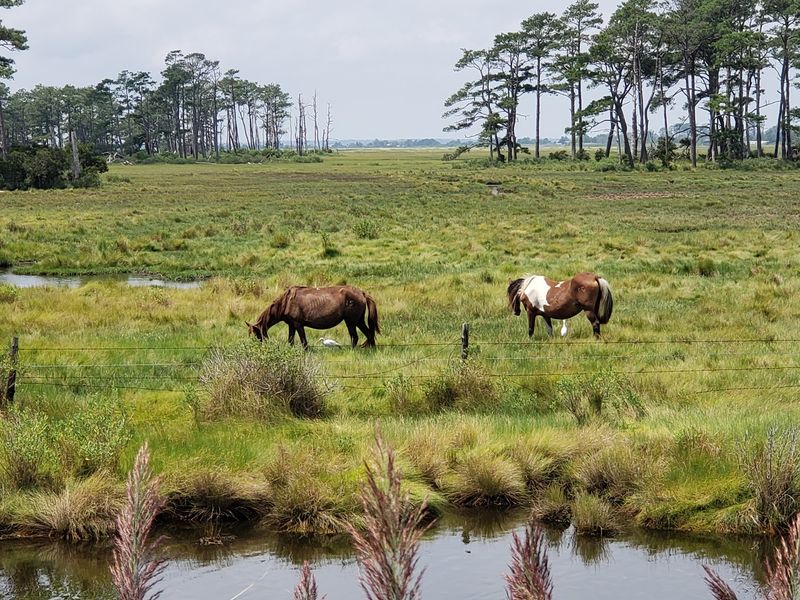
Some of the best pony views come from a boat seat. Local companies run cruises through the back bays and Assateague Channel near the refuge.
From the water, you might spot ponies along the marsh edge. Dolphins, bald eagles, and wading birds often join the show.
Sunset cruises are especially popular. Golden light on the marsh makes everything look like a postcard.
Prefer to paddle? Kayak tours let you glide quietly through calm channels.
Paddling gives you a slower, closer feel for the landscape. Just bring sun protection, because shade is rare on open water.
Fishing fans have plenty of choices too. Crabbing, clamming, and surf fishing are popular around the area.
Some visitors rent boats to putter through the channels after flounder. It’s a classic Eastern Shore way to spend a day.
Water taxis can also reach more secluded beaches. That’s a handy option for anyone craving extra quiet.
Book tours ahead during busy summer weeks. Fall trips can feel calmer, and the views stay just as wild.