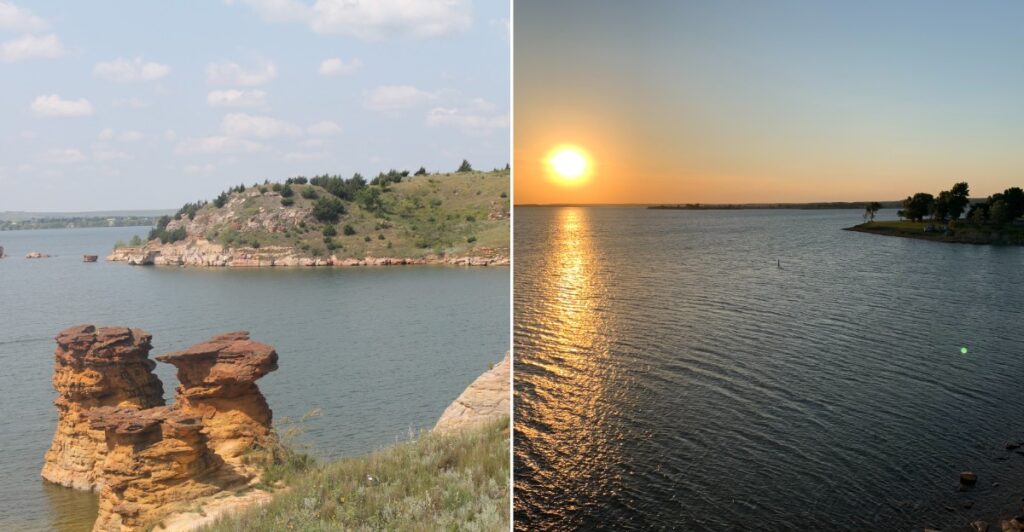
Striped bass, a fish famous for ocean living, thrive in a lake surrounded by prairie.
The water is salty enough to make that possible, and it holds state records to prove it.
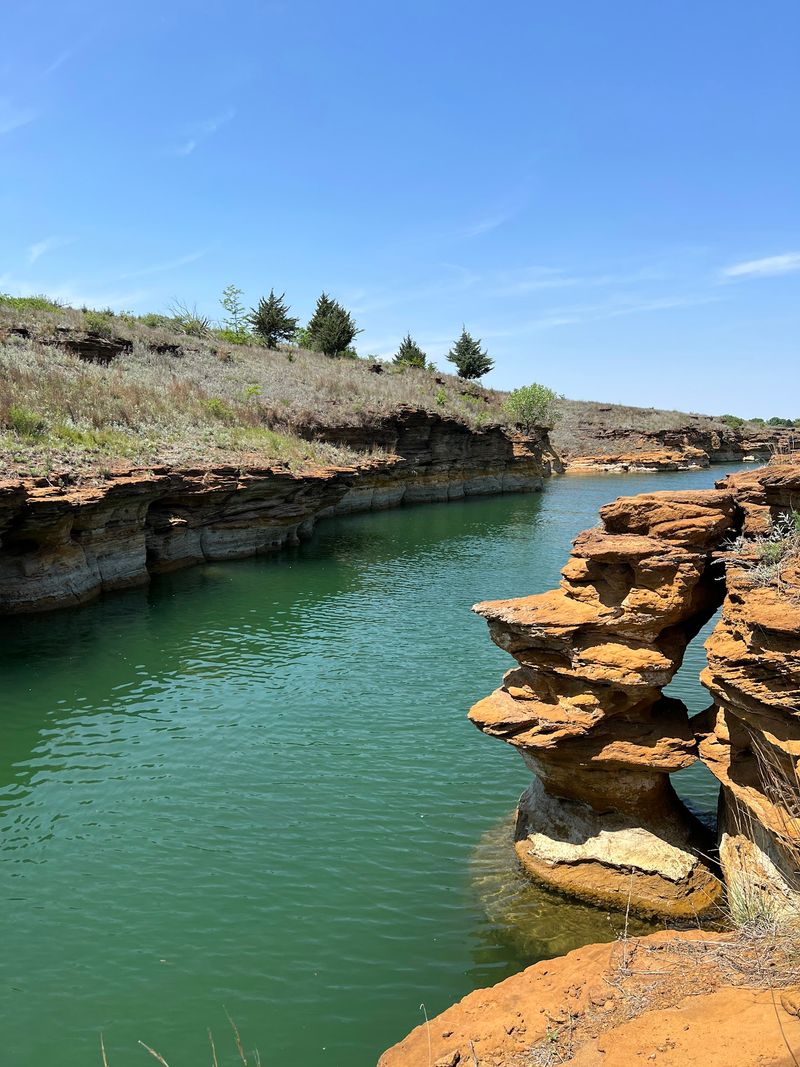
That lake also sits beside sandstone pillars up to 30 feet tall. Red sand beaches line parts of the shore, and the water is clear enough to earn a bold nickname.
This spot is in central Kansas, right in the Smoky Hills.
The dam that created it was finished in 1964, and the rugged scenery still looks more like the American West than the flat farmland most folks expect.
I like how a place this unusual stays so low-key. I can’t imagine driving past it on the interstate without knowing what waits a few miles away.
So what makes this salty, rocky lake so different?
The Clearest Water In The State Is Not A Rumor
Kansas lakes often carry a muddy reputation.
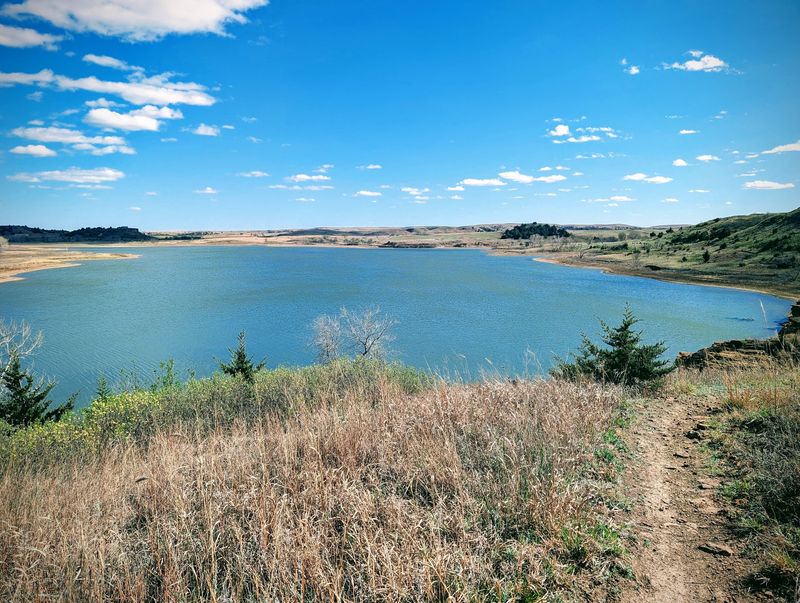
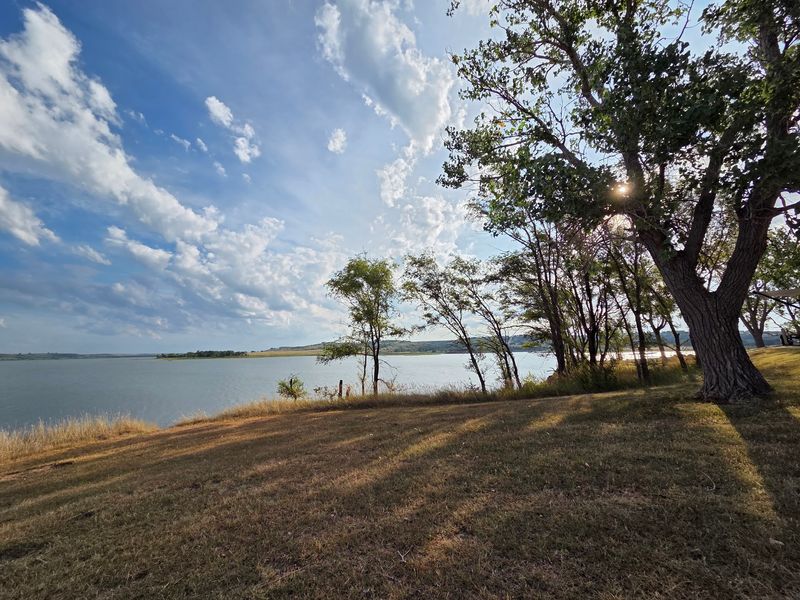
Wilson State Park sits beside Wilson Lake, which many call the clearest lake in Kansas.
That clarity comes from a few lucky factors working together. The lake has a deep, rocky basin instead of a soft, silty bottom.
The Saline River feeds the reservoir with water from a cleaner watershed. Native prairie around the lake also helps filter runoff before it reaches the shore.
Here’s a fun twist. The river’s natural salt content is part of the story too, and some people notice a slightly salty taste.
Clear water changes how a day at the lake feels. Swimming is more inviting when you can actually see what’s beneath you.
Boaters should still stay sharp, though. Rocks and sandbars can sit closer to the surface than you expect, so slow speeds near unfamiliar spots make sense.
Bring polarized sunglasses for the best view of the water. They cut glare and let you enjoy that blue-green color without squinting all afternoon.
Sunny days show off the lake’s color best. A calm morning is especially good for spotting rocky ledges below the surface.
A 1964 Dam Started The Whole Story
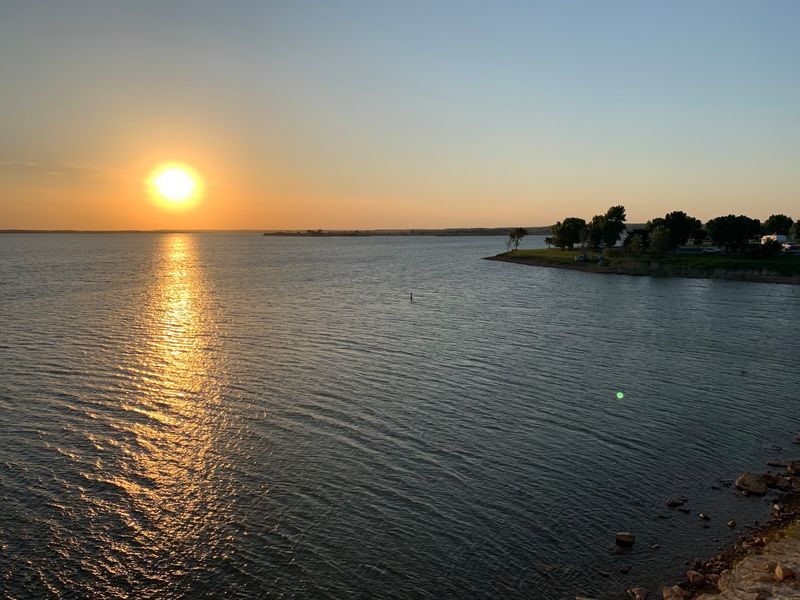
December 29, 1964, marks the day the lake first began filling.
Construction of Wilson Dam wrapped up that same year, and the reservoir has been a Smoky Hills landmark ever since.
Plans did not go exactly as first drawn. The project was originally authorized for several jobs, including irrigation for nearby farms.
Then the Saline River’s salty water got in the way. Crops don’t appreciate salt, so irrigation was taken off the table.
The project was transferred from the U.S. Bureau of Reclamation to the U.S.
Army Corps of Engineers, which completed construction of the dam in 1964.
The Corps still manages the reservoir today for flood control, recreation, wildlife, and water quality.
Wilson State Park was established in 1966, two years after the dam was finished. That gives the park its own long history of welcoming campers and anglers.
I believe that unexpected change actually shaped the lake’s character. Without irrigation demands, the reservoir became especially important for recreation, fishing, and protecting the region from floods.
Six decades later, the rugged shoreline still looks wild. Not bad for a project that had to change its plans.
Next time you cross the dam, remember that salty surprise. It quietly shaped the whole place.
Sandstone Pillars At Rocktown Steal The Show
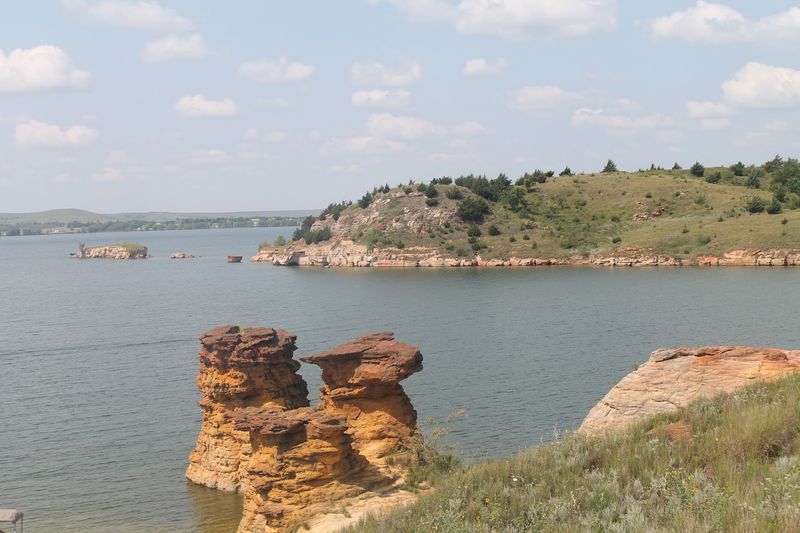
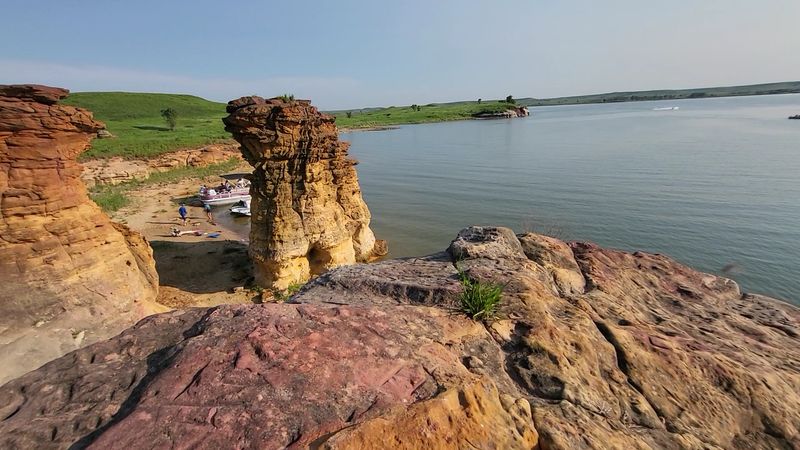
Towers of rock rise right along the water at Rocktown Natural Area.
Some of these sandstone pillars stand between 15 and 30 feet tall.
They’re found in Lucas Park on the northern side of Wilson Lake, rather than inside Wilson State Park. The U.S.
Army Corps of Engineers manages this part of the reservoir.
The formations are made primarily of Dakota Sandstone, shaped slowly by erosion. Their unusual shapes make the landscape look almost like a miniature city skyline.
The best way to explore them is the Rocktown Hiking Trail. This three-mile loop begins near the parking area on the eastern side of the natural area.
It’s a separate destination from Wilson State Park, so make sure your navigation takes you to Lucas Park rather than the state park entrance.
Photographers will feel right at home here. Sunrise and sunset light paint the rocks in warm tones that look almost unreal.
Wear sturdy shoes for this one. Trails can be uneven, and rocky footing is part of the adventure.
Bring water, too, especially in summer. Shade is limited, and the Kansas sun does not take days off.
Kids usually love spotting shapes in the rocks. Turn it into a game and see who finds the strangest formation.
Please admire the pillars without climbing or carving. They took ages to form, and they should look just as striking for the next visitors.
A camera, a snack, and patience make this hike great.
Your Fishing Story Could Involve A State Record
Saltier-than-average water in the middle of the prairie sounds like a riddle.
At Wilson Lake, it’s one reason striped bass do especially well far from the ocean. Striped bass are native to coastal waters, but they can live in freshwater too.
Kansas maintains its striped bass populations through stocking programs, and Wilson Lake’s conditions have made it a successful fishing destination.
The lake holds Kansas state records for both striped bass and walleye. That’s quite a résumé for a reservoir in the Smoky Hills.
Other species keep anglers busy too. Smallmouth bass, white bass, crappie, and channel catfish all swim these waters.
Clear water means fish can see well, so lighter line may help. Natural-colored lures are also worth trying when the water is calm.
Rocky points and ledges make great places to explore. Smallmouth bass especially like this kind of structure.
Remember to check Kansas fishing-license requirements before casting. Reviewing current catch limits and regulations before your trip keeps things simple.
Early mornings and evenings often feel peaceful on the water. They’re also cooler, which matters during hot summer stretches.
Even a slow day pays off here. The scenery alone beats staring at a television.
Who knows, your next cast might hook a fish worth bragging about. Just keep the camera handy.
Mountain Bikers Get 24.5 Miles Of Prairie Thrills
Kansas and mountain biking rarely land in the same sentence.
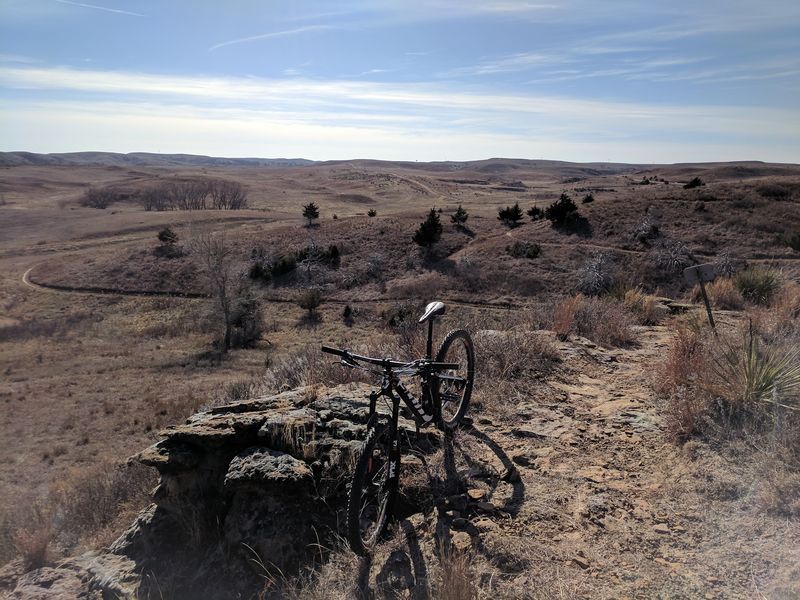
The Switchgrass Bike Trail changes that with 24.5 miles of challenging singletrack.
The trail winds through prairie hills and rocky stretches near the lake. Riders get big views of blue water mixed with golden grass.
Distance is flexible, which makes planning easy. You can ride a short loop or spend most of the day exploring.
Some tricky sections may test your skills. Walking your bike through a tough spot is perfectly fine.
Wind is a real factor in this part of Kansas. Plan for gusts and carry extra water, since exposed hills offer little shelter.
A helmet and a basic repair kit belong in your pack. Rocks can be rough on tires.
Morning rides tend to beat the heat. They also give you softer light and calmer conditions.
Not into biking? Hikers have options too.
Wilson State Park offers the Cedar ADA Trail and Dakota Nature Trail for exploring the surrounding landscape.
Elsewhere around Wilson Lake, the Bur Oak Nature Trail provides a three-quarter-mile walk near Sylvan Park.
That trail is managed by the U.S. Army Corps of Engineers, outside the state park.
Each route shows a different side of the lake and its surrounding prairie. Try more than one and compare favorites.
Red Sand Beaches Make Swim Days Feel Different
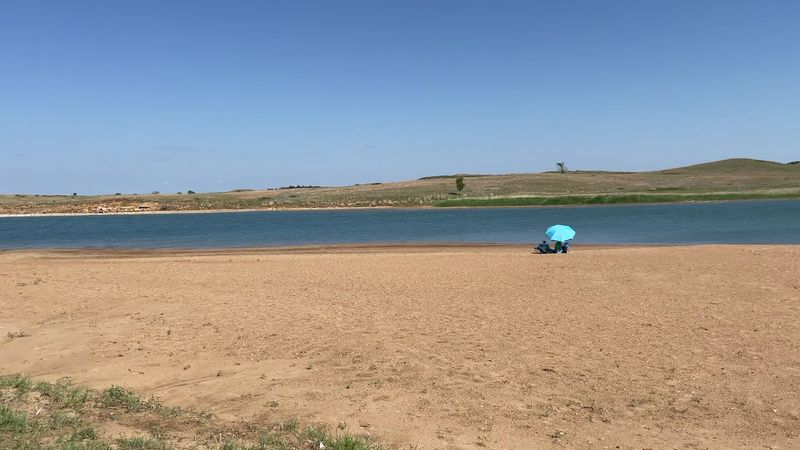
Most beaches come in tan or white. Wilson Lake mixes things up with reddish sand along parts of its shore.
That color comes from eroded Dakota sandstone. The same rock that forms the cliffs slowly breaks down into these colorful patches.
Wilson State Park has swimming beaches that fit perfectly into a summer day. Pair them with that clear water, and cooling off gets very appealing.
Pack sunscreen, hats, and plenty of drinks. The sun reflects off the water and can feel stronger than expected.
Water shoes are a smart choice. Rocky spots can hide near the shoreline in some areas.
Keep an eye on young swimmers at all times. Lake depths can change quickly, and beaches do not have ocean-style waves to warn you.
Weekdays are often quieter than weekends. Arriving early can help you grab a better spot.
Bring a sandy-friendly picnic and make an afternoon of it. A cooler of sandwiches and fruit keeps everyone happy.
Nobody needs a coastline for a beach day here. Kansas pulled this one off with sandstone and patience.
Campsites Named After Prairie Grasses Are A Nice Touch
Foxtail, Wheatgrass, and Grama sound like a botany quiz.
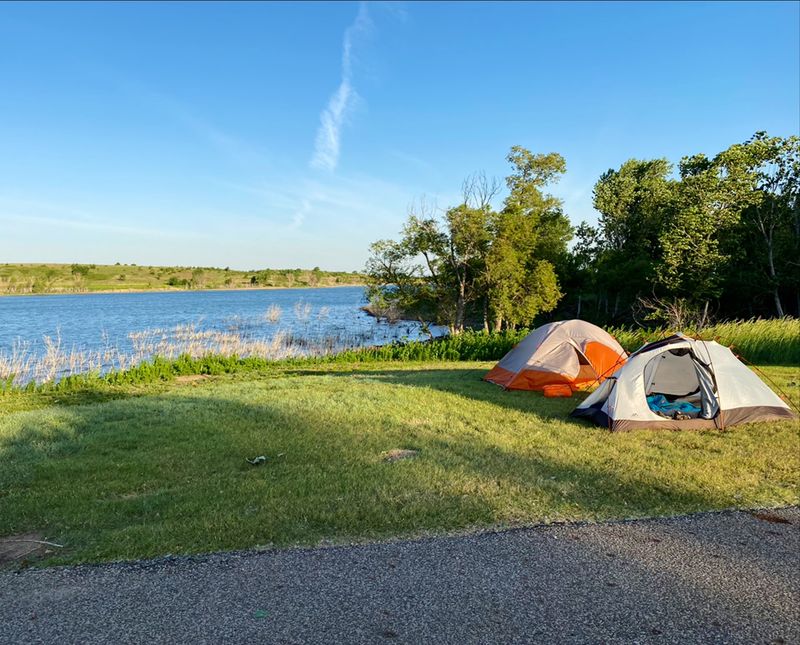
They’re actually campground loop names at Wilson State Park. The park offers both utility sites and primitive sites.
That gives RV travelers and tent campers plenty of choices.
Some sites sit high above the water with sweeping lake views. Others are tucked among trees for a bit more shade.
Reservations matter during busy months. Booking early is the easiest way to avoid disappointment.
Wind can surprise tent campers in central Kansas. Bring strong stakes and extra guylines to keep your shelter grounded.
Stargazing can be excellent on clear nights away from city lights. Quieter weeknights often give the best views.
The park office is at 3 State Park Road, Sylvan Grove, KS 67481. It’s a good first stop for maps and questions.
Office hours can vary by season, so check ahead. Arriving prepared makes check-in smoother.
Campfire smoke, lake breezes, and a sky full of stars make evenings memorable. Pack marshmallows, and you’re set.
Cabins Keep Things Simple And Scenic
Tents aren’t for everyone, and that’s okay.
Wilson State Park also offers cabins for rent near the lake. A cabin gives you walls, a roof, and a break from the wind.
That counts for a lot on gusty Kansas nights.
Plan to pack as you would for a basic stay. Bringing your own bedding, towels, and kitchen supplies is a smart habit.
Check the details before you go. Knowing exactly what’s included saves you from a midnight hunt for pillows.
Cabins work well for families with little ones. They also suit anyone who loves nature but likes a real bed.
Shoulder seasons can be a lovely time to stay. Spring and fall often bring milder weather and quieter surroundings.
Book well ahead for summer weekends. Popular dates can fill up fast.
Picture a cozy evening with a lake view through the window. Now add a deck of cards and some hot cocoa.
A cabin turns a quick trip into a relaxed getaway. Your back will thank you after a day of hiking.
Ancient Seas And Old Stories Surround The Shore
Long before boats or bikes, an inland sea covered this part of Kansas.
Prehistoric fossils found in the region tell that remarkable story. People shaped this land too.
The Pawnee and Otoe historically lived in the area around today’s lake.
Minooka Park, also at the lake, takes its name from an Otoe word. It means Good Earth, which feels fitting for these rolling hills.
Coronado’s expedition explored this part of Kansas over 400 years ago. Imagine those travelers crossing the same prairie you see today.
Wilson State Park sits in the Smoky Hills, bordering Russell and Lincoln counties. That location keeps it close to Interstate 70 but far from busy city life.
Bring curious kids and turn the trip into a history lesson. Point out rock layers and talk about the ancient sea.
Respect any natural or cultural features you come across. Leave fossils and artifacts where they belong.
Sixty years after the dam, Wilson Lake still feels wonderfully wild. With this much history underfoot, every visit feels like a small adventure through time.