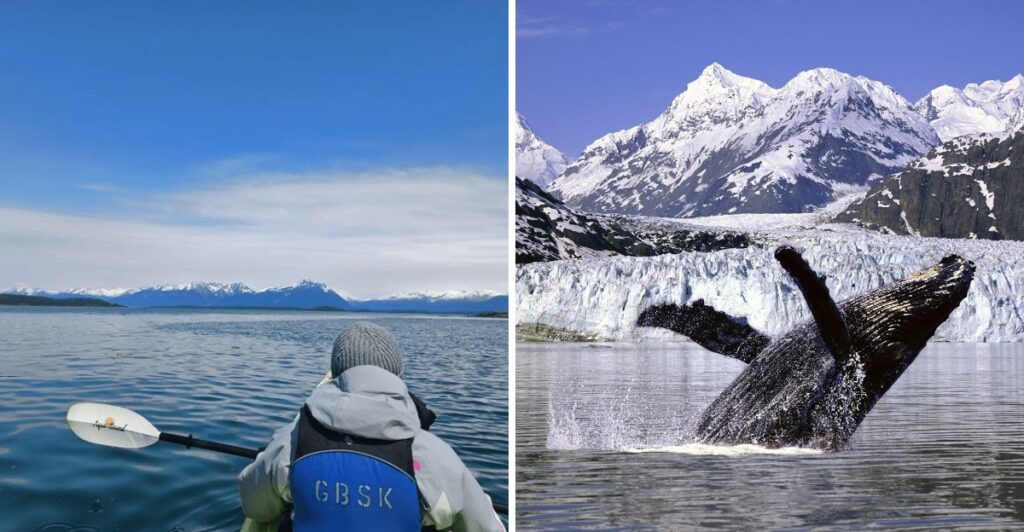
One glacier in this Alaska park can move up to 15 feet in a single day. That’s a lot of hustle for something made of ice.
More than 1,000 glaciers cover over a quarter of the park, and some drop chunks straight into the sea with a thunderous crash. Nature clearly loves a dramatic entrance here.
Humpback whales return each summer to feed, with orcas, sea otters, and bald eagles rounding out the cast. It’s the kind of lineup a nature documentary would gladly sign.
No highway leads in, so most visitors arrive by boat. Here, the road is water and the speed bumps are icebergs.
Watch Ice Tumble Into The Ocean Like Nature’s Loudest Party Trick
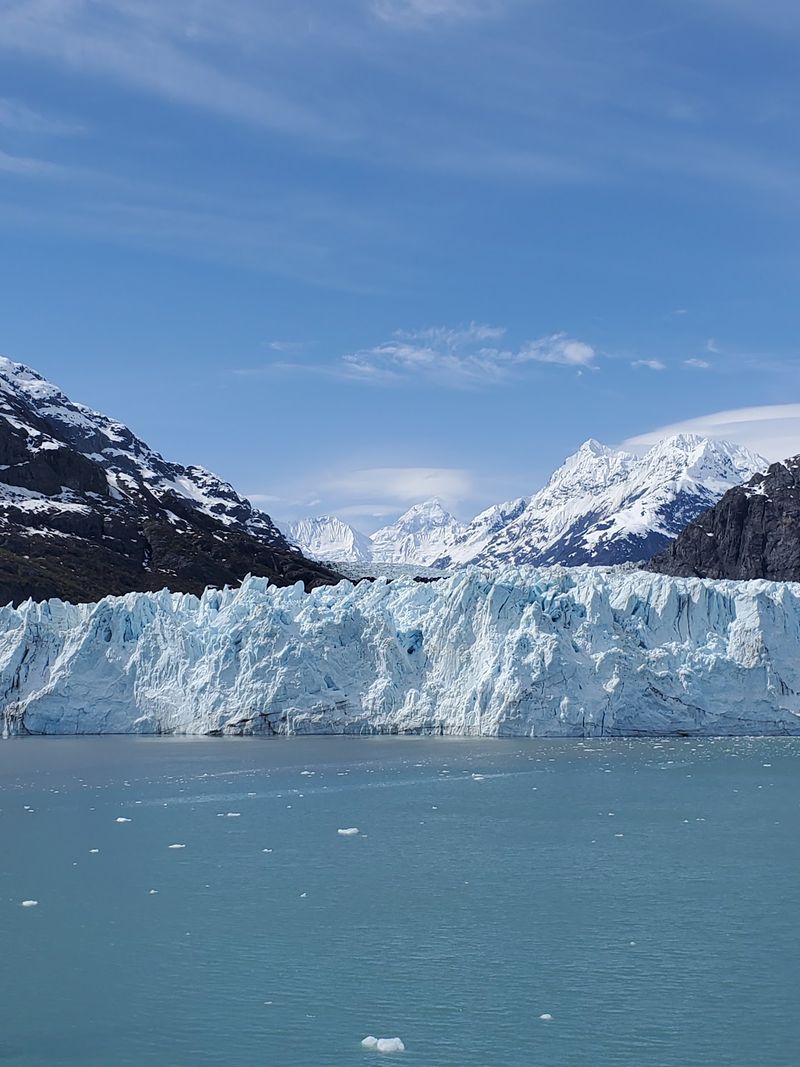
Ice cubes in your drink are cute. At Glacier Bay National Park and Preserve, the ice cubes are the size of buildings.
The star attraction here is the tidewater glacier. These glaciers end right at the ocean, and pieces break off and crash into the water in a process called calving.
Eight glaciers within Glacier Bay reach the sea, although not all are actively calving icebergs.
That gives you plenty of chances to hear the famous crack and boom.
Margerie Glacier and Grand Pacific Glacier sit side by side at the head of Tarr Inlet. This spot is one of the best places to watch the action unfold.
Johns Hopkins Glacier deserves a shout, too. It can move up to 15 feet per day, which is wildly fast for something made of frozen water.
Patience pays off when you’re watching for calving. A glacier might sit quietly for a while, then suddenly drop a huge slab into the sea.
Keep your camera ready but your eyes free. Some moments are better enjoyed live than through a tiny screen.
Dress in warm layers, even in summer. Air near the ice stays chilly, and you’ll want to stay outside on deck as long as possible.
Spend A Whole Day Cruising 130 Miles Of Jaw-Dropping Scenery
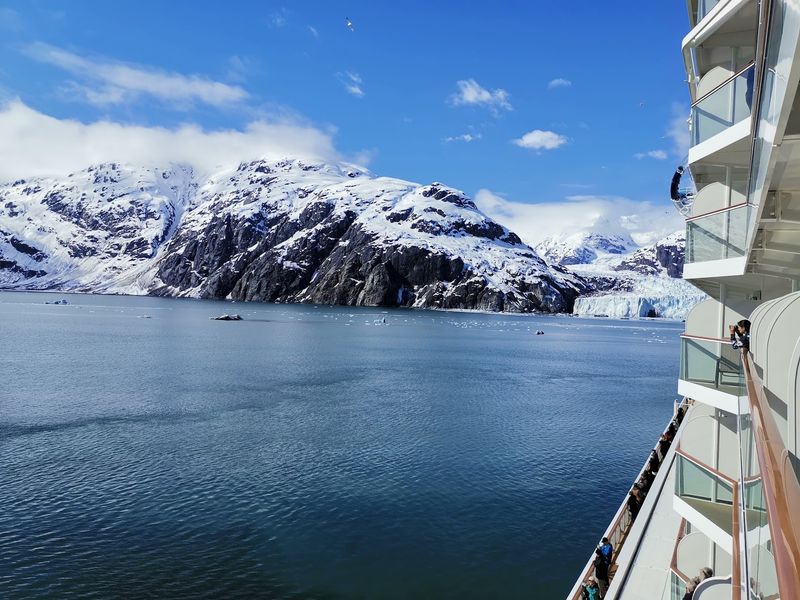
Roads won’t get you far here. Most visitors see Glacier Bay National Park and Preserve from the water, and honestly, that’s the best seat in the house.
The full-day narrated Glacier Bay Day Tour leaves from Bartlett Cove. It travels about 130 miles into the bay and back, so pack snacks and settle into the view.
Along the way, you’ll pass the fjord that stretches about 65 miles. Every bend can bring glaciers, mountains, seabirds, or something swimming nearby.
Narration helps you make sense of what you’re seeing. Learning the story behind the ice makes each glacier feel even bigger.
Arriving by cruise ship? National Park Rangers often board ships in the bay to give presentations and answer questions.
That ranger connection is a big bonus. You get expert insight without leaving your deck chair, which feels like a pretty sweet deal.
Plan for changing weather on any boat trip. Rain gear, a hat, and gloves can turn a chilly day into a comfortable one.
Charge your camera the night before, too. Nobody wants a dead battery right when a bear strolls along the shoreline.
Humpbacks Return Every Summer, And You’ll Want A Front Row Seat
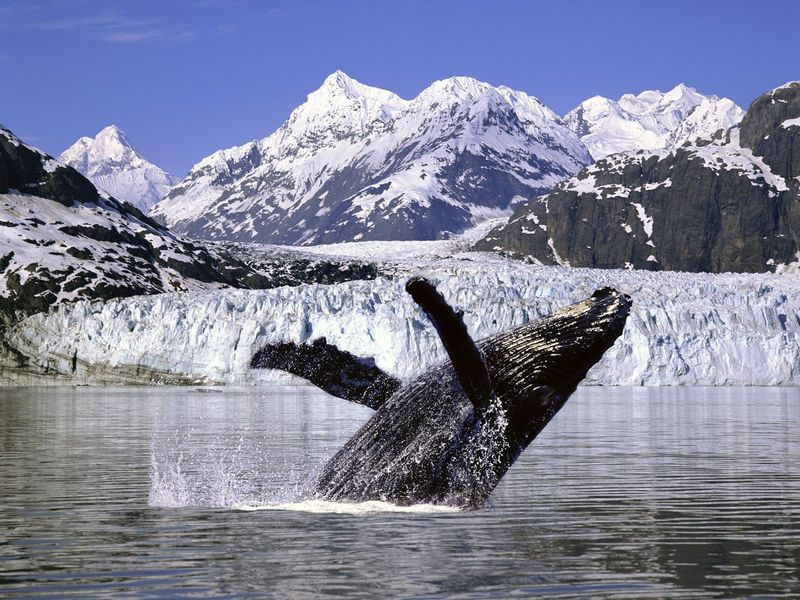
Whales are the original summer tourists in this corner of Alaska. Humpback whales return each year to feed in the rich waters of the bay.
Their comeback story is a happy one. Humpback populations have steadily increased since whale hunting was outlawed in the North Pacific in 1966.
Humpbacks aren’t the only big swimmers around. Orcas and minke whales also show up, so keep scanning the water for dorsal fins and spouts.
Harbor seals also inhabit Glacier Bay, often resting on floating icebergs. These protected waters provide important habitat for raising their pups.
A spout looks like a puff of mist shooting straight up. Once you spot one, watch closely, because a tail fluke might appear next.
Rules here protect the whales, and that’s a good thing. The park enforces speed limits and approach distances for boats in whale waters.
Those rules mean you watch from a respectful distance. Bring binoculars so you can still catch the details without crowding the animals.
Dedicated whale-watching trips leave from Bartlett Cove or nearby Gustavus. They focus on marine mammals, making them a smart pick for whale fans.
Sightings are never guaranteed, since whales keep their own schedules. Still, few places offer better odds than these protected, food-filled waters.
Book A Room At The Only Hotel Inside The Park
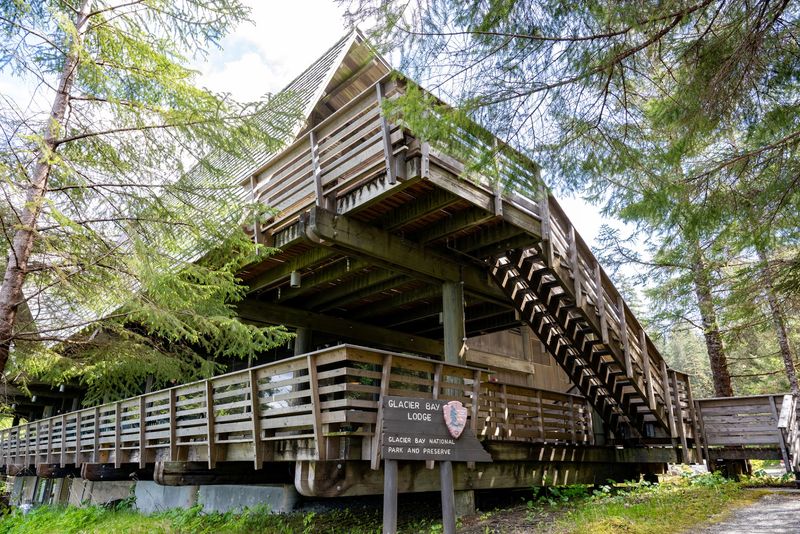
Only one hotel sits right inside the park boundaries, and that’s Glacier Bay Lodge. Waking up this close to the action is a pretty great flex.
The lodge is located in Bartlett Cove, at 1 Park Road, Gustavus, AK 99826. Bartlett Cove sits about 10 miles by road from the small town of Gustavus, Alaska.
Inside, you’ll find rooms, a gift shop, and a full-service restaurant. The menu features local seafood, plus vegetarian options for non-fish fans.
Views are a big part of the appeal. The lodge looks out toward the Fairweather Mountain range, which makes dinner feel extra scenic.
Timing is everything with this stay. The lodge operates from mid-May through early September, matching the park’s busy summer season.
Planning a 2027 trip? Booking early is wise, since there’s only one in-park hotel and the season is short.
Prefer sleeping under the sky? Bartlett Cove Campground offers walk-in tent camping for a more rustic experience.
Campers should stop by the Visitor Information Station for permits and orientation. It’s a quick step that sets you up for a smooth stay.
Paddle Past Icebergs For A Closer, Quieter Adventure
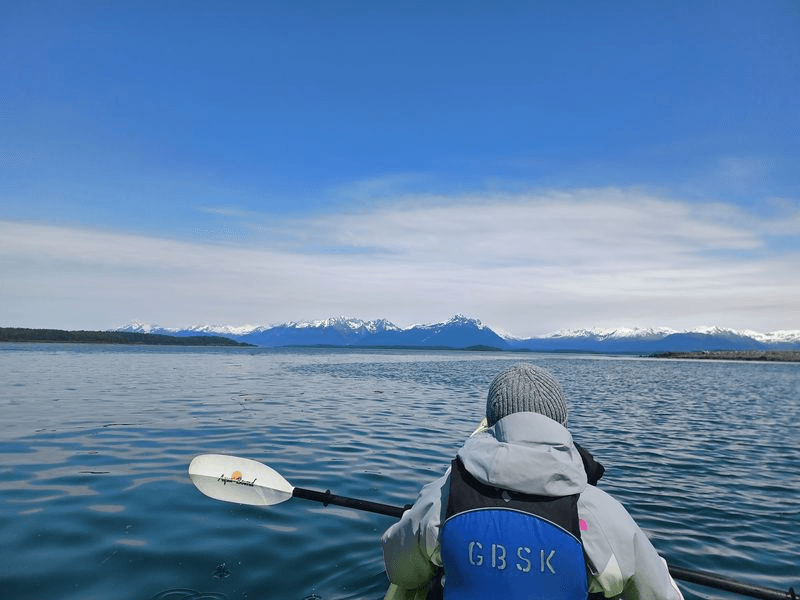
Bigger boats show you the bay. Kayaks let you feel it, one quiet paddle stroke at a time.
Glacier Bay has well-protected arms and inlets that work nicely for paddling. Kayakers can glide among floating icebergs, which sounds like a scene from a movie.
Kayak rentals are available in Bartlett Cove. You can choose a guided trip or plan an unguided one if you have the right skills.
Guided trips are a smart move for beginners. A guide handles the planning and helps you read tides, weather, and wildlife safely.
Heading out on your own takes more prep. Overnight wilderness travelers must obtain a free permit and complete a required orientation between May and September.
The Visitor Information Station, where permits and orientations are provided, sits at the head of the public-use dock in Bartlett Cove. It opens each year between May and September.
Rafting is another water option in the park. Both activities give you a lower, closer view than any deck could.
Cold water is no joke in Alaska, so gear matters. Dress for immersion, pack extra layers, and respect the bay’s moods.
Listen To Whales Underwater Without Getting Wet
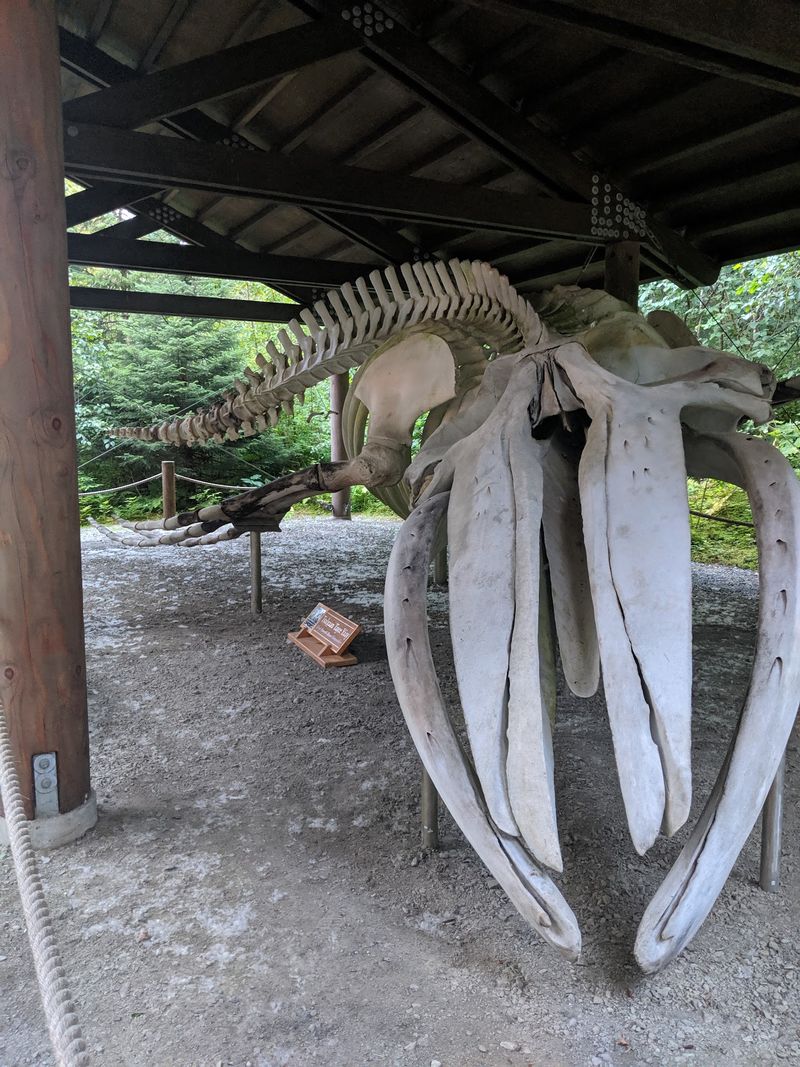
Here’s a fun twist: you can hear marine life without touching the water. The Glacier Bay Visitor Center has an underwater hydrophone listening station.
You’ll find the center on the second floor of Glacier Bay Lodge. It’s typically open daily from Memorial Day through Labor Day.
Exhibits cover geology and wildlife in a way that’s easy to follow. They help explain how this landscape has been carved by ice for over 100,000 years.
An auditorium shows educational films and hosts programs. That makes it a great stop on a rainy afternoon, which happens in Alaska.
Seasonal ranger desks are ready for your questions. Ask about trails, tours, or wildlife, and you’ll leave with a sharper plan.
A quiet reading area offers a peaceful break. Book lovers can also browse the Alaska Geographic bookstore for maps and nature guides.
Stopping here first is a smart move. A little background makes every glacier and whale sighting feel more meaningful.
Kids especially love the hydrophone. Hearing ocean sounds through headphones feels like eavesdropping on the bay’s secret conversations.
Discover The Deep Roots And Big History Behind The Ice
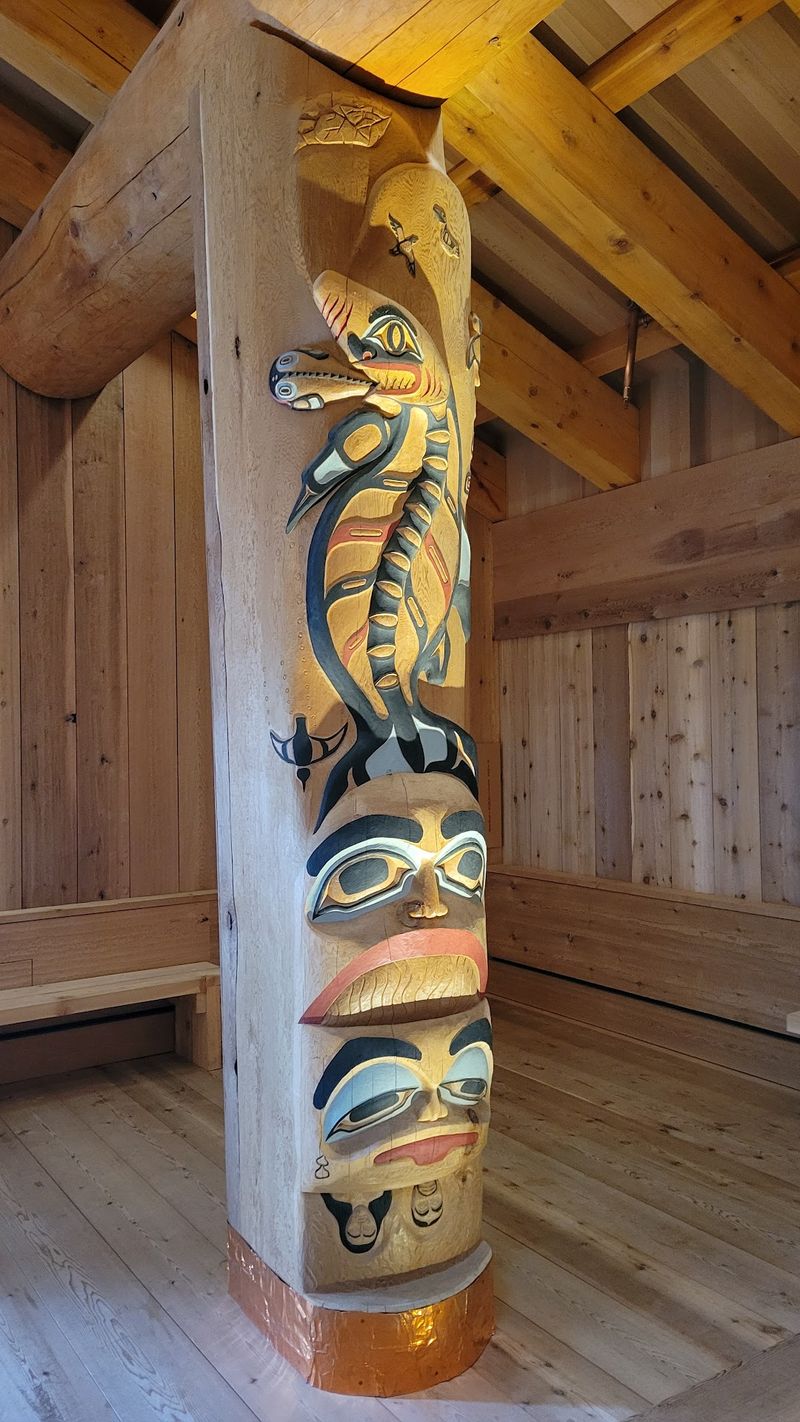
Long before tour boats, this land was home to the Huna Tlingit people. The Xunaa Shuká Hít, or Huna Tribal House, honors that homeland at Bartlett Cove.
Programs here share insight into Huna Tlingit culture and traditions. It’s a meaningful stop that adds human history to the natural wonders.
The modern park story has milestones too. Glacier Bay became a national monument in 1925.
On December 2, 1980, it became Glacier Bay National Park and Preserve. That happened through the Alaska National Interest Lands Conservation Act.
In 1992, the park became a UNESCO World Heritage site. It’s part of one of the world’s largest internationally protected ecosystems.
Naturalist John Muir explored the area in 1879. He saw a very different bay than the one you’ll see today.
As glaciers retreat, newly exposed land gradually supports mosses, shrubs, and trees, allowing scientists to observe how ecosystems develop over time.
About 200 years ago, Grand Pacific Glacier covered almost all of the bay. Since then, the ice has pulled back dramatically, opening a 65-mile-long fjord.
That fast change makes the park feel like a living classroom. Here in Alaska, you’re watching a landscape still writing its story.