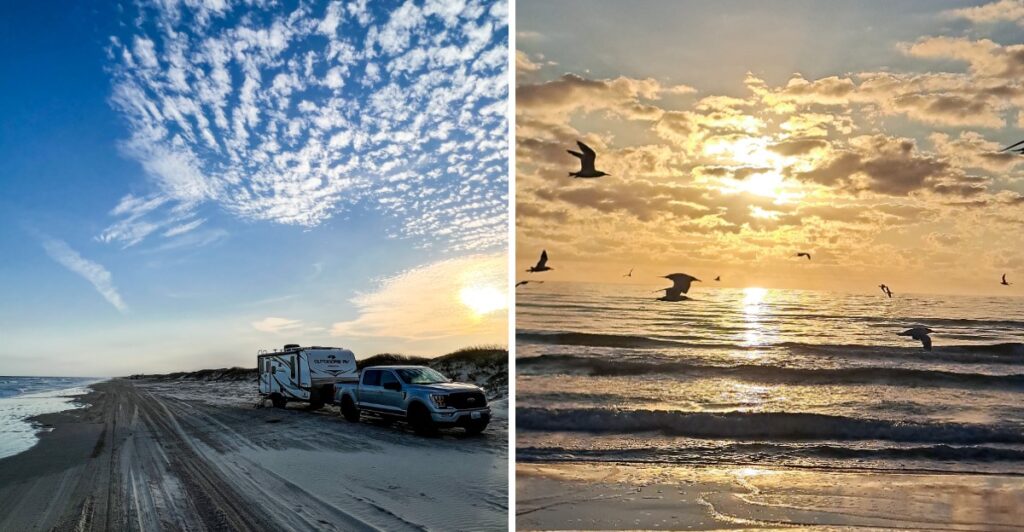
Seventy miles of protected Texas beach stretch along this island, and a lot of that sand doubles as a road. Driving your truck along the shoreline sounds like a dare, yet it’s official park policy.
More than 380 bird species have been spotted here, nearly half of those documented in North America. That’s a lot of feathered neighbors for one sandy island.
This coast is also the most important nesting area in the United States for the Kemp’s ridley, the most endangered sea turtle on Earth. Spotting a tiny hatchling headed for the waves could beat any bird on your list.
Cooler months make for the smartest visit, since summer heat on open sand is no joke. Your truck has probably dreamed of a beach day, and here it finally gets one.
Seventy Wild Miles Without A Single Condo In Sight
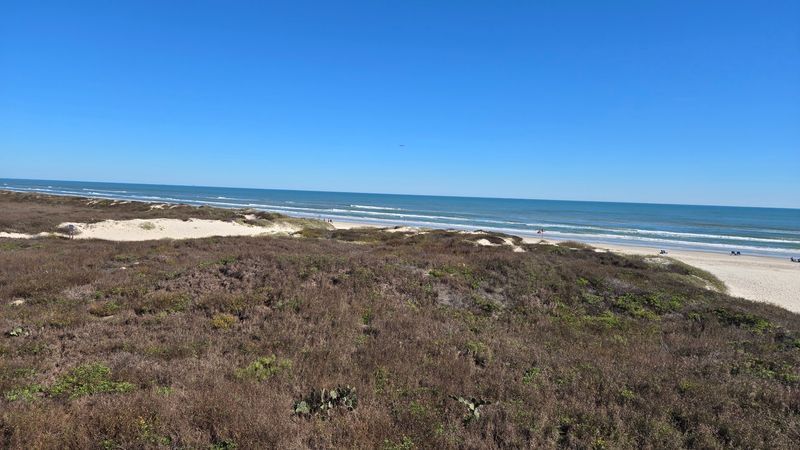
Most barrier islands eventually grow hotels the way lawns grow weeds. Padre Island National Seashore took a different path, and the result is pretty astonishing.
The park protects 70 miles of the longest undeveloped barrier island in the world. That means dunes, grasslands, tidal flats, and beach instead of high-rises and parking garages.
The island sits between two very different bodies of water. On one side, the Gulf of Mexico rolls in with waves. On the other, the Laguna Madre stays calm and shallow.
That lagoon is special, too. It’s hypersaline, meaning saltier than the ocean, and only a few lagoons like it exist anywhere.
Padre Island National Seashore became a national seashore on September 28, 1962. That decision kept this slice of Texas wild for future generations, including yours.
Here’s a fun way to picture it. You can stand on sand and see no buildings in any direction, which feels almost impossible on a modern coastline.
The northern end of Padre Island has plenty of homes and businesses. Drive south toward the park, though, and things get emptier and greener with every mile. The city fades fast, and the island takes over.
Cooler Months Turn This Beach Into A Strolling Paradise
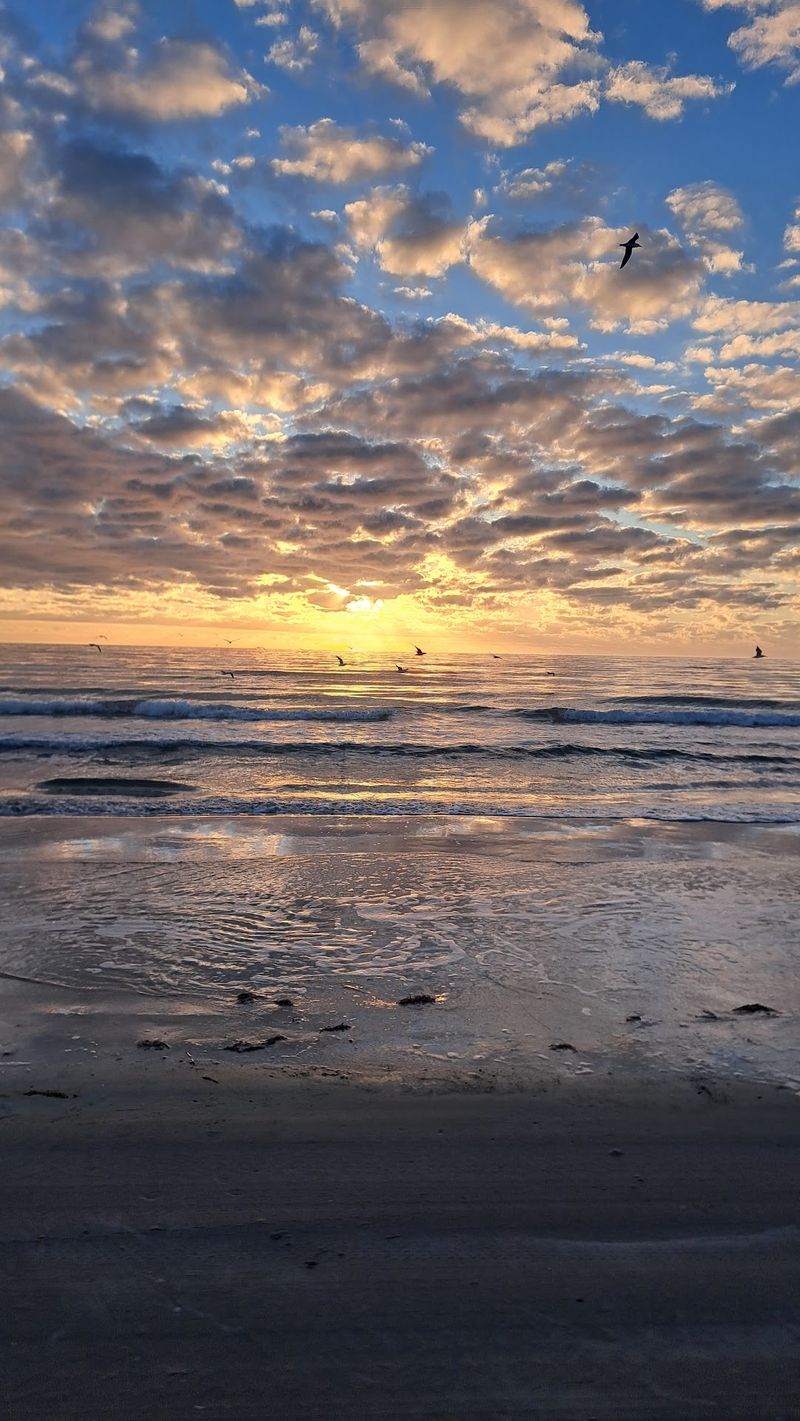
Timing is everything on an island with very little shade. Summer on the South Texas coast brings serious heat and sticky humidity, and open sand offers nowhere to hide.
Fall and winter fix that problem nicely.
November typically brings daytime highs in the mid-70s Fahrenheit, making it a pleasant time for hiking, birding, and beachcombing.
From December through February, highs usually land in the upper 60s. Crowds thin out, and the beaches feel even quieter than usual.
Yes, the water gets chilly in winter. Swimming might not top your list, but long walks along the shore become a real treat.
Photographers love this season as well. Soft light, empty sand, and clear views make every shot feel calm and wide open.
One planning note matters a lot. September and October fall in hurricane season on the Texas coast, so check forecasts closely if you visit early in the fall.
Pack layers no matter when you go. Coastal wind can make a mild day feel cooler, especially near the water. A light jacket earns its spot in your bag, even if you end up tying it around your waist by noon.
Bring Binoculars Because The Birds Outnumber Everyone
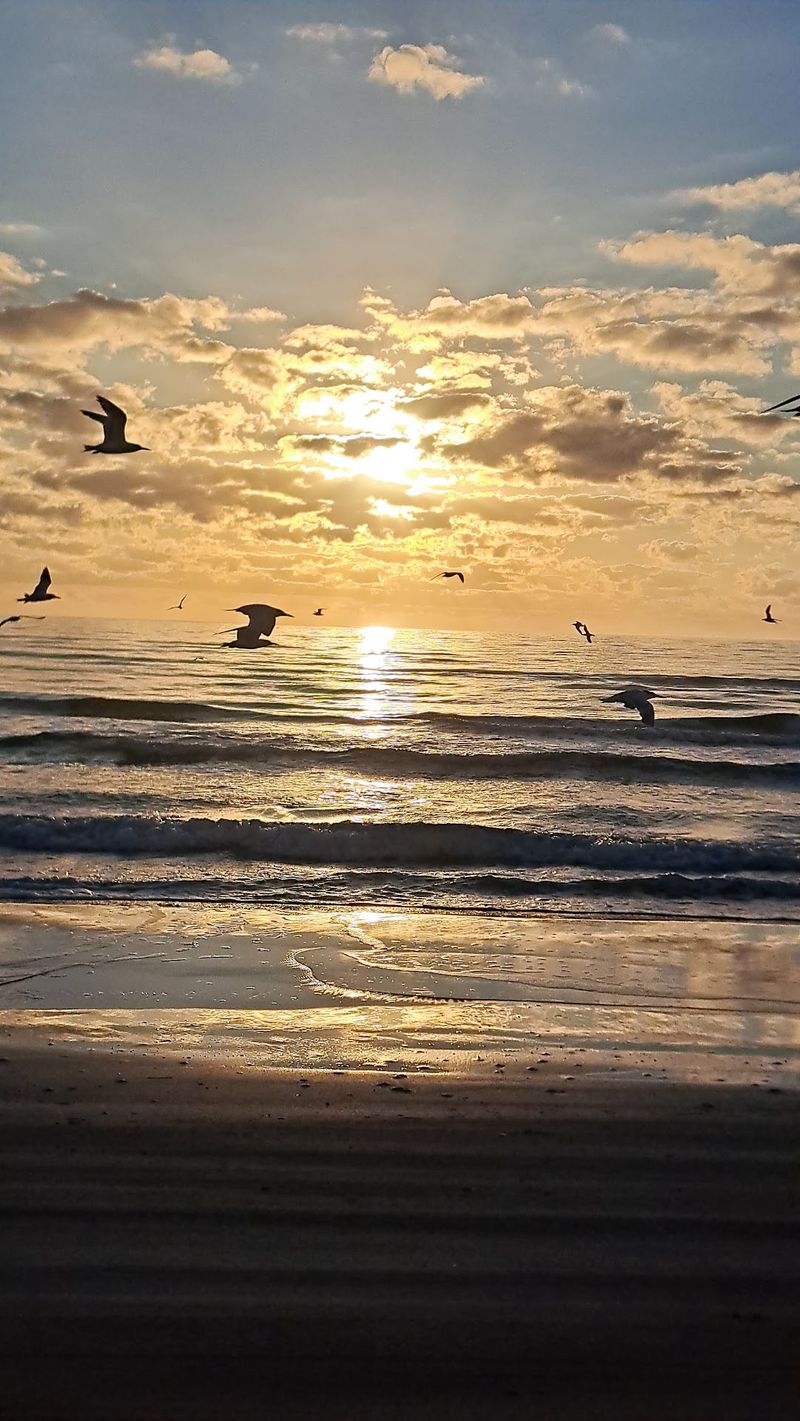
Over 380 bird species have been recorded here. That’s close to half of all bird species documented in North America, packed onto one skinny island.
The reason is location. Padre Island National Seashore sits right on the Central Flyway, a major migration highway that birds use every spring and fall.
Some birds pass through. Others spend the winter, and many live here year-round, so there’s always something flapping around.
Fall migration is a standout time for variety. It also lines up perfectly with the cooler weather, which makes long birding sessions much more comfortable.
Brown pelicans glide low over the Gulf waves like tiny cargo planes. Snowy egrets pick their way across the Laguna Madre tidal flats with very fancy footwork.
The grasslands deserve attention too. Watch for crested caracaras, sandhill cranes, and plenty of songbirds hopping through the brush.
A beginner can still have a great time here. Bring a pair of binoculars, a simple field guide, and some patience. Early mornings tend to be calm and pleasant, and the birds rarely mind an audience that keeps its distance.
Tiny Turtles Get A Big Helping Hand Here
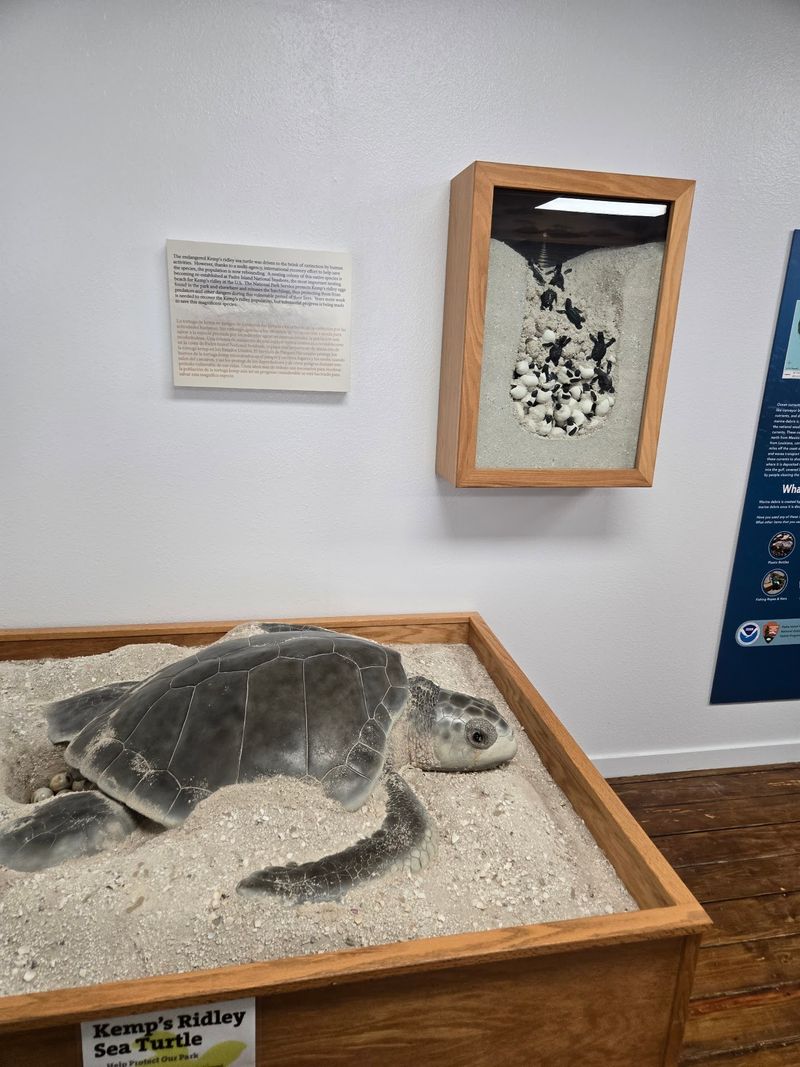
Few animals need a cheering section more than the Kemp’s ridley sea turtle. It’s the most endangered sea turtle species in the world.
Padre Island National Seashore is the most important nesting beach for this turtle in the United States. The park runs a recovery program that works to protect nests and give hatchlings a fighting chance.
Nesting usually happens from late April through mid-July. Female turtles crawl ashore, dig a nest in the sand, and lay their eggs before heading back to sea.
From mid-June through August, the park sometimes holds public hatchling releases at Malaquite Beach. Watching tiny turtles scramble toward the waves is a memory that sticks.
Now, these events happen in summer, not the cooler months. You can still learn plenty about the turtles year-round at the visitor center exhibits.
Visitors can help, too. If you ever spot a sea turtle on the beach, keep your distance and report it to park staff right away.
Every protected nest matters for a species this rare. Knowing that this beach helps keep them going makes a simple walk feel a little more meaningful.
Seashell Hunters Should Plan For A Long Sandy Drive
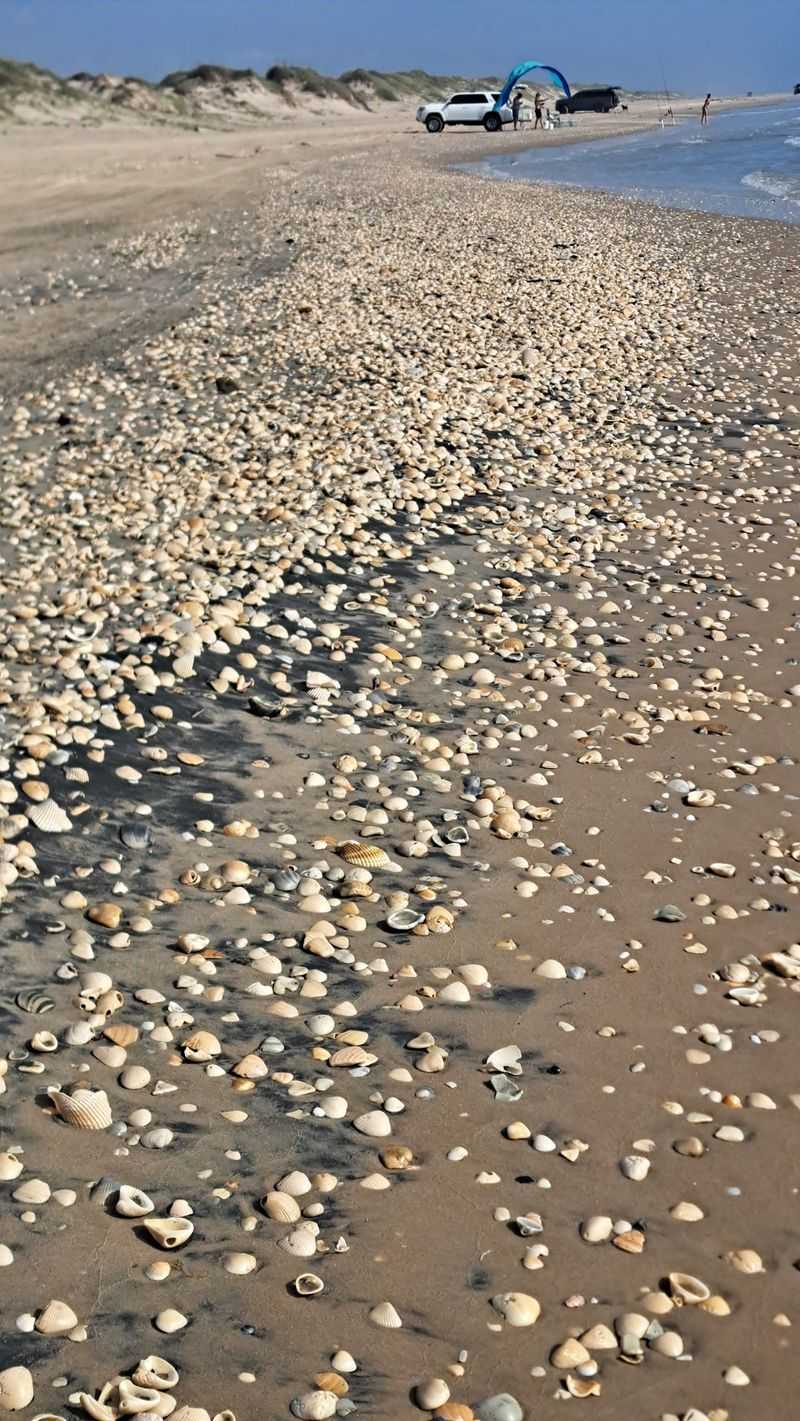
Every tide drops off a new batch of surprises. Beachcombing at Padre Island National Seashore works any time of year, though big storms and very low tides tend to uncover more.
Keep your eyes peeled for coquina clams and scallops. Sea beans also wash up here, which are seeds that float across the ocean from faraway places.
The real shell jackpot sits farther south. Little Shell Beach and Big Shell Beach collect heavy loads of shells because of offshore currents.
Getting there takes commitment. These spots sit about 20 miles down South Beach from the nearest paved road, so a four-wheel-drive vehicle is a must.
Don’t expect piles of shells right near the main parking area. The best hauls usually reward people willing to travel deeper down the beach.
There’s also a limit on souvenirs. Visitors may keep up to a one-gallon bucket of shells, which is plenty for a windowsill collection.
Bring a small bag or container for your finds. Cooler weather makes the search far more pleasant, since you can wander and stoop for hours without roasting under the sun.
Pitch A Tent Where The Stars Steal The Show
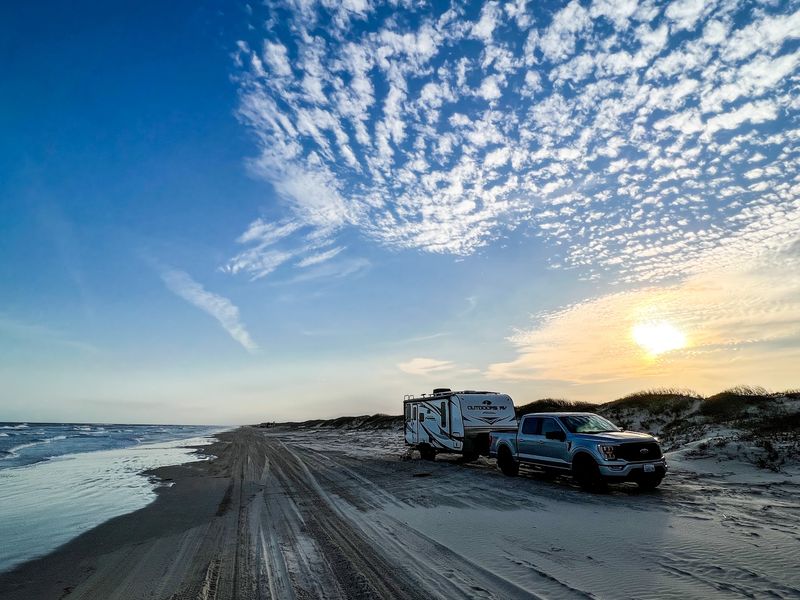
Camping here comes in two flavors: comfy-ish and gloriously rustic. All sites are first-come, first-served, and camping is available year-round.
Malaquite Campground sits close to the visitor center. It offers flush toilets, cold-water rinse showers, picnic tables, and grills.
Tents and RVs are both welcome there. There are no hookups, but a dump station and drinking water are located along the road to the campground.
Craving more solitude? Primitive beach camping is allowed on North Beach, South Beach, and at Yarborough Pass.
Out there, the night sky can be the main event. With so little development around, stars over Texas look bright and plentiful.
Bird Island Basin Campground offers another primitive option on the Laguna Madre side. It’s a favorite base for people who love paddling and wind sports.
Check tide charts before you settle on a beach site. High tides can push water surprisingly far up the sand, and nobody wants a surprise wake-up call in a soggy sleeping bag. Cooler months also mean fewer bugs and much more comfortable sleeping temperatures.
Two Waterfronts Mean Twice The Ways To Play
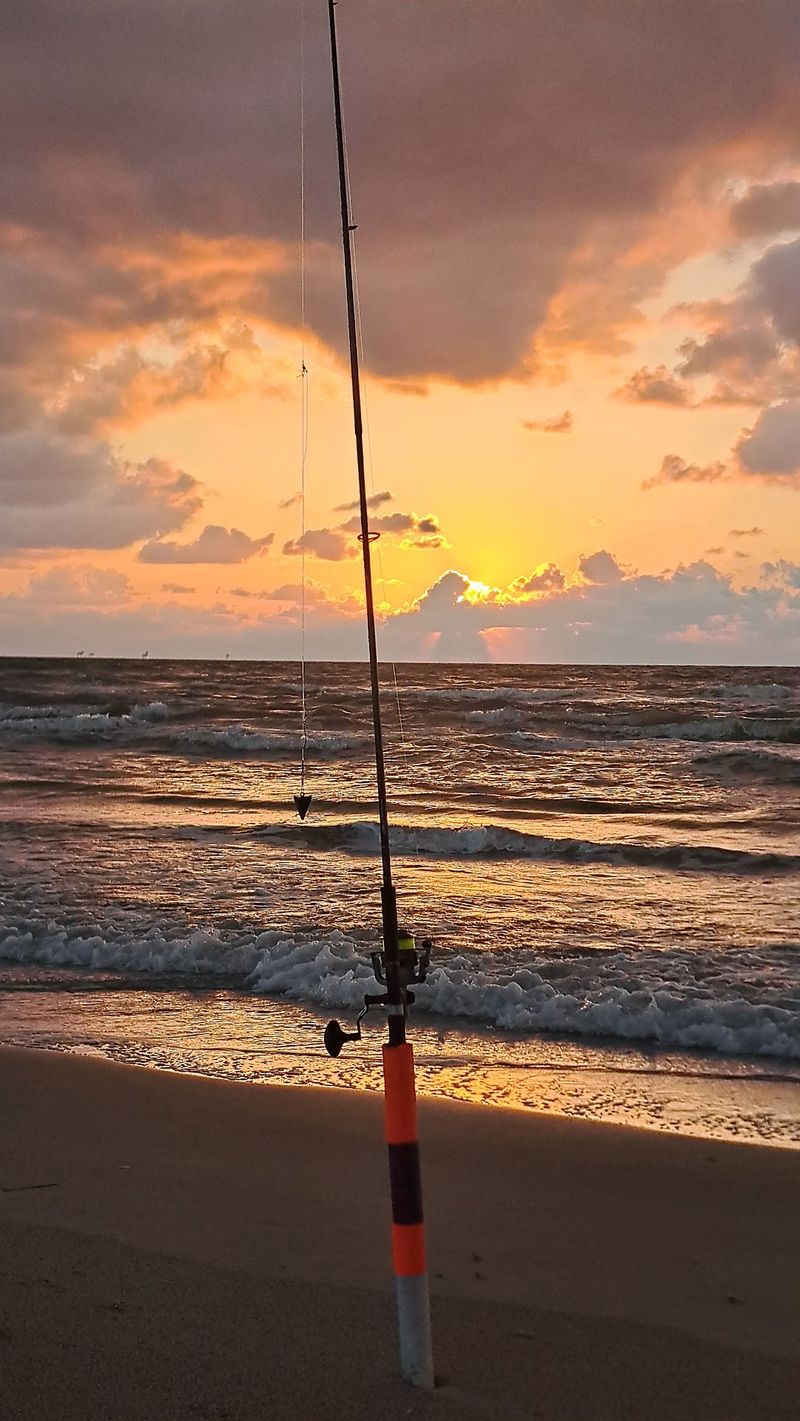
Gulf waves on one side, a glassy lagoon on the other. Padre Island National Seashore basically gives you two water parks for the price of one.
The Laguna Madre is shallow and often windy. That combination makes Bird Island Basin a favorite spot for windsurfing and kayaking.
A windsurfing business operates at Bird Island Basin, offering lessons and gear. It’s a handy option if you’ve always wanted to try riding the wind.
Anglers get plenty of room as well. Fishing is allowed in both the Gulf and the Laguna Madre, one of the most productive hypersaline lagoons on the planet.
Bring a valid Texas fishing license before you cast. The park also has its own rules, including limits on poles and certain banned gear.
One spot is off-limits for fishing. You can’t fish in the Gulf waters directly in front of the Malaquite Visitor Center, where swimmers gather.
Winter water feels brisk, so paddlers may want a wetsuit or splash gear. The calm lagoon still makes a lovely place for a slow paddle on a mild afternoon.
Rocking Chairs, Exhibits, And Your First Stop Of The Day
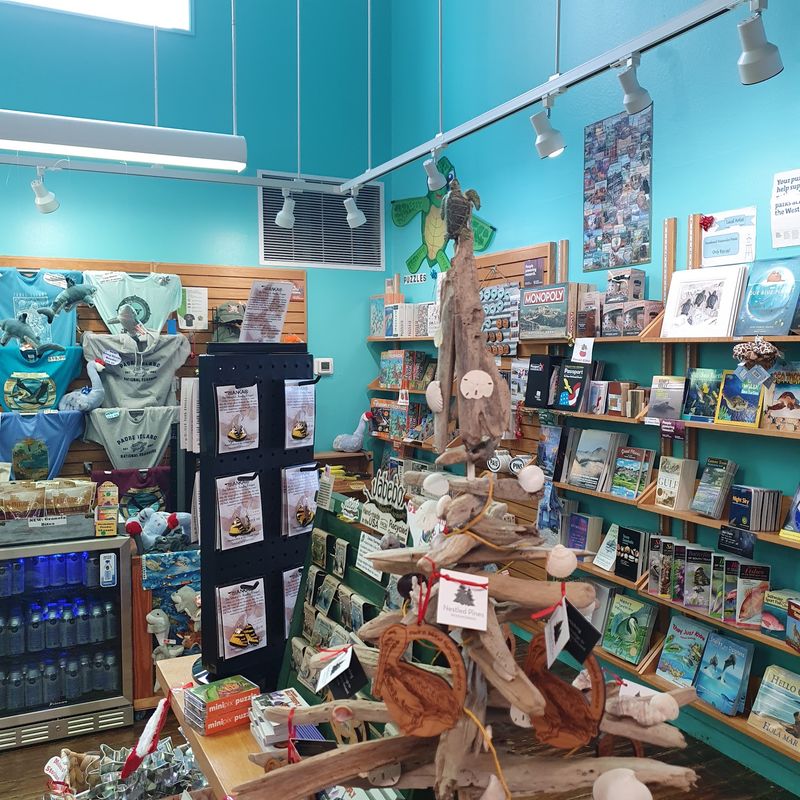
Start your trip at the Malaquite Visitor Center, located at 20420 Park Road 22, Corpus Christi, TX 78418-6529.
It’s open from 9 a.m. to 5 p.m. throughout the year, except on Thanksgiving and Christmas Day.
Inside, exhibits cover the park’s history, plants, and animals. You’ll learn about sea turtles, shells, and the island’s wild habitats.
An information desk can answer questions about beach conditions and activities. The park store sells handy items like sunscreen and bug spray.
Outside, the building features big weathered wood beams and a breezy deck. Rocking chairs face the Gulf, which might be the best seat in South Texas.
Practical perks are easy to find. Restrooms, changing areas, covered picnic tables, and outdoor rinse showers help you wash off the sand.
A wooden walkway leads straight down to Malaquite Beach. Vehicles aren’t allowed on this stretch, so it feels calm and walkable.
Parking has room for vehicles of many sizes. Grab a map and get your bearings here before heading out, because services become scarce once you leave this area. Purchases at the store are card only, so plan accordingly.