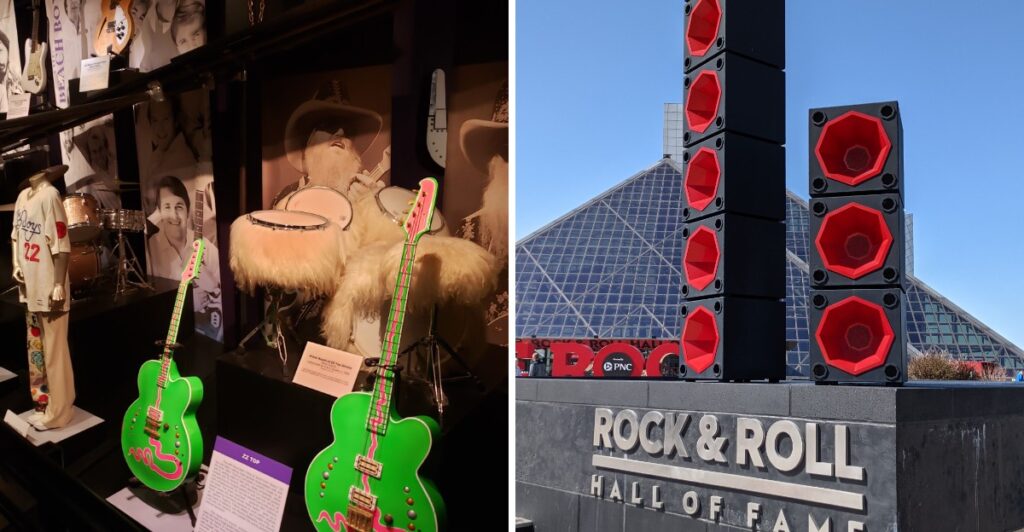
The architect behind the glass pyramid in Paris once admitted he knew almost nothing about rock music. He still ended up designing an entire Ohio museum built around it.
The board’s fix was simple: take him to rock concerts until it clicked. That’s homework with a seriously good soundtrack.
The building looks like it’s mid-power chord, all sharp glass angles and bold geometry. Inside, guitars, stage costumes, and handwritten lyrics share space with a garage where strangers grab instruments and jam.
History lessons rarely come this loud. Not bad for a guy who needed a crash course in rock.
A Glass Pyramid Built By A Rock Rookie
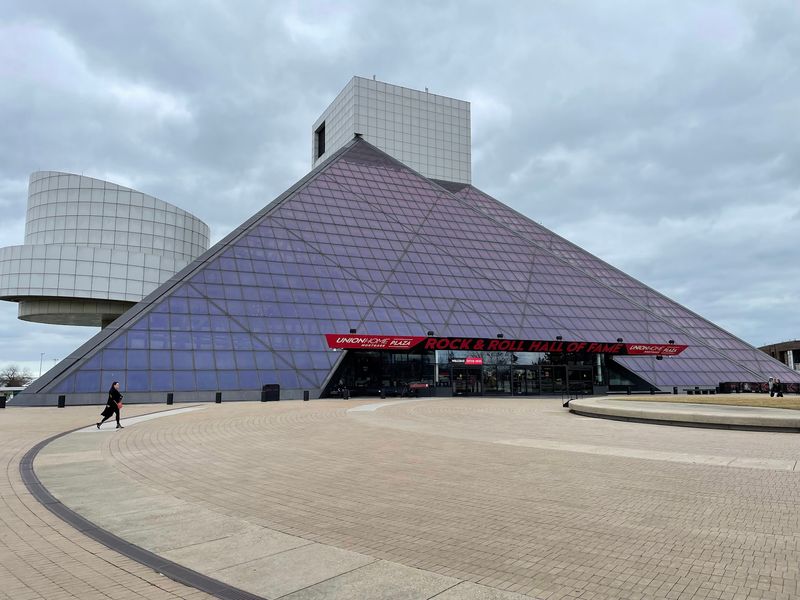
Famous architects rarely sign up for jobs they feel unsure about. The Rock & Roll Hall of Fame in Cleveland exists partly because one of them changed his mind.
I.M. Pei, the designer of the Louvre’s glass pyramid, first hesitated because he didn’t know rock music. Museum leaders responded by taking him to concerts, which beats any slideshow.
The lessons clearly stuck. Pei created a bold building with a glass pyramid, sharp angles, and shapes that jut out like a stage set.
The museum opened in 1995 along the shore of Lake Erie. It instantly became one of the most recognizable buildings in Ohio.
Take a few minutes outside before heading in. The geometry looks different from every side, so walking around it pays off.
Bring your phone fully charged for photos. The glass front reflects the sky, and the lakefront setting adds a nice backdrop.
Inside, the tall atrium lets light pour across several floors. You’ll notice exhibits stacked on different levels, almost like balconies at a concert hall.
Not bad for a guy who once called himself a rock outsider. Pei basically turned his crash course into a landmark.
Guitars That Probably Have Better Stories Than Your Family Reunion
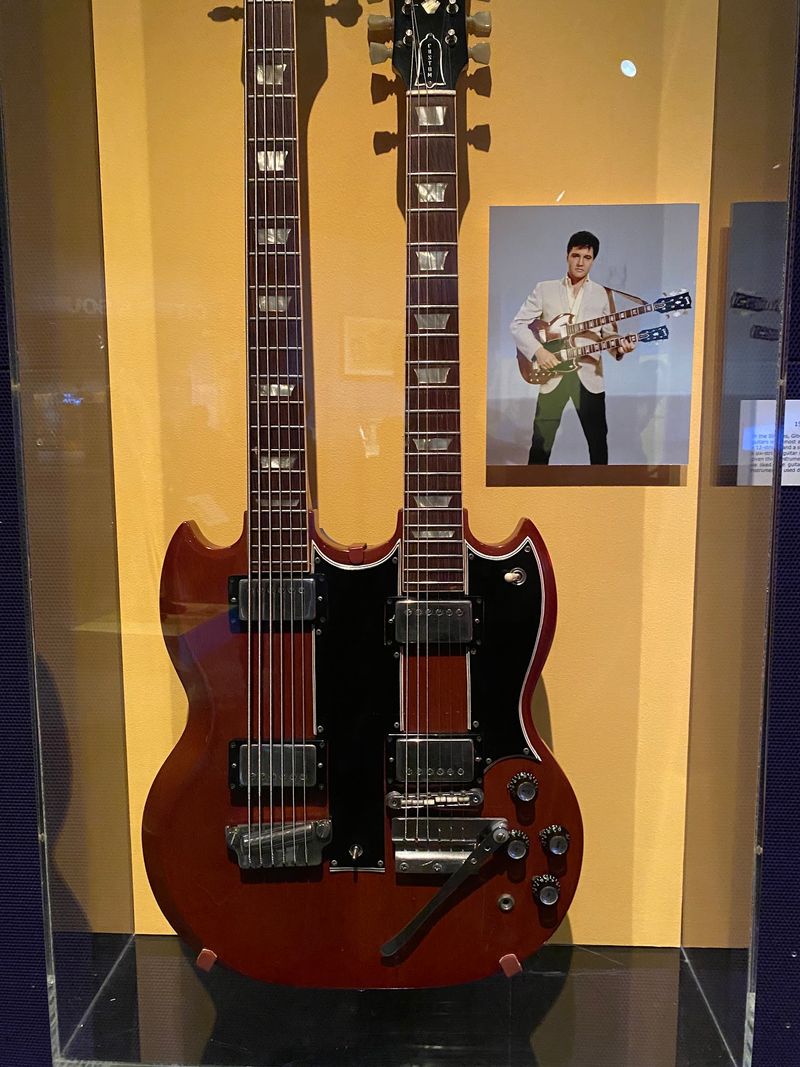
Some instruments sit in cases looking calm. Their history says otherwise, because many traveled stages around the world with music legends.
Guitars rank among the biggest draws at the museum. Display cases hold instruments connected to rock pioneers, hard-rock heroes, and modern stars.
Look closely at the wear on the wood and finishes. Scratches and faded paint tell you these weren’t props, they were working tools.
Labels nearby explain who played each guitar and when. That context turns a shiny object into a real piece of music history.
Many fans head straight for the guitars and stay a while. It’s easy to compare body shapes, pickups, and custom paint jobs as you go.
Young musicians especially get a kick out of this section. Seeing a famous guitar up close makes practicing scales feel a little more worth it.
Try picking one favorite and reading everything about it. You’ll remember that story far longer than a quick glance at twenty cases.
Exhibits rotate over time, so collections shift between visits. That means a return trip can reveal instruments you missed before.
Stage Outfits Bold Enough To Need Their Own Spotlight
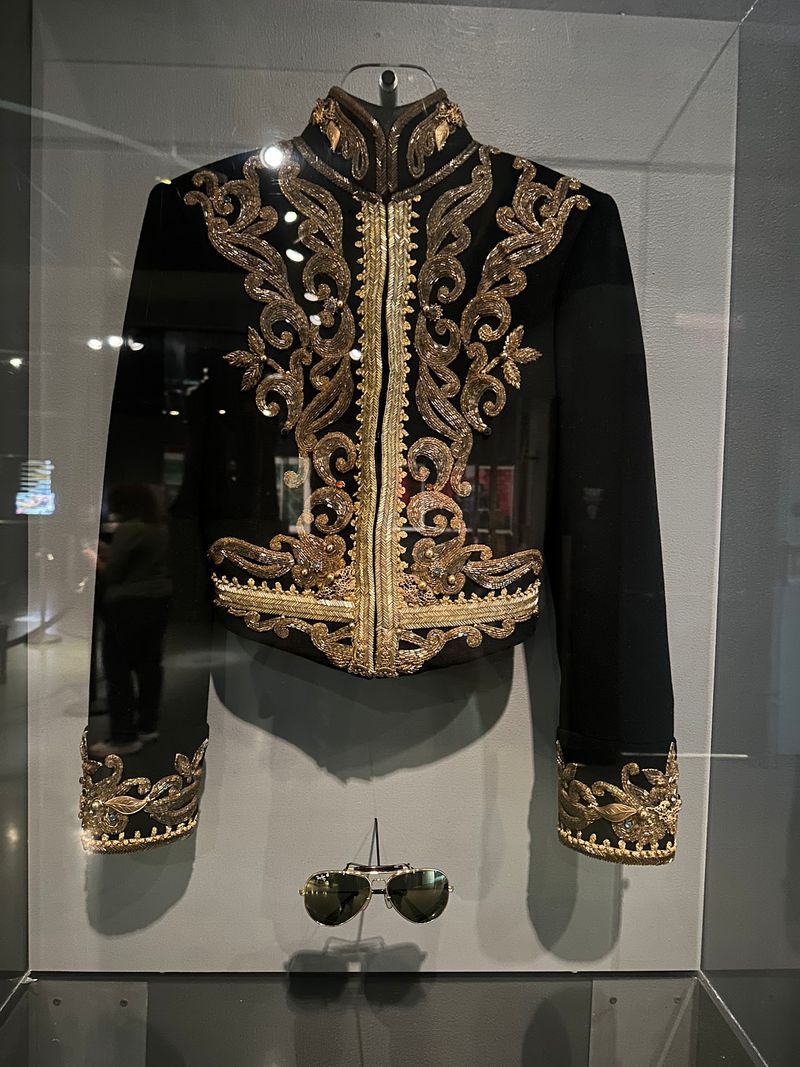
Sequins, leather, fringe, and glitter all share space here. The costume displays prove rock stars never got the memo about dressing quietly.
Outfits come from artists across many genres and decades. You’ll spot looks tied to rock, pop, soul, R&B, and hip-hop performers.
Costumes give you a different view of an artist. A guitar shows their sound, but an outfit shows the whole personality they brought onstage.
Notice how small some of these clothes are in person. Stars often seem larger than life on album covers, so the real sizes can surprise you.
Fabric details reward patient viewers. Hand-sewn beads, custom stitching, and wild color choices are easier to appreciate when you slow down.
Kids tend to love this part because it feels like a fashion show from the past. Adults might get hit with a wave of memories from old music videos.
Bring a friend and play a quick guessing game. Try naming the artist before you read the label beside each outfit.
Fair warning, you might leave wanting a sparkly jacket. Your closet may not be ready for that kind of commitment.
You Can Plug In And Play Without Any Stage Fright
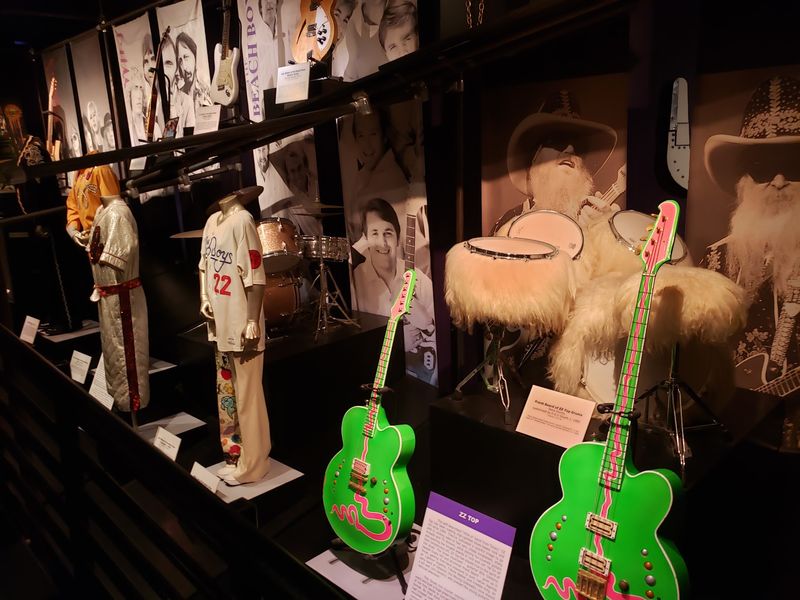
Reading about music is fun, but making noise is better. The museum’s interactive spaces let you pick up instruments and try them yourself.
The Garage area offers guitars, drums, and keyboards for visitors to play. Beginners can follow simple lessons, so no experience is required.
You might end up jamming with total strangers. That’s kind of the point, since rock started with people playing together in small rooms.
Other stations let you mix tracks and explore how songs come together. Moving sliders on a sound board makes you appreciate studio engineers a lot more.
Families should plan extra time here. Kids who get bored reading signs often perk up the second they hold drumsticks.
Don’t worry about sounding perfect. Nobody walks in expecting a polished album, and the whole room cheers on effort.
Shy visitors can start quietly with headphones at some stations. Once you feel comfortable, try the louder group setups.
Some guests even come back just for this hands-on fun. It turns the museum from a place you look at into a place you join.
Consider it your first gig, minus the screaming fans.
Your Vote Actually Counts On The Top Floors
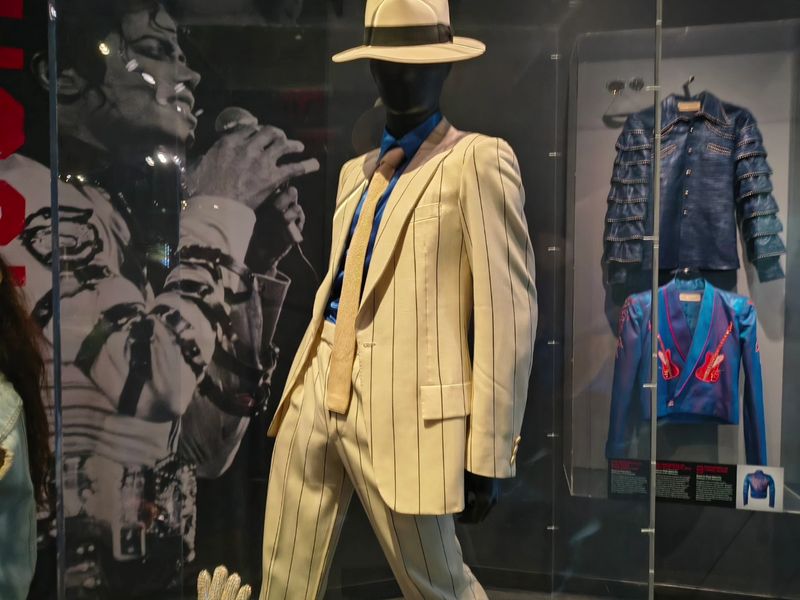
Every year, music fans argue about who deserves induction. At this Ohio museum, you get to join the debate in a real way.
Interactive kiosks let visitors suggest artists for future Rock & Roll Hall of Fame nomination ballots, while the separate annual fan vote allows fans to support that year’s nominees online.
Your choice contributes to the museum’s visitor leaderboard, and the 100 most popular artists are suggested to the Hall of Fame’s nominating committee.
The Hall of Fame itself honors inductees across many generations. Their names and signatures appear in a dedicated space that feels almost like a gallery of autographs.
A film near the upper levels celebrates inductees and big moments from past ceremonies. It’s a great spot to rest your feet while still soaking up history.
Bring your strong opinions. Friends and families tend to have lively talks about which bands got snubbed.
Younger visitors often enjoy voting most of all. It gives them a sense that the story of music still has chapters left to write.
Read up on the nominees before you go if voting is open. You’ll feel more confident clicking that button.
Who knows, your favorite band could get the call someday. You’ll get to say you helped, even if just a little.
Rotating Exhibits Keep Repeat Trips Interesting
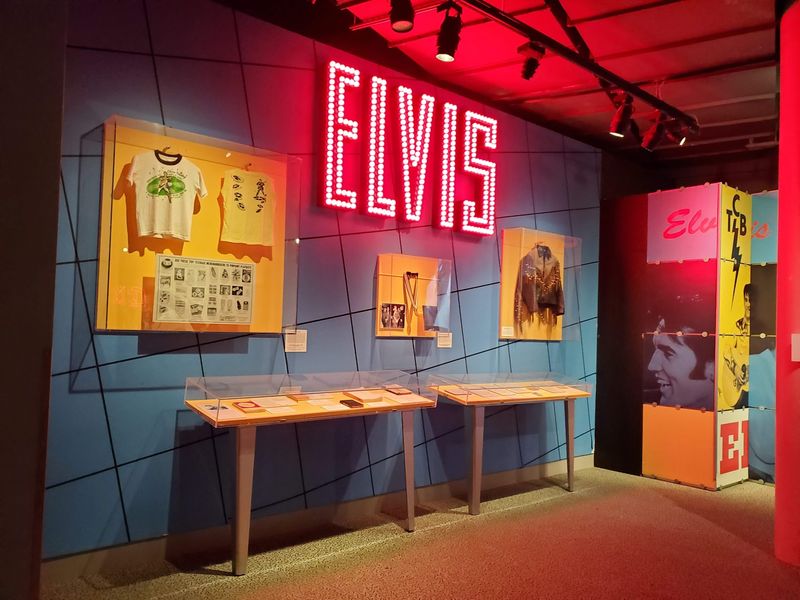
Museums can feel frozen in time. This one keeps changing, which gives returning visitors a reason to come back.
The Rock & Roll Hall of Fame regularly updates its galleries and special exhibits. Recent shows have spotlighted artists like Paul McCartney and Wings and the music history of Saturday Night Live.
Special exhibits often include rare items. Handwritten lyrics, photographs, and personal belongings help you see famous artists as real people.
Handwritten lyrics deserve extra attention. Crossed-out words and messy notes show how great songs started as rough ideas.
Check what’s showing before your trip. Exhibits come and go, so planning ahead helps you avoid missing something you’d love.
Membership can make sense for people who live nearby. Frequent visitors use it to catch new displays without stressing about seeing everything at once.
Even longtime fans find new surprises this way. A gallery you saw last year might look completely different now.
Think of it like a playlist on shuffle. You know the classics will be there, but the next track might catch you off guard.
Plan Your Route Because The Floors Stack Up Fast
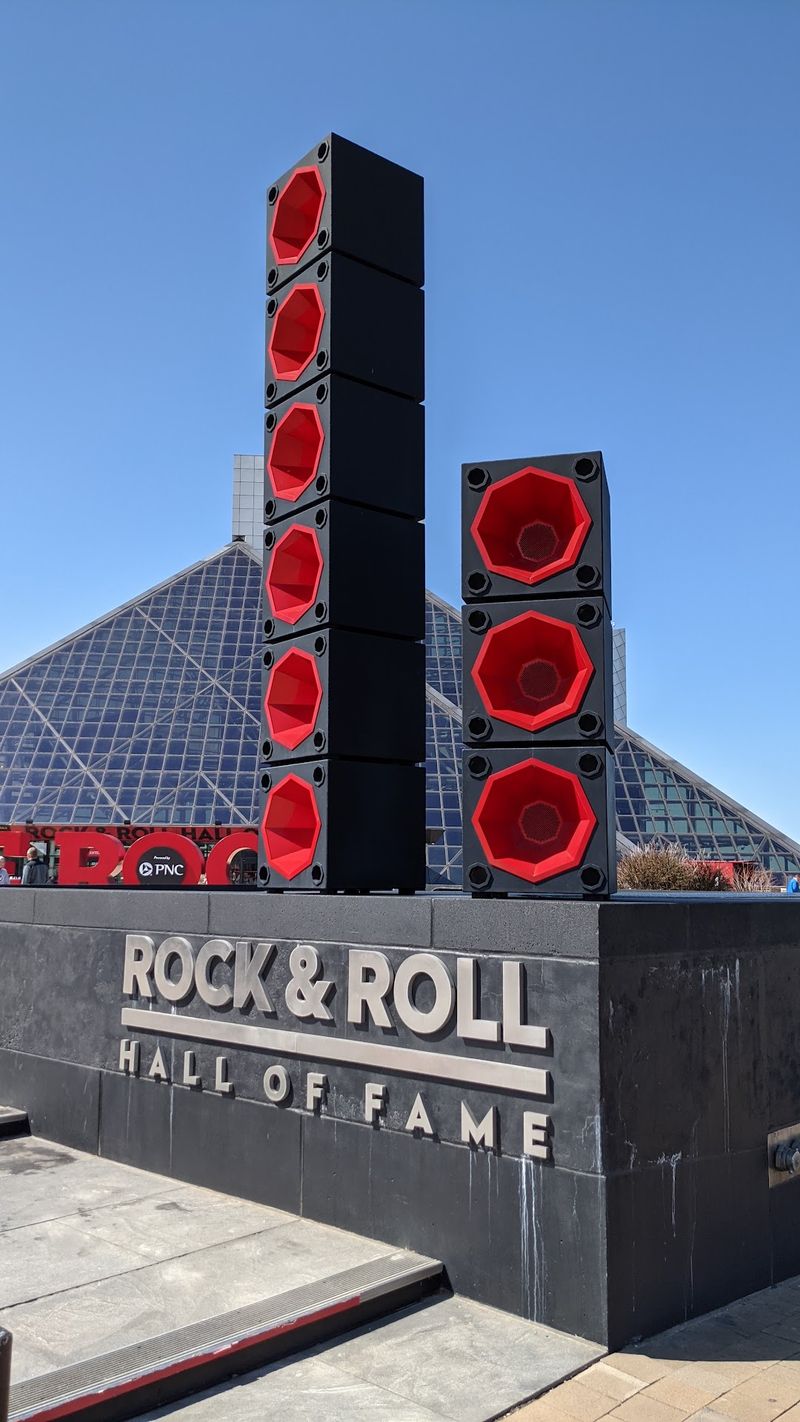
Time disappears quickly inside this building. Many people plan for an hour and end up needing several.
The museum spreads exhibits across multiple levels. Escalators connect many floors, while higher levels use stairs or elevators.
You’ll find the Rock & Roll Hall of Fame at 1100 Rock & Roll Blvd, Cleveland, OH 44114.
It’s generally open daily, with later hours on Thursdays, but closes on Thanksgiving and Christmas Day.
Tickets are timed, so booking online ahead of time helps. Arriving close to opening gives you a calmer start.
Wear comfortable shoes for this one. Between floors, galleries, and hands-on stations, you’ll cover plenty of ground.
Some fans like starting at the top and working down. Others follow the main path, which begins on the lower level.
Either way, keep an eye on signs so you don’t skip a gallery. The lower level holds major exhibits that are easy to miss in a rush.
Pace yourself with breaks. Your brain needs time to soak up all those stories, and your feet will thank you too.
Lakefront Views Make The Day Even Better
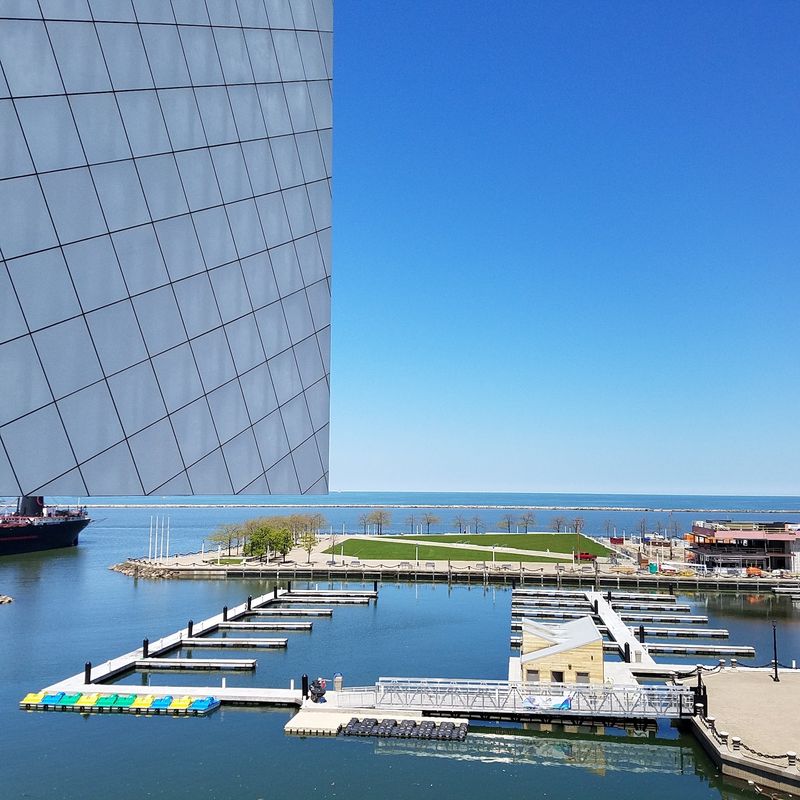
Lake Erie sits right outside the doors. That waterfront location gives the museum one of the prettiest settings in Ohio.
The building anchors Cleveland’s North Coast Harbor area downtown. Walk around outside and you’ll catch wide views across the water on clear days.
Nearby, the Great Lakes Science Center sits close by. Families can easily pair the two for a full day of learning and fun.
Huntington Bank Field, home of the Cleveland Browns, is also in the neighborhood. Game days can make the area busier, so plan parking accordingly.
Bring a jacket outside the warm months. Breezes off the lake can feel chilly, even when downtown seems mild.
Sunset views make the glass building glow. Photographers love the way light bounces across the angled panels.
Take a slow stroll along the harbor after your visit. It’s a relaxing way to let all those songs and stories sink in.
Not bad for a building designed by someone who once needed concert lessons. Pei’s crash course paid off, right down to the shoreline.