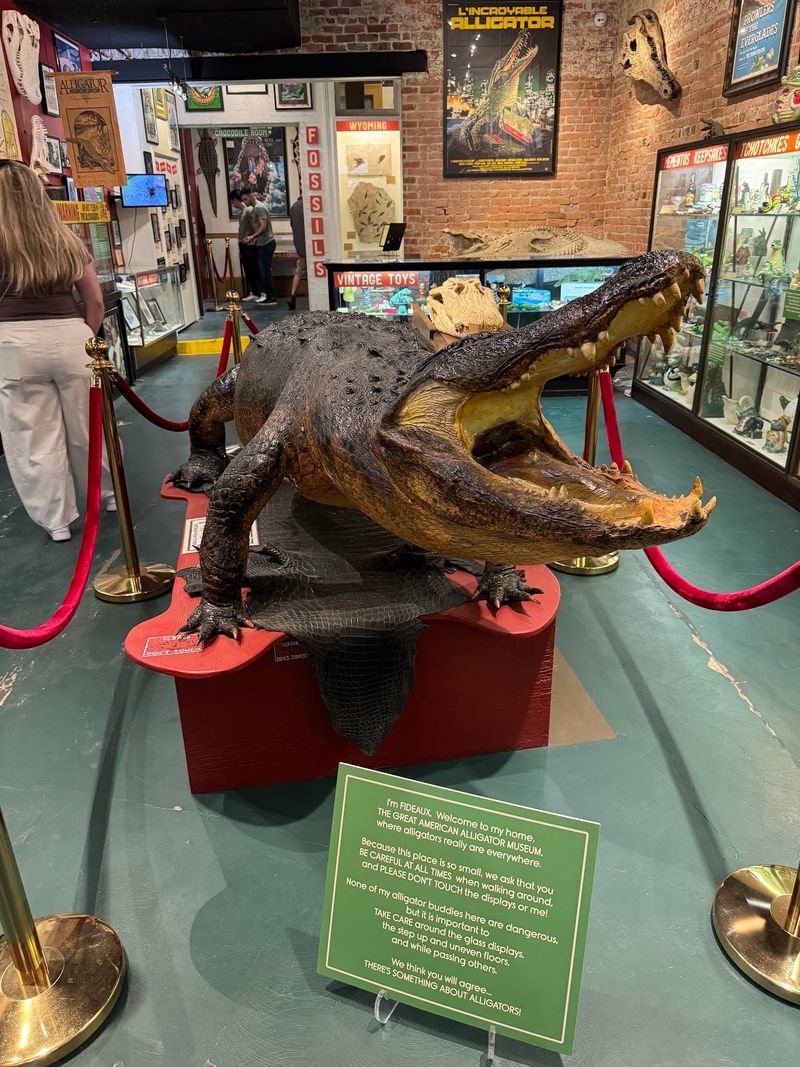
A 14-foot taxidermy alligator named Fideauax greets you in the first room. He’s the museum mascot, and admission to see him costs nothing at all.
The rest of the place keeps the surprises coming. There’s a trucker hat made from alligator skin. There are tiny taxidermy gators posed in little scenes, plus fossils that date back tens of millions of years.
I love that a whole museum in Louisiana exists to celebrate one swampy reptile. Five rooms hold folk art, comic books, movie posters, vintage handbags, and plenty of odd treasures. I can’t imagine anyone leaving without a favorite.
It all started with a couple who simply loved collecting. Their passion turned into something the whole public can enjoy. How much gator can five small rooms really hold?
Magazine Street Holds The Gator Clue
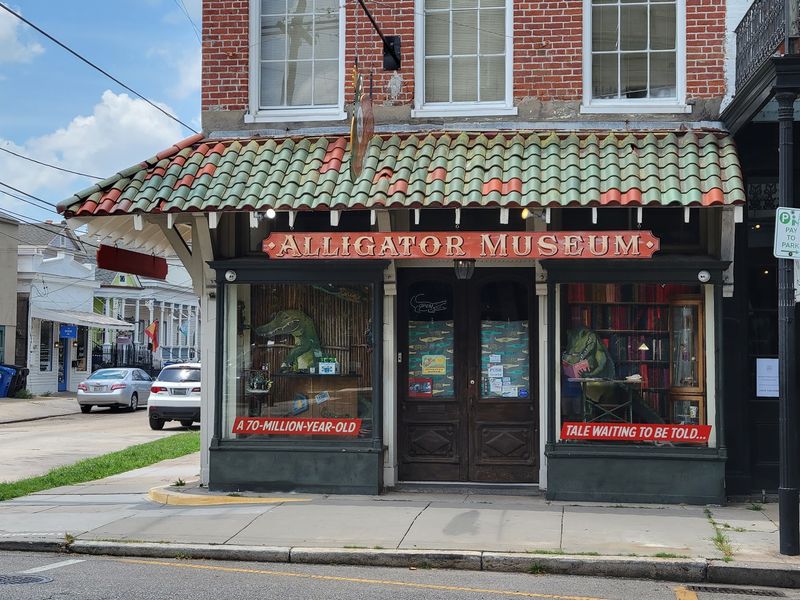
The Great American Alligator Museum is at 2051 Magazine Street in New Orleans, Louisiana, in the Lower Garden District. Approach along Magazine Street from downtown or the Garden District.
The museum faces the familiar street-level row of businesses, not a separate swamp-side visitor center. The Magazine Street storefront is your final clue.
Use a legal nearby street parking space or arrive on foot, then enter directly from the sidewalk. The museum currently advertises free admission.
The Price Of Admission Might Be The Best Part
Free museums are rare, and free museums about alligators are even rarer. You can see all five rooms here without buying a ticket.
The museum runs on donations instead. There’s no required amount, so you can give whatever feels right after your visit. That approach makes the whole place feel friendly and low pressure.
Families on a budget will love this setup. A trip to New Orleans can add up fast between meals, parking, and souvenirs. Here, everyone can explore without anyone worrying about the bill at the door.
Still, a small donation goes a long way. It helps keep the lights on and the collection growing. Think of it as a thank-you note to a very scaly friend.
The hours are fairly generous for a small museum. It usually opens at 10 a.m. most days and at 11 a.m. on Sundays, closing at 6 p.m. Hours can change, so check a map app before heading over.
Free entry also means no stress about getting your money’s worth. Pop in for a quick look or stay a while. Either way, the gators won’t mind.
A Collector Couple Turned Their Passion Into Five Wild Rooms
Every quirky museum starts with someone who couldn’t stop collecting. For this one, that someone is actually two people, Liz and Robert McDade.
The couple began collecting fossils and minerals around 2005. Over the years, their interest grew into a serious love for alligators. Eventually, they had enough treasures to fill a museum.
The Great American Alligator Museum opened its doors on April 1, 2022. Yes, April Fools’ Day. Somehow, that date feels perfect for a place this playful.
You can feel the care behind every display. Items are grouped by type, like toys, cookie jars, and purses. That makes it easy to compare how gators have shown up in everyday life.
I like how personal the whole collection feels. It’s not a giant institution with endless hallways. It’s a labor of love that happens to be open to everyone.
Take your time reading the labels as you go. They connect the fun objects to real stories. And if you’ve ever collected anything yourself, you’ll probably feel a little inspired to start a gator shelf at home.
Fossils Here Are Older Than You Can Easily Picture
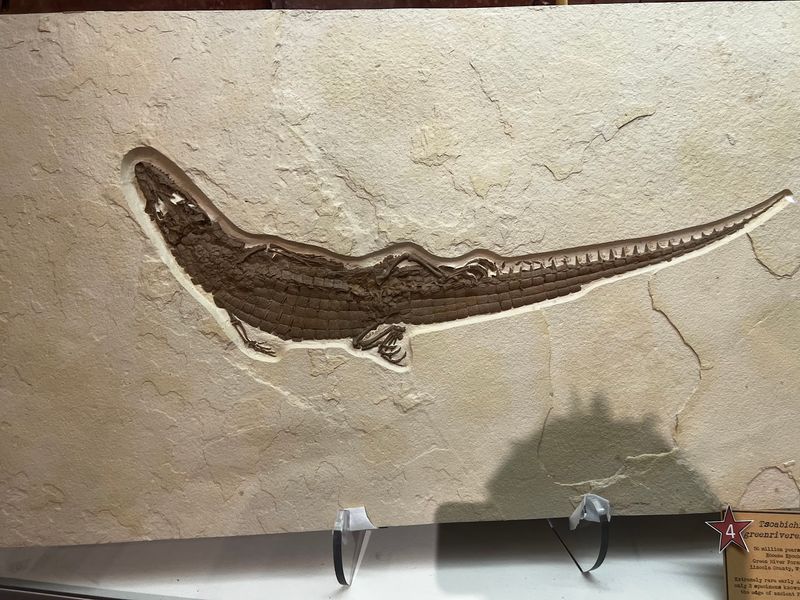
Alligators have been around for about 65 million years. That makes them some of the planet’s best survivors, and this museum gives that long history real attention.
One highlight is a caiman fossil that’s about 50 million years old. Caimans are close cousins of alligators. Seeing that ancient shape helps you realize how little these animals have needed to change.
Other fossils in the collection date back as far as 70 million years. That’s old enough to overlap with the age of dinosaurs. Pretty impressive company for a museum on a busy shopping street.
Science fans will enjoy this part the most. Still, you don’t need a geology degree to appreciate it. The fossils make the jump from cute gator toys to real natural history feel smooth.
Here’s a fun way to explore with kids. Ask them to spot which features look the same on the fossils and on Fideauax. Jaws and teeth make a great place to start.
This section adds real weight to the visit. It reminds you that behind all the kitsch is an animal with a seriously deep family tree.
Vintage Handbags Tell A Surprisingly Serious Story
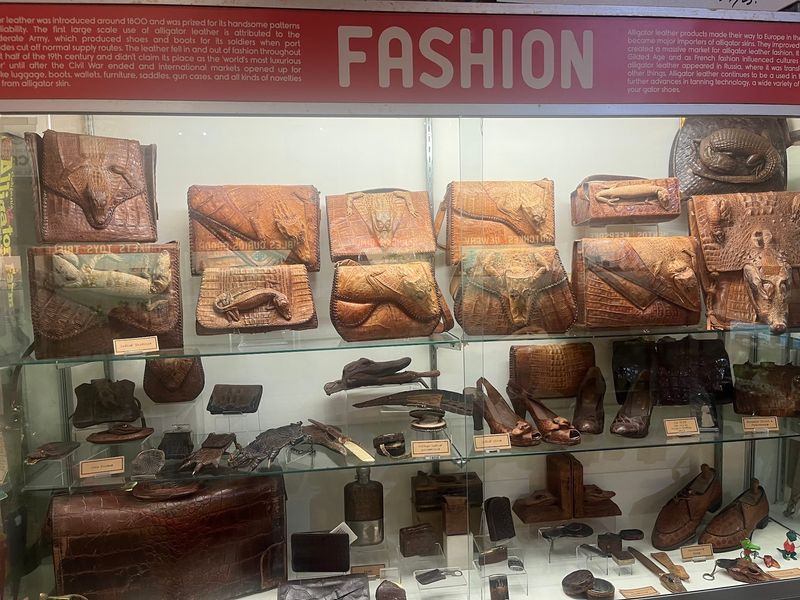
Fancy handbags might seem like an odd fit next to fossils. Yet the alligator accessories here carry one of the most important lessons in the building.
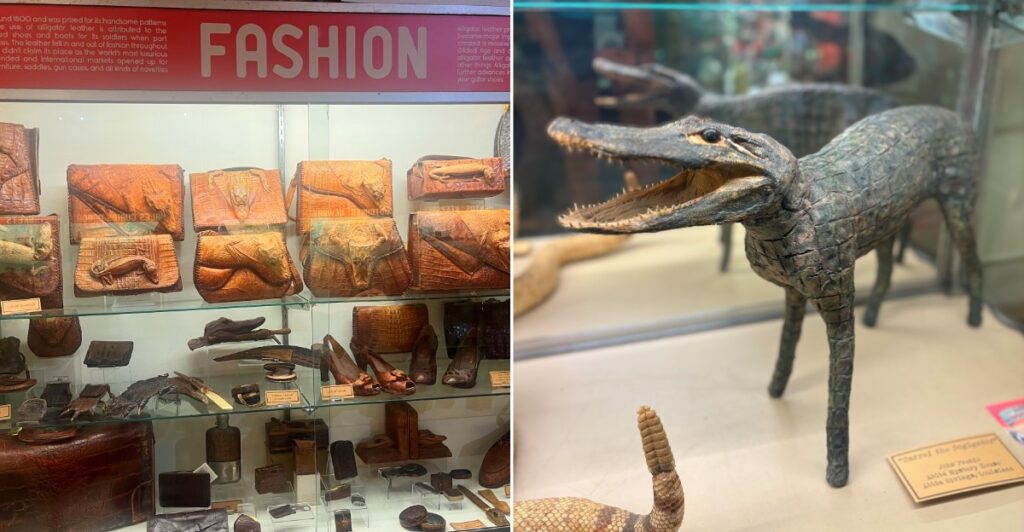
The display includes handbags, shoes, and other accessories from the early 1900s. They look stylish and old-fashioned. They also show how much demand there once was for alligator skin.
That demand led to heavy poaching. Alligator numbers dropped badly in many areas. The exhibit uses these everyday fashion items to explain that history in a way anyone can follow.
The museum doesn’t stop at the problem, though. Educational displays highlight Louisiana’s successful alligator conservation work. The state’s efforts are presented as a model for programs across the country.
I believe this is the section that sticks with people longest. A purse becomes a story about choices, recovery, and caring for wildlife. That’s a big message from a small case.
Families can use this display to start good conversations. Kids often ask great questions about why things changed. It’s a gentle, real-world way to talk about protecting animals while still enjoying the museum’s lighter side.
Tiny Taxidermy Gators Are Up To Something
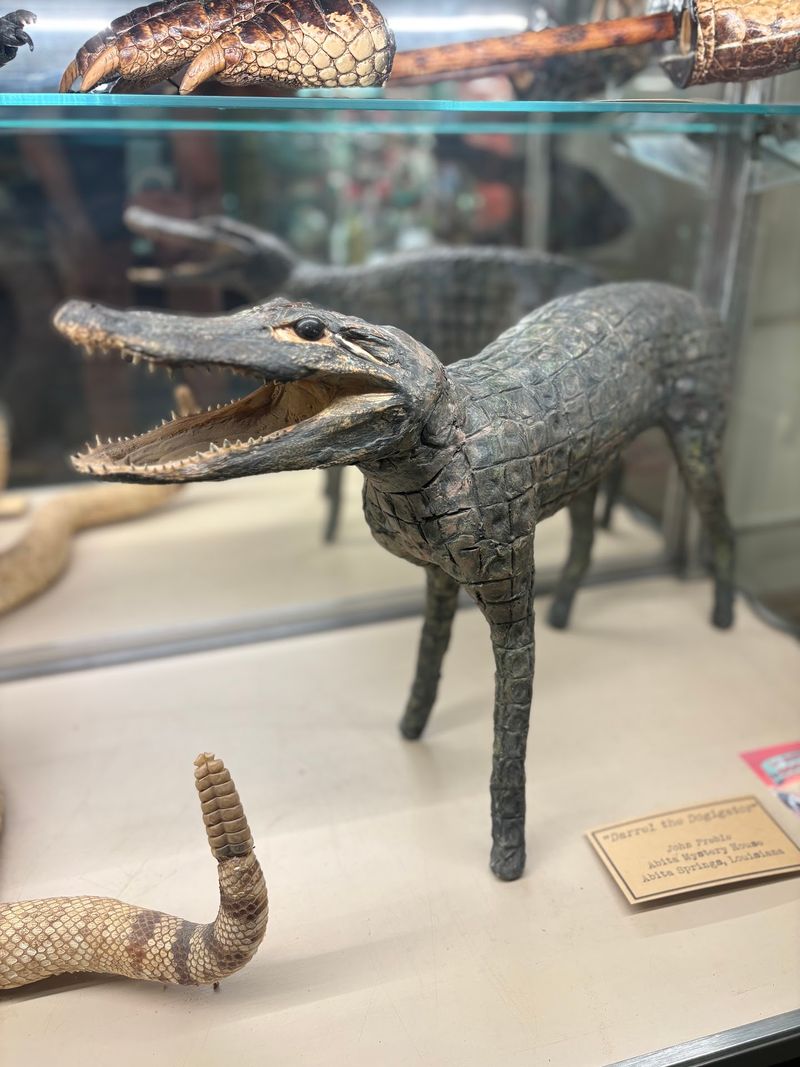
Somebody gave these little gators jobs. The museum shows taxidermy mini-gators arranged in different scenes, and the results are wonderfully strange.
This is classic roadside-style fun. Small gators posed like tiny characters have long been a quirky souvenir tradition. Seeing a whole display of them feels like stepping into a very odd storybook.
Look closely, because the details make it work. Each scene gives you something new to notice. It’s the kind of exhibit that gets people pointing and laughing together.
Nearby, you may spot another head-turner. The collection includes a trucker hat made from alligator skin. It’s hard to decide whether it’s stylish, silly, or both.
These pieces show how alligators became pop culture icons. People turned them into gifts, jokes, and conversation pieces. Louisiana has embraced that playful side for generations.
Bring your phone for this room. You’ll want photos to share with friends who won’t believe you otherwise. Just remember that the museum asks visitors not to touch the displays, even the cute ones.
Comic Books And Movie Posters Bring The Gators To Hollywood
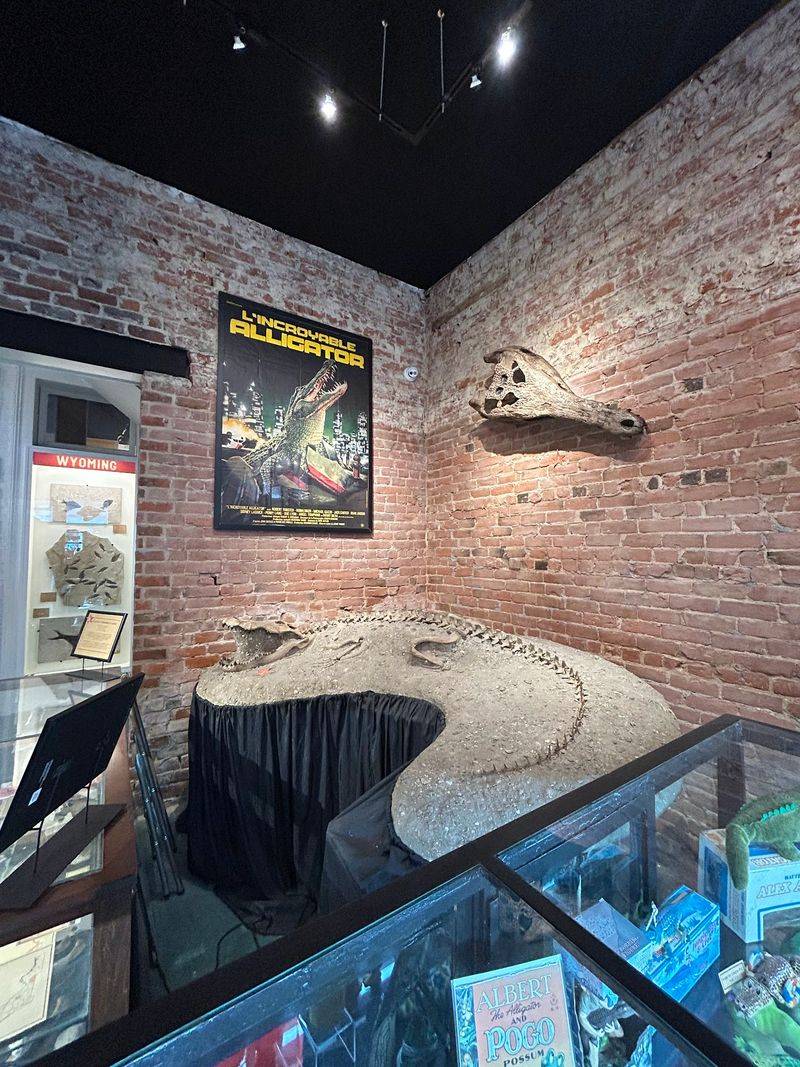
Alligators have been scaring and charming audiences for decades. This museum gathers that pop culture history into one colorful collection.
You’ll find comic books, movie posters, and TV memorabilia featuring gators. Some are spooky, some are goofy, and some are just plain weird. Together, they show how often this reptile has played the villain or the hero.
Folk art adds another layer. Handmade pieces show how artists see alligators in their own creative ways. Many people consider the folk art one of the best parts of the museum.
Keep your eyes moving, even upward. Items are displayed all around the rooms, so it’s easy to miss something on a first pass. A second loop often turns up new favorites.
Movie lovers can try a little game. See how many titles or characters you recognize before reading the labels. Older relatives may surprise you with what they remember.
This section proves gators aren’t just swamp animals. They’re stars, mascots, and symbols, especially in Louisiana. After seeing this wall of fame, you’ll notice alligators popping up everywhere around town.
Crocodiles Get Their Own Room, Too
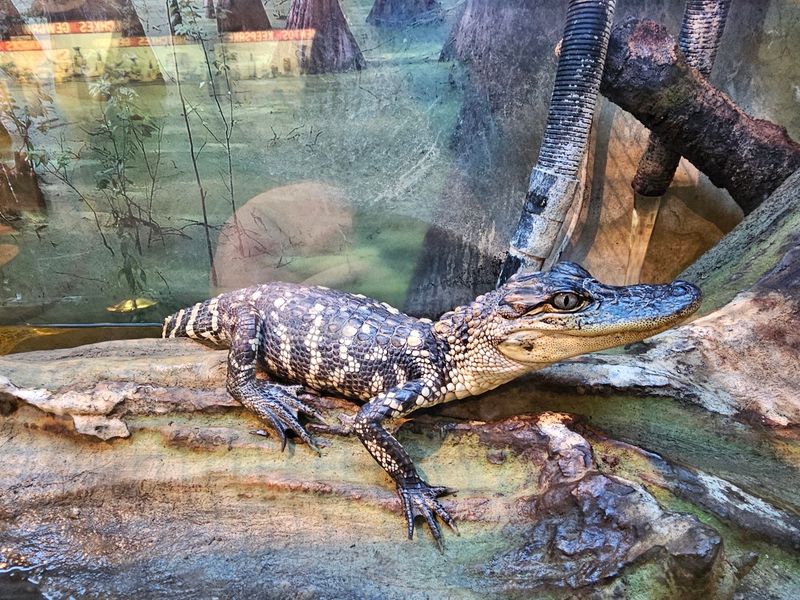
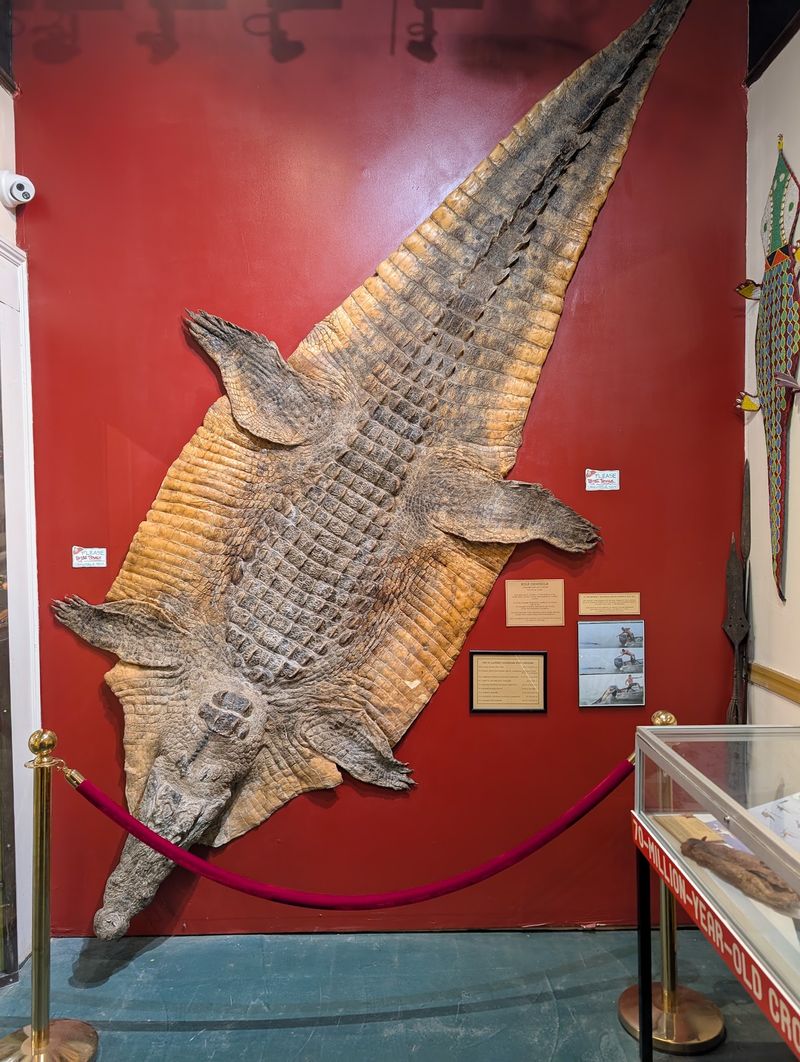
Alligators may run this museum, but their cousins aren’t left out. A dedicated Crocodile Room explores these close reptile relatives.
Plenty of people mix up alligators and crocodiles. That’s fair, since they share a lot of traits. This room gives you a chance to learn how the two groups connect and differ.
It’s a smart addition to the visit. After so many gators, seeing crocodiles helps you understand the bigger family. You start to notice shapes, snouts, and features more carefully.
Kids who love animals will enjoy this comparison. It feels a bit like a nature detective challenge. Older visitors might pick up a fact or two worth sharing at dinner later.
Here’s a quick tip for your trip. Before entering, guess which features you think separate the two. Then see how your guess holds up after exploring.
The room also shows the museum’s thoughtful balance. Fun objects sit alongside real science throughout the five rooms. That mix keeps the visit lively without ever feeling like a lecture, which is a tricky thing for any museum to pull off.
Save Time For The Gift Shop And A Stroll Down Magazine Street
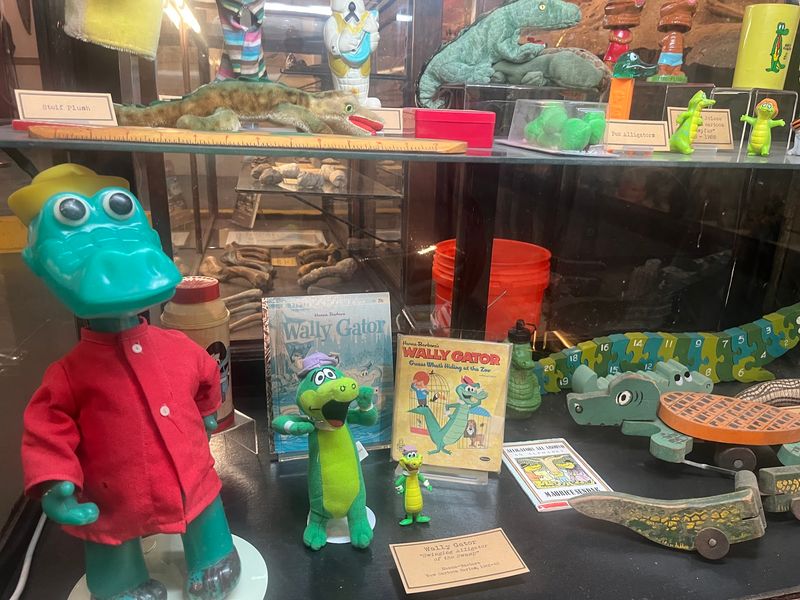
The shopping starts before the exhibits even begin. A gift shop sits up front, and the museum rooms are in the back.
Expect plenty of alligator-themed goodies. You’ll see toys, trinkets, and other souvenirs that make easy gifts. It’s a fun way to bring a little swamp spirit home without needing a tank.
Shopping here also supports the museum. Since admission is free, purchases help keep the doors open. That makes your souvenir feel a bit more meaningful.
You’ll find the Great American Alligator Museum at 2051 Magazine Street, New Orleans, Louisiana 70130. It sits on the corner of Magazine Street and Josephine Street in the Lower Garden District. That spot makes it easy to add to a day of exploring.
Magazine Street is known for its shops and restaurants. A quick museum stop fits nicely between other errands or wandering. Many visits take well under an hour.
So grab a gator souvenir and keep walking. You’ll leave with a full bag and a head full of fun facts. Not bad for a museum that asks nothing at the door.