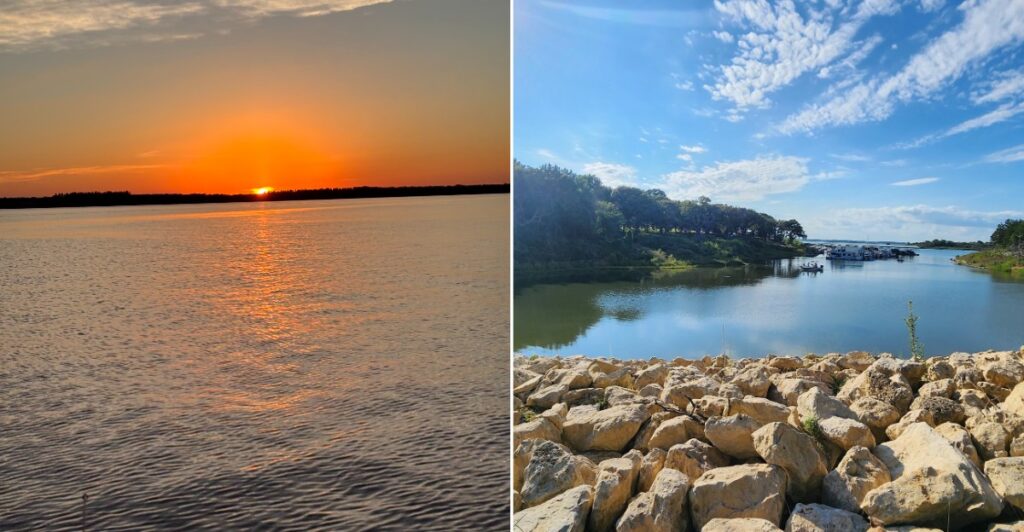
Hundreds of bald eagles spend their winters at one giant lake in the middle of the prairie.
That alone made me stop and look twice. A lake with 163 miles of shoreline sounds like something from Minnesota.
This one sits in Kansas, surrounded by rolling Flint Hills. It covers around 15,700 surface acres of water.
It also holds the state record for smallmouth bass, which feels like a serious bragging right.
I like how this place mixes big-water fun with quiet wild spaces. You can paddle, camp, hike past an old quarry, or hunt for small geodes.
Kids can even cool off at a splash park shaped like local wildlife.
I can’t imagine many travelers expect all that from a prairie lake. So why does it stay such a secret beyond the state line?
The Biggest Man-Made Lake In The State Hides In Plain Sight
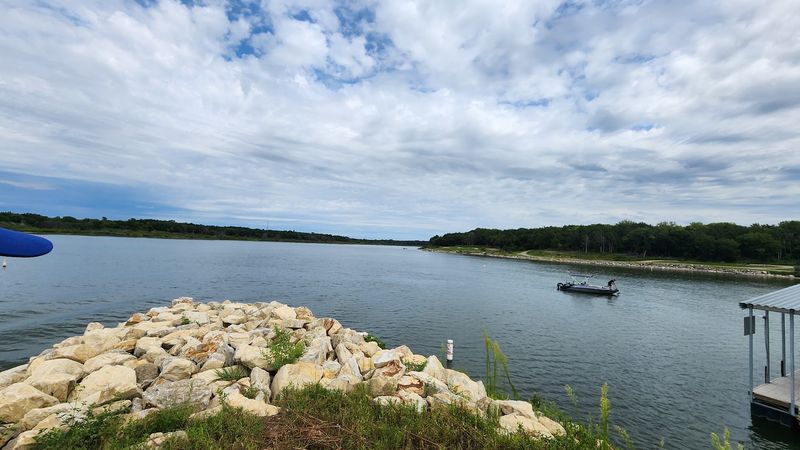
Milford Lake holds the title of largest man-made lake in Kansas. It covers roughly 15,700 surface acres, which is a whole lot of water for prairie country.
The shoreline stretches about 163 miles around coves, points, and bluffs. That means you could spend many weekends here and still find a new corner to explore.
The lake sits in the rolling Flint Hills of north-central Kansas. Those hills give the water a frame of grass, trees, and big open sky.
Size matters here for a practical reason too. A lake this large spreads people out, so boaters, anglers, and campers each have room to breathe.
Junction City is the closest larger town, and it sits just a short drive away. Interstate 70 runs nearby, so reaching the water doesn’t require a long detour through back roads.
First-timers should grab a lake map before heading out. With so many arms and inlets, it’s easy to lose track of which boat ramp you started from.
Honestly, the scale surprises almost everyone. Most folks picture Kansas as wheat fields, not miles of sparkling blue reaching past the horizon.
Anglers Call It The Fishing Capital For A Good Reason
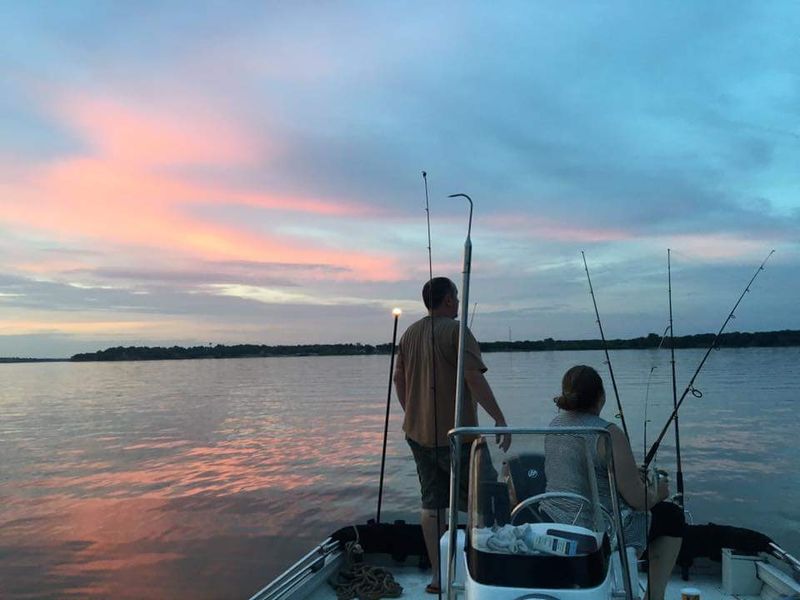
A nearly seven-pound smallmouth bass came out of these waters and set the Kansas state record. That catch still stands as proof of what swims below the surface.
Milford Lake carries the nickname Fishing Capital of Kansas. It has also hosted major national fishing tournaments over the years.
The variety is what keeps anglers coming back. Walleye, crappie, largemouth bass, smallmouth bass, white bass, catfish, and wipers all live here.
Wipers deserve a special shoutout. These hybrid fish fight hard, so hang on tight once one grabs your bait.
Fishing happens all year long at the lake. Spring often brings people out chasing walleye, while warm summer nights suit catfish lovers.
New anglers should remember to buy a Kansas fishing license before casting a line. Rules on size and limits can change, so check state guidelines each season.
The marinas sell bait and tackle, which helps if you forgot something at home. Ask about current conditions while you’re there, since water levels shift through the year.
Even if you only catch a sunburn, the view from a quiet cove makes the morning worthwhile.
Fourteen Boat Ramps Mean You Can Launch Almost Anywhere
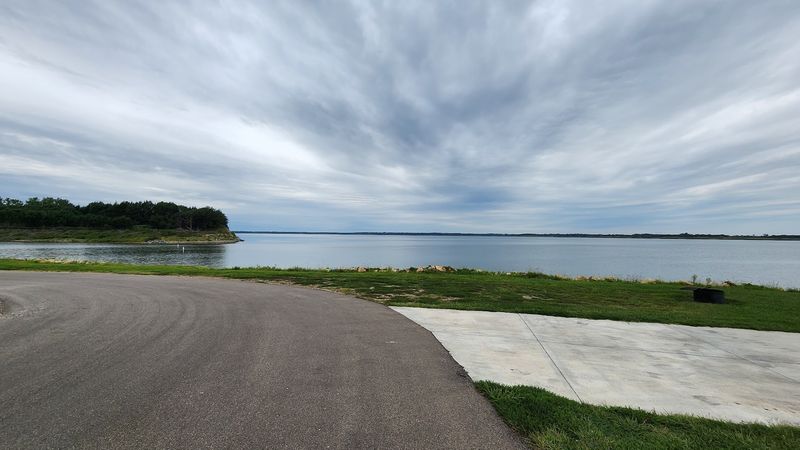
Kayaks, sailboats, pontoons, and fishing rigs all share this huge stretch of water. With 14 public boat ramps, getting your vessel wet is rarely a hassle.
Two main marinas serve the lake. Milford State Park Marina and Thunderbird Marina offer gas, bait, tackle, and pontoon rentals.
No boat? No problem.
Renting a pontoon lets a whole group cruise without hauling a trailer across the state.
Kansas wind has a reputation, and sailors know how to use it. On breezy days, the wide open water turns into a playground for anyone with a sail.
Calmer mornings suit canoes and kayaks better. Paddlers can hug the shoreline and slip into quiet coves away from bigger boats.
Safety comes first on any big lake. Wear a life jacket, watch the forecast, and keep an eye on sudden gusts.
A simple plan works best for beginners. Launch near one of the marinas, explore a nearby arm, and head back before the afternoon winds pick up.
Out on the water, the shoreline fades into soft hills. That feeling of space is hard to find anywhere else in the region.
Eight Campgrounds And Cozy Cabins Make Staying Easy
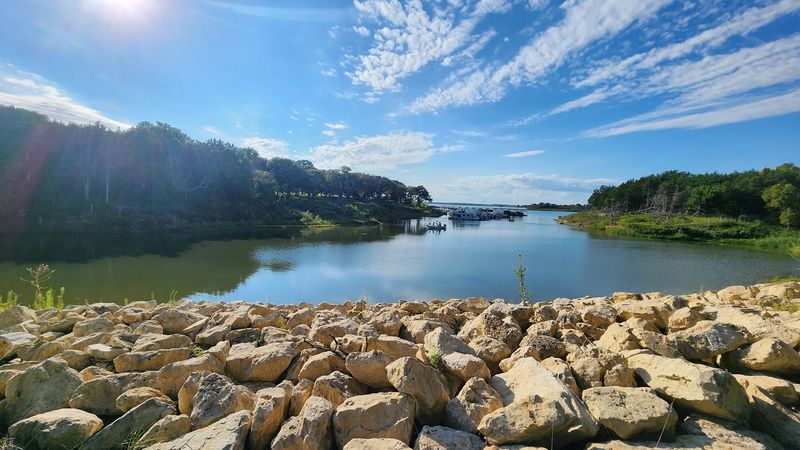
Milford State Park sits at 3612 State Park Road, Milford, KS 66514, and it makes overnight stays simple. The park has eight separate campgrounds spread along the water.
Campers get plenty of choices. There are 91 sites offering water and electric hookups, while 60 more add sewer connections too.
Prefer roughing it a little? The park also has 103 primitive campsites where tent campers can keep things basic and closer to nature.
For a softer landing, the park rents ten modern cabins, several of which are ADA-accessible. Seven cabins remain open year-round, while three close during the winter months.
Beyond the state park, more lodging dots the shoreline. Public campgrounds, private RV parks, and spots like Acorns Resort and Flagstop Resort and RV Park add even more options.
Booking ahead is smart, especially for summer weekends and holidays. Popular sites near the water can go fast once warm weather arrives.
Pack for changing weather, since Kansas skies can switch moods quickly. A rain fly, extra layers, and bug spray will save the trip.
Waking up beside a lake this size feels like a small luxury. Coffee tastes better with a view, right?
Bald Eagles Show Up By The Hundreds Every Winter
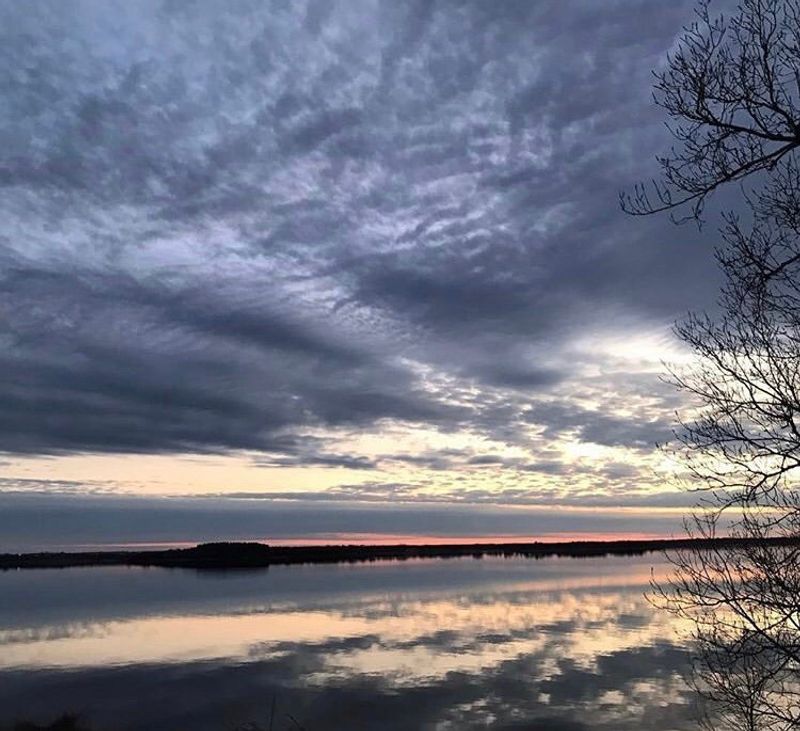
Winter brings a guest list most lakes would envy. Large numbers of bald eagles arrive at Milford Lake during the cold months.
Bring binoculars and dress warmly. Spotting a white head against bare branches is a thrill for any age.
The eagles are only part of the wildlife story. A huge 19,000-acre wildlife area surrounds much of the lake.
There’s also the 1,100-acre Steve Lloyd refuge. These protected lands support songbirds, mammals, reptiles, and aquatic creatures.
Photographers love the variety. Early mornings and late afternoons usually give the best light and the most activity.
Hunters have plenty of room as well. About 70 percent of the 33,000 acres of land around the lake is open for public hunting.
Game includes quail, pheasant, prairie chicken, duck, goose, turkey, deer, rabbit, and squirrel. Trappers can pursue raccoons, muskrats, and beavers in season.
Always follow Kansas hunting rules and respect wildlife from a distance. Eagles especially need space, so stay back and let your camera zoom do the work.
Watching a giant bird glide over icy water might become your new favorite winter hobby.
Raptors, Reptiles, And Baby Fish Live Just Below The Dam
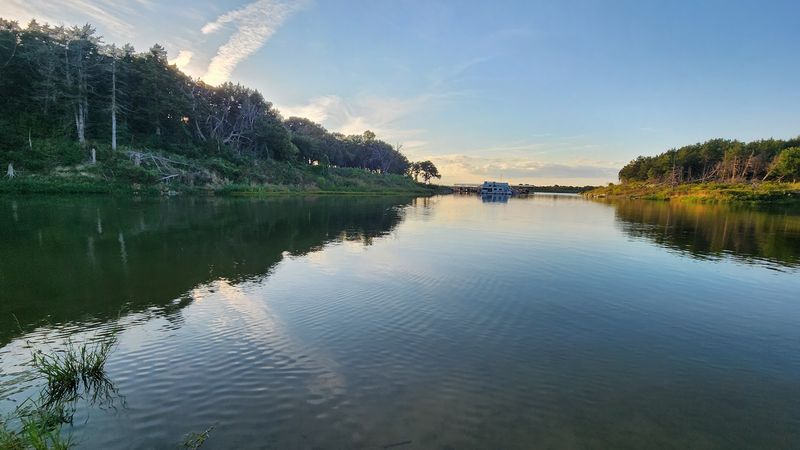
Owls and hawks make great teachers. At the Milford Nature Center, live raptors give visitors a close look at birds they might only glimpse overhead.
The center sits just below Milford Dam. Interpretive exhibits explain Kansas ecosystems in a way kids can easily follow.
Reptiles share the spotlight too. Snakes and turtles help show how creatures adapt to prairie and wetland life.
Right next door, the fish hatchery quietly does important work. It raises walleye, wiper, and catfish for stocking.
Those young fish end up in Milford Lake and other Kansas waters. So the next walleye you catch might have started life here.
That connection makes the stop more than a rainy-day backup. It ties the lake’s fishing fame to real conservation work.
Families should plan an hour or so to explore. Younger kids especially enjoy seeing animals up close instead of on a screen.
Check hours before you go, since schedules can shift by season. Pair the visit with a walk near the outlet area below the dam.
You’ll leave knowing a lot more about what lives in and around this enormous lake.
Keep Your Eyes Down On The Trail For Tiny Geodes
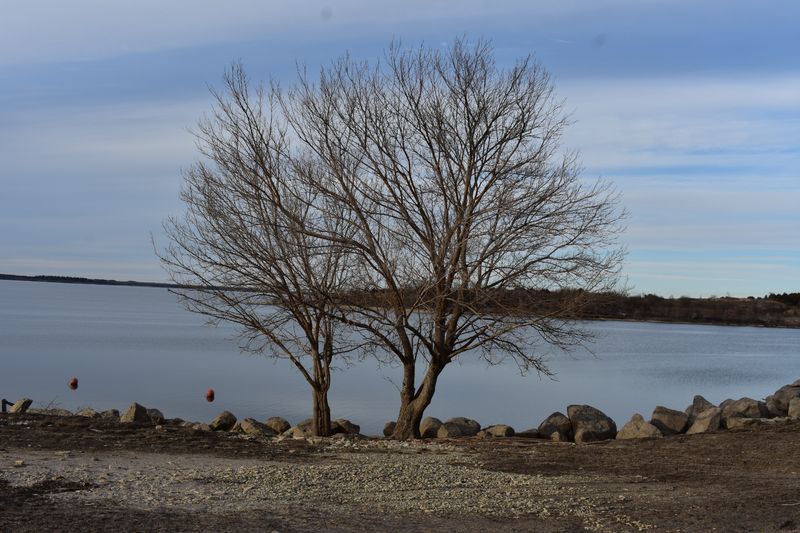
Sparkly rocks along a hiking path? On the Crystal Trail, small geodes sometimes turn up near an old quarry.
The Crystal Trail runs about 2.2 miles. It makes a fun treasure hunt for curious kids and rock-loving adults alike.
Milford State Park offers more than 12 miles of trails in total. Hikers, bikers, and horseback riders can all find a route that fits.
Eagle Ridge Trail is the long one, stretching more than six miles. Its varied terrain delivers big lake views along the way.
Shorter options include the Dogwood and Pipeline trails. Both wander through woodland and prairie habitats, perfect for a quick stroll.
Down near Outlet Park below the dam, the Riverwalk Trail adds another choice. It’s a relaxed walk that pairs nicely with a nature center visit.
Wear sturdy shoes and carry plenty of water. Summer heat in Kansas can sneak up on you fast.
Watch for ticks after walking through tall grass. A quick check at the end saves trouble later.
Spring wildflowers and fall colors make these paths extra pretty. Any season works, but cooler months feel best for longer hikes.
Sandy Beaches And A Splash Park Rescue Hot Summer Days
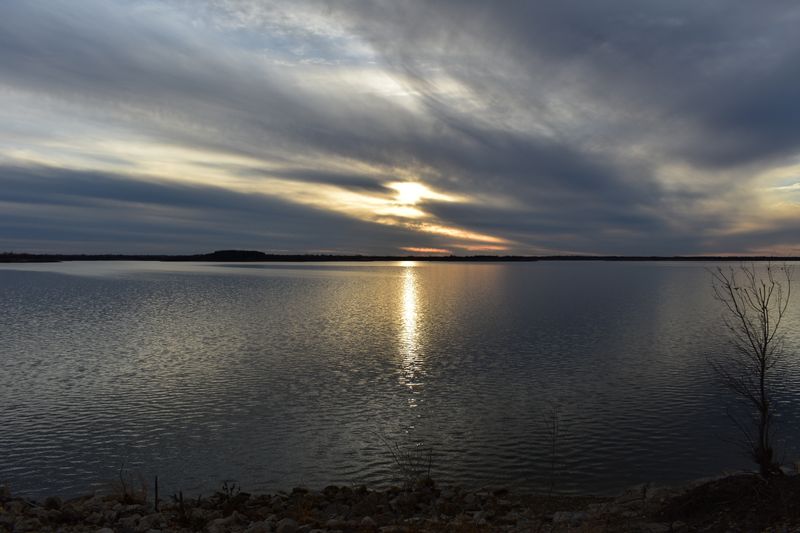
Kansas summers can get seriously toasty. Luckily, Milford Lake offers sandy swimming beaches where visitors can cool off.
With 163 miles of shoreline, there’s plenty of waterfront scenery to enjoy. Designated swimming areas, including the beach at East Rolling Hills, provide places for a classic summer outing.
Families with little ones can also visit the splash park at Milford State Park. It’s a playful alternative to swimming in open water, especially for younger children who enjoy running through spray features.
The splash park adds another family-friendly attraction to a destination already known for boating, fishing, and camping.
Pack sunscreen, hats, and plenty of drinks. Shade can be limited, so a pop-up canopy is a smart addition where permitted.
Water shoes help on rocky edges and hot sand. Your feet will thank you by midafternoon.
Swim only in designated areas and watch weather changes closely. Storms can roll across the prairie quickly.
Before heading into the lake, check for current swimming advisories, particularly those involving harmful algal blooms. Water conditions can change during the warmer months.
Sandcastles, splash fights, and lazy floats make for a classic summer day.
A Flood Control Giant With Stories Beneath The Water
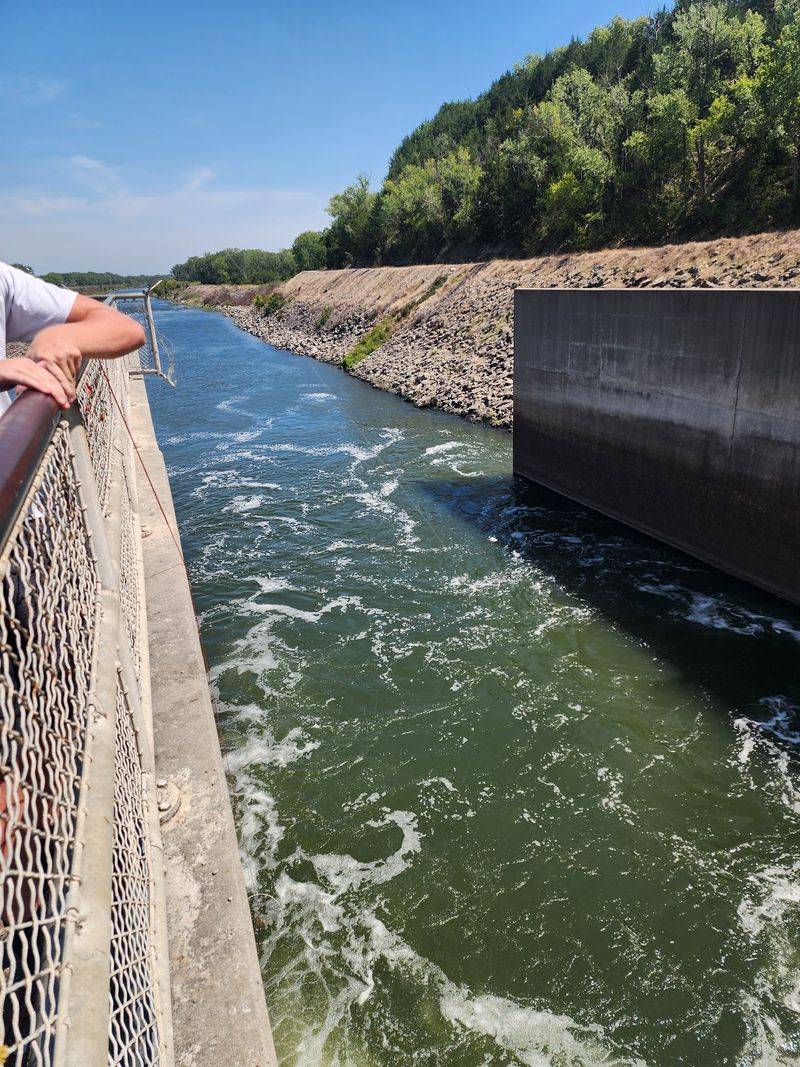
Back in 1951, a huge flood swept through the region. That disaster helped push plans for Milford Dam forward.
The Flood Control Act of 1954 authorized the project. The U.S.
Army Corps of Engineers started construction on July 13, 1962.
Water began filling the basin in January 1967. The lake reached normal level about six months later, and dedication followed in May 1968.
Building the lake changed the map. Parts of Wakefield and Milford were relocated, and the towns of Alida and Broughton disappeared completely.
History here goes much deeper than the dam. The Bogan Site was a Republican River Pawnee village from the late 1700s or early 1800s.
Today the dam does serious work for Kansas. According to the U.S.
Army Corps of Engineers, Milford Lake has prevented an estimated $4.1 billion in flood-related damages through fiscal year 2025.
The reservoir also plays an important role in regional drinking water supplies. Water originating from Milford helps supply approximately 800,000 people in northeastern Kansas, representing about 27 percent of the state’s population.
Knowing this backstory changes how the water looks. Those calm waves hold farms, roads, and whole communities from long ago.
Next time you cruise across, give a little nod to everything below.
Go Now, Before The Rest Of The Country Catches On
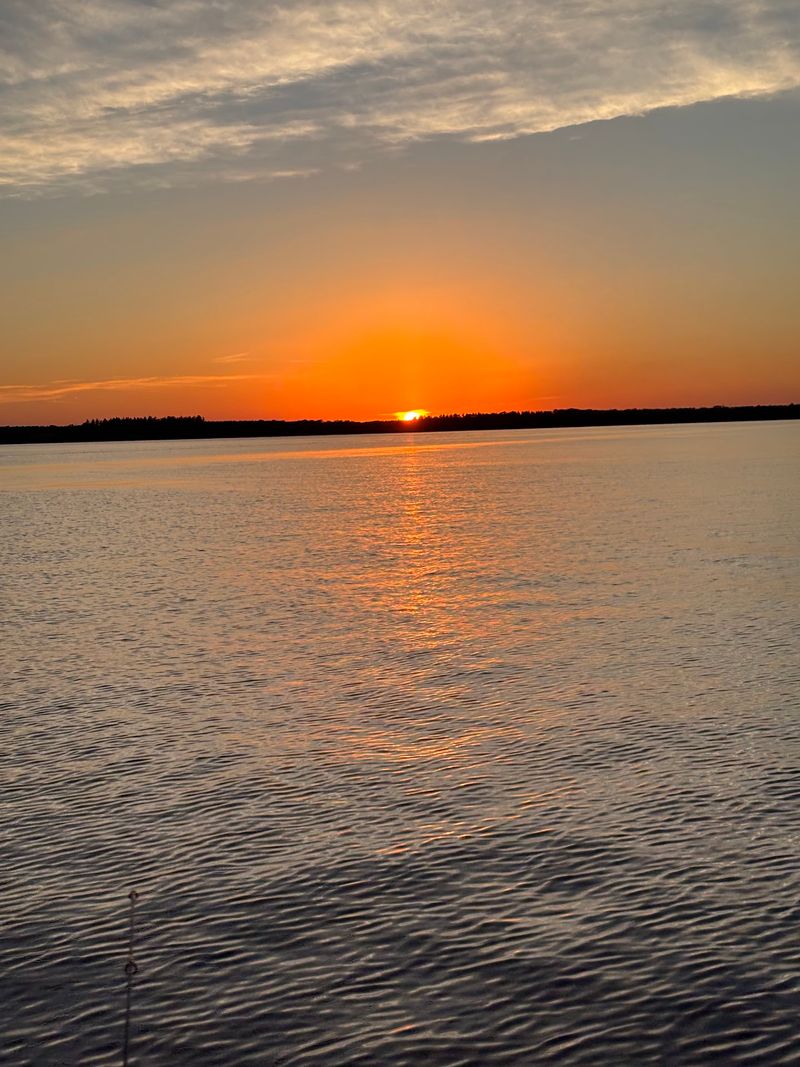
Record fish, winter eagles, and geode-dotted trails all in one spot? Milford Lake packs a surprising amount into one corner of Kansas.
Mixing activities is the best way to visit. Fish in the morning, hike in the afternoon, and catch sunset from a campsite.
Each season brings its own reasons to come. Summer means beaches and boating, while winter offers eagle watching.
Spring and fall shine for hiking and fishing. Cooler air and fewer bugs make long days outside more comfortable.
Plan around the main hub at Milford State Park. From there, the marina, cabins, beaches, and trails are all within easy reach.
Leave room in your schedule for the nature center below the dam. It rounds out the trip with fun facts and live animals.
Bring a camera with a decent zoom. Between birds, sunsets, and wide water views, you’ll want it often.
Most important, slow down and enjoy the space. Big lakes reward people who linger.
Sooner or later, word will spread far beyond Kansas. Until then, you get to feel like you’re in on a wonderful secret.