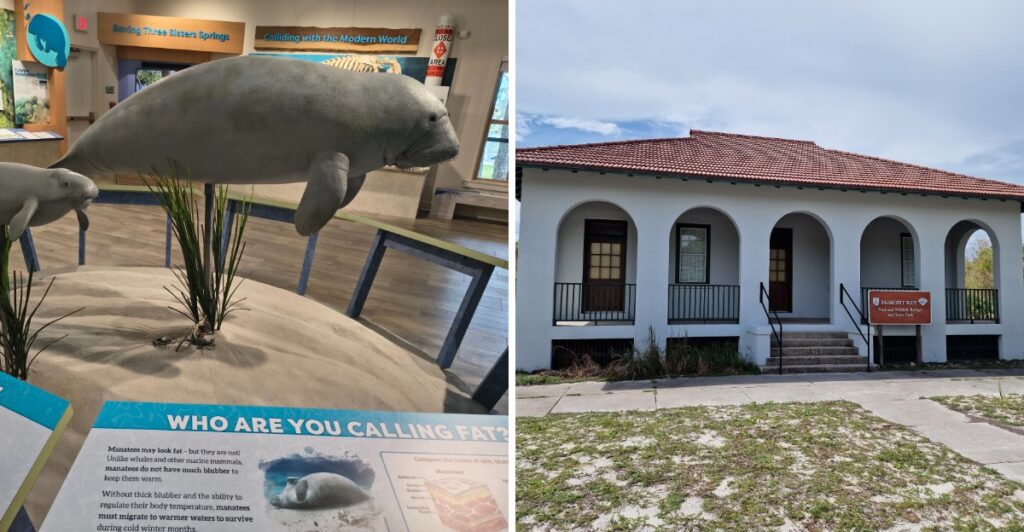
America’s very first national wildlife refuge started with one tiny island full of pelicans in 1903. President Theodore Roosevelt protected it with a simple order.
I love that our whole refuge system grew from a bunch of birds.
Today, Florida has a long list of wild places you can explore without paying admission. Some protect sea turtle nests on quiet beaches.
Others guard miniature deer, sleepy manatees, and rare scrub-jays.
The best part is how close the animals feel. You might spot an alligator from a trail or an owl staring back at you.
You could watch dolphins from a ferry or meet rescued animals up close.
I can’t think of a cheaper way to make a weekend feel wild. So grab some water, sunscreen, and a little patience.
Which of these free adventures will you try first?
1. Pelican Island National Wildlife Refuge
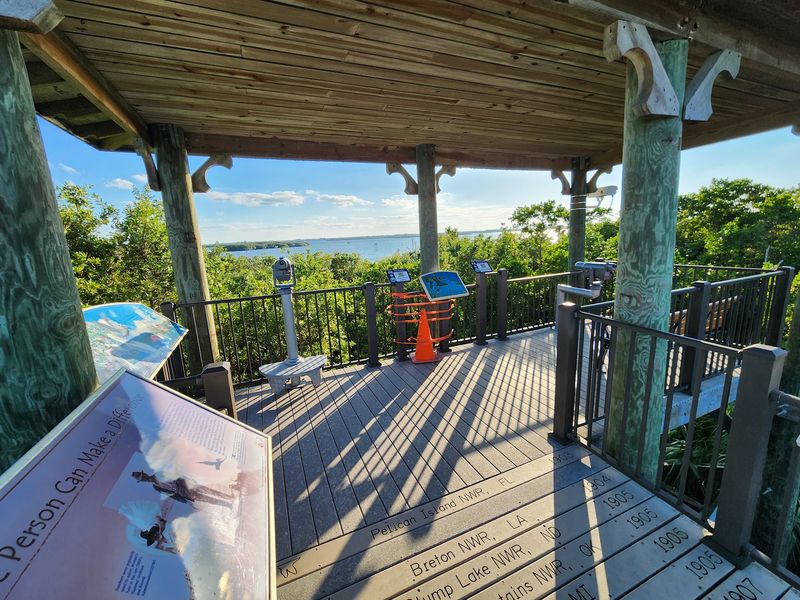
Every national wildlife refuge in America has one great-great-grandparent, and it lives in Vero Beach. Teddy Roosevelt set this spot aside in 1903, making it the first refuge in the country.
That history isn’t stuck in a dusty display case, either. An elevated viewing path lists the national wildlife refuges across the USA, with each state and the date it opened.
Reading those names feels like flipping through a family photo album for nature. You’ll probably wonder how many of them you can visit someday.
The real stars here have feathers. Pelicans, spoonbills, and plenty of wading and shore birds keep the views busy and fun.
Look down, too, because small creatures matter here. Butterflies, crabs, grasshoppers, raccoons, and even snakes show up along the paths.
The trails are easy and well kept, so little legs can handle them. A boardwalk adds a smooth stroll with open views of the water.
Families will like that the hikes are friendly for kids. Public restrooms make a longer visit much less stressful.
Bring binoculars if you own a pair. Birds don’t always pose close to the boardwalk, and a closer look can turn a nice moment into a great one.
Parking is free, and so is walking the trails. That’s a pretty sweet deal for a front-row seat to American conservation history.
Timing helps if you want quiet. Evenings early in the week tend to be calmer than busy weekend afternoons.
Address: 4055 Wildlife Way, Vero Beach, FL 32963
2. Merritt Island National Wildlife Refuge Visitor Center
Rocket launches get the headlines on this stretch of the Space Coast. Down at ground level, though, alligators and otters run a quieter show.
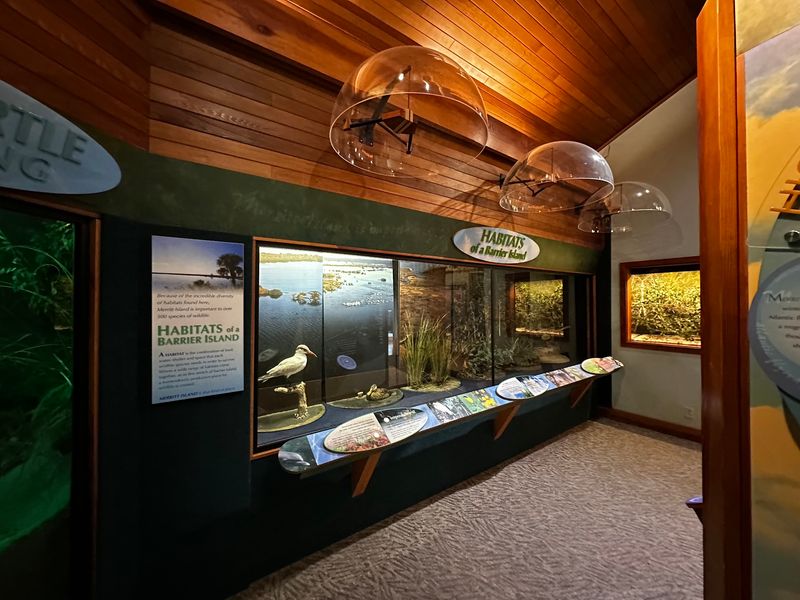
The visitor center works like a front door to a huge refuge. Exhibits help you understand what a wildlife refuge is and where others are found.
Here’s the money-saving secret. A free walking path of about a quarter mile sits right behind the building.
Short doesn’t mean boring on that path. Wildlife likes to hang around it, so keep your eyes on the water and the brush.
The wider refuge is packed with animals. Birds, otters, wild hogs, gators, turtles, and tortoises all call these habitats home.
Manatees may show up too. The refuge has a manatee observation platform, and a boardwalk adds even more ways to look around.
Fans of butterflies might get lucky as well. Some of the local fluttering residents seem surprisingly happy to sit still for photos.
Plan around the schedule before you drive over. The visitor center opens Tuesday through Saturday from 8:30 AM to 4 PM.
Saturdays bring the biggest crowds. Thursday mornings and Fridays tend to feel a lot calmer.
Families will find restrooms and plenty to keep kids curious. Pack snacks, sunscreen, and a camera with good zoom.
Florida wildlife rarely follows a script. That’s exactly what makes each stop here feel like a small surprise.
Address: 1987 Scrub Jay Way #32782, Titusville, FL 32782
3. Archie Carr National Wildlife Refuge
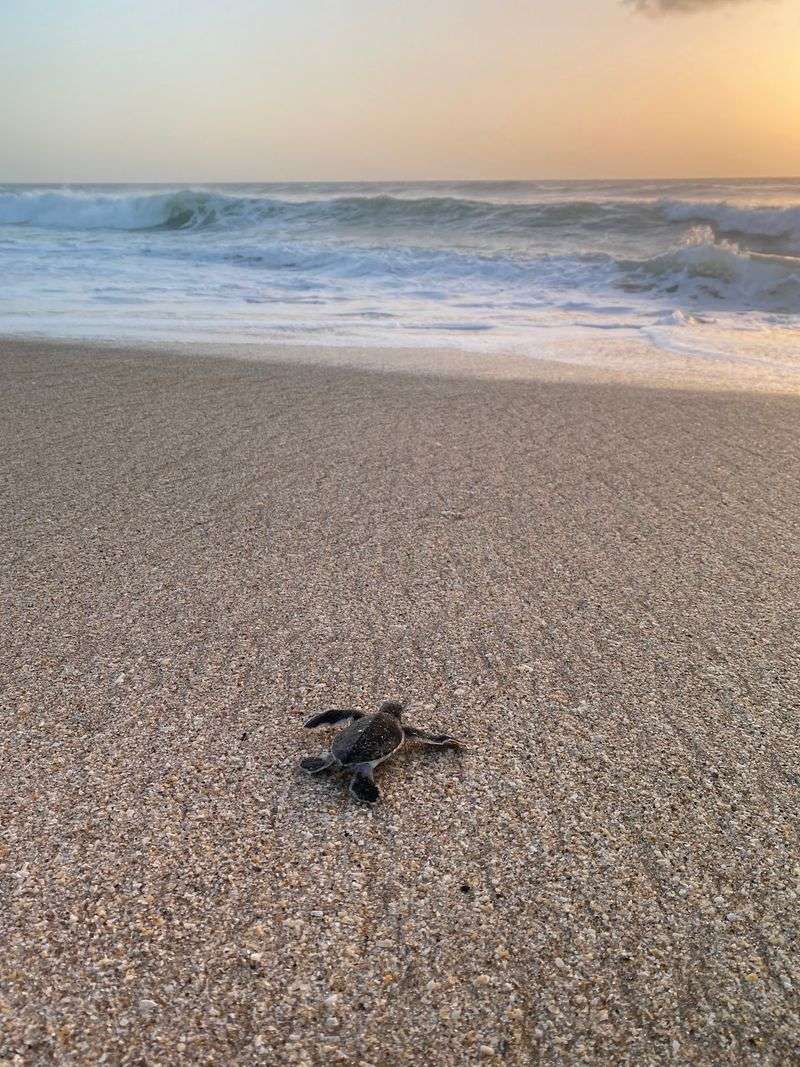
Sea turtles have been crawling onto these beaches long before anyone built a beach house. This refuge was created to give them a safe place to nest.
Archie Carr is famous for a huge number of turtle nests. Loggerheads are the big headline here, and summer is their season.
From about May through August, turtles come ashore at night to lay eggs. Guided turtle-viewing walks give you the best way to watch respectfully.
Why guided? Nesting turtles are easily disturbed, and trained guides know how to keep both you and the turtles happy.
The refuge isn’t one fenced park. It’s a long strip that mixes homes, stores, nature areas, and beaches.
That makes it easy to pair a beach walk with a snack run. You might spot pelicans, osprey, or shorebirds while you stroll.
Trails add a nice break from the sand. Birders especially will find plenty to watch along this unspoiled coast.
The refuge office lists hours of Tuesday through Sunday, 9 AM to 5 PM. It’s closed on Mondays.
Entry to the refuge is free. Some beach access spots nearby may charge for parking, so check signs before you leave the car.
Dogs are allowed in some areas, but rules matter during nesting season. Keep lights low at night and give turtles plenty of room.
A baby loggerhead’s first trip to the ocean is tough enough. Your best gift is simply staying out of the way.
Address: 8385 S Hwy A1A, Melbourne Beach, FL 32951
4. Nathaniel P. Reed Hobe Sound National Wildlife Refuge
A scorpion that glows in the dark is not something most kids expect on a free field trip. At this nature center, it’s part of the fun.
Kids can learn about local animals, and some even get to pet a snake. Volunteers here are friendly and know their stuff.
Live animals, amphibians, and birds fill the nature center. Displays also give you a peek into mangrove life and the many creatures living there.
Once your brain is full, give your legs a turn. An easy hike leads through sand dunes toward a white sandy beach.
That beach is a big reason people love this place. It’s peaceful, natural, and a nice break from crowded shorelines.
The refuge also protects nesting areas for sea turtles. It provides important habitat for the Florida scrub-jay, a bird found only in Florida.
Pack a lunch, because picnics are a good fit here. Public restrooms help make it an easy family outing.
Dogs are allowed in some areas, but check posted rules. Wildlife comes first on refuge land.
Weekend afternoons tend to be busiest. Weekday evenings are usually much quieter on the grounds.
Wear shoes that can handle sand. Dune trails look short, but soft sand gives your calves a surprise workout.
You walk in curious and leave sandy. That seems like a fair trade.
Address: 13640 SE Federal Hwy, Hobe Sound, FL 33455
5. Florida Panther National Wildlife Refuge
Spotting a Florida panther is a bit like winning the lottery. Still, this refuge proves the search itself is plenty rewarding.
More than 24,000 acres protect panthers and other wildlife here. The land sits right off Alligator Alley, so getting there is surprisingly easy.
Two hiking trails let you explore on foot. They wind through palmetto flatwoods, cypress, and wet prairie scenery.
Owls are a popular sighting along the paths. You may also see deer, wading birds, or other animals that call the swampy woods home.
Big cats are shy and very rare. Treat any glimpse as a bonus and enjoy the quiet wild land around you.
The trails are well maintained and friendly for families. They’re a good pick if your crew wants nature without a brutal hike.
Bugs can be bold in South Florida. Bring repellent and water, especially in the warmer months.
Both public trails are free and open daily from sunrise to sunset. The refuge headquarters is closed to visitors.
For the trail entrance and parking, look for brown hiking signs on the west side of State Road 29, about a quarter mile north of I-75. A portable restroom is available at the trailhead.
Walk slowly and listen often. In a place built for panthers, patience is your best gear.
Address: 12085 SR 29 South, Immokalee, FL 34142
6. Lower Suwannee National Wildlife Refuge
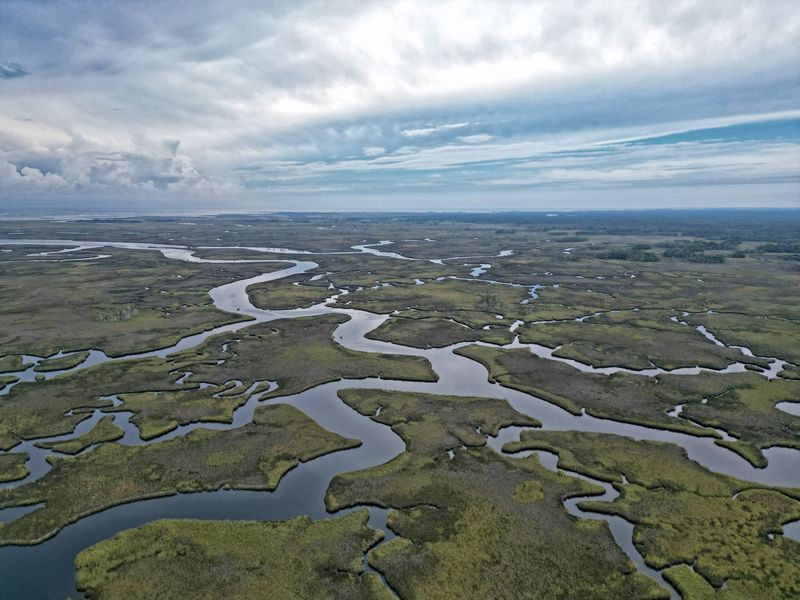
Foxes, bats, and armadillos all make the guest list at this riverside refuge. Not bad for a place that charges nothing at the door.
The Suwannee River slides toward the Gulf here. This refuge protects one of the largest undeveloped river delta systems in the country.
You can explore by car, bike, or on foot. A scenic nine-mile drive through the woods offers peeks at the river.
Short walking trails lead right to the water. Along the way, you’ll pass a nice mix of native plants and trees.
Wildlife sightings here can be wonderfully random. Alligators, deer, butterflies, wild pigs, and many birds live in these habitats.
Bird lovers should keep watch for bald eagles and swallow-tailed kites. Observation spots and boardwalks help you get a better view.
It feels like old Florida in the best way. Quiet woods, slow water, and very little rush.
The refuge office opens weekdays from 7 AM to 4:30 PM. It’s closed on weekends, so plan questions accordingly.
Fill your gas tank before heading out. This is a rural area, and services can be spread out.
Bring a picnic and a full water bottle. You’ll want to linger once you hit the river.
Address: 16450 NW 31 Pl, Chiefland, FL 32626
7. National Key Deer Refuge Nature Center
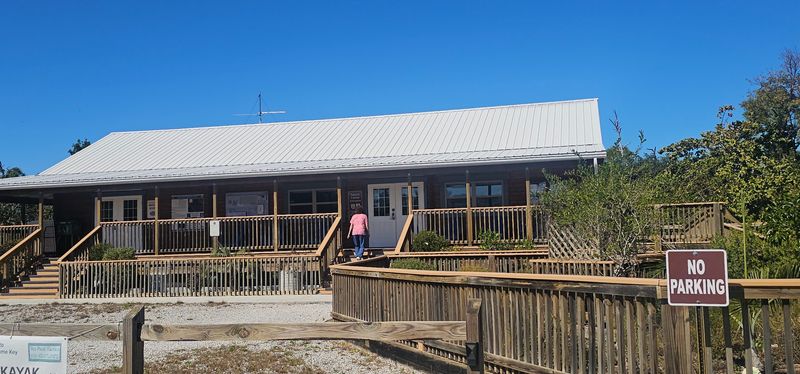
Deer about the size of a big dog live on Big Pine Key. They’re Key deer, a tiny endangered relative of the white-tailed deer.
Seeing one for the first time feels almost unreal. They look like regular deer that somebody shrank in the wash.
The refuge covers about 9,200 acres. It protects several endangered species, including the Key deer and the marsh rabbit.
Start at the nature center for the basics. Interactive displays and friendly volunteers explain the wildlife areas of the Lower Keys.
Then head out to look for animals. Trails give you a chance to see deer, birds, and even alligators.
Blue Hole is a favorite stop. It’s a scenic spot where alligators sometimes hang out near the water.
Please don’t feed the deer. Human food can harm them and makes them too comfortable near roads.
Drive slowly through the area too. Cars are a serious danger for these little deer, especially around dawn and dusk.
The nature center keeps short hours. It opens Wednesday through Saturday from 10 AM to 3 PM.
Entry to the center and the trails is free. Restrooms are available, which helps on long Keys drives.
Of all the souvenirs from the Keys, a photo of a tiny deer might top the list.
Address: 30587 Overseas Hwy, Big Pine Key, FL 33043
8. Crystal River National Wildlife Refuge & Visitor Center
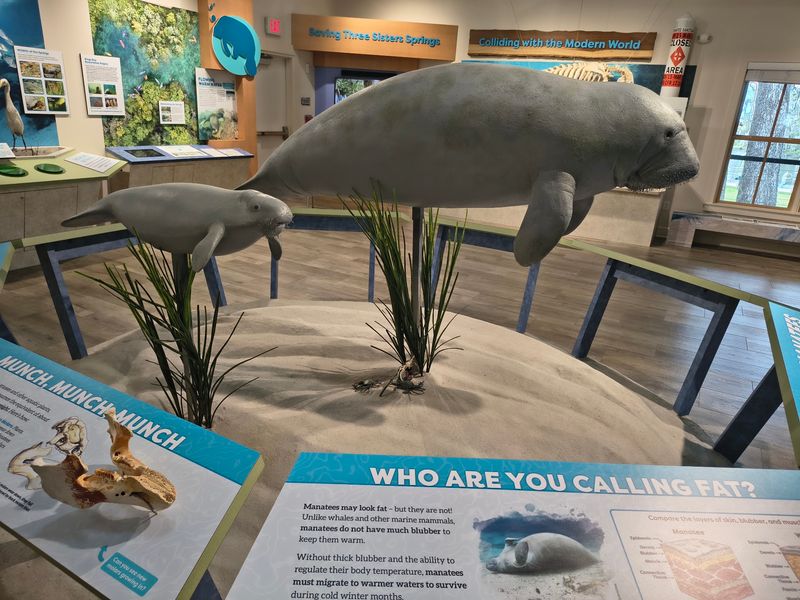
Manatees treat Kings Bay like a winter spa. When the Gulf gets chilly, they head for the warmer spring water here.
This refuge was set up as a winter haven for the endangered West Indian manatee. The visitor center makes learning about them easy and free.
Exhibits explain how manatees live and why they need protection. It’s a smart first stop before you go looking for them.
From the grounds, you get views of the bay. In cooler months, you might spot a big gray back rising for air.
Manatees aren’t the only locals. Otters, gators, snakes, dolphins, and even sharks have been seen in the waters of the area.
Paddlers love the clear, cold water and springs nearby. Just remember to give manatees space and follow posted rules.
Picnic tables make it a nice lunch spot. A gift shop offers a chance to grab a manatee souvenir.
Parking is free, and so is entry to the visitor center. Public restrooms are on site.
During manatee season, November 15 through March 31, the visitor center opens daily from 9 a.m. to 4 p.m. From April 1 through November 14, it opens Monday through Friday from 10 a.m. to 4 p.m.
Address: 1502 SE Kings Bay Dr, Crystal River, FL 34429
9. Egmont Key National Wildlife Refuge
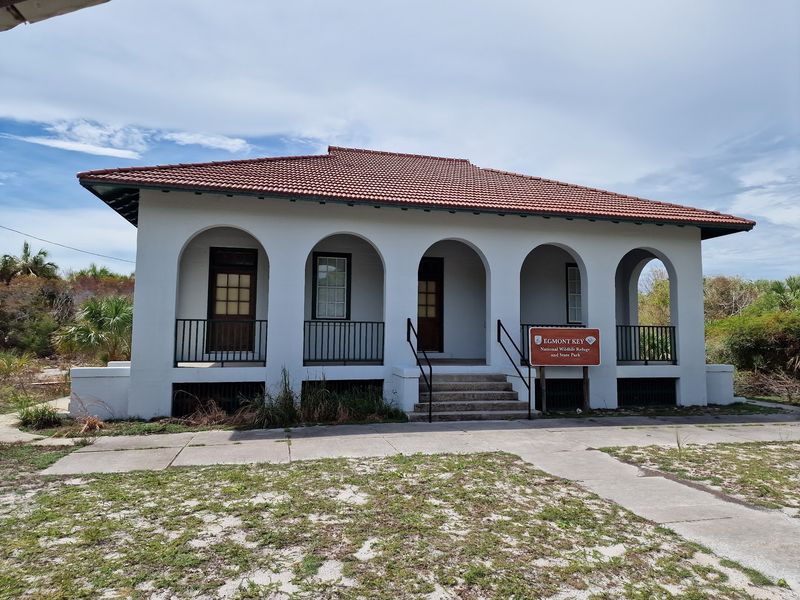
Getting here takes a boat, and that’s half the adventure. Egmont Key sits at the mouth of Tampa Bay and is reachable only by water.
The island used to be a military base. Now it’s a refuge that protects wildlife, including some endangered species.
Gopher tortoises are a big draw. They stroll around the island like they own it, and honestly, they kind of do.
Birds are everywhere too. The refuge offers plenty of spots to watch them along the shore.
Keep your eyes on the water during the ride over. Dolphins often show up, and manatees sometimes make an appearance.
White sand beaches and clear water make the island a favorite for swimming. Snorkeling and shelling are popular here as well.
The refuge doesn’t charge an entrance fee. You’ll still need a ride over, such as a ferry or your own boat.
Picnic tables make lunch easy. Pack everything you need, including plenty of water and sun protection.
There isn’t much shade on parts of the island. A hat can save your afternoon.
Leave the tortoises alone and watch from a distance. They’re protected, and they don’t love being chased.
Egmont Key is open from 8 a.m. to sunset.
Address: St. Petersburg, FL 33715
10. Busch Wildlife Sanctuary
Around 5,000 injured or orphaned animals get help from this sanctuary each year. That’s a lot of second chances.
Busch Wildlife Sanctuary rescues and cares for native Florida wildlife. Some animals return to the wild, while others live here and help teach visitors.
Walking the trails feels like a who’s who of Florida animals. Alligators, crocodiles, foxes, snakes, birds, and even panthers live here.
The paths wind through woods and wetlands. They’re easy for kids and fun for curious adults too.
Educational shows and talks add a lot. Staff share stories about the animals and how the sanctuary helps them.
Admission is free, and you don’t need a reservation. Donations go straight to caring for the animals.
If a resident animal wins you over, you can support its care with a donation through the sanctuary’s symbolic adoption program.
Families will find a playground and picnic tables. Restrooms and a free parking lot make the trip simple.
The sanctuary opens daily from 10 AM to 4:30 PM. Weekday mornings are usually quieter than weekends.
Bring your camera, but keep the flash off. Calm animals are happy animals.
Few places let you see a panther up close without any luck required. Here, you just walk the trail.
Address: 17855 Rocky Pines Rd, Jupiter, FL 33478
11. Peace River Wildlife Center-Education Center
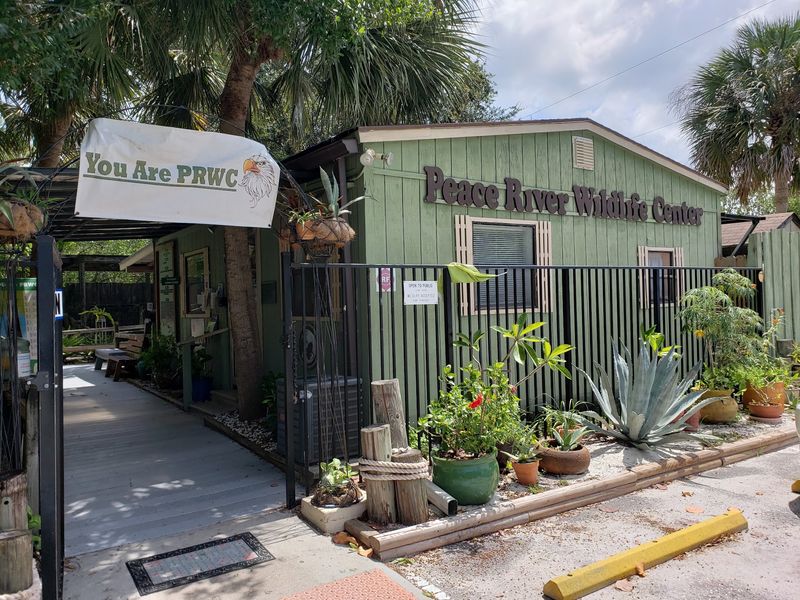
Luna the white owl might be the most famous resident of Punta Gorda. She’s one reason people stop at this small wildlife center.
Peace River Wildlife Center rehabs injured animals. Its education area lets the public meet the ones that can’t go back to the wild.
Dozens of habitat areas give you a look at many animals. Birds are the stars, but there’s plenty to see along the way.
Educational tours explain how the center helps wildlife. Kids especially enjoy learning each animal’s story.
Entry is free. Donations are one of the main ways the center pays for care, so tossing in a few bucks helps a lot.
Don’t rush off after the animals. A boardwalk leads out to the river, where you can watch boats and kayakers drift by.
It’s a nice spot to slow down for a few minutes. Picnic tables make a quick snack break easy.
A gift shop sells keepsakes that support the center. Restrooms are on site as well.
Parking is simple, with a free lot and free street spaces. The center opens daily from 11 AM to 4 PM.
Weekend afternoons get busy. A weekday visit usually means more room to linger.
Say hi to Luna for the rest of us. She’s earned a fan club.
Address: 3400 Ponce de Leon Pkwy, Punta Gorda, FL 33950
12. Lake Wales Ridge Wildlife Refuge
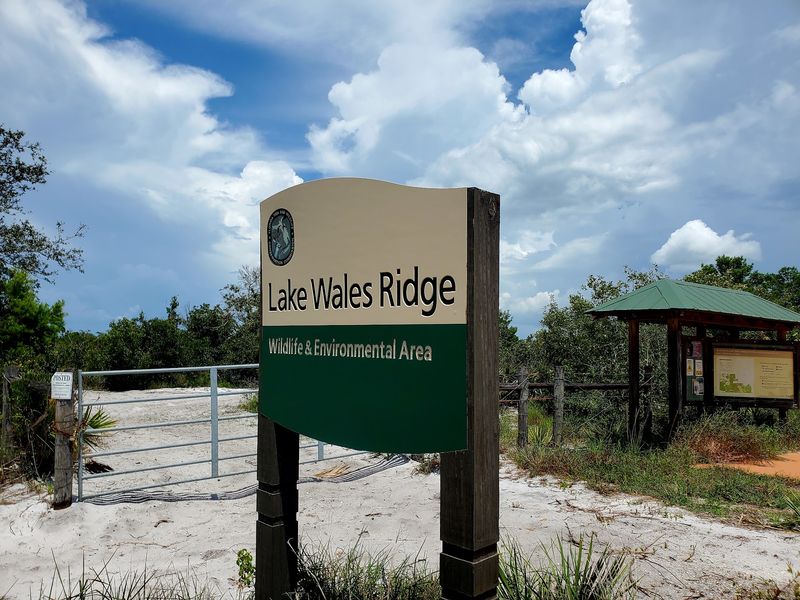
Long ago, Florida’s ridge stood out as islands when seas were higher. Today, those sandy hills shelter plants and animals found almost nowhere else.
The Lake Placid Scrub Tract is part of Florida’s Lake Wales Ridge Wildlife and Environmental Area. Visitors can hike the sandy trails here.
The separate Lake Wales Ridge National Wildlife Refuge is closed to the public.
Don’t expect a fancy visitor center. This spot is more about raw, natural Florida than polished displays.
The famous Florida scrub-jay lives in this kind of habitat. Spotting one is a real treat for bird fans.
Scrub-jays are only found in Florida. Their blue feathers stand out against the dry scrub.
Fair warning about the trail. The sand is thick, and walking through it can tire your legs fast.
Good shoes help a lot. So does pacing yourself and carrying plenty of water.
The reward is worth the effort. Along the way, you can get views of the lake.
Hiking the open footpaths costs nothing. There’s no entrance fee or pass to buy.
Shade can be limited on the ridge. Morning visits are usually more comfortable in warm weather.
Bring binoculars and some patience. Scrub-jays are curious, but they move on their own schedule.
This refuge rewards people who like their nature a little rough around the edges.
Address: 5339 Placid View Dr, Lake Placid, FL 33852
13. Ten Thousand Islands National Wildlife Refuge
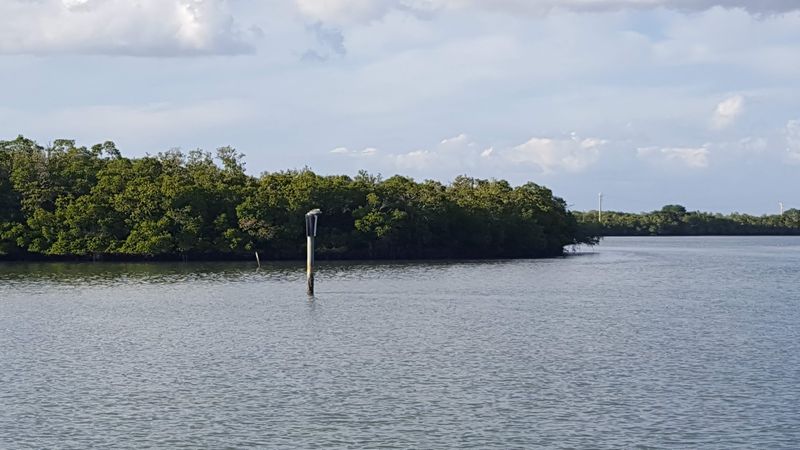
Counting every island here would take a while. The name says ten thousand, and the mangrove maze makes that easy to believe.
Ten Thousand Islands National Wildlife Refuge protects marshes and mangroves along Southwest Florida’s coast. Much of it is water, so the views feel wide and wild.
The Marsh Trail is the easy way in. It’s free and gives you a land-based look at the refuge.
A two-story observation tower is the highlight. Climb up for a better view across the marsh.
From up high, scan for birds and splashes. Manatees may show up, especially in cooler months.
River otters and green sea turtles also live in these waters. Dolphins sometimes appear in the area too.
Guided boat tours offer a closer look. They wind through mangroves for a chance at more sightings.
Paddlers love these twisty waterways. Just plan carefully, because the channels can look alike.
Bug spray is a must here. Mosquitoes enjoy marsh life as much as the birds do.
Bring a hat and water as well. Shade can be scarce along open trails.
The Marsh Trail sits off US-41 east of Naples. It makes a fun stop on a drive toward the Everglades.
Ending a Florida wildlife tour here feels right. You climb a tower, look out, and the wild just keeps going.
Address: Naples, FL 34114