An Italian artist spent 1925 painting nearly full-scale copies of the famous Villa of the Mysteries murals from Pompeii. Those giant paintings now fill a special room in Michigan. Yes, really.
The same building holds a brightly painted Egyptian coffin and a wrapped cat mummy. It also keeps more than 40,000 ancient coins. That’s a lot of pocket change from a very long time ago.
I love that a college professor started all of this just to help his students picture the ancient world. He collected objects so Latin class would feel real. His plan clearly worked.
The best part might be the price of admission, because there isn’t one. Free entry, real artifacts, and a room straight out of Pompeii. How did this place stay so quiet for so long?
Pompeii’s Most Mysterious Room Comes To Life In Giant Watercolors
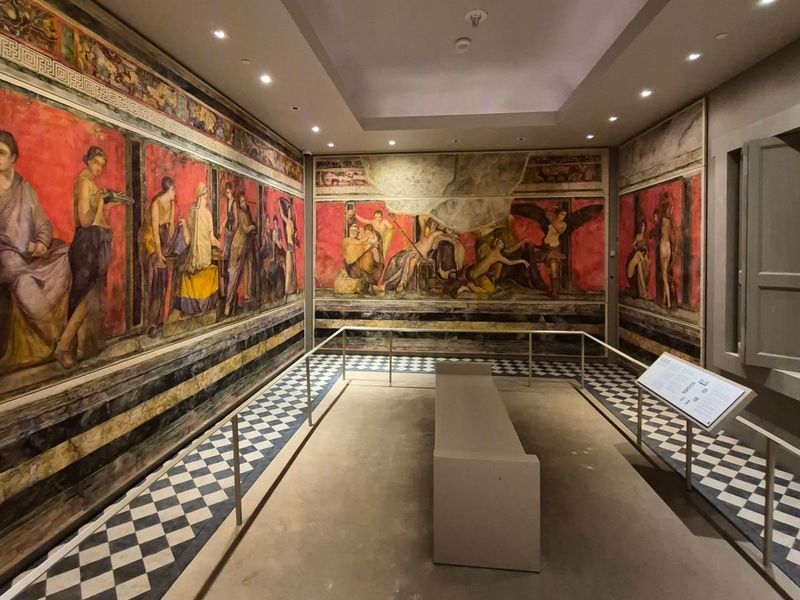
Bold red walls wrap around one special room in the William E. Upjohn Exhibit Wing. They copy the famous murals from the Villa of the Mysteries at Pompeii.
Italian artist Maria Barosso painted these watercolors in 1925. She made them almost full scale, so the figures feel close to life-size.
The original murals sit in a Roman villa near the ruins of Pompeii. Seeing a near full-size version in Michigan is a pretty wild twist.
The scenes show a series of figures in a mysterious ritual. Scholars still debate exactly what the paintings mean, which only adds to the fun.
Give yourself time in this room. Stand in the middle and slowly turn around to take in the whole sweep of color.
Look closely at the faces and the flowing fabric. Barosso clearly worked hard to capture every fold and gesture.
This room also proves that ancient Rome wasn’t beige. History was bright, dramatic, and full of color.
Honestly, a watercolor copy painted a century ago is its own piece of history now. You get two eras in one stop, and you don’t pay a cent.
The Entrance Is Around The Corner
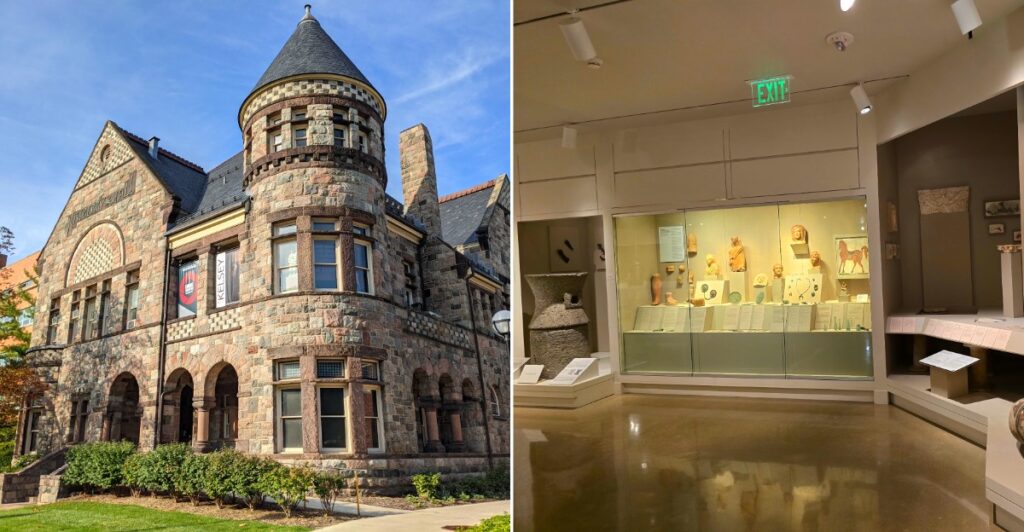
The Kelsey Museum of Archaeology is at 434 South State Street on the University of Michigan’s central campus in Ann Arbor, Michigan. Approach the State Street campus district near the Diag.
The museum’s historic building fronts State Street, but that side is not the public visitor entrance. Maynard Street, running behind the building, is the important final clue.
Use a permitted downtown or campus-area parking facility and walk around to the public entrance on Maynard Street. Enter there for the free museum galleries.
An Egyptian Coffin So Colorful It Steals The Show
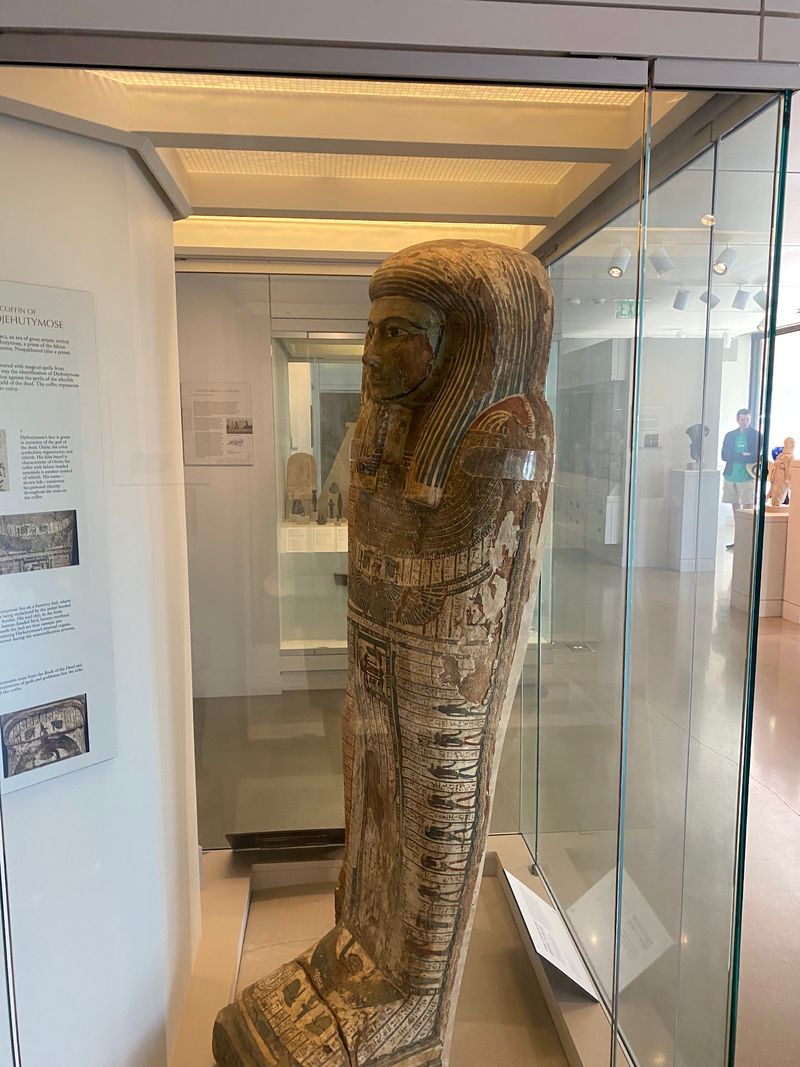
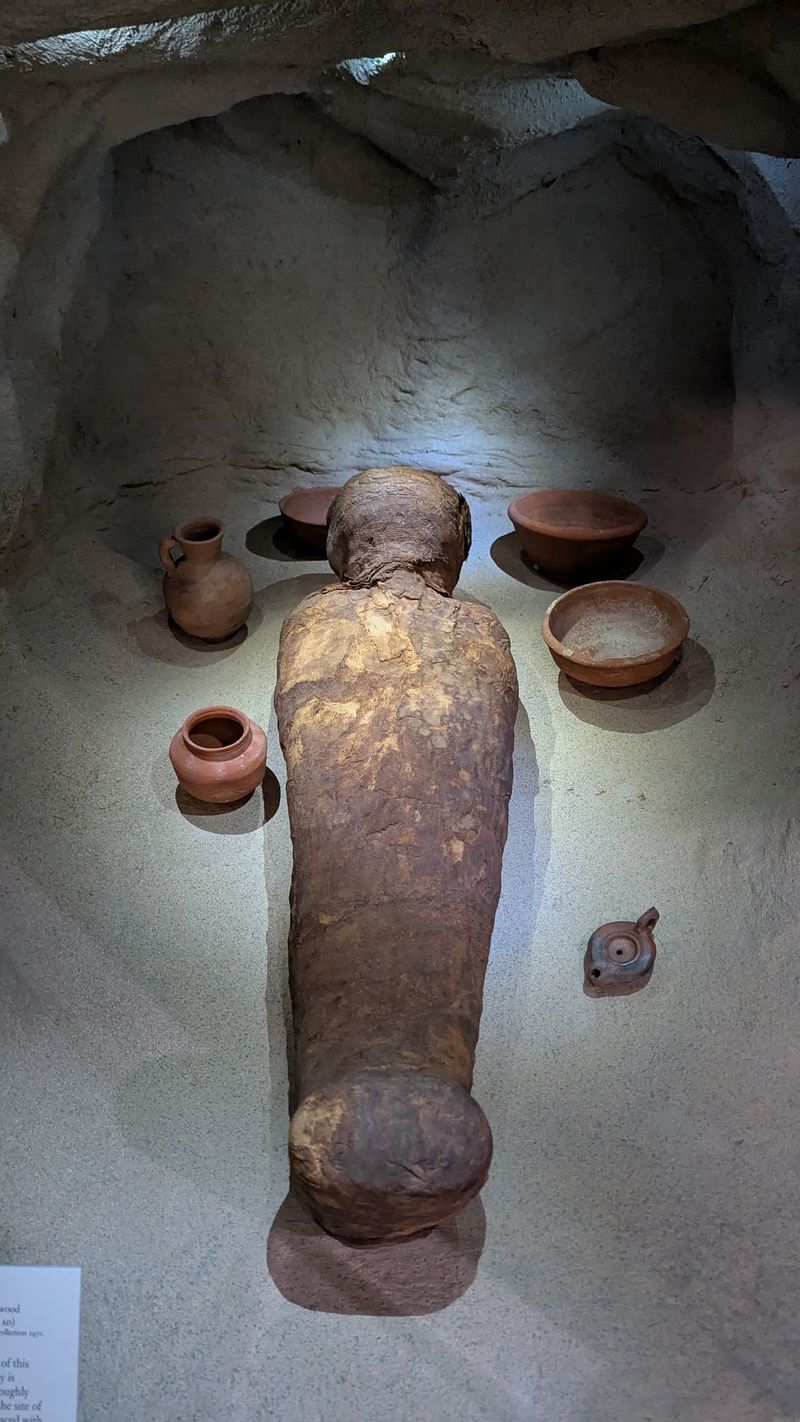
Djehutymose had excellent taste in coffins. His colorfully painted mummiform coffin is one of the Egyptian standouts at the Kelsey Museum of Archaeology.
Mummiform means the coffin is shaped like a wrapped human body. The painted surface gives you a chance to study ancient Egyptian art up close.
Take a slow lap around the case. The colors and patterns reward anyone willing to look twice.
Nearby, magical amulets and mummy masks add even more detail to the story. Egyptians believed objects like these offered protection and help in the afterlife.
Then there’s the wrapped cat mummy, a crowd favorite for sure. Cats held a special place in ancient Egypt, and this little bundle proves it.
Kids usually lock onto that cat right away. Adults tend to do the same, even if they act more casual about it.
The museum does not currently display human mummies. That choice reflects ongoing ethical discussions about showing human remains.
You still get plenty of Egypt to explore. Between the coffin, masks, amulets, and that famous cat, this section easily earns extra minutes on your visit.
Everyday Life In Roman Egypt Looks Surprisingly Familiar
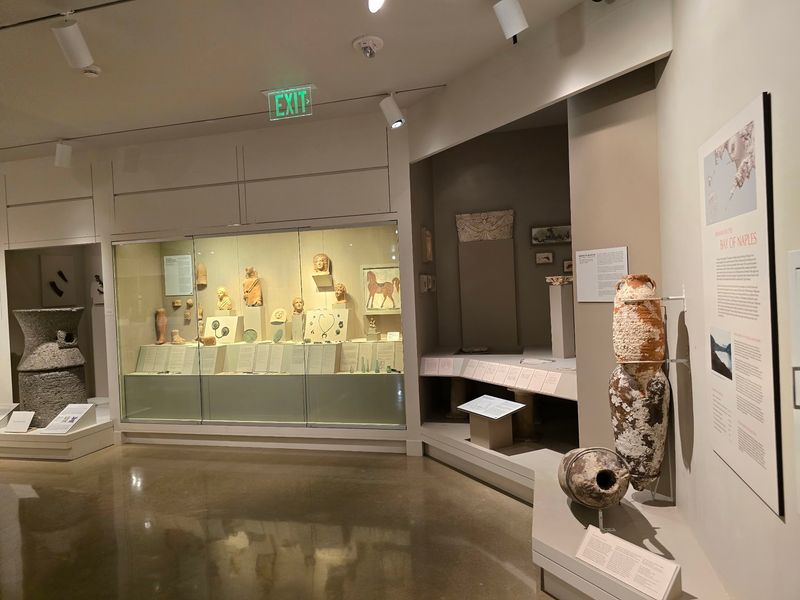
Shoes, hairpins, combs, and toys sound like the contents of a junk drawer. At the Kelsey, they come from an ancient Egyptian town called Karanis.
Karanis was a Graeco-Roman town in Egypt. These objects show what daily life looked like when Egypt was under Roman rule.
Dolls and toys might be the most relatable pieces here. Kids thousands of years ago clearly liked to play, just like kids today.
You’ll also spot pottery, rope, and glass. Each object hints at chores, trade, and simple routines in a busy town.
I believe this is where history clicks for a lot of people. Pharaohs feel distant, but a worn shoe feels personal.
Many of these items came from the University of Michigan’s own excavations. That gives Ann Arbor a real connection to this faraway place.
Try a fun game with younger visitors. Ask them to match each ancient object with something they own at home.
A comb is still a comb, after all. Some inventions were so good that nobody bothered to change them much.
Pull Out The Drawers, Because The Good Stuff Hides There
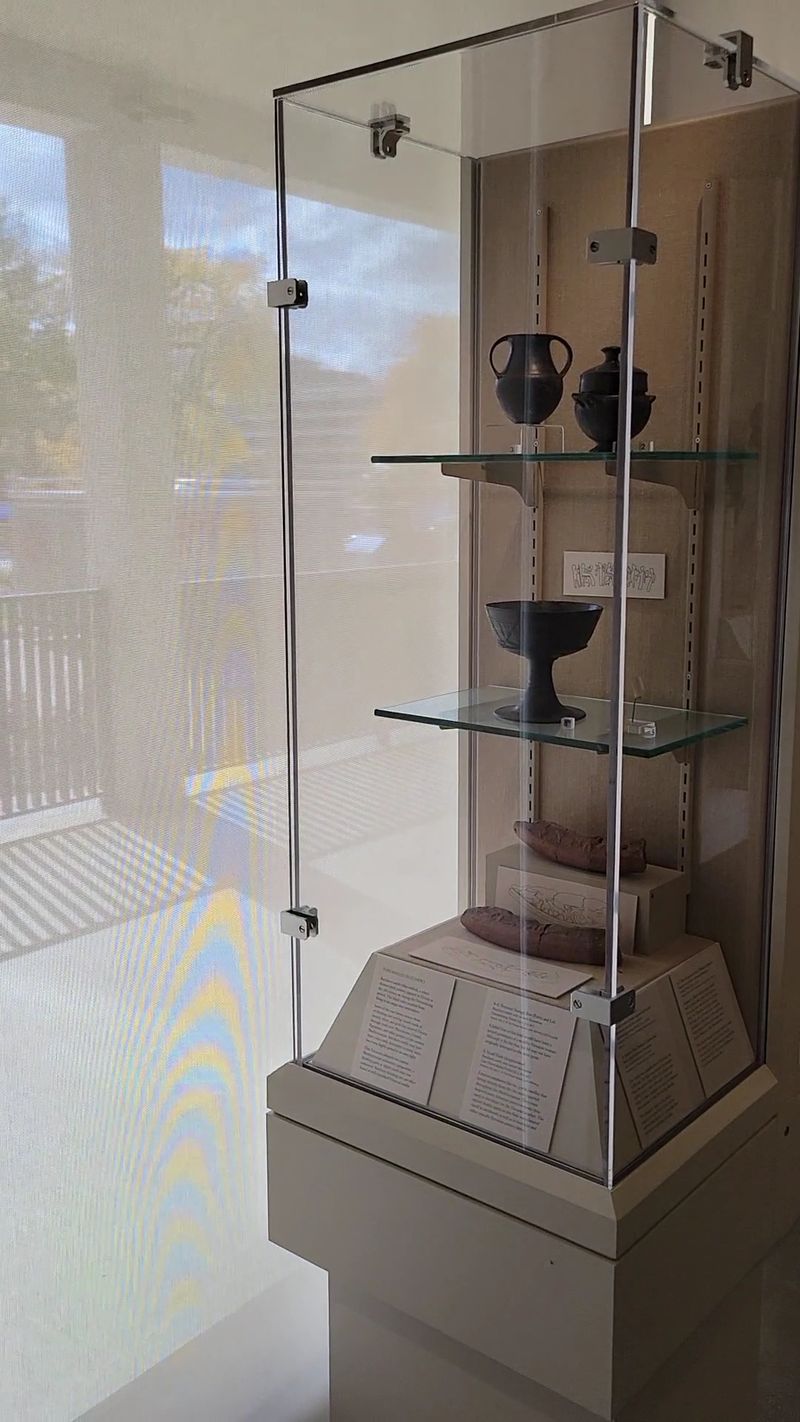
Most museums want you to keep your hands to yourself. Here, some display cabinets actually include pull-out drawers with extra related items.
Skipping those drawers would mean missing a whole layer of the collection. Slide them open gently and see what’s tucked away.
A few displays are interactive too. That’s handy for curious kids and for adults who secretly love buttons.
The scale behind these drawers is impressive. The museum holds over 40,000 ancient coins, including ancient Greek coins.
It also keeps about 5,900 early Byzantine and Islamic textiles. Add 1,300 provenanced glass fragments and vessels, and you get a very deep collection.
Collectors of trivia will enjoy this one. The Kelsey has one of the largest collections of Latin inscriptions outside of Italy.
There’s also a noted collection of Roman brick stamps. Romans stamped bricks with information, almost like a very old label.
Not everything fits on display at once, of course. Still, those drawers give you a peek at how much this small museum really holds, and it’s a lot.
Roman Art Gets A Bold, Colorful Makeover
Abstract art did not start in a modern gallery. The current exhibition, Ancient Abstractions, explores color, pattern, and shape in ancient Roman objects and spaces.
That angle flips the usual view of Roman art. Instead of only marble heroes, you get bold designs and playful forms.
I like how this show makes the Romans feel like designers. They clearly cared about how things looked, not just what they meant.
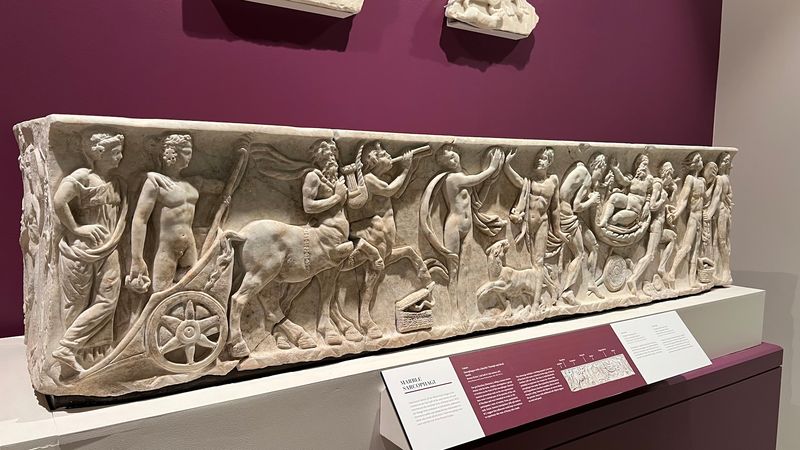
Elsewhere, the permanent galleries include Roman stone busts and statues. Pottery jugs, urns, glassware, and faience round out the scene.
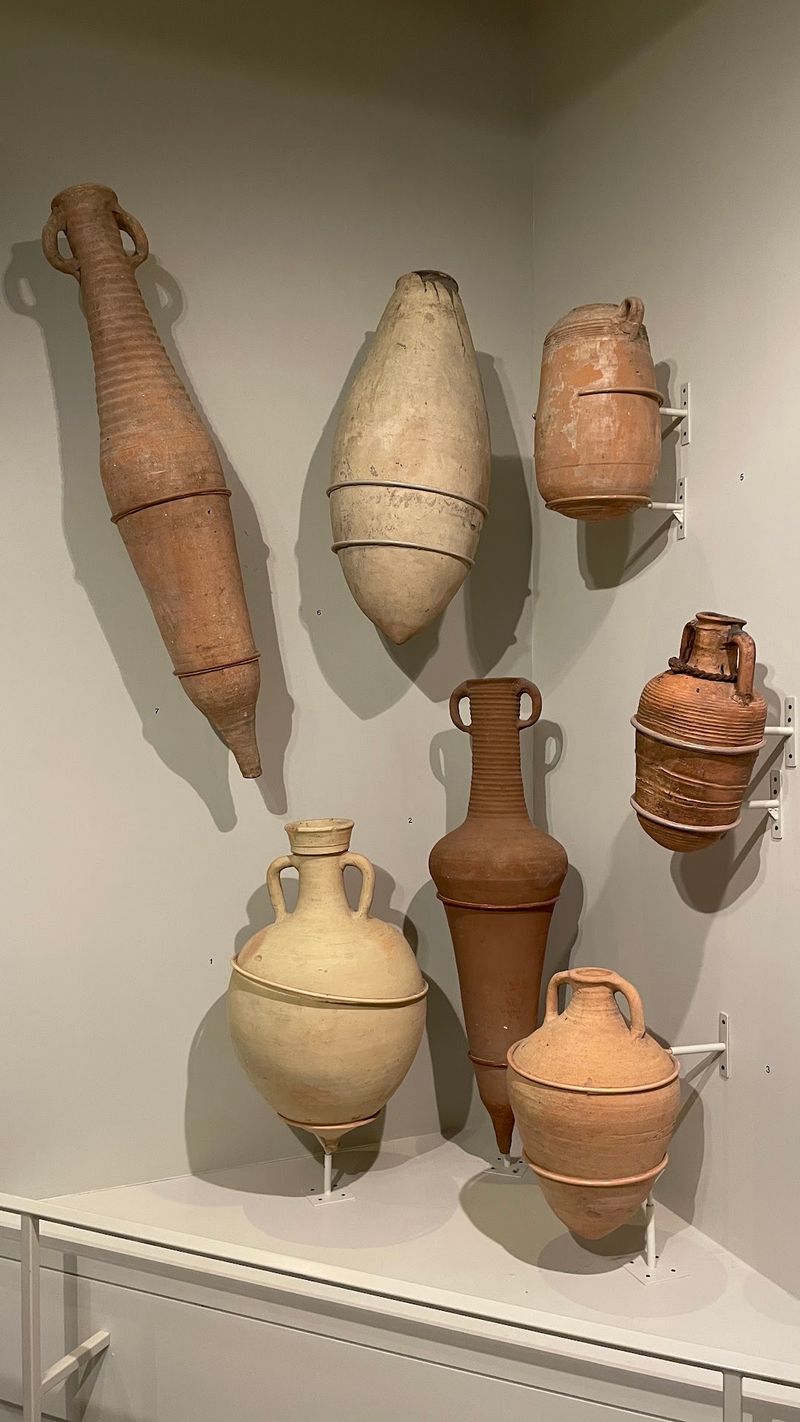
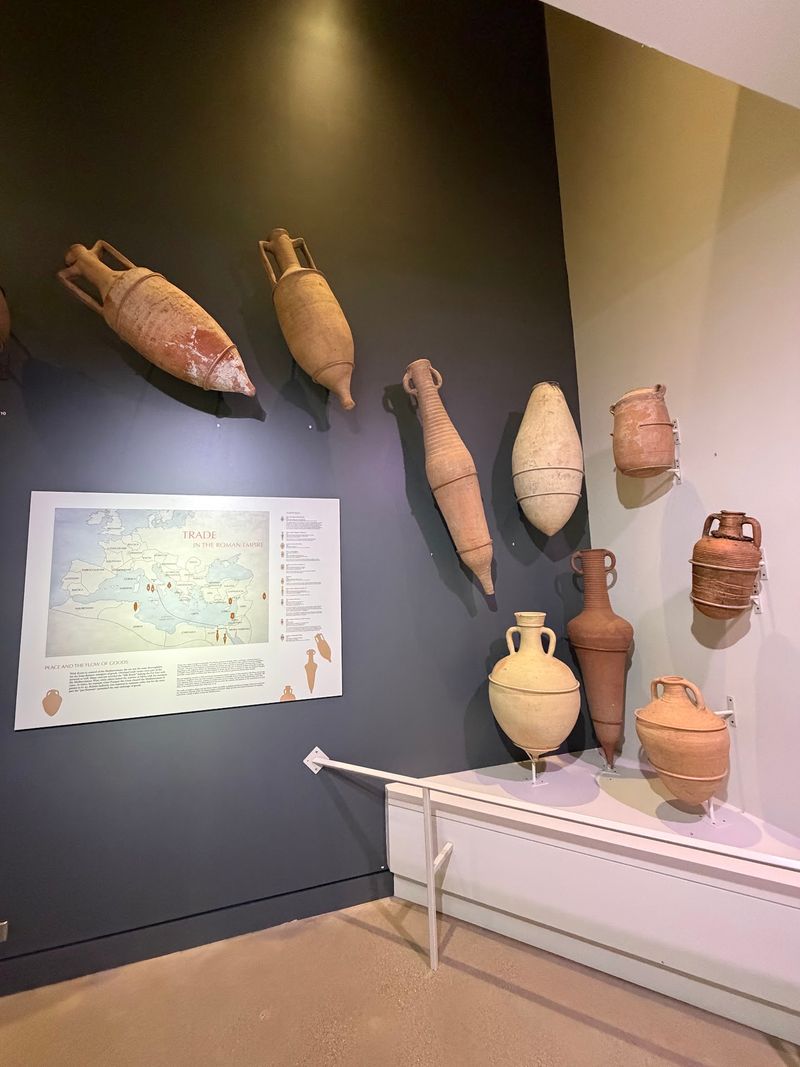
Displays about ancient trade routes connect the dots between regions. Goods and ideas moved farther than many people expect.
Greek, Etruscan, and Near Eastern pieces fill in more of the map. The variety keeps the galleries from feeling repetitive.
Special exhibitions change regularly, so a return trip can feel fresh. That’s a nice perk when admission is free anyway.
Check what’s showing before you go. A rotating exhibit might be the reason your second visit beats your first.
A Newer Gallery Tracks Life From 400 To 1800
Ancient history doesn’t end with the Romans. The Byzantine and Islamic Worlds: 400 to 1800 is a new permanent gallery at the Kelsey Museum of Archaeology.
It explores daily lives across the eastern Mediterranean, North Africa, and the Middle East. That’s fourteen centuries of stories packed into one space.
This gallery pairs nicely with the museum’s huge textile holdings. Fabric tells you a lot about how people dressed, traded, and lived.
Coptic, Persian, and Islamic artifacts also appear across the collection. Together they show how cultures overlapped and influenced each other.
Looking further ahead, another exhibit is on the way. Collaborative Archaeology at Jebel Barkal, Sudan, is expected to open in Fall 2026.
That one sounds worth marking on a calendar. It highlights how archaeology now often works as a partnership with local communities.
Fans of Napoleon trivia get a bonus here. The museum holds a nearly complete edition of his Description de l’Egypte.
Honestly, this museum keeps finding new ways to stretch the timeline. You come for pharaohs and leave thinking about medieval textiles.
Bring The Kids, Because Archaeology Gets Hands-On Here
Kelsey Kids programs turn ancient history into a family outing. Expect hands-on activities, interactive storytelling, and crafts designed for younger visitors.
That’s a big win for parents in Michigan looking for something different. A rainy weekend suddenly has a plan.
Older students and adults get their own options too. The museum hosts lectures, gallery talks, and behind-the-scenes tours.
University of Michigan faculty and archaeologists lead many of these programs. You’re learning from people who actually work in the field.
The museum itself is small, which helps with younger kids. Most visits take about 1.5 to 2 hours.
That size feels just right for short attention spans. Nobody hits the wall halfway through a giant building.
Here’s a smart tip for families. Let each kid pick one favorite object, then talk about it over a snack later.
The cat mummy will probably win, honestly. Still, the Pompeii room and the Karanis toys put up a good fight.
Use The Maynard Street Door And Save Your Money For Snacks
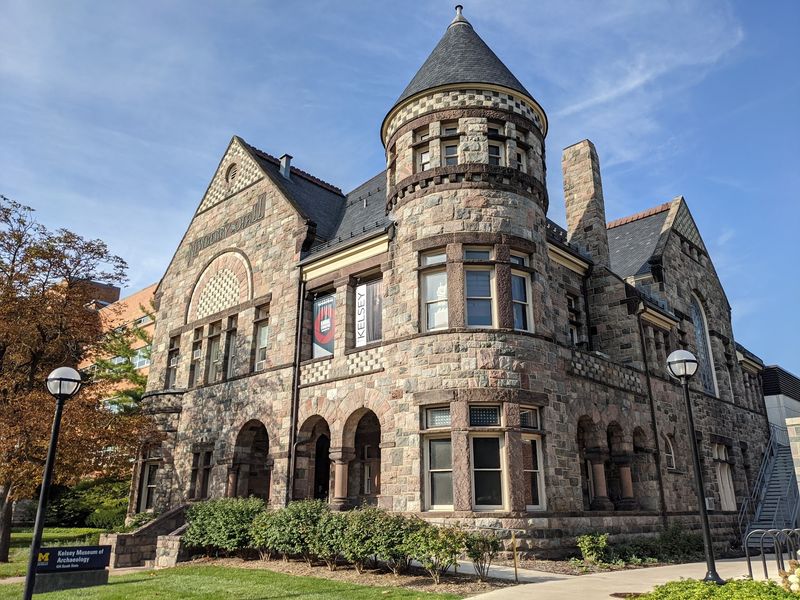
Admission is always free, though donations are welcome. That makes the Kelsey Museum of Archaeology one of the easiest yeses in Ann Arbor.
The address is 434 South State Street, Ann Arbor, Michigan 48109. However, the public entrance is actually on Maynard Street.
The State Street door is for staff and University of Michigan students. Remember that, and you’ll skip an awkward detour.
Metered street parking is available nearby. The Maynard Street Parking Garage is another handy option.
Hours run 10 a.m. to 4 p.m. Tuesday through Friday. Weekends open at 11 a.m. and close at 4 p.m.
On the third Thursday of each month, the museum stays open until 7:30 p.m. It’s closed Mondays and on University holidays.
The building deserves a glance before you head inside. Newberry Hall dates to 1888 through 1891 and uses the Richardsonian Romanesque style.
It joined the National Register of Historic Places in 1972. The modern Upjohn wing arrived in 2009, so old and new sit side by side, much like the collection inside.