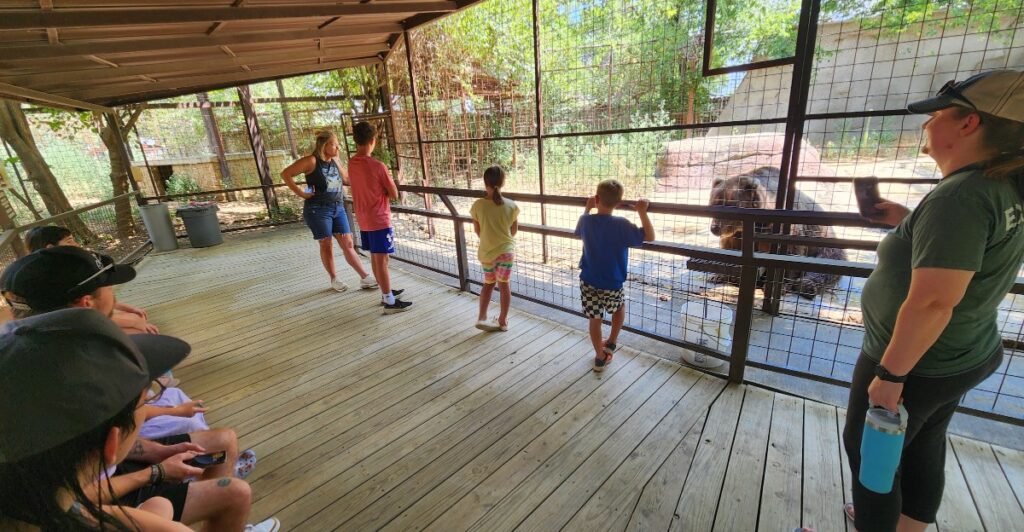
A grizzly bear, a pack of wolves, and a sloth all live on the same quiet patch of countryside.
You can tour them on foot with a guide who knows each animal’s personality. That combination alone stopped me in my tracks.
This small Kansas zoo holds roughly 100 species, from lions and black leopards to lemurs and kangaroos.
It started as one family’s private animal collection. Over time, it grew big enough to share with the public.
I like how personal it all feels. There’s no tram, no giant crowds, and no squinting at a far-off speck in the grass.
The animals here are close enough to read their expressions.
Some guests even get to hold a baby kangaroo or feed a sloth a sweet potato. So how close do you really want to get?
A Family Collection Grew Into Something Wild
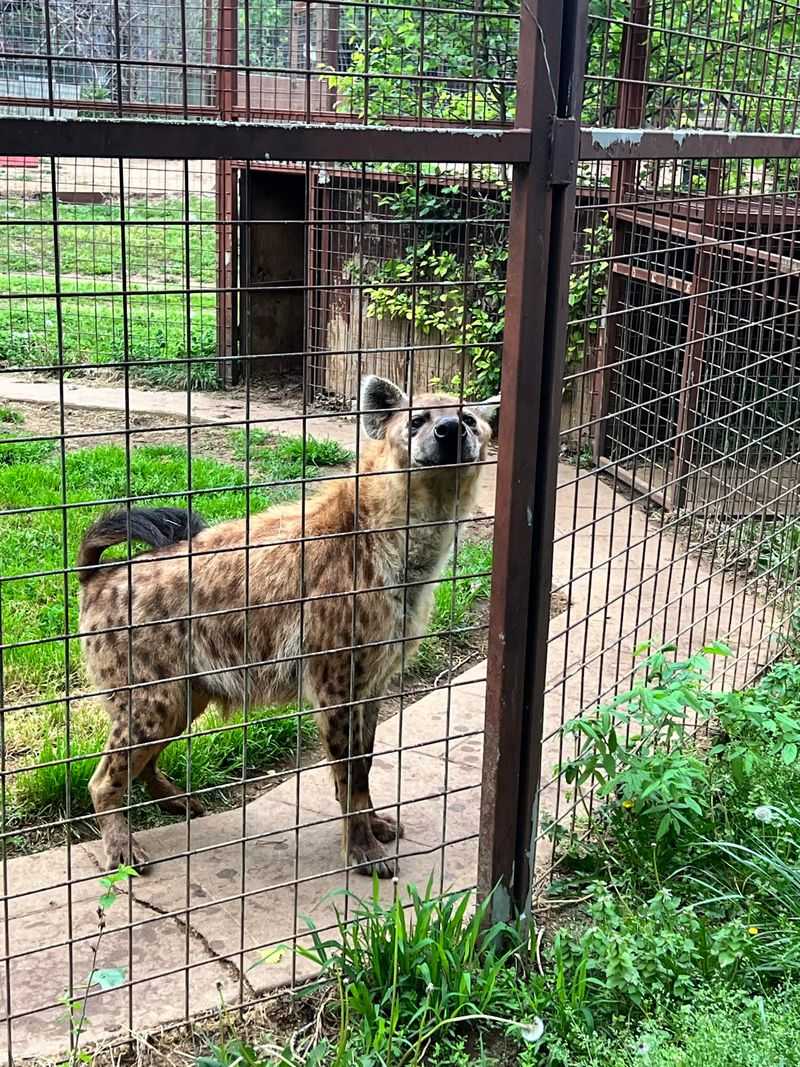
Safari Zoological Park didn’t begin with a city budget or a big board of directors. It began with a family and a personal collection of animals that just kept growing.
Founder Tom Harvey and his wife, Allie, eventually faced a very practical question. How do you keep feeding lions, bears, and monkeys without opening the gates to visitors?
Opening to the public was the answer. The park became a refuge for endangered species in 1989, with conservation and education at its core.
That history still shapes the place today. It’s family-owned, and the Harveys have spent decades developing the animal collection and facilities.
I believe that background explains the whole vibe. This isn’t a polished corporate attraction with mascots and souvenir carts everywhere.
It feels more like being invited onto someone’s land to meet the animals they’ve cared for over decades. Admission fees help support the operation of the park, including the ongoing costs of animal care.
So every ticket helps keep this unusual attraction going. Few Kansas outings let you have fun while supporting a family-run zoo at the same time.
That’s a pretty good trade for a Saturday morning drive.
Your Guide Knows Every Animal By Personality
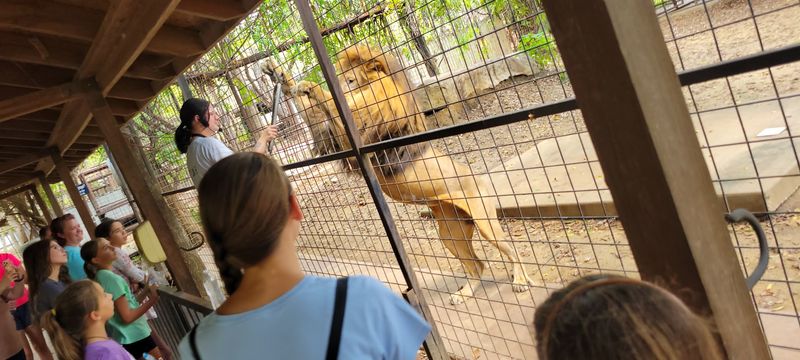
Forget wandering around with a crumpled map. Visits here run as fully guided walk-through tours, usually lasting one to two hours.
That format changes everything. Instead of reading tiny signs, you hear stories about each animal from someone who works with them daily.
Guides share details about habitats, behaviors, and the quirks that make each resident unique. Kids can ask questions, and adults usually end up asking even more.
The tours are designed to be both educational and interactive. You learn why a big cat paces, how a sloth spends its day, or what a wolf pack needs.
Plan for a good amount of walking. Comfortable shoes are a smart move, and so is water on a warm Kansas day.
Bring a camera with plenty of storage, too. You’ll be close enough for photos that actually show faces instead of blurry fur.
I can’t imagine a better way to learn about animals than walking beside an expert. It turns a simple zoo trip into a moving, talking field lesson.
And nobody gets lost looking for the lions.
Wolves, Bears, And Big Cats Are Closer Than You Expect
Grizzly bears are impressive from a distance. Up close, they’re downright jaw-dropping.
Safari Zoological Park puts a big focus on close-up viewing. Visitors are often nearer to the animals here than at many larger zoos.
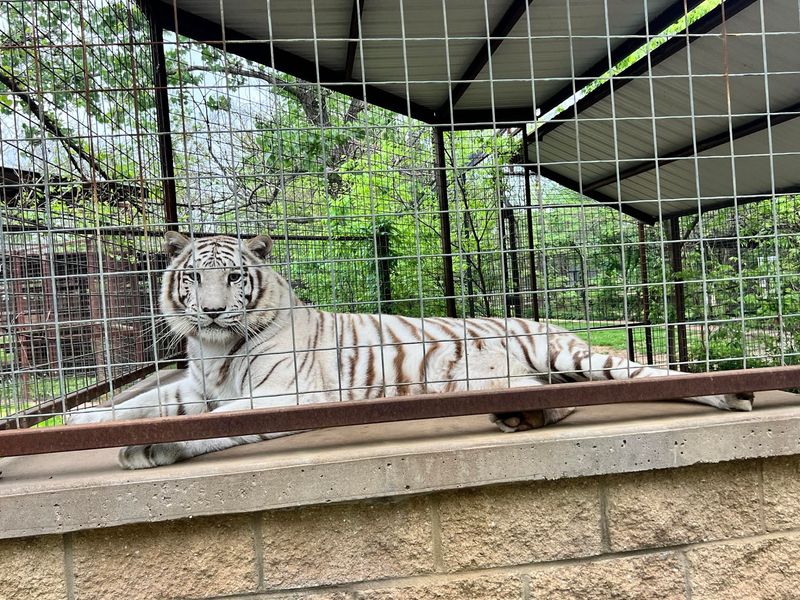
The lineup of large predators is serious. The park has housed bears, including grizzlies, alongside wolves, foxes, lions, tigers, cougars, and black leopards.
Black leopards alone are worth watching for. Their sleek coats look almost painted, and seeing one without squinting would be a real treat.
Wolves bring a different kind of thrill. Watching them move together makes it easy to understand why people have told wolf stories for centuries.
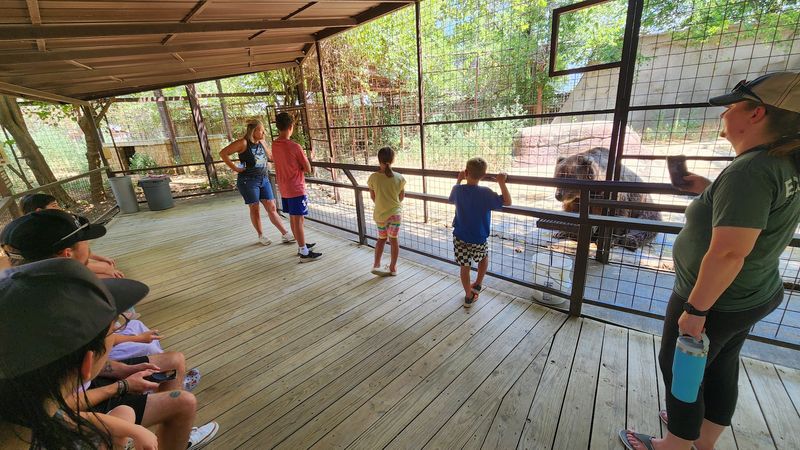
Guided tours let visitors observe these animals from designated viewing areas. Following staff instructions and respecting barriers is essential, particularly around large predators.
The exhibits are designed to give guests opportunities to learn about the animals and observe their behavior. Guides can explain how different species live, what they eat, and the challenges they face in the wild.
Honestly, the hardest part is choosing where to point your camera first. A tiger yawn or a bear stretch can steal the show in seconds.
Sloths, Lemurs, And Kangaroos Steal Plenty Of Hearts
Not every star here has giant teeth. Some of the most charming residents move slowly, hop, or swing.
The park keeps a wide mix of smaller and quirkier animals. You’ll find sloths, lemurs, kangaroos, anteaters, primates, and colorful tropical birds.
Sloths are a guaranteed crowd-pleaser. Watching one take its sweet time reaching for a snack is weirdly relaxing.
Lemurs bring the opposite energy. Their striped tails and bright eyes make them look like they’re always plotting something fun.
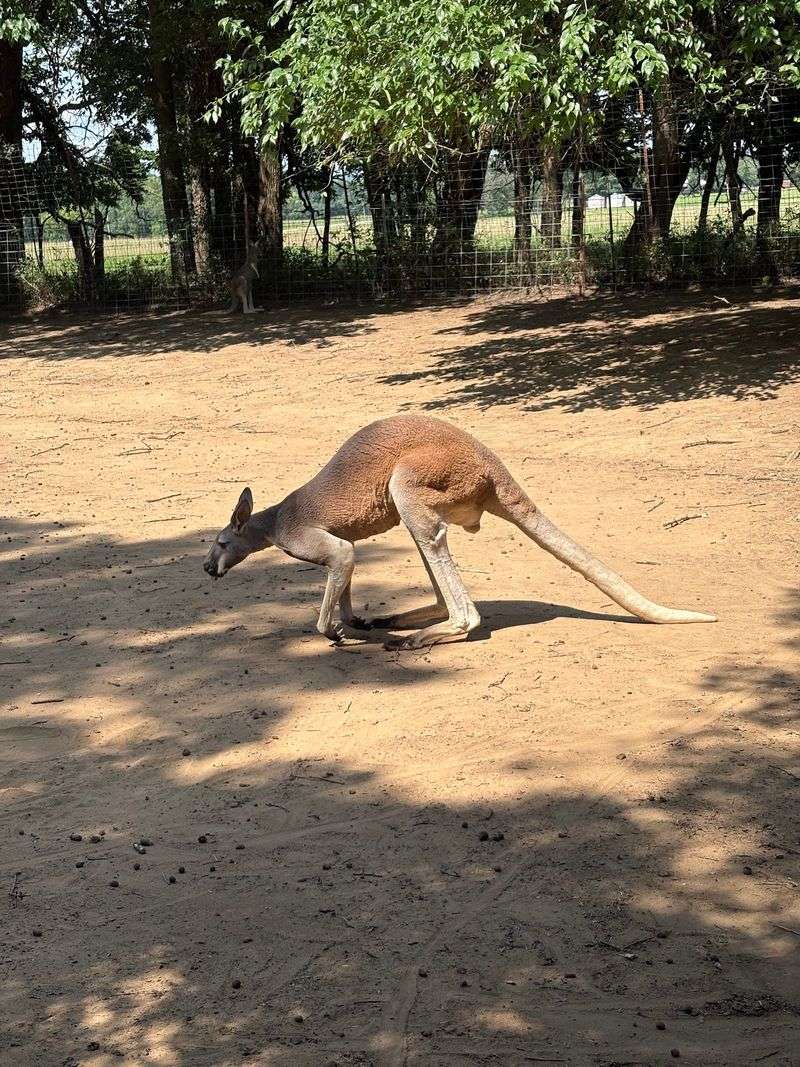
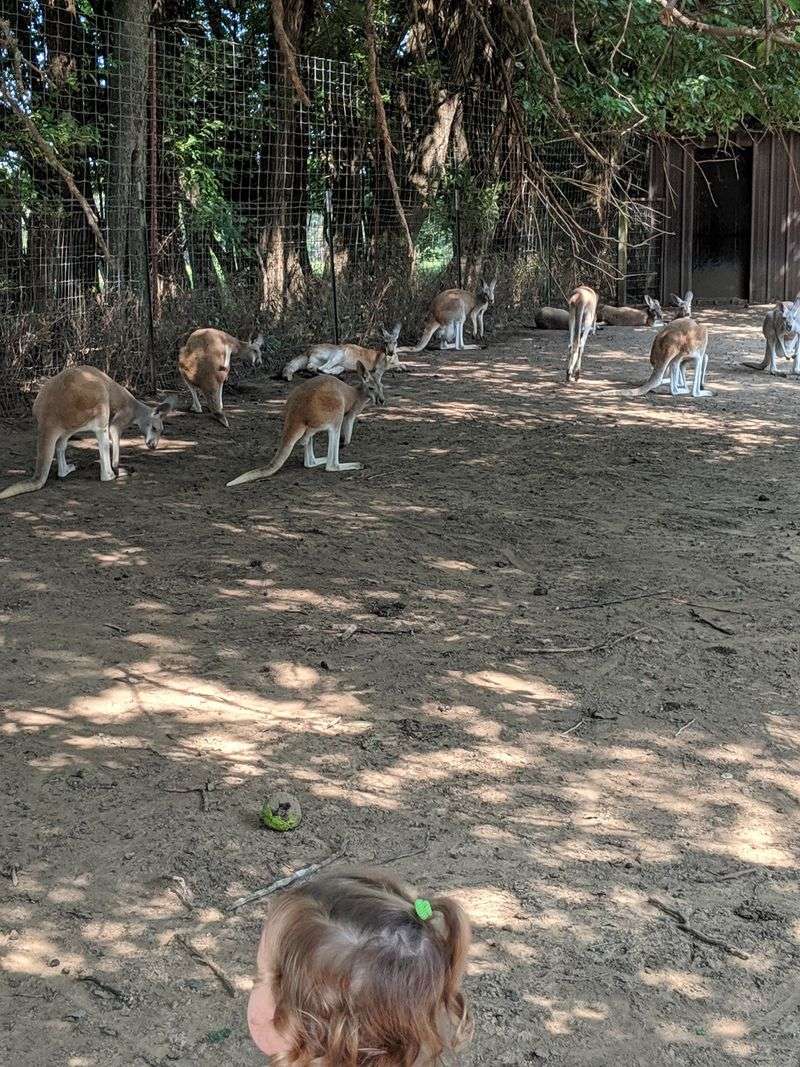
Kangaroos add an Australian twist to rural Kansas. And yes, joeys sometimes make appearances, which tends to melt hearts on the spot.
Anteaters deserve more fans than they get. That long snout and shaggy tail make them one of the strangest designs in nature.
The variety keeps younger kids engaged from start to finish. Just when attention starts to drift, something new appears around the bend.
With roughly 100 species on site, there’s always another surprise waiting. Somebody in your group will pick a new favorite at every stop.
Go VIP If You Want To Hold A Baby Kangaroo
Hedgehogs, giant tortoises, snakes, and alligators all show up on the VIP list. That’s quite a guest roster for one afternoon.
VIP tours offer a more personal visit than general admission. Depending on the package, they can include feeding certain animals and posing for photos with some residents.
Encounter packages may let guests hold animals like a lemur, reptiles, or a joey. Some packages even include stepping into a habitat to feed sloths.
Packages vary, so ask about the options when you arrive or call ahead. The choices range from basic admission up to higher-end experiences.
I like that these extras also support the animals. Your splurge helps cover food, care, and habitat upgrades.
For kids who adore animals, this is the kind of moment they’ll talk about for months. Adults aren’t immune either.
Holding a small alligator tends to change your opinion of reptiles quickly. Suddenly they seem less scary and a lot more interesting.
Keep your phone ready for pictures. You’ll want proof that you really cuddled a baby kangaroo in Kansas.
Guided Walking Tours Take Center Stage
Safari Zoological Park takes a different approach from the drive-through wildlife parks you might expect to find in the countryside.
Rather than watching animals from your car window, visitors explore the Caney zoo on guided walking tours.
That setup gives guides plenty of opportunities to explain the animals’ behavior, habitats, and individual personalities.
Lions, tigers, wolves, bears, and other species have been part of the park’s diverse animal collection. Every stop offers a chance to learn something new.
The personal format is a nice change of pace from wandering a much larger zoo on your own. Instead of searching for the next exhibit, you can focus on the animals and the stories your guide shares.
Guides also help visitors understand which animals can be observed closely and where extra distance is necessary.
For families with younger children, the guided format can make the experience especially engaging. Questions are welcome, and there’s often another interesting animal just around the corner.
Bring comfortable shoes and plan for time outdoors. It’s a walking adventure with a strong educational focus, not a drive-through safari.
Few small zoos offer this kind of personal guided experience, and that’s what makes Safari Zoological Park stand out.
Alligators And Reptiles Bring The Scaly Side
Scales, claws, and slow blinking eyes make up a whole other world here. The reptile side of the park is surprisingly fun.
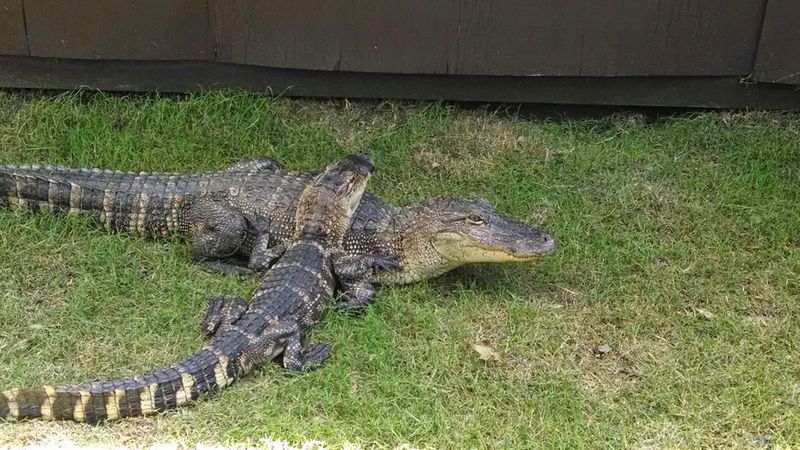
Alligators live on the grounds alongside a range of other reptiles. Snakes and giant tortoises are part of the mix, too.
Reptiles often get overlooked next to lions and bears. Here, they get a real spotlight through guided talks and VIP encounters.
Giant tortoises are pure character. They move like they have nowhere to be, and honestly, maybe they don’t.
Snakes tend to divide a group fast. Some people step closer, and others suddenly find the birds very interesting.
Still, learning how these animals live usually wins over the nervous ones. A good guide can turn a shudder into a question.
Kids especially love the alligators. There’s something thrilling about seeing a real one without a TV screen in between.
If your family includes a future herpetologist, this part may be the highlight. It’s proof that cool animals come in every size and texture.
Even reptile skeptics usually walk away with a new fact or two.
Pack A Picnic For The Serengeti Tree House
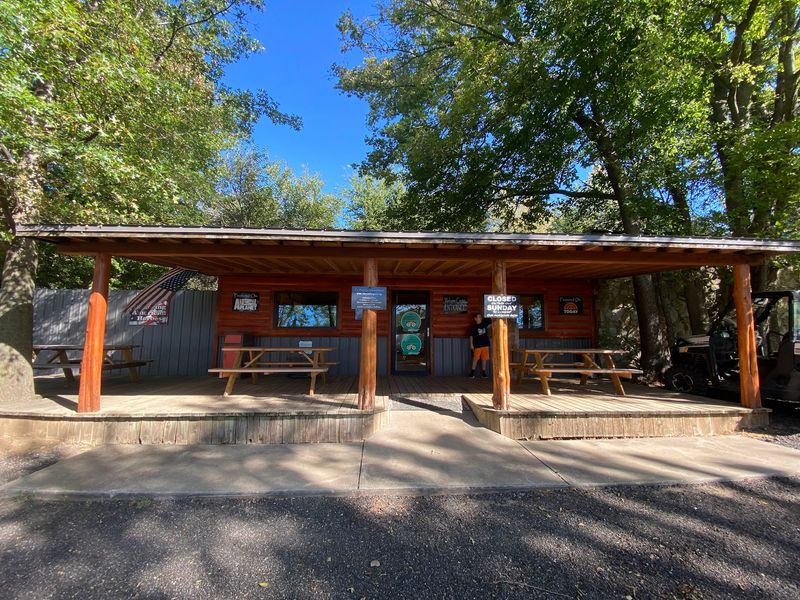
Lunch with a view of the wild side sounds pretty great. Families are welcome to bring their own picnic to the park.
The Serengeti Tree House is available for picnic use. It’s a fun name for a spot where you can rest, refuel, and compare animal favorites.
Packing food is a smart plan here. Caney is a small town, so having snacks and drinks ready keeps the day running smoothly.
Easy picks work best, like sandwiches, fruit, chips, and plenty of water. A small cooler goes a long way on a hot summer day.
The break also helps after a long guided walk. Little ones can recharge before heading out again or hitting Wells Drive.
Bring wipes and a trash bag to keep things tidy. Clean hands are extra useful after any animal encounters.
I like how this adds a relaxed, homemade feel to the outing. It’s less like a theme park and more like a family day trip.
Picnics and wildlife go together nicely. Just don’t expect the lemurs to share their bananas.
Check The Calendar Before You Hit The Road
Timing matters more here than at a big city zoo. Safari Zoological Park keeps limited public visiting hours, and its schedule can change with the season.
Current tourism listings advertise Saturday openings from 10 a.m. to 2 p.m., but special tours and seasonal arrangements may follow different schedules.
Bad weather can also keep the gates closed. Calling ahead before you leave is the smartest move you can make.
The park recommends checking its Facebook page for the latest announcements. You can also call 620-515-2886 to confirm opening days, tour availability, and animal encounters.
You’ll find the park at 1751 A County Road 1425, Caney, KS 67333. Caney sits in southeast Kansas, right near the Oklahoma line.
That location makes it an easy add-on for travelers from both states. Bartlesville, Oklahoma, is a short drive away for anyone building a bigger trip.
Dress for the outdoors and wear sturdy shoes. Sunscreen and hats help, since much of the visit happens outside.
The rural setting is part of the charm. Quiet roads and open countryside make the arrival feel like a real escape.
Plan well, and the payoff can be huge. Few spots in Kansas offer such a personal introduction to an unusual collection of wild animals.