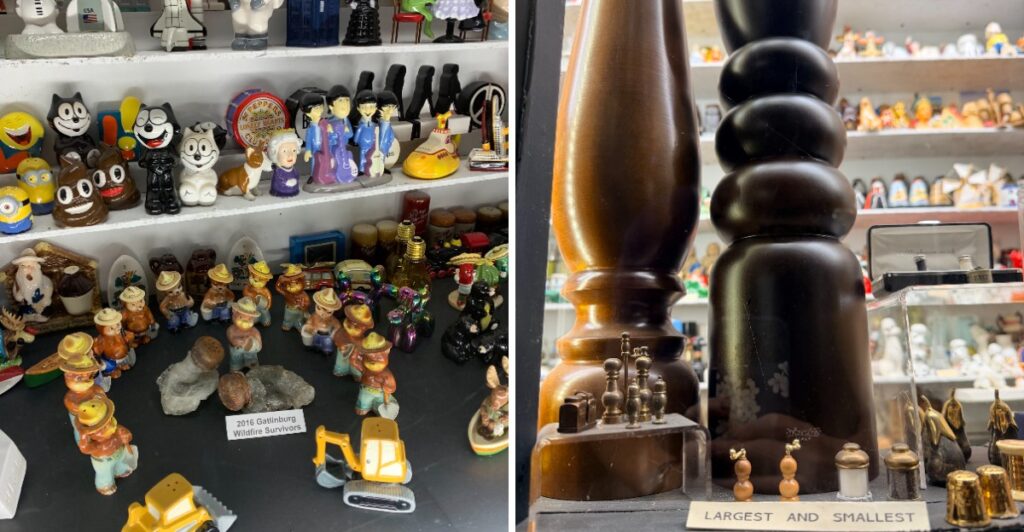
You spend years studying ancient civilizations, and somehow end up with 20,000 sets of salt and pepper shakers. That’s quite a career detour. And in Tennessee, there’s an entire museum to show for it.
Some of these little treasures date all the way back to the 1500s. There are also around 1,500 pepper mills, because once you’ve collected that many shakers, why stop there?
The collection is organized by theme, material, and origin, with everything from cartoon characters to holiday designs. Meanwhile, I’ve had the same mismatched shakers in my kitchen for years. They’re starting to look a little underqualified.
Kids 12 and under get in free, and adult admission can be credited toward a shaker in the gift shop.
So you can walk in to admire someone else’s collection and leave with the beginning of your own. That sounds suspiciously like how this whole thing started.
An Archaeologist Started All Of This, And It Shows
Archaeologists usually dig up pottery shards and old coins. Andrea Ludden, a Belgian archaeologist, decided to dig into the kitchen cabinet instead.
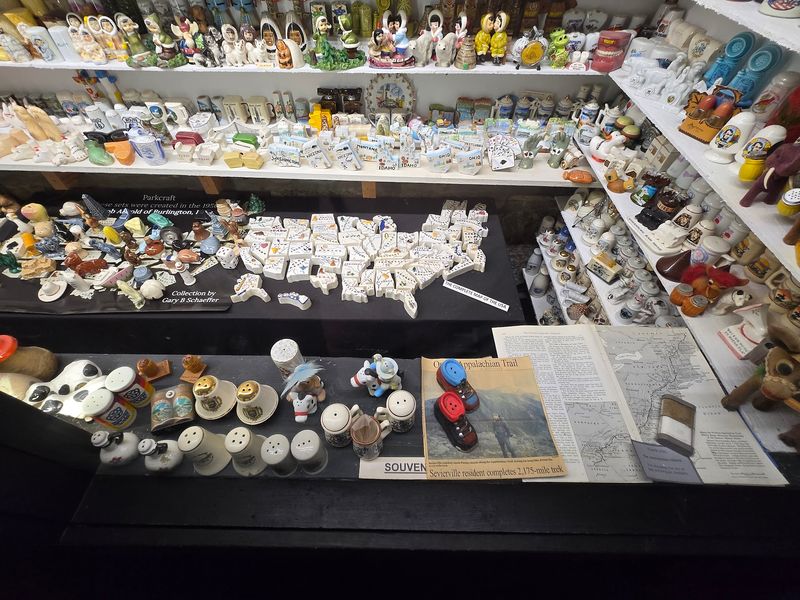
Her collecting began in 1984 with pepper mills. Over time, her focus shifted to salt and pepper shakers, and the hobby grew far past anything a china hutch could hold.
In 2002, she opened The Salt & Pepper Shaker Museum. It started in Cosby, Tennessee, before moving to Gatlinburg a few years later.
That background explains a lot about how the museum feels. An archaeologist sees objects as clues about how people lived. A cute pig shaker becomes a tiny time capsule about design, humor, and dinner tables.
The museum is still run by her family today. That gives it a personal, homegrown charm that big chain attractions rarely manage.
Knowing the backstory makes the visit more fun. You’re not just browsing shelves of knickknacks. You’re seeing decades of careful hunting by someone trained to spot meaning in everyday things.
Keep that in mind as you wander. Every case reflects one person’s curiosity, built up over more than four decades. Pretty impressive for a hobby that began with pepper grinders.
Twenty Thousand Pairs Will Test Your Attention Span In The Best Way
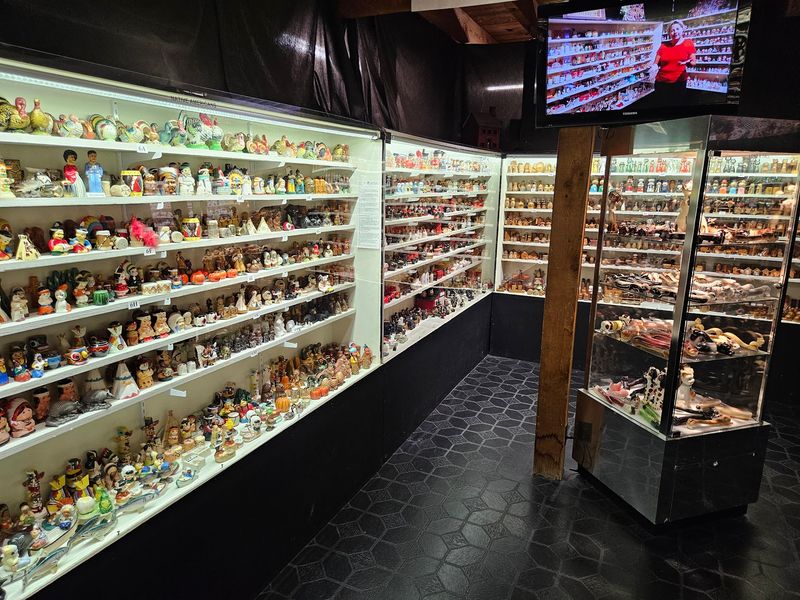
More than 20,000 sets of shakers sit inside The Salt & Pepper Shaker Museum. That’s more than 40,000 individual pieces if you count each shaker separately.
Numbers like that sound overwhelming. The good news is that the collection is organized by theme, material, and origin, so your eyes have a path to follow.
You’ll find shakers shaped like animals, foods, and holiday items. Cartoon characters and old advertising pieces show up too. Materials range from glass and ceramic to wood, metal, and plastic.
That variety keeps things lively. One shelf might feel elegant and artistic. The next could make you laugh out loud at a pair of goofy vegetables.
Here’s a smart tip for families. Turn the visit into a scavenger hunt, and challenge everyone to find a favorite animal, a famous character, or the oddest material.
Adults might enjoy hunting for a set that once sat on a grandparent’s table. Nostalgia hides in these cases, waiting to surprise you.
Give yourself time to slow down. Rushing past 20,000 sets feels like skimming a novel by reading only the chapter titles.
Some Of These Shakers Are Older Than The United States
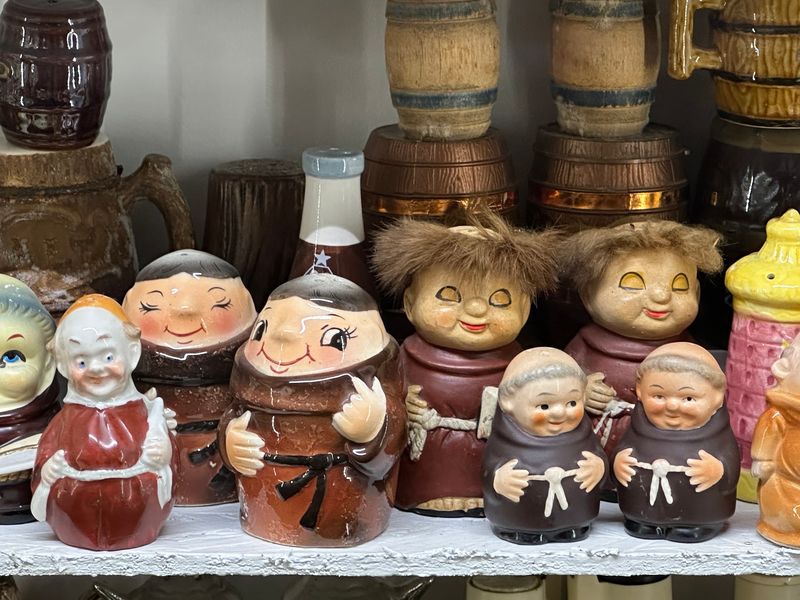
Shakers from the 1500s are part of this collection. Let that sink in for a second, because those pieces were seasoning meals centuries before Tennessee became a state.
The museum treats history seriously, even with a playful subject. Displays explain how salt and pepper holders changed over time.
One fun story involves Morton Salt. In 1911, the company introduced free-flowing salt, helping make salt shakers more practical for everyday use. Before that, damp salt loved to stick together like a stubborn snowball.
You’ll also learn answers to questions you never knew you had. For example, the museum addresses why shakers have different numbers of holes. Your next dinner might come with a tiny trivia lesson.
The museum has been described as offering a different view of human history. It’s traced through household objects instead of politics.
That approach makes history feel friendly. Kids who yawn at textbooks may suddenly care about centuries-old design.
Read the small info cards as you go. They turn a quick walk into a mini history class, minus the homework and the pop quiz.
Pepper Mills Get Their Own Spotlight Here
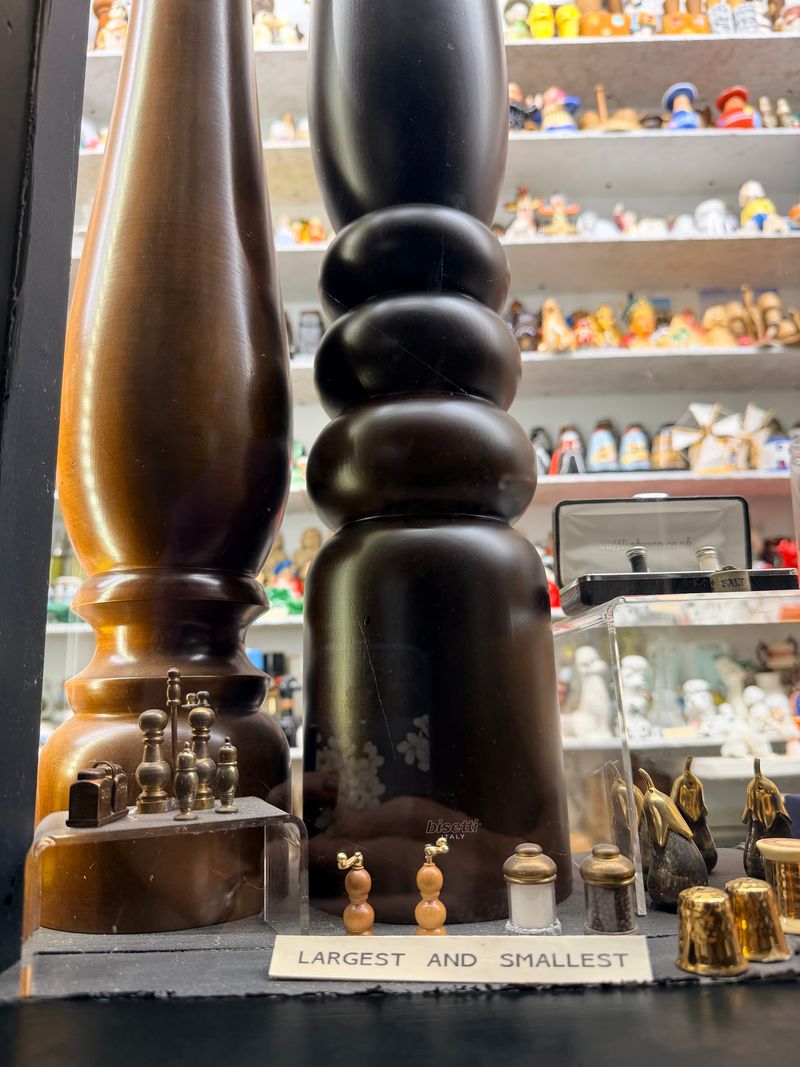
Pepper mills started the whole adventure. Long before thousands of shakers took over, Andrea Ludden began collecting grinders in 1984.
Today, The Salt & Pepper Shaker Museum houses roughly 1,500 pepper mills. That’s enough to grind pepper for a small town’s dinner party.
Pepper mills might seem plain next to a pair of dancing hot dogs. Look closer, though, and you’ll notice how much craftsmanship goes into them.
Some are tall and stately. Others look compact and practical. Different materials and shapes show how people solved the same simple kitchen problem in creative ways.
This part of the museum is great for anyone who loves cooking. You might pick up ideas for your own kitchen, or at least a new respect for that grinder you’ve ignored for years.
It also connects nicely with the shaker history. Pepper has its own long story as a prized spice, and these mills reflect that importance.
Don’t skip them in a rush to reach the cartoon sets. The grinders are where this collection’s heart first started beating, one twist at a time.
A Melted Display Carries A Powerful Gatlinburg Story
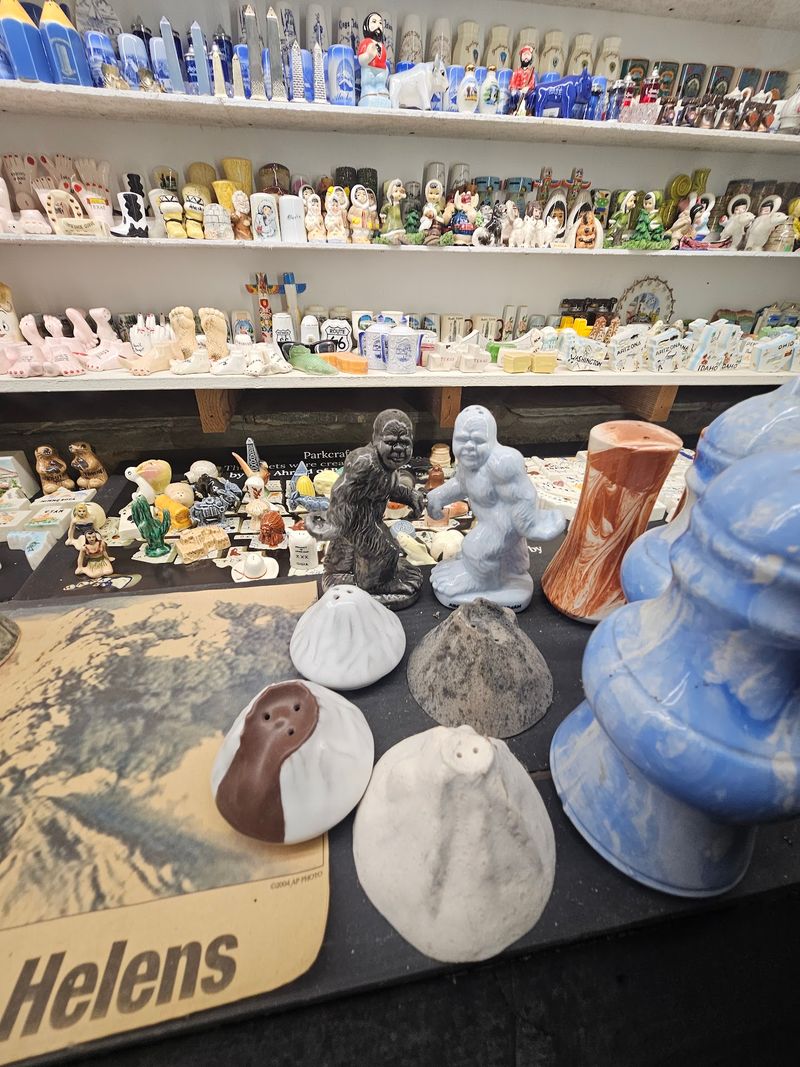
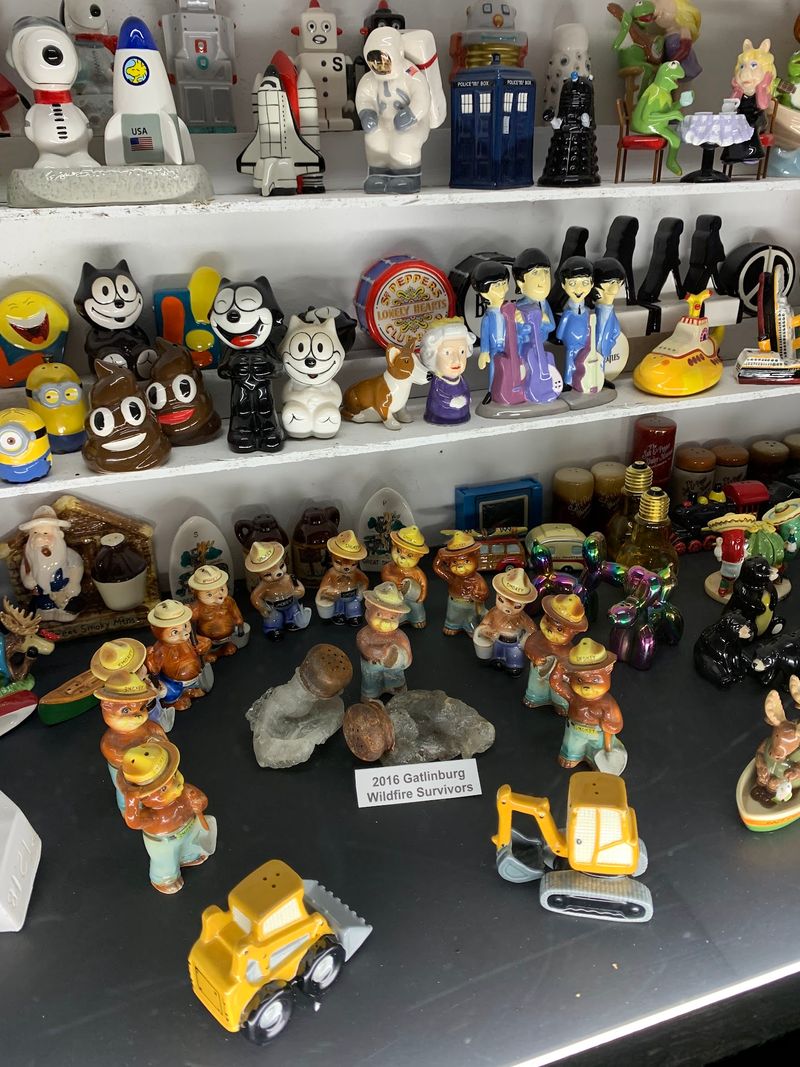
Not every shaker here is cute. One display holds shakers that melted during the 2016 Gatlinburg wildfires.
It’s a quieter moment in a mostly cheerful museum. The warped shapes show how intense those fires were for this mountain community.
Seeing everyday objects changed this way hits differently than reading a headline. A shaker is something nearly every home has. That makes the display easy to understand, even for younger visitors.
Parents can use it as a gentle conversation starter. Kids can learn about wildfire safety and how communities rebuild after hard times.
The display also fits the museum’s bigger idea. Household items can tell real stories about real places and events.
Gatlinburg came back strong after 2016. Visiting local, family-run spots like The Salt & Pepper Shaker Museum is one small way to support the town today.
Take a moment here before heading to the brighter cases. Then go find the silliest pair of shakers in the building. The contrast makes both experiences feel more meaningful, and the giggles afterward will feel well earned.
Your Ticket Basically Pays For Itself
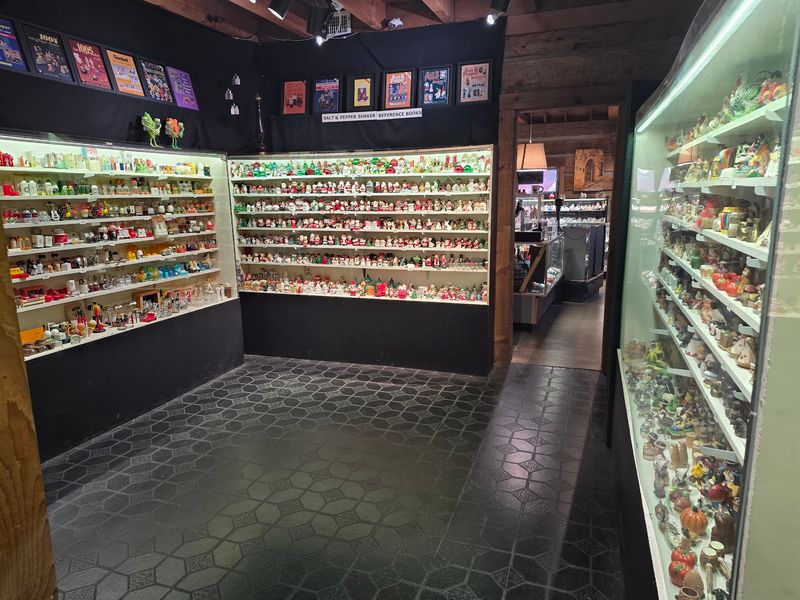
Cheap admission is rare in a tourist town. Adult tickets here cost just a few dollars, and children 12 and under get in free.
Even better, the adult admission can be applied toward any salt and pepper shaker purchase in the gift shop. That’s a clever deal, and honestly, a little sneaky in a lovable way.
The gift shop carries thousands of shaker sets. You’ll find both vintage pieces and new novelty designs, so collectors and casual shoppers both have options.
Here’s some practical advice. Decide on a budget before you browse, because some collectible sets cost more than a typical souvenir trinket.
Think about who you’re shopping for. A quirky animal pair could make a fun gift for a friend who cooks. A vintage set might suit someone who loves antiques.
Shakers also make smart souvenirs. They’re small, useful, and easy to pack compared to a giant stuffed bear.
Every time you season dinner back home, you’ll remember this trip. That’s a better deal than a magnet that slides off the fridge every week.
Finding It Is Easier Than Finding Matching Shakers At Home
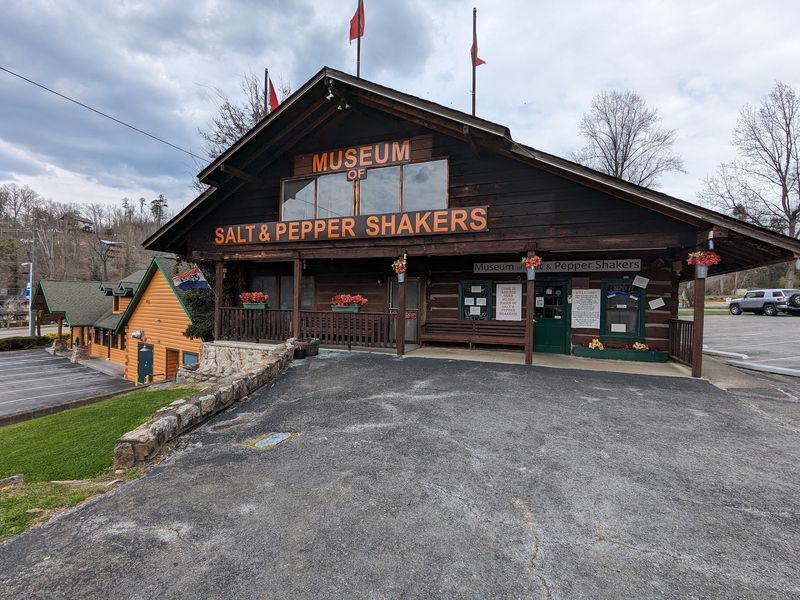
Winery Square is where you’ll find this quirky treasure. The full address is 461 Brookside Village Way, Gatlinburg, TN 37738, just off Highway 321, also called East Parkway.
That location sits a bit away from the busiest stretch of downtown. It can feel like a nice breather after crowded sidewalks.
Regular hours run Monday through Saturday from 10 AM to 4 PM. Sunday hours run from 10 AM to 2 PM.
Schedules can shift with the seasons. Checking the museum’s current opening hours before heading over is a smart move, since unexpected closures do happen.
Plan for a relaxed visit. The museum isn’t huge, so it fits easily into a day packed with other Gatlinburg plans.
Morning stops work well. You can browse early, then head out for lunch or mountain views afterward.
Pair it with other small shops in the area if you like browsing. A low-key morning here makes a great counterbalance to big theme parks and long drives through the Smokies. Your feet will thank you later.
Television Noticed, And Spain Got A Sibling
Fame found these tiny shakers. The museum has appeared on Food Network’s Unwrapped, Late Night with Jimmy Fallon, and Tennessee Crossroads.
That’s quite a resume for objects that usually sit beside the ketchup. It also shows how widely people love a delightfully specific attraction.
The story doesn’t stop in Tennessee either. In May 2010, Andrea Ludden opened a sister museum in El Castell de Guadalest, in Alicante, Spain.
That museum, Museo de Saleros y Pimenteros, also displays around 20,000 pairs. Two countries, two collections, and one very dedicated collector.
Knowing this adds a fun layer to your visit. You’re seeing half of an international salt and pepper empire, which is a sentence nobody expects to say.
The Gatlinburg location is often called one of a kind in the United States. Few attractions anywhere focus so lovingly on something so ordinary.
That’s really the magic of this place. It takes a common kitchen item and proves it has stories, art, and history packed inside. You’ll never look at a dinner table the same way again, and that’s a pretty tasty souvenir.