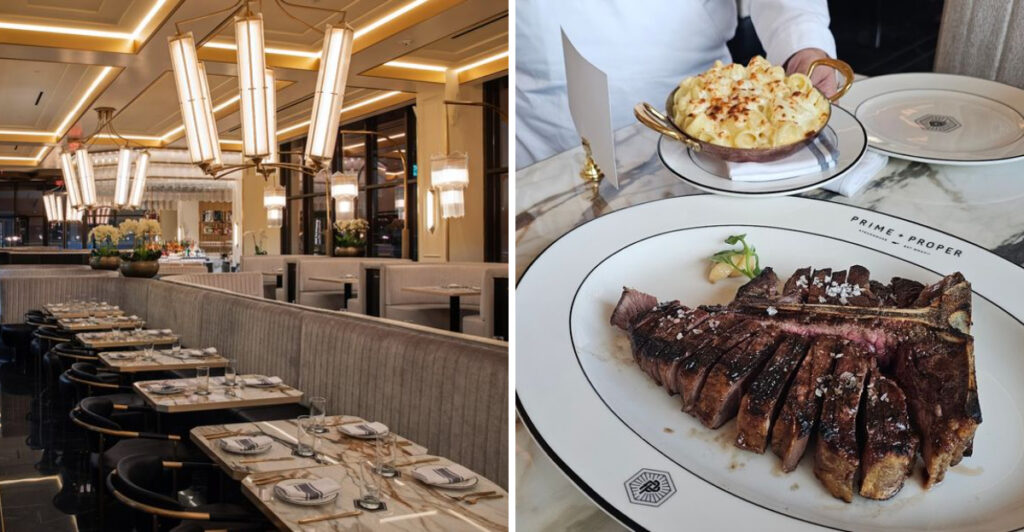
What makes a steak worth building your week around?
The char? The cut?
Sometimes it is the kind of detail that makes you stop mid-bite and laugh at how serious dinner just became.
This Tennessee dining room turns beef into a full narrative.
Their dry-aging rooms and white oak fire will turn a simple meal into a story you will recount many times.
This restaurant brings more than a world-class ribeye (not that you need anything more). Here, you can choose not only how you want your meat done but also which cut you want cooked.
These are just a few reasons why a visit to this place should be put on your weekly to-do list before anything else.
From Motor City To Music City
Big restaurant stories usually begin with taking a risk, but this one began with discipline.
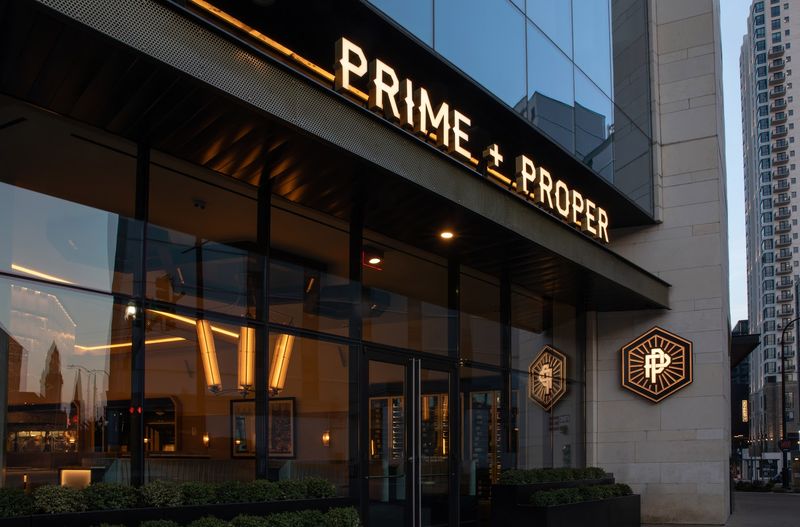
Prime + Proper grew from Heirloom Hospitality owner Jeremy Sasson’s original restaurant, founded in Detroit in 2017.
There, the goal centered on luxury steakhouse dining built on craftsmanship, precision, and hospitality done right every night.
That formula traveled south without softening its standards.
The opening at 1000 Broadway Ste 101, Nashville, TN 37203, marked the brand’s first move outside Michigan, which makes this address more than a simple second location.
It signaled confidence in a city that takes dining seriously and knows how to judge a steak.
During the early preview service, nearly half the dining room reportedly came from out of town.
It was a sharp clue that the tables would be filled with locals and non-locals alike.
That background matters because it explains the restaurant’s style of operation. You can trace the menu, the dry-aging room, and the exacting service model back to a founding idea built years earlier.
Instead of chasing novelty for its own sake, the restaurant leans on repetition, control, and strong sourcing.
Read the room through that lens, then the ribeye makes perfect sense. Start with the origin story, and every later detail lands harder.
The Dry-Aging Program Behind The Steaks
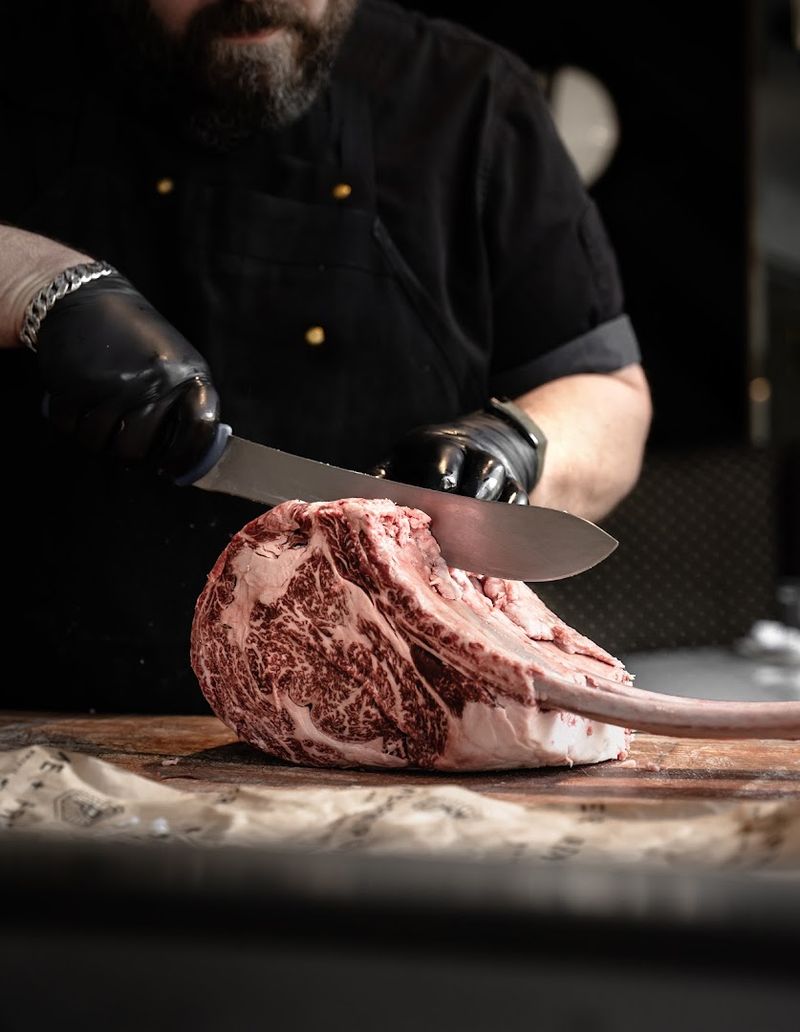
Before the first steak hits the grill, the restaurant makes its point behind glass.
Prime + Proper puts its dry-aging program near the approach to the dining room, where hanging prime cuts act as a visual thesis for the meal ahead. You see the process first, then the menu, which tells you exactly what the kitchen wants to emphasize.
The butchers work closely with selected purveyors and age all USDA Prime beef for at least twenty-eight days.
USDA Prime lamb stays in the aging room for at least fourteen days. Each piece receives a tag with date and weight, then natural enzymes begin breaking down fibers and connective tissue while moisture evaporates, concentrating flavor and improving texture for the grill.
That method changes the steak long before fire enters the equation.
The meat develops the bright cherry-red color the restaurant wants, and the cut becomes more tender through time and control, not shortcuts.
By placing the aging room in plain sight, the restaurant turns a back-of-house discipline into a front-facing statement.
Watch those tagged cuts for a moment, and the menu reads with a lot more clarity. Suddenly, every steak carries a visible origin story.
The Cowboy Ribeye With A Tennessee Identity
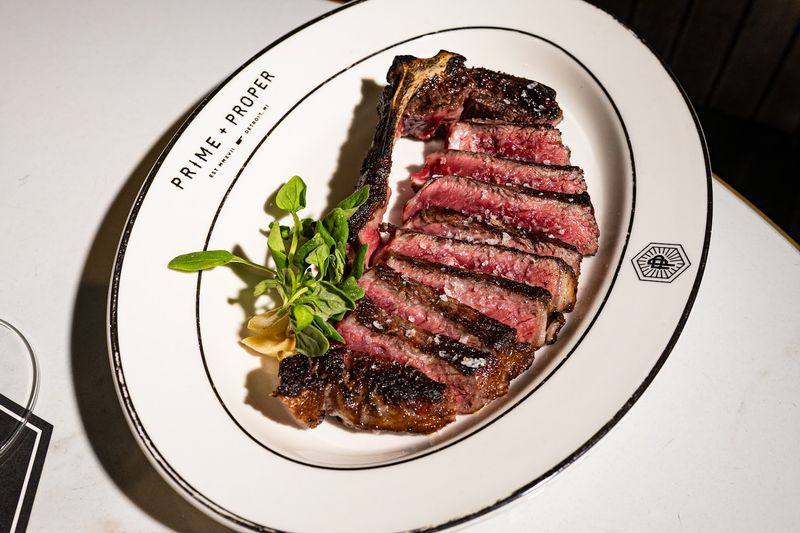
Some signature dishes announce themselves in one glance, and this ribeye does exactly that.
The kitchen cooks steaks over a custom open wood-fired grill fueled only by Tennessee white oak.
That choice shapes more than aroma.
White oak influences crust, temperature control, and the final texture of the beef, giving the ribeye a distinct char and a steady, even finish. A high-powered hood system manages the smoke, allowing the live-fire technique to stay central without turning the room into a spectacle.
What stands out most is the continuity. The signature cut carries the same local source through its aging concept and finishing sauce, creating a complete idea instead of a random flourish.
Many restaurants serve ribeye because ribeye sells; this one builds a specific identity around it.
If you want the plate that best explains the restaurant in a single order, begin here. Then pay attention to the fire, because it tells the rest.
The Full Steak Menu Beyond The Headliner
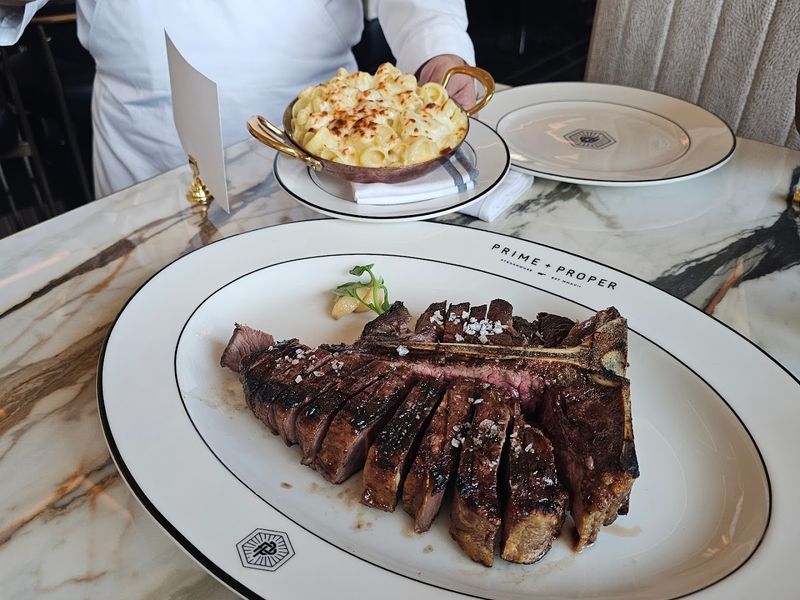
One ribeye may lead the conversation, yet the broader steak list deserves equal attention.
A beef program at Prime + Proper stretches from USDA Prime staples to rare global cuts, giving the menu real depth instead of a token luxury section.
That range explains why the restaurant presents itself as a serious steak house first and a trend-driven room second.
The lineup includes an Australian Wagyu New York strip and a large porterhouse dry-aged for forty-five to ninety days. It also reaches into harder-to-find territory with Black Hawk Farm American Wagyu, certified Japanese A5, and super-aged beef held between forty-five and ninety days.
Those are not vague labels tossed onto a menu for effect; the butcher shop keeps certificates for each Wagyu loin and will show them.
Another key detail arrives before the cooking starts.
Every steak gets presented to you first, a move that turns sourcing and marbling into part of the dining language instead of hidden kitchen business.
That presentation clarifies exactly what will hit the fire and why it stands apart from the next cut on the list.
If indecision strikes, let the visual comparison do some work. The menu practically invites you to study it like a meat atlas.
Seafood And Tableside Dishes With Equal Precision
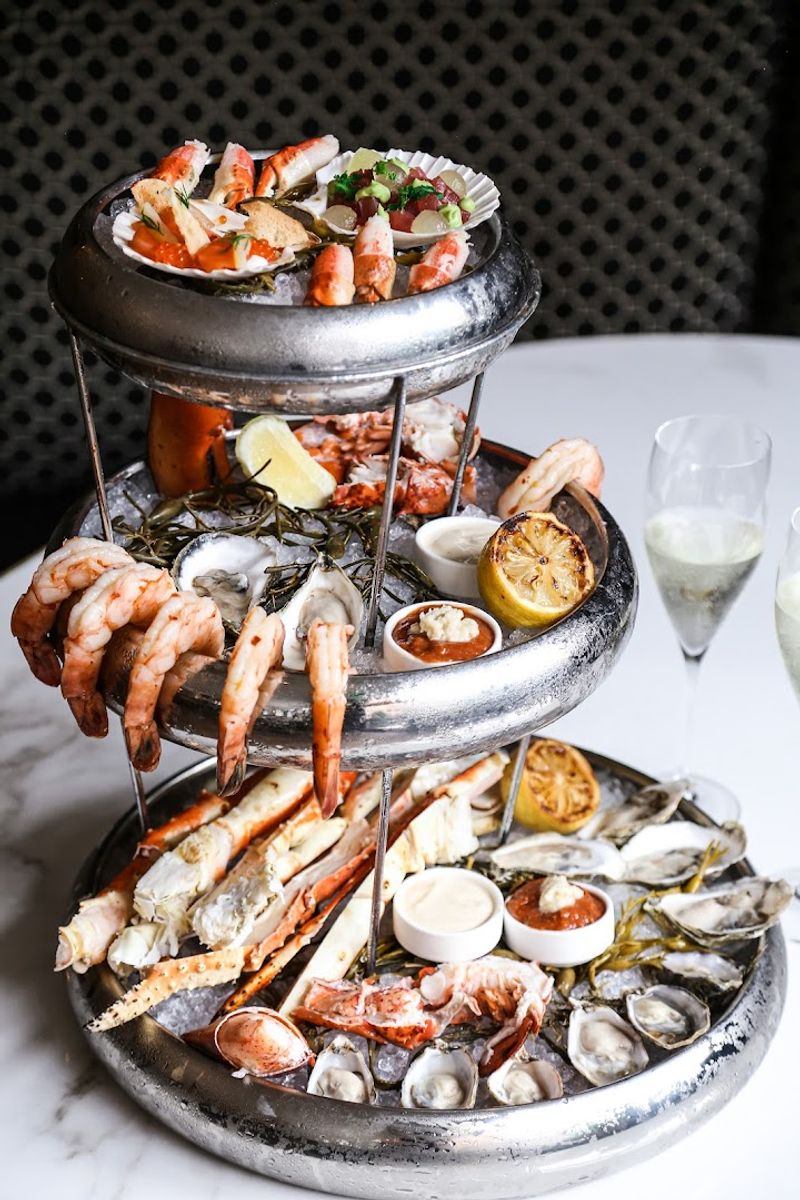
Steakhouses often treat seafood like a side quest, but that shortcut does not apply here.
The restaurant extends the same exacting mindset to fish and shellfish, beginning with a raw bar that includes East Coast oysters and big-eye tuna crudo with yuzu kosho and rice cracker crunch.
The seafood program moves with speed, aiming to bring products from sea to Tennessee within twenty-four hours.
The kitchen also applies aging techniques to whole fish, which gives this section unusual depth. Ora King salmon can dry-age for up to fourteen days, branzino for four to seven days, and tuna for about five days.
That process concentrates flavor and changes texture in ways most diners expect from beef, not from seafood, which makes the menu more interesting before any plate reaches the table.
Then come the showpiece dishes. Dover sole arrives for tableside deboning and finishes with fried capers, charred lemon, and brown butter.
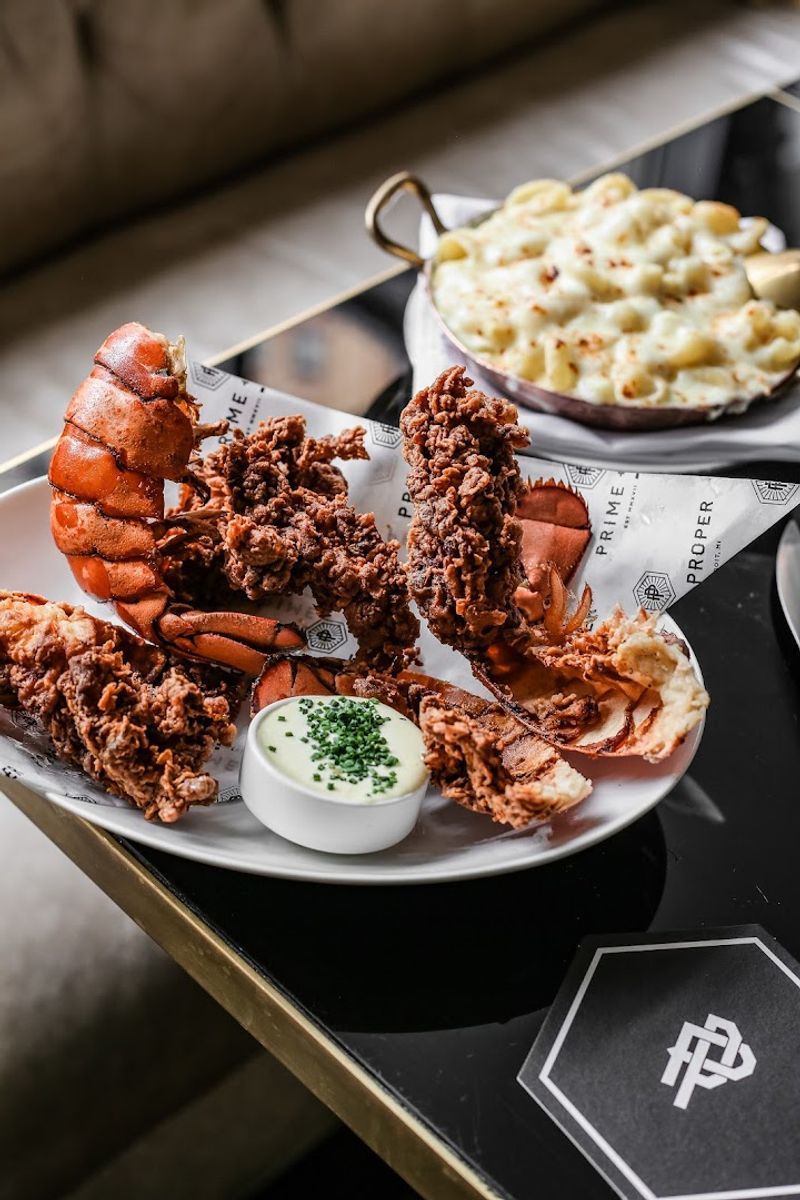
The Proper Plateau, chicken fried lobster, wood-fired branzino, and scallops widen the field without turning it into filler.
If your table wants a break from red meat, this section gives you a smart detour. Follow it, and the restaurant’s precision becomes even clearer.
Salads, Sides And The Mac And Cheese People Talk About
Side dishes can expose a restaurant’s priorities faster than a signature steak.
Here, the salads and accompaniments are treated as serious parts of the meal, starting with the P+P Louie, built on butter lettuce, grape tomatoes, diced avocado, roasted asparagus, blue crabmeat, and creamy poppyseed dressing.
The wedge follows with iceberg, blue cheese, tomato, pearl onions, bacon, and buttermilk dressing, and both salads come in portions made to share.
The vegetable sides show similar focus. Carrots arrive with pistachio and chermoula, Brussels sprouts with gremolata and Choron sauce, and wood-fired broccoli with harissa, sumac onion, and dukkah.
Those combinations read like actual composed dishes, not token greens placed near the steak to satisfy tradition. Every plate carries a distinct seasoning idea, which keeps the table from blurring into one-note richness.
Then there is the mac and cheese. Torchio pasta folds into an ultra-creamy mix of aged Parmesan and white cheddar, giving the dish enough structure to stand next to the house cuts.
Warm sweet potato rolls with sorghum butter add another strong reason to pace yourself badly.
Ignore the sides at your own risk. They may hijack your strategy before the main plate even settles in.
The Location That Frames The Experience
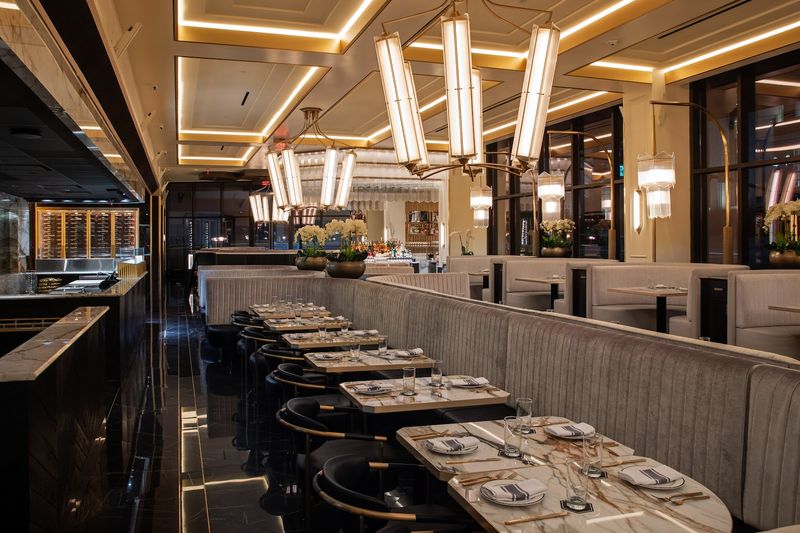
The steak is a good enough reason to visit on its own, but it’s good to know that the location is attractive, too.
Prime + Proper sits inside the Grand Hyatt Nashville in the Nashville Yards district at 10th and Broadway. It’s a section of downtown tied to movement, business, and old cattle trade routes.
Great for a walk after dinner.
That context is not decorative trivia. It gives the restaurant a direct line to the city’s history of travel, commerce, and beef, which fits a steakhouse built around dry-aging and open-fire cooking.
Designers Colin Tury and Remick Moore shaped the roughly two-hundred-seat room with an unusual practical goal: avoid placing diners near the restroom or right by the door, so seat quality stays consistent across the floor.
Even the arrival details support that planning. Valet parking operates for dining guests, which matters on a busy downtown stretch where convenience can shape the whole night.
Put those pieces together and the address stops being a pin on a map. It becomes part of the restaurant’s argument.
Rest easy during your dinner. The restaurant has you covered for everything else.