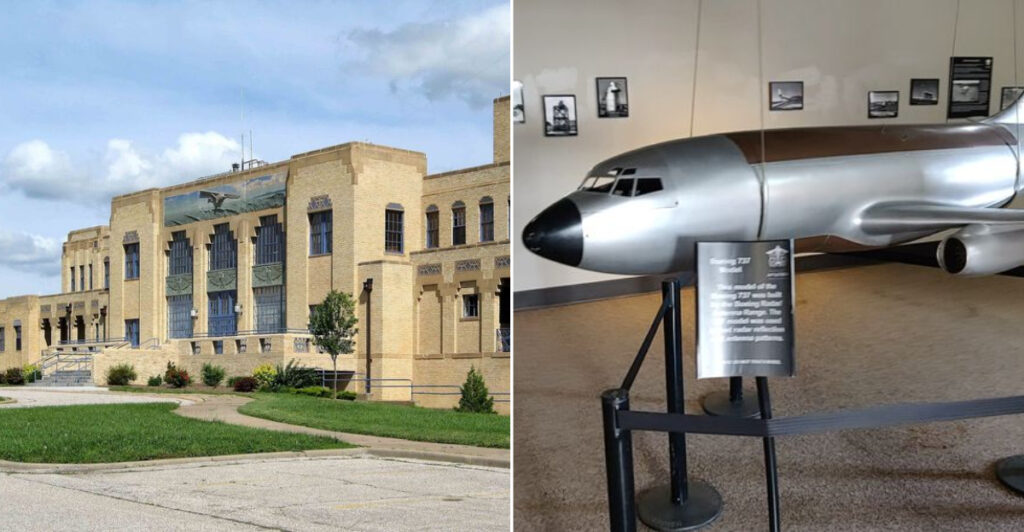
Kansas may not be the first state that comes to mind when you think of aviation history, but it has played a huge role for more than a century. One museum tells many stories with a collection that surprises even longtime aviation fans.
Walking through the exhibits, you will discover things you never expected. From early biplanes to the evolution of commercial flight, each display brings history to life.
It is easy to spend hours exploring. You can imagine pilots preparing for their first flights, see the technology that changed the skies, and get a sense of how aviation shaped the region.
If you have ever looked up at a plane and wondered how it all began, this museum provides answers that are interesting, fun, and full of detail.
A City Built On Wings
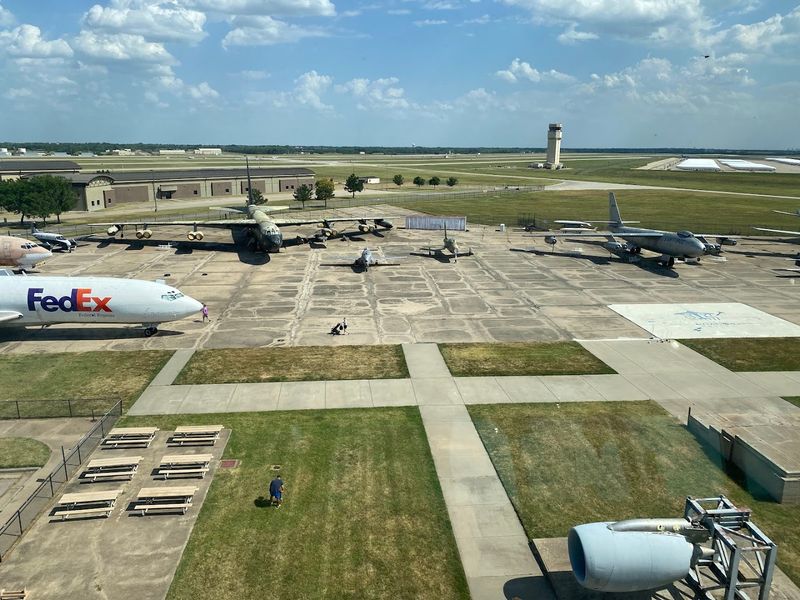
Wichita did not become the Air Capital of the World by accident.
Long before most Americans had ever seen an airplane up close, this city was already building them by the thousands.
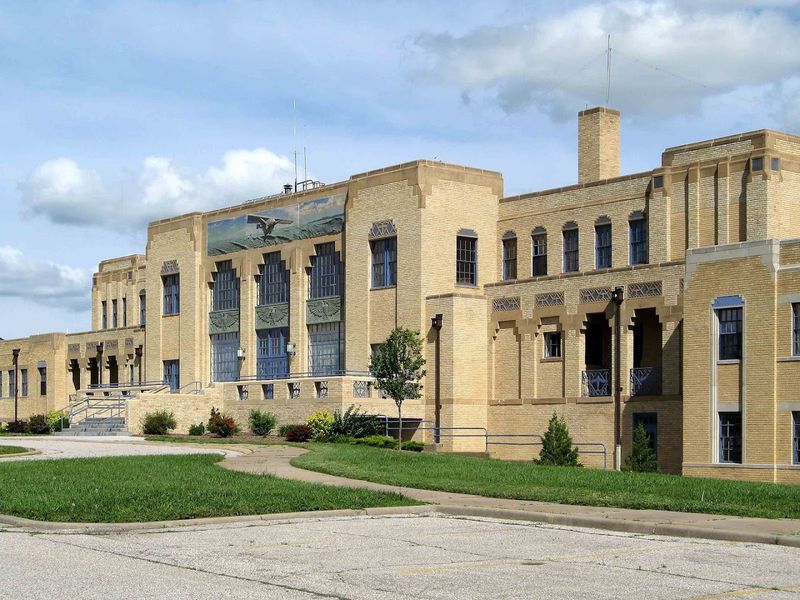
The Kansas Aviation Museum sits at 3350 George Washington Blvd, Wichita, KS 67210, inside a stunning Art Deco building that once served as the Wichita Municipal Airport terminal.
That alone is worth the trip. The architecture feels like something out of a golden-age travel poster, with sweeping lines and period details that take you straight back to the 1930s.
This was not a replica or a recreation. This was the actual building where passengers once checked in for flights that felt like adventures.
Wichita was home to legendary manufacturers like Cessna, Beechcraft, and Stearman.
The museum celebrates all of them with pride and real depth.
It is the kind of place where local history and national history overlap in a way that feels genuinely exciting. Can you imagine being part of a city that helped shape how the whole world travels?
That is exactly what Wichita did, and the museum makes sure you feel every bit of it.
The Building Itself Is The First Exhibit
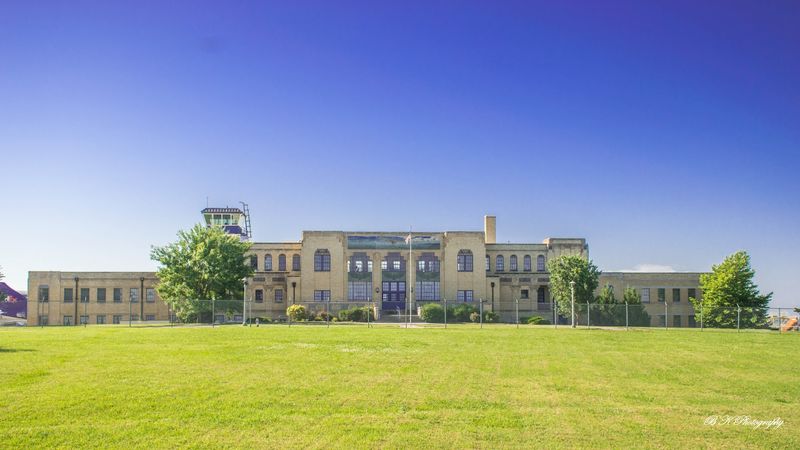
Most museums put their best stuff inside display cases. This one put its best stuff in the walls, the floors, and the ceiling.
The original 1935 terminal building is a masterpiece of Art Deco design, and every corner of it rewards a slow, curious look.
You can spend twenty minutes just staring at the details before you even reach the first aircraft exhibit.
The original terrazzo floors still shine. The curved ticket counters are still there.
Even the old observation deck is preserved, giving you a view of the airfield that pilots and passengers once shared decades ago.
There is something deeply satisfying about a museum that respects its own home.
The building is listed on the National Register of Historic Places, and you can feel why the moment you walk in.
It does not feel like a building that has been turned into a museum. It feels like a building that was always meant to tell this story.
The restoration work done here is impressive. Every restored detail adds to the atmosphere without feeling overdone or fake.
If you appreciate architecture even a little, this building will stop you in your tracks.
It is one of those rare spaces where history is not just displayed, it is physically present in the structure around you.
Real Aircraft You Can Actually Get Close To
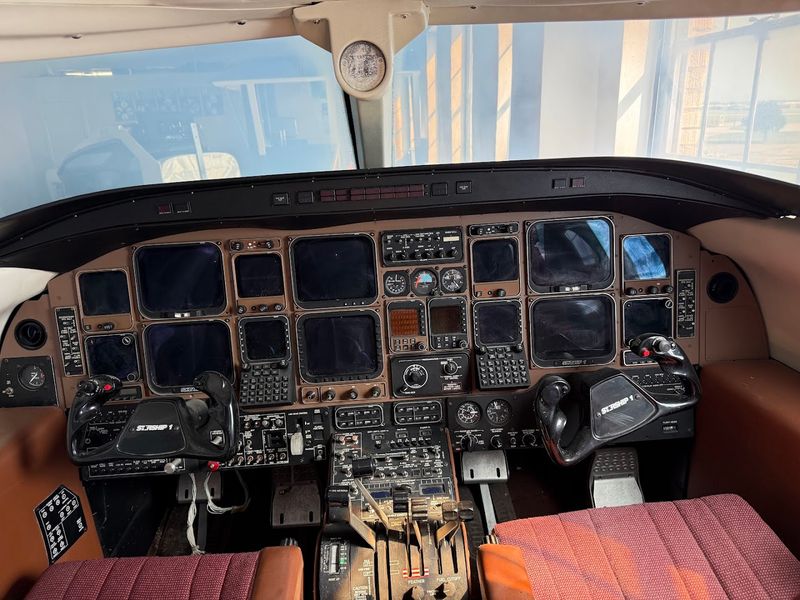
There is a huge difference between seeing a photo of a historic aircraft and standing next to the real thing.
At the Kansas Aviation Museum, you get the real thing, and it hits differently than you might expect.
The collection includes over 35 aircraft spanning decades of aviation history.
From early biplanes to military trainers to commercial jets, the variety keeps you moving from one plane to the next without ever feeling bored.
One of the standout pieces is the Boeing B-29 Superfortress, a massive World War II bomber that was actually built in Wichita.
Standing underneath it, looking up at that enormous fuselage, you get a real sense of the engineering ambition it took to build something like that in the 1940s.
It is genuinely jaw-dropping in the best possible way. The outdoor display area gives you room to walk around larger aircraft and take photos without feeling cramped.
Kids especially love this part because they can get close enough to really take it all in.
Adults tend to linger longer than they planned.
The combination of scale, history, and accessibility makes the aircraft collection the emotional core of the whole visit.
You leave with a much deeper respect for the people who designed, built, and flew these machines.
Stories Of The People Who Made It Happen
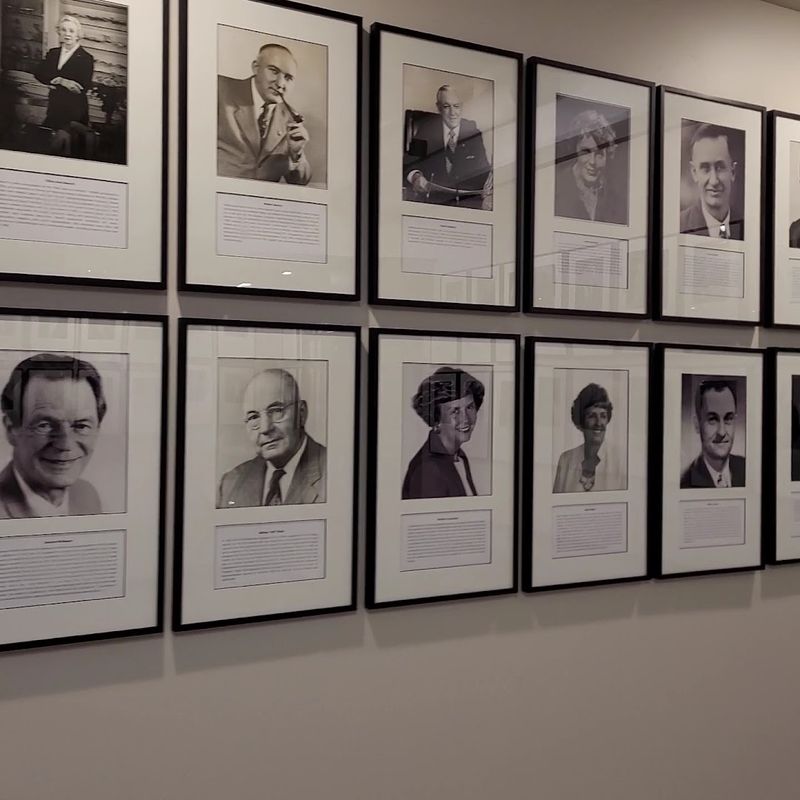
Planes are impressive, but the people behind them are what make history feel personal.
The Museum does a remarkable job of connecting visitors to the real men and women who built Wichita’s aviation legacy.
The exhibits include personal artifacts, photographs, letters, and equipment from pioneers who shaped the industry.
You get to learn about figures like Clyde Cessna, Walter Beech, and Lloyd Stearman, names that might not be famous in popular culture but whose work changed the way the world moves.
Reading their stories in the context of this building, in the city where they actually worked, gives the information a weight that a textbook never could.
What struck me most was how young many of these innovators were when they started.
Some were barely out of their teens when they began experimenting with aircraft design.
That detail alone makes their achievements feel even more remarkable and honestly a little humbling.
There are also exhibits dedicated to women in aviation, highlighting contributions that do not always get the spotlight they deserve.
Seeing those stories told here, in a museum that clearly values accuracy and representation, felt refreshing.
The museum does not just celebrate the famous names. It makes room for the full picture of who built this industry and why their work still matters today.
That thoughtfulness is what separates a good museum from a truly memorable one.
What Makes This Place Perfect For Families
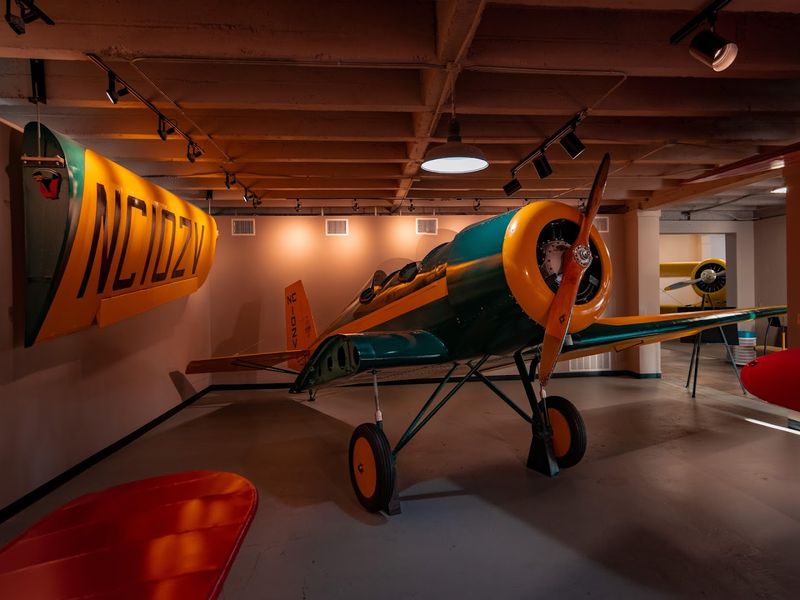
Here, children light up in a way that makes every parent in the room smile.
The museum has interactive elements that keep younger visitors engaged without dumbing anything down.
There are hands-on displays that explain basic aerodynamics in ways that even a curious eight-year-old can grasp and enjoy.
The open floor plan means kids can move around freely without feeling trapped in a single narrow corridor.
The aircraft themselves do a lot of the work. There is something naturally exciting about standing next to a real fighter plane or a vintage propeller aircraft.
Kids do not need to be told to be impressed. The scale and the detail do that all on their own.
Group tours and educational programs are available for school groups, making it a genuinely useful destination for teachers looking for a field trip that actually connects to curriculum.
But you do not need to be on a school trip to benefit from the educational quality here.
Families visiting on their own will find plenty of clearly written, well-organized information that answers questions before they are even asked.
The Outdoor Airfield And What It Adds To The Visit
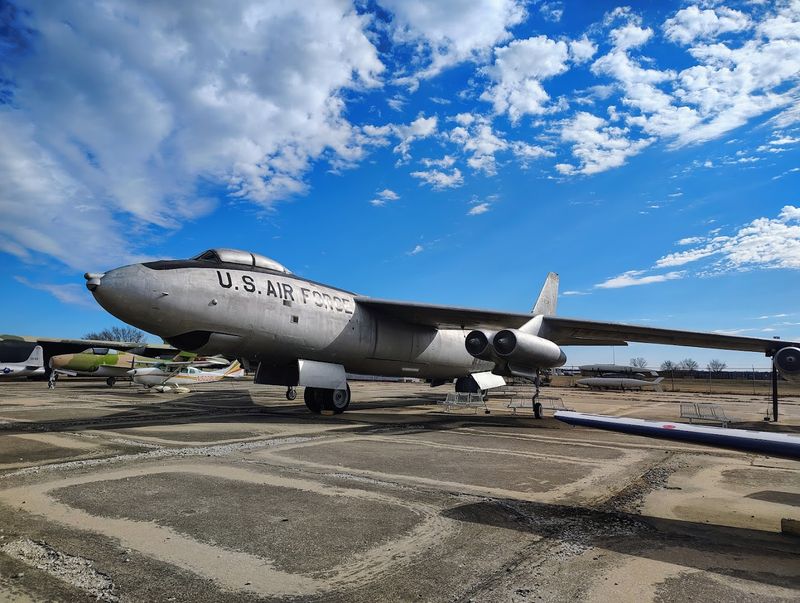
Most museums keep everything indoors, safely behind glass or rope barriers. The Kansas Aviation Museum takes a different approach with its outdoor display area.
The museum sits on the grounds of the old Wichita Municipal Airport, which means there is actual airfield space to work with.
Large aircraft that would feel cramped indoors are displayed outside where you can walk around them, photograph them from every angle, and truly appreciate their size.
On a clear day, the combination of wide open sky and historic aircraft is genuinely beautiful.
There is a meditative quality to it that you don’t expect from an aviation museum.
The outdoor area also gives the visit a natural rhythm. You move inside to read and learn, then step outside to breathe and absorb.
That back and forth keeps the energy of the visit feeling fresh rather than exhausting. On weekends, the outdoor space sometimes hosts special events and airshows that draw bigger crowds.
Even on a quiet weekday, though, the outdoor exhibits have a presence that stays with you long after you leave.
It is the kind of view that makes you look up at the sky differently on the drive home.
Practical Tips Before You Go
Getting the most out of any museum visit starts before you even arrive, and a few simple tips can make a real difference at the Kansas Aviation Museum.
Parking is free and easy to find on site. That alone puts it ahead of a lot of city museums where parking becomes its own adventure.
Plan to spend at least two to three hours here if you want to see everything properly.
The museum is open Tuesday through Saturday, so make sure to check the current hours before planning your trip.
Admission prices are very reasonable, especially for families, and there are group rates available for larger parties. Buying tickets in advance online can save you time at the door.
Comfortable shoes are a smart choice because you will be on your feet for a while, especially if you spend time in the outdoor areas.
The lighting inside the main terminal building is especially flattering for photography in the morning hours.
The gift shop is worth a browse at the end of your visit.
It carries aviation-themed books, models, and souvenirs that make for thoughtful gifts, particularly for anyone with even a passing interest in flight or history.
Why This Museum Deserves Way More Attention
There are museums that exist to preserve things, and then there are museums that exist to make you feel something.
The Kansas Aviation Museum does both, and it does them well enough to make you wonder why it does not get more national attention.
Wichita’s role in aviation history is genuinely significant. The city produced more aircraft than almost anywhere else in the United States during the twentieth century.
That legacy deserves a world-class institution to honor it, and this place is exactly that, even if the wider world has not fully caught on yet.
They clearly love this place and what it represents. That kind of genuine passion is contagious, and it adds a warmth to the visit that no exhibit design can manufacture on its own.
If you are passing through Kansas, or if you live in the region and have somehow never made the trip, put this museum on your list now.
It offers the kind of experience that reminds you why physical museums still matter in a world where you can look anything up online.
Seeing a real B-29 bomber, standing in a restored 1935 terminal, learning about the people who turned a flat city into the Air Capital of the World, that is not something a screen can replicate.
Some things you simply have to show up for.