What happens when you look past Arizona’s busiest stops and head toward the quieter corners of the state? You start finding towns with open desert views, long stretches of road, and a slower pace that changes the whole trip.
These places do not depend on big crowds to leave an impression. They stand out through local history, small downtowns, striking landscapes, and the simple appeal of being harder to reach.
That is part of what makes them worth the drive. A road trip through Arizona starts to feel a lot more interesting when the route includes places that many visitors pass by or never think to visit at all.
This list is for travelers who want something calmer, less crowded, and more personal.
In 2026, these Arizona desert towns still offer a side of the state that feels refreshingly overlooked, easy to enjoy, and far removed from the tourist rush that shapes so many other Arizona stops.
1. Ajo
Few towns in Arizona have a plaza as beautiful and unexpected as the one sitting right in the heart of Ajo.
This small Sonoran Desert town in Pima County sits about 43 miles north of the Mexico border, and it carries a quiet confidence that is hard to find anywhere else.
Ajo was once a booming copper mining town, and that history is written all over its architecture. The Spanish Colonial Revival buildings around the central plaza were designed in the 1920s, and they still look stunning today.
The Ajo Plaza is a great place to sit, breathe in the dry desert air, and watch the world move at a slower pace.
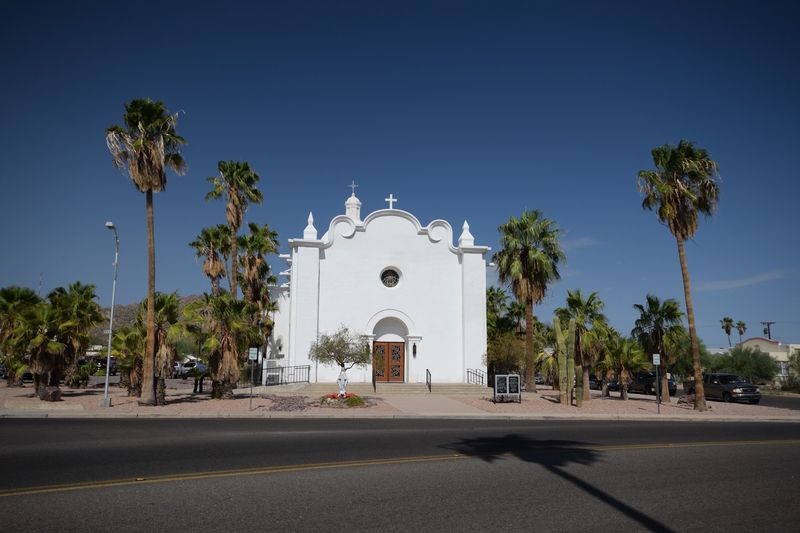
Local shops and a historic church frame the square in a way that feels almost cinematic. Outside of town, Organ Pipe Cactus National Monument is just a short drive south.
It protects a rare stretch of desert ecosystem found nowhere else in the United States. Hiking trails wind through forests of organ pipe cacti that can grow taller than 20 feet.
Birdwatchers love this area too, especially during spring migration when colorful species pass through.
The skies around Ajo are so dark at night that stargazing becomes a full-on event.
With a population of just around 3,300 people, Ajo feels personal.
What makes it truly stand out is how it blends natural beauty, cultural history, and genuine small-town warmth into one compact, easy-to-explore destination that rewards every curious traveler who makes the drive.
2. Patagonia
Placed along Sonoita Creek in Santa Cruz County, Patagonia is the kind of town that makes you want to cancel your plans and stay an extra week.
It sits at about 4,000 feet elevation in the grassland valleys of southern Arizona, giving it a cooler, greener feel than most desert towns.
What is Patagonia famous for? Birding.
Seriously, this small town of roughly 900 residents is considered one of the top birding destinations in the entire country.
The Patagonia-Sonoita Creek Preserve attracts hundreds of species, including rare visitors from Mexico that you simply cannot spot anywhere else in the U.S.
But even if birds are not your thing, Patagonia has plenty to offer.
The town has a laid-back creative energy, with local artists, galleries, and a handful of charming shops lining its short main street.
The Patagonia Lake State Park is nearby and offers swimming, camping, and fishing in a beautiful reservoir setting. It is one of Arizona’s most underrated outdoor spots, and on a weekday, you might practically have it to yourself.
The surrounding mountains, including the Santa Ritas and the Huachucas, provide a dramatic backdrop for hiking and wildlife watching. Mule deer are a common sight along the roadsides at dawn and dusk.
Patagonia also hosts a popular farmers market and community events that give visitors a real taste of local life.
3. Tubac
Arizona’s oldest European settlement is also one of its most artsy surprises.
Tubac, located in Santa Cruz County about 45 miles south of Tucson, was established as a Spanish presidio in 1752, and it has been drawing creative types ever since.
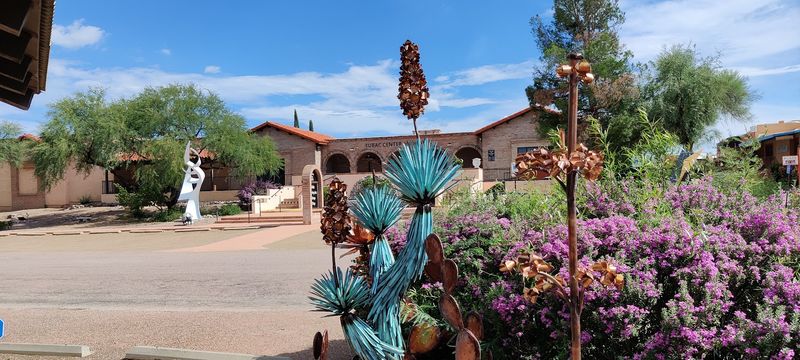
Today, Tubac is home to more than 100 galleries, studios, and shops, all packed into a walkable village that feels equal parts historic and lively.
You can spend a full morning browsing handmade jewelry, colorful ceramics, and original paintings without ever getting bored.
The Tubac Presidio State Historic Park sits right in the middle of town and lets you walk through centuries of history in under an hour.
Ruins from the original Spanish fort are preserved underground and visible through a glass floor inside the museum, which is a genuinely cool experience.
Tubac is also the starting point for the Juan Bautista de Anza National Historic Trail, a 1,200-mile route that stretches all the way to San Francisco. Even hiking just a short section of it along the Santa Cruz River feels meaningful and scenic.
The town hosts the famous Tubac Festival of the Arts every February, drawing thousands of visitors from across the Southwest.
Outside of festival season, the streets are peaceful and the pace is wonderfully slow.
Wildlife along the river corridor includes herons, javelinas, and even the occasional bobcat.
Tubac proves that a town this small can hold an enormous amount of history, beauty, and creative spirit all at once.
4. Superior
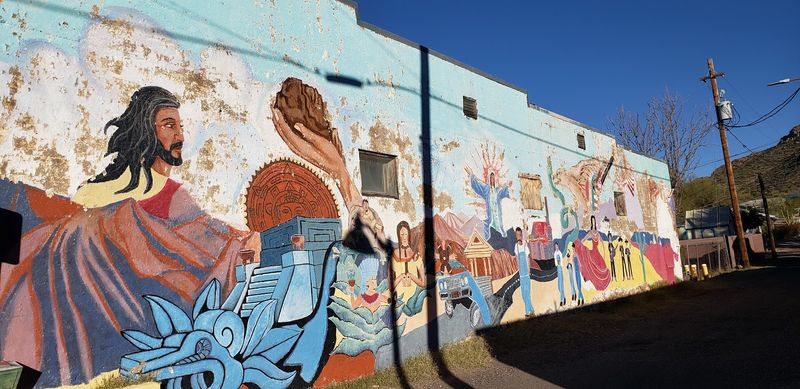
Superior sits along U.S. Highway 60 in Pinal County, sandwiched between the Superstition Mountains and the Pinal Mountains, and it wears its rugged identity like a badge of honor.
This former copper mining town of about 2,600 people is in the middle of a creative revival that is turning heads across the state.
The Boyce Thompson Arboretum is just a couple of miles west of town and is Arizona’s oldest botanical garden, founded in 1924.
It features plants from desert environments around the world, and the trails through the grounds are peaceful, shaded, and genuinely beautiful in every season.
Superior’s Main Street has been seeing new life in recent years, with murals popping up on old building walls and small businesses opening in spaces that sat empty for decades.
The annual Superior Mural Fest has helped transform the town into an outdoor art gallery that stretches for blocks.
History lovers will want to visit the Magma Mine No. 1 headframe, a preserved structure from the town’s copper mining days that stands as a reminder of the industry that shaped this entire region.
It is visible from the highway and makes for a striking photo.
Hiking nearby is outstanding. The Arizona Trail passes through this area, and the Picketpost Mountain Trail offers sweeping views that stretch for miles.
Have you ever stood on a mountain ridge and felt like the whole desert was yours to look at? That is the feeling Superior delivers.
5. Oracle
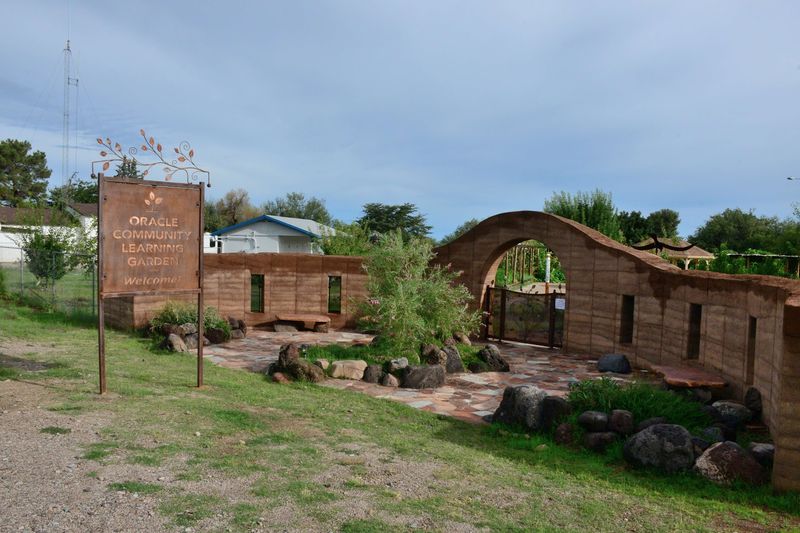
At nearly 4,500 feet elevation in the foothills of the Santa Catalina Mountains, Oracle offers something rare in Arizona: cool mountain air with sweeping desert views stretching out below.
This small community in Pinal County sits about 35 miles north of Tucson and feels wonderfully removed from the everyday rush.
Oracle has a fascinating history tied to cattle ranching, health seekers from the East Coast who came to the dry mountain air in the late 1800s, and even a connection to the early days of Biosphere 2, which is located just down the road.
That iconic glass structure is now operated by the University of Arizona and offers fascinating tours for science-curious visitors.
The town itself is small and unassuming, with a handful of local businesses and a strong sense of community.
The Oracle State Park, a wildlife area covering more than 4,000 acres, is a highlight for hikers and birdwatchers. Trails meander through oak woodlands and open grasslands where mule deer and coatimundis are regular sightings.
The historic Oracle Inn, a lovingly preserved building from the early 1900s, gives the town a sense of timeless character.
Sitting on its porch and looking out at the mountains feels like stepping back in time in the best possible way.
Oracle is also a popular spot for dark-sky stargazing, thanks to its elevation and distance from city lights.
The Southern Arizona community here is warm, unpretentious, and genuinely happy to share their corner of the state with curious visitors who find their way up the mountain road.
6. Tuba City
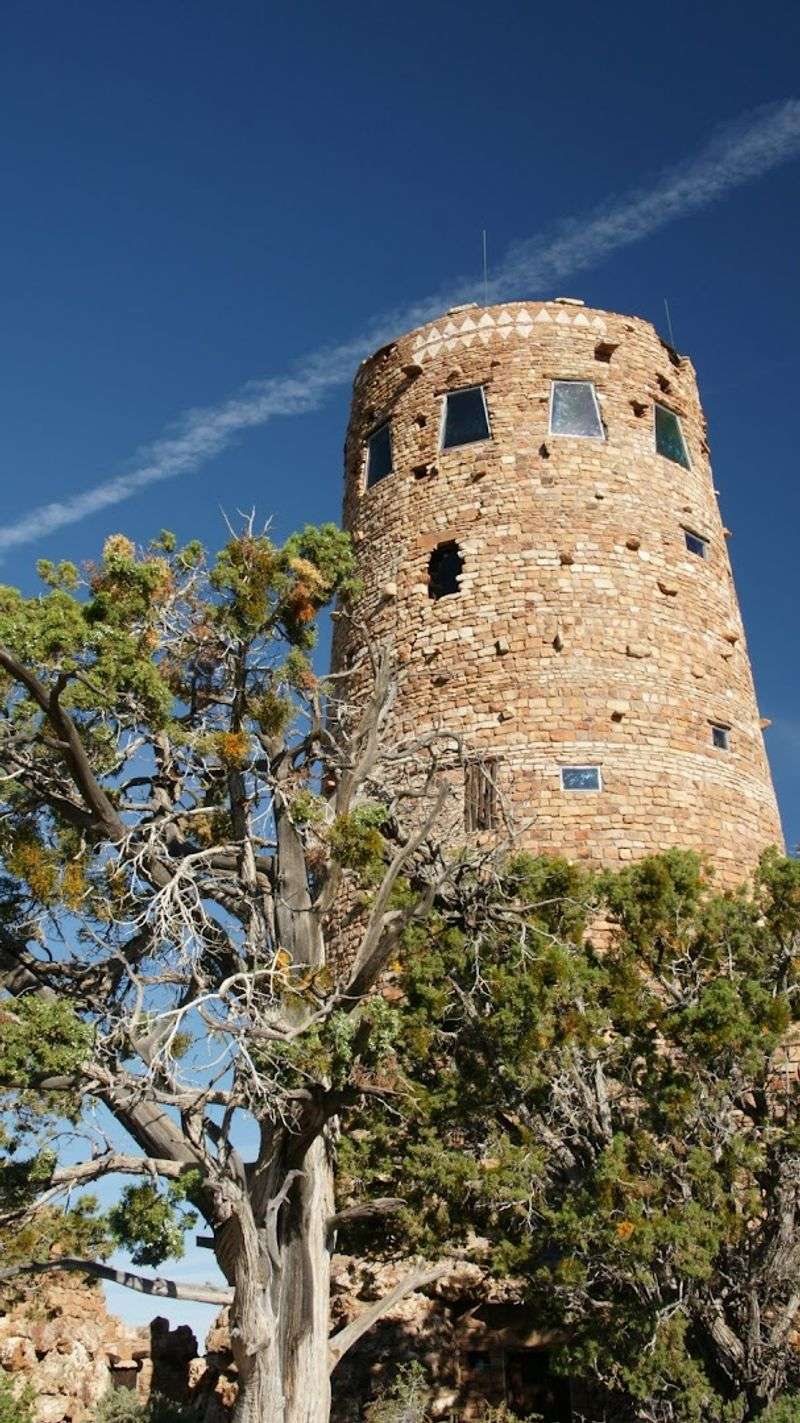
Located in the western part of the Navajo Nation in Coconino County, Tuba City is the largest community in the Navajo Nation and a cultural crossroads unlike anything else in Arizona.
It sits at about 4,900 feet elevation on the Colorado Plateau, surrounded by painted desert scenery that looks like it belongs in a dream.
The town is named after Toova, a Hopi leader, and it sits on land that holds deep meaning for both the Navajo and Hopi peoples.
Visiting here means engaging respectfully with living cultures that have called this landscape home for centuries.
One of the most exciting stops near Tuba City is the dinosaur tracksite just west of town along Highway 160.
Preserved footprints from dinosaurs that roamed this area 200 million years ago are visible right in the open desert, and local Navajo guides often offer informal tours of the site.
The Explore Navajo Interactive Museum in town tells the powerful story of the Navajo Code Talkers, the World War II heroes who used their language to create an unbreakable military code.
It is a moving and important piece of American history that many people have never heard in full.
The local flea market held on weekends is a lively gathering spot where handmade crafts, jewelry, and traditional foods are sold by community members.
Shopping there feels meaningful and authentic. Tuba City is a place that challenges your expectations and rewards your curiosity in ways that no guidebook can fully prepare you for.
7. Globe
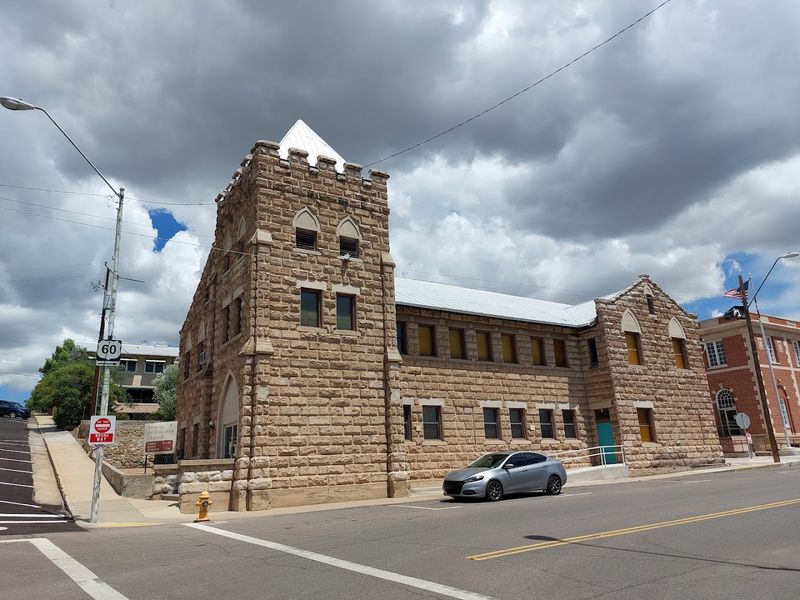
Globe has one of the most underrated downtowns in all of Arizona.
Sitting at the edge of the Tonto National Forest in Gila County, this former silver and copper mining town of about 7,500 people has a main street lined with well-preserved buildings from the late 1800s and early 1900s that make history feel alive and walkable.
The Besh-Ba-Gowah Archaeological Park, located just north of downtown, preserves a Salado culture village that dates back to around 1225 AD.
Tourists can walk among the stone ruins and explore a small but thoughtfully curated museum that explains how this ancient community lived, traded, and thrived in the desert.
Globe is also the gateway to Roosevelt Lake, the largest reservoir in Arizona. The drive out along State Route 88, known as the Apache Trail, is one of the most scenic roads in the entire Southwest.
Red rock canyons, shimmering water, and cactus-covered hillsides make every mile worth it.
The town has a growing arts scene, and the annual Arizona Mineral and Fossil Show brings collectors and curious visitors from across the country every spring.
Local shops sell everything from turquoise jewelry to hand-poured candles made right in town.
Globe sits at about 3,500 feet elevation, which gives it milder summers than Phoenix while still keeping that authentic desert character.
The Pinal Mountains rising just south of town offer great hiking and a chance to spot elk, black bears, and wild turkeys. Globe is the kind of place that grows on you the longer you stay.
8. Miami
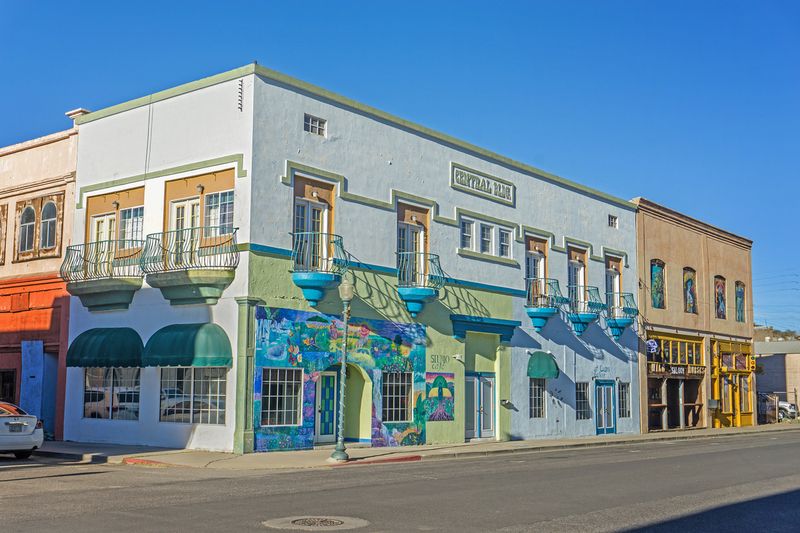
Right next door to Globe in Gila County sits Miami, Arizona, a compact and characterful town that punches well above its weight when it comes to personality.
Do not let the familiar name fool you: this Miami is all desert grit, copper history, and mountain scenery, with zero ocean in sight.
Miami was founded in 1907 and grew quickly thanks to the massive copper deposits in the surrounding hills.
The Inspiration Mine and the Miami Mine were once among the most productive copper operations in the country, and their legacy still shapes the landscape and the local identity in very visible ways.
The town sits at about 3,400 feet and has a main street that feels frozen in a good era, with brick storefronts, vintage signage, and a handful of local businesses that have been around for generations.
Walking through Miami feels like flipping through a photo album of early 20th-century Arizona life.
The nearby Tonto National Forest offers easy access to trails, fishing spots, and picnic areas just minutes from town.
Pinal Creek, which runs through the area, is a popular spot for a quiet afternoon outdoors. Miami also hosts one of Arizona’s quirkiest annual events: the Miami Claypool Carrizo Cibecue Celebration, which honors the cultural diversity of the Gila County region.
Local food, music, and crafts make it a genuine community gathering worth timing your visit around.
Is there a better way to experience the real Arizona than spending a slow afternoon exploring a town that most travelers speed right past on the highway?
9. Wickenburg
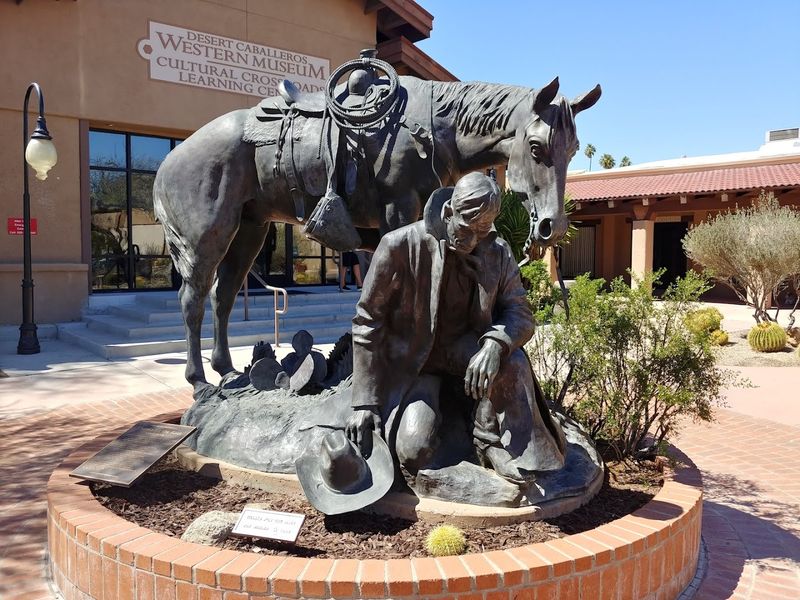
About 60 miles northwest of Phoenix in Maricopa and Yavapai counties, Wickenburg holds the proud title of Dude Ranch Capital of the World.
This western town of around 7,500 people has been welcoming visitors since the 1940s with horseback riding, wide open desert, and a cowboy culture that is completely authentic and not the least bit staged.
The town was founded in 1863 by Henry Wickenburg, who discovered the Vulture Mine, one of the richest gold mines in Arizona history.
The Vulture Mine is now a historic site open for tours, and walking through its ruins gives you a vivid picture of what life looked like during the Arizona gold rush era.
Downtown Wickenburg is a pleasure to explore on foot.
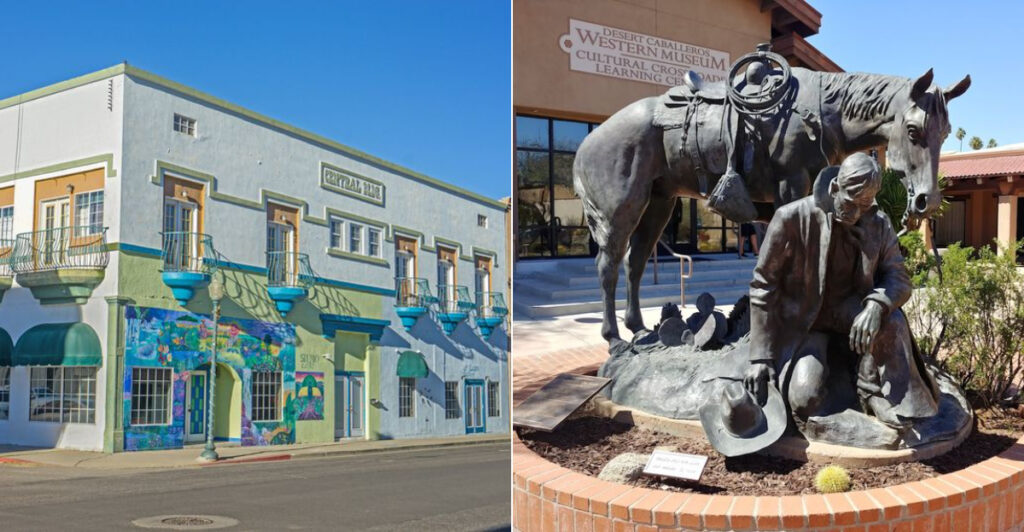
The Desert Caballeros Western Museum is a standout attraction, housing an impressive collection of Western art, cowboy gear, and Native American artifacts that tell the full story of the Sonoran Desert frontier.
It is genuinely one of the best small museums in the state. The Hassayampa River Preserve, managed by the Nature Conservancy, sits just outside town and protects a rare stretch of riparian habitat in the desert.
Cottonwood trees, willows, and a surprising variety of birds make it a refreshing and unexpected natural retreat. Spring is an especially wonderful time to visit, when the desert blooms with wildflowers and temperatures stay comfortable for outdoor adventures.
Wickenburg balances its wild west roots with a welcoming, friendly small-town energy that makes first-time visitors feel like regulars before the day is even over.