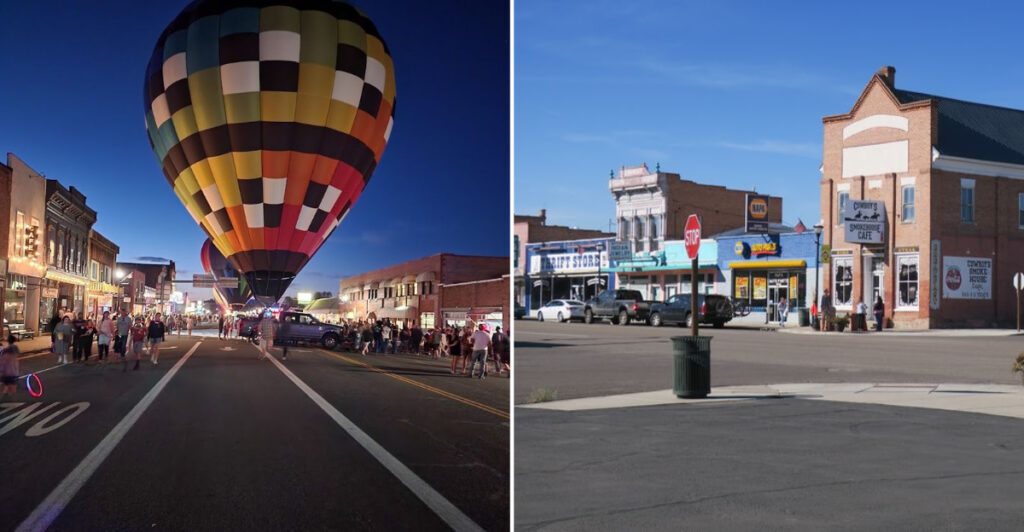
High in southern Utah, this small town proves that population size has absolutely nothing to do with personality. It may sit quietly in a mountain valley, but its traditions, creativity, and hometown pride give it the kind of presence that travelers remember long after they leave.
Utah is full of dramatic scenery, yet this stop wins people over with something warmer, a living sense of heritage stitched into daily life, celebrated through local craftsmanship, beloved recipes, and stories that still matter.
The pace is easy, the welcome feels genuine, and every corner seems to offer a reminder that small communities often preserve history better than big destinations ever could.
Come for the charm, stay for the culture, and do not be surprised when a quick visit turns into a slow afternoon. In southern Utah’s high country, this town makes the past feel vibrant, personal, and very much alive.
The Town That Decided Quilts Deserve a Celebration
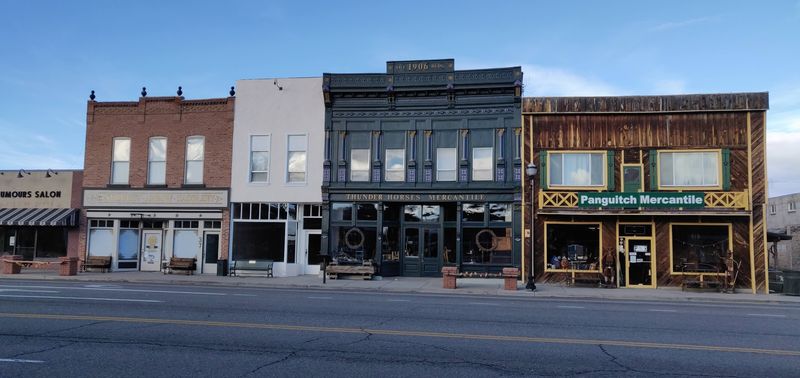
Some towns celebrate their history with a plaque on a wall. This Utah town celebrates with fabric, thread, and an entire festival dedicated to the art of quilting.
The annual Quilt Walk Festival is one of the most distinctive community events in the American West, drawing visitors from across the country who come specifically to see handmade quilts displayed on the streets and storefronts of this small mountain town.
The festival traces its roots back to a remarkable piece of local pioneer lore. According to the story, early settlers faced a life-threatening blizzard and laid quilts on the snow to distribute their weight and survive the crossing.
Whether you treat it as history or legend, the town has turned that story into something genuinely moving.
Visitors who show up expecting a modest craft fair tend to leave surprised by the scale and skill on display. Quilts of every pattern, color, and complexity line the downtown streets, turning an ordinary stroll into something closer to an outdoor gallery walk.
Pro Tip: Plan your visit around the Quilt Walk Festival dates to catch the full experience, including live demonstrations and vendors selling handmade goods that are anything but generic.
Pie So Serious It Has Its Own Festival
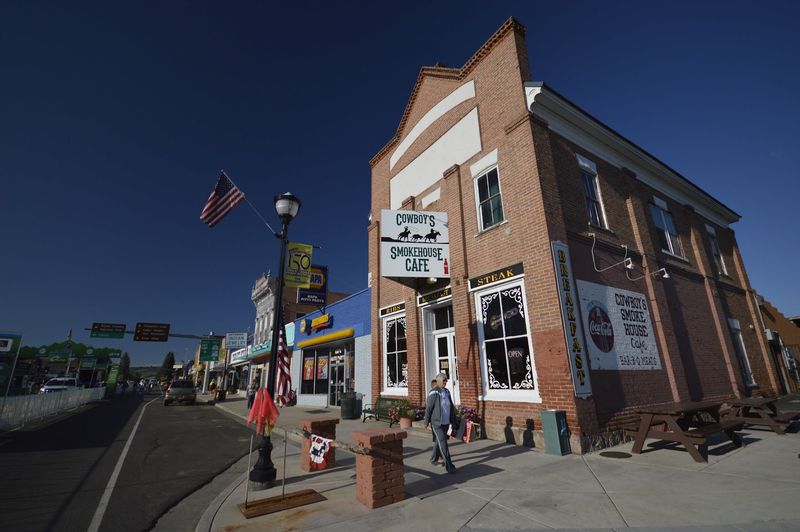
If quilts are Panguitch’s cultural crown, pie is its edible handshake. The town hosts a pie festival that has grown into a beloved regional tradition, celebrating the kind of from-scratch baking that most people only encounter at a grandmother’s kitchen table.
Locals and visitors line up for slices that reflect the agricultural roots of the region, including fruit fillings sourced from nearby orchards and farms.
What makes the pie culture here feel different from a trendy food event is how genuinely embedded it is in daily life. This is not a pop-up moment.
Bakeries and diners around town carry that same made-with-intention energy year-round, and the pie festival simply turns up the volume on something that already exists.
Families traveling through southern Utah often find that a pie stop in Panguitch becomes the most-talked-about part of the trip. Kids who normally skip dessert debate flavor choices with surprising intensity, and adults rediscover what it feels like to eat something made entirely by hand.
Best For: Road-trippers cutting through Utah on their way to Bryce Canyon who want a real food memory rather than a drive-through compromise. Budget a full stop, not just a quick bite.
Pioneer Heritage Written Into Every Brick Building
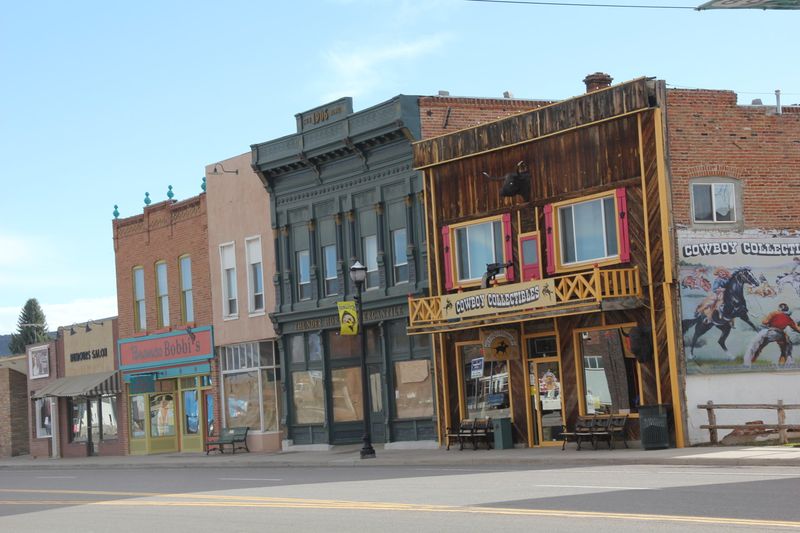
Walking through downtown Panguitch feels like someone hit the pause button on the 1880s and forgot to release it. The town’s historic district is filled with well-preserved brick buildings that date back to the pioneer settlement era, and the overall streetscape has a cohesion that most small towns lose the moment a chain store moves in.
Panguitch has largely avoided that fate, which makes it genuinely rare.
The city was settled by Latter-day Saint pioneers in the 1860s, and their influence on the town’s layout, architecture, and community values is still visible today. The brick used in the historic buildings was made locally, giving the downtown a visual consistency that feels earned rather than designed.
Several of the structures are listed on the National Register of Historic Places.
Spending time in the historic district rewards the kind of traveler who slows down enough to read a historical marker or peer through a storefront window. The architecture alone tells a story of people who built to last, not just to get through the winter.
Insider Tip: Look up at the rooflines and cornices as you walk Main Street. The detailing on these pioneer-era buildings is far more refined than you might expect from a frontier settlement of that era.
A Name With a Story Older Than the Town Itself
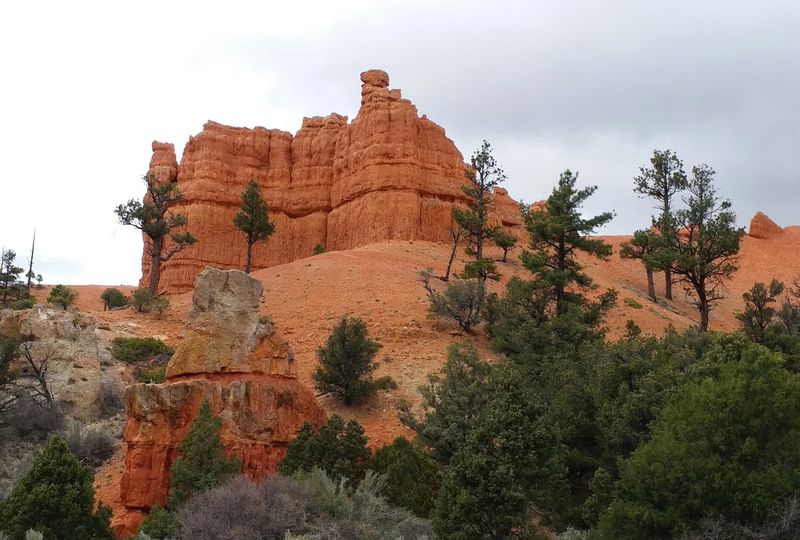
Not every town name comes with a built-in conversation starter, but Panguitch does. The name derives from a Southern Paiute word meaning “Big Fish,” a nod to the plentiful lakes in the surrounding region that have hosted rainbow trout for generations.
Long before European settlers arrived, the Paiute people recognized this valley as a place of abundance, and the name they gave it stuck through every chapter of the town’s history.
That linguistic inheritance adds a layer of depth to a visit here that goes beyond the festivals and the architecture. Understanding that the land was named for its fish by the people who knew it longest reframes the whole experience of passing through.
It is a small detail that carries real weight once you know it.
The nearby lakes remain productive fishing destinations to this day, continuing the tradition the original name references. Rainbow trout are available year-round in the area, making the region a reliable destination for anglers who want a productive outing without the crowds of more famous fishing spots.
Why It Matters: Place names carry memory. Knowing that “Panguitch” is a Paiute word for abundance connects visitors to a much longer and richer timeline than the pioneer-era buildings alone can tell.
The Gateway Logic That Makes This Town Smarter to Visit
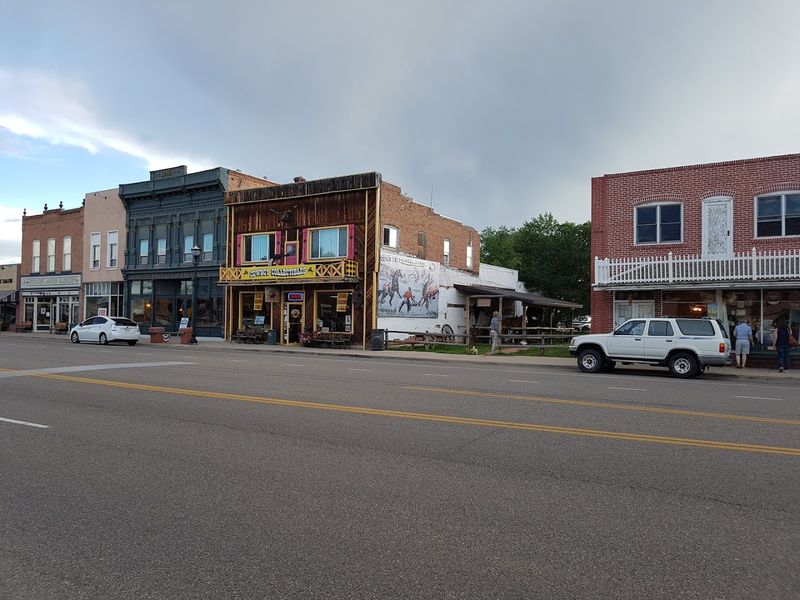
Here is where the practical math of a Panguitch visit gets interesting. The town sits at roughly 6,600 feet in elevation and serves as a natural staging point for some of the most visited national parks in the American Southwest.
Bryce Canyon National Park is less than an hour away, and Zion National Park is reachable within a couple of hours. That geography makes Panguitch one of the smarter overnight stops in the region.
Travelers who plan their Utah itinerary with Panguitch as a base rather than a pass-through find that the town rewards the extra attention. Accommodation options tend to be more affordable and more available than in the park-adjacent towns that fill up months in advance during peak season.
The trade-off is a short drive; the reward is actually getting a room.
Families especially benefit from this approach. Arriving in Panguitch the night before a Bryce Canyon day trip means starting fresh instead of exhausted, and having a real town dinner rather than a gas station sandwich.
Planning Advice: Book accommodations in Panguitch early during summer months. The town’s convenience as a park base is not a secret, and availability tightens considerably once the peak travel season gets underway in late spring.
Small-Town Scale With a Surprisingly Full Cultural Calendar
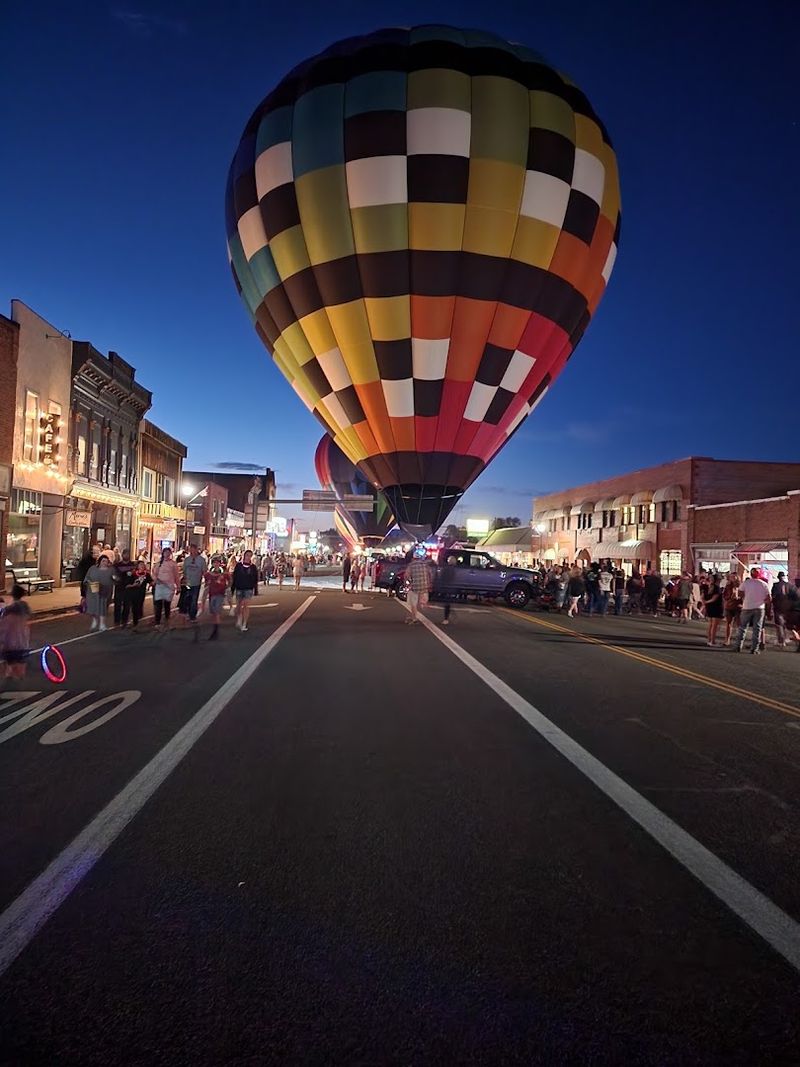
For a town of fewer than 2,000 people, Panguitch maintains a cultural calendar that would embarrass many larger communities. Beyond the Quilt Walk Festival and the pie celebrations, the town hosts events tied to its pioneer heritage throughout the year, creating a rhythm of community gatherings that feels organic rather than manufactured for tourism purposes.
That distinction matters more than it might seem.
Events here tend to involve actual residents doing things they genuinely care about, which creates a very different atmosphere from the kind of festival that exists primarily to sell tickets. Visitors pick up on that difference quickly.
There is a lack of performance to it, a quality that is increasingly hard to find in destinations that have been fully optimized for tourism traffic.
Garfield County as a whole has leaned into its identity as a place where the old ways are worth preserving, and Panguitch is the county seat that anchors that identity most visibly. The result is a town that feels lived-in and purposeful at the same time.
Who This Is For: Travelers who are tired of destinations that feel like theme parks will find Panguitch genuinely refreshing. Bring curiosity and leave the itinerary loose enough to follow whatever is happening when you arrive.
Why This Town Stays With You After the Drive Home
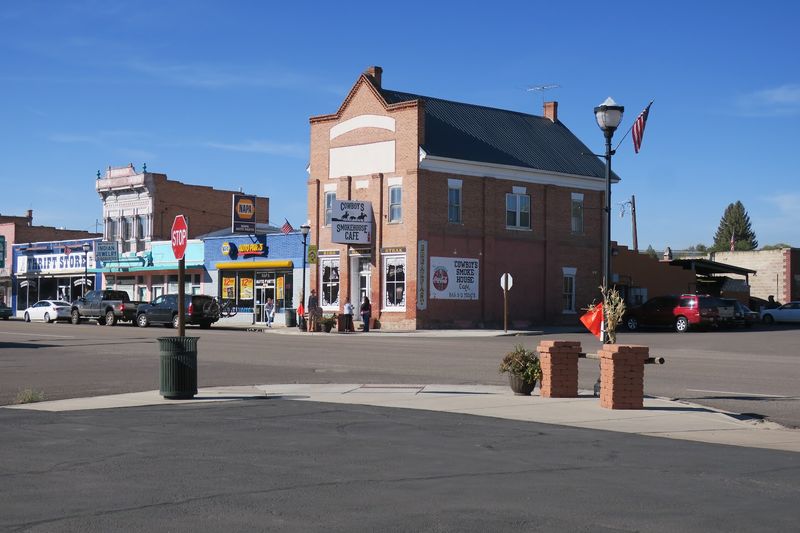
There is a particular kind of town that does not try to impress you and ends up impressing you the most. Panguitch belongs to that category.
It is not performing smallness for the benefit of visitors. The quilts are real, the pie is real, the pioneer buildings are real, and the community pride behind all of it is real.
That authenticity is the thing that lingers after the drive home.
Sitting at the intersection of natural beauty and human history, Panguitch offers a version of Utah that the national park brochures rarely feature. The landscape surrounding the town, high desert plateaus, distant red rock formations, and pine-covered ridgelines, frames the whole visit with the kind of scenery that makes even a quick errand feel cinematic.
The town’s population of roughly 1,700 means that everyone you encounter is likely a neighbor to someone else you just met, and that social density creates a warmth that larger destinations cannot replicate. A short Main Street stroll here covers more genuine local character per block than most towns manage in a mile.
Quick Verdict: Panguitch is the confident text recommendation from a friend who has actually been there. Go once and you will understand immediately why people keep coming back.