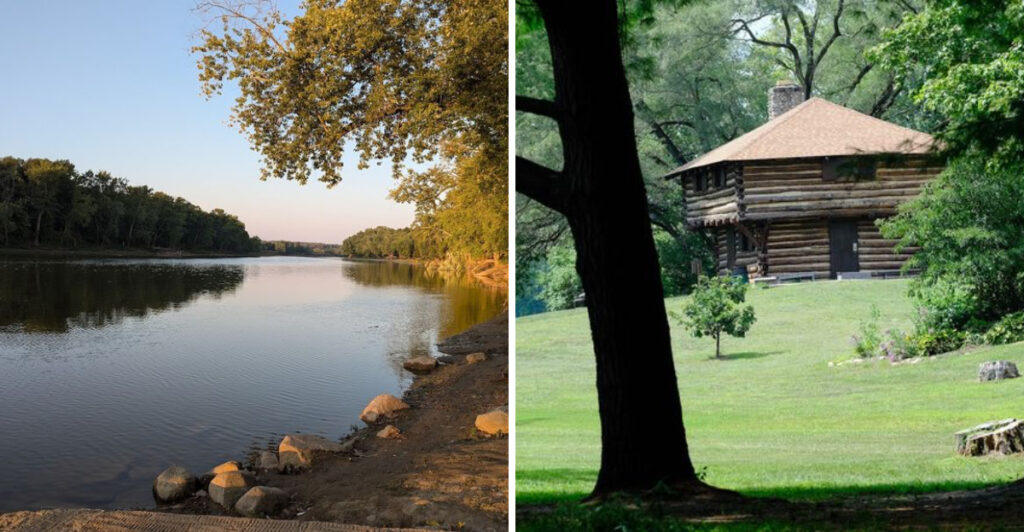
Most people drive right past it. That is their loss, and honestly, a little bit your gain.
A 1717 French trading post on the Indiana frontier, re-enactors who can argue fur trade economics in period French, and bald eagles on the Wabash that show up like they own the place.
The little-known fort sitting on this riverbank makes history feel less like something that happened and more like something you accidentally walked into. That alone would be enough.
Then October arrives. Thousands of visitors flood the grounds in 18th-century gear, voyageur canoes hit the bank, and frontier food fills the autumn air.
The whole thing becomes the kind of real-life time machine Indiana has been quietly operating for decades without nearly enough fanfare. That changes now.
The Origins Of Fort Ouiatenon And Why It Matters
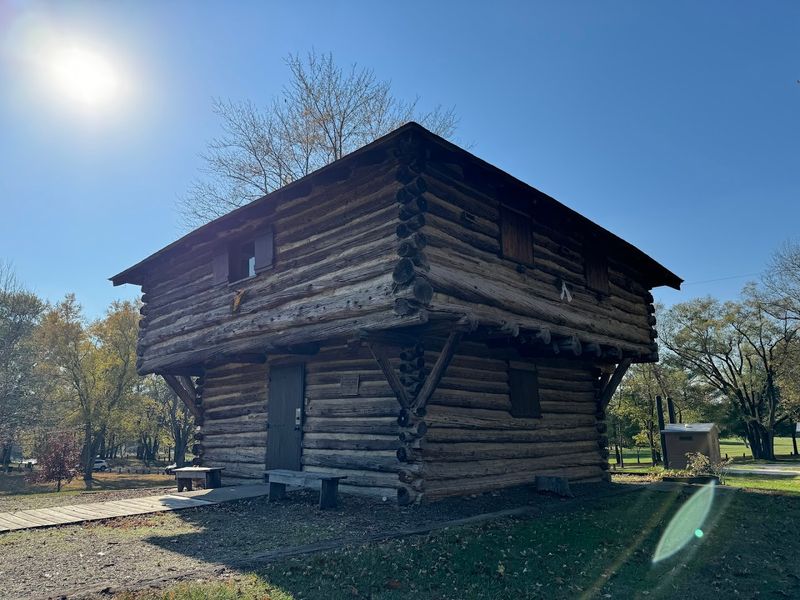
Few places in Indiana carry as much quiet historical weight as this riverside site. Fort Ouiatenon was originally established in 1717 by French colonial forces, making it one of the earliest European-built structures in what would eventually become the state of Indiana.
The fort served as a trading post and diplomatic hub between French settlers and the Wea people, an Algonquian-speaking nation closely related to the Miami, who maintained their own villages and trade networks throughout the region.
It sat at a strategic point along the Wabash River, connecting vast trade networks that stretched from French Canada all the way down through the heart of North America.
Understanding this backstory makes every visit feel more meaningful. You are not just looking at a replica building.
You are standing on ground where two very different worlds once negotiated, traded, and coexisted.
That kind of layered history is rare, and Fort Ouiatenon preserves it with genuine care and respect for all the cultures involved.
The park is located at 3129 S River Rd in West Lafayette, Indiana, and sits close to the Wabash River with parking available on site.
The Replica Blockhouse And What It Looks Like Up Close
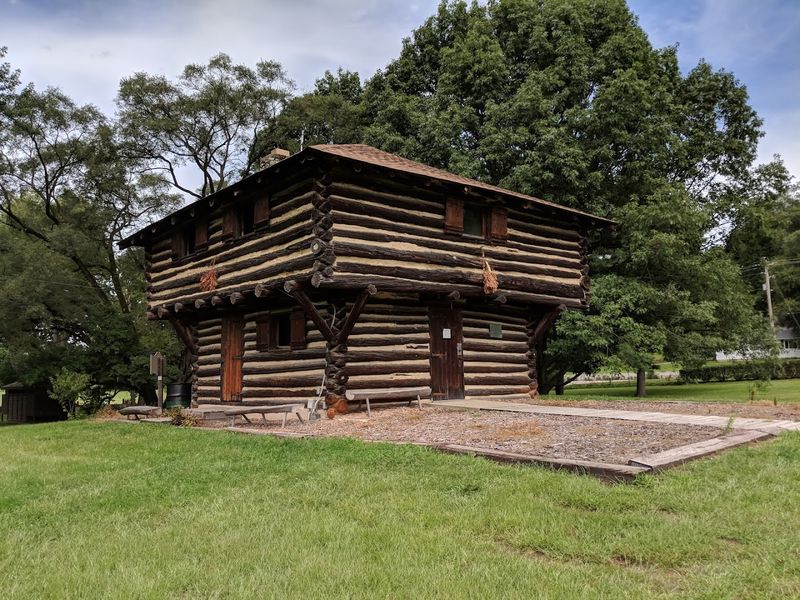
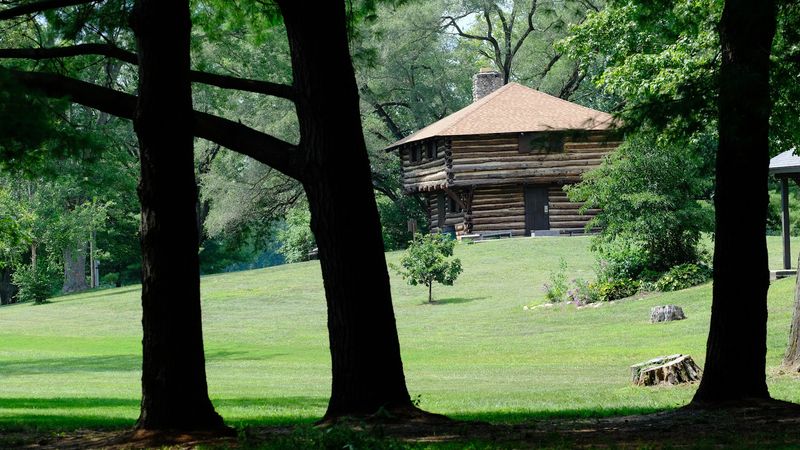
Solid timber walls, small shuttered windows, and a compact footprint that speaks to an era when every inch of a structure had to earn its place.
The replica blockhouse at Fort Ouiatenon is an evocative tribute to the original fort of the early 1700s, though historians have since confirmed the actual fort stood approximately a mile from this spot, and the structure itself reflects British rather than French design
The building is modest by modern standards, but that modesty is exactly the point. Frontier life was not glamorous.
It was practical, resourceful, and sometimes harsh. The blockhouse captures that reality in a way that feels honest rather than dramatized.
Inside, the small museum space offers artifacts, interpretive displays, and context that helps visitors understand what daily life looked like for both the French soldiers and the Indigenous communities who interacted here.
The space is compact, but it is packed with meaning. Even a short visit inside leaves you with a much sharper picture of what this corner of Indiana once looked like centuries ago.
The Wabash River Setting That Makes Everything Feel Different
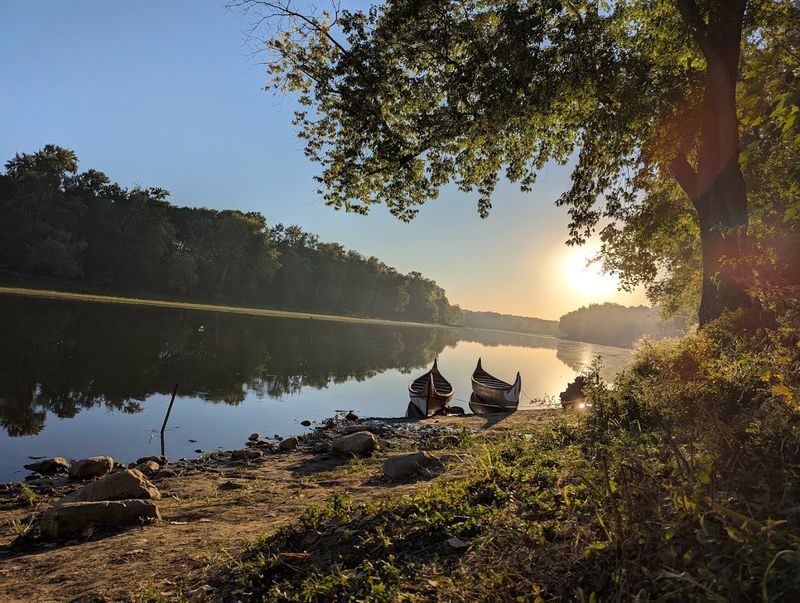
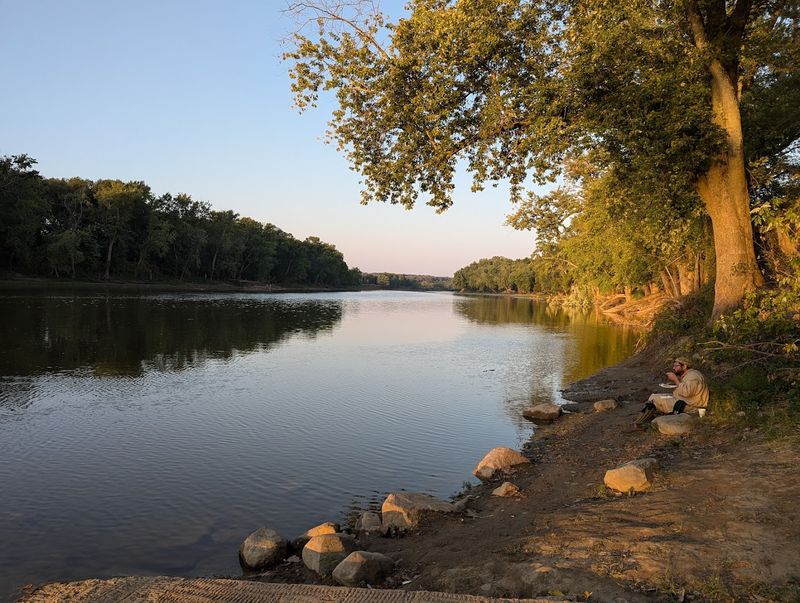
The river does something to this place that no exhibit or sign could ever replicate. The Wabash River runs quietly alongside Fort Ouiatenon, and its presence transforms the experience from a simple park visit into something that feels genuinely atmospheric.
Watching the current move through the wide, tree-lined banks, it is easy to imagine voyageur canoes pushing upstream, loaded with furs and trade goods.
The water has not changed. The basic rhythm of the river remains exactly what it was when French explorers first mapped this stretch of Indiana terrain in the early eighteenth century.
Visitors regularly mention the riverbank as one of their favorite parts of the entire site. It is peaceful, visually striking, and surprisingly moving.
Sunsets over the Wabash from this location are reportedly stunning, with the water catching the last light in a way that rewards anyone patient enough to stay a little past the typical visiting hour.
The Feast Of The Hunter’s Moon Festival
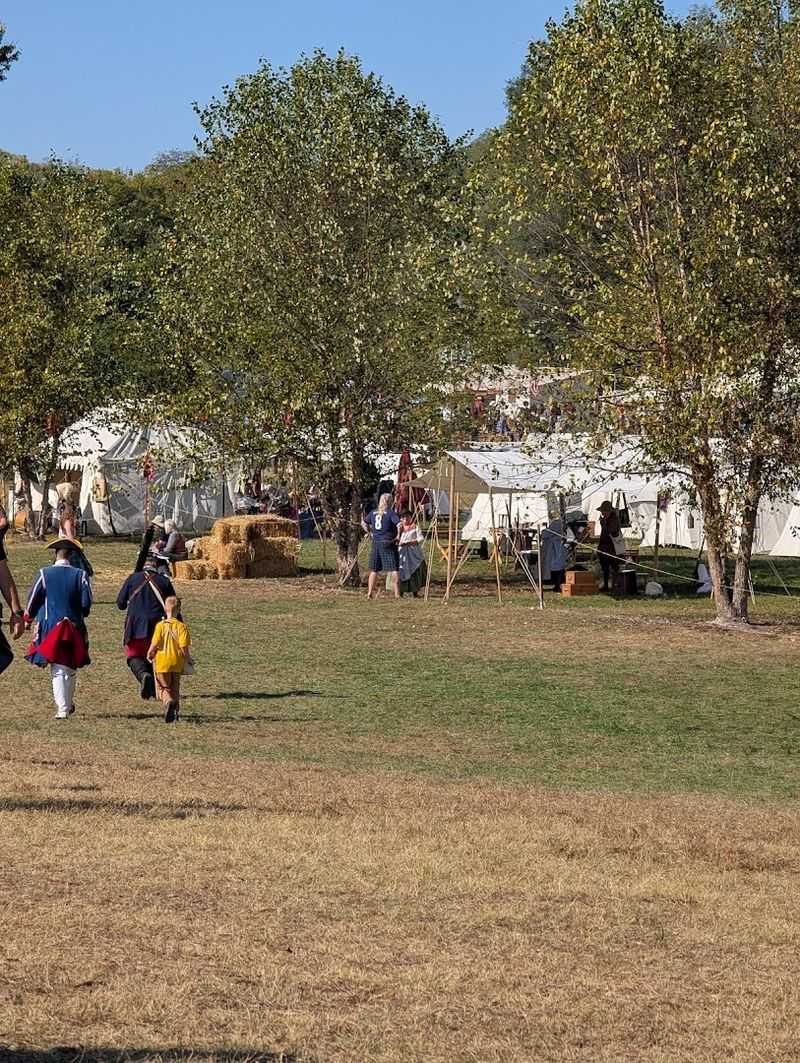
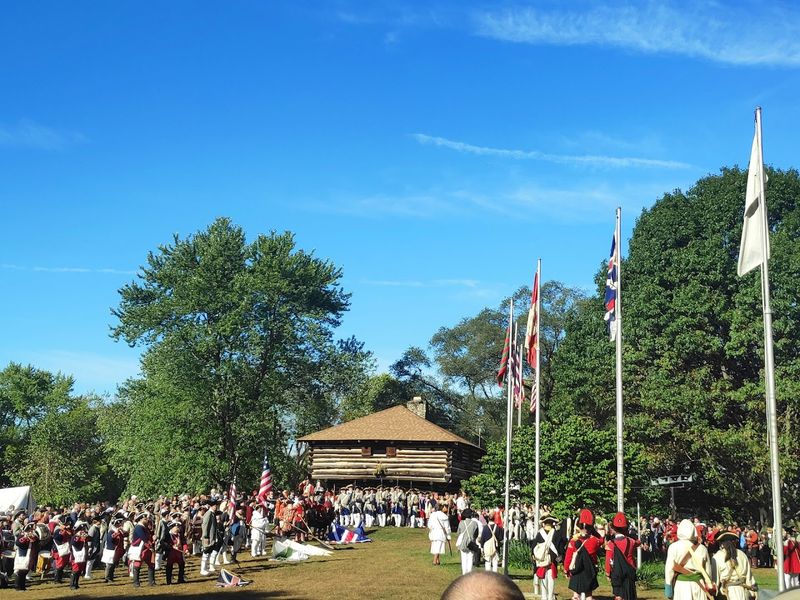
Once a year, the grounds around Fort Ouiatenon transform into one of the most ambitious living history events in the entire Midwest. The Feast of the Hunters’ Moon draws thousands of visitors each October to celebrate the culture, trade, and daily life of the 1700s.
Re-enactors arrive in period-accurate clothing representing French soldiers, Indigenous nations, Scottish Highland performers, and frontier traders. Fife and drum corps march across the open grounds.
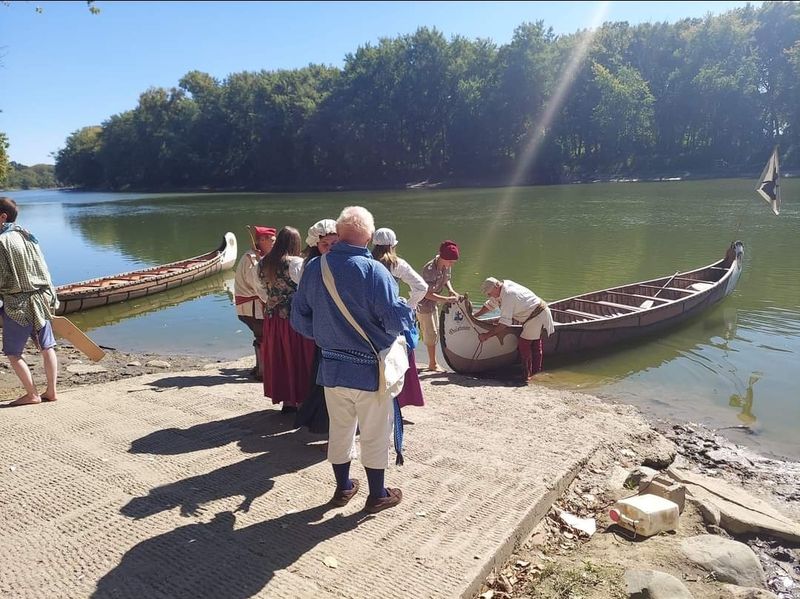
Canoe landing demonstrations play out along the Wabash riverbank.
The smell of period-inspired food fills the autumn air.
The event has been running for decades and has built a loyal following across Indiana and beyond. Families return year after year, and many volunteers have been participating for twenty or thirty years.
It is not just a festival. It is a community tradition rooted in genuine historical appreciation.
For first-time visitors, the sheer scale and energy of the Feast tends to be genuinely surprising.
Living History Re-Enactors And What They Bring To The Experience
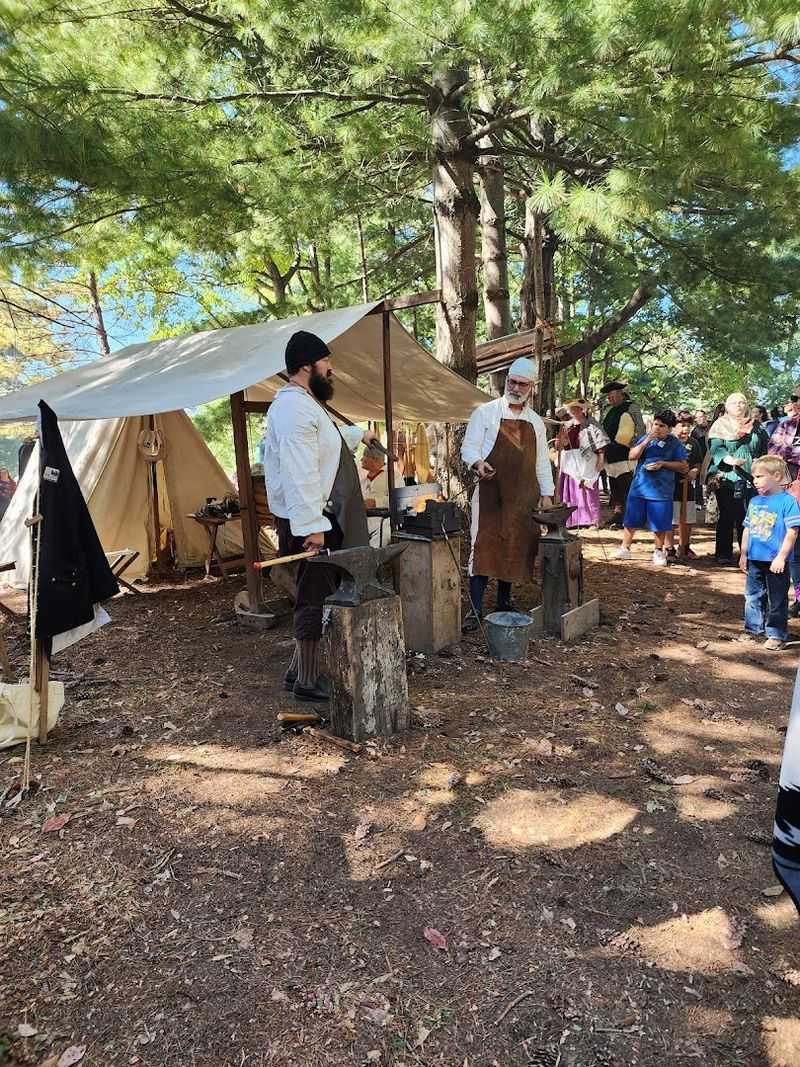
Costumes alone do not make a re-enactor. The people who show up at Fort Ouiatenon during the Feast of the Hunter’s Moon bring serious research and genuine passion to every interaction.
Many participants spend months preparing their period clothing, tools, and demonstrations. They portray French Canadian voyageurs, Wea tribal members, British soldiers, and frontier merchants with a level of detail that goes far beyond dress-up.
Conversations with re-enactors often turn into impromptu history lessons that stick with visitors long after they leave.
Children especially respond well to this kind of hands-on learning. Bead-making demonstrations, cannon firing displays, and trading post interactions give younger visitors something tangible to engage with.
It is the kind of education that feels nothing like a classroom, and that is precisely why it works so well. Indiana has no shortage of history, but few places deliver it with this much energy and human warmth.
Period Food And Craft Vendors That Complete The Atmosphere
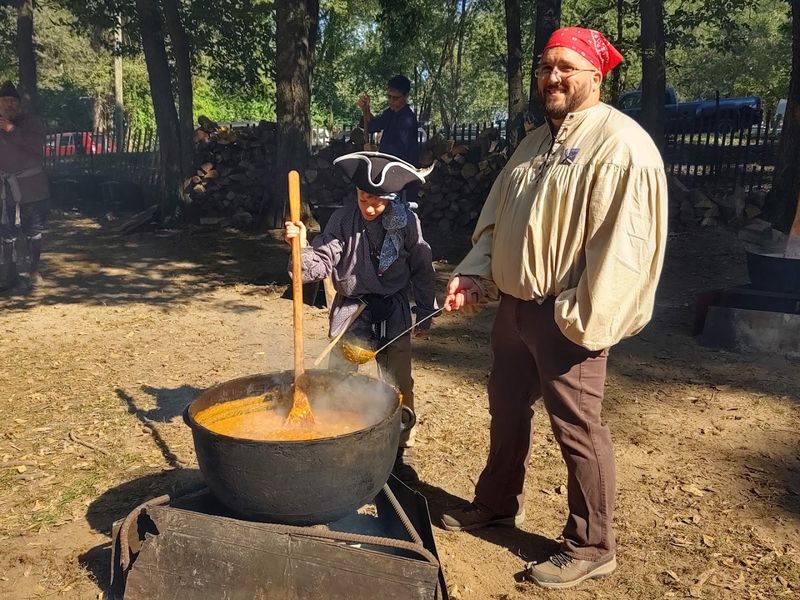
Sassafras tea. Smoked meats.
Handmade candles. The vendor experience at the Feast of the Hunter’s Moon is a full sensory event that pulls visitors deeper into the 18th-century atmosphere with every stall they pass.
Food vendors serve recipes and ingredients inspired by frontier-era cooking, giving visitors a taste of what sustained people in this region centuries ago. Craft vendors offer everything from hand-stitched leather goods and ceramic wares to furs, wooden tools, and hand-poured candles.
Jewelry, period clothing, and even rabbit foot keychains make appearances.
The market atmosphere feels like a genuine frontier trading post brought back to life. Shoppers are not just buying souvenirs.
They are participating in the same kind of exchange that defined life along the Wabash River in the early 1700s. For anyone who appreciates handmade craftsmanship or unique historical goods, the vendor section alone is worth the trip to this corner of Indiana.
The Grounds As A Year-Round Public Park
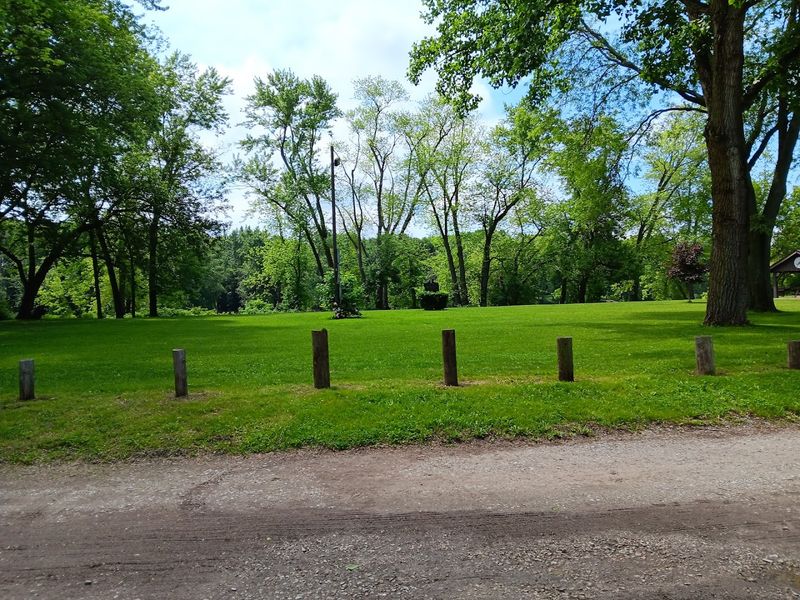
The festival is the headline act, but the park itself deserves attention on its own terms.
The open green spaces, picnic shelters, and easy river access make it a popular spot for quiet afternoon walks, casual family outings, and reflective solo visits.
Dog walkers appreciate the relaxed atmosphere. Photographers chase the light along the riverbank.
Families spread out on the grass and let the peaceful setting do the work.
Outside of festival season, the site carries a calm that feels almost rare in a world that rarely slows down.
The blockhouse may be locked during off-peak periods, but even walking the exterior and taking in the grounds delivers a meaningful experience.
The park proves that history does not always need a tour guide to make an impression.
Wildlife And Natural Beauty Along The Wabash
Bald eagles have been spotted swooping down to the water’s surface here.
That is not the kind of detail that ends up in a travel brochure, but it is exactly the kind of thing that makes a place unforgettable.
The natural corridor along the Wabash River near Fort Ouiatenon supports a rich variety of wildlife. The watershed area shifts with the seasons, shaped by the river’s constant movement.
Visitors who pay attention are rewarded with sightings that range from migratory birds to the kind of dramatic riverside moments that feel almost cinematic.
The changing ecosystem keeps the experience fresh no matter how many times someone returns. Spring brings new growth and birdsong.
Summer fills the canopy with deep green. Autumn turns the riverbank into a warm blur of orange and gold.
Winter strips the trees back and reveals the river’s bones. Indiana’s natural character is on full display here, and it complements the history beautifully.
The Site’s Connection To Indigenous History
The French did not build Fort Ouiatenon in an empty landscape. The site was established within the territory of the Wea people, and the relationship between the two groups shaped everything about how the fort functioned.
The Wea were skilled traders and diplomats who maintained complex alliances across the region. The fort became a meeting point where furs, goods, and political influence changed hands regularly.
That relationship was not always simple, but it was central to life along the Wabash for decades.
The Feast of the Hunter’s Moon acknowledges this Indigenous history directly, with re-enactors and demonstrations that represent Native American culture alongside European colonial perspectives.
It is a more complete picture of the past than many historic sites manage to offer.
Understanding the Wea presence here adds real depth to any visit and reminds guests that Indiana’s story did not begin with European arrival. It was already ancient and layered long before 1717.
Canoe Demonstrations And River Access For Visitors
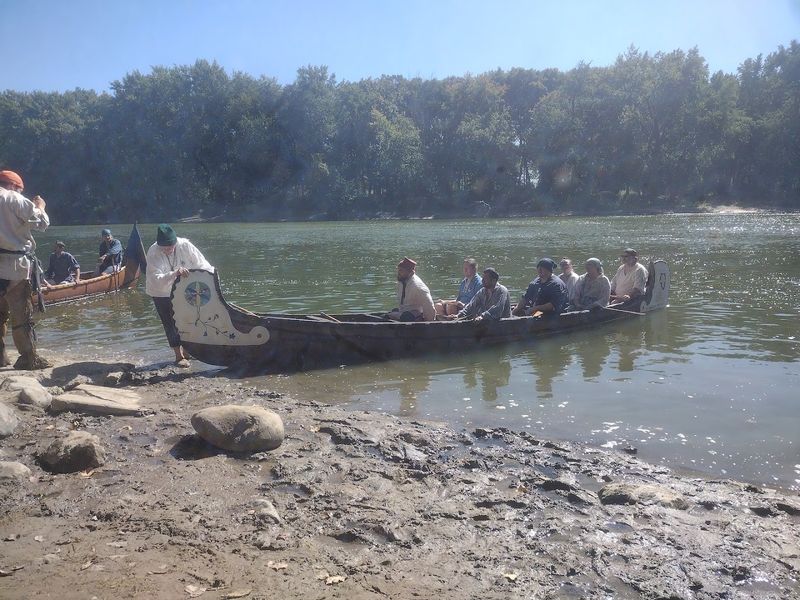
Canoes on the Wabash are not just a festival decoration. They are a direct reference to how this stretch of river functioned as a major transportation corridor in the 18th century.
Voyageur canoes were the trucks of the fur trade era.
During the Feast of the Hunter’s Moon, canoe landing demonstrations recreate the arrival of traders and explorers along the river with impressive authenticity.
Watching a period canoe approach the bank while costumed paddlers call out in the style of French Canadian voyageurs is one of those moments that lands differently than any museum display could.
Outside of festival season, the river access at Fort Ouiatenon remains available for visitors who want to get close to the water.
The Wabash is wide and calm at this point, and the riverbank provides a natural vantage point that connects the modern visitor to the same view French traders would have seen when they first pulled their canoes ashore in Indiana centuries ago.
Why This Site Works So Well For Families And School Groups
History tends to stick better when kids can touch, see, and participate rather than just read. Fort Ouiatenon understands this instinctively, and the result is a site that connects with younger visitors in ways that formal education often struggles to match.
During the Feast, bead-making workshops let children try their hand at a craft that Indigenous communities practiced for generations.
Cannon demonstrations deliver the kind of dramatic moment that earns permanent space in a young person’s memory. The trading post setup encourages kids to think about how commerce and culture intersected in frontier Indiana.
Teachers who bring school groups to the Feast often report that students who seemed disengaged in the classroom light up when surrounded by re-enactors and hands-on activities. The learning feels accidental, which is exactly why it works.
Parents also appreciate that the experience delivers genuine educational value without ever feeling like homework. This place is built for curiosity, and kids arrive already carrying plenty of it.
Planning Your Visit And What To Expect When You Arrive
Getting to Fort Ouiatenon is straightforward enough, but a little preparation goes a long way toward making the most of the experience.
During the Feast of the Hunter’s Moon, parking fills up quickly and shuttle options are sometimes available from overflow lots. Arriving early on festival days is strongly recommended.
Comfortable walking shoes are a smart choice regardless of the season, since the grounds are mostly open-air and the terrain near the riverbank can be uneven.
Outside of festival season, the park offers a quieter but equally rewarding visit.
The blockhouse exterior, the river views, and the open grounds are accessible year-round. Indiana weather can shift quickly in autumn, so layering up for an October Feast visit is practical advice.
Go with an open schedule and no rigid timeline, because this place tends to hold attention longer than most visitors expect.