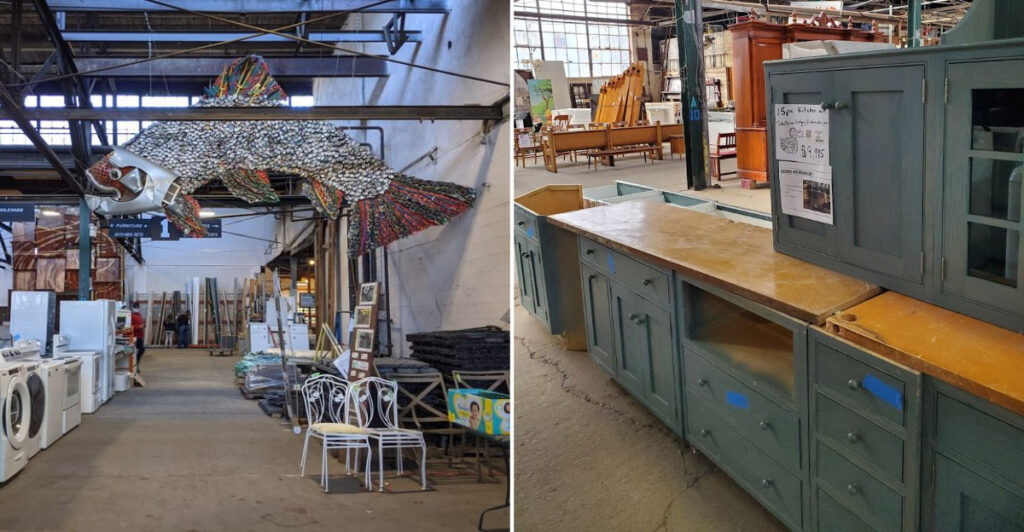
Thirty thousand square feet. Doors stacked to the ceiling. Cabinets, windows, lighting fixtures, tools, and salvaged treasures priced at roughly half of what any big box store would dare to charge.
Pennsylvania has a nonprofit reuse warehouse that has quietly become one of the most satisfying stops a homeowner, contractor, or curious bargain hunter can make in the entire region.
The inventory never sits still. Every single visit is different, which is exactly why people keep coming back with empty cars and leaving with very full ones.
A kitchen renovation that felt out of reach last month suddenly looks very possible after two hours inside this place. That is the kind of shopping trip that actually changes plans for the better.
Ready to see what is waiting on those shelves right now? Pennsylvania has this one open seven days a week, and the next great find is already sitting there with someone’s name on it.
Built On The Right Idea
Not every nonprofit starts with a simple idea that actually works, but Construction Junction is proof that the right idea at the right time can change a neighborhood.
Founded with a clear mission to keep usable building materials out of landfills, this Pittsburgh institution has been diverting salvaged goods from the waste stream for years.
The concept is straightforward. Homeowners, contractors, and businesses donate leftover or removed building materials. Construction Junction accepts them, sorts them, prices them at around 50 percent of retail value, and puts them on the floor for anyone to buy.
What makes this story even better is the nonprofit structure behind it. The organization reinvests its retail revenue into operations, community programs, and workforce development. Every purchase you make there supports something bigger than a simple transaction.
The annual Cee Jay Awards fundraiser helps fill any funding gaps, and grants from organizations like the Pennsylvania Resources Council keep things moving forward. The Trade Institute of Pittsburgh is also a partner, helping connect people with job training opportunities through the warehouse itself.
What Is Actually Inside The Warehouse
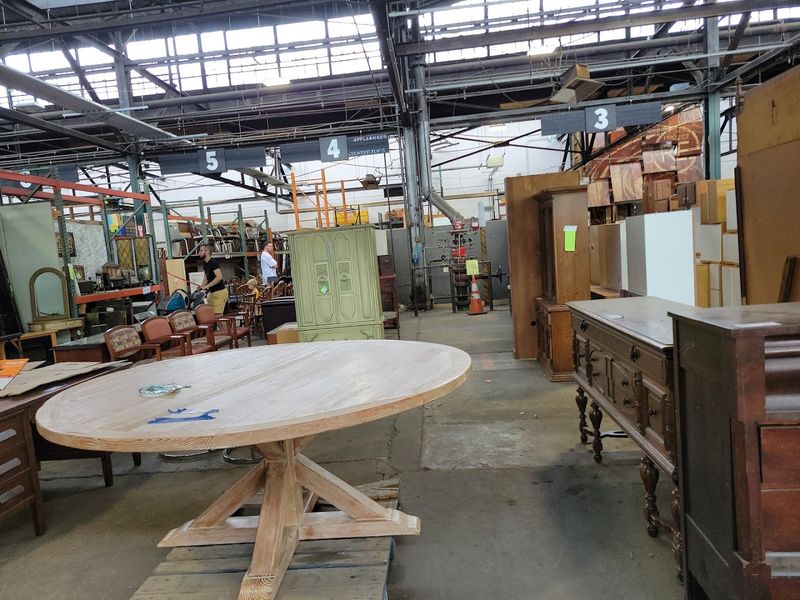
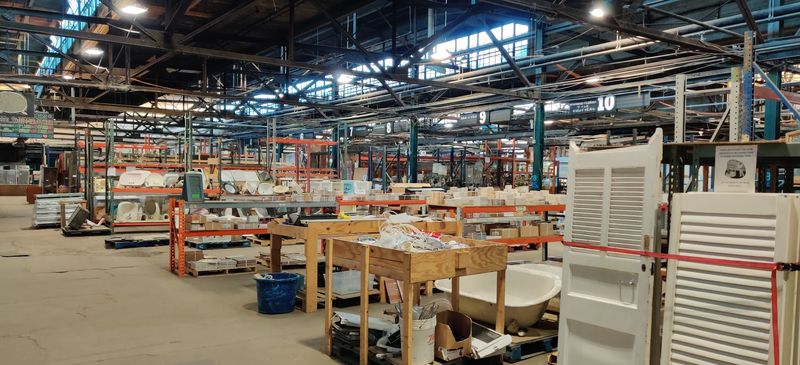
The sheer volume of stuff is genuinely impressive, and it is all organized well enough that you can actually find what you are looking for. The 30,000-square-foot space holds thousands of items across many categories.
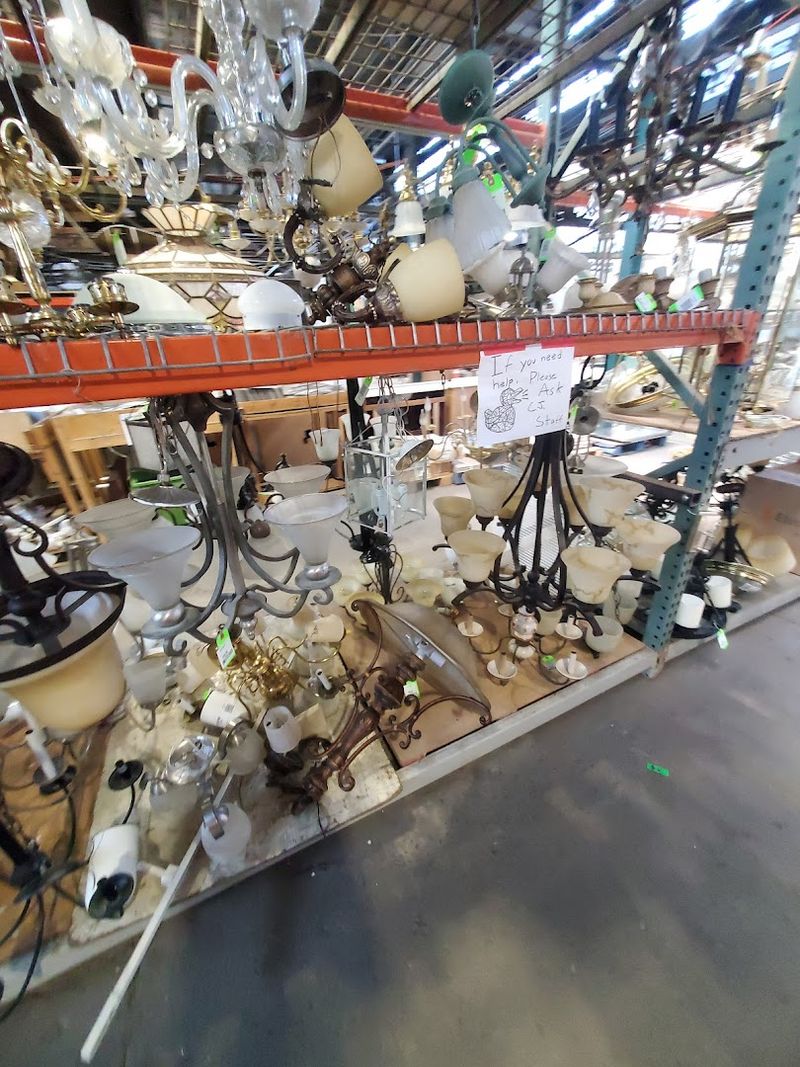
You will find appliances, cabinetry, doors, hardware, tools, home and office furnishings, lighting, masonry, paint, plumbing supplies, salvaged lumber, tile, and windows. That list covers a lot of ground, and the inventory rotates constantly.
One detail that surprises many first-time visitors is the surplus section. These are near-new items that have never been installed.
Think of a contractor who ordered too many cabinets or a developer who changed the design plan mid-build. Those extras end up here, in perfect condition, at a fraction of the original price.
The variety changes week to week, which is part of the appeal. Regular shoppers often stop in just to see what is new, and they rarely leave empty-handed.
Could your bathroom renovation budget stretch further with a set of barely-used tiles that someone else no longer needs?
The answer is almost certainly yes, and the warehouse at 214 N Lexington St, Pittsburgh, PA 15208, is where that kind of lucky find becomes a regular reality.
How The Pricing Works
There is a method behind the prices at Construction Junction, and once you understand it, the value becomes even clearer. The general rule is that items are priced at approximately 50 percent of their new retail cost, but the final number depends on a few factors.
Condition matters a lot. An item in near-perfect shape will sit closer to that 50 percent mark, while something with visible wear may drop further.
The team also considers existing inventory levels, historical sales data, and the labor involved in processing each piece before setting a price. This thoughtful approach means prices feel fair rather than random. You are not guessing at whether something is a deal.
The pricing reflects real market awareness and a genuine effort to make materials accessible to people working with modest budgets. For contractors and small business owners, this model is a serious advantage. Buying doors, windows, or hardware at half price on a large project can free up thousands of dollars for other priorities.
For a homeowner tackling a single bathroom or kitchen refresh, even one or two good finds can make a meaningful difference.
What would you do with an extra few hundred dollars back in your renovation budget? Construction Junction makes that question worth asking before you ever step foot in a hardware store.
Deconstruction Services That Feed The Warehouse
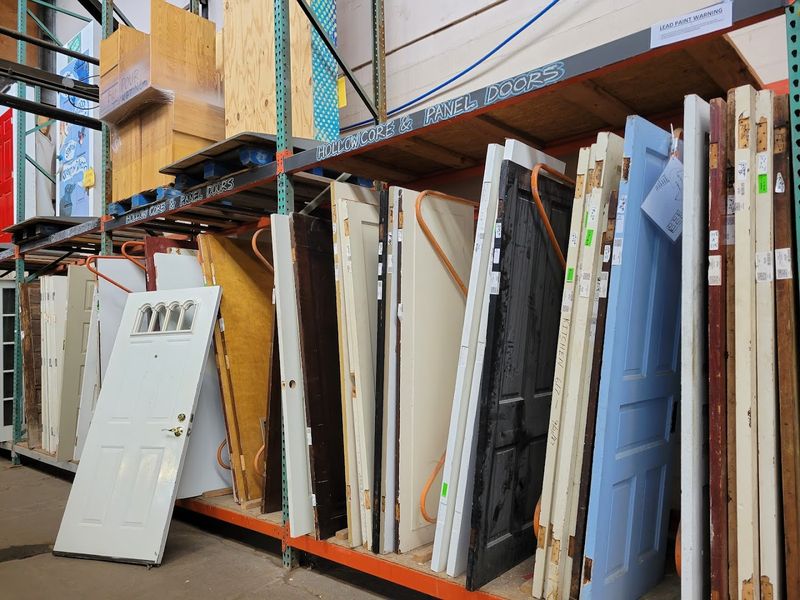
The inventory at Construction Junction does not appear by magic. A big part of what keeps the shelves stocked is the organization’s own deconstruction service, which is one of the most practical offerings they provide.
When a homeowner, business, or developer needs to clear out a space before a renovation or demolition, Construction Junction sends a trained crew to carefully remove usable materials.
Instead of tossing doors, windows, cabinets, and lumber into a dumpster, the crew salvages what can be reused and brings it back to the warehouse. For the property owner, the benefits are real. Disposal costs go down, and the donated materials qualify as a tax-deductible contribution.
That combination makes deconstruction a financially smart option compared to standard demolition and hauling. The process also supports workforce development. The crews doing this work often include individuals who are building skills and job experience through Construction Junction’s employment programs.
So one deconstruction project can benefit a property owner, reduce landfill waste, train a worker, and stock a warehouse all at the same time.
Community Programs And The People They Reach
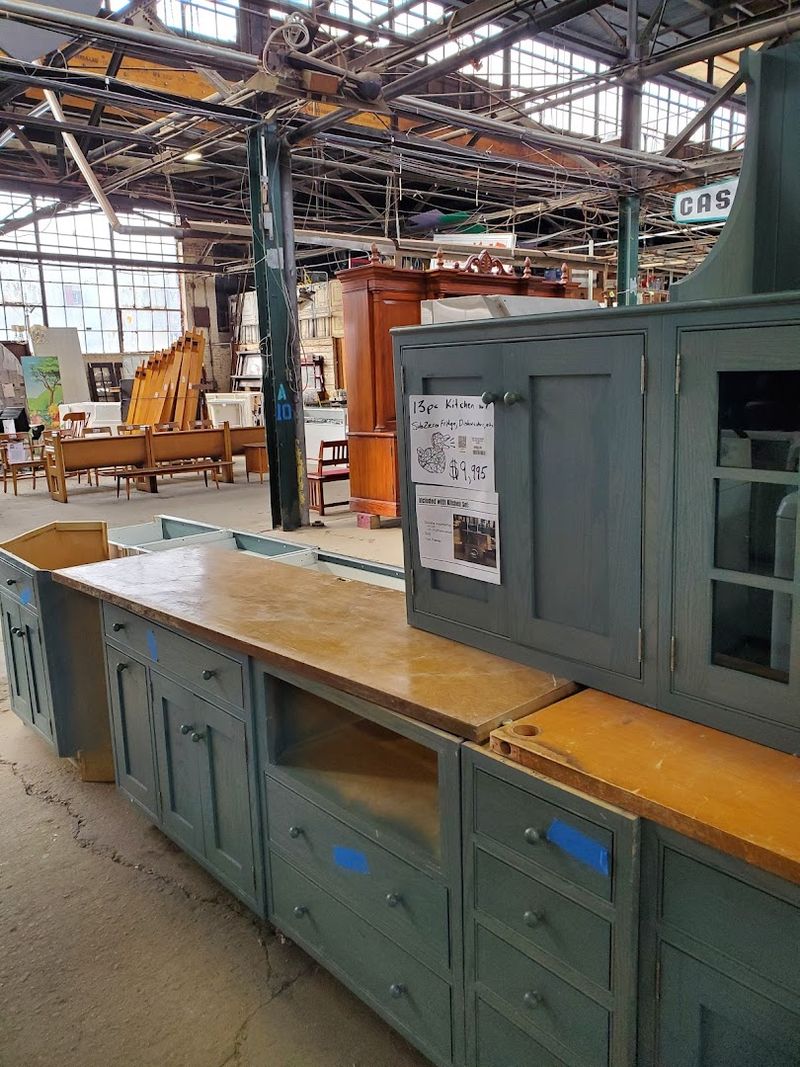
This is not just a store. It is a community organization that uses retail as a tool to fund something larger and more meaningful than profit margins.
One of the most popular community offerings is the Repair Cafe, a recurring event where people bring in broken household items and get help fixing them on the spot.
Volunteers with skills in electronics, sewing, woodworking, and general repair show up to help neighbors extend the life of things they would otherwise throw away. It is practical, social, and genuinely fun.
Beyond events, the organization runs employment programs that create job opportunities for people facing barriers to traditional hiring. Partnering with the Trade Institute of Pittsburgh, Construction Junction helps connect participants with hands-on training in a real working environment.
The Pennsylvania Resources Council is another partner in the mix, reinforcing the environmental education side of what the warehouse does every day. These relationships make Construction Junction a node in a wider network of sustainability and community support across Pittsburgh.
A regular shopper named Marcus once mentioned that he came in for a door and left having signed up to volunteer at the next Repair Cafe. That kind of thing happens here more often than you might expect. What would bring you back for a second visit?
The Pittsburgh Center For Creative Reuse
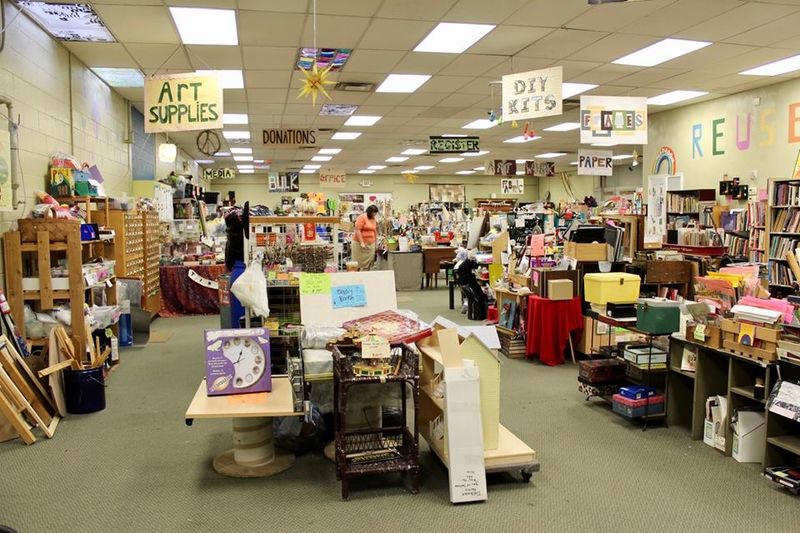
Right inside the same building sits one of Pittsburgh’s most creative and unexpected shopping experiences. The Pittsburgh Center for Creative Reuse shares the space with Construction Junction and brings a completely different energy to the same address.
Think of it as a non-traditional art supply shop with a sustainability mission. Instead of selling new paints and canvases, the Center collects donated materials that might otherwise be discarded and offers them to artists, teachers, students, and crafters at very low prices.
Fabric scraps, paper, foam, wire, containers, and all sorts of odds and ends fill the shelves. The inventory is always changing, which means every visit is a new creative puzzle.
Teachers especially love this place because it lets them stock a classroom with art supplies without spending a fortune.
Having both spaces under one roof makes this a genuinely interesting destination. You can pick up reclaimed lumber for a deck project and then walk a few steps to find the perfect collection of mixed media materials for your next art project.
A visiting art teacher from the suburbs once said she drove 45 minutes specifically for the Creative Reuse shop and ended up leaving with a trunk full of both craft supplies and a set of vintage cabinet pulls.
Planning Your Visit And What To Expect
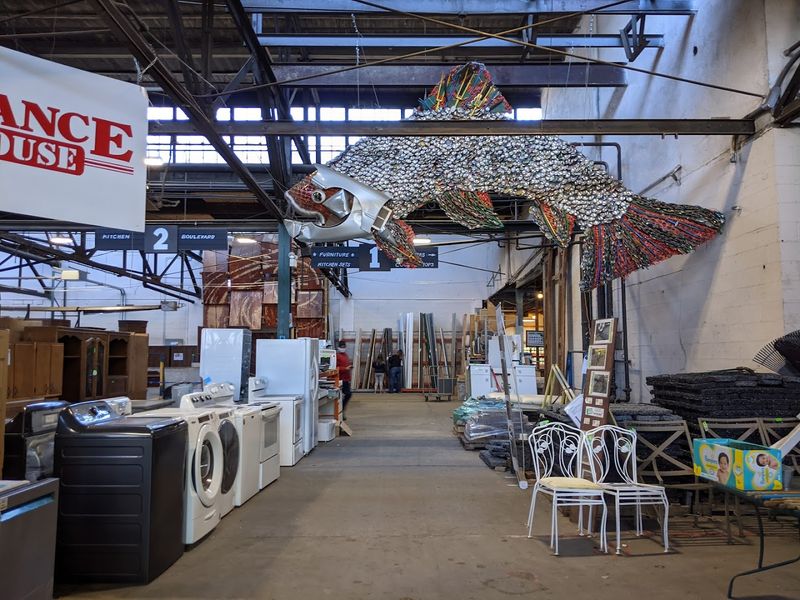
First-time visitors often ask the same question before heading to Construction Junction: what should I bring? The honest answer is a measuring tape, a list of your project needs, and a flexible attitude toward what you might find.
The warehouse is open Monday through Saturday from 9:00 AM to 5:00 PM and Sunday from 10:00 AM to 5:00 PM. Those hours give you plenty of time to browse, compare, and load up your vehicle.
Speaking of vehicles, bringing a truck or a large SUV is a smart move if you plan to buy anything bulky like doors, windows, or lumber.
The staff is knowledgeable and approachable. If you are looking for something specific, asking at the counter is always worth your time. Inventory changes frequently, so what was not there last week might be waiting for you today.
Parking is available at the site, which makes logistics easier than you might expect for an urban warehouse location. The neighborhood is worth a short walk as well, with other small businesses and local character nearby.
One practical tip from experienced regulars: go early on weekdays if you want the widest selection and the most relaxed browsing experience. Weekends bring bigger crowds and faster turnover.
Why Sustainable Shopping Feels This Good
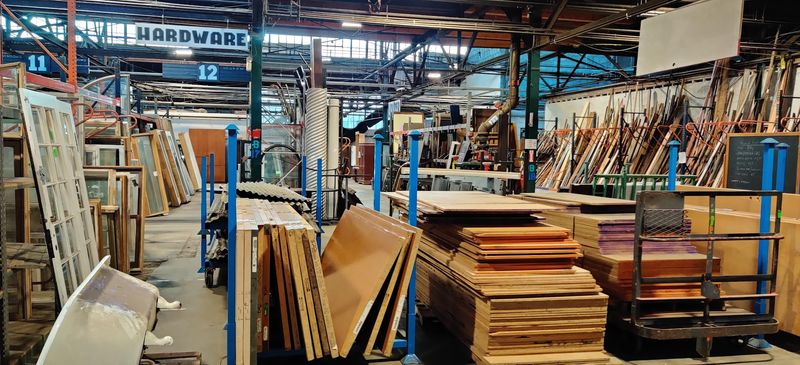
There is something satisfying about buying a set of kitchen cabinets and knowing that they are not adding to a landfill somewhere. Construction Junction has built its entire identity around that feeling, and it shows in the way people talk about the place.
Every item sold at the warehouse is one less item in the waste stream. Over time, that adds up to an enormous amount of material diverted from disposal.
The organization’s focus on salvaging historic building materials means that some of what you find there has real character, the kind that new materials simply cannot replicate.
Sustainable shopping used to feel like a compromise, as though you were choosing the responsible option over the practical one. Construction Junction makes that trade-off disappear.
The prices are genuinely lower, the selection is surprisingly broad, and the quality of surplus and near-new items is often excellent.
For budget-conscious renovators, the environmental benefit is a welcome bonus on top of the savings. For eco-minded shoppers, the savings are a welcome bonus on top of doing the right thing. Both groups tend to leave happy.