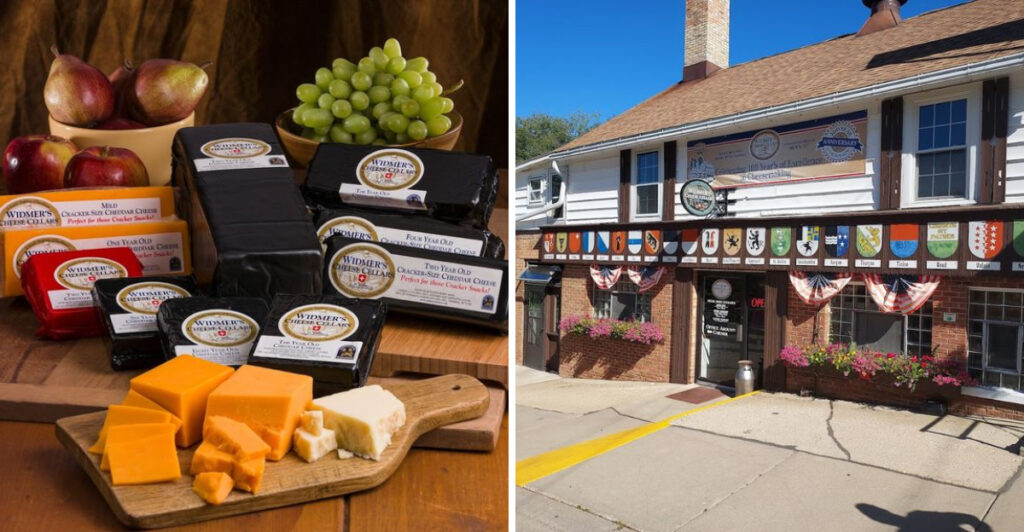
A tiny town, a hundred-year-old factory, and cheese so good that people load up coolers and drive across state lines without a second thought.
Wisconsin has built its entire identity around dairy, but this one small shop takes that reputation somewhere most places never reach.
Four generations deep, still pressing with the same century-old bricks, still making brick cheese the way almost nobody else does anymore.
The kind of craft that does not scale, does not cut corners, and absolutely does not go unnoticed by the people who find it in Wisconsin.
Once word spreads about a place like this, the quiet never lasts forever. Right now, the cooler space is still yours for the taking.
A Century Of Cheesemaking History
Back in 1922, a Swiss immigrant named John O. Widmer set up a small cheese factory in Theresa, Wisconsin, with a simple goal: make honest, high-quality cheese using time-tested methods.
That goal has not changed in over a hundred years.
What makes this story remarkable is the unbroken family chain. Four generations of the Widmer family have kept the operation running, passing down recipes, techniques, and a stubborn refusal to cut corners.
The current Master Cheesemaker grew up in the apartment directly above the factory and started helping with production at just six years old.
Widmer’s Cheese Cellars has been nominated for placement on the National Register of Historic Places, a recognition that would formally acknowledge what loyal visitors have always known.
That recognition is not just a plaque on a wall. It is a formal acknowledgment that this small Wisconsin factory represents something rare: a living, breathing piece of American food history that still shows up to work every single day.
The shop is located at 214 W Henni St, Theresa, WI 53091, and it is easy to find once you are in town.
The Last True Brick Cheese Maker
Brick cheese is a Wisconsin original, invented back in 1877, and Widmer’s may be the last place on earth still making it the traditional way. Most producers have modernized or abandoned the method entirely.
Here, the process stays true to its roots.
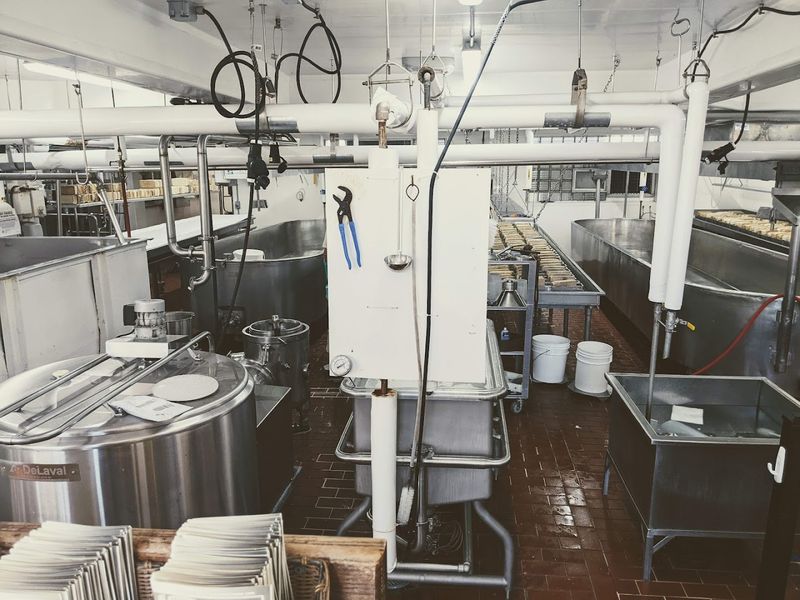
The signature technique involves using the same clay-fired bricks from 1922 to press the cheese during production. Those actual bricks, over a century old, still do their job in the make room today.
The result is a semi-soft, springy cheese with a strong, meaty aroma that you simply cannot replicate with shortcuts.
Brick cheese from Widmer’s has built a reputation well beyond Wisconsin. It is sought after by fans of Detroit-style pizza, who know that the right cheese makes all the difference.
Mild versions offer a gentler flavor for those easing in, while the aged varieties reward the adventurous with something deeply savory and unforgettable.
Award-Winning Cheddar That Ages Gracefully
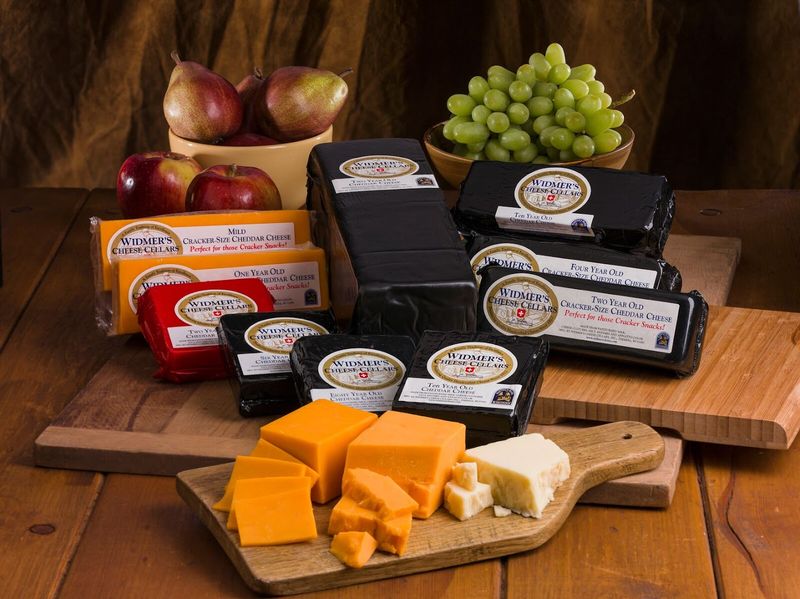
Cheddar is everywhere, but not all cheddar is created equal. The aged cheddar produced at this small Wisconsin factory has earned a serious reputation among cheese professionals and devoted fans alike.
The cheesemaker here is considered one of the top block cheddar makers in the entire country. His Wisconsin Master Cheesemaker certification, which is only offered in Wisconsin and Switzerland, covers cheddar alongside brick and colby.
That level of expertise shows up clearly in the final product.
Visitors can find cheddar aged anywhere from a few years to well over a decade, with each stage offering a noticeably different flavor profile.
The older blocks develop a complex, sophisticated taste without the harsh bitterness that cheaper aged cheddars sometimes carry.
People who try a sample at the counter often end up buying far more than they originally planned, stacking blocks into their arms with the focused determination of someone who just discovered something genuinely special.
Colby Cheese Done The Wisconsin Way
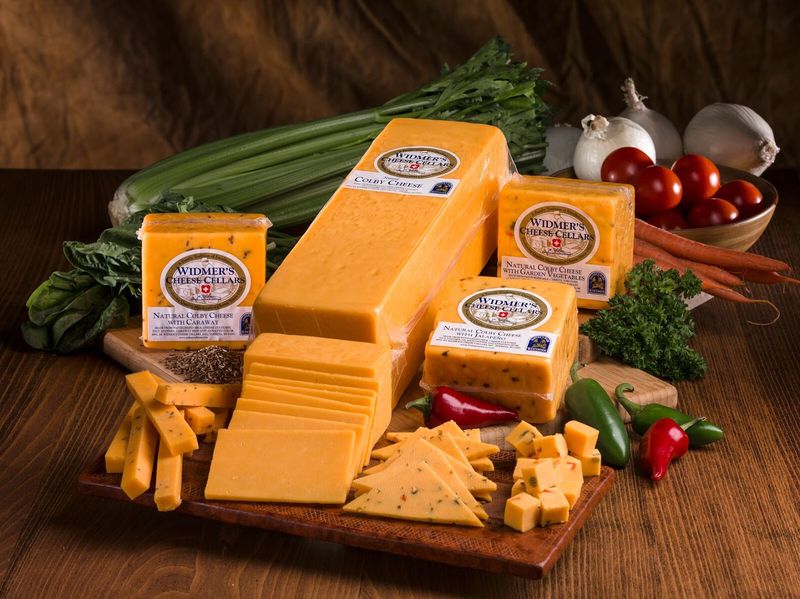
Colby is another cheese with deep Wisconsin roots, and Widmer’s takes that heritage seriously. Their version is award-winning, characterized by a smooth, mild flavor and a softer, more open texture compared to cheddar.
The difference between a mass-produced Colby and the kind made here is hard to put into words until you taste it side by side. The texture is creamier, the flavor is cleaner, and it has a freshness that suggests the milk and the method both matter enormously.
For visitors coming from out of state, Colby is often the cheese that surprises them most.
Many people assume it will taste like the rubbery, plastic-wrapped versions found in supermarkets across the country. What they find instead is a cheese with genuine character, one that pairs beautifully with crackers, fruits, or simply eaten straight from the block.
It is a reminder that some things taste best when made by people who actually care about the craft.
The Aged Brick Spread That Keeps Winning
Some products develop a cult following for a reason. The Aged Brick Cheese Spread at Widmer’s is one of those products, and it has the hardware to back up the hype.
This spread blends washed-rind brick cheese with aged white cheddar to create something that is bold, creamy, and deeply satisfying.
It has taken home multiple top honors, including Best of Class recognition at the World Championship Cheese Contest. That contest draws entries from cheesemakers around the globe, which puts those wins in proper perspective.
For many visitors, the spread becomes the item they cannot leave without. It works on crackers, sandwiches, and just about anything else you want to make more interesting.
People who first encounter it at the sample counter often reach for a second taste before they have even finished the first.
It travels well and holds up nicely, which is convenient for the many customers who are driving it back across state lines to share with friends and family.
Watching The Cheese Actually Get Made
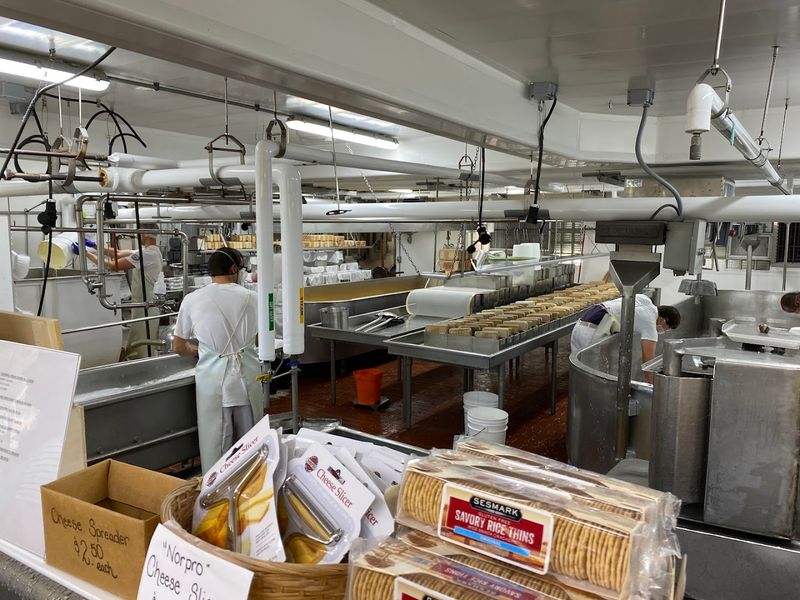
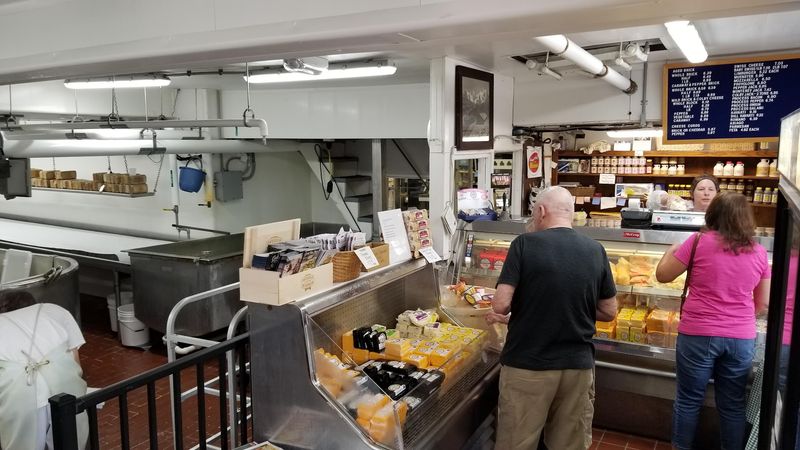
Most food shops sell you the finished product and ask you to use your imagination for the rest. At this Wisconsin factory, the imagination part is optional because the production floor is right there.
The retail area sits just steps away from the make room, where visitors can watch cheesemakers working over open vats using the same techniques that have defined this place for generations.
On active production days, the sights and sounds of real cheesemaking fill the space in a way that no museum exhibit or video could replicate.
Seeing the process up close changes the way the cheese tastes. When you watch someone carefully tending a vat of fresh curd, understanding the physical effort and attention involved, the block you pick up from the counter feels different.
It carries weight beyond its actual mass.
Visitors consistently describe this as the highlight of their stop, even more memorable than the samples, which is saying quite a lot given how good the samples are.
Fresh Cheese Curds Worth The Drive Alone
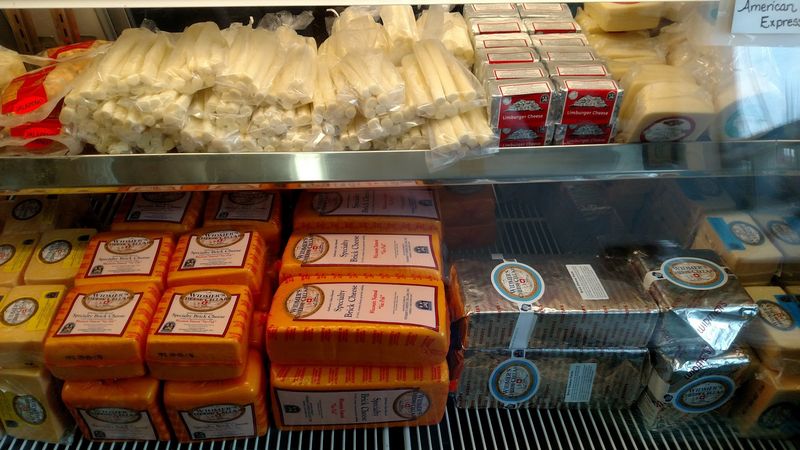
Fresh cheese curds have a short window of peak deliciousness, and getting them straight from the source is a completely different experience than buying a bag that has been sitting in a cooler for days.
At Widmer’s, the curds are sometimes still warm when they hit the retail counter, and that squeaky, bouncy texture is exactly what cheese curd fans travel for.
Visitors from Arkansas, Florida, and beyond have mentioned the curds specifically as something that exceeded their expectations, which is a high bar for a product that already has a devoted following.
One practical note worth knowing: fresh curds are not available every single day, so calling ahead is a smart move if curds are the main reason for the trip.
That said, plenty of visitors who arrived without them in mind ended up buying a bag after a single sample. Warm them up slightly and the texture softens in a way that makes them even harder to stop eating.
The Master Cheesemaker Certification Few People Hold
Not every cheesemaker earns the title of Master Cheesemaker. In fact, the Wisconsin Master Cheesemaker Program is one of the most rigorous cheesemaking certifications in the world, recognized alongside the finest European traditions.
The cheesemaker behind Widmer’s holds this certification in three varieties: brick, cheddar, and colby.
Earning it requires years of documented experience, rigorous testing, and a demonstrated mastery of the science and craft behind each specific cheese type. It is not a participation award.
For visitors, this detail adds a layer of meaning to everything on the shelf. You are not buying cheese from a factory that scaled up to meet demand and optimized for profit margins.
You are buying from someone who has spent a lifetime studying, practicing, and perfecting a craft that is recognized at the highest professional level.
That expertise is present in every batch, and it is one of the clearest explanations for why people keep coming back from states far beyond Wisconsin’s borders.
A Small Shop With A Surprisingly Big Selection
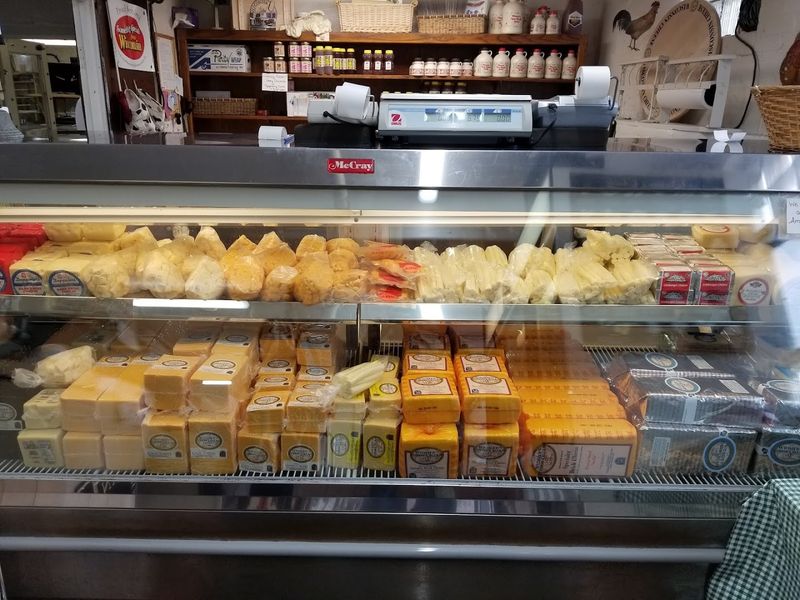
The retail space at Widmer’s is compact, but compact does not mean limited.
The selection covers a thoughtful range of their own production alongside a few products from other local makers in the area.
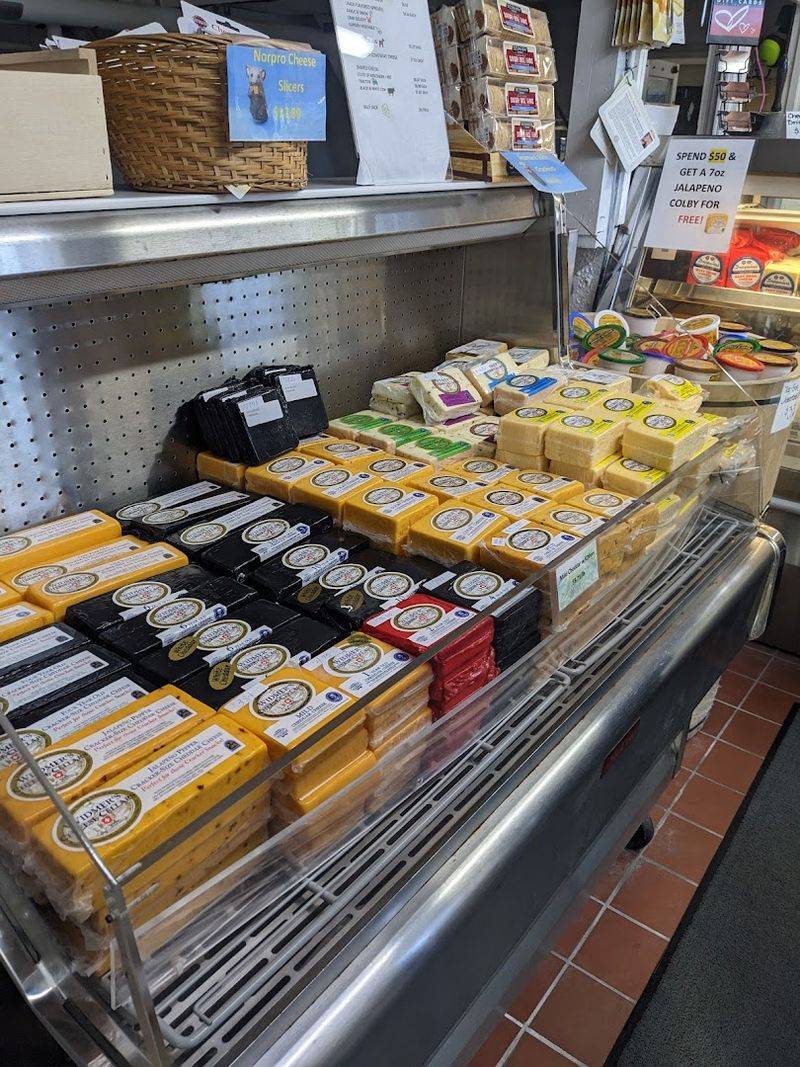
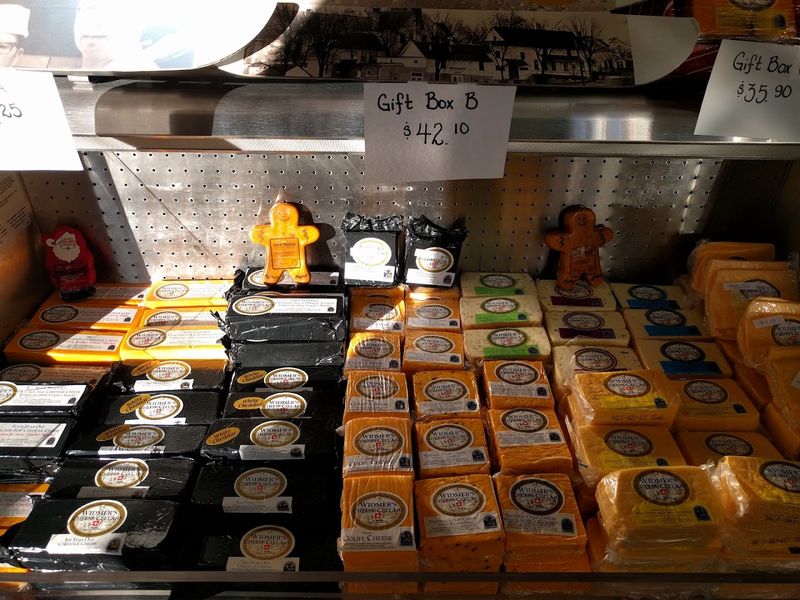
Shoppers will find brick cheese in multiple ages and forms, cheddar at various stages of maturity, Colby, cheese curds when available, and specialty items like the Aged Brick Spread.
There is also fresh cream available, which customers describe as exceptionally rich and thick, a product of the same careful sourcing that goes into the cheese.
Free samples greet visitors at the counter, which is both a generous gesture and an effective one. It is difficult to taste three or four varieties and walk out with just one item.
The staff are knowledgeable and genuinely helpful, willing to explain differences between varieties and help customers find exactly what they are looking for.
The atmosphere feels personal rather than commercial, which is part of what makes the stop feel worthwhile regardless of how far you drove.
Why People Plan Entire Road Trips Around This Stop
Road trips through the Midwest often get planned around food, and Widmer’s has become a must-stop destination for cheese lovers who know what they are looking for. People do not stumble across this place by accident and leave disappointed.
Visitors from Florida, Arkansas, Kansas, and many other states have specifically mentioned making the trip to Theresa, Wisconsin, as a deliberate choice. Some bring lists from family members back home requesting specific items.
Others load up coolers and pack their purchases carefully for the long drive back. The cheese ships nationally too, but there is something about buying it in person, watching it being made, and tasting it fresh that keeps drawing people back.
The loyalty of repeat customers says a great deal about what Widmer’s has built over a century.
Some families have been making the trip for over a decade, spending significant amounts on each visit and treating it as a tradition rather than just a shopping errand. That kind of devotion is earned, not marketed.
What To Know Before You Visit Theresa
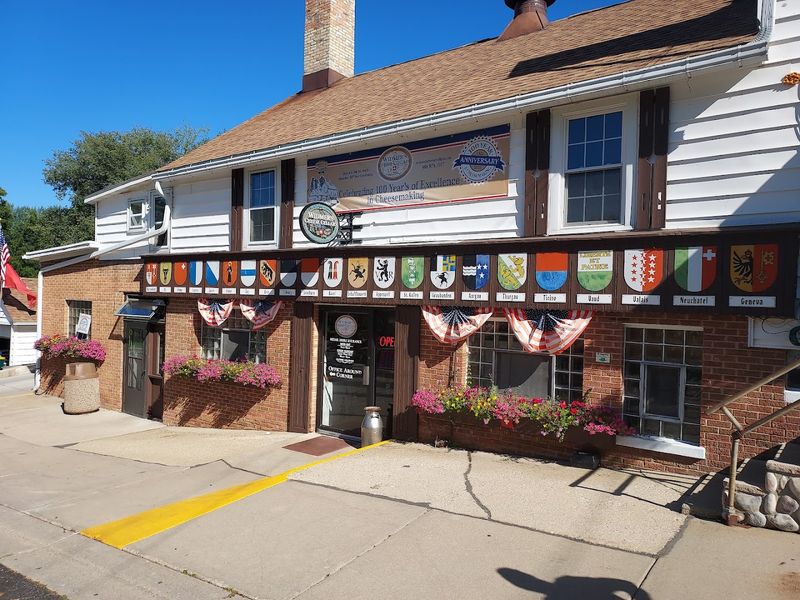
Theresa is a small, quiet town in Wisconsin, and that is part of its appeal. There are no crowds, no parking nightmares, and no overly polished tourist infrastructure.
What exists here is a genuine working community with a world-class cheese factory sitting right in the middle of it.
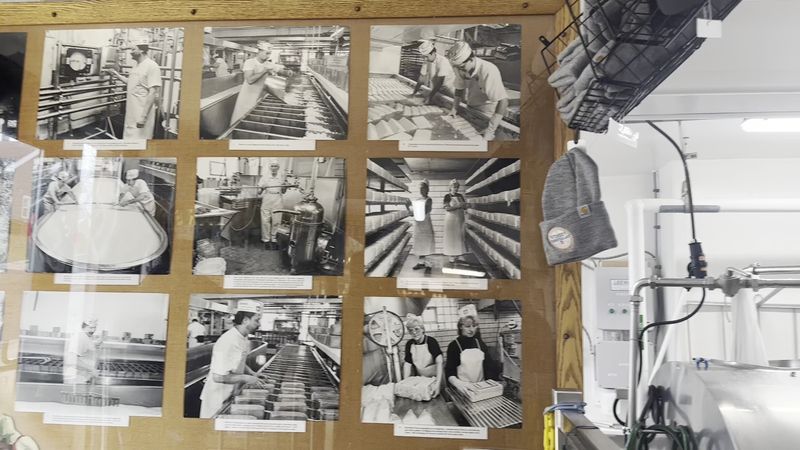
The building itself is part of the experience, with historic photos on display and the unmistakable presence of an operation that has been running in the same spot for over a century.
Arriving during production days gives visitors the best chance of seeing cheesemakers at work and finding the freshest products available. Calling ahead about cheese curd availability is worth the effort if they are high on your priority list.
Come with a cooler, come hungry for samples, and come ready to leave with more cheese than you originally planned to buy.