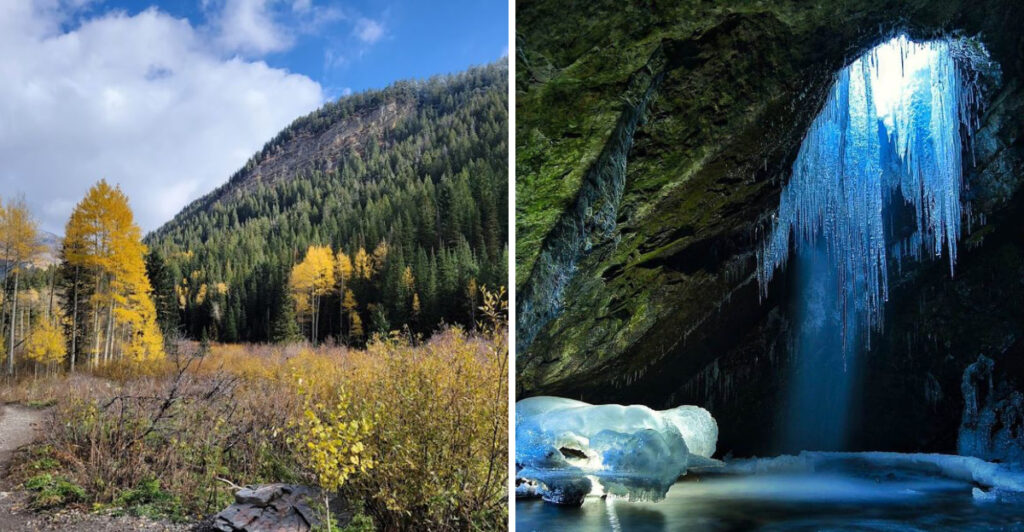
Less than two miles from the trailhead, and it still catches people completely off guard. That is the quiet trick this Utah waterfall pulls, tucking an experience that feels surprisingly remote right alongside a trail that almost anyone can handle.
The hike builds slowly, luring visitors in with easy forest paths and a cheerful mountain stream. Then the terrain shifts, the path narrows, and what follows is a geological formation that has no business looking this dramatic at this distance from a major city.
Water moving through solid rock tends to stop people mid-step. Utah has been holding this one close, and the canyon setting makes it feel like a discovery even when the trail is anything but empty.
Worth the drive to find out why.
The Trail That Deceives You In The Best Way
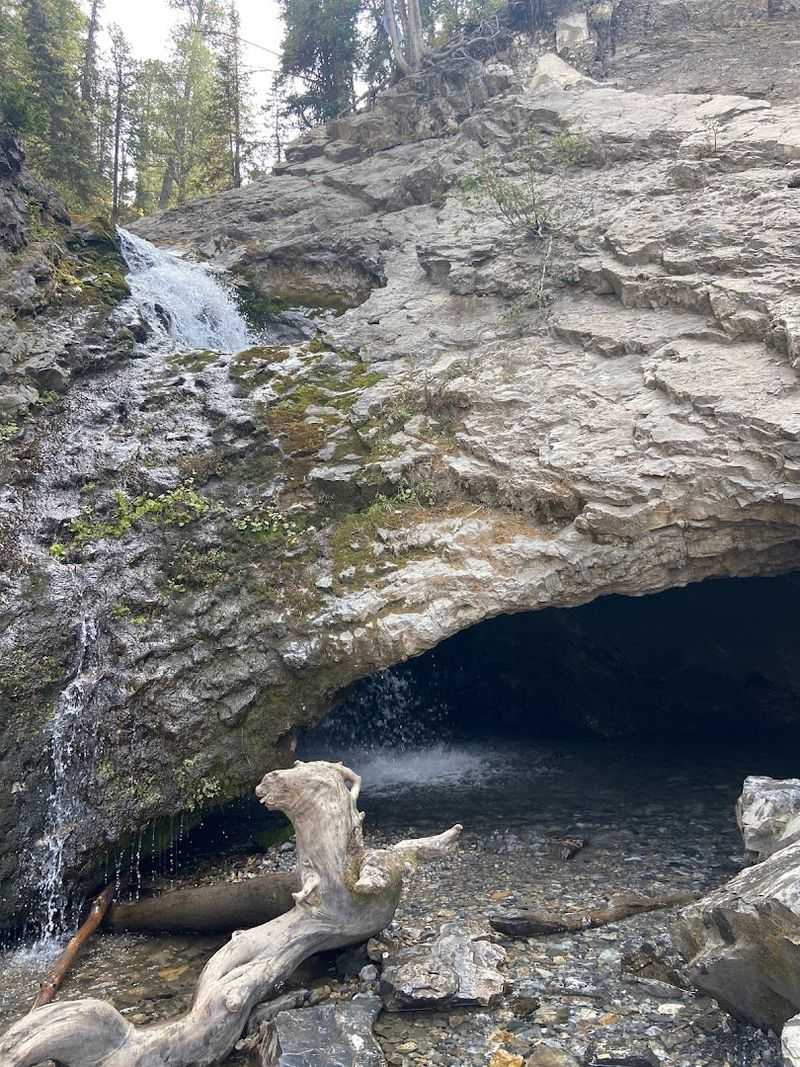
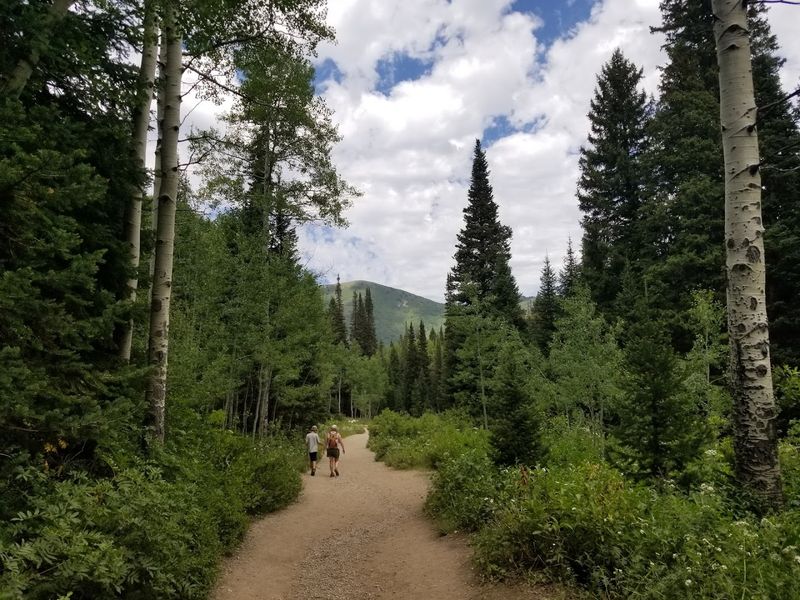
Looks can be deceiving, and Donut Falls trail is proof of that in the most satisfying way. The path starts wide and almost road-like, rolling through shaded forest and alongside a cheerful mountain stream.
It feels easy, almost too easy, and first-timers often wonder if they are even heading the right direction.
Then the trail begins to shift. The final stretch narrows, the terrain gets rockier, and a steep descent leads hikers down to the streambed.
Suddenly, the casual stroll becomes a short but genuine adventure.
Located in Big Cottonwood Canyon near Salt Lake City, Utah, the trailhead sits roughly nine miles up the canyon road near the Jordan Pines picnic area.
The round trip from the main lot runs close to 1.8 miles, though parking overflow can push that distance closer to three miles total.
Either way, the payoff at the end makes every extra step feel completely worthwhile.
The address for planning purposes is Salt Lake City, UT 84121, with the trailhead accessed via Big Cottonwood Canyon Road.
A Waterfall With A Geological Party Trick
Most waterfalls simply fall. Donut Falls does something far more theatrical.
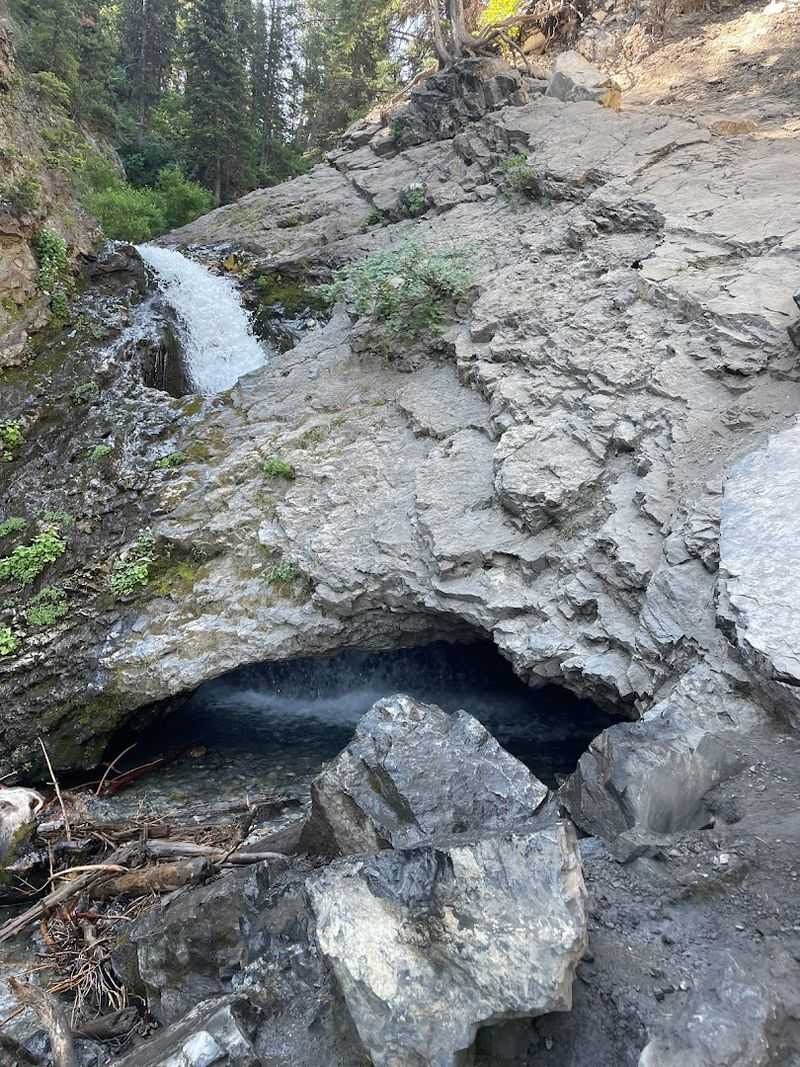
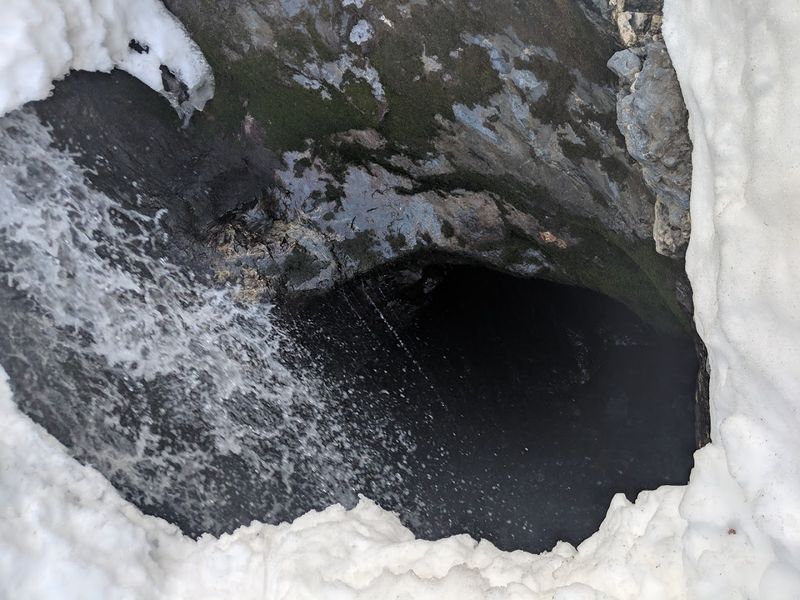
The water streams through a perfectly rounded hole in a rock shelf, almost as if nature decided to punch a drain into the mountain and see what happened.
The result is a curtain of water dropping directly into a small cave beneath, creating a scene that looks more like a special effect than a real landscape.
The circular opening is what gives the falls its name, and the resemblance to a certain breakfast pastry is genuinely hard to argue with.
Depending on the season, the flow through that hole can be a roaring rush or a graceful trickle, but the shape of the opening stays consistent and consistently impressive.
Utah has no shortage of dramatic scenery, but this particular formation is rare even by local standards. Seeing water move through solid rock like that reframes what a waterfall can actually look like.
Getting Inside The Cave Is The Real Challenge
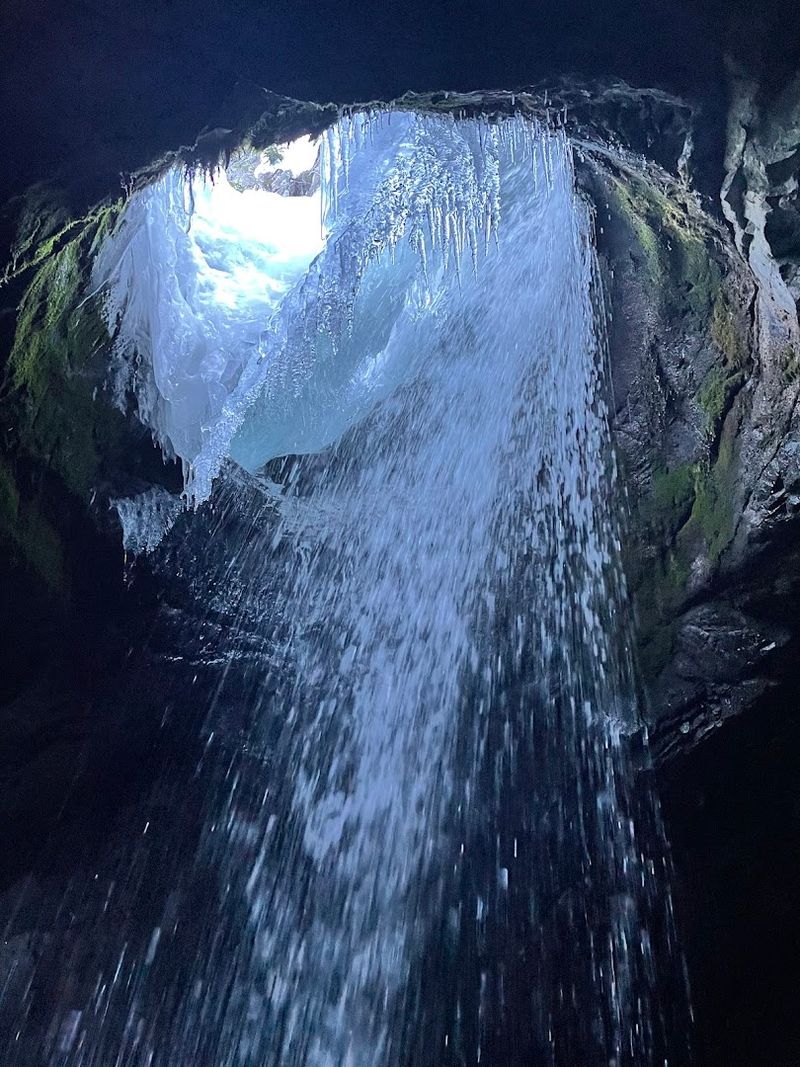
Viewing the falls from below is impressive on its own. Getting up close enough to peer through the donut hole is a different story entirely.
Reaching the cave opening requires scrambling over steep, slick boulders directly in or beside the stream, and ropes are sometimes available to help with the final pull up.
The rocks stay wet essentially year-round, which makes every footstep a negotiation. Proper footwear is not a suggestion here; it is a genuine safety requirement.
Sandals and flat-soled shoes have ended many a cave visit before it even started.
Park officials and trail signs consistently discourage the scramble for good reason, as the consequences of a slip on those rocks are serious. Plenty of visitors choose to admire the falls from the streambed level and still walk away completely satisfied.
The cave climb rewards agility and caution in equal measure, and knowing your own limits before attempting it is genuinely smart hiking practice in Utah.
Winter Transforms This Canyon Into Something Else Entirely
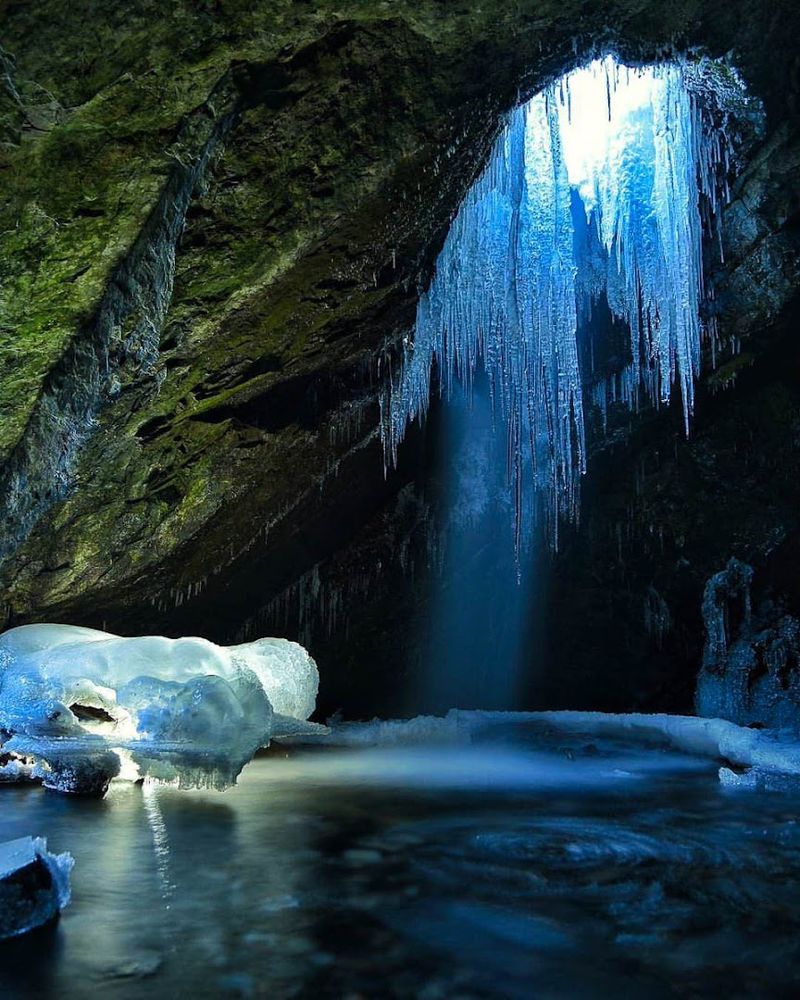
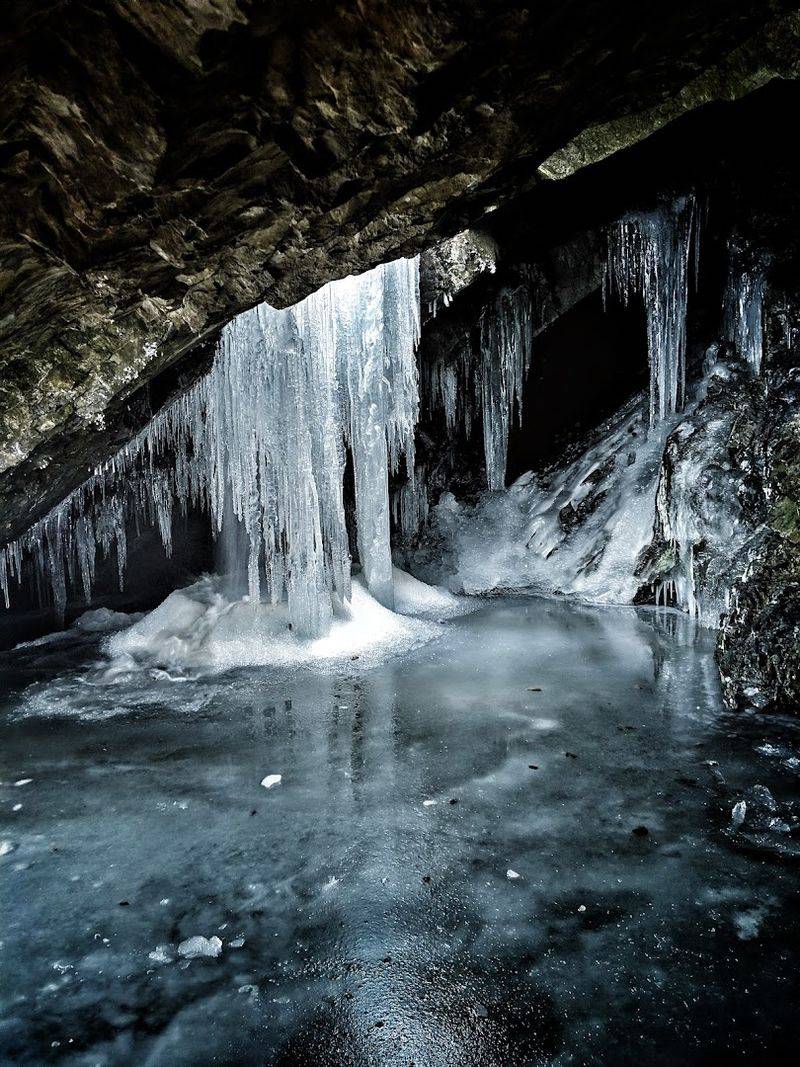
Cold weather does not close Donut Falls, it just changes the dress code. When winter settles into Big Cottonwood Canyon, the trail gets blanketed in snow, the stream edges freeze into jagged crystal formations, and the whole canyon takes on a hushed, almost cinematic quality.
The crowds thin out dramatically, which is its own reward.
The access road to the upper trailhead typically closes between October and May, so winter hikers park further down the canyon and add extra mileage to the trip. That longer walk through snow-dusted forest is, by most accounts, not a punishment at all.
Microspikes or traction cleats become essential gear once temperatures drop, especially near the falls where mist keeps the rocks perpetually icy.
Utah winters can be unpredictable in the mountains, so checking conditions before heading out is always a sensible move. Those who make the cold-weather effort tend to describe the experience as one of the more memorable hikes they have taken anywhere in the state.
Summer Wildflowers And The Sweet Spot Season
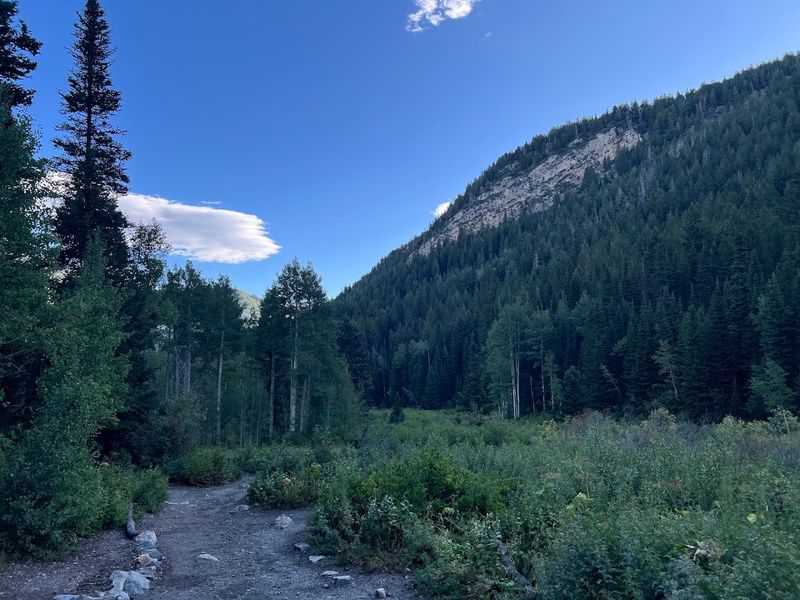
Peak wildflower season at Donut Falls runs roughly from mid-July through early August, and the timing lines up beautifully with Utah’s mountain summer.
The meadows along the trail fill in with color, the stream runs full and loud from snowmelt, and the whole canyon feels alive in a way that photographs only partially capture.
Summer is also peak crowd season, which means early arrival is not just a suggestion but a practical necessity. Parking fills up fast on weekends and holidays, and latecomers often end up walking the canyon road for a considerable stretch before even reaching the official trail start.
Despite the company, summer visits have a festive, communal energy that is hard to dislike.
Families with young children, solo hikers, and groups of friends all share the trail, and the mood tends to stay upbeat and friendly.
The falls themselves run strongest in late spring and early summer when snowmelt is at its peak, giving the donut hole its most dramatic performance of the year.
The Watershed Rules That Keep The Canyon Clean
Big Cottonwood Canyon is a protected watershed, meaning the water flowing through it eventually ends up in the taps of Salt Lake City residents. That designation comes with a firm and non-negotiable rule: no dogs on the trail.
Not even well-behaved ones.
Not even small ones in backpacks.
The restriction surprises some visitors who arrive with their pets expecting a standard hike. Enforcement is real, and the reasoning is straightforward.
Keeping the water supply free from contamination requires strict limits on what enters the canyon ecosystem.
Beyond the dog policy, the watershed rules also mean the canyon stays remarkably clean and undeveloped compared to many popular Utah hiking areas.
There are no vendors, no loud facilities, and very little infrastructure beyond the trail itself. That restraint is a big part of why the place still feels genuinely wild despite its proximity to a major city.
Respecting the rules is not just about compliance; it is about keeping the canyon worth visiting for everyone who comes after.
Parking Realities And How To Plan Around Them
The parking situation at Donut Falls is one of those things that separates a smooth visit from a frustrating one. The upper trailhead lot is small, fills up early on busy days, and does not offer much overflow space nearby.
A
rriving after mid-morning on a summer weekend is a risk that often does not pay off.
When the upper lot is full, visitors park along Big Cottonwood Canyon Road and hike in from there. That adds roughly 1.5 to 2 miles to the round trip, pushing the total closer to three miles or more.
A parking fee applies for vehicles, so coming prepared with the right payment method saves time at the trailhead.
The most reliable strategy is a weekday visit or an early Saturday start. Those who arrive close to dawn often find the canyon quiet, the light golden, and the trail nearly empty.
Utah’s mountain trailheads reward early risers consistently, and Donut Falls is no different. Planning ahead makes the whole experience noticeably more enjoyable from the first step.
Wildlife Sightings That Catch Hikers Off Guard
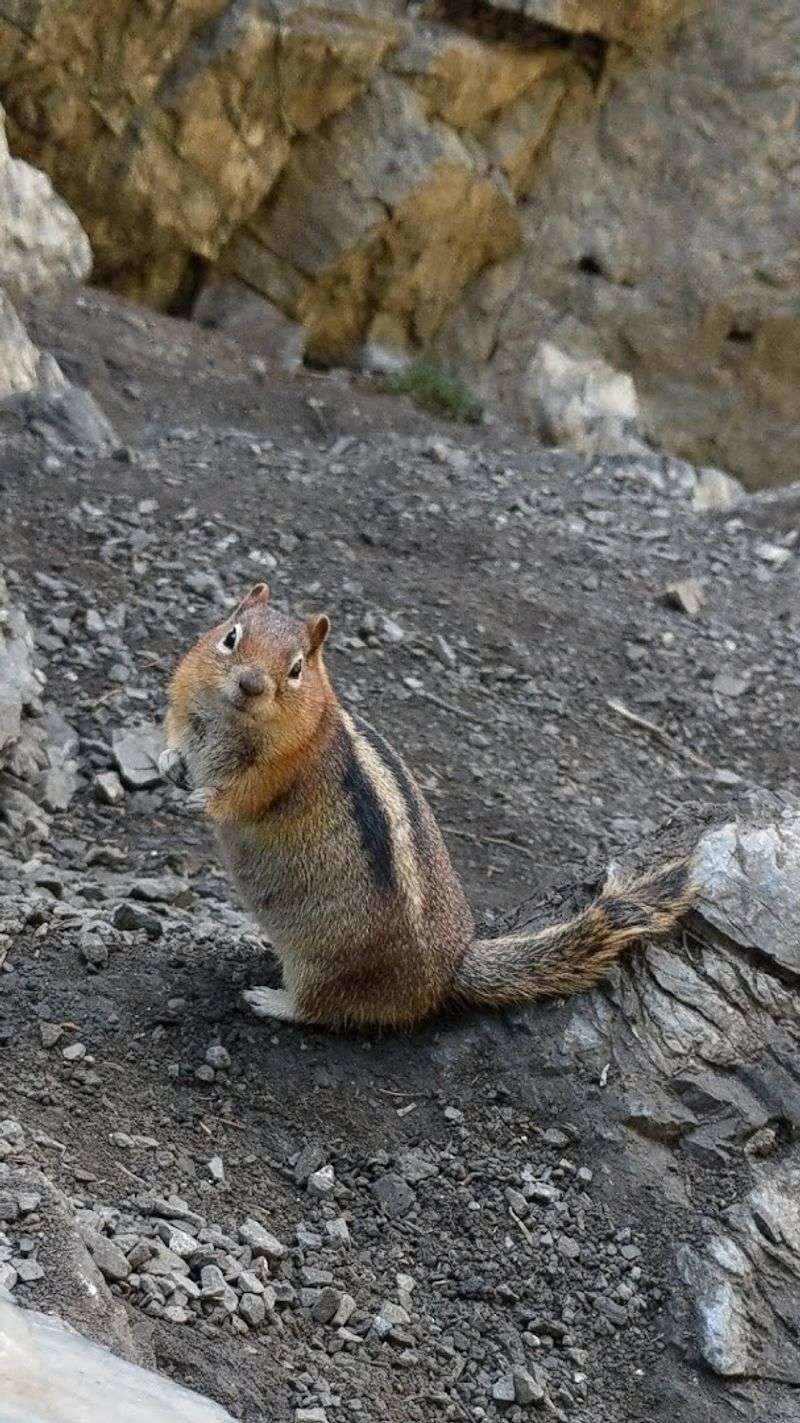
The trail to Donut Falls passes through genuine mountain habitat, and the wildlife knows it.
Moose sightings along the canyon corridor are not unheard of, and the sheer size of a moose spotted at close range on a narrow trail has a way of making the waterfall feel almost secondary for a moment.
Smaller animals show up more reliably.
Squirrels and chipmunks work the trailside with impressive confidence, clearly accustomed to passing hikers. Birds move through the canopy overhead, and the stream itself supports a quiet ecosystem that rewards anyone willing to pause and look carefully.
Keeping a respectful distance from any wildlife encountered is both the ethical and the safe approach.
Moose in particular can be unpredictable, and Utah wildlife guidelines recommend giving them wide berth at all times.
The canyon’s protected status means animals here are less pressured than in heavily developed areas, which is part of why sightings happen with some regularity. Bringing binoculars adds a whole extra layer to the experience.
What To Wear And Bring For A Smooth Visit
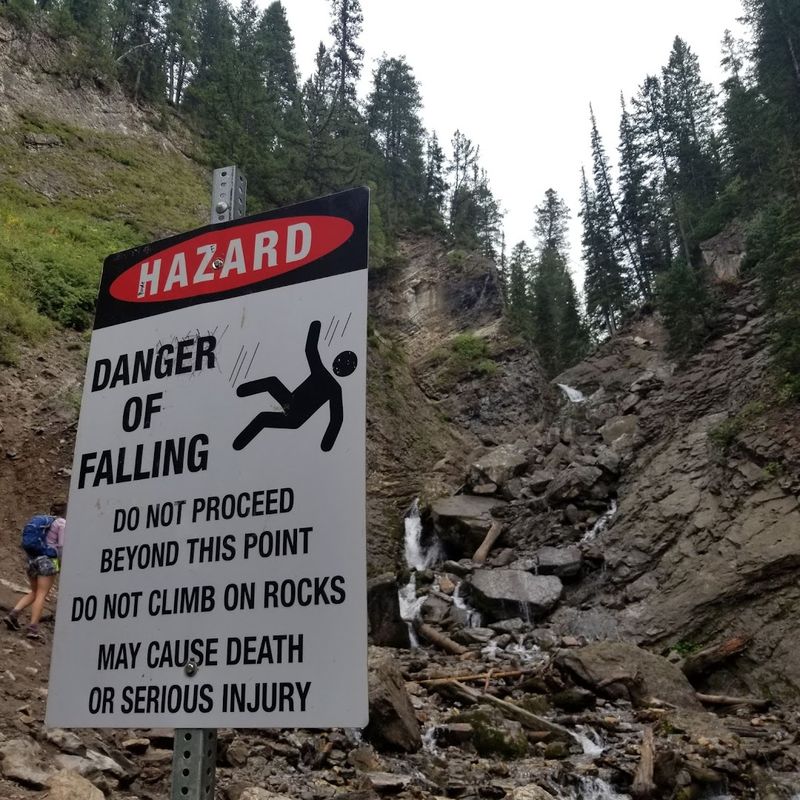
Footwear is the single most important gear decision for this hike. The rocks near the falls stay wet and slippery regardless of season, and trail runners or hiking boots with actual grip make a meaningful difference.
Sandals and casual sneakers turn the final approach into an exercise in frustration and risk.
Water is non-negotiable, especially in summer when the canyon heats up more than expected. Layers are smart from September onward, since Big Cottonwood Canyon temperatures drop quickly as the afternoon progresses or clouds roll in.
A light jacket stuffed into a daypack adds almost no weight and pays off reliably.
Trekking poles help considerably on the descent to the streambed, particularly for hikers who find uneven terrain challenging.
Sunscreen matters even on overcast days at elevation, where UV exposure is higher than most people anticipate. Utah’s mountain environment is beautiful and accessible, but it responds better to visitors who show up prepared than to those who treat it like a city park stroll.
The Canyon Road Drive Is Part Of The Experience
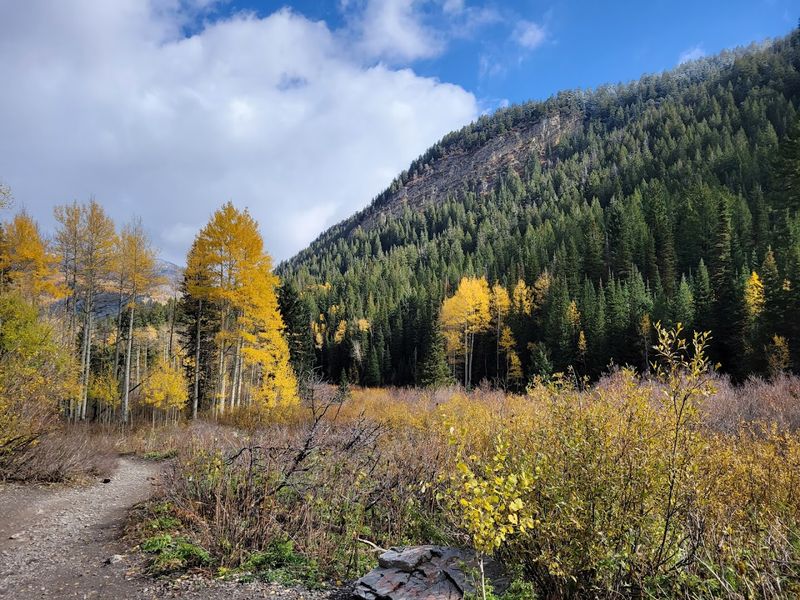
Getting to the trailhead requires driving roughly nine miles up Big Cottonwood Canyon Road from the Salt Lake Valley, and that drive earns its own appreciation.
The canyon walls rise steeply on both sides, the road follows the creek, and the elevation gain brings a noticeable drop in temperature that feels like a relief in summer.
Autumn turns the canyon into a color event.
Aspen groves shift from green to gold and orange, and the contrast against the dark canyon walls and evergreen forest creates a visual that stops many drivers for an impromptu roadside photo. The timing usually peaks in late September and early October, though it varies year to year.
The canyon road is shared with cyclists, and traffic can back up on peak weekends near the canyon entrance. Patience behind the wheel is part of the deal.
Most visitors find the approach road sets the tone perfectly for what waits at the trailhead, easing the transition from city to canyon in a way that feels genuinely earned.
Family Friendliness With An Honest Asterisk
Donut Falls gets marketed as a family-friendly hike, and for the most part that reputation holds up.
The main trail is wide, well-maintained, and manageable for children who are comfortable walking a mile or more on uneven ground. Strollers have reportedly made it partway, though the terrain gets less cooperative as the falls approach.
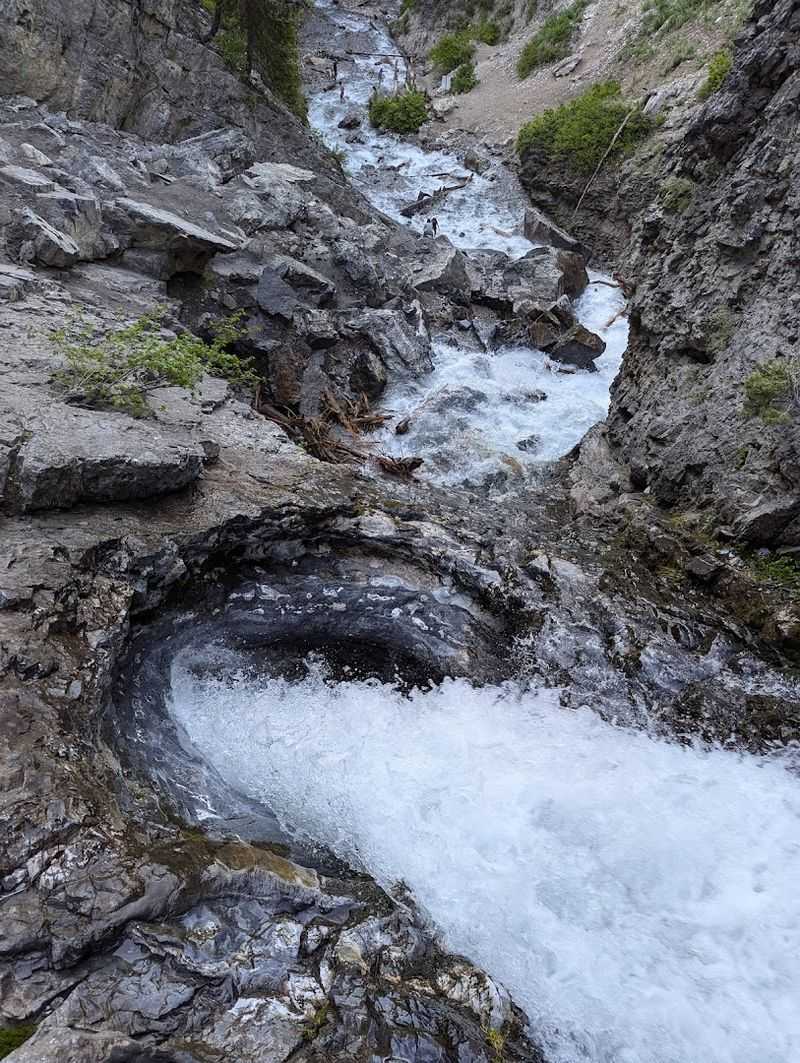
The honest asterisk applies to the final section near the water. The streambed approach involves a steep drop, slippery rocks, and potentially cold water underfoot.
Young children who are not yet sure-footed should stay back from the scramble zone, and the view from the base is genuinely rewarding without requiring anyone to take unnecessary risks.
Families who pace themselves and skip the cave climb tend to have the most consistently positive experiences.
Building in extra time, bringing snacks, and setting realistic expectations with kids beforehand all contribute to a smoother trip. Utah has plenty of trails that demand more; this one meets families where they are while still offering something genuinely memorable at the end.
Why This Place Keeps Drawing People Back
Repeat visitors to Donut Falls are not hard to find. The combination of an accessible trail, a genuinely unusual geological feature, and a canyon setting that shifts with every season gives the place a quality that holds up across multiple trips.
It does not feel identical in July and in January, which is rarer than it sounds.
The falls sit close enough to Salt Lake City, Utah, to work as a spontaneous afternoon outing, yet the canyon environment feels removed enough from urban life to provide real mental reset value.
That balance is what keeps people coming back rather than checking it off a list and moving on.
Whether a visitor is chasing the wildflower bloom, the winter quiet, or simply that first look at water moving through a hole in solid rock, Donut Falls consistently delivers something worth returning for. Some places just earn their reputation honestly.