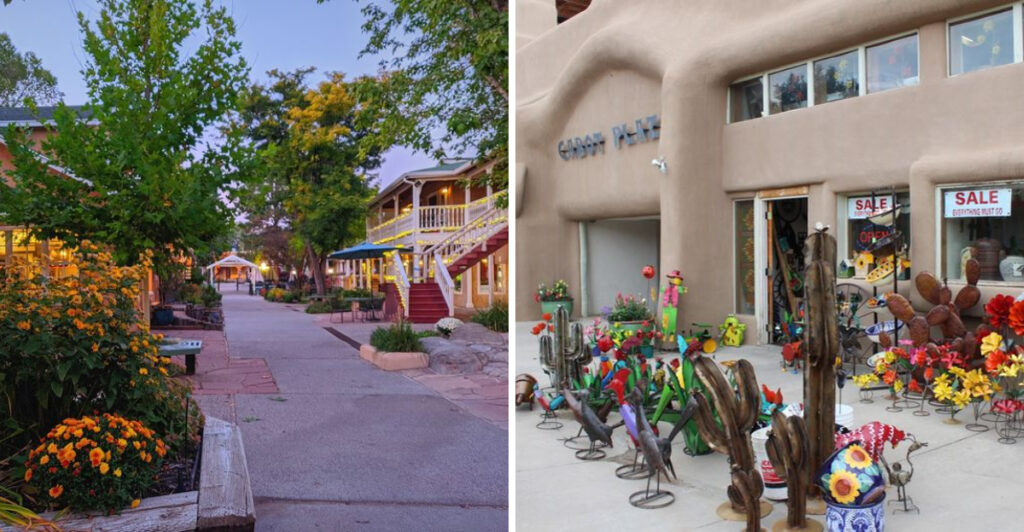
This is the kind of place where you mean to take one quick look, then lose track of time. The adobe glows.
The streets curve just enough to keep you curious. A doorway catches your eye, then a gallery window, then a patch of mountain light spilling across the plaza.
In New Mexico, this historic district feels built for slow wandering and full camera rolls. Nothing here needs to shout.
The beauty is in the worn wood, the earthy walls, the old storefronts, and the way every corner seems ready for a photograph. You can feel the past, but the scene is not frozen.
People shop, talk, pause, and move through it like part of the artwork. That is what makes it so easy to love.
Here are the visual moments that show why this plaza feels more like a living canvas than a simple stop today, right now too.
Adobe Walls In Golden Light
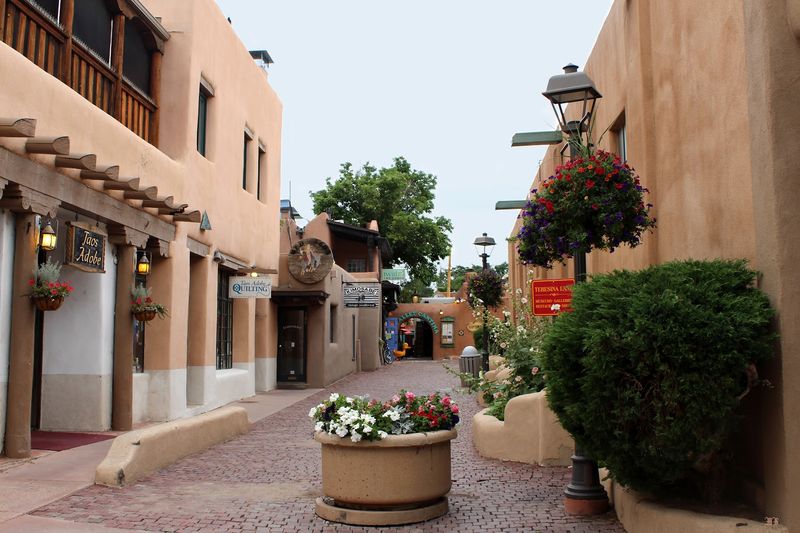
Few things on this planet hit like watching afternoon sunlight crawl across a freshly plastered adobe wall and turn it the color of warm honey.
This plaza has been catching that same golden light for centuries, even as buildings have changed, burned, and been rebuilt over time.
Adobe construction is one of the defining features of Taos architecture, made from sun-dried mud bricks that give buildings their signature rounded edges and earthy tones.
Up close, one of these walls almost seems to radiate warmth back at you, as if the building itself has been storing the day’s heat like a slow-burning fire.
The texture is never perfectly smooth, and that imperfection is exactly what makes it so visually rich.
Photographers tend to gather here around the golden hour, and honestly, I do not blame them one bit.
Every surface catches the light differently depending on the season, the time of day, and even the humidity in the air.
I spent nearly an hour once just sitting on a bench watching shadows shift across one particular wall, and I left feeling like I had watched a slow, silent masterpiece unfold at Downtown Taos Historic District, N Plaza, Taos, NM 87571.
Quiet Corners Around The Plaza
Not every great travel moment involves a crowd or a landmark with a long line.
Some of the best ones happen in the quieter pockets that most visitors walk right past without noticing.
Around the Taos plaza, those quiet corners are everywhere if you know how to slow down and look for them.
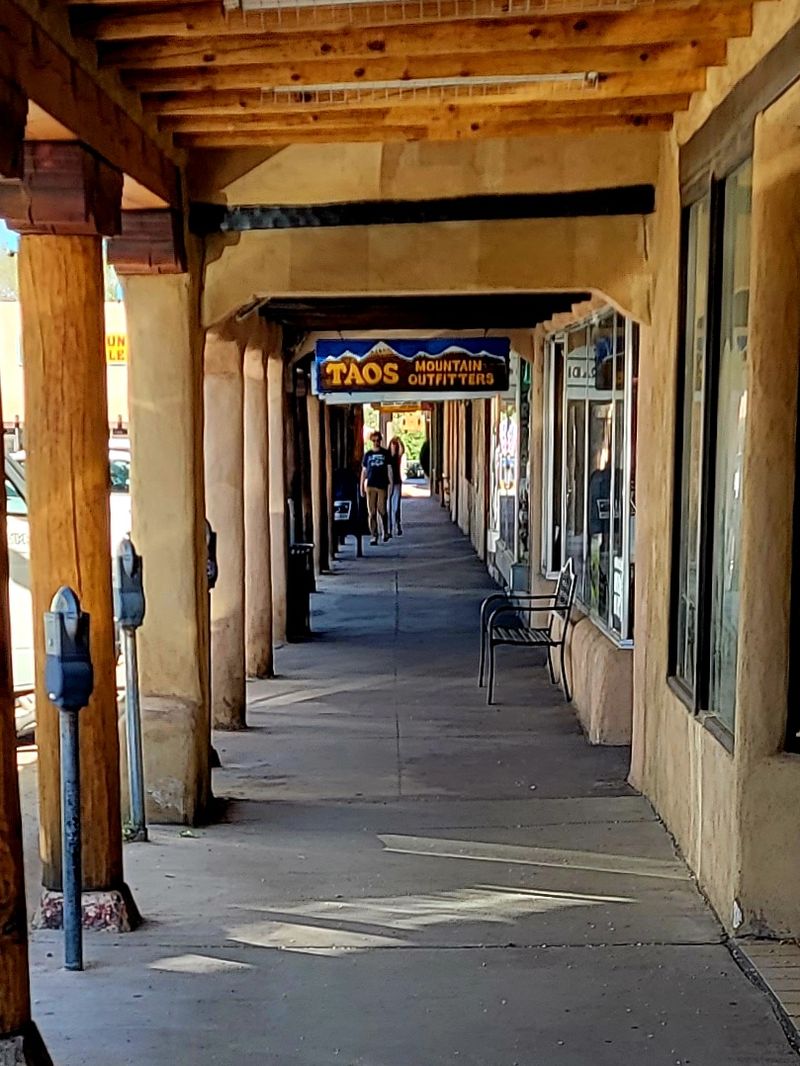
Between storefronts and beneath wooden portal overhangs, you can find small benches, potted plants, and narrow passageways that open into surprisingly peaceful courtyards.
I found one such spot on a weekday morning when the plaza had not yet filled with visitors, and I sat there for a good twenty minutes just listening to the sound of wind moving through the cottonwood trees nearby.
These corners feel intentional, like the town itself designed them as little exhale moments for anyone paying attention.
You may spot the occasional cat slipping through quieter pockets, which only adds to the unhurried, village-like atmosphere.
The plaza is open around the clock, so early risers and evening wanderers each get their own version of this stillness, and both versions are worth seeking out.
Sunlit Streets With Southwestern Charm
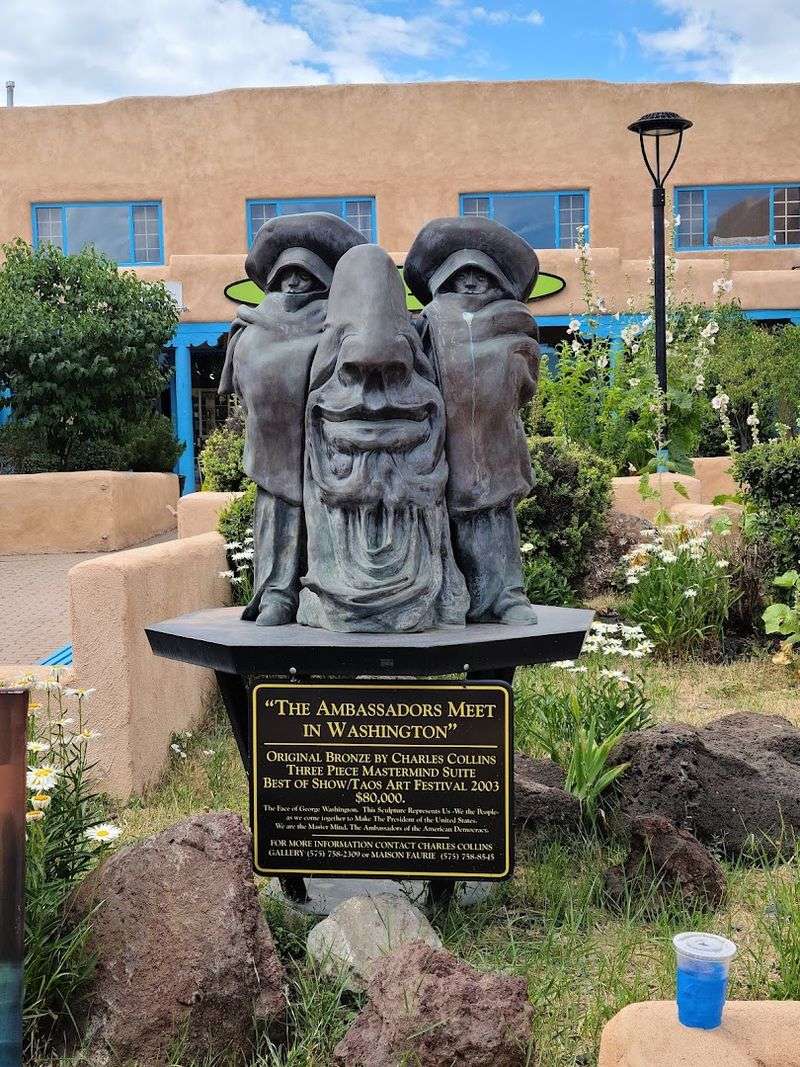
A clear day around the Taos plaza can feel like entering a postcard that someone painted with too much enthusiasm and just the right amount of talent.
The sunlight here is intense and clear at this elevation, and it makes every color pop in a way that feels almost theatrical.
Turquoise window frames, red chile ristras hanging from doorways, hand-painted signs, and the warm tan of adobe walls all compete for your attention at the same time.
The streets are compact and walkable, which means you are never more than a short stroll from something interesting, maybe a gallery, a spice shop, or a restaurant with a patio menu worth lingering over.
The area has a strong artsy pull, and after wandering those streets myself, I completely understand why people linger here longer than they planned.
The surrounding mountains frame many long views down the street, giving even a casual afternoon walk a sense of dramatic scale.
Southwestern charm is a phrase that gets used a lot in New Mexico travel writing, but in Taos it actually earns its keep rather than just sitting there as a vague compliment overall.
Artful Details Beneath Wooden Portals
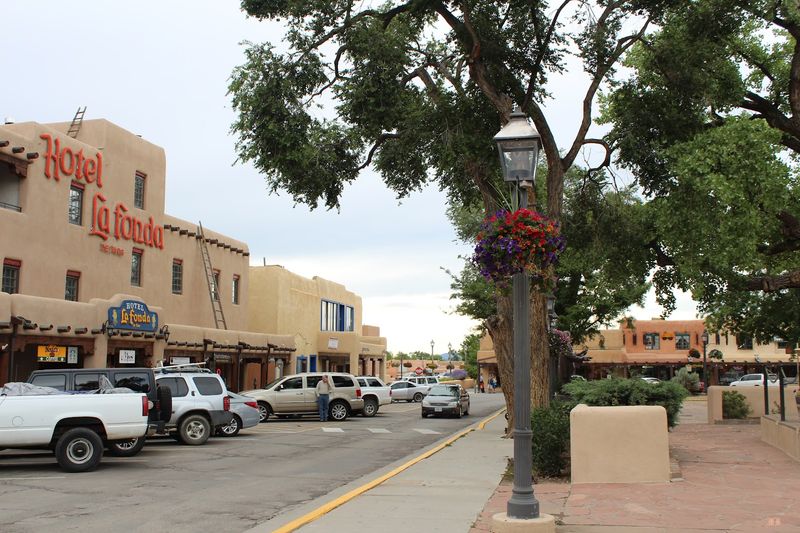
The wooden portals lining the plaza are one of those architectural details that you might not consciously notice right away, but once you do, you cannot stop seeing them everywhere.
These covered walkways run along the fronts of historic buildings, supported by wooden posts shaped and painted with care across years of repair, use, and preservation.
Underneath them, the light shifts into something softer, filtered and warm, and the details carved or painted into the wood reveal themselves slowly as your eyes adjust.
Some details echo Pueblo and Spanish Colonial design influences seen throughout the region, giving the streetscape a layered sense of craft and history.
I spent a good chunk of one afternoon just walking the portal length on the north side of the plaza, stopping to look at each post and lintel like I was reading a slow sentence written in wood grain.
Local artisans sometimes set up near these portals to sell handmade jewelry and crafts, which adds another layer of visual interest to the already detailed historic plaza streetscape.
The portals also provide shade during the intense midday sun, making them one of the most practical and beautiful features of the whole district.
Historic Storefronts Framed By Mountain Air
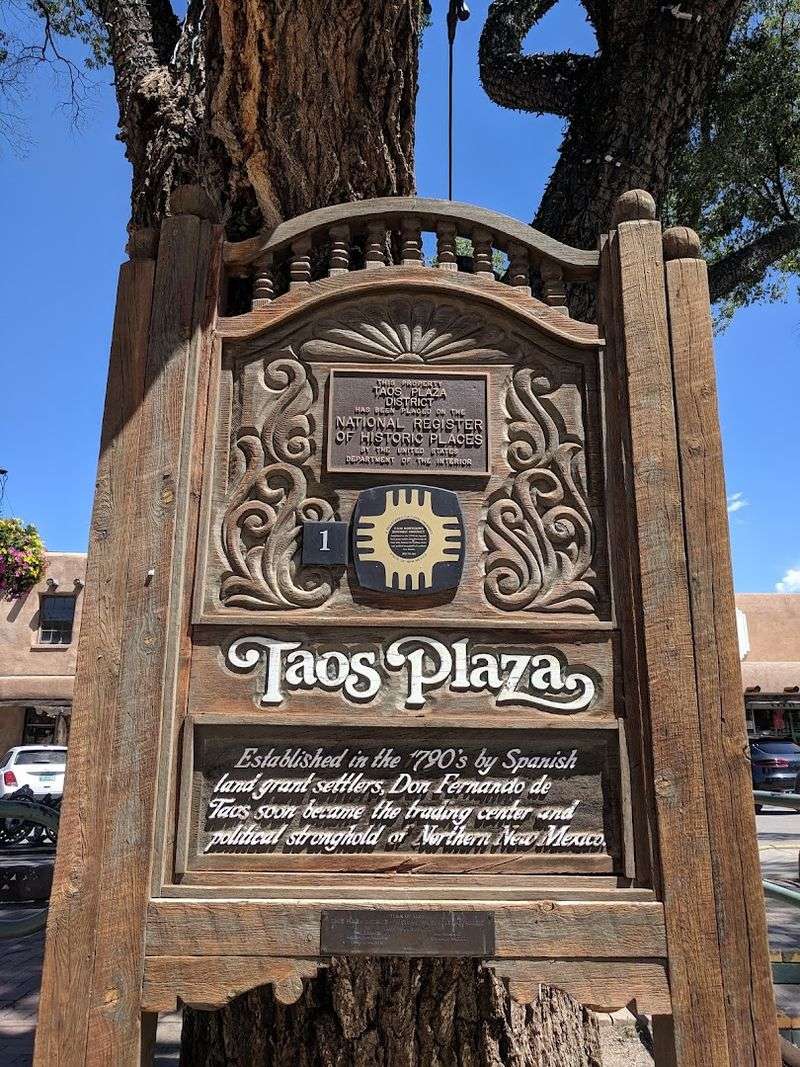
At the edge of the plaza, the storefronts do something buildings in most towns simply cannot manage, they frame a mountain backdrop so naturally that it feels composed rather than accidental.
The Sangre de Cristo Mountains rise behind the town with the kind of authority that reminds you how small and brief human construction really is in the grand scheme of things.
And yet, somehow, the low-profile adobe storefronts hold their own against that backdrop without trying too hard.
Many buildings reflect long-running commercial use and historic preservation, though several present-day plaza structures took shape after fires and rebuilding in the 1930s, which adds another layer to the district’s story.
Inside, you will find a rotating mix of art galleries, locally owned boutiques, spice and food shops, and restaurants serving strong New Mexican cuisine.
The green chile around the square has its own kind of pull, especially when the smell drifts from a nearby kitchen into the open plaza air on a cool afternoon.
The combination of mountain air, historic architecture, and the smell of roasting green chile coming from a nearby kitchen is a sensory package that no photograph can fully capture.
Earthy Textures And Timeless Architecture
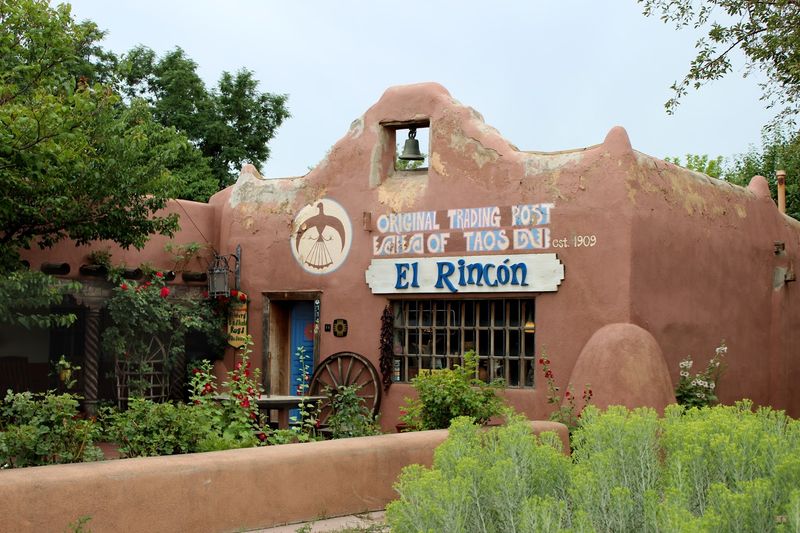
A hand against an adobe wall here can make the whole district feel less like a backdrop and more like something shaped by weather, hands, and time.
The texture is rough in some places, smooth in others, and the layers of plaster applied over decades tell a quiet story of maintenance, repair, and care that spans generations.
Taos has protected its architectural character with a consistency that stands out among towns of its size.
Historic overlay rules and design review help protect the district’s traditional architectural character, which keeps the skyline low and earthy rather than interrupted by glass towers or generic commercial facades in the historic core.
The rounded corners and organic shapes of the buildings give the whole district a sculptural quality, as if someone decided that a town should look like it grew out of the ground rather than being assembled on top of it.
Colors stay within a palette of terracotta, sand, cream, and rust, occasionally punctuated by a turquoise door or a painted mural that adds a pop of personality without disrupting the overall harmony.
Every time I walk through this district, I notice a new surface detail I had not caught before, which is the mark of an environment built with craft and intention.
A Walk Through Layered History
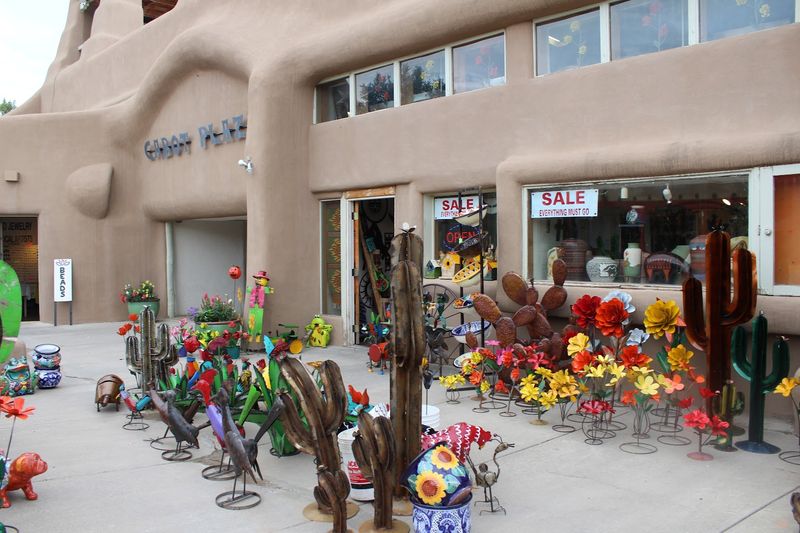
Taos carries more history per square foot than most places I have visited, and the downtown district is where that layered past feels most concentrated and alive.
The land around this plaza has been inhabited for centuries, first by Tiwa-speaking Pueblo people whose ancestors built Taos Pueblo just a couple of miles north, and later by Spanish settlers who established the town’s distinctive colonial character.
That two-culture foundation is visible in the architecture, the food, the art, and even the street names, creating a sense of place that feels unlike anything else in the American Southwest.
As you move through the historic district, you pass buildings tied to commerce, civic life, hospitality, and gathering spaces across multiple centuries of New Mexico history still visible here today.
The historic hotel on the plaza still has artwork on its walls that connects the present to earlier eras of Taos cultural life.
Kit Carson, Georgia O’Keeffe, and D.H. Lawrence all spent time in the broader Taos area, which gives the town an artistic and adventurous legacy that still shapes its identity today.
History here is not behind a velvet rope but woven into the sidewalks, doorways, and daily rhythms of the district.
Warm Shadows Across Old Adobe
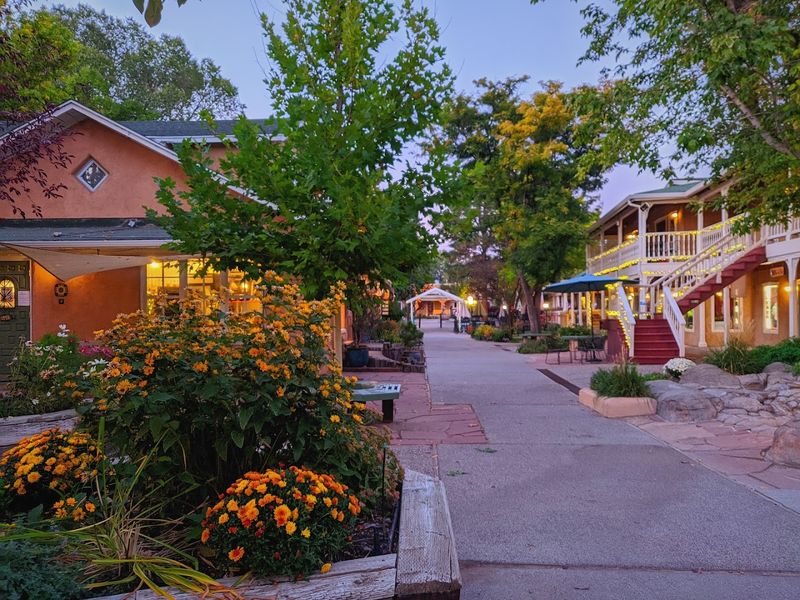
Late afternoon in Taos does something to the shadows that I have never quite seen replicated anywhere else on my travels.
As the sun drops toward the mountains, the light turns amber and the shadows stretch long and deliberate across the face of every adobe wall, creating contrast that looks almost too dramatic to be real.
The plaza takes on a completely different personality in this light compared to the bright midday version, quieter and more contemplative, as if the town itself is winding down alongside the sun.
Visitors who arrive only at midday miss this transformation entirely, which is a shame because the late-afternoon version of the plaza might be its most visually striking hour.
You may see people lingering on plaza benches or steps during this window, not doing much of anything except being present in a place that rewards presence.
On some days, street musicians play near the plaza during these hours, adding a layer of sound that matches the warm, unhurried mood of the light.
If I could give one piece of advice to anyone visiting for the first time, it would be to stay past four in the afternoon and let those warm shadows do what they do best right around you in person.