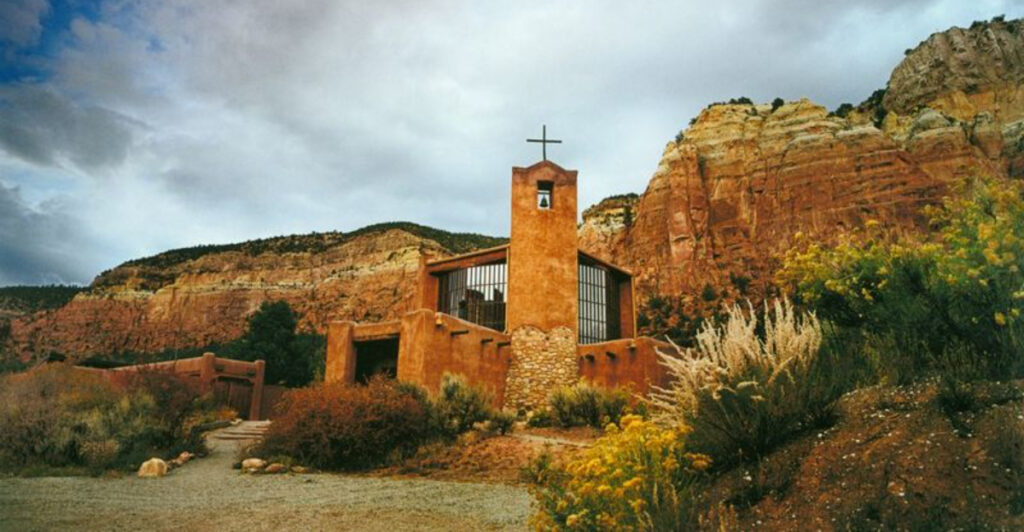
The road to this canyon monastery does not exactly roll out a welcome mat. It makes you earn the arrival.
A 13-mile unpaved stretch runs through northern New Mexico, with red cliffs rising around you and phone service slipping away fast. At first, it feels like you might have missed a turn.
Then the landscape opens, the monastery comes into view, and the whole place seems to lower its voice. A friend once told me she felt different after visiting, and I thought that sounded dramatic.
Then I went. The silence is not empty.
It is full of canyon light, river air, stone walls, and the kind of quiet that makes you stop checking the time. Nothing here feels staged for visitors.
That is the point. You arrive dusty and distracted, then somehow leave slower, calmer, and a little more willing to listen.
It stays for days.
A Quiet Road Through Red Canyon Walls
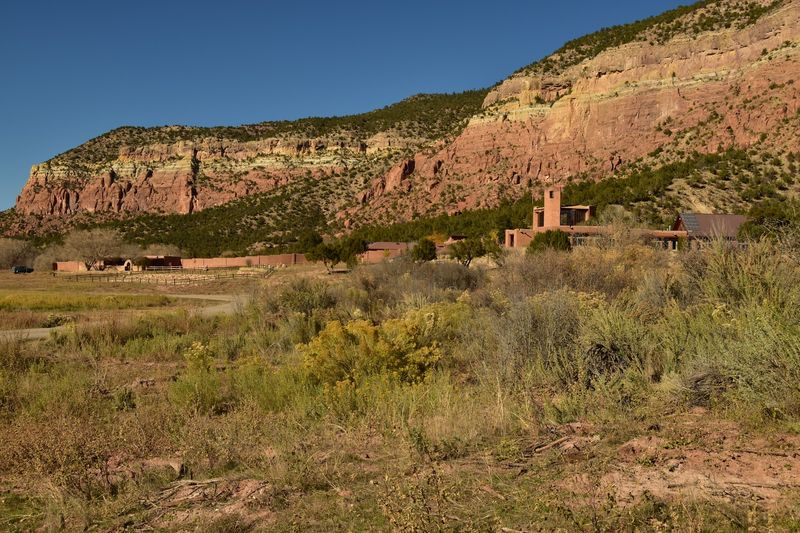
Thirteen miles of unpaved road sounds like a test of patience, and honestly, for the first few miles it felt exactly like that.
The route from Highway 84 into Chama Canyon is one lane for much of its length, with turnouts carved into the cliffside where you pull aside to let oncoming traffic pass.
Red and ochre canyon walls rise sharply on both sides, layered with centuries of geological storytelling that no museum exhibit could replicate.
I noticed the road demanding my full attention, which meant my phone stayed in my bag and my eyes stayed on the landscape, and that turned out to be the first gift the canyon gave me.
The monastery notes the road can become slippery after rain, so checking the weather before heading out matters more than it might sound.
Kayakers and river enthusiasts sometimes share the narrow route on weekends, adding a surprising splash of color to the otherwise wild corridor.
By the time I reached Monastery Of Christ In The Desert along Forest Road 151 near Abiquiu, New Mexico, the road had already shifted something inside me. I arrived quieter than when I started.
Sunlit Adobe Against Desert Cliffs
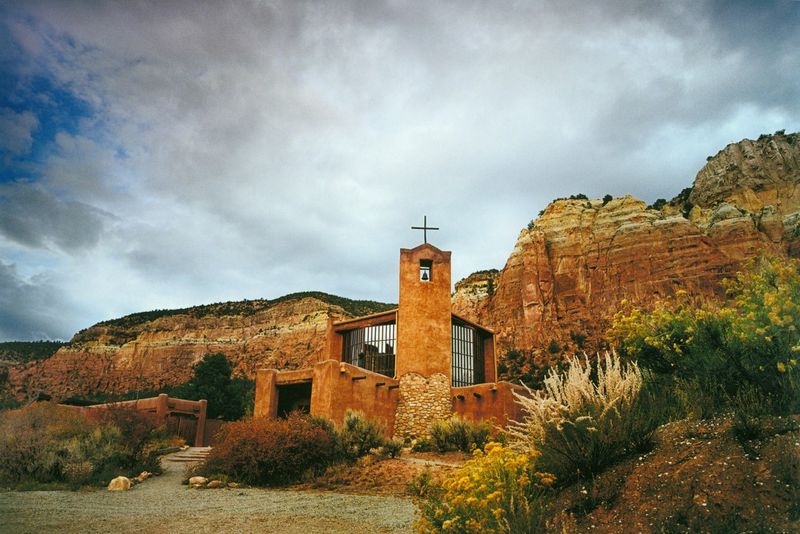
The first glimpse of the adobe buildings against those canyon walls stopped me mid-step, and I stood there longer than I probably should have.
Adobe construction has been part of New Mexico’s architectural identity for centuries. At this monastery, it feels less like a stylistic choice and more like the buildings grew naturally out of the earth around them.
Warm tan walls catch the afternoon light and hold it in a way that makes the whole compound glow against the rust-colored cliffs rising behind it.
The contrast between human-made structure and raw desert geology is striking without being jarring, and the monks clearly understood that their buildings should complement the canyon rather than compete with it.
Simple lines, low profiles, and earthy tones keep the architecture from drawing attention away from its spectacular natural backdrop.
One visitor described the setting as a chapel with a majestic mountain background, and standing there I understood exactly what they meant.
The whole scene has a visual harmony that photographs try to capture but never quite manage, because you really need to feel the dry desert air on your skin to complete the picture.
Stillness Along The Chama River
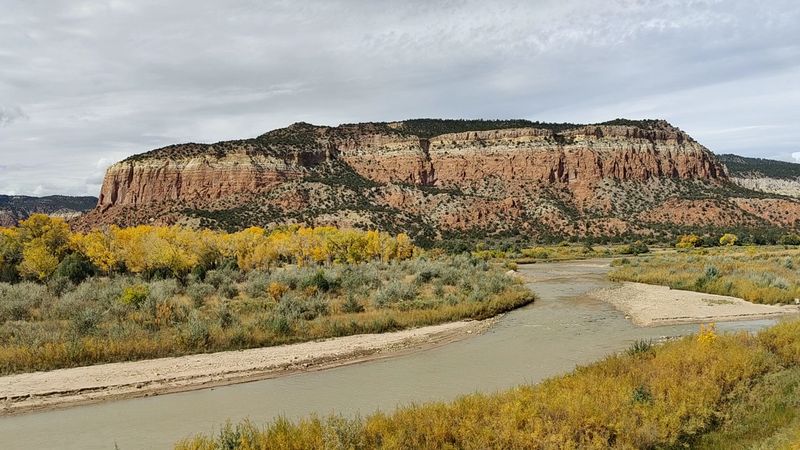
The Chama River runs beside the approach road and threads through the canyon below the monastery grounds, adding a steady, gentle soundtrack to the whole experience.
On calm, dry days, the far bank can open access to hiking paths, but water levels and weather deserve real attention before anyone tries a crossing.
The river is clear, cold, and deeply refreshing on a warm New Mexico afternoon, though conditions can change quickly in canyon country.
The riparian corridor along the banks supports cottonwood trees and scrubby willows that create a thin ribbon of green against all that red rock, which makes the color contrast almost surreal.
After a flash flood, the road may need time to dry out, so the river commands respect as well as admiration.
I found a flat rock by the water, watched the canyon walls shimmer in the current, and understood why so many retreat guests describe the place as spiritually charged.
The air felt cooler there, the water softened the rough edges of the drive, and I did not feel tempted to hurry anywhere.
The river does not perform for you; it simply moves, and somehow that is exactly what you need.
A Chapel Framed By Canyon Light
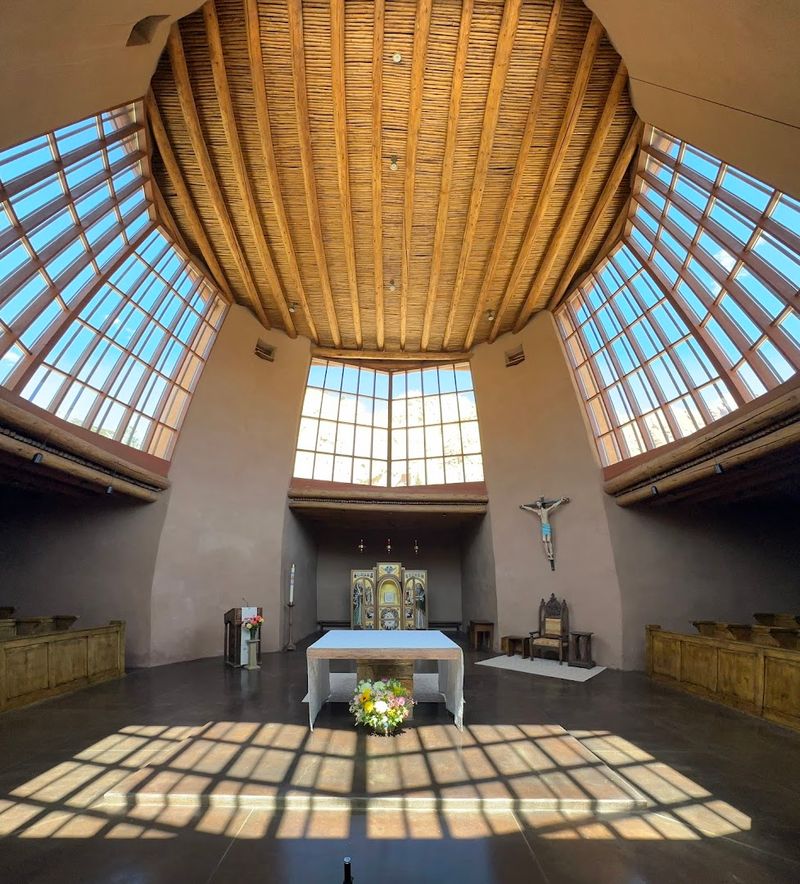
Nothing quite prepares you for the chapel, which manages to feel both modest and breathtaking at the same time.
Clear windows behind the altar frame the canyon walls directly, so the changing light outside becomes part of the worship experience in a way that feels intentional and deeply moving.
Gregorian chanting fills the space during services, and if you check the monastery schedule in advance, you may be able to observe one of the most memorable parts of a visit.
The monks follow a daily rhythm of prayer that begins early in the morning, with the current posted schedule listing Vigils at five, and that commitment gives the whole compound a quiet, purposeful energy you can feel even as a casual visitor.
The chapel view of the ever-changing canyon walls has a way of staying fresh long after the drive home, especially when the light keeps changing through the glass.
Wooden elements, simple furnishings, and that spectacular window keep the space free of clutter, which means your attention naturally settles on the landscape beyond the glass.
I sat in one of the pews long enough to watch the canyon light shift twice, and both times it looked completely different.
Desert Silence Beneath Open Skies
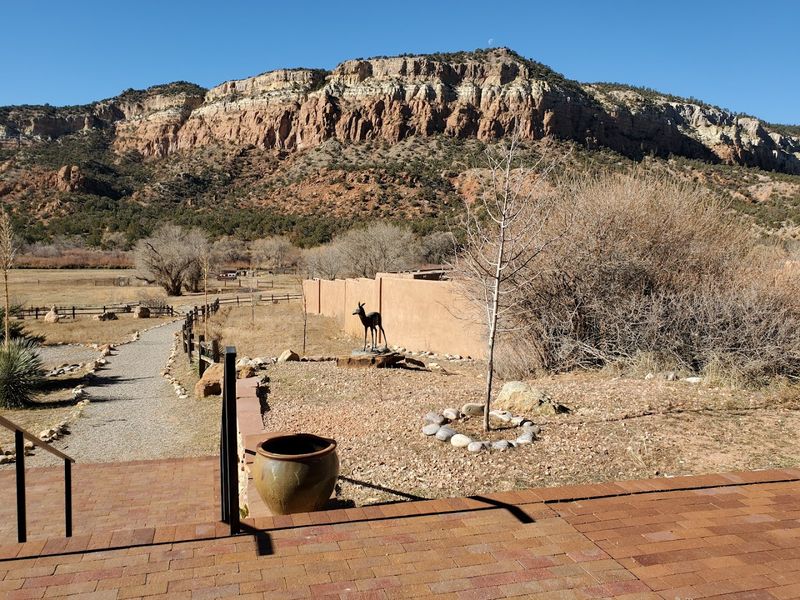
Silence has texture out here, and I mean that in the most practical way possible.
Without traffic noise, construction hum, or the constant digital chatter that fills most of my days, the quiet at this canyon monastery becomes something you can almost feel pressing gently against your ears.
After spending time here, I understood why people talk about silence as more than the absence of sound, because the whole canyon seems to hold it.
The open sky above the canyon is staggering in its scale, especially at night when the remote location means minimal surrounding light and a star field that makes city-dwellers feel truly humbled.
Overnight availability can change, and the monastery has posted guesthouse closure notices during renovation work, so checking the current visitor information is essential before planning more than a day visit here.
Even day visitors absorb something of the atmosphere, and I watched several people arrive chatting loudly and leave speaking in near-whispers without anyone asking them to.
The desert sky out here is not just a backdrop; it is part of the silence itself, wide and unhurried in every direction you look with no real rush.
Simple Architecture In A Wild Landscape
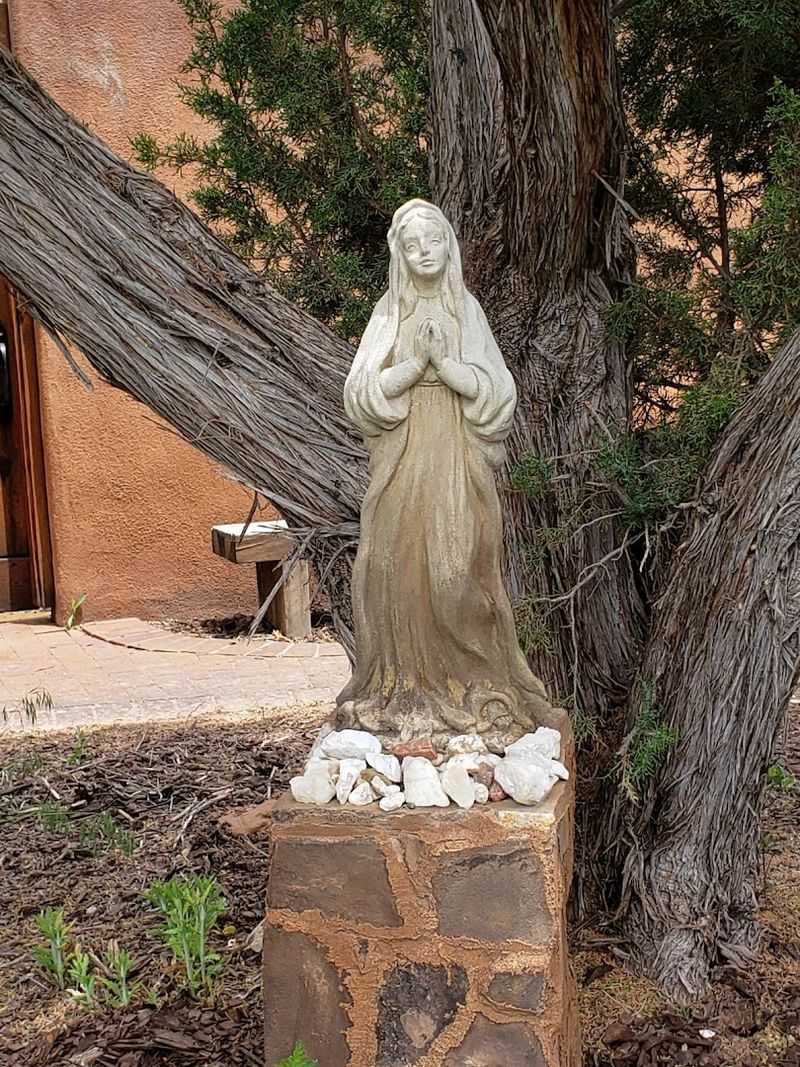
Simple building choices feel almost bold in a landscape this dramatic, and the monastery grounds show that commitment everywhere.
The structures across the monastery grounds are low, functional, and free of ornamentation, which makes them feel like honest participants in the canyon rather than impositions on it.
Daily life is visible in quiet, practical ways, from work on the grounds to the care of animals, and that labor feels woven into the architecture of the place just as much as the buildings themselves.
A small flock of sheep grazes near the property, adding a living detail that fits naturally into the monastery’s rhythm.
Solar panels power parts of the operation, which is a quietly impressive detail that shows practical creativity thriving alongside contemplative tradition.
The gift shop occupies one of the simple structures and carries religious items, books, and handmade pieces from the monastery, which makes for an unexpectedly interesting browse.
As I moved between the buildings, I kept noticing how the wild landscape presses right up to the edges of everything, never letting you forget where you actually are.
The whole compound feels spare without feeling cold, practical without feeling plain, and carefully shaped by the canyon around it every single day.
Hidden Paths Through Sacred Grounds
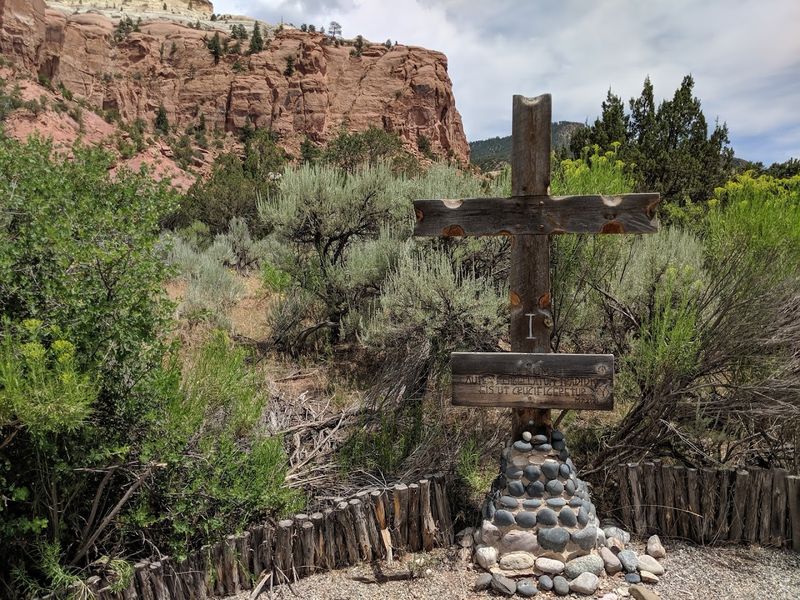
Beyond the main compound, the monastery grounds open into trails and quiet corners that reward anyone willing to slow down and wander.
The Chama River ford may lead to hiking paths on the far bank when conditions are safe, and the views back toward the monastery buildings are some of the most striking perspectives available on foot.
I followed one path until the buildings disappeared behind a bend in the canyon wall, and for a few minutes the only evidence of human presence was the faint bell sound drifting across the water.
The grounds hold a quality of intentional sacred space that is hard to define but easy to feel, and even visitors who do not share the monks’ religious tradition can still connect with the calm of the setting.
The beauty here does not depend on sharing the same beliefs; the canyon, chapel, river, and silence speak in a language most people can understand without trying very hard.
Paths near the chapel and guesthouse area are simple and unpaved, consistent with everything else here that refuses to prioritize convenience over authenticity.
The most valuable part of my visit was finding a quiet spot on the grounds, sitting still, and letting the place work at its own patient, unhurried pace.
Golden Light Across The Remote Valley
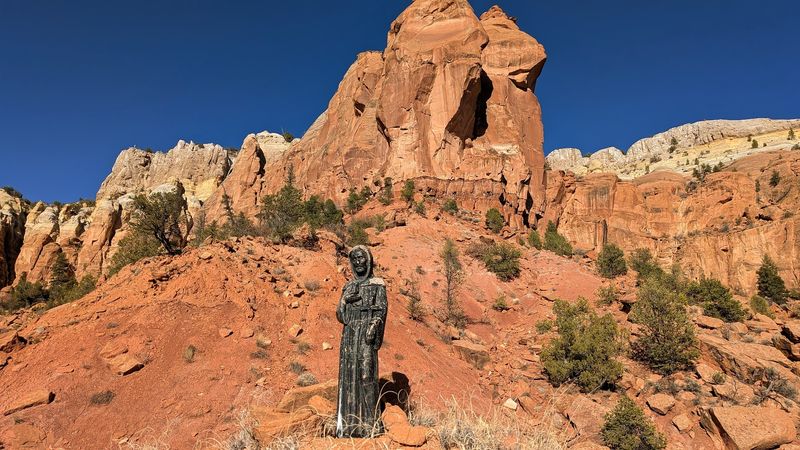
Late afternoon at the monastery is its own particular event, and I stayed longer than planned specifically because I could not bring myself to leave before the light changed.
The canyon walls catch the lowering sun and hold a warm amber glow that shifts through orange and deep red as the hour progresses, painting the whole valley in tones that feel almost too vivid to be real.
Long shadows stretch across the desert floor and the adobe buildings absorb the warmth in their thick walls, radiating it back slowly as the air begins to cool.
The remoteness of the valley means this light show happens without any competing human noise or movement beyond the soft sounds of the monastery’s daily rhythm.
Photographers and painters have been drawn to the Chama Canyon area for generations, and in that golden hour I stopped wondering why and started simply being grateful for good timing.
As the valley filled with late light, I felt the same pull many visitors describe, that quiet urge to stay longer than planned and let the canyon keep changing around me for a few quiet minutes.
The golden light waiting at the end of that long dirt road is absolutely worth every mile.