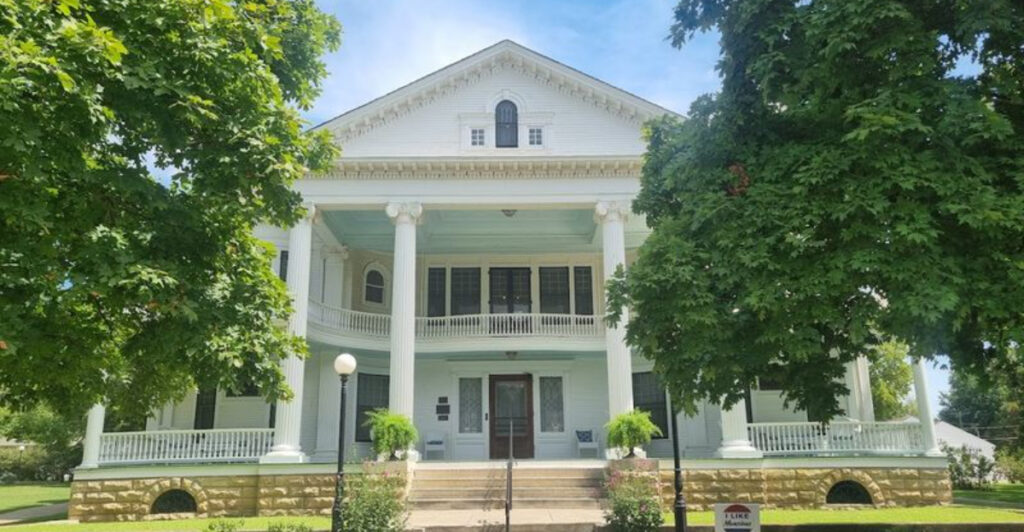
Some houses age. Others seem to pause time at the front door.
A Kansas mansion that has looked almost the same since the early nineteen-hundreds offers the rare thrill of stepping into a room and feeling the past still arranged around you.
Grand staircases, antique furnishings, polished wood, old details, and the quiet drama of another era can make the whole visit feel like walking through a living photograph.
The magic is in the preservation. Nothing feels rushed, replaced, or stripped of personality. Instead, every room seems to hold onto the elegance, ambition, and everyday stories of the people who once moved through it.
It is history with wallpaper, furniture, and a little mystery still intact.
I have always loved places that make me wonder what life sounded like inside their walls, and a Kansas mansion frozen so beautifully in time would have me studying every corner.
A Pharmacist Built One Of Kansas’s Most Lavish Homes
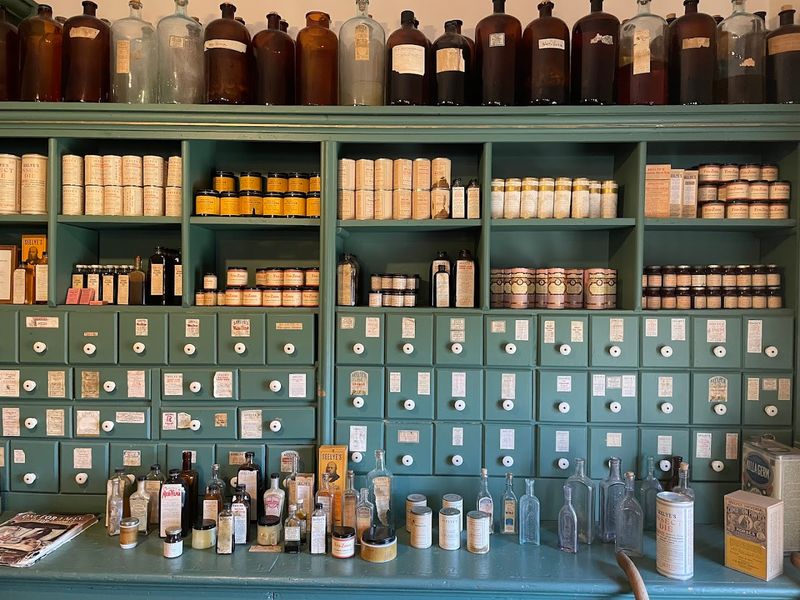
Long before national pharmacy chains existed, one determined man mixed his own medicines and turned that ambition into a fortune.
Arthur Seelye was a pharmacist who built his business selling patent medicines, including a well-known product called Wasa-Tusa.
His success funded the construction of the Seelye Mansion in 1905, a stunning 25-room Georgian Revival estate in Abilene, Kansas.
The preserved workshop where he created his medicines is still on the property, giving visitors a rare look into early American pharmaceutical history.
Stories like his feel almost fictional today, but the mansion stands as solid proof.
It is the kind of origin story that makes historic homes so much more compelling than a simple building tour, because every room carries the personality of the person who dreamed it up from scratch.
The Architect Also Designed The Kansas State Capitol
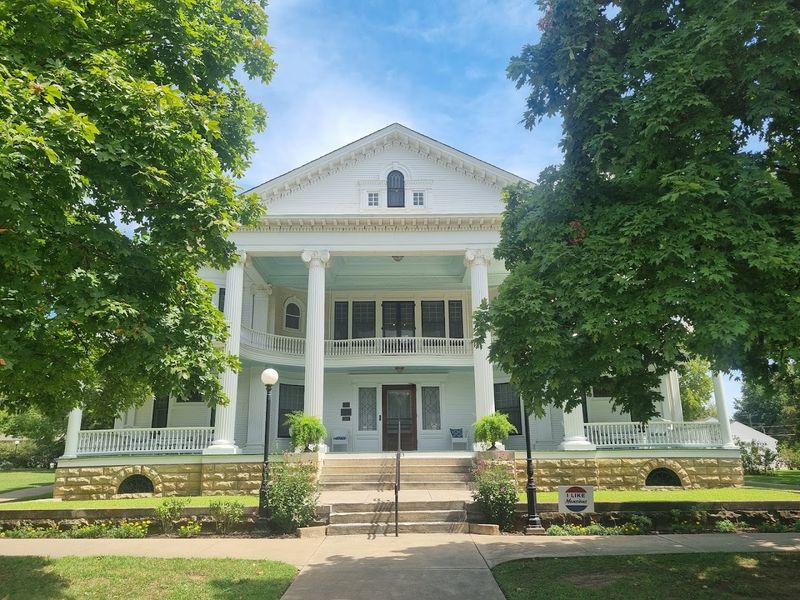
Here is a fact that stops most visitors in their tracks: the same architect who designed the Seelye Mansion also played an important role in Kansas public architecture.
James C. Holland, a prominent Kansas architect, designed the mansion and later served as state architect during the period when the Kansas State Capitol was being finished.
That connection alone tells you something about the level of craftsmanship and ambition built into every wall and window of this home.
The Georgian Revival style was chosen deliberately, reflecting elegance and symmetry that matched the Seelye family’s status.
The exterior has remained largely unchanged since 1905, making it one of the most intact examples of early twentieth-century residential architecture in the region.
Walking up to the front of the building, the proportions feel almost governmental, grand but not overwhelming.
It is the kind of architectural pedigree you might expect to find in a major city, not a small Kansas town, which makes discovering it here all the more satisfying.
Thomas Edison’s Team Personally Wired The Entire House
Most homes in 1905 were still using gas lamps, but Arthur Seelye had bigger ideas.
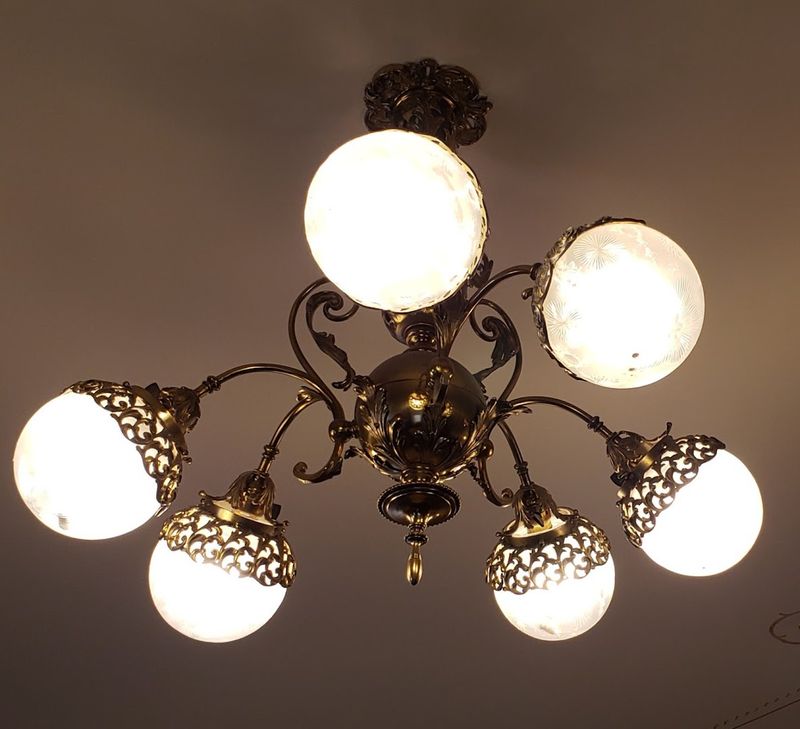
He had the mansion wired directly by Thomas Edison’s own team, making it one of the earliest privately owned homes in Kansas to feature electric lighting throughout.
The original Edison light fixtures are still in place today at the Seelye Mansion, and many of them still function.
That detail alone makes the home feel more like a living museum than a frozen relic, because the light that fills the rooms comes from the same fittings installed over a century ago.
Historians and architecture fans who have studied similar properties from Ohio to California consistently note how rare it is to find original Edison wiring intact at this scale.
Stepping inside and flipping on a light here carries a small but genuine thrill that no replica could ever replicate.
Frank Lloyd Wright Had Input On The Interior Design
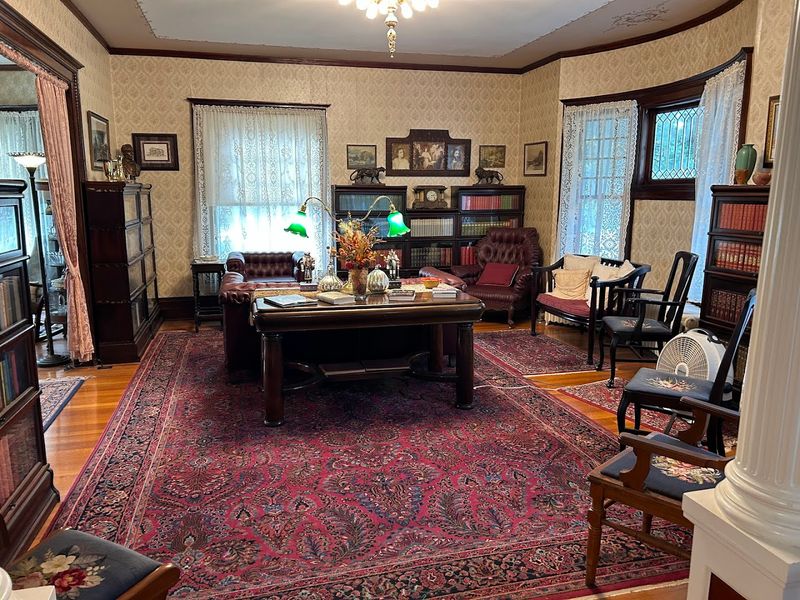
Few residential properties can claim a connection to Frank Lloyd Wright, but the Seelye Mansion is one of them.
According to historical accounts associated with the home, Wright provided input on certain interior design elements after the house was completed.
That influence is subtle rather than dominant, woven into the proportions and decorative choices rather than announcing itself loudly.
It gives the interior a layered quality, where the Georgian exterior meets something more forward-thinking inside, a design conversation happening across two very different architectural minds.
For anyone who has toured Prairie School buildings in Ohio or Illinois, spotting those quieter design gestures here adds an extra layer of fascination.
The Seelye Mansion rewards careful observation, and knowing that one of America’s most celebrated architects left his mark somewhere within these walls makes every detail worth a second look.
Innovations From The 1904 St. Louis World’s Fair Were Featured Here
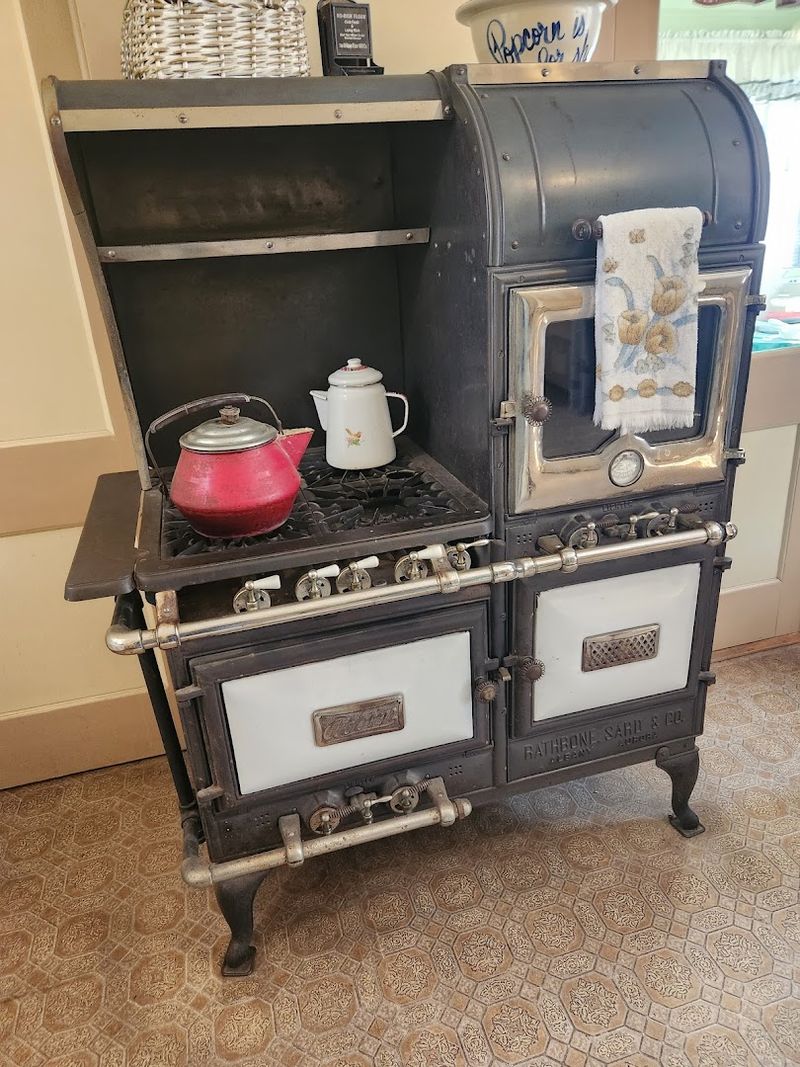
The 1904 St. Louis World’s Fair was essentially the tech convention of its era, showcasing inventions and ideas that most Americans had never seen before.
Arthur Seelye made sure several of those innovations found a home inside his newly built mansion.
From early electrical systems to cutting-edge household features of the time, the Seelye Mansion was designed to impress and to function at a level well ahead of its neighbors.
Visitors today are often surprised to learn just how forward-thinking the home was for its era.
It puts into perspective how ambitious the Seelye family truly was, not just in wealth but in curiosity and vision.
Much like the great exhibition halls of Ohio and Missouri that showcased progress during that same period, this mansion served as its own private showcase of what modern living could look like in the early twentieth century.
A Tiffany Mosaic Surrounds One Of The Fireplaces
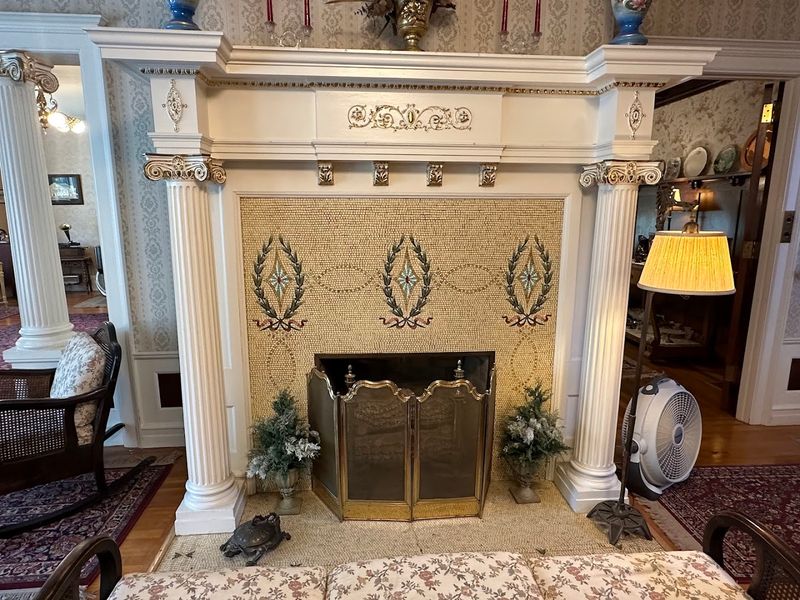
Tiffany Studios work is the kind of detail that makes serious art lovers stop mid-sentence.
One of the fireplaces inside the Seelye Mansion is framed by a genuine Tiffany mosaic, a glittering, colorful surround that has survived completely intact since the home was first furnished.
The craftsmanship is extraordinary up close, with small tiles arranged in patterns that catch light differently depending on the time of day.
It sits in the room naturally, not cordoned off behind ropes or glass, which makes experiencing it feel genuinely personal.
Tiffany pieces of this type are typically found in major museums or wealthy estates on the East Coast, so encountering one in a Kansas mansion always catches people off guard.
It is one of several details at the Seelye Mansion that remind you the Seelye family was not simply wealthy by local standards but by any standard of the era.
The Home Spans Four Full Floors Including A Ballroom And Basement Bowling
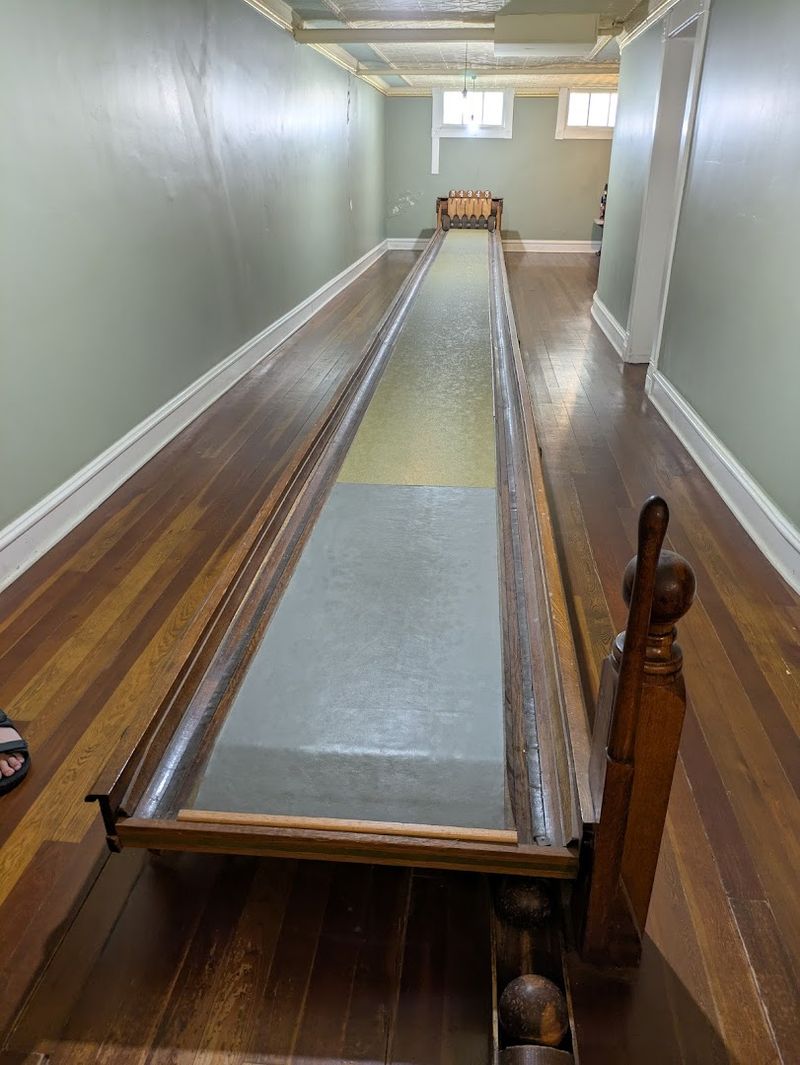
Twenty-five rooms spread across four floors is not something most people picture when they think of a Kansas home.
The Seelye Mansion runs from a basement game room all the way up to a fourth-floor ballroom, with each level offering something completely different from the last.
The basement features a bowling-style game setup that genuinely delights visitors of all ages, while the ballroom upstairs carries a formal elegance that makes you understand how grand social gatherings must have felt in 1905.
In between, there are parlors, bedrooms, a dining room, and a library, each filled with period-correct furnishings.
Historic homes of this scale in Ohio and across the Midwest often feel roped-off and distant, but here every floor is open and accessible.
The four-level layout means the tour never gets repetitive, and each staircase climb reveals a genuinely new atmosphere waiting at the top.
Original Edison Fixtures Still Light The House
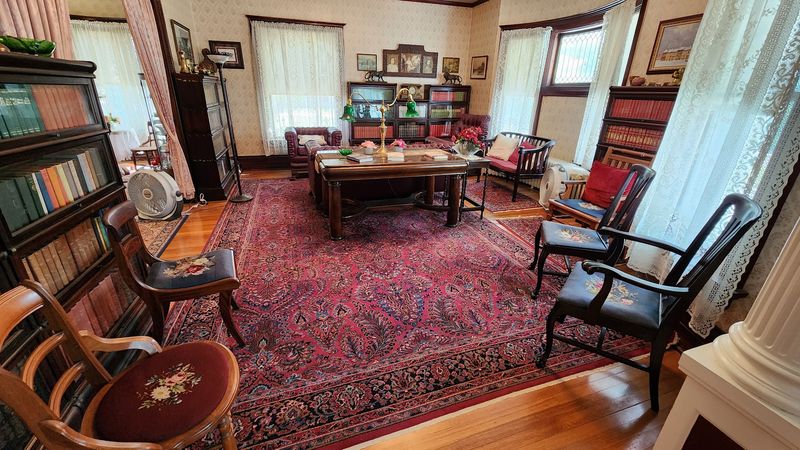
Most homes in 1905 were still using gas lamps, but Arthur Seelye had bigger ideas.
The mansion was equipped with electric lighting early on, and its original Edison light fixtures are still one of the standout features visitors notice today.
Many of those fixtures remain in place, which helps the home feel more like a living museum than a frozen relic.
That detail alone adds a genuine thrill, because the light filling the rooms still comes through fittings installed more than a century ago.
Historians and architecture fans who have studied similar properties from Ohio to California consistently note how rare it is to find original electrical features preserved at this scale.
Stepping inside and seeing those fixtures in person carries a small but real sense of wonder.
A 1921 Steinway And A Parlor Organ Still Add To The Atmosphere
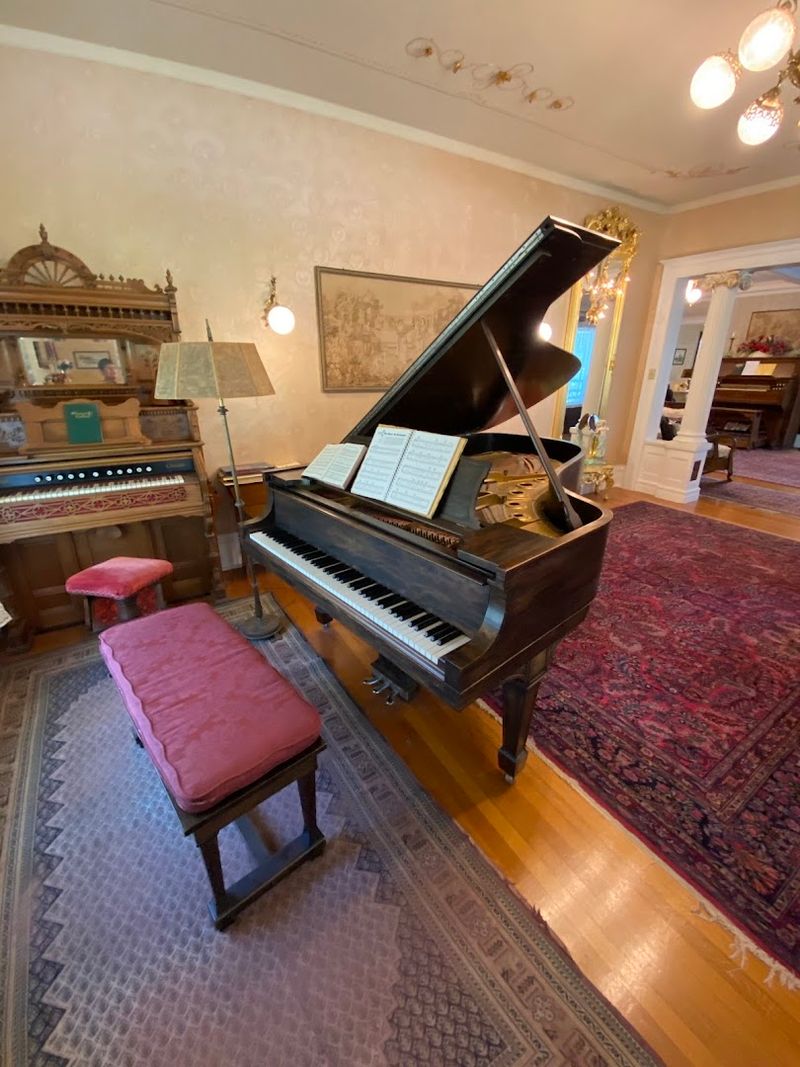
Some historic homes display musical instruments as decoration.
The Seelye Mansion still contains a 1921 Steinway piano as well as a parlor organ, both of which add to the sense that the home has remained beautifully intact.
Seeing those instruments in their original setting creates an atmosphere that photographs simply cannot capture.
The acoustics of the old rooms and the scale of the furnishings make the music room feel especially vivid, even before a single note is played.
For anyone who grew up attending concerts in historic venues in Ohio or other states, that sensation of old walls and preserved instruments feels immediately familiar and deeply satisfying.
The piano alone is a remarkable surviving feature, and its presence says a great deal about how carefully the mansion’s history has been preserved.
The Mansion Is Now Operated By A Historic Foundation
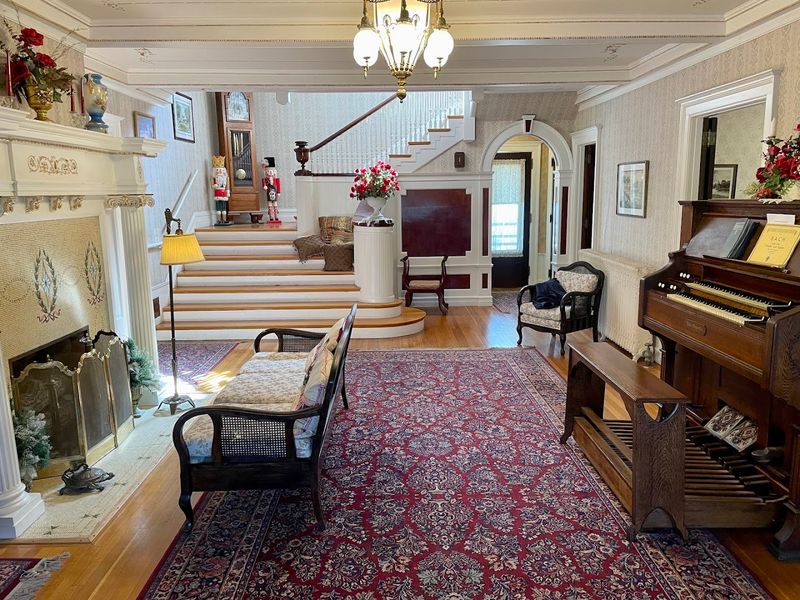
One of the most compelling parts of the Seelye Mansion’s story today is how carefully it is being preserved for the public.
The home is now owned and operated by the Historic Seelye Mansion Foundation, which has kept the property open as a historic house museum.
That stewardship helps preserve not just the architecture and antiques, but also the stories connected to the Seelye family and their role in Abilene history.
Visitors still get a deeply personal experience, but it now comes through guided interpretation and preservation rather than through a private family residence.
Historic preservation projects across the Midwest often struggle to maintain that connection between past and present, but here the effort remains strong.
The Seelye Mansion at 1105 North Buckeye Avenue, Abilene, Kansas 67410 continues to carry that living connection as one of its greatest treasures.