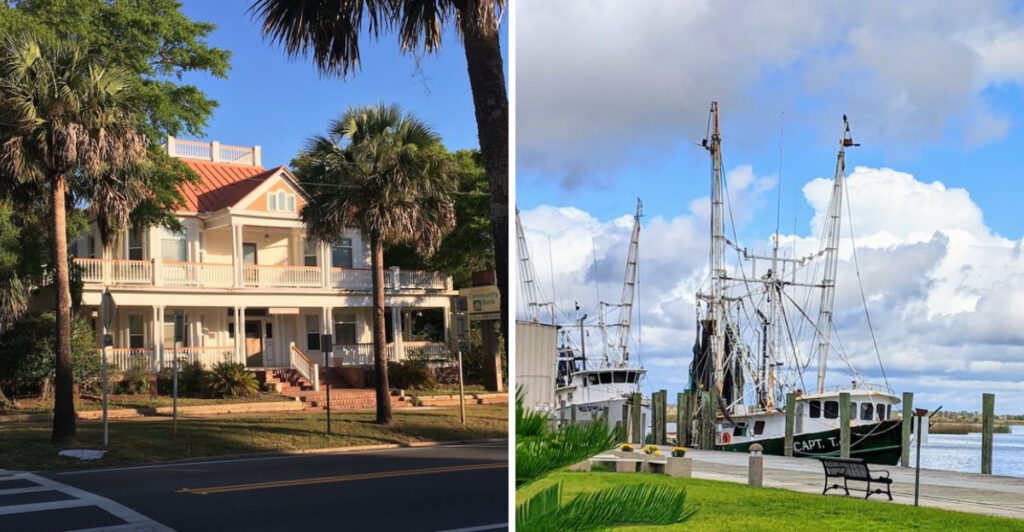
Imagine finding the version of Florida that people are always saying used to exist. Victorian facades, fishing boats at a working waterfront, and 900-plus historic buildings preserving what most coastal towns traded away decades ago.
The sleepy Gulf Coast stretch where development forgot to show up looks exactly like this, and honestly, thank goodness for that.
The fresh seafood comes in same-day right from the bay. The streets are quiet enough that you can actually hear the pelicans.
Florida is treating this particular corner like a secret worth keeping. People are just now starting to catch on, which means the window to find it before the crowds do is genuinely still open.
Something this charmingly real never stays undiscovered for long.
A Town Frozen in the Best Possible Way
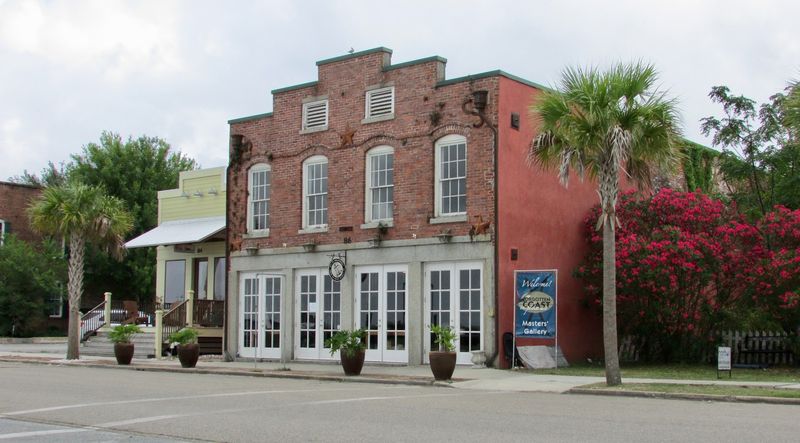
Time feels a little different here. Historic Apalachicola, centered along 86 Water St, Apalachicola, FL 32320, is a place where the 19th century never really left the room.
The town’s historic district contains over 900 documented historic homes and buildings. Many of these structures date back to the 1830s, and they are remarkably well-preserved.
Victorian facades, antebellum porches, and cast-iron details greet visitors at nearly every turn. The National Trust for Historic Preservation has recognized Apalachicola as a “distinctive destination,” a title that carries real weight in preservation circles.
Florida has no shortage of towns that claim historic charm, but few can back it up the way this one does. Walking the downtown streets feels less like sightseeing and more like stepping through a living archive.
The buildings are not just pretty backdrops. They are active storefronts, restaurants, and galleries still buzzing with everyday life, which makes the whole experience feel wonderfully unforced.
The Forgotten Coast and Why That Name Fits Perfectly
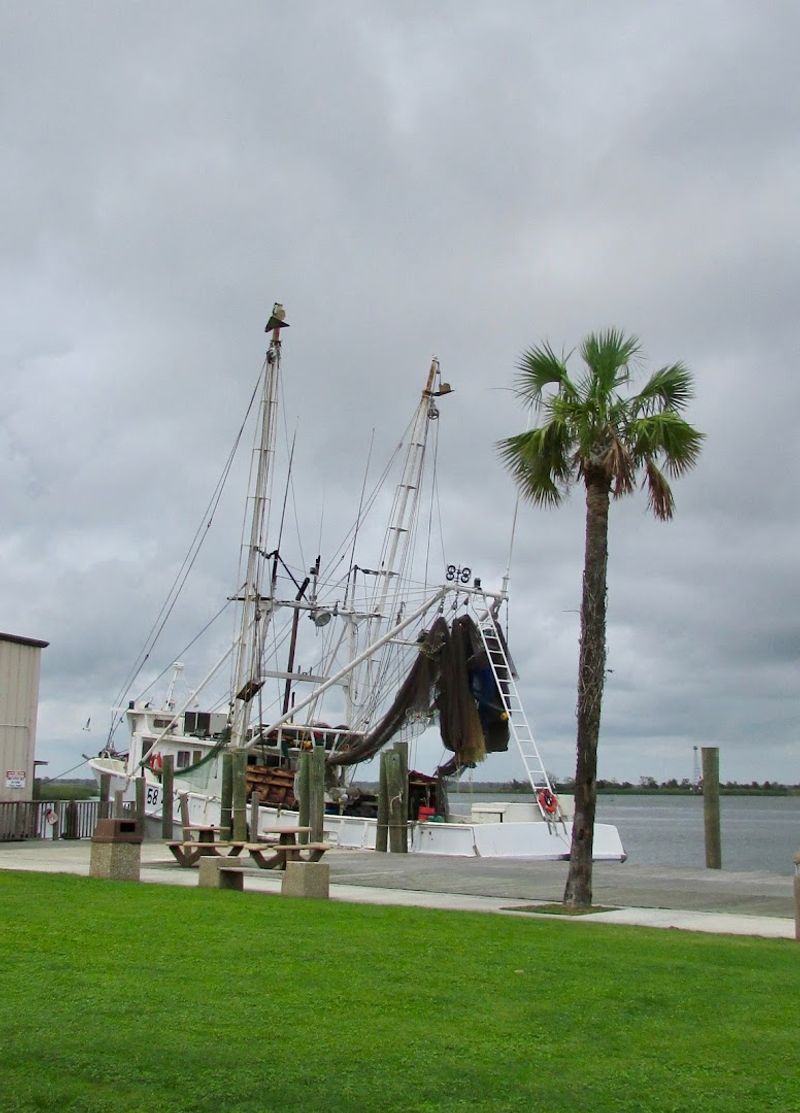
Florida’s Forgotten Coast is one of those rare marketing phrases that actually tells the truth. This stretch of the Florida Panhandle earned the name because development largely passed it by.
No high-rise condos crowd the skyline. No chain restaurants anchor the main drag.
What remains is a version of Florida that feels genuinely authentic rather than manufactured for tourism.
Apalachicola sits at the heart of this region, where the Apalachicola River meets the bay before opening toward the Gulf. The surrounding landscape is rich with estuaries, marshes, and barrier islands that have stayed largely untouched.
Nearby St. George Island and Cape San Blas offer white sand beaches that rank among the least crowded in the entire state. The water is clear, the crowds are thin, and the experience feels earned rather than handed to you.
For anyone exhausted by the commercialized version of Florida, the Forgotten Coast is less of a destination and more of a correction.
Oysters, History, and a Bay That Built a Town
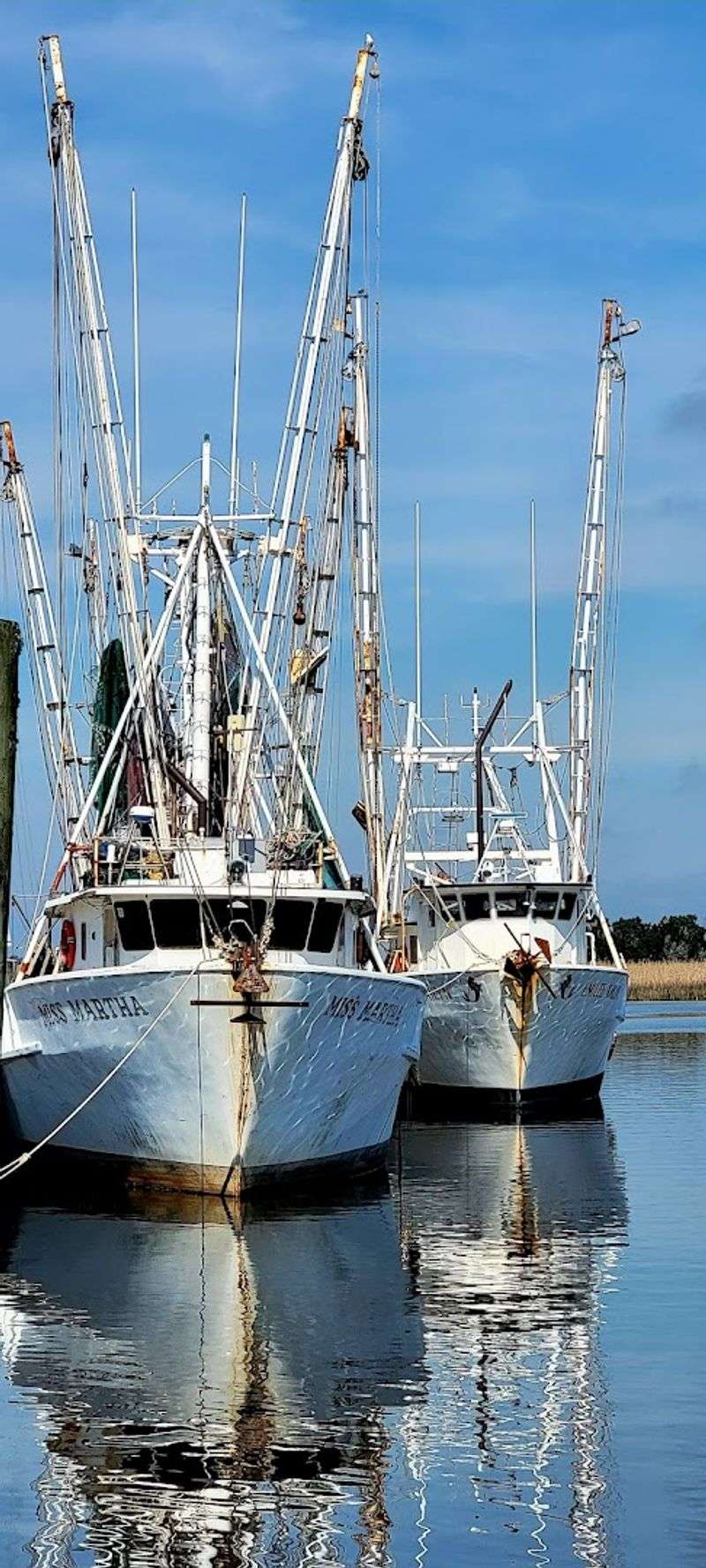
Apalachicola did not become famous by accident. For generations, the bay here produced a remarkable share of the nation’s oyster supply, earning the town the unofficial title of Oyster Capital of the World.
That identity runs deep. The seafood industry shaped the waterfront, the economy, and the culture of this small Florida community in ways that are still visible today.
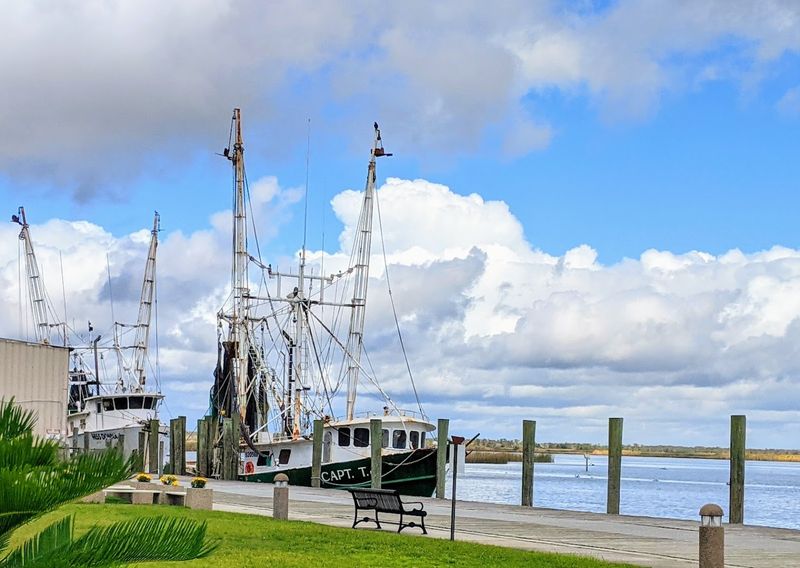
Shrimp boats and fishing vessels remain a fixture along the docks, and local restaurants serve catches that arrived hours earlier rather than days. The connection between the water and the plate is refreshingly short here.
The oyster population in Apalachicola Bay has faced challenges in recent years due to environmental pressures, but the town’s relationship with the sea remains central to its character. Efforts to restore the bay’s ecosystem are ongoing and widely supported by the local community.
Eating seafood in Apalachicola feels less like a restaurant experience and more like a direct conversation with the landscape around you.
Victorian Architecture Worth Slowing Down For
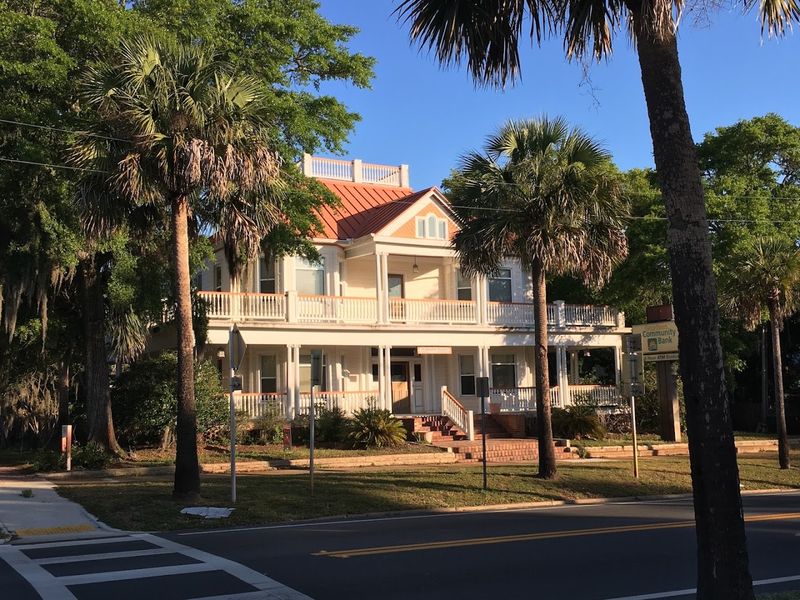
Architecture enthusiasts tend to arrive in Apalachicola with a camera and leave with a full memory card. The town’s self-guided walking tour is one of the better ways to spend a morning in the Florida Panhandle.
The route winds past antebellum homes, Victorian-era commercial buildings, and restored warehouses that once served the town’s booming cotton and seafood trades. Each block tells a slightly different chapter of the same long story.
The Gibson Inn, built in 1907 and listed on the National Register of Historic Places, stands as one of the most photographed buildings in town. It operates as a historic hotel, offering visitors the rare chance to sleep inside a piece of living history.
What makes the architecture here feel different from other historic towns is the density. There are not just a few showcase buildings surrounded by ordinary blocks.
The historic fabric is nearly continuous, which gives the whole district a cohesive and immersive quality that is hard to replicate.
The Creative Side of a Very Old Town
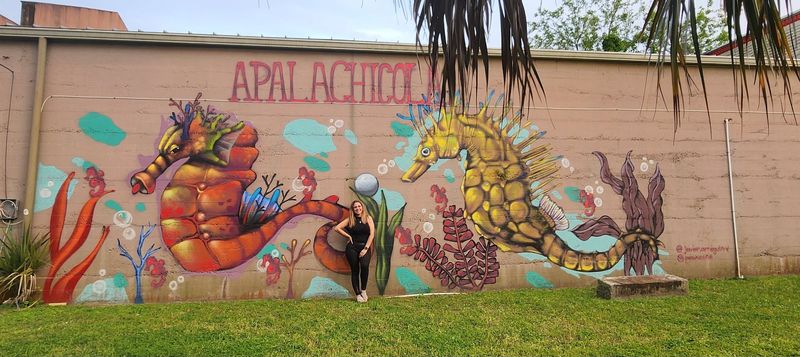
Creative communities tend to find the places that feel real, and Apalachicola has become exactly that kind of magnet. Artists, makers, and independent shop owners have quietly built a surprisingly vibrant scene inside this small Florida town.
Independent art galleries occupy repurposed brick warehouses along the waterfront. Eclectic boutiques sell handmade goods alongside local books and regional crafts.
The overall effect is a downtown that rewards slow browsing rather than fast shopping.
Music venues and cultural events add another layer to the experience. The town hosts an annual Oyster Cook-Off and the Florida Seafood Festival, both of which draw visitors from across the state and beyond.
What keeps the arts scene here feeling genuine is its scale. This is not a manufactured arts district built to attract foot traffic.
It grew organically, shaped by the people who chose to put down roots in a town that still had room for original ideas.
The result is a creative culture that feels earned, not curated.
Outdoor Adventures That Start Right at the Water’s Edge
The outdoors here are not a bonus feature. They are the main event.
Apalachicola sits at the junction of the river and the bay, which means water-based activities are available in practically every direction.
Kayaking and canoeing through the estuaries offer close encounters with wildlife that few other Florida destinations can match. The Apalachicola River basin is one of the most biologically diverse in North America, supporting hundreds of plant and animal species.
Birding is another draw. The region sits along important migratory routes, and the variety of species visible here throughout the year is genuinely impressive for casual and serious birders alike.
Fishing remains deeply woven into local life, and charter trips on the bay are a popular option for visitors who want to experience the water the way locals do. The catches vary by season but are consistently impressive.
For anyone who prefers land-based exploration, the nearby state parks at St. George Island and Cape San Blas offer trails, beaches, and quiet stretches of Florida coastline that feel almost private.
A Waterfront That Still Belongs to the Town
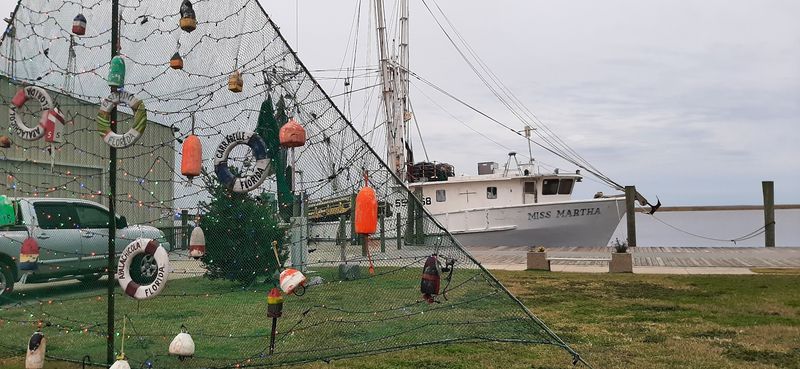
Waterfronts in popular Florida destinations often get taken over by souvenir shops and tourist traps. The waterfront in Apalachicola has managed to hold onto its working character, and that makes it genuinely worth visiting.
The area around 86 Water St sits right where the town meets the bay, and the view across the water toward the barrier islands is the kind that makes people stop mid-sentence. Fishing boats come and go.
Pelicans patrol the docks. The rhythm of the place is unhurried and real.
The mix of old seafood houses, small restaurants, and historic commercial buildings along the waterfront gives the area a texture that feels lived-in rather than staged. Locals and visitors share the same benches, the same lunch spots, and the same view.
Tourism has started to influence some of the traditionally industrial parts of the waterfront, but the core character remains intact. It still feels like a town that works for a living, which is increasingly rare along the Florida Gulf Coast.
Why People Keep Coming Back
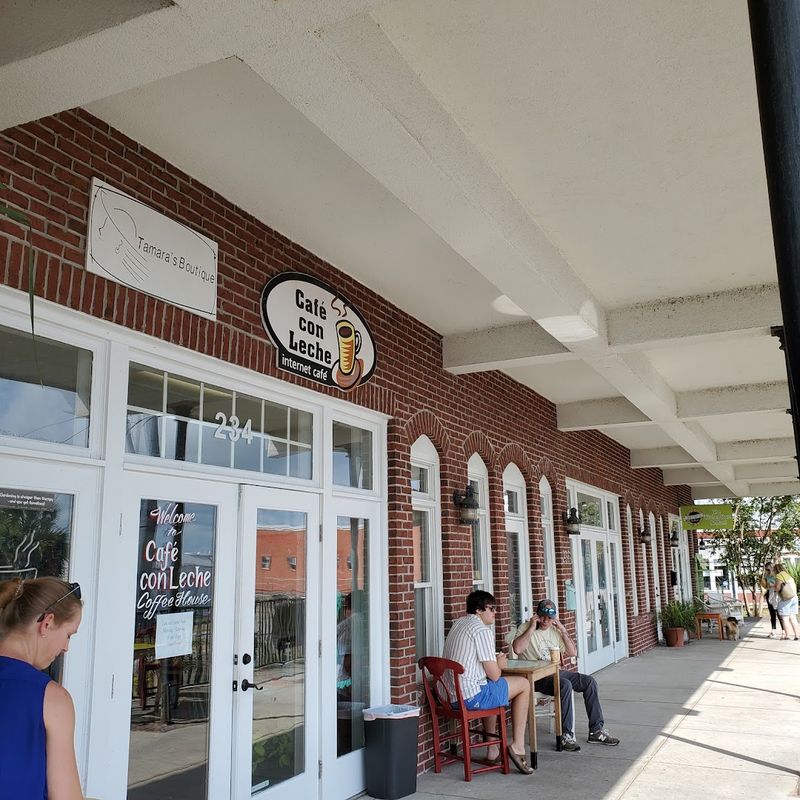
Repeat visitors to Apalachicola tend to use the same word: unhurried. The town does not push an agenda.
It does not try to fill every hour with scheduled entertainment or manufactured experiences.
What it offers instead is space. Space to wander the historic streets without a map.
Space to sit at a waterfront cafe and watch the bay do its thing. Space to actually talk to the people who live and work here, who tend to be genuinely friendly and happy to share the town’s stories.
The low crime rate and relaxed atmosphere make it an easy place to feel comfortable, whether visiting solo or with family. The scale of the town means nothing feels overwhelming or hard to navigate.
Visitors from across the country are increasingly discovering what this corner of Florida has to offer, and the numbers reflect that growing interest. Yet the town has not yet crossed the line into feeling crowded or overly commercialized.
That balance is fragile, and those who find it now are arriving at exactly the right moment.
Getting There and What To Expect When You Arrive
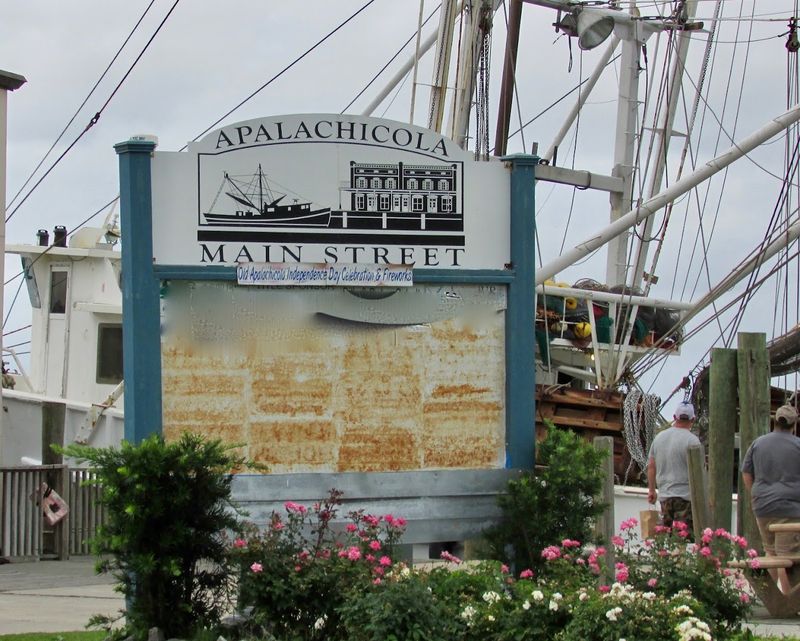
Getting to Apalachicola is part of the experience. The drive in from Tallahassee, about 80 miles to the northeast, passes through stretches of pine forest and coastal marshland that set the tone perfectly.
The town is small enough that orientation happens quickly. The historic downtown is compact and walkable, with most of the key attractions, restaurants, and galleries within easy reach of the waterfront area.
Accommodation options lean toward the historic and the personal. Bed-and-breakfasts and historic inns are the norm here, and the Gibson Inn remains one of the most well-known options for visitors who want a stay that matches the character of the town itself.
The best approach is to arrive without a rigid itinerary. Apalachicola rewards curiosity more than planning.
The town reveals itself gradually, through unexpected conversations, a side street lined with old homes, or a plate of oysters that tastes exactly like the bay it came from.
Florida has plenty of places to visit. This one is worth actually staying in.