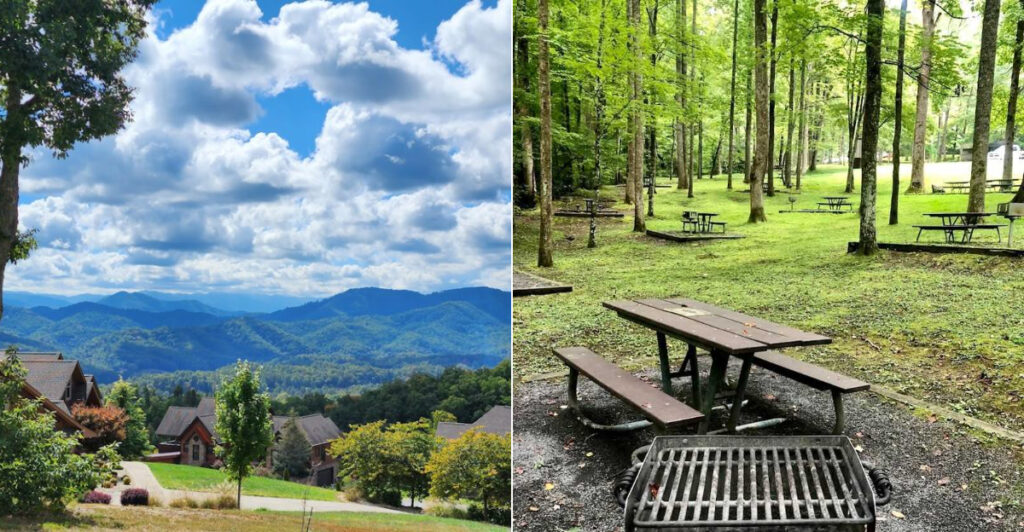
Most travelers drive straight through this part of Tennessee without a second thought. That is a mistake worth correcting immediately.
Deep in the eastern corner of the state, right at the edge of Great Smoky Mountains National Park, there is a tiny mountain community that operates on its own quiet schedule. Unhurried, unspoiled, and surrounded by some of the most jaw-dropping mountain scenery the entire South has to offer.
This is the kind of place that reminds a person what fresh air actually smells like. What silence sounds like.
What it feels like to be somewhere that has not been overrun, overdeveloped, or turned into a highlight reel. Tennessee does mountain escapes better than almost anywhere, and this little corner proves it completely.
Winding roads lead here for a reason, and that reason is worth every single turn. Show up with no plan. Leave with a very strong reason to come back.
Where Clean Air Begins
Not every place earns its reputation for clean air, but Cosby has done the work. Sitting at the quieter northeastern edge of Great Smoky Mountains National Park, this small community benefits from consistent air quality monitoring that covers the entire park.
The park uses one of the most extensive air quality monitoring systems of any national park in the country. Measurements track ground-level ozone, fine particulate matter, and visibility conditions around the clock.
Since the late 1990s, air quality across the park has shown steady and meaningful improvement, driven by stricter pollution controls on industrial emissions across the region.
Today, the entire park meets all established air quality standards, which is a significant achievement given how heavily polluted this area once was. Cosby sits in a naturally sheltered valley, which helps reduce direct exposure to passing pollutants.
The surrounding forest also acts as a natural air filter, pulling particulates out of the atmosphere through the canopy.
Visitors who come here after spending time in larger Tennessee cities often notice the difference almost immediately. The air smells different, cleaner, sharper, and fresher than anything you find near a highway.
The Cosby Campground Experience
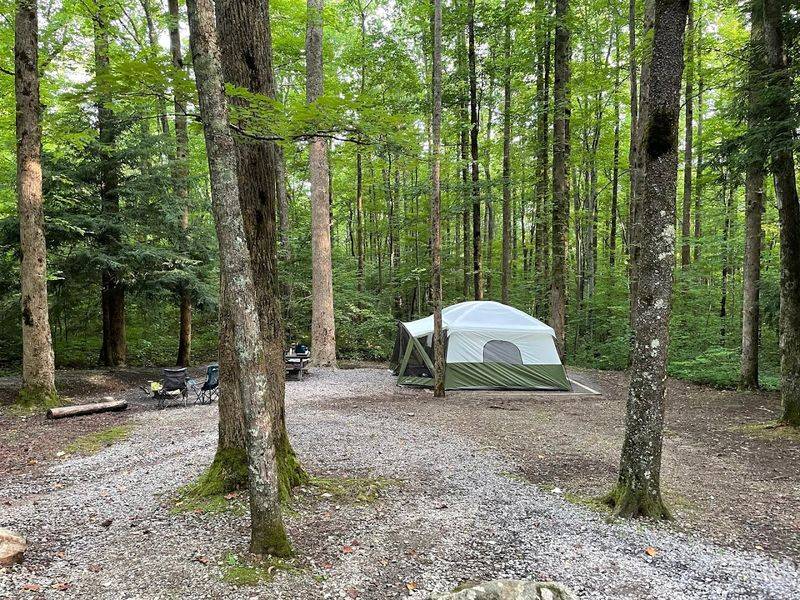
Cosby Campground is one of the best-kept secrets inside Great Smoky Mountains National Park, and the people who know about it prefer to keep it that way. Located just inside the park boundary near Cosby, Tennessee, it sits at a lower elevation than the more popular Cades Cove and Elkmont campgrounds, which means it tends to stay warmer in shoulder seasons.
The campground has over 150 sites spread across a forested loop, with Cosby Creek running alongside much of the area. That creek is not just pretty to look at.
On warm afternoons, visitors wade in up to their knees while the cold mountain water does its job of washing away the week.
One of the best things about camping here is how uncrowded it feels compared to other options in the park. Families who have camped here multiple times say the mornings are especially magical, with mist rising off the creek and birdsong that starts before sunrise.
What would it feel like to wake up to that every day?
The campground is open seasonally and reservations are strongly recommended during summer and fall. Restrooms with flush toilets are available on site.
Black bears are active in this area, so bear-proof food storage is required and taken seriously by rangers.
Hiking Trails Worth Every Step
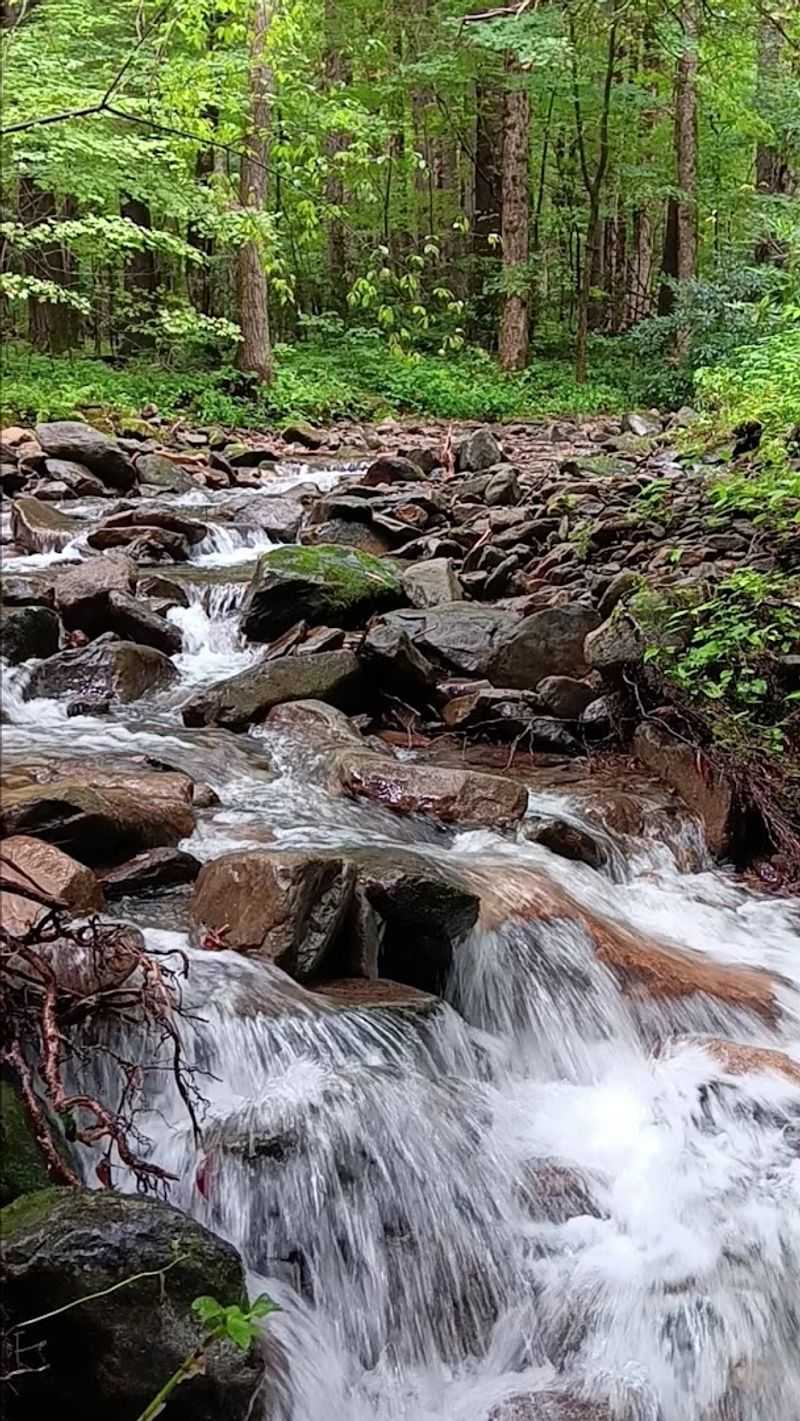
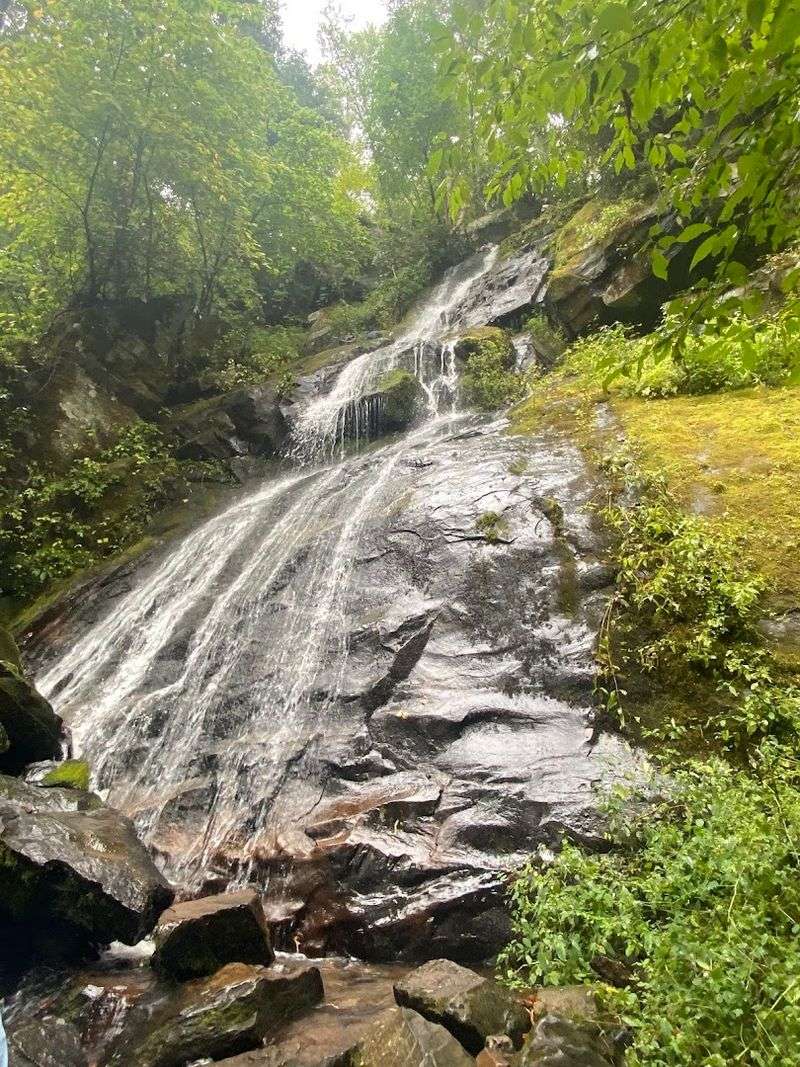
The trail system around Cosby is genuinely underrated, and hikers who discover it tend to come back year after year. The Hen Wallow Falls Trail is a favorite, covering about 4.4 miles round trip and ending at a waterfall that drops over 90 feet into a mossy pool below.
For those who want more elevation, the Gabes Mountain Trail offers a longer and more demanding route through old-growth hemlock and hardwood forest. The views along the ridge are the kind that make you stop mid-step and just stand there for a moment.
You will not feel rushed here because the trail does not attract the same volume of foot traffic as more advertised routes in Tennessee parks.
The Cosby area also connects to the Snake Den Ridge Trail, which climbs toward the Appalachian Trail and rewards strong hikers with sweeping views across multiple ridgelines. What is particularly special about these routes is how quickly the noise of daily life disappears once you are a quarter mile in.
Trail conditions vary by season, so checking with the park visitor center before heading out is always smart. Spring brings wildflowers and rushing streams from snowmelt.
Fall turns the entire forest into a slow-burning display of orange, red, and gold. A local hiker once described the Cosby trails as the place where Tennessee shows you what it is actually made of, and that description is hard to argue with.
Wildlife That Surprises You
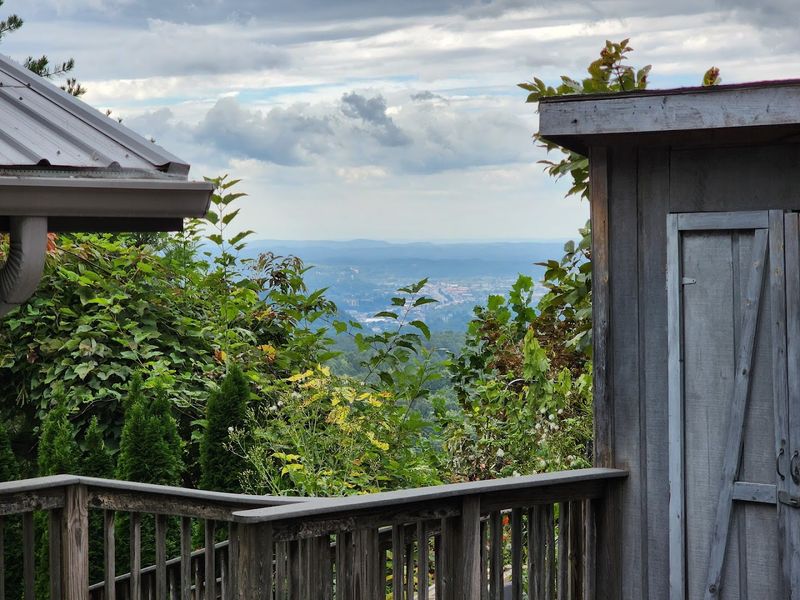
Wildlife watching around Cosby, Tennessee is not something you plan around a schedule. It just happens, and often when you least expect it.
Black bears are the most talked-about residents of this part of the park, and sightings near the Cosby area are genuinely common, especially in spring and fall when bears are most active.
The park is home to the largest population of black bears in the eastern United States. Rangers in the Cosby district consistently remind visitors to keep their distance, store food properly, and never approach a bear regardless of how calm it appears.
Watching one cross a trail from a safe distance is one of those experiences that does not translate well into a photograph but stays with you for years.
Beyond bears, the Cosby area supports an impressive variety of wildlife. White-tailed deer graze in open clearings at dawn and dusk.
Wild turkeys cross the road with complete indifference to passing cars. More than 200 species of birds have been recorded in the park, and the forest near Cosby is particularly rich for early-morning birdwatching.
Firefly season in early summer is its own event entirely. The synchronous fireflies that light up the forest in coordinated pulses are one of the most unusual natural displays in North America.
Small Town, Big Personality
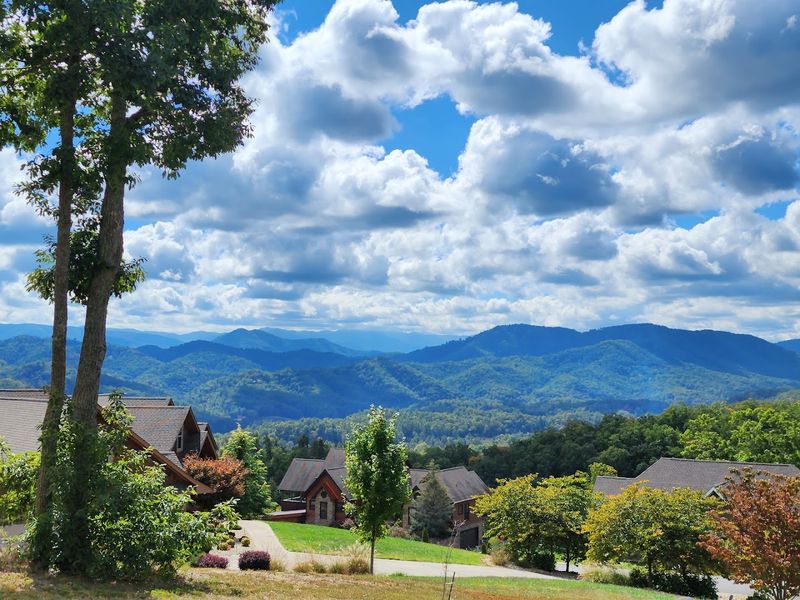
With just over 800 residents according to the 2020 census, Cosby is the kind of place where people still wave at passing cars from their front porches. That is not a detail to overlook.
In a world that keeps moving faster, this small Cocke County community operates on its own rhythm, and visitors who slow down enough to match it tend to leave with something they did not arrive with.
The community has a long history tied to the surrounding mountains and the traditions of Appalachian culture. Local families have farmed this land and hunted these ridges for generations.
That history is not displayed in a museum. It lives in the landscape, in the old homesteads tucked back from the road, and in the way longtime residents talk about the forest like it is a neighbor rather than a backdrop.
Small businesses along the roads near Cosby offer local produce, handmade crafts, and the kind of straightforward hospitality that cannot be manufactured for tourism. Visitors say the people here are genuinely friendly, not in a performed way, but in the way that comes from a community that has not lost touch with itself.
Is there a more honest kind of travel than sitting on a roadside bench in a tiny Tennessee mountain town, doing absolutely nothing? Cosby makes a convincing case that the answer is no, and that sometimes the smallest places carry the most weight.
Fall Foliage That Stops Traffic
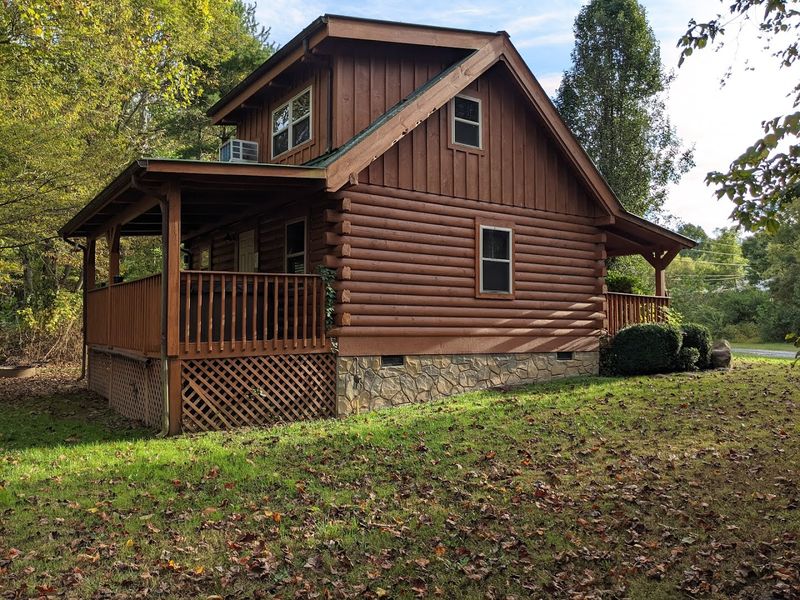
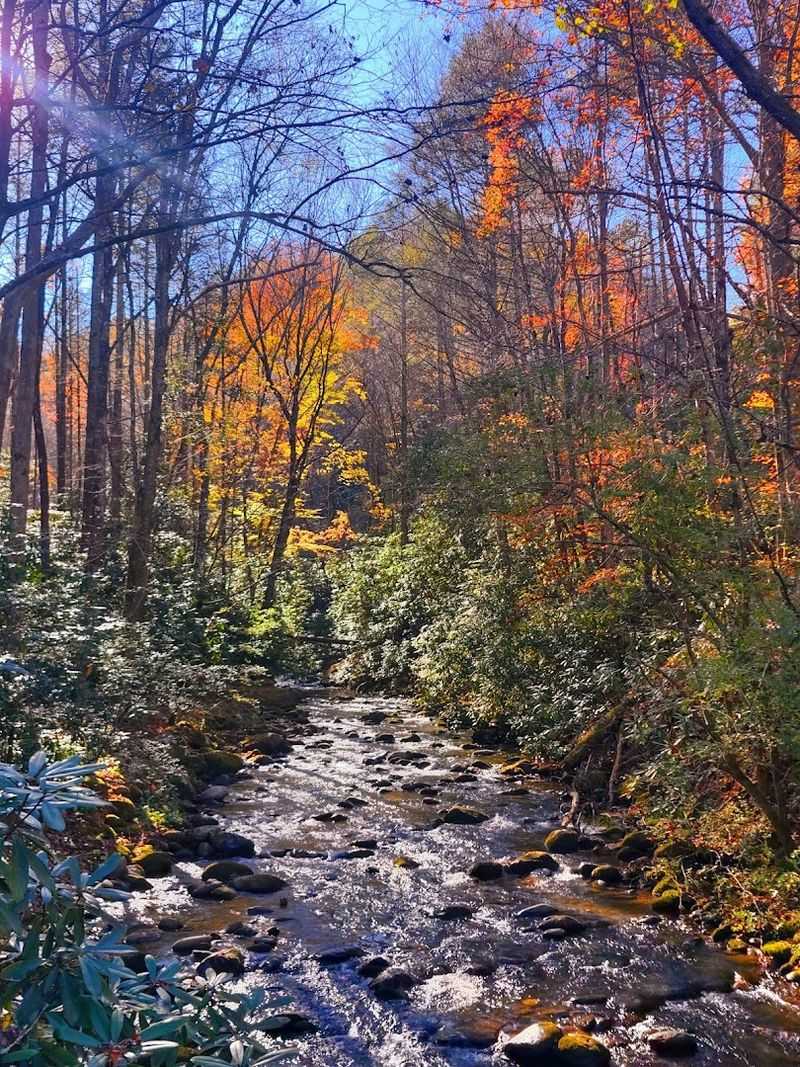
Fall in the mountains around Cosby, Tennessee does not ease in gently. It arrives with full commitment, turning the ridgelines into something that looks almost too vivid to be real.
Peak color in this part of the Smokies typically runs from mid-October through early November, depending on elevation and temperature patterns for that year.
Because Cosby sits at a lower elevation than some other entry points to the park, the color change here happens slightly later than on the higher peaks. That actually works in its favor.
By the time the famous high-elevation overlooks have passed their peak, the forest around Cosby is just getting started.
The drive along Cosby Road into the park during peak foliage is one of those routes that causes people to pull over repeatedly, not because anything has gone wrong, but because the view through the windshield keeps demanding attention.
Maple, oak, hickory, and tulip poplar all turn at slightly different rates, which creates layers of color across the hillsides rather than one uniform blaze.
Photographers who have shot fall foliage across the entire eastern United States often say that the Cosby corridor offers some of the most intimate and unspoiled color they have found in Tennessee. No crowds blocking the shot, no commercial development interrupting the treeline.
Just the mountain doing what it has done every October for thousands of years.
Picnicking With A Mountain View
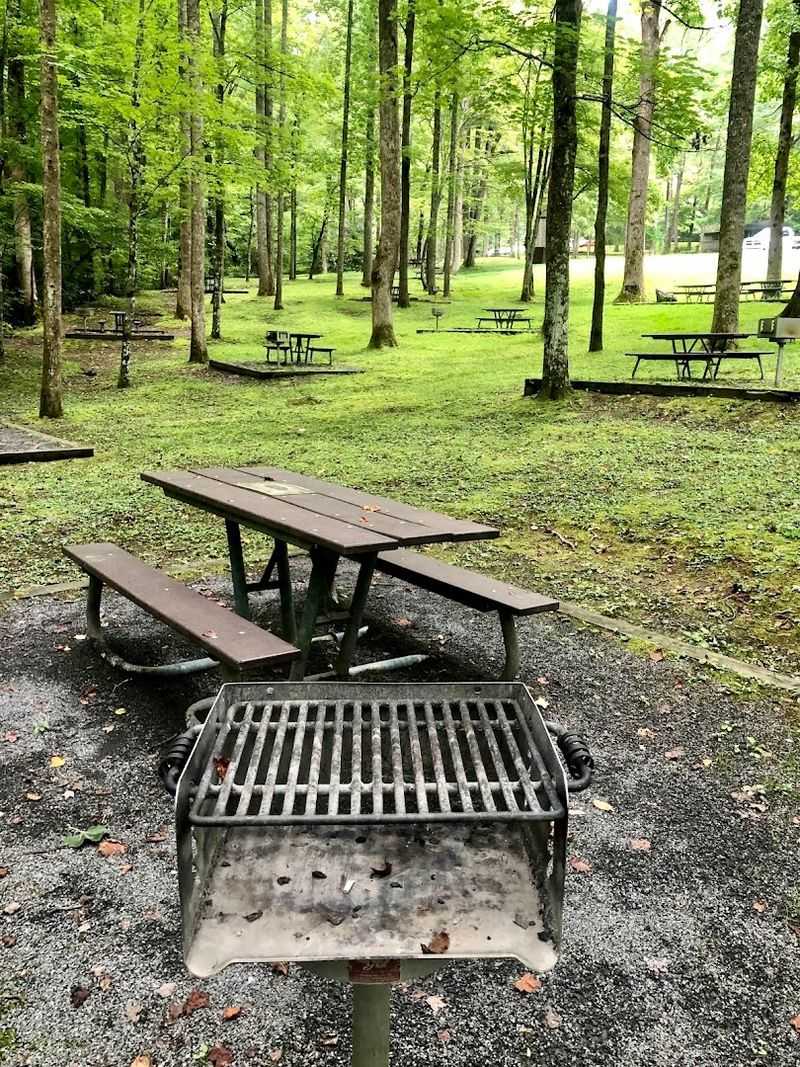
There is a picnic area inside the park near Cosby that earns its reputation without trying very hard. Shaded by mature hardwoods and positioned near the sound of Cosby Creek, it is the kind of spot that makes a packed lunch feel like a proper occasion.
Picnic tables are spread far enough apart that you genuinely feel like you have the forest to yourself.
Families who visit consistently say the picnic area near Cosby is their preferred stop over the larger, more crowded facilities elsewhere in the park. The atmosphere is relaxed, the creek provides a natural soundtrack, and the surrounding trees offer shade even on the warmest summer days.
Children tend to drift toward the water almost immediately, which is part of the appeal for parents who need five minutes of peace.
The site has basic facilities including restrooms, and it is accessible enough for visitors who are not planning a full hike but still want to experience the forest up close. Morning visits are particularly rewarding, when mist still clings to the lower parts of the valley and the light through the canopy is soft and golden.
What makes picnicking here different from anywhere else is the sense that you have earned your meal just by making the effort to find this place. Cosby does not advertise itself loudly, and the picnic area near it reflects that same quiet confidence.
Bring good food and stay longer than you planned.
Best Time To Visit Cosby
Timing a visit to Cosby, Tennessee can make a real difference in what you experience. Each season offers something genuinely different, and none of them are bad.
Spring arrives in the lower elevations around Cosby earlier than in the higher parts of the park, which means wildflowers appear here while snow is still possible on the upper ridges.
Late April and early May are particularly impressive for wildflowers along the trails near Cosby. Trillium, wild iris, and fire pink appear in patches along creek banks and forest floors.
The air quality during spring is typically at its best, with low humidity and consistent breezes pulling clean mountain air through the valley.
Summer brings the firefly season in early June, which draws visitors specifically to the Cosby area for the synchronous firefly display inside the park. This event requires a parking permit during peak viewing nights, and spots fill quickly.
Planning ahead is not optional if the fireflies are your main reason for visiting.
Fall is the season that converts first-time visitors into regulars. The foliage, the cooler temperatures, and the quieter trails create a combination that is hard to match anywhere else in Tennessee.
Winter visits are possible and surprisingly rewarding for solitude seekers, with snow occasionally dusting the lower forest and the campground largely empty. What season sounds most like the version of Cosby you want to find? All of them are waiting.