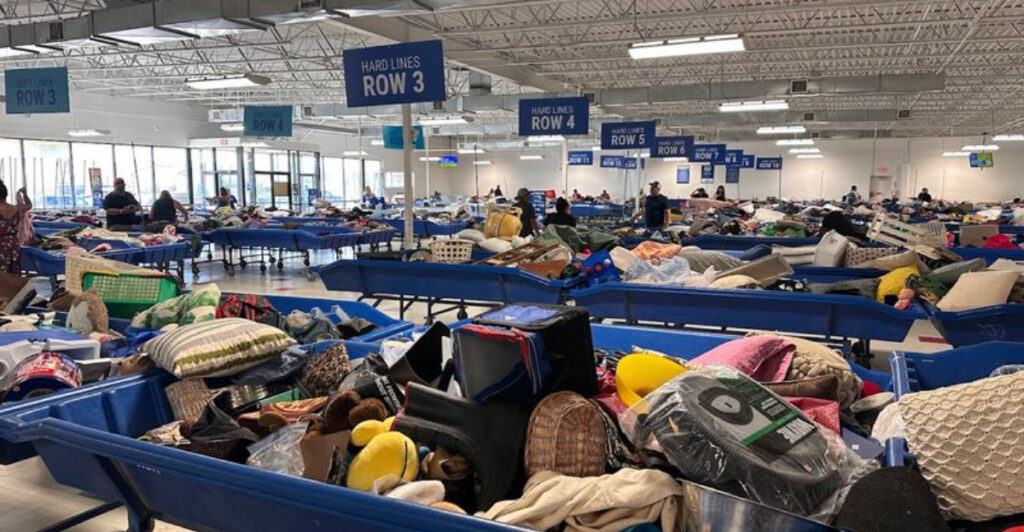
A quick browse sounds harmless until an Iowa secondhand store hands you giant bins, by-the-pound pricing, and the sudden confidence of someone starring in a bargain-hunting reality show.
This is not the tidy thrift-store experience with neat racks and perfectly labeled shelves. It is bigger, busier, and much more unpredictable, with clothing, books, housewares, toys, and mystery finds all waiting for shoppers willing to dig a little.
Seasoned resellers come ready with a strategy, while casual bargain hunters usually learn fast that “just looking” is a dangerous phrase here. One cart can turn into a full adventure before you even realize your arms have joined the workout.
What the Goodwill Outlet Actually Is
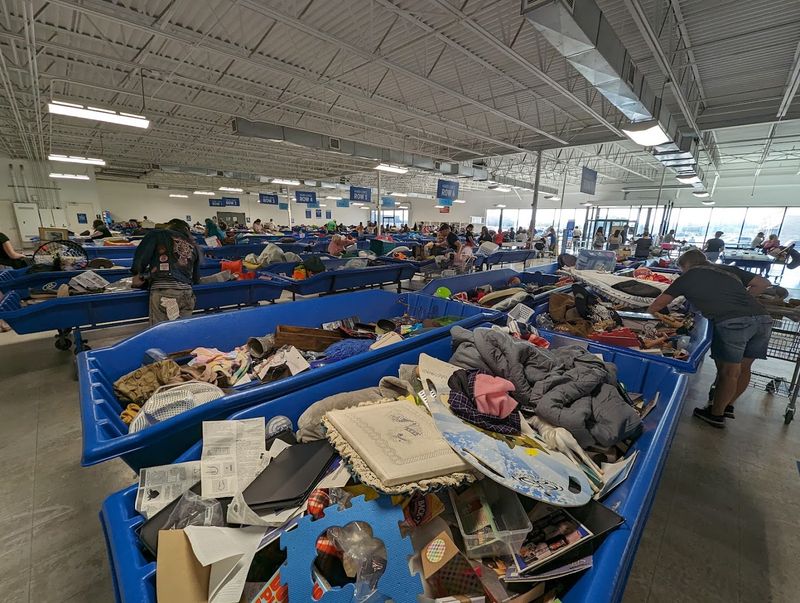
Most people hear Goodwill and picture neat racks, labeled shelves, and a calm little thrift-store stroll. The Goodwill of Central Iowa Outlet is a very different kind of adventure, and that is exactly what makes it so interesting.
This is where unsold items from Goodwill of Central Iowa retail stores get a second chance, only here they are spread across large bins and tables instead of arranged like a traditional shop. Clothing, books, housewares, toys, and all kinds of odd little surprises can show up in the mix.
The by-the-pound pricing is the big draw, and it gives the whole place a bargain-hunt energy that feels half shopping trip, half treasure quest. New inventory rolls out throughout the day, so the selection keeps changing, which means patience can absolutely pay off.
I would not call this a quick browse unless your self-control is stronger than mine, because one bin can easily turn into five. You can find the Goodwill of Central Iowa Outlet at 6345 SE 14th St, Des Moines, IA 50320.
The Bin System and How It Works
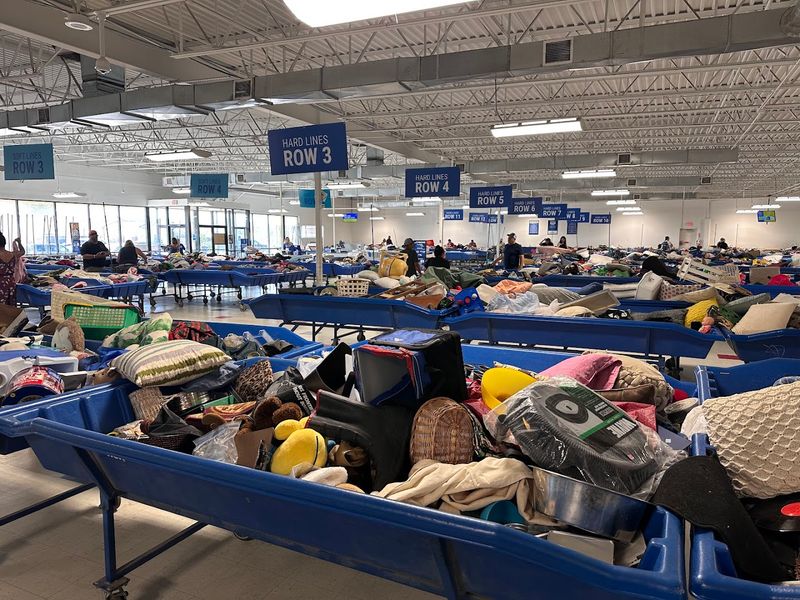
The bin system is the heartbeat of this place, and once you understand it, everything clicks into place.
Large rectangular bins, each one roughly waist-high, line the floor in rows. Inside each bin is a completely random mix of whatever came in from other Goodwill locations.
Clothing, shoes, toys, books, kitchenware, electronics, and puzzles can all end up in the same bin.
New inventory gets rolled out on a schedule, and when fresh bins hit the floor, shoppers gather fast. Some regulars treat those moments like a starting gun at a race.
Hard goods like dishes, tools, and decor are kept in separate bins from soft goods like clothing and linens. That separation makes it easier to focus your search without digging through things you do not need.
Each item you want goes into your cart, and everything gets weighed at checkout. A few specific items do have set prices, but the pound-based system covers the vast majority of what you will find on the floor.
The Thrill of the Treasure Hunt
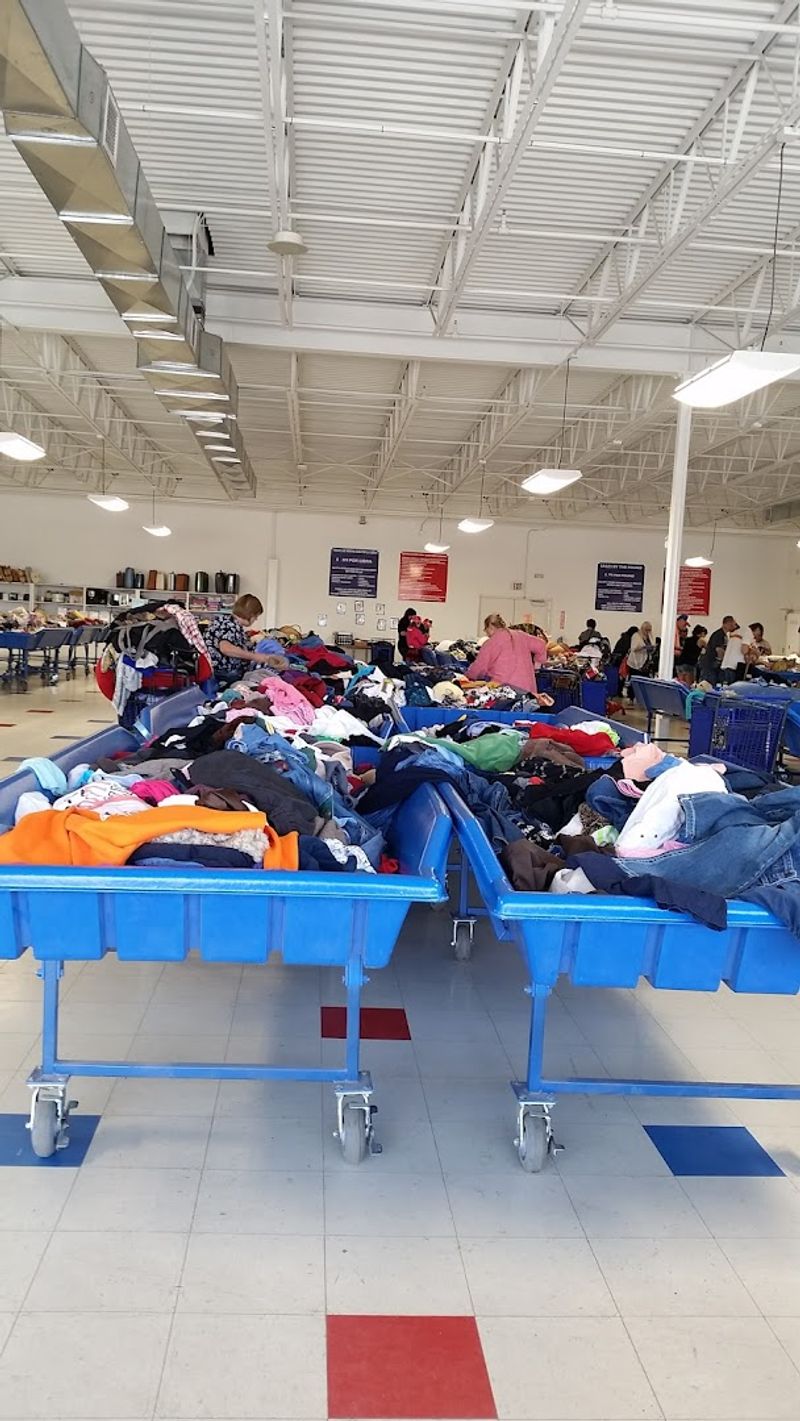
There is a particular kind of satisfaction that comes from pulling something genuinely great out of a pile of random stuff. That feeling is the engine that keeps people coming back to this outlet again and again.
On my visit, I watched someone lift a barely-used pair of name-brand sneakers from a bin that also contained a broken picture frame and a stack of old magazines. That is the reality here.
Great finds and forgettable junk sit side by side, and the difference between a good haul and an empty cart comes down to patience and a sharp eye.
Books, puzzles, children’s toys, kitchen gadgets, and clothing in every size show up regularly. The inventory changes so often that two visits a week apart can feel like two completely different stores.
Resellers are a big part of the crowd here, and for good reason. Buying 95 items for around $82 is not unusual if you know what you are looking for and shop with a plan.
Pricing That Actually Makes Sense
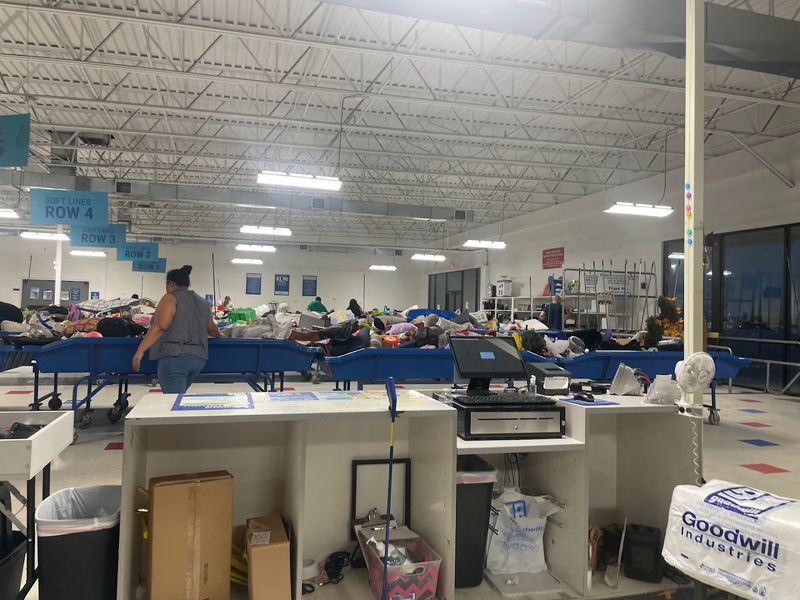
The by-the-pound pricing at this outlet is one of the most talked-about things among regular shoppers, and for good reason. It flips the usual thrift store math completely on its head.
Heavy items like hardcover books and denim jeans cost more per piece simply because they weigh more. Light items like kids’ clothing or paperback novels can add up to a surprising amount of stuff for very little money.
Smart shoppers come in with a strategy. Targeting lightweight clothing, thin fabric items, or small accessories tends to deliver the best value per dollar spent.
I picked up a stack of children’s books and a few kitchen items and paid less than I expected at the register.
A small number of items, particularly larger or more unique pieces, carry individual price tags rather than going through the scale. Those prices are still noticeably lower than what you would find at a standard Goodwill retail location.
Understanding the pricing system before you arrive makes the experience smoother and keeps you from being surprised at checkout.
Tips for First-Time Visitors
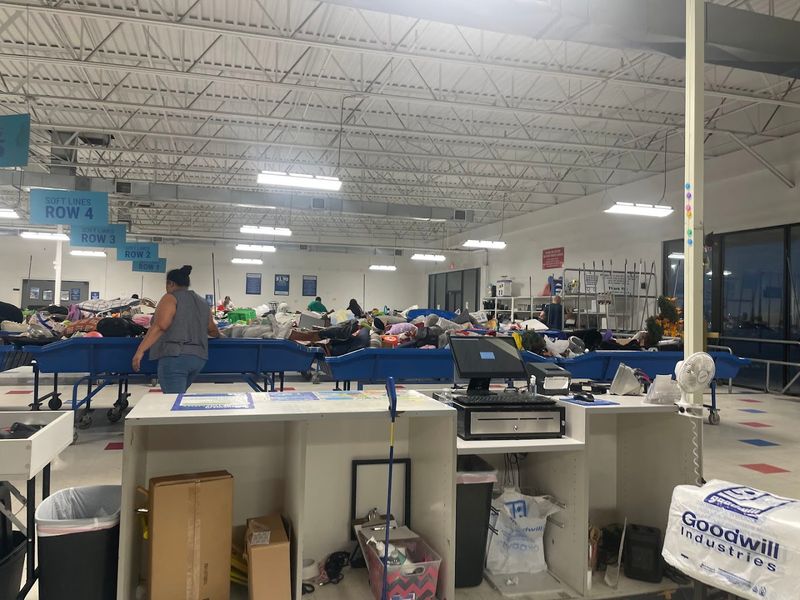
A first visit to this outlet can feel a little overwhelming, and a few simple preparations make a real difference in how much you enjoy the experience.
Bring gloves. That tip comes up constantly among regular shoppers, and I wish I had taken it more seriously before my own first visit.
The bins hold everything, and occasionally that includes broken glass or sharp edges hiding beneath soft goods.
Arrive early in the day if you want access to the freshest inventory with the fewest people around. The store opens at 9 AM on most days, and getting there close to opening gives you more space and calmer conditions before the midday crowd builds up.
Wear comfortable clothes and shoes you do not mind getting dusty. Bending over bins for an extended period is a real physical activity, and your back will remind you of that later if you are not prepared.
Keep your cart close and your attention on it. The store can get busy, especially when new bins roll out, and an unattended cart has a way of disappearing into the chaos.
The Atmosphere Inside the Store
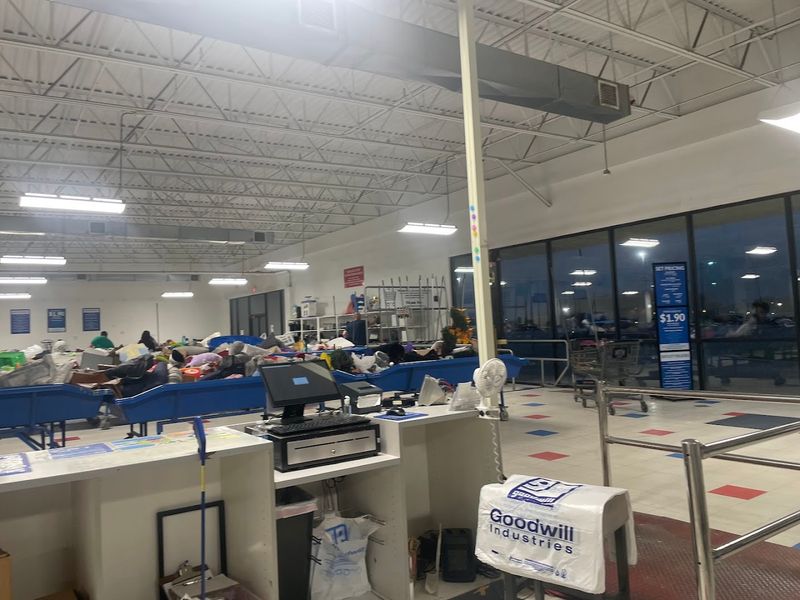
Calling this place lively would be an understatement on a busy afternoon. The energy inside the outlet is unlike any standard thrift store I have visited, and that energy is either exciting or exhausting depending on your personality.
The floor is wide and warehouse-style, with high ceilings and rows of bins stretching in multiple directions. The sounds of rolling carts, shuffling goods, and the occasional announcement over the intercom create a backdrop that keeps you alert and focused.
When new inventory carts get wheeled out, the atmosphere shifts noticeably. Shoppers gather quickly, and the pace picks up around those fresh bins.
If that level of competition is not your style, the older bins that have already been picked through still hold plenty of overlooked items.
I found the staff to be present and attentive during my visit. They regularly remind shoppers to respect each other’s space, which helps keep things from getting too chaotic.
Going shortly after opening on a weekday is the move if you prefer a calmer, less crowded version of the same experience.
Why Resellers Love This Place
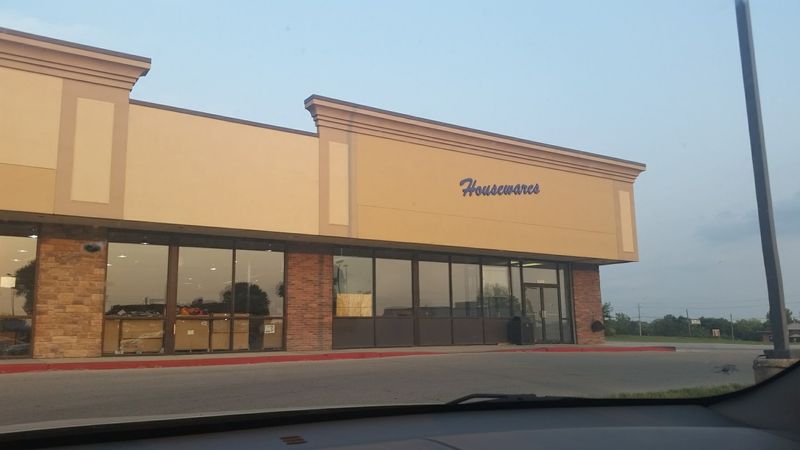
Among the regulars at this outlet, resellers make up a notably dedicated crowd. The math here works strongly in their favor, and many of them have turned their visits into a reliable part-time income.
Buying items at $1.89 per pound and reselling them online or at markets for multiples of that cost is a straightforward model that this store enables better than almost anywhere else in the Des Moines area.
Clothing resellers target brand names buried in the bins. Home goods hunters look for vintage or collectible pieces that the average shopper might overlook.
Book resellers scan titles and ISBNs on the spot using their phones to check resale value before tossing anything into their cart.
One shopper I spoke with mentioned walking out with 95 items for around $82, a haul that would have cost well over $400 at a standard Goodwill retail location. That kind of margin keeps serious resellers coming back week after week.
The constantly rotating inventory means there is always a reason to return, and the low cost of entry keeps the risk manageable.
Separating Hard Goods from Soft Goods
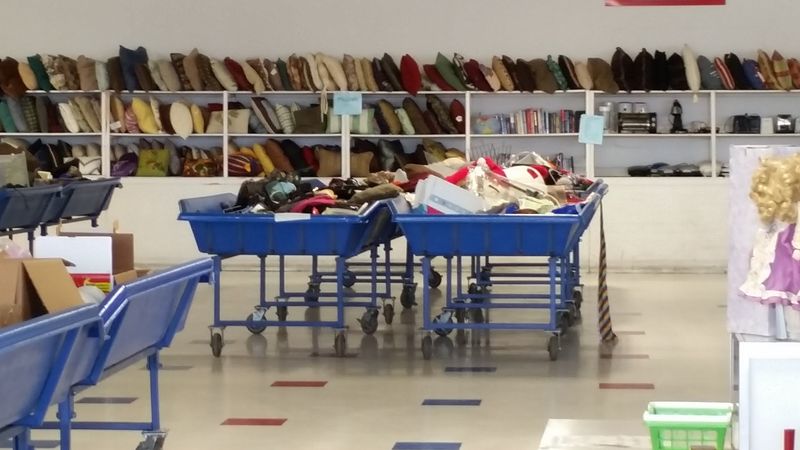
One thing that surprised me about this outlet was the deliberate separation of hard goods and soft goods into different areas of the floor. It sounds like a small detail, but it genuinely improves the shopping experience.
Soft goods, meaning clothing, linens, fabric items, and similar textiles, occupy their own set of bins. Hard goods like dishes, tools, small appliances, decorative objects, and kitchenware are kept separately.
That separation means you can head directly to the section that matches what you are looking for without wading through unrelated categories. If you are there specifically for clothing, you do not have to dig past ceramic bowls and extension cords to find it.
The hard goods section does carry a caveat worth mentioning. Broken glass occasionally ends up in those bins, which is exactly why gloves are such a consistent recommendation from experienced shoppers.
Keeping the two categories apart also makes it easier for the staff to rotate and manage inventory, which contributes to the overall organization of a place that could otherwise feel completely unmanageable.
Making the Most of Your Visit to This Iowa Outlet
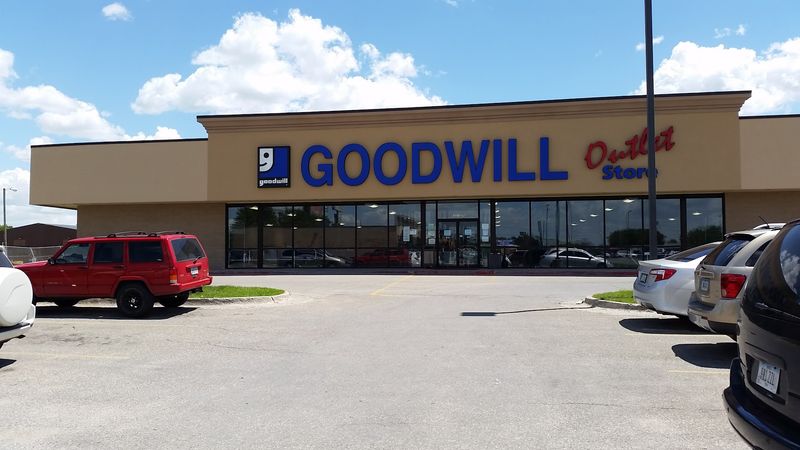
Getting the most out of a trip to this outlet comes down to mindset as much as strategy. Going in with realistic expectations and a flexible attitude turns what could be a frustrating experience into a genuinely fun one.
The store is open Monday through Saturday from 9 AM to 9 PM, and on Sundays from noon to 5 PM. Planning a visit on a weekday morning tends to mean fewer crowds and a more relaxed pace for digging through the bins.
Bring a reusable bag or two for transporting your finds from cart to car. The checkout process moves at a steady pace, and having your own bags ready speeds things along once your items are weighed.
Budget a couple of hours at minimum. This is not a quick errand.
The sheer size of the floor and the volume of inventory make a rushed visit feel incomplete, and the best finds tend to reward patience rather than speed.
Iowa has plenty of thrift options, but this outlet operates on a scale and a pricing model that genuinely sets it apart from everything else in the region.