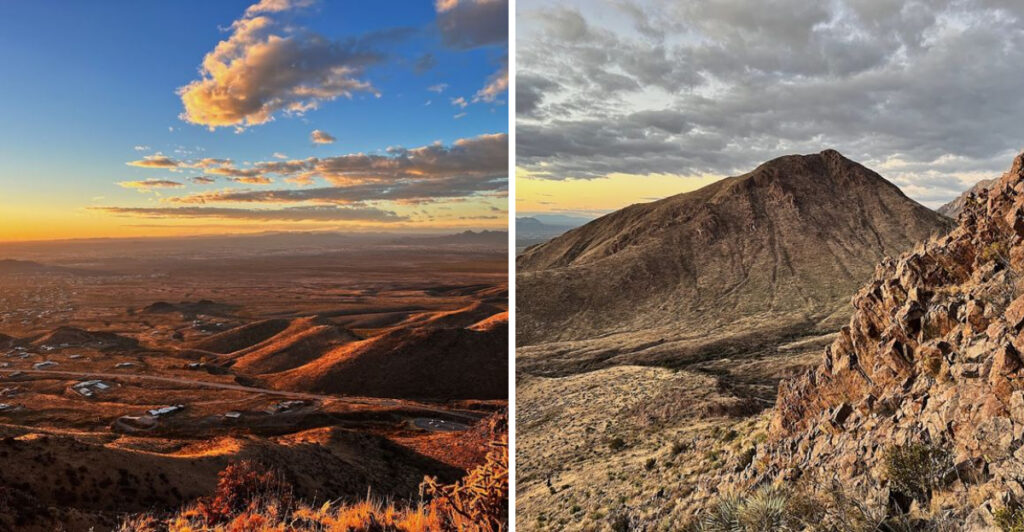
This is the kind of hike that turns a simple morning plan into something you keep talking about later. The trail slips into the Organ Mountains and starts stacking up reasons to slow down.
The rock walls have attitude. The desert plants look tougher than anything should under that sun.
The ruins add a strange, quiet pause to the walk, like the canyon is letting you in on an older story. Then comes the bonus everyone hopes for, water in the desert, if the season has been kind.
This loop does not need a big pitch. It has views, history, texture, and enough small surprises to keep your phone out of your pocket.
Go early, bring more water than you think, and do not rush the bends. The best parts are the ones that appear when you are paying attention to the canyon itself today, not just trying to finish the trail.
Desert Trails Beneath Rugged Peaks
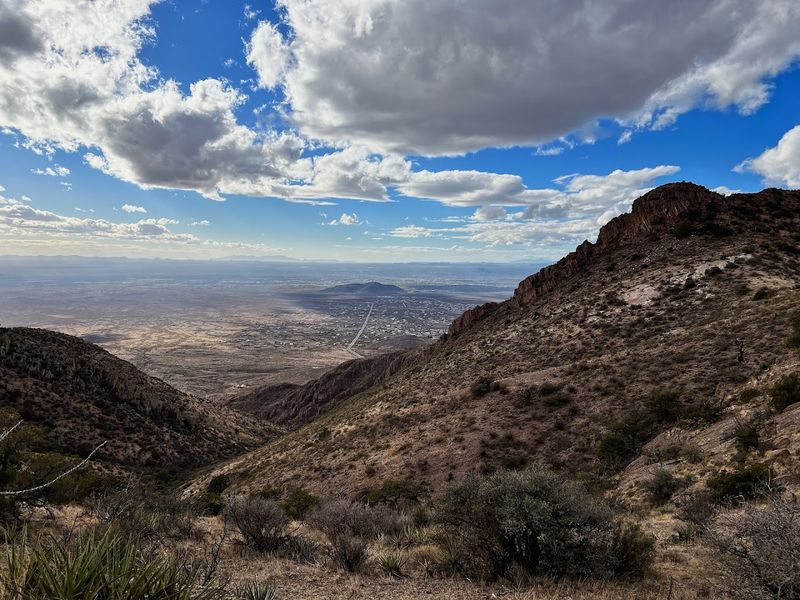
The first steps from the trailhead give you a clear view of the rocky peaks rising above the desert floor, framing the path like a natural gateway into something bigger than yourself.
The path starts on firm, rocky ground that gives solid footing even when the terrain tilts upward, making it approachable for hikers who are still building their trail legs.
I noticed early on that the incline is mostly gentle, with a steady uphill rhythm that asks something of your lungs without punishing your knees.
Creosote and desert scrub line the edges of the path, and the silence out here has a quality to it that city parks simply cannot replicate.
The rocky peaks surrounding the valley shift in appearance as you move deeper into the canyon, showing new angles and shadow patterns with every quarter mile.
Hikers who enjoy loop options will appreciate that the Bar Trail branches into different routes, letting you customize the distance and challenge level to match your energy on any given day.
This trail sits right at the edge of the Organ Mountains, and the rugged scenery above you reminds you at every step that New Mexico does not do anything halfway.
You will find it at the Soledad Canyon Loop Trailhead near Soledad Canyon Road in Las Cruces, NM 88011.
A Quiet Canyon With Big Views
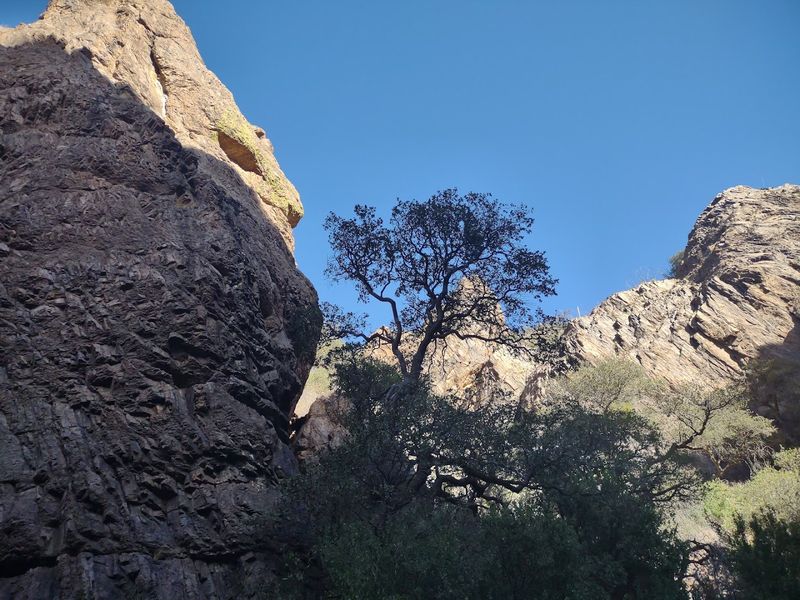
The canyon section of this loop feels like the landscape leans in and lowers its voice, trading the open desert for something more enclosed and intimate.
The canyon walls rise on either side with a presence that earns the word “towering,” and the contrast between the narrow passage and the wide sky above creates a view that photographs rarely do justice.
I kept stopping to look back toward the valley, where Las Cruces spread out in the distance like a quiet map of the surrounding desert basin.
The trail surface through here is rocky but firm, and most hikers with basic trail shoes will find it manageable without any specialized gear.
Wildlife is part of the area’s character, and quiet hikers may spot movement or animal tracks along the brushy canyon edges if they slow down and pay attention.
The large rocky peaks surrounding the valley make the hike feel far more interesting once you are standing inside the canyon and looking up from the trail itself, especially on clear blue desert days like this.
The quiet here is the kind that settles into your shoulders and reminds you why people seek out places like this in the first place.
Where Stone Ruins Meet Open Sky
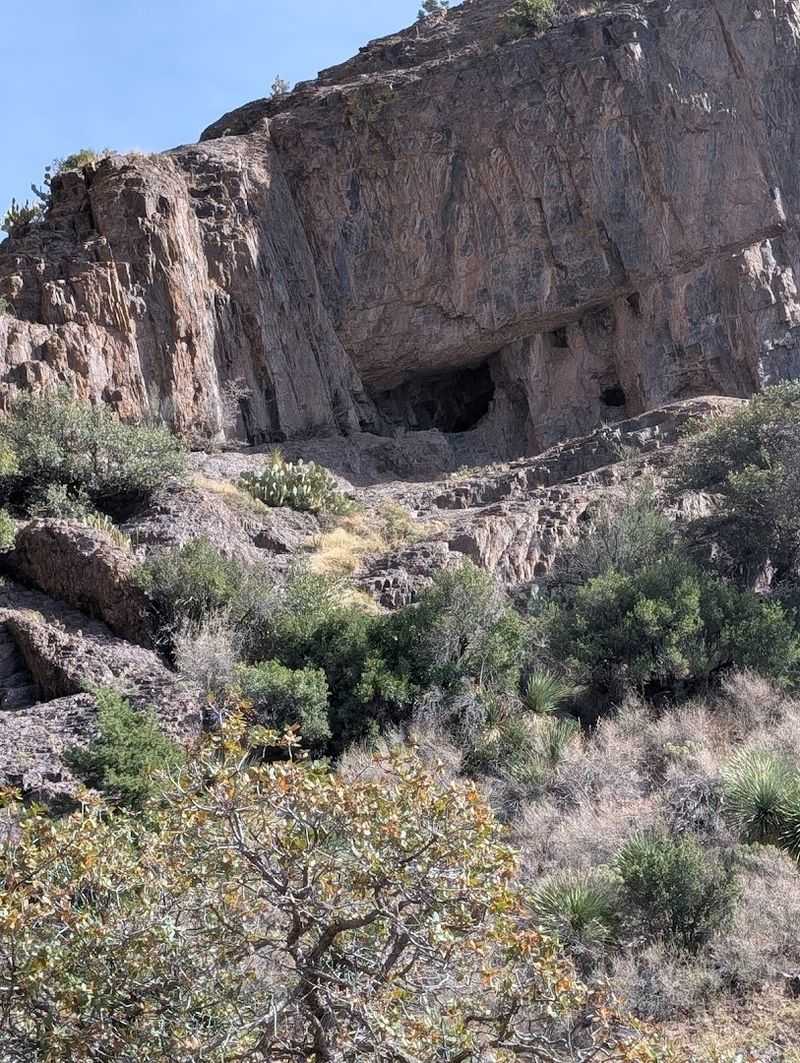
History has a way of showing up unexpectedly on this trail, and the stone ruins set into the canyon landscape are one of the details that make this loop especially memorable.
The remnants of old structures sit against the rocky hillside as if the canyon simply absorbed them over time, leaving behind walls and foundations that invite you to slow down and wonder about who built them and why.
The trail blends nature, history, and a good workout in a way that feels more layered than any single-category label could capture on a short desert hike like this one today.
Near the ruins, with nothing but open sky overhead and canyon rock on three sides, I felt that particular stillness that only comes from places where time has done most of the talking.
The ruins are visible along the route, but they should be treated carefully and appreciated without climbing on or disturbing the stonework.
Photographers will find the contrast between crumbling stone and bright desert sky endlessly rewarding, especially in the morning hours when the light is still soft and directional.
Few trails near a city this size offer a history lesson delivered entirely by the landscape itself.
Hidden Corners Along The Loop
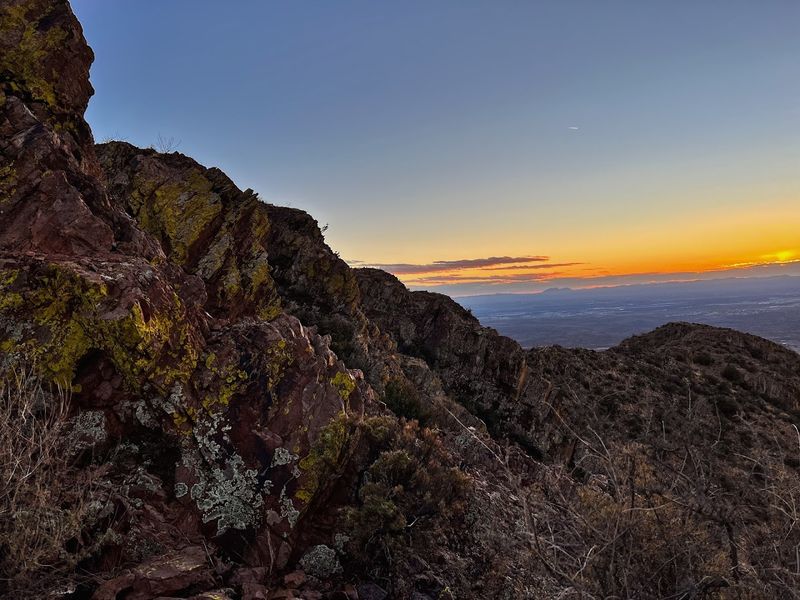
One of the things I appreciate most about this loop is that it rewards the kind of hiker who slows down and looks sideways instead of just charging toward the finish.
Established route options branch from the main path in places, offering short detours toward viewpoints, sheltered rock formations, and quiet corners where the canyon feels almost private without leaving marked trails.
The extra routes around the Bar Trail system can add variety if you have time to wander, especially when you want a little more distance without turning the day into a major trek.
The Bar Trail system adds another layer of options by splitting into different loops, so you can string together a longer adventure or keep things compact depending on how much time you have.
I once slowed down near a signed junction and noticed a canyon angle I would have completely missed if I had kept my eyes fixed only on the next trail marker.
The trail up to the saddle can be less clearly marked in some sections, so bringing a trail map or a downloaded GPS route is a smart move before you start exploring the branches.
Every quiet corner on this loop feels like a small reward for paying attention to the landscape around you.
Golden Light Across The Organ Mountains
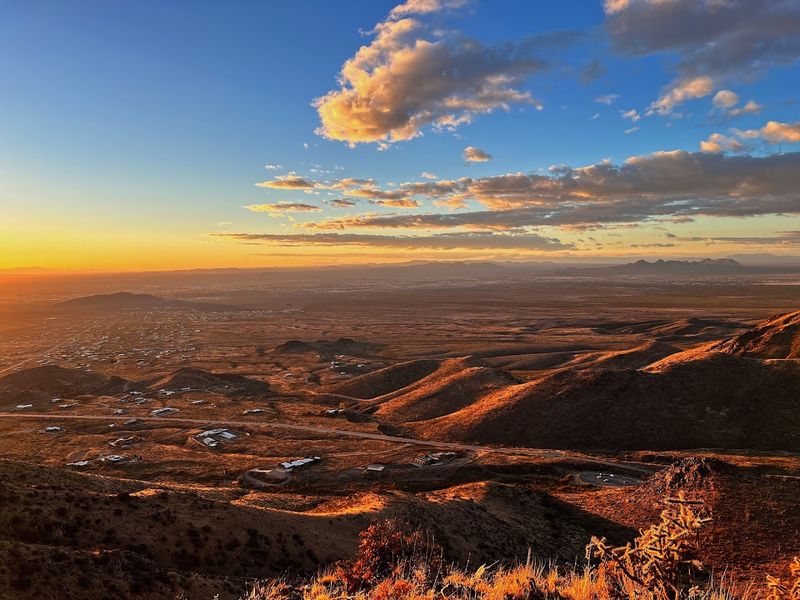
Late afternoon brings a specific kind of light to this trail, when the Organ Mountains can look almost too dramatic to be real, honestly, even before the canyon drops into shadow for the evening.
The jagged peaks catch the low sun and glow in shades of amber and rust, throwing long shadows across the canyon floor in a way that makes the whole landscape feel like it is breathing.
Nearby Organ Mountain routes are easy to understand around sunset, because the pull of that late-day color is real once the peaks begin to catch the light.
The Organ Mountains earned their name from the pipe-organ silhouette their peaks create against the sky, and that profile is at its most striking when the golden hour hits at the right angle.
I made the mistake on my first visit of starting too late in the day and nearly ran out of usable daylight on the return section, so planning your start time around the afternoon light is worth thinking about in advance.
The sky has a clarity that amplifies everything, and the color that washes across these peaks in the final hour of sunlight is something you carry home in your memory long after the hike is done.
A Seasonal Waterfall In The Desert
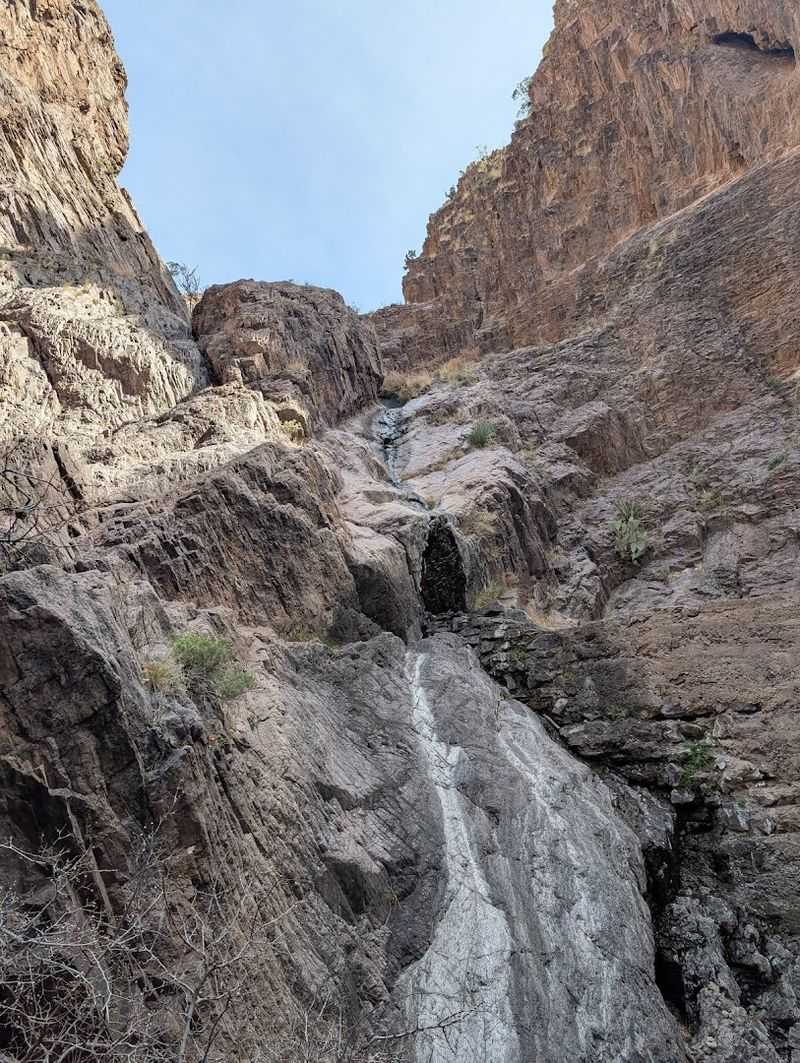
A waterfall in the desert feels like a plot twist, and this trail delivers exactly that kind of surprise for hikers who time their visit right there.
The waterfall along this route is seasonal, showing best after rain or wetter winter and spring conditions when enough water moves through the canyon to bring it to life.
During dry stretches, it may be little more than a trickle, which is worth knowing before you plan your trip around a specific water volume expectation for the day ahead of you.
Even at its quieter moments, the waterfall adds a sensory layer to the hike that the dry desert landscape does not otherwise offer, with the sound of moving water carrying surprisingly far in the canyon silence.
The rocky face where the water flows is covered in moisture-loving plants that stand out against the surrounding desert scrub, creating a small oasis effect that feels wonderfully out of place in the best possible way.
Visiting in March or April after a wet winter can improve your odds of seeing the falls at a meaningful flow, and the cooler temperatures during those months make the hike more comfortable overall.
A waterfall that only appears when conditions are right has a way of making the hike feel like something you earned rather than something you simply walked past.
Sunlit Paths Through High Desert Scenery
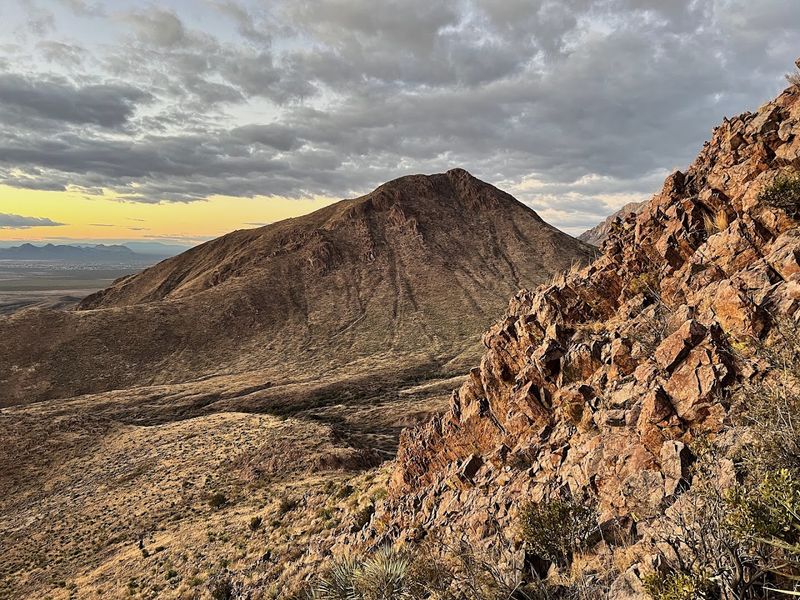
Midday on this trail has its own character, when the sun is high and the desert colors flatten slightly but the clarity of the air makes every rock and plant look crisp and defined.
The high desert scenery along the loop covers a range of textures, from smooth sandy patches near the trailhead to chunky boulder fields deeper into the canyon. That variety keeps the hike visually interesting from start to finish.
I noticed how the light plays differently across the terrain depending on the time of day, and the midmorning window between eight and eleven tends to give the best combination of warm tones and manageable temperatures.
Desert plants here include creosote, ocotillo, and various cacti species that look almost architectural in the right light, especially when a breeze catches the ocotillo arms and sends them swaying in slow motion.
The trail is well marked along most of its length, and a recent hiker confirmed that the route is “very well marked” with options to explore, which makes navigating the sunlit stretches between landmarks straightforward.
New Mexico high desert hiking has a particular quality of openness that feels both exposed and freeing, and this trail delivers that sensation in long, satisfying doses.
By the time you reach the upper sections of the loop, the sunlit path behind you looks like a painting you accidentally walked through.
A Peaceful Escape Beyond The City
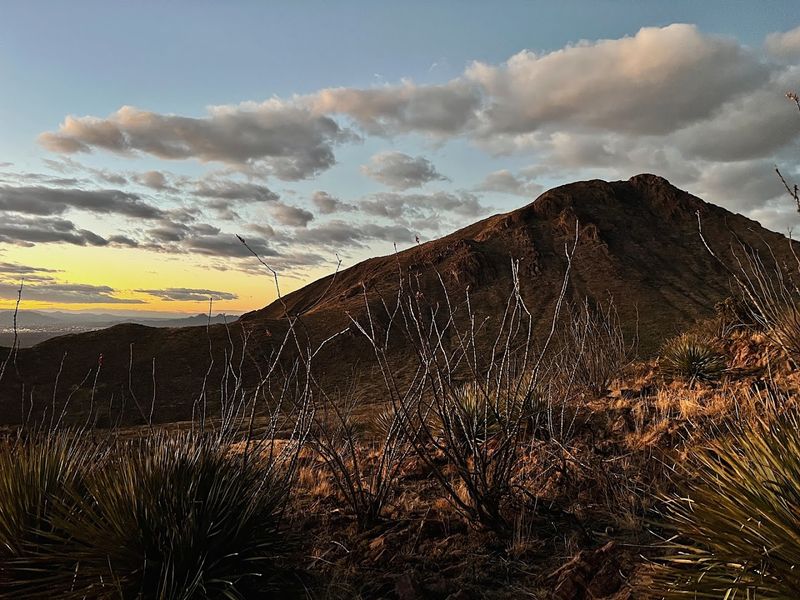
A trail this close to a city can change how you spend your weekends, and Las Cruces residents are quietly fortunate to have this canyon within easy reach for a quick reset between busy weeks.
The trailhead sits close enough to town that you can leave after a slow morning, complete the full loop, and still be home in time for a late lunch without any highway drama.
On quieter weekdays, the parking area can feel surprisingly calm, which tells you plenty about the crowd levels compared to more heavily promoted trails in the region, especially if you prefer a slower start.
Wildlife is part of the broader Organ Mountains landscape, so hikers should stay aware, give animals space, and avoid treating the quiet as empty.
I came here once after a particularly loud week and found that two hours on this trail did more for my mental reset than anything else I could have chosen.
The trail does not rely on spectacle alone, but on the steady accumulation of small moments that add up to something deeply restorative after a busy week outside town.
For anyone ready to trade the noise of daily life for canyon silence and open sky, the Soledad Canyon Loop Trailhead is exactly the kind of place New Mexico keeps in its back pocket.