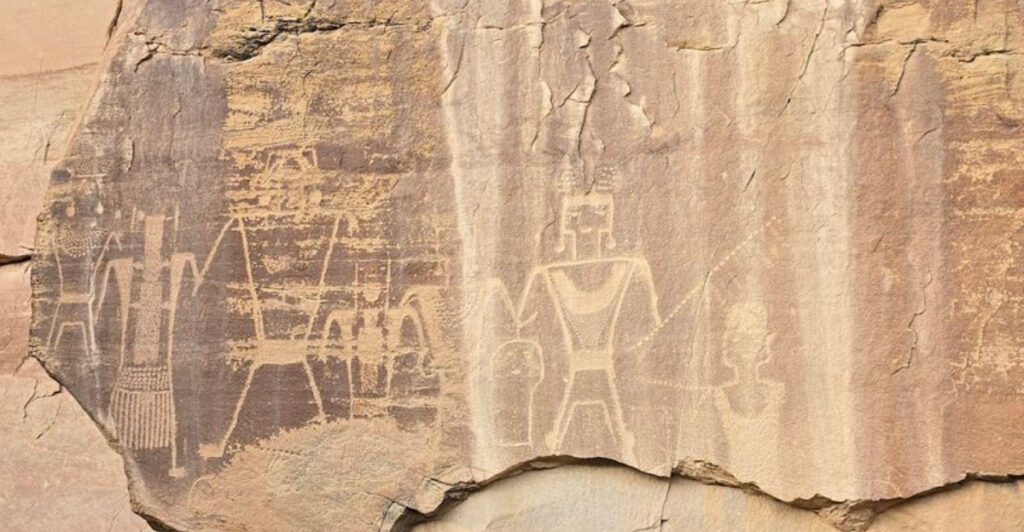
A cliff wall can become a gallery when the story is old enough, bold enough, and carved straight into stone. Outside Vernal, this unforgettable trail brings visitors close to ancient Fremont rock art that feels both mysterious and intensely human, with figures, symbols, and patterns spread across sandstone like messages from another lifetime.
Utah is known for landscapes that make people stop and stare, but this place adds something deeper, the rare chance to look at creativity that has survived sun, wind, silence, and centuries.
The walk itself feels quiet in the best way, giving the moment room to build before the rock art fully comes into view.
Suddenly, the past is not tucked behind museum glass, it is right there in front of you. Utah’s ancient canyon country has a way of making history feel personal, and this trail turns that feeling into something unforgettable.
The Trail Setup That Makes Everything Click
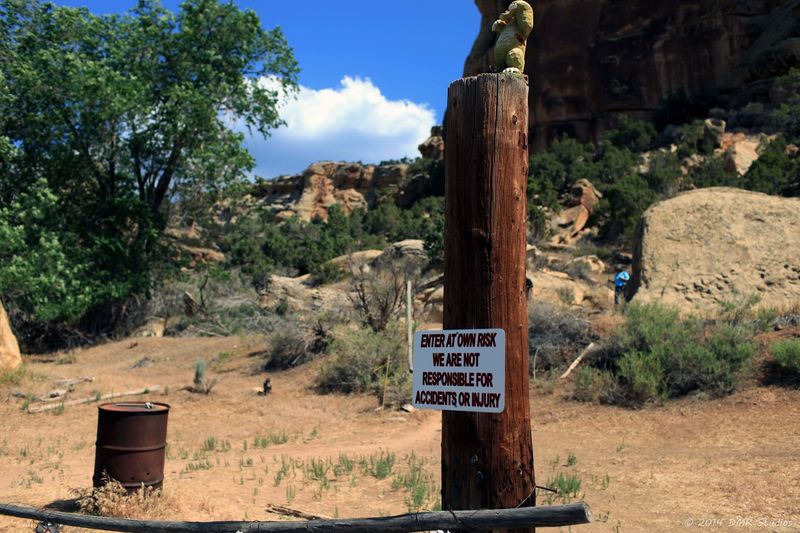
Not every trailhead greets you with this much clarity, and this place deserves credit for getting the logistics right from the moment you park. Located at 6264 McConkie Rd, Vernal, UT 84078, the site sits on private land owned and maintained by a dedicated local family who have made access genuinely welcoming.
A small info shed near the parking area holds trail maps, walking stick rentals, and even a scavenger hunt printout that turns the hike into an activity kids actually request. Porta-potties and picnic tables round out the setup, which is more thoughtful than many official state parks manage.
A $5 donation per vehicle is requested, payable by cash or Venmo, and it is the kind of fee that feels less like a toll and more like a thank-you card you actually mean. The parking lot is large, the trails are well-marked, and the whole operation carries the quiet confidence of people who care deeply about what they are protecting.
Pro Tip: Grab a scavenger hunt sheet from the info shed before you start walking. It reframes the entire experience and gives younger hikers a genuine mission.
Two Trails, Two Completely Different Worlds
Choosing between the two trails here is one of those rare decisions where both options are correct. The western trail climbs along the base of the ridge, threading through rocky terrain with petroglyphs appearing on the cliff walls almost continuously along the route.
It is steeper, shorter, and rewards effort with some of the most concentrated rock art panels on the property.
The eastern trail, commonly called the Three Kings Trail, runs approximately 1.4 miles round trip across valley floor terrain. It passes through farmland, skirts a small pond, and delivers peaceful scenery alongside excellent birdwatching.
Deer have been spotted grazing near the trail’s end, which is either a bonus or a reason to slow down and pay attention, depending on your pace.
Most visitors who do both trails spend around two hours total, which fits neatly into a half-day outing without demanding a full expedition mindset. The consensus from experienced hikers is to start with the western trail while legs are fresh, then finish with the Three Kings as a cooler, flatter reward.
Best For: Families who want variety without committing to a grueling full-day trek. Both trails together cover roughly 2.5 miles.
What The Fremont People Left Behind
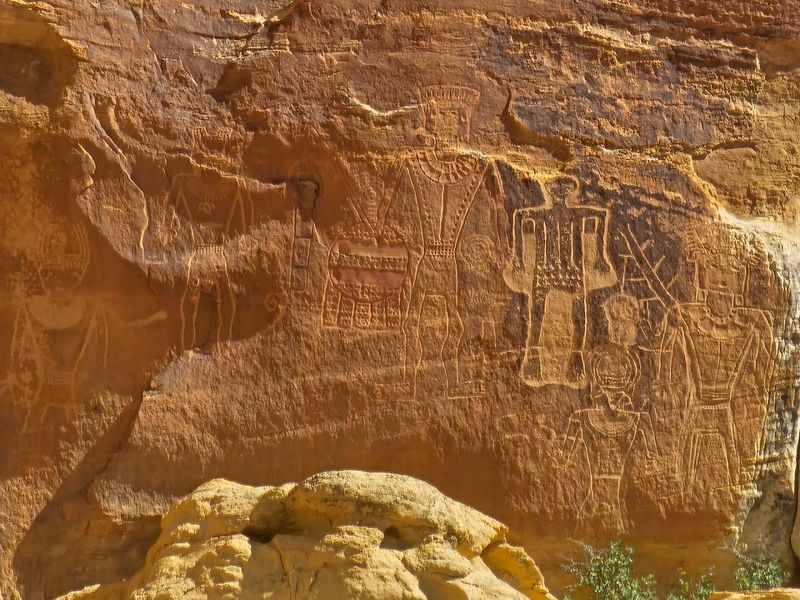
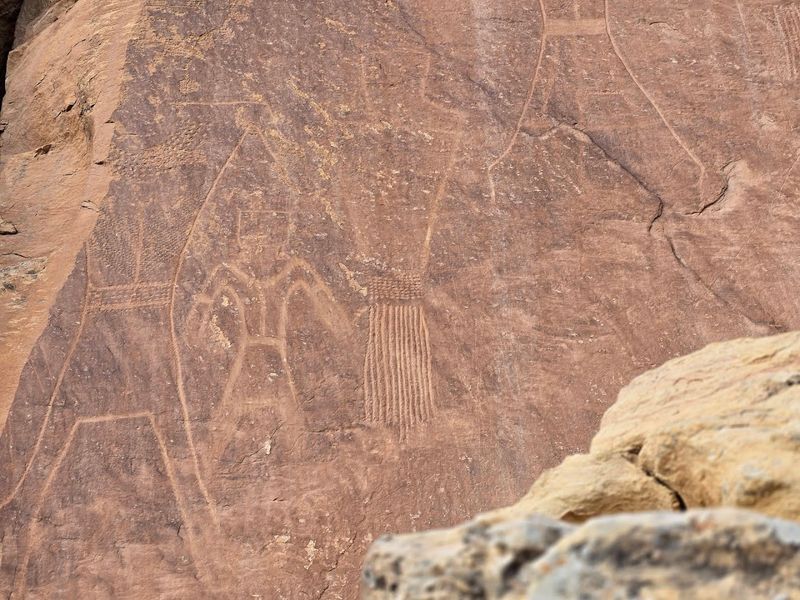
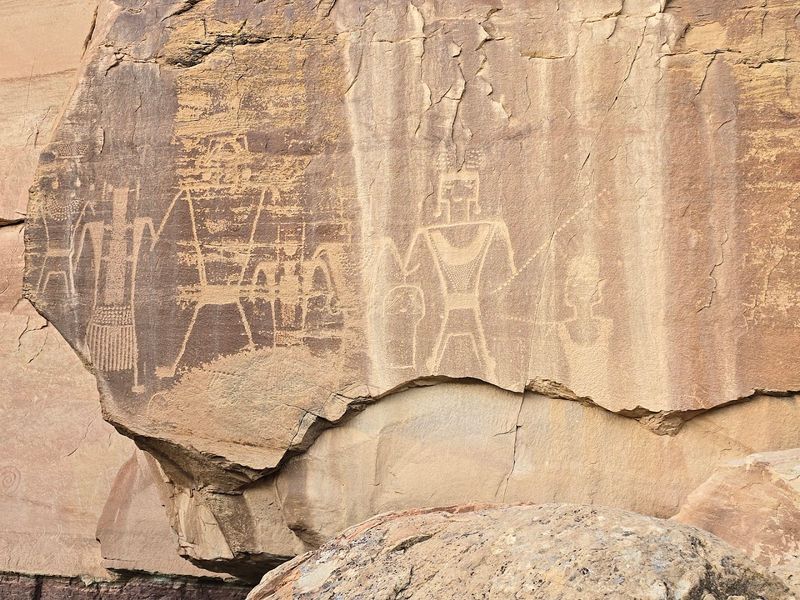
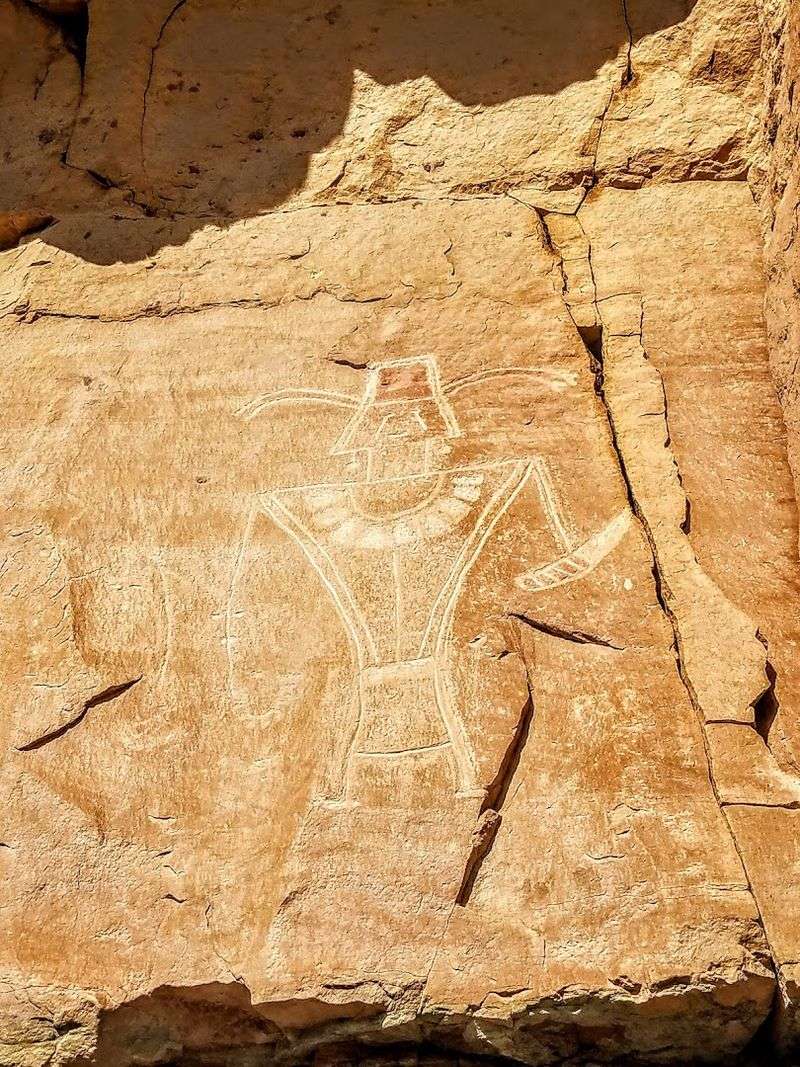
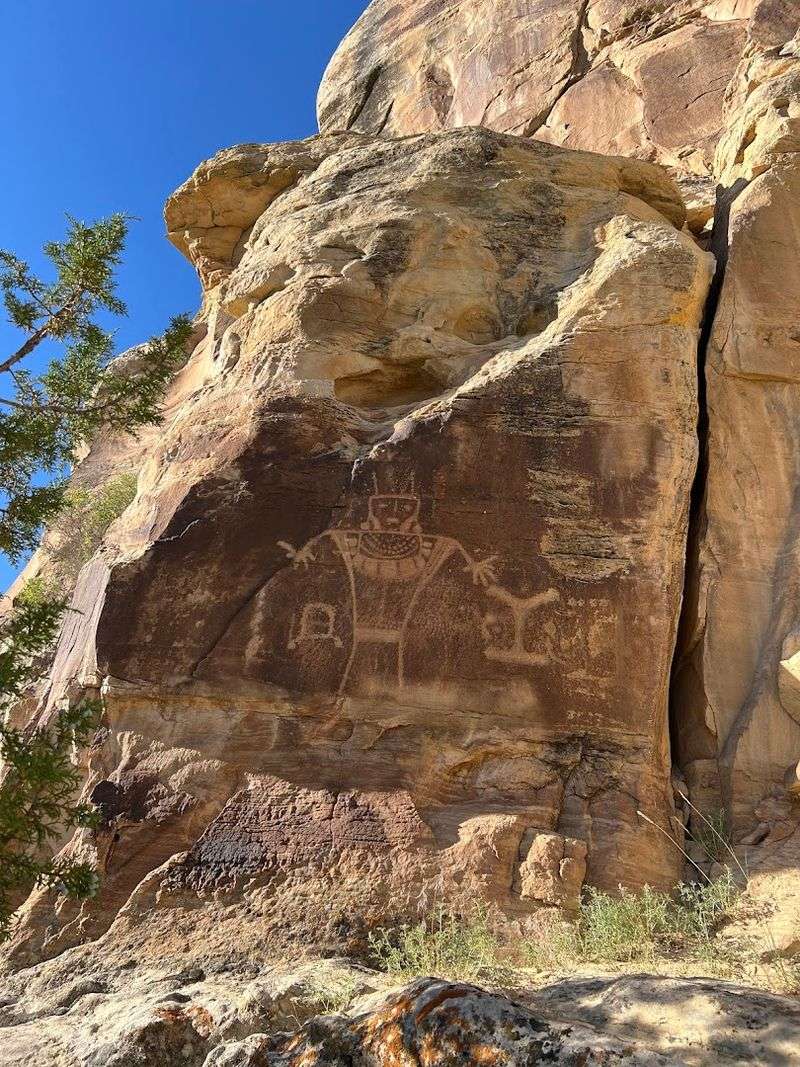
The Fremont people created the rock art at this site, and standing in front of it produces a specific kind of silence that is hard to manufacture anywhere else. Warrior figures, large realistic bear glyphs, sunburst designs, and geometric patterns cover the sandstone in a volume that consistently surprises first-time visitors who expected a handful of carvings and found an entire visual language instead.
One panel that draws particular attention features imagery described by visitors as Egyptian-looking, including a winged disc shield design that reads as genuinely unusual against the Utah canyon backdrop. Older geometric glyphs in the Three Kings section suggest multiple cultural periods may be represented across the site, which adds a layered quality to the experience that rewards slow, attentive looking.
The Three Kings panel itself sits roughly 50 feet above the valley floor, visible from a distance but best appreciated with binoculars or a camera with a strong zoom lens. The site was featured in a 1980 National Geographic article titled “The Three Kings,” which gives some sense of how long this place has been recognized as exceptional.
Why It Matters: This is one of the largest concentrations of Fremont rock art accessible to the public in Utah, preserved on private land with genuine care.
Gear That Actually Changes Your Experience Here
There is a particular kind of regret that arrives about halfway up the western trail when you realize your footwear choice was optimistic. The switchbacks on that section involve scrambling over rocks on a narrow path, and non-slip shoes are not a suggestion so much as a quiet prerequisite for enjoying the experience rather than managing it.
Hiking poles make a measurable difference on both the ascent and descent of the steeper sections, and the info shed at the trailhead does offer walking stick rentals for those who arrive unprepared. Binoculars belong in the pack as well, specifically for the Three Kings panel, which sits high enough on the cliff face that naked-eye viewing leaves a lot of detail invisible.
Sun exposure on both trails is significant. There is limited shade along the routes, so sunscreen and a hat shift from optional accessories to practical necessities, especially during warmer months.
Water is equally non-negotiable given the heat that builds in the canyon terrain. Dogs are welcome on the trails but must remain leashed throughout the visit.
Common Mistakes to Avoid: Arriving in casual sneakers, skipping the binoculars, and underestimating sun exposure on what looks like a short hike from the parking lot.
Who This Hike Is Actually Built For
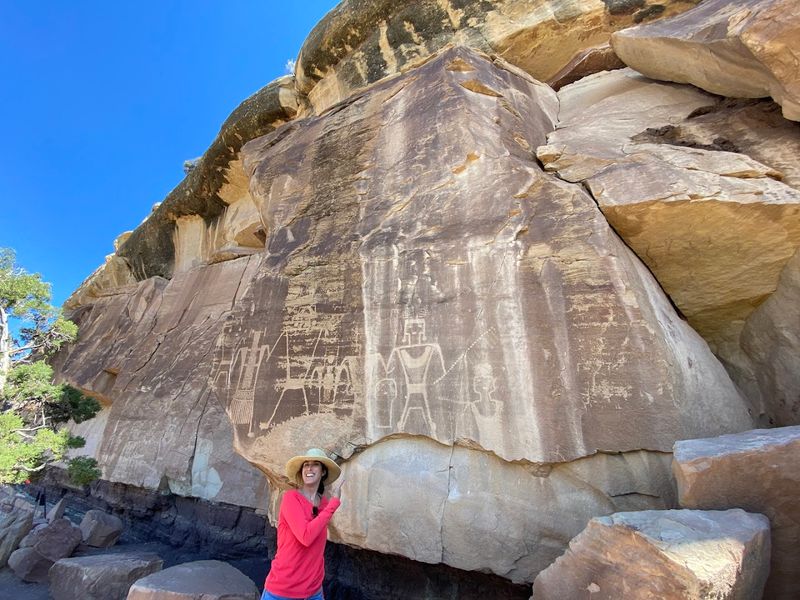
McConkie Ranch has a reputation in some online circles for sounding more intense than it actually is, and that gap between expectation and reality tends to work in the site’s favor. Families with toddlers have completed the hike.
Groups of older adults have done it comfortably. The western trail is the one that earns the moderate label honestly, with steeper switchbacks that call for attention rather than athleticism.
Couples looking for a half-day outing that feels genuinely memorable rather than just scenic will find this fits the bill without requiring matching trail running shoes and a training schedule. Solo visitors drawn to history, archaeology, or photography tend to linger longer than anyone else, which is completely understandable given how much there is to examine on the cliff walls.
The Three Kings Trail works well for families with younger children since the terrain is mostly flat and the payoff is visible from a distance without requiring a difficult climb. Active kids who enjoy a challenge will likely prefer the western trail, where the scrambling feels like an adventure rather than a chore.
Who This Is Not For: Anyone expecting a paved interpretive walkway with handrails. This is real trail terrain that rewards reasonable preparation.
Making It A Proper Vernal Day Out
Vernal, Utah, carries the easy confidence of a town that does not need to oversell itself. It sits in the Uinta Basin with a matter-of-fact relationship to the extraordinary geology surrounding it, and McConkie Ranch fits that personality precisely.
The ranch is easy to find, the drive out McConkie Road moves through landscape that starts earning its keep well before you reach the parking area.
Plan the hike for morning if heat is a concern, which it often is during summer months. Finishing the trails by late morning leaves the afternoon open for exploring Vernal proper, where the kind of post-hike meal that feels genuinely earned is easy to locate without much searching.
This is the sort of small town where locals notice out-of-state plates and offer directions before you ask.
The site works as a standalone destination or as part of a longer Dinosaurland region loop, since Vernal anchors that area with enough surrounding attractions to fill a weekend without strain. For a single afternoon visit, two hours on the trails plus travel time fits cleanly into a day that started with coffee and ends with a story worth telling.
Planning Advice: Go early, bring cash or confirm your Venmo app is working before you leave town, and leave the itinerary loose enough to linger.
Why People Come Back A Second Time
There is a specific category of place that people visit once and immediately start planning a return trip, and McConkie Ranch lands squarely in it. At least one visitor has made the deliberate detour twice and was already anticipating a third visit, which is a level of enthusiasm that says more than any star rating.
Part of what drives repeat visits is the sheer volume of imagery on the cliff walls. A single pass through both trails covers the main panels, but slower walkers and detail-oriented visitors consistently report noticing carvings they missed the first time.
The scavenger hunt printout from the info shed adds a structural reason to look harder, and binoculars reveal details that change the reading of panels seen before.
The private land stewardship model also plays a quiet role in the experience. Because the Keddy family maintains the site with genuine investment, the trails stay clean, the signage stays current, and the overall condition of the petroglyphs reflects active care rather than passive hope.
That kind of commitment is rare enough that visitors feel it, even if they cannot always articulate exactly why the place feels different from a standard public site.
Quick Verdict: One of the most underrated petroglyph sites in Utah, maintained with integrity, accessible without a permit, and worth every minute of the drive.