Nobody talks about this place the way they should, and that is genuinely baffling once you actually get there.
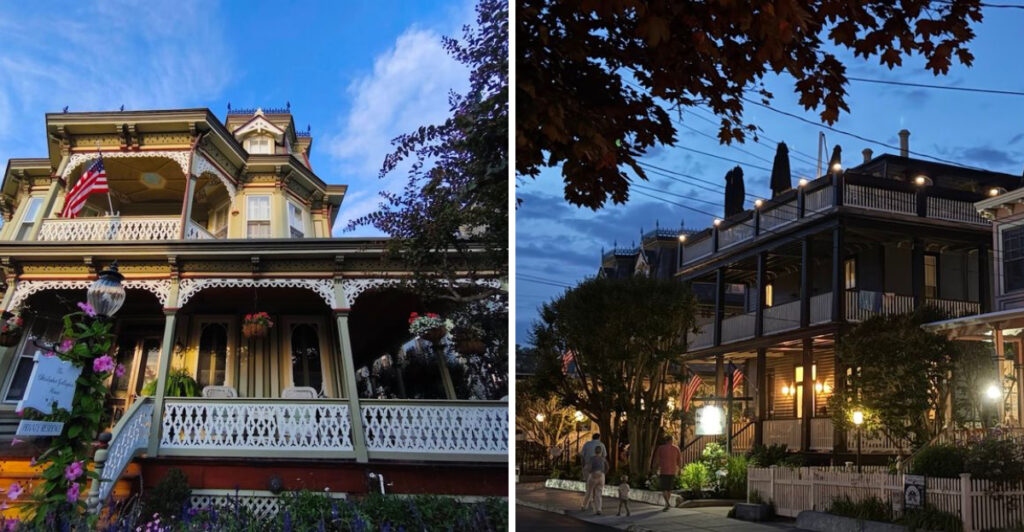
This stretch of the New Jersey coast looks like someone sat down with a full palette of colors and just went for it, block after block of Victorian homes in shades that should not work as well as they do but absolutely do.
Fire-damaged and rebuilt from scratch, it accidentally became one of the most visually extraordinary towns in the country. A lighthouse, a beach, street after street of gingerbread trim and painted turrets.
New Jersey hides its best things in the most unexpected places.
This one earned National Historic Landmark status and still somehow feels like a genuine discovery. Worth every mile of the drive.
A Town That Rewrote Itself In Victorian Style
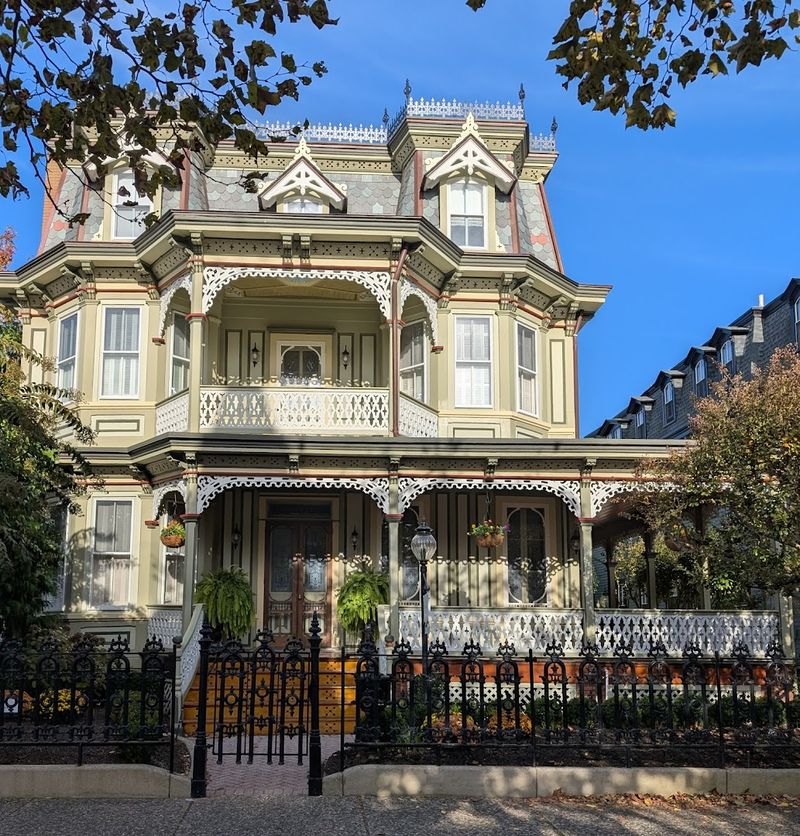
Few places in the country can claim an architectural rebirth as dramatic as Cape May’s. A massive fire tore through the town in 1878, destroying roughly half of its buildings in one sweeping event.
Rather than rebuilding in the old style, the town embraced the Victorian era with full enthusiasm. Builders constructed homes with tall windows, decorative railings, intricate woodwork, and towering turrets that gave each property its own personality.
The result was a streetscape so cohesive and beautiful that it eventually earned the entire city National Historic Landmark status. That designation, awarded in 1976, placed Cape May alongside some of the most significant historic sites in the United States.
Walking through the neighborhood today, it is easy to see why that decision was made. Every block feels intentional, like a curator arranged the houses just so.
The architectural variety within the Victorian style keeps the eye moving and the curiosity alive around every turn.
Washington Street Mall And Its Unique Shopping Scene

Washington Street Mall is the kind of outdoor shopping area that makes people forget they came in with a budget. Located in the heart of the historic district, this pedestrian-friendly stretch runs through the center of Cape May and connects visitors to a wide range of small businesses.
Boutique clothing stores sit beside antique shops, and art galleries share walls with candy stores and ice cream counters. The whole area is easy to walk, and the architecture around it matches the Victorian charm of the surrounding neighborhood.
At night, the mall takes on a different kind of magic. Lights and seasonal decorations transform it into a glowing corridor that visitors describe as genuinely cinematic.
During the holiday season especially, the atmosphere draws comparisons to a classic Christmas film set.
The Washington Street Mall address, Washington St, Cape May, NJ 08204, places it right in the middle of everything worth seeing. Parking is nearby, and the walkable layout makes it accessible without a car once you arrive.
The Painted Ladies Of Cape May
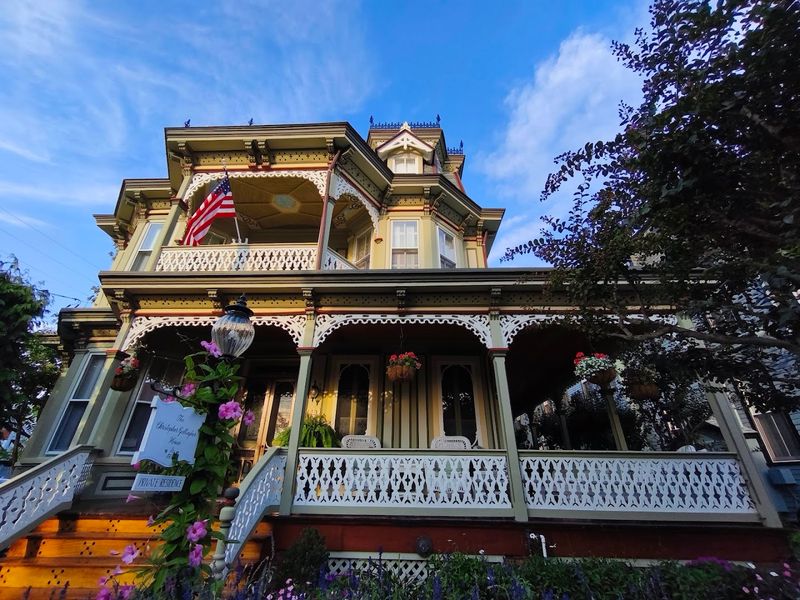
Color is one of the first things that stops visitors in their tracks in Cape May. The so-called Painted Ladies are Victorian homes painted in three or more colors, each shade chosen to highlight a different architectural detail.
Railings, columns, window frames, and decorative trim all get their own carefully selected hue. The effect is something between folk art and high architecture, and it makes even a casual stroll feel like touring a gallery.
New Jersey has no shortage of historic towns, but very few can match this level of visual drama. Cape May actually holds the distinction of having the second-largest concentration of Victorian structures in the entire United States, trailing only San Francisco.
Notable examples include The Pink House and The Abbey, both of which draw photographers and architecture lovers from across the country. These homes are not museum pieces behind velvet ropes.
Many are operating bed and breakfasts, meaning guests can actually sleep inside a piece of living history.
The Emlen Physick Estate Up Close
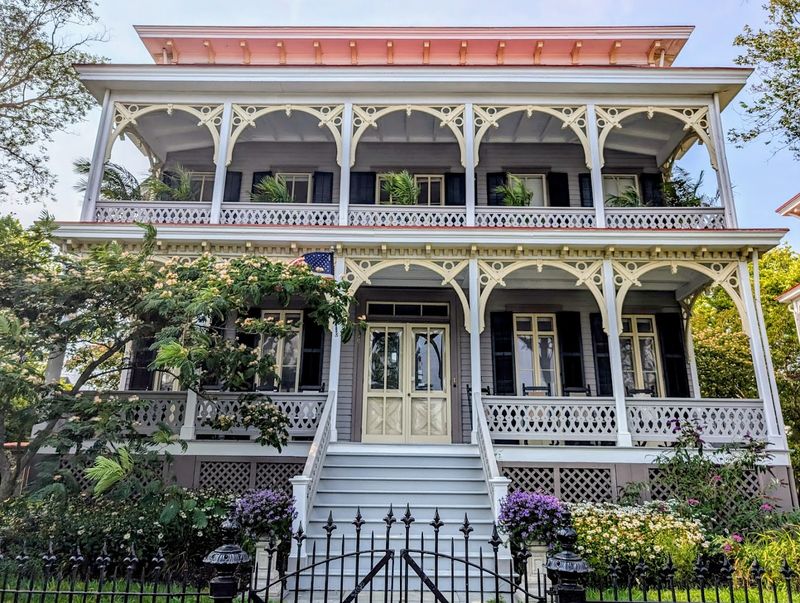
The Emlen Physick Estate is one of the most recognized landmarks in all of Cape May. Built in the 1870s, this stick-style Victorian mansion stands as a fully preserved house museum that gives visitors a genuine window into 19th-century life.
The architecture itself is a lesson in Victorian design. The exterior features dramatic overhanging eaves, decorative stickwork, and a roofline that looks almost theatrical against a blue sky.
Inside, the rooms are furnished and interpreted to reflect the period when the estate was an active family home. Guided tours bring the history to life, explaining the social customs, design choices, and daily routines of the era in ways that feel surprisingly relatable.
Cape May MAC, the organization that manages the property, has put significant effort into maintaining the estate at a high standard. For anyone interested in American architectural history, this is not just a nice stop on the itinerary.
It is one of the main reasons to plan a trip to southern New Jersey in the first place.
Cape May Lighthouse And The View From The Top
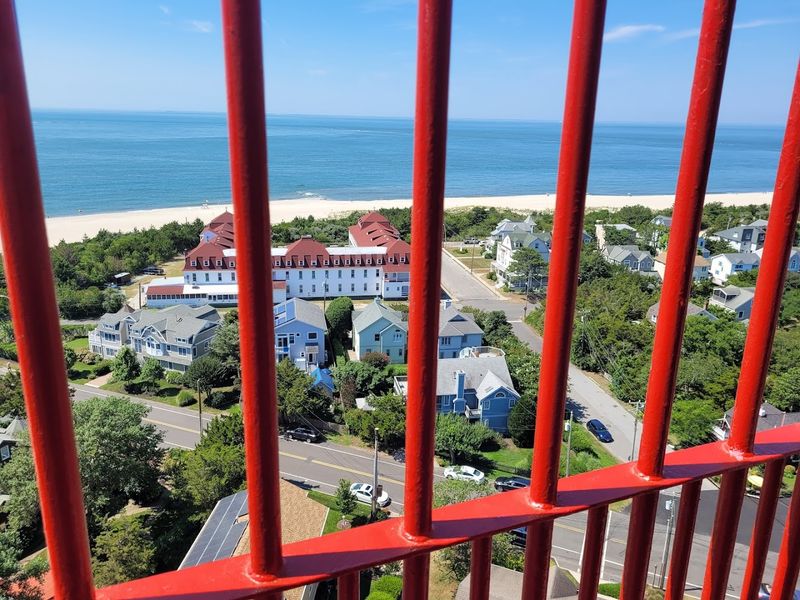
Standing at the tip of the New Jersey coast, The Cape May Lighthouse has been guiding ships since 1859. Listed on the National Register of Historic Places, it stands as one of the most iconic landmarks in all of New Jersey, and climbing to the top is one of those experiences that rewards the effort immediately.
From the observation level, the view stretches across the Atlantic Ocean on one side and Delaware Bay on the other. On a clear day, the panorama is wide enough to make the surrounding landscape feel almost unreal.
The lighthouse sits within Cape May Point State Park, which adds another layer of appeal for outdoor-minded visitors. The park offers trails, birding spots, and open spaces that contrast beautifully with the dense Victorian streetscapes found closer to town.
Birdwatchers in particular prize this location. Cape May sits along the Atlantic Flyway, making it one of the most significant migration corridors in North America.
During peak migration seasons, the variety of species passing through is enough to draw enthusiasts from well beyond New Jersey.
Streets That Feel Like Film Sets
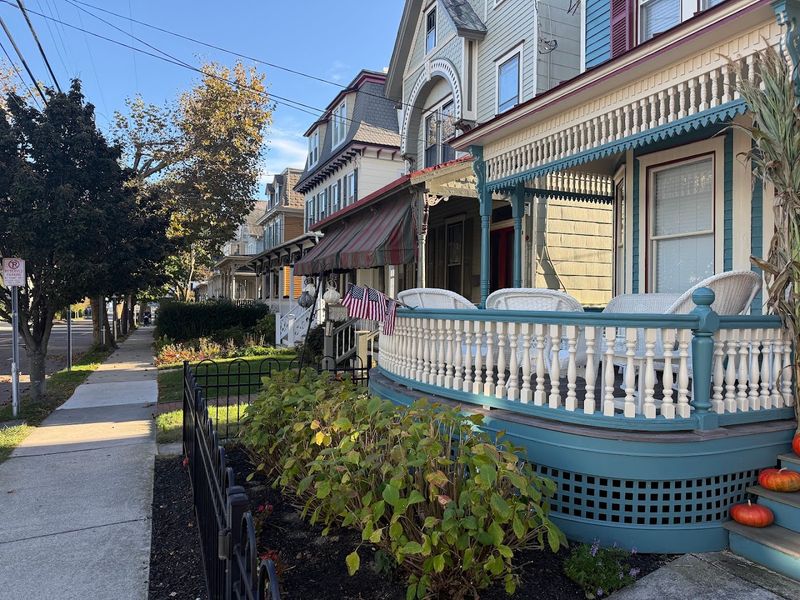
Certain streets in Cape May have a quality that is genuinely hard to describe without sounding like you are exaggerating. Columbia Avenue, Hughes Street, and Ocean Street are among the most photographed corridors in the entire town.
Each of these blocks presents an uninterrupted row of Victorian homes, each one slightly different from its neighbor in color, trim, or roofline detail. The overall effect is a kind of visual rhythm that pulls you forward, always curious about what comes next.
Perry Street, Jackson Street, and Decatur Street offer similar experiences and tend to see fewer visitors, making them ideal for slower exploration. The quieter blocks give a more intimate sense of the neighborhood, away from the busier commercial areas.
What makes these streets feel so cinematic is not just the architecture. It is also the scale.
The homes are large but not overwhelming, set close enough to the sidewalk to feel personal. Mature trees line many of the blocks, adding shade and softening the streetscape in ways that feel genuinely painterly rather than staged.
America’s First Seaside Resort Has A Story Worth Knowing
Cape May carries a title that most coastal towns would envy. It is widely considered America’s first seaside resort, drawing visitors from Philadelphia and beyond as far back as the early 1800s.
Long before the Victorian building boom, wealthy travelers were already making their way to this southern tip of New Jersey for the sea air and the beaches. The town developed a reputation for elegance and leisure that it has never fully abandoned.
That history is still visible in the layout of the town itself. Wide avenues, generous setbacks, and prominent public spaces all reflect a place designed with leisure in mind from the very beginning.
The 1878 fire, as destructive as it was, actually accelerated the town’s transformation into the Victorian showpiece it is today. Rebuilding happened quickly and in a consistent style, which is part of why the historic district feels so cohesive.
Understanding that history makes walking through the streets feel less like sightseeing and more like reading a very well-illustrated chapter of American social history.
The Beach That Comes With A Side Of History
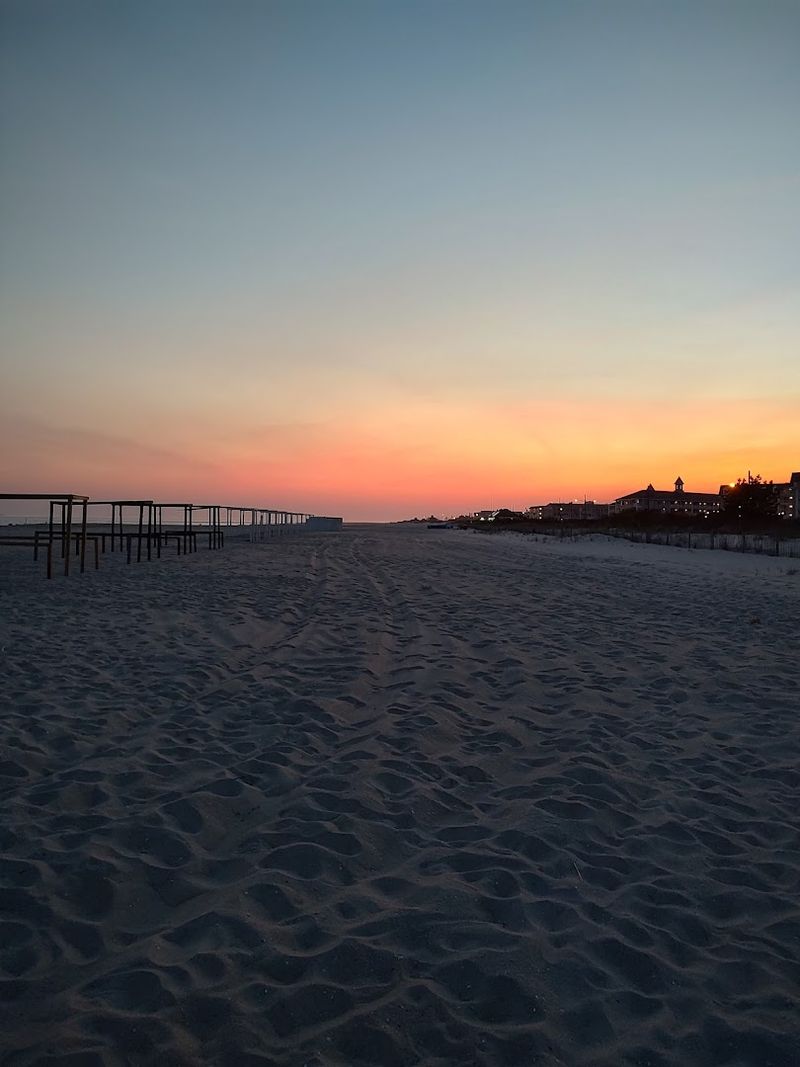
The beach at Cape May is clean, well-maintained, and backed by a promenade that makes it one of the more pleasant stretches of shoreline in New Jersey.
The combination of the ocean in front and Victorian architecture in the background creates a visual pairing that feels almost designed by committee.
A beach tag is required during the summer season, typically from Memorial Day through Labor Day. Children under a certain age are generally admitted without a fee, making it a practical option for families.
The walk from the main historic district to the waterfront is short and easy. Along the way, Beach Avenue offers its own collection of restaurants and shops, giving visitors plenty of reasons to slow down before reaching the sand.
Off-season visits have their own appeal. The crowds thin considerably in the cooler months, and the beach takes on a more contemplative character.
The sound of waves against a quiet shore, with no one else around, is one of those simple pleasures that Cape May delivers without any fuss.
Trolley Tours And The Stories Behind The Facades
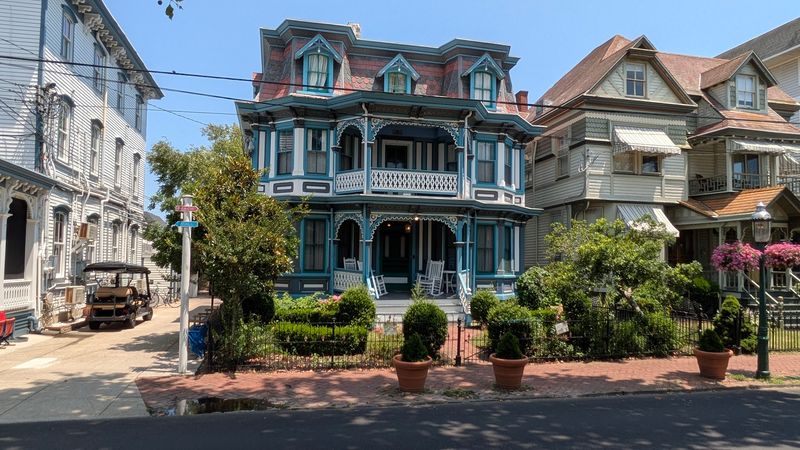
Guided trolley tours are one of the most popular ways to experience Cape May’s historic district, and for good reason. The format allows visitors to cover more ground than walking while still absorbing the architectural and historical details that make the town special.
Multiple tour options exist, ranging from general historic district overviews to more focused experiences covering specific themes. The variety means that repeat visitors can come back and hear a different story each time.
Knowledgeable guides share context that is easy to miss when wandering independently. The backstory behind a particular building’s design, the history of a specific family who lived on a certain street, or the significance of an architectural detail that most people walk right past.
All of those details add texture to what might otherwise be a pleasant but surface-level experience.
For first-time visitors to southern New Jersey, starting with a trolley tour and then exploring on foot afterward is a practical approach. It provides orientation and narrative before the deeper exploration begins, making the self-guided portion feel much more rewarding.
Cape May Point State Park And The Natural Side Of Things
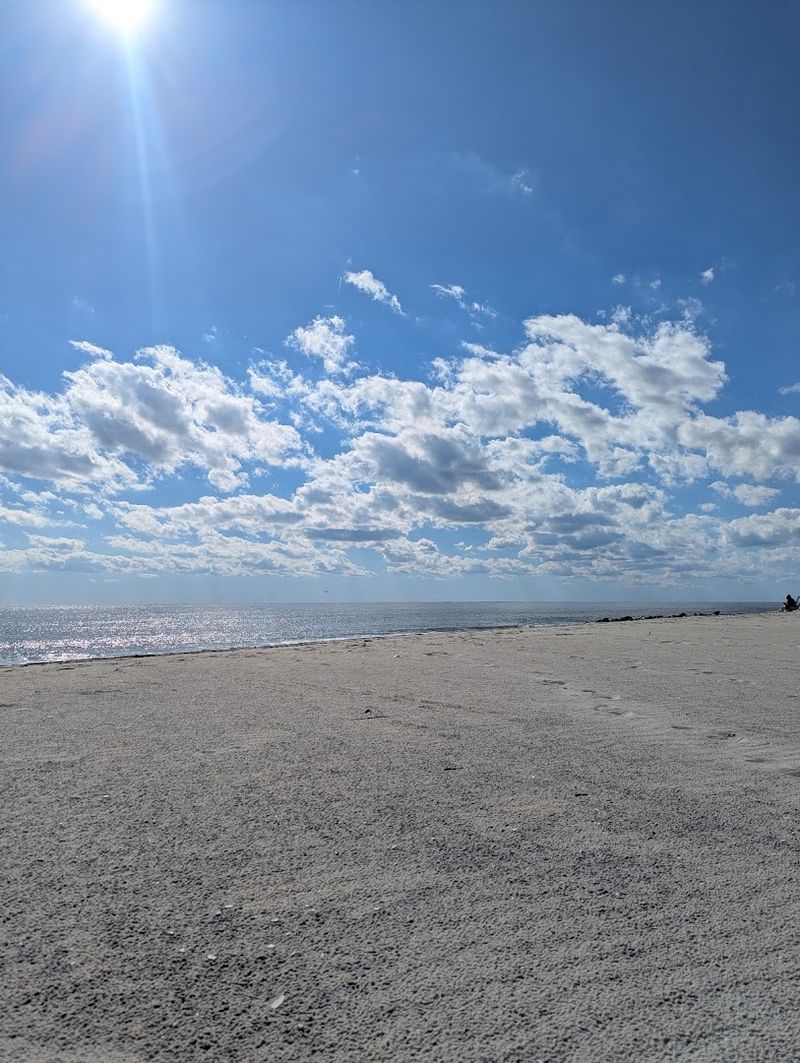
Just beyond the Victorian streetscapes lies a completely different kind of landscape. Cape May Point State Park covers a significant stretch of coastal habitat at the very tip of New Jersey, offering trails, observation platforms, and open fields popular with nature enthusiasts.
The park is internationally recognized as a prime birdwatching location. Cape May sits at a natural bottleneck along the Atlantic Flyway, which funnels migrating birds through the area in enormous numbers during spring and fall.
Rare species appear with enough regularity to keep birding communities actively engaged throughout the season.
Beyond birdwatching, the park provides a peaceful contrast to the more visited parts of town. The trails are flat and accessible, and the open skies above the coastal shrubland feel expansive after hours spent among closely packed historic buildings.
A World War II lookout tower also stands within the park boundaries, adding a layer of military history to the natural setting. It is a reminder that this corner of New Jersey has served many purposes across many different chapters of American history.
Holiday Season Magic In The Historic District

Cape May during the holiday season earns comparisons to a Hallmark movie set, and that description is not much of a stretch. The Victorian architecture takes on an entirely new dimension when layered with garlands, lights, and seasonal decorations that suit the style perfectly.
The Washington Street Mall becomes particularly festive, with storefronts dressed up and the pedestrian corridor glowing in the evenings. Shopping for gifts in this setting has a warmth that a standard retail environment simply cannot replicate.
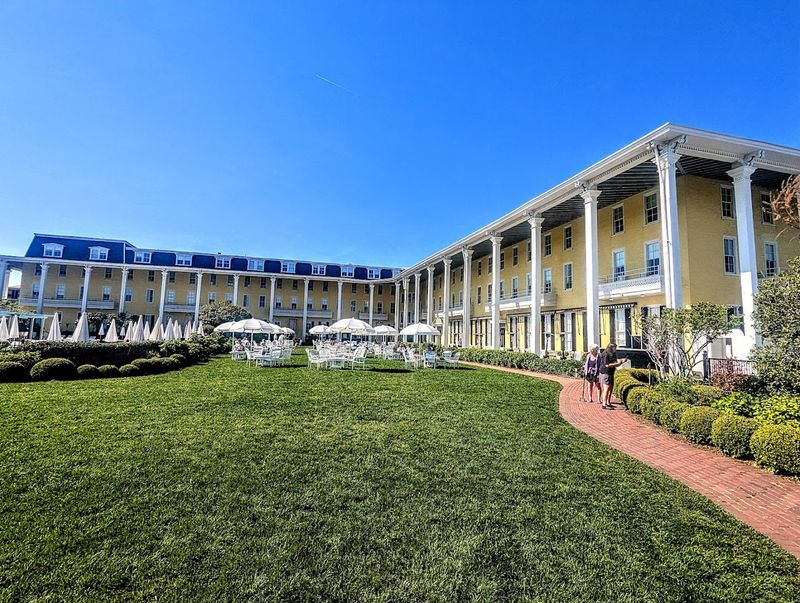
Congress Hall, one of the town’s landmark properties, hosts its own winter events in the courtyard, complete with seasonal entertainment and outdoor heating that makes lingering comfortable even on cold nights.
Planning ahead is genuinely worthwhile during this period. The town draws significant crowds over the holidays, and parking, dining reservations, and accommodations fill up faster than many visitors anticipate.
Arriving with a plan rather than winging it makes the difference between a stressful visit and a genuinely memorable one. The historic district rewards those who come prepared.
Practical Tips For Visiting Cape May Historic District
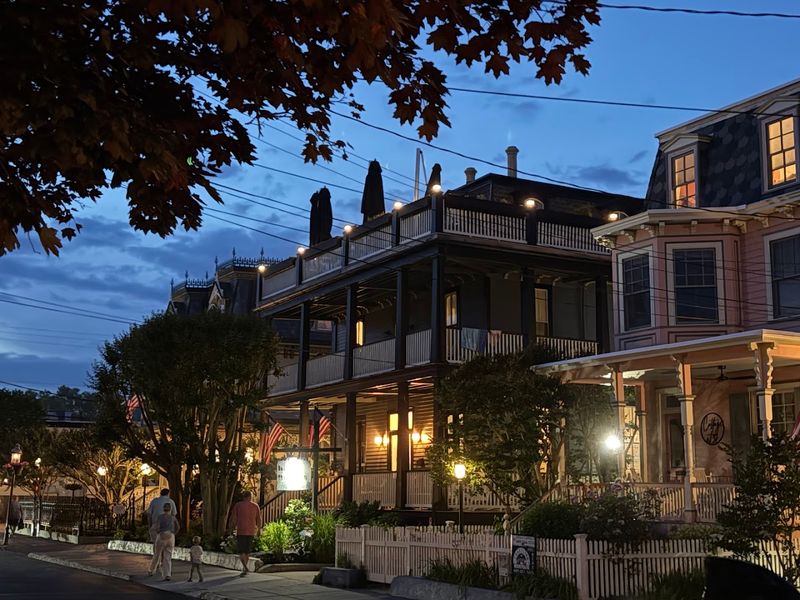
Getting the most out of Cape May starts with a bit of planning. The historic district is walkable, and most of the major attractions, including the Washington Street Mall, the key Victorian streets, and the Emlen Physick Estate, are within reasonable distance of each other.
Parking is available near the downtown area, but it fills quickly during peak summer weekends and holiday periods. Arriving early or using public transportation where possible saves time and reduces frustration significantly.
The town is genuinely enjoyable year-round, and each season offers something different. Summer brings beach activity and full commercial hours.
Fall delivers the spectacle of bird migration and cooler temperatures. Winter offers the holiday atmosphere and a more intimate version of the historic district.
Spring is a quieter option for those who prefer fewer crowds.
Dogs are welcome in many parts of Cape May, making it a friendly destination for pet owners.
The sidewalks are clean, the streets are safe for walking and cycling, and the overall atmosphere is relaxed enough to encourage slow, unhurried exploration of one of New Jersey’s most visually striking corners.