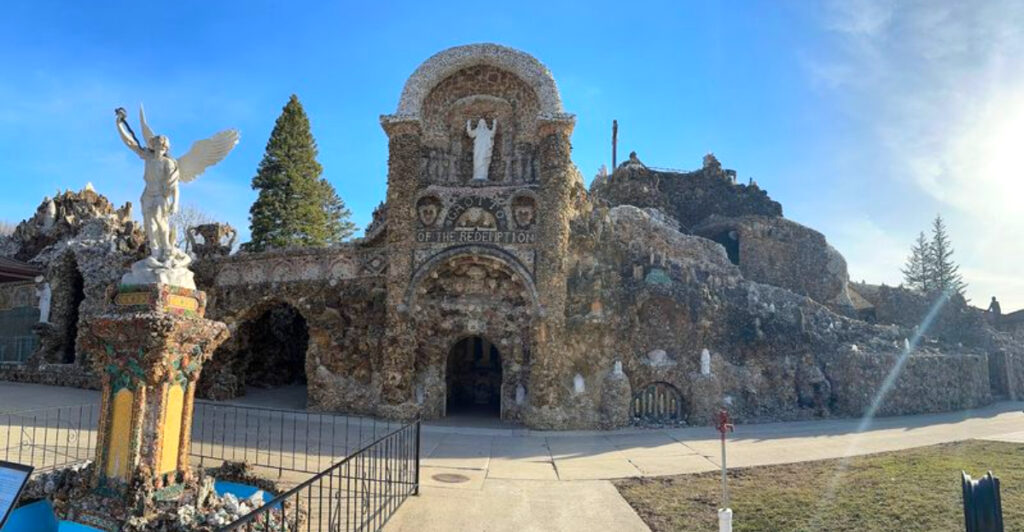
Some of the strangest wonders are hidden behind ordinary roads and open fields. Then you arrive at this Iowa grotto, and suddenly the whole place is sparkling with stone, shells, minerals, color, and the kind of handmade detail that makes your brain quietly say, “Wait, how long did this take?”
This is not a quick glance kind of stop. It is a full-on rock-and-gem masterpiece, built with patience, devotion, and enough tiny details to make your camera feel underqualified.
The beauty here comes from how much there is to notice. Every arch, wall, niche, and mosaic adds another layer to the story, turning a few hours in small-town Iowa into one of those visits that feels far bigger than expected.
What it is and Where to Find it
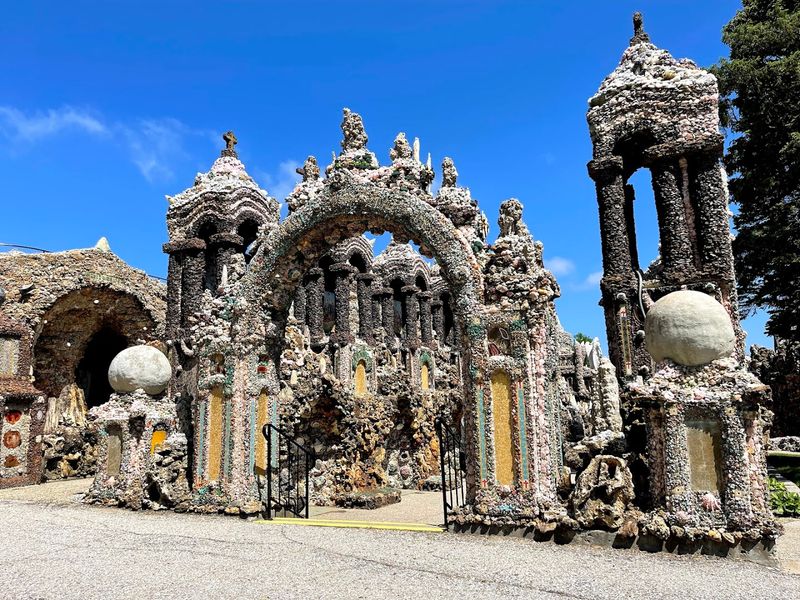
The first thing I tell people is that the grotto is not a single decoration but a sprawling, handmade world of stone telling stories in three dimensions.
I walked the path slowly and realized each panel and arch carries intentional scenes assembled from thousands of rocks, petrified wood pieces, shells, and polished minerals.
The project began with a determined priest and continued over decades through many hands, and that layered history is visible in the differing styles and materials that make up the whole structure.
On my visit I learned the place fits into a modest complex with a small museum, a church, and picnic-friendly green space, and most importantly the address to find it is clearly posted: Shrine of the Grotto of the Redemption, 208 1st Ave NW, West Bend, IA 50597.
That single line of text felt almost anticlimactic after seeing the place in person, but it helps you plan your trip precisely.
Knowing the address makes navigation straightforward from nearby towns, and once you arrive you immediately understand why many people slow down to stare.
It helps to allow time, bring sensible shoes, and expect to spend at least an hour wandering. The mix of devotional art and artisanal rockwork creates a curiosity that keeps you moving from alcove to alcove with a steady sense of discovery.
How it Feels to Wander the Grotto
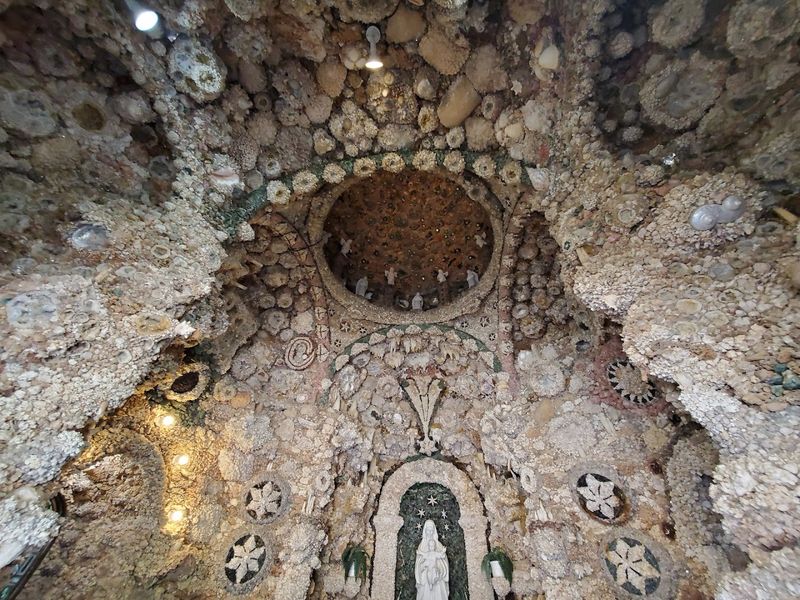
I remember slowing to a near crawl because there are so many things to notice that a quick pass feels wasteful.
My eye kept catching small surprises – a swirl of blue agate in a niche, a cluster of fossilized shells embedded in a cross, and tiny polished stones arranged like confetti.
Walking felt like reading a picture book made of rock where each page reveals a new scene and a new material, and the layout forces you to approach details rather than survey them from afar.
The air carries a faint dust-sweet scent of old mortar and sun-warmed stone on clear days, and shaded passages create a cooler, almost contemplative contrast with the bright Iowa sunlight outside.
Benches appear at thoughtful intervals so you can pause, sketch a detail, or simply let a moment settle.
I found that moving slowly allowed me to notice craftsmanship – chisel marks here, intentional color juxtapositions there – that a fast tour misses entirely.
If you enjoy close-looking and small discoveries, plan to linger, follow side paths, and resist the urge to rush. The best moments happen when you allow a tiny alcove or mosaic to draw you in for a quiet minute of attention.
The Story Behind the Stones
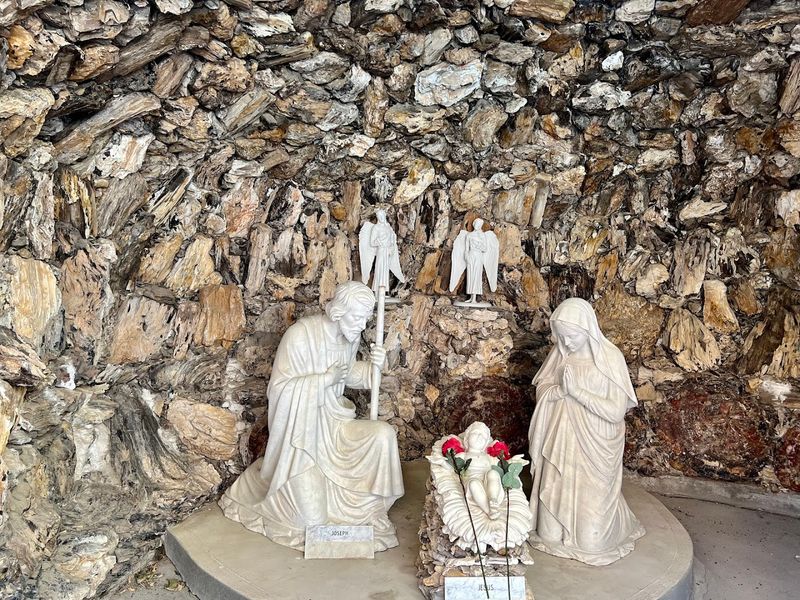
A single person’s devotion kicked off this whole labor of love and the narrative shows in the materials themselves.
I learned that much of what you see came from donations, pilgrim offerings, and deliberate collectings, with pieces of petrified wood, semi-precious gems, and domestic and oceanic shells all repurposed into religious scenes.
Each rock can carry provenance – a town name, a memory, a family connection – and that human layer turns raw geology into a kind of social archive.
On guided moments and through placards I read about incremental additions over decades and the hands that kept working after the founder’s passing. The result is a patchwork of techniques and tastes, where different eras layered onto older work like a palimpsest.
That layered quality makes the structure feel alive, as if multiple conversations have taken place across time using stone as the language.
Knowing this background changes the way you look: the grotto becomes less like a static sculpture and more like a long, slow conversation about faith, craft, and community spanning many years.
That context makes each piece feel less like decoration and more like a promise kept by those who cared enough to continue building.
Inside the Church and the Christmas Chapel
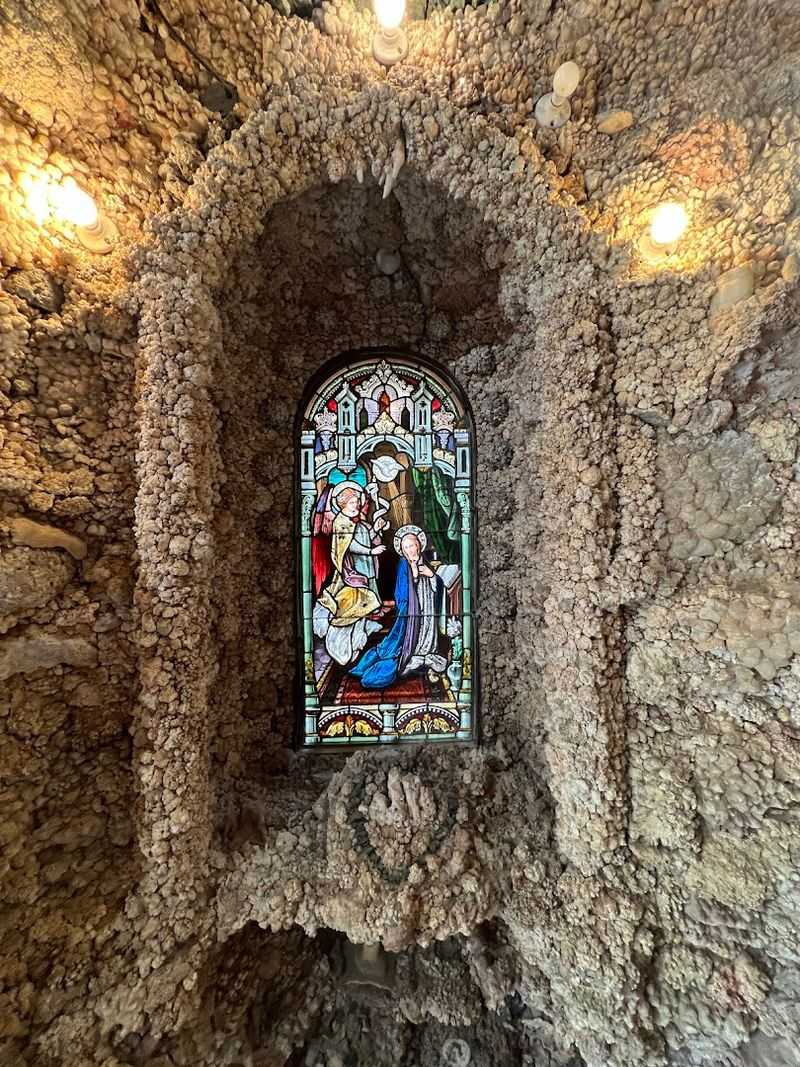
Stepping from the outdoor complex into Sts. Peter and Paul Church feels like moving from a public gallery into a quieter, more intimate room where similar work continues in a different key.
The church is home to the Christmas Chapel, which carries the same stone-and-mineral artistry into an indoor devotional setting.
I spent a few minutes sitting in a pew after wandering outside, noticing how the interior art channels light and encourages a slower kind of reflection that complements wandering the grottos.
The Christmas Chapel was built in 1929 and is known for its remarkable stonework, including rocks from every country and major river in the world and a 300-pound amethyst near the manger scene.
The indoor parts also contain some of the most delicate stonework, placed where small details reward a closer look in the calmer light of the sanctuary.
If you plan to visit during a service, be discreet and allow space for worshippers. For casual visitors, the church offers a quieter contrast to the more rambunctious fascination of the outdoor grotto, and that shift in tempo is a welcome part of the overall visit.
Practical Tips for Planning Your Visit
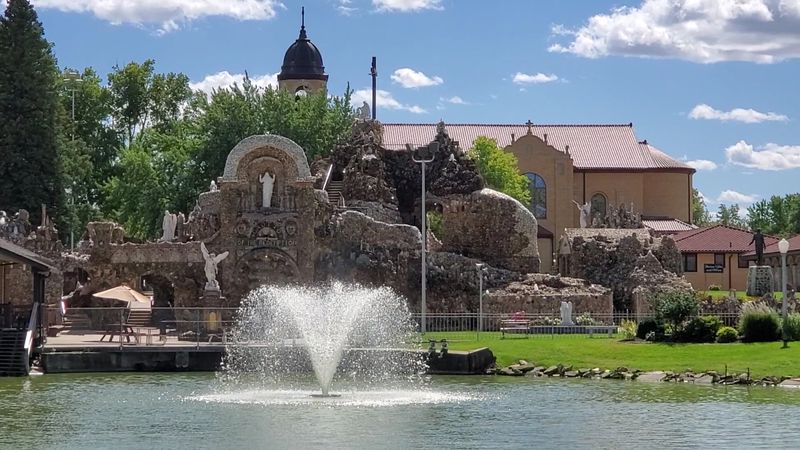
Planning helps because the site rewards time and curiosity rather than speed.
I recommend checking the shrine website for current guided tour details, packing sturdy shoes that handle uneven paths, and bringing a small notebook or phone for photos of details you want to research later.
Visitors often stay an hour or two, but if you like to study rock specimens or sketch, allow more time; the place encourages slow, attentive looking.
Parking is easy and clearly signed, and the grounds include a museum, gift shop, and restrooms, which makes it straightforward to spend a comfortable few hours. Admission is not charged, though donations are requested to support the shrine’s upkeep.
Seasonal guided tours typically run from April through the end of October, with tours beginning at the museum, so checking the day’s schedule before you arrive is a smart move.
For families, a packed lunch and a visit to the on-site playground extend the outing into a picnic-friendly afternoon.
Summer brings longer gift shop hours and more visitor activity, while winter offers crisp light and fewer crowds, so choose a season that fits your tolerance for cold or busier weekends.
Follow these small logistics and your visit will feel smooth and satisfying rather than rushed or surprised by basic needs.
Why Families and kKids Like it
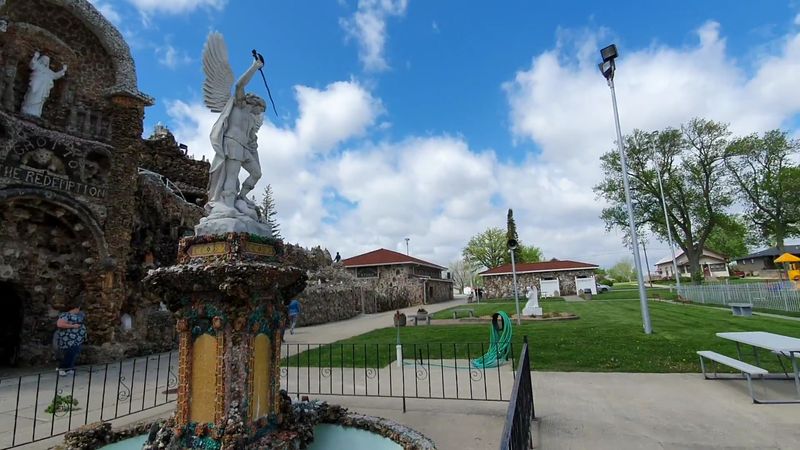
I noticed how children press faces close to mosaics and ask direct, exact questions that lead to unexpected discoveries.
Little explorers enjoy counting colors, spotting shells, and tracing tiny creatures carved into stonework, while benches and grassy spots make it easy to take breaks or set down a snack.
On my visit a family nearby treated the grotto like a treasure hunt, calling out finds and sharing giggles that added a light, lively soundtrack to the slow-moving contemplative mood.
The museum and gift shop include kid-friendly displays and inexpensive mementos, so younger guests can bring home a small reminder without breaking the bank.
A newer playground on site gives an obvious outlet for energy after a close-looking tour, and picnic space makes the outing feel like a half-day plan rather than a quick stop.
For parents, the combination of art, open space, and a modest cost of entry makes the grotto an accessible outing that still feels culturally substantial.
Bring water, sensible shoes, and perhaps a small magnifying glass if you want to make the visit feel like a proper geology hunt for curious kids. The place rewards attention at every age level, which makes it an unexpectedly good family day out in Iowa.
Accessibility and Terrain Notes
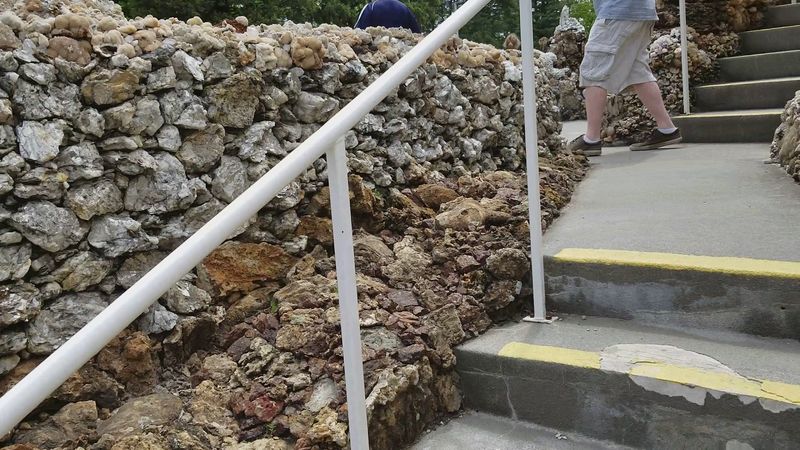
I paid close attention to paths because uneven ground can turn a relaxed visit into a challenge for some.
Much of the exterior grotto involves narrow walkways, steps, and textured surfaces that reflect the site’s handmade construction.
That means mobility aids may find some areas difficult, though the main campus, church, museum, and lower viewing areas allow many visitors to enjoy a substantial part of the complex without tackling every stairway or raised section.
The gift shop and museum area are good places to ask for current guidance before you start exploring.
If you or someone in your party needs a mostly level experience, focus on the church interior, the museum displays, and the primary courtyard areas, which are easier to navigate than the tighter upper passages.
For those with limited mobility, calling ahead can reveal the best times and any assistance available for reaching particular viewpoints.
Comfortable footwear and awareness of steps will make the day easier, and if you depend on a wheelchair or cane, plan your route and allow more time.
With modest forethought the grotto can be enjoyed by many, though the handmade terrain does demand a small dose of practical planning.
Best Time of Year and Lighting to Visit
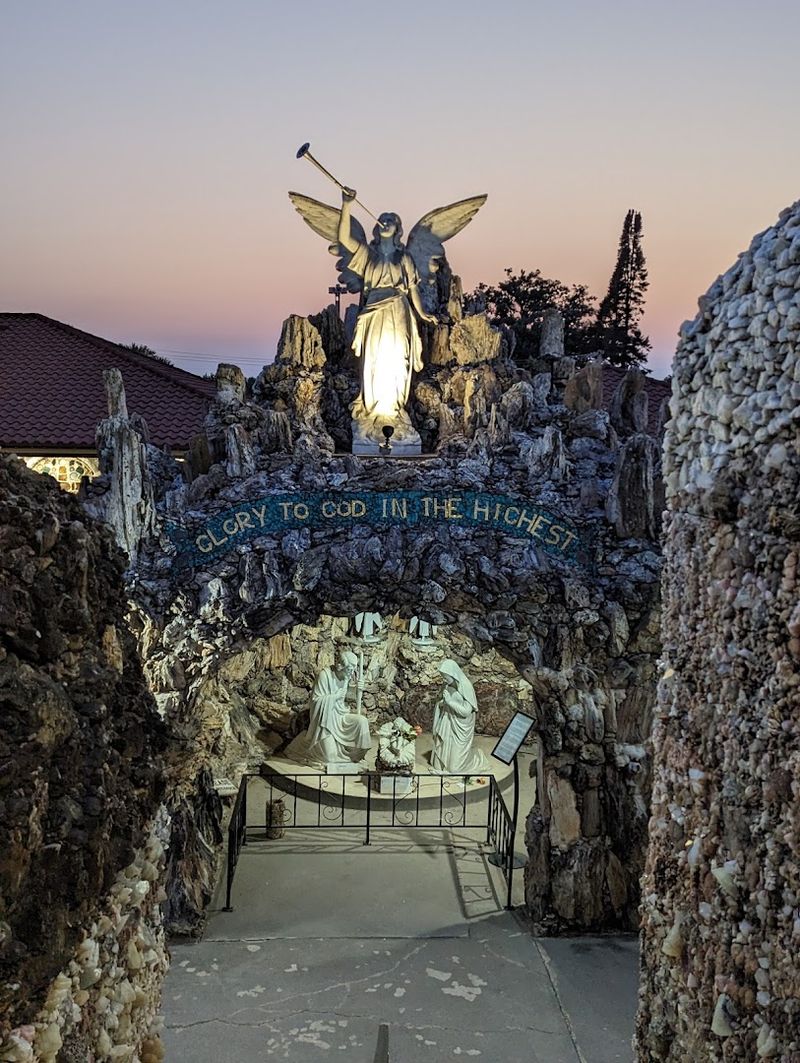
I timed part of my visit for late afternoon because the slanting light brings out mineral colors in a way that midday sun sometimes washes out.
Cooler months add bite to the air and show textures more crisply, while summer provides straightforward access, longer hours, and community events that can add to the visit.
I saw that winter snow creates a graphic contrast against embedded stones, which many local photographers and repeat visitors rave about, so each season gives a different visual payoff.
Evening hours during community events transform the place with string lights and gathered neighbors, though check the calendar to avoid crowds if you prefer quiet.
For photography, early morning reduces shadow chaos and late afternoon deepens color saturation, so those two windows are the most forgiving for taking detailed shots without harsh highlights or blown-out sections.
Plan around local events if you want a livelier visit, and choose a quiet weekday morning for reflective alone time. The right hour makes the grotto reveal subtleties you would otherwise miss, so time your trip to match what you hope to notice most.
Nearby Places and Practical Add-ons
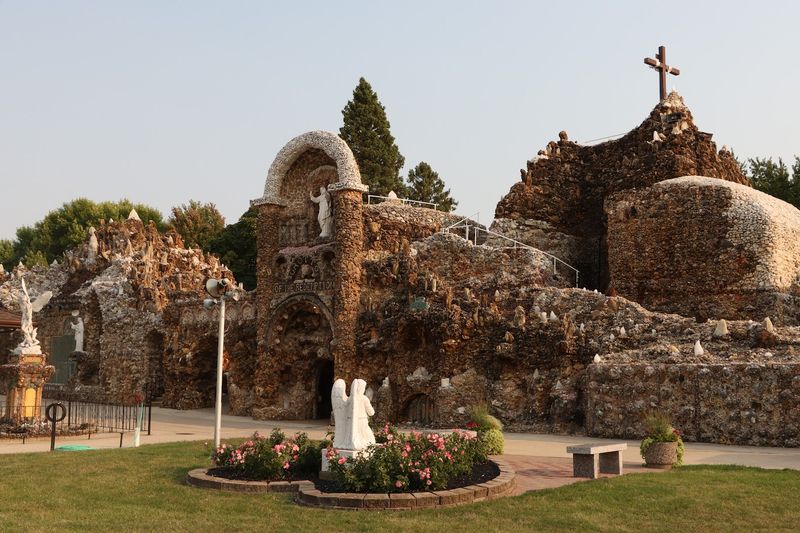
A trip here fits neatly into a broader day of Iowa discoveries rather than demanding an entire road trip.
The nearby town offers basic dining options, a friendly coffee stop, and classic Midwestern service stations, which means you can plan a relaxed half-day outing with a local lunch after wandering the grounds.
I grabbed a sandwich nearby and found myself still thinking about a tiny pearl embedded in a grotto niche.
If you want to extend the stay, the on-site campground can turn the shrine into a seasonal overnight base rather than a quick photo stop.
The campground offers sites for campers and tents, with amenities such as electrical hookups, firewood, showers, and a central water and sewer dump station available during its operating season.
The museum contains geology displays that pair well with casual rockhounding in your own collection later, and the gift shop has maps and memorabilia that make good planning tools for nearby routes.
Seasonal events bring a livelier community feel, so check the shrine calendar if your trip coincides with summer activity.
Pair the grotto visit with a stretch of country roads and a curiosity for small-town stops; the region rewards casual exploration and gives you more room to breathe after the detailed intensity of the grotto itself.
A short detour often turns into the most memorable part of the drive through Iowa.
Closing Thoughts and Final Takeaway
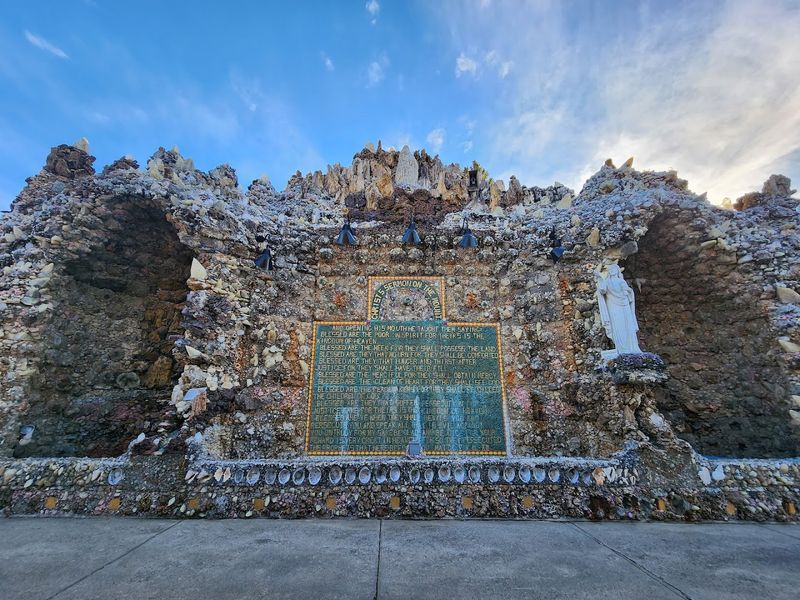
After hours of looking and talking to staff and fellow curious people, I left with a clearer sense that this place blends faith, craft, and community work in a way that rewards slow attention rather than checklist tourism.
The small surprises – a fossil tucked into a niche, a donated stone with a name, or a quiet bench facing a mosaic – add up to a steady rhythm of human detail.
That rhythm is what I keep thinking about when I tell friends about the shrine and the broader West Bend community that maintains it.
If you are planning a trip, remember the practical notes: bring comfortable shoes, check guided tour times, and allow at least an hour or two to wander. The address is handy for navigation and the site is easy to find from nearby highways.
I left with a few photos, a pair of new favorite details in my head, and a simple plan to return at a different hour and a different season to see what else the grotto will reveal.
Takeaway: schedule the time, bring curiosity, and let the handcrafted details guide the pace of your visit while you explore a remarkable piece of community-made art in Iowa.