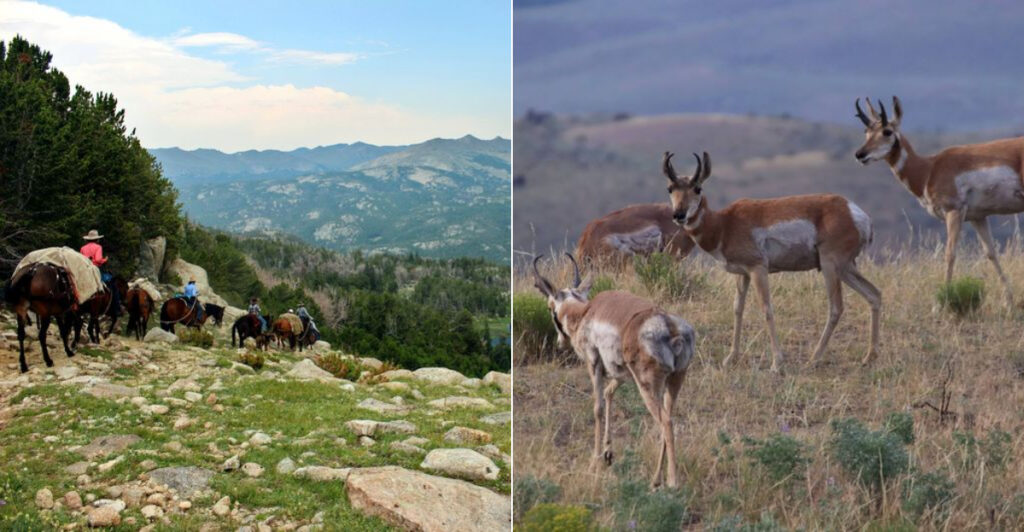
The famous parks are incredible. The valleys locals actually love are something else entirely.
Wyoming has a quieter side that most visitors drive right past on the way to the crowded trailheads. Wide open skies, mountain roads that seem to go on forever, and valleys so still they make the noise in a person’s head finally stop.
That kind of reset is hard to find anywhere else. This is not about checking boxes or hitting the highlights.
This is about the places where Wyoming actually breathes. Where the views are just as stunning and the only crowd is the one you came with.
Ten valleys are on this list, each one real, unhurried, and completely worth the detour. The locals who love this state most already know about them.
Now it is time for everyone else to catch up. Leave the rush at the state line. Wyoming rewards the ones who slow down.
1. Grand Loop Road
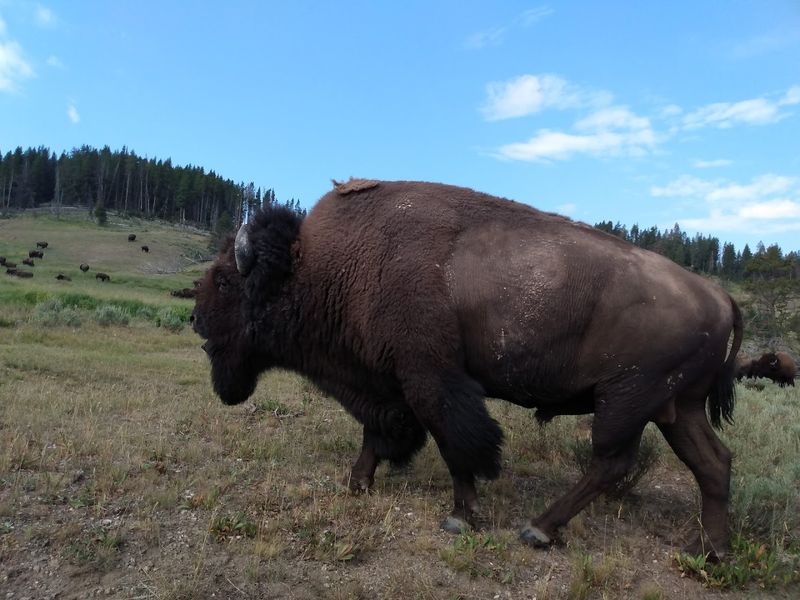
Not every stretch of road in Yellowstone belongs to the crowds. Grand Loop Road winds through some of the park’s most breathtaking open valley scenery, and if you time your drive right, you can experience long quiet stretches where wildlife outnumbers cars.
Bison roam freely across the valley floor here. Elk graze near the tree lines in the early morning.
Thermal features send soft plumes of steam into the cool mountain air, and the whole scene feels like something painted just for you.
Most visitors rush between the major attractions, but locals know that slowing down on this road is the real reward. Pull over at a quiet turnout, roll down the window, and just listen.
The soundscape alone, birds, wind, and distant geothermal hissing, is worth the stop.
Spring and fall are the best times to enjoy this road with fewer people around. Wildflowers carpet the valley in June, and the golden aspens in October are absolutely stunning.
This is a road that rewards patience. The more time you give it, the more it gives back. Whether you are a first-time visitor or a returning traveler, Grand Loop Road always has something new to offer.
You can access Grand Loop Road at Wyoming 82190, inside Yellowstone National Park, Wyoming.
2. Tensleep Preserve
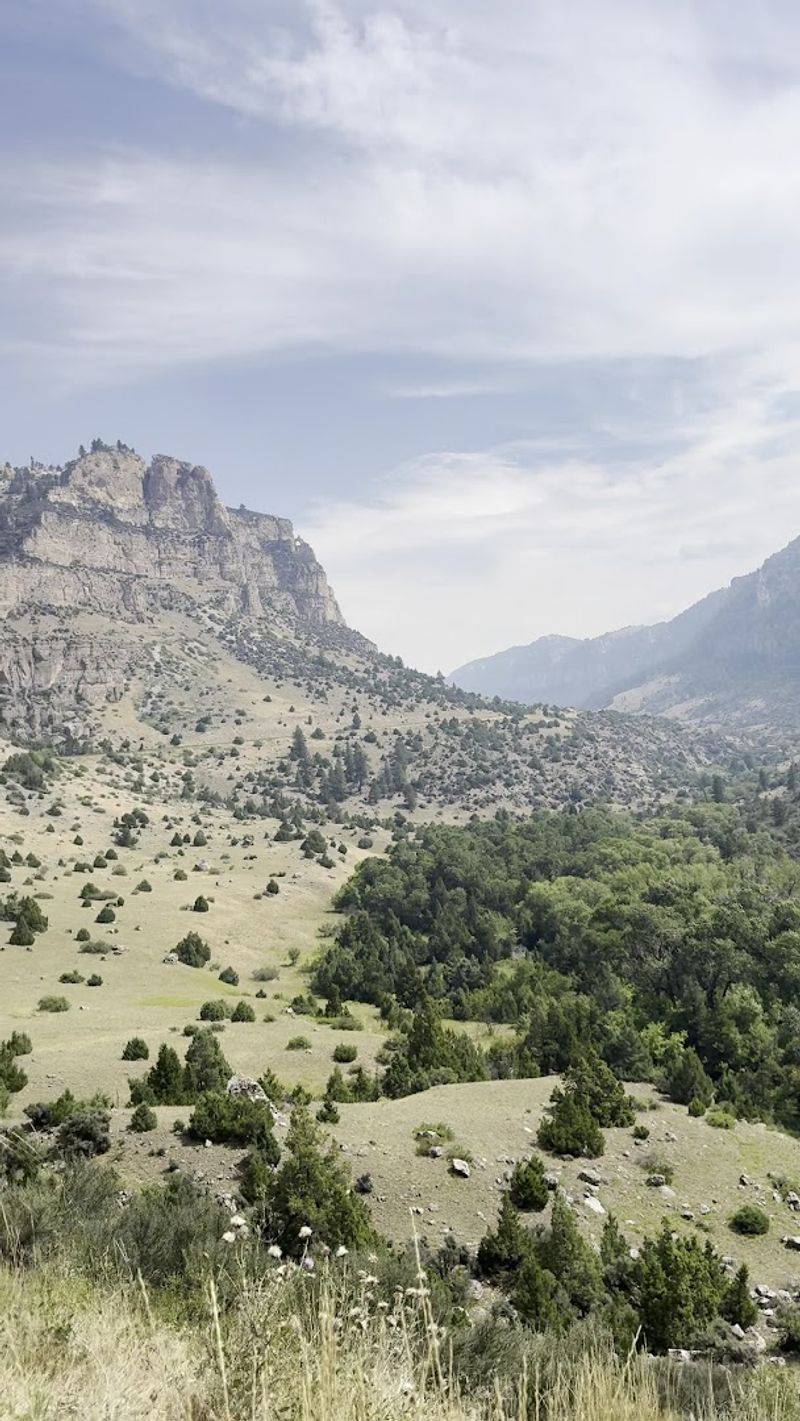
Imagine a place where red rock canyon walls rise above a cool, clear creek while cottonwood trees rustle in the breeze. That is exactly what waits for you at Tensleep Preserve, one of Wyoming’s most quietly spectacular natural areas.
Managed by The Nature Conservancy, this preserve protects a stunning stretch of Tensleep Creek and the canyon surrounding it. The biodiversity here is remarkable, with rare plants, native fish, and a surprising variety of birds calling this canyon home year-round.
Locals from the Bighorn Basin region treat this place like a personal retreat. On a weekday morning, you might have the entire canyon to yourself.
The sound of the creek moving over smooth rocks is genuinely calming in a way that no playlist can replicate.
Hiking along the creek trail gives you close views of the canyon walls, which shift from deep red to orange depending on the light. Early morning and late afternoon are the most photogenic times to visit.
The preserve also hosts educational programs and volunteer events, so if you want to give back while you explore, there are real opportunities to do that here.
This is the kind of place that reminds you why wild spaces matter. It is not loud or flashy. It is simply honest and beautiful. Find Tensleep Preserve at 101 Rome Hill Road, Ten Sleep, Wyoming 82442.
3. Secret Valley
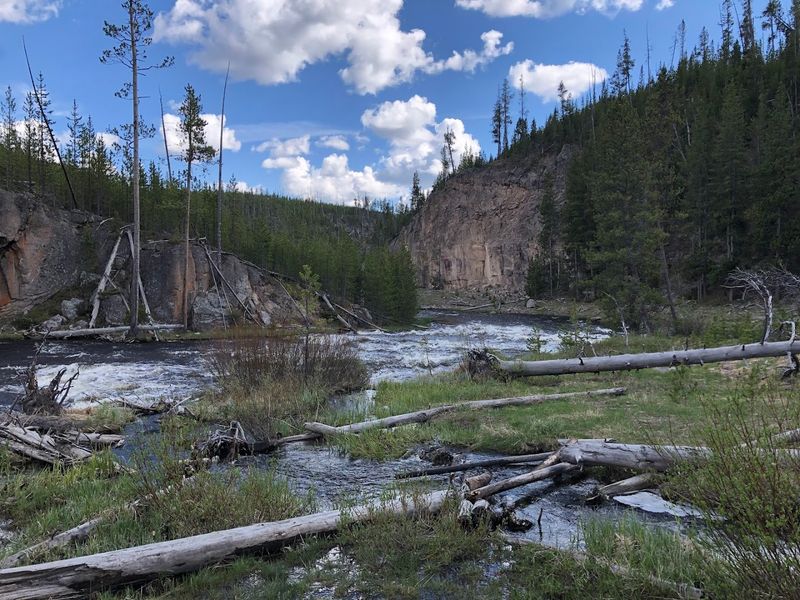
Some places earn their names honestly. Secret Valley, a quiet ravine inside Yellowstone National Park, is one of those places that feels genuinely off the beaten path even while sitting inside one of the most visited parks in the country.
The terrain here is more intimate than the wide-open valleys Yellowstone is famous for. Trees press in close, the trail narrows, and the noise of other visitors fades quickly. It feels like a private corridor through the wilderness.
Wildlife sightings here tend to be up close and personal. Deer, foxes, and various bird species move through this area with a confidence that suggests they do not see many humans.
That alone makes it feel special.
The best time to visit is early morning when the light filters through the pines in golden slants and the air still carries that cool overnight chill. Bring layers, good footwear, and a camera, because the light in this valley is genuinely photogenic.
Locals who know Yellowstone well often skip the crowded boardwalks and head here instead. It requires a bit more effort, but the payoff is a quieter, more personal experience of the park.
Do not expect signs pointing the way. Part of what makes this valley special is that you have to seek it out yourself. Secret Valley is located in the Ravine area of Wyoming 82190, Yellowstone National Park.
4. Wind River Canyon
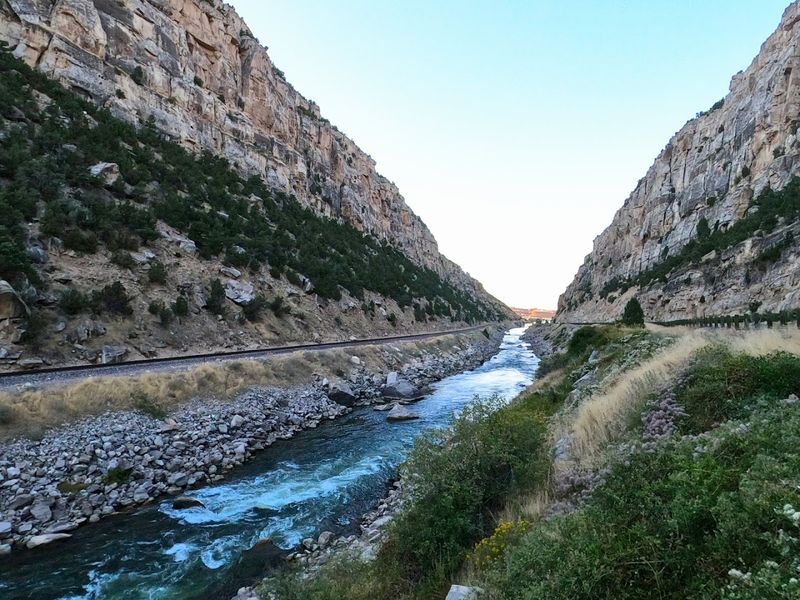
There are drives in Wyoming that make your jaw drop, and then there is Wind River Canyon. This is not a gentle landscape.
The canyon walls rise hundreds of feet above the Wind River, and the highway carved through the rock feels almost impossibly dramatic.
Geologically speaking, this canyon is extraordinary. The exposed rock layers tell a story spanning hundreds of millions of years, and interpretive signs along the route help you understand what you are actually looking at.
It is a geology lesson you will actually enjoy.
Fishing is a major draw here. The Wind River is known for excellent trout fishing, and anglers from across the region make regular trips to work the canyon’s clear, cold waters.
Even if fishing is not your thing, watching someone cast into that river against the backdrop of those walls is a memorable sight.
Rafting and kayaking are also popular in the canyon, especially during spring runoff when the river runs high and fast. Guided trips are available for those who want expert company on the water.
Wildlife, including bighorn sheep, are sometimes spotted on the canyon walls. Keep your eyes up as well as forward on the road.
The canyon is accessible year-round, though winter driving requires caution. Fall colors reflected in the river are particularly stunning. Wind River Canyon is located along WY-789 near Thermopolis, Wyoming 82443.
5. Flaming Gorge Scenic Byway
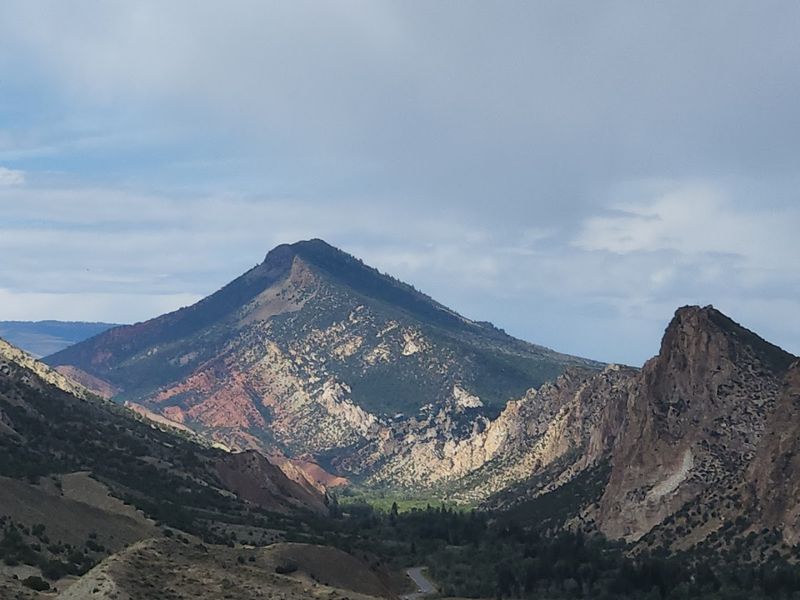
The name alone should spark some curiosity. Flaming Gorge Scenic Byway earns its dramatic title with landscapes that shift from sagebrush flats to vivid red rock formations as you travel south from Green River toward the Utah border.
This byway is a favorite among road trippers who want scenery without the crowds. Traffic is light, the views are wide, and the sense of space is something you genuinely feel in your chest.
Wyoming’s scale is hard to describe until you are standing in it.
The Flaming Gorge Reservoir, which straddles Wyoming and Utah, is a stunning destination along the route. Boating, fishing, and camping are all popular activities, and the reservoir’s deep blue color against the red cliffs is a visual combination that photographs beautifully.
Wildlife along the byway includes pronghorn antelope, mule deer, and golden eagles. Keep your camera ready and your speed reasonable, because animals often appear without warning near the road.
Small towns along the route offer basic services and a chance to chat with locals who are genuinely proud of this landscape. Their enthusiasm for the area is contagious and often leads to tips that no guidebook includes.
Spring and early fall offer the most comfortable temperatures for exploring this byway on foot or by bike.
6. Cloud Peak Skyway Scenic Byway
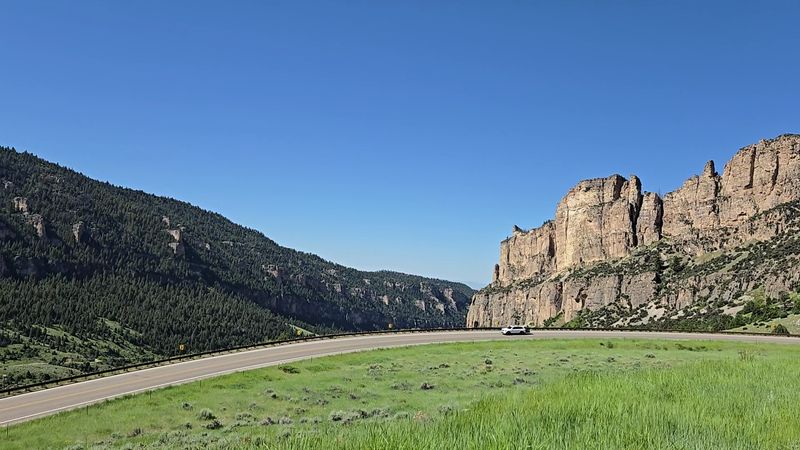
Starting in Buffalo and climbing into the Bighorn Mountains, Cloud Peak Skyway Scenic Byway is the kind of drive that makes you forget whatever was stressing you out before you got in the car.
The elevation gain is steady, the views expand gradually, and by the time you reach the high country, you feel genuinely far from everything ordinary.
Cloud Peak itself, the highest point in the Bighorn Range at 13,175 feet, dominates the skyline on clear days. Even from the road, it is an imposing and beautiful presence. The mountain has a way of putting things in perspective.
The byway passes through diverse ecosystems, from dry foothills covered in juniper to dense subalpine forests and open meadows filled with wildflowers in summer. Each zone feels like a different world.
Anglers love the streams and lakes along this route. Medicine Lodge Creek and the Tensleep Creek drainage are particularly well-regarded for fishing.
Hikers have access to multiple trailheads leading into the Cloud Peak Wilderness, where solitude is almost guaranteed.
Fall brings rich golden color to the aspen groves along the byway. Locals make annual drives just to catch the peak color change, usually in late September.
Services are limited once you leave Buffalo, so fill up your tank and pack snacks before heading out. Cloud Peak Skyway Scenic Byway begins in Buffalo, Wyoming 82834.
7. Libby Flats Observation Area
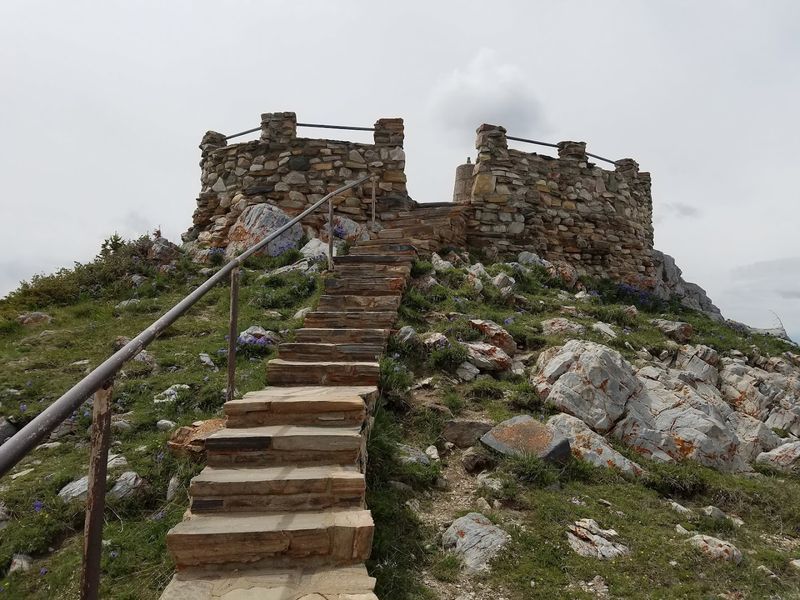
At nearly 10,800 feet above sea level, Libby Flats Observation Area offers one of the most accessible high-altitude panoramas in all of Wyoming. You drive up, step out of the car, and suddenly you are standing above the tree line with views that stretch for what feels like forever.
The Medicine Bow Mountains surround you on all sides. On a clear day, you can see across vast stretches of southern Wyoming and into Colorado.
The sense of elevation is immediate and a little thrilling, especially if you are coming from lower ground.
Wildflower season here runs from late June through August, and the meadows around the observation area fill with color that rivals any garden. Alpine forget-me-nots, paintbrush, and yarrow create a natural carpet that is genuinely stunning.
Birdwatchers come here specifically for the chance to spot rosy-finches and other high-altitude species that are difficult to find at lower elevations. Bring binoculars if you have them.
The area is also a popular starting point for short hikes into the surrounding Medicine Bow National Forest. Trails range from easy walks to more challenging routes through rocky alpine terrain.
Afternoon thunderstorms are common in summer, so plan to arrive early and head down before midday clouds build up. Libby Flats Observation Area is located along 160-194 WY-130 near Centennial, Wyoming 82055.
8. Popo Agie Wilderness
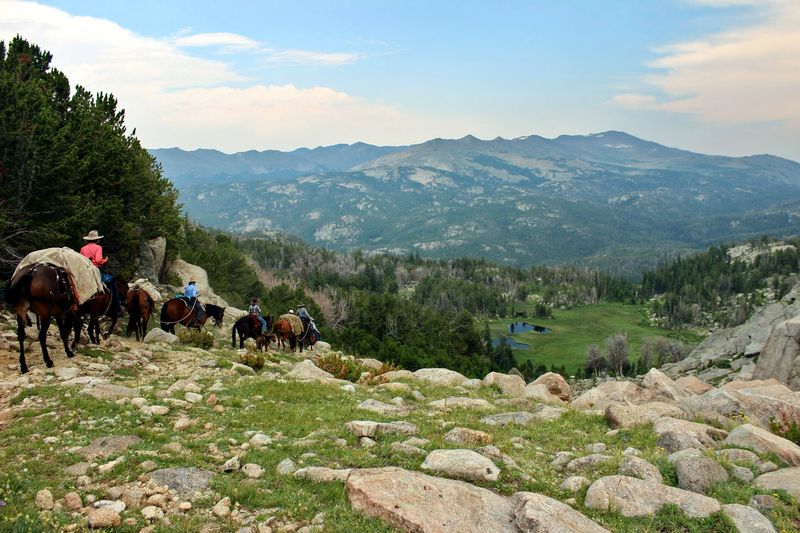
Say it out loud: Popo Agie. Pronounced puh-PO-zhuh, it is a Hidatsa word meaning “head waters,” and this wilderness lives up to every syllable.
Located in the Wind River Range just outside Lander, this is the kind of backcountry that reminds you what wild actually means.
The wilderness covers over 101,000 acres of granite peaks, alpine lakes, and meadows that have seen very little human interference. Trails here lead to places where the quiet is so complete it can feel slightly unreal if you are used to city life.
The Popo Agie River originates in this wilderness, and its headwaters are pristine. Fishing in these high-altitude streams and lakes is a genuine highlight for those who make the effort to reach them.
Native cutthroat trout still swim in many of these waters.
Rock climbing is another draw. The granite formations in this area attract technical climbers from across the country, and the routes range from beginner-friendly to seriously challenging.
The climbing community here is welcoming and knowledgeable.
Backpacking trips into the Popo Agie Wilderness require some planning, but the payoff is enormous. Multi-day routes take you through landscapes that feel untouched and genuinely remote.
Bears are active in this area, so proper food storage is essential. Check current conditions with the Shoshone National Forest before heading out. The Popo Agie Wilderness is accessed from Lander, Wyoming 82520.
9. The Snowy Range
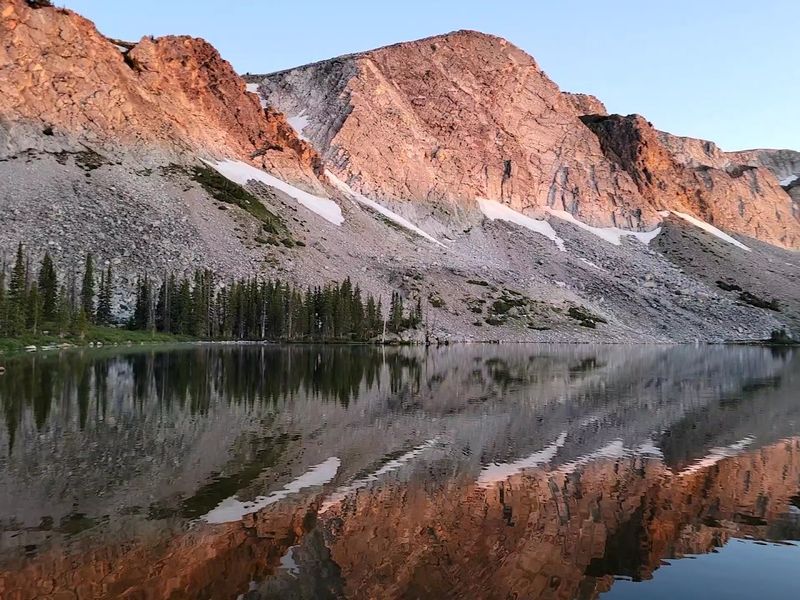
The Snowy Range has a name that does exactly what it promises. Even in midsummer, the quartzite peaks hold patches of snow that gleam against the sky like something from a postcard.
But this range is far more than a pretty backdrop; it is a full-season outdoor playground that locals have been enjoying quietly for generations.
Medicine Bow Peak, the highest point in the range at 12,013 feet, is a popular but manageable day hike. The trail is well-marked and rewards hikers with 360-degree views that include multiple alpine lakes shimmering below.
Those lakes, including Lake Marie and Mirror Lake, are among the most photogenic spots in all of Wyoming. The turquoise water against white rock and green forest is a color combination that stops people mid-step.
Cross-country skiing and snowshoeing in winter attract a loyal local crowd. The area around Centennial and the Medicine Bow National Forest offers groomed and ungroomed routes through quiet, snow-covered forest.
Summer camping in the Snowy Range is excellent. Sites fill up on holiday weekends, but mid-week visits offer genuine peace and the kind of stargazing that reminds you how many stars there actually are.
Wildlife, including moose and black bears, are regularly spotted in this area, particularly near the marshy areas around the lakes. The Snowy Range is centered around Centennial, Wyoming 82055.
10. Lamar Valley
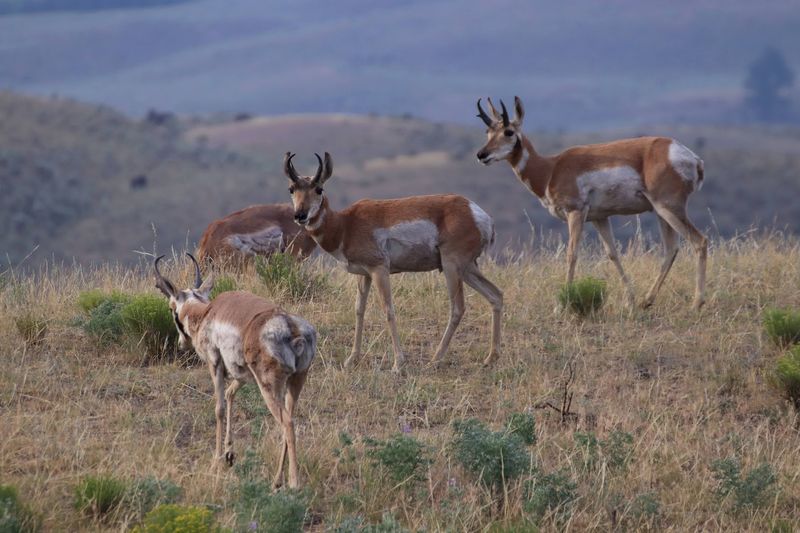
Locals call Lamar Valley the Serengeti of North America, and once you visit, you will understand why. This wide, open valley in the northeastern corner of Yellowstone National Park offers some of the most reliable wildlife viewing on the entire continent.
Wolf packs roam this valley regularly. Bison herds move across the flats in numbers that are genuinely staggering.
Grizzly bears, coyotes, pronghorn, and bald eagles are all common sightings here, especially in the early morning and around dusk.
The key to Lamar Valley is patience. Pull over, set up a spotting scope or binoculars, and just watch.
The valley rewards those who slow down and pay attention. Wildlife watchers often spend entire days parked at a single pullout, and they rarely feel like they wasted a moment.
The road through the valley follows the Lamar River, which is one of the best places in Yellowstone to fish for wild trout. The river runs clear and cold, and the fishing here has a reputation that draws serious anglers from far away.
Spring is spectacular in Lamar Valley. Newborn bison calves, called red dogs for their rusty-orange color, appear in May and add an undeniable charm to an already extraordinary landscape.
The valley is accessible year-round via the Northeast Entrance Road, making it one of the few areas of Yellowstone open in winter. Lamar Valley is located along NE Entrance Road, Yellowstone National Park, Wyoming 82190.