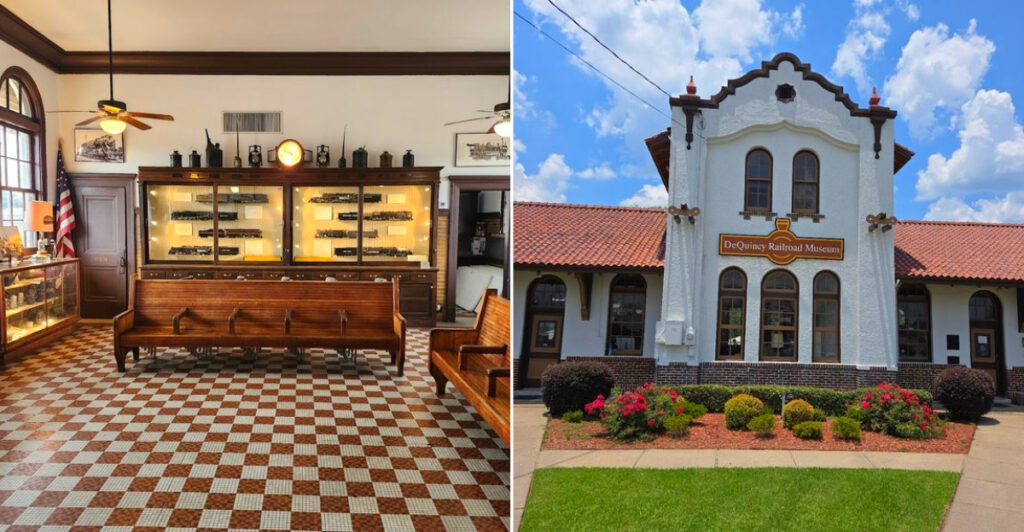
Railroad museums can easily become rooms full of metal objects waiting for pity, but this southwest Louisiana stop has a pulse. The old 1923 depot sits beside active rails like it never fully retired, wearing white stucco and terracotta tiles with surprising Spanish-mission flair.
I like places where history feels handled, not embalmed, and here the details do the talking: tools, timetables, photographs, family stories, and the quiet pride of a town shaped by passing trains.
Active rail crossings, a restored historic depot, local artifacts, and carefully preserved railroad stories make this Louisiana museum a rewarding detour for curious travelers. Go slowly, because the charm is not loud.
Read the small labels, notice the architecture, and listen when a train interrupts the visit like a living footnote. It is gentle, specific, and far more memorable than its modest footprint suggests.
Bring patience, curiosity, and room for one unexpectedly tender discovery.
Approach And First Impressions
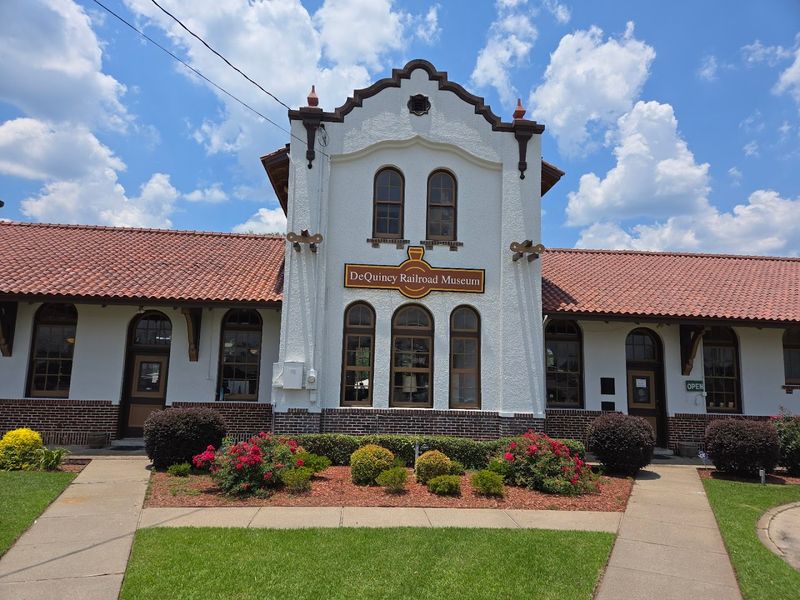
The first thing that stops you is the building itself, a Mission Revival depot that looks like it was lifted from California and planted in Southwest Louisiana. Its white stucco and terracotta roof tiles catch the sun, and the arched windows frame a surprisingly domestic interior that still feels like a working station.
Walking up the platform, you notice original benches and the layout of the tracks around the depot that define DeQuincy’s purpose as a division point.
That placement in a rail ‘Y’ is more than scenery; it tells a civic story about how the town grew. The depot reads like a local monument with practical bones, and standing there the past feels nearby and tangible.
Rolling Into Train-Town Territory
DeQuincy Railroad Museum is located at 400 Lake Charles Ave, DeQuincy, Louisiana 70633, in the old railroad heart of town, so the approach already feels nicely on-theme.
Aim for Lake Charles Avenue and slow down once the streets start feeling more historic and small-town. This is not a complicated destination, but it is the kind of stop where you want to notice the depot before you roll right past it.
Parking should be simple compared with bigger city museums. Once you arrive, the final step is easy: get out, look for the old depot, and let the train-day energy take over.
Outdoor Equipment And Rolling Stock
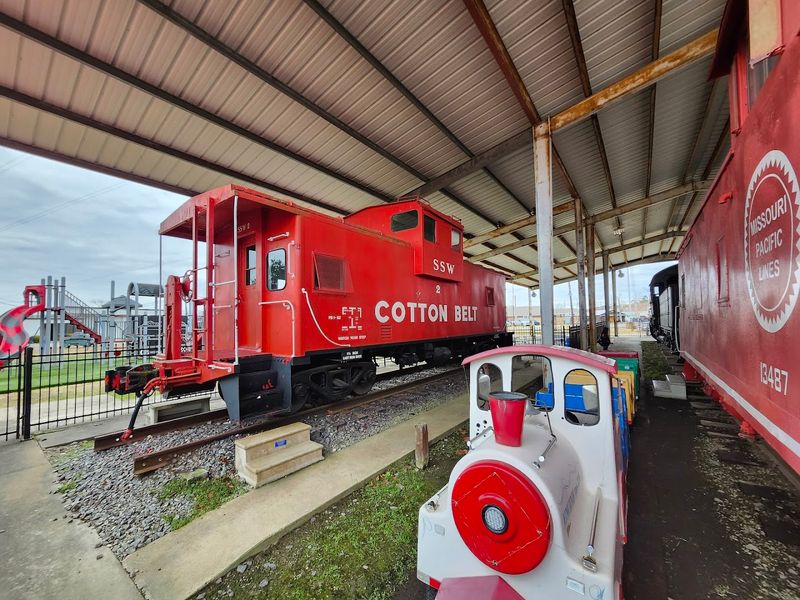
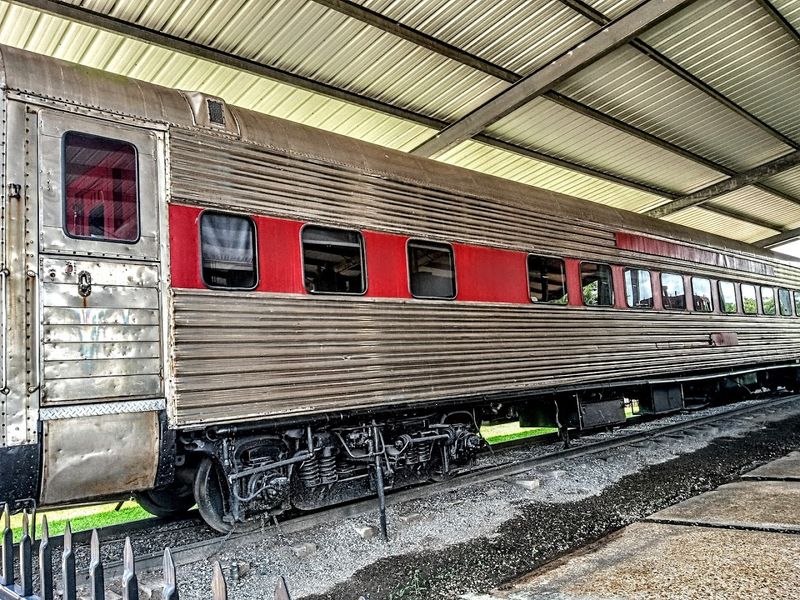
The museum grounds host an impressive lineup of full-size pieces that turn the lawn into an open-air gallery: a 1913 steam engine, a 1947 Pullman coach, and a pair of vintage cabooses stand nearby for close inspection. Children swarm the kid-friendly train ride while others trace rivets and nameplates, and every piece invites a hands-on curiosity that you rarely get inside glass cases.
The juxtaposition of oversized machinery and family picnic tables makes the site feel like both a workshop and a community park.
These cars are accessible for viewing, with informative placards that explain their service histories. If you love detail, plan extra time to walk the length of each car and read the stories tied to their restoration and use.
Architectural Details You Shouldn’t Miss
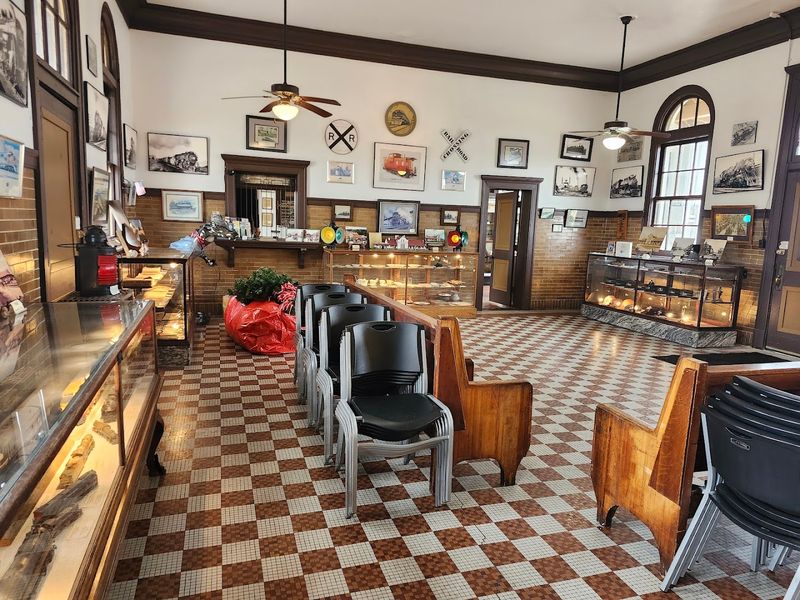
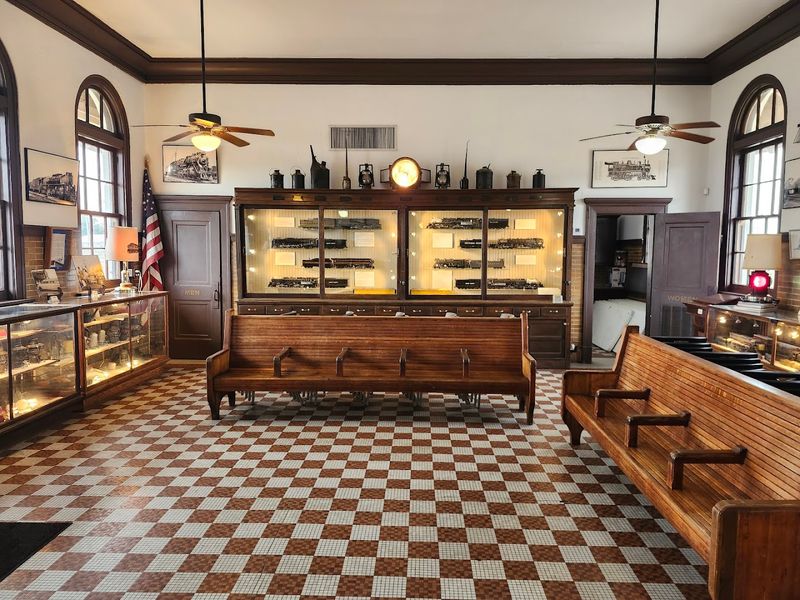
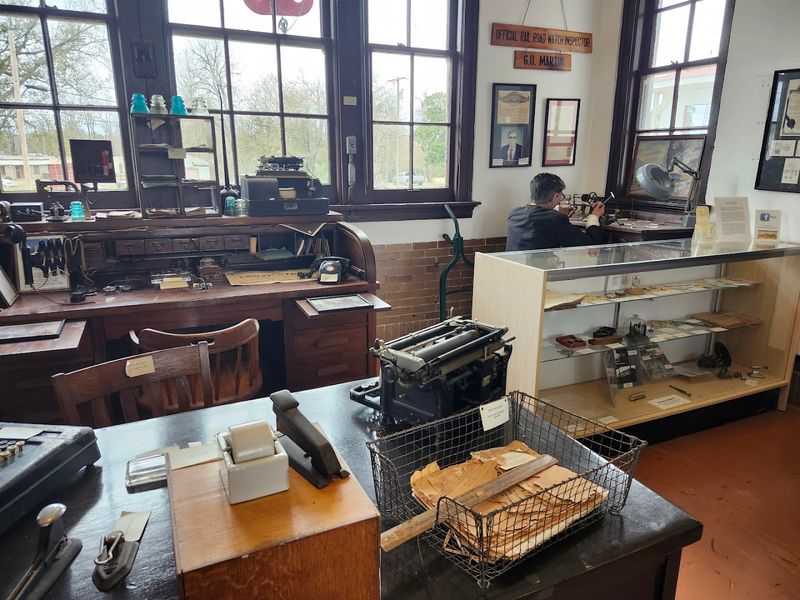
Look closely at architectural touches that make this depot special: the stucco texture, the red terracotta roof tiles, and the rhythm of arched windows that give the building a distinct Spanish Mission feel. Inside, original fixtures like wooden benches, ticket windows, and preserved flooring provide tactile links to the 1920s.
The preservation work is careful rather than flashy, which keeps the structure honest and readable as both public building and artifact.
Small elements reward attention – a carved corbel, a brass door plate, or original signage preserved under glass. These are the quiet details that reveal the depot’s age and function without theatrical restoration, offering authentic character to anyone who pauses to look.
Collections Worth Your Time
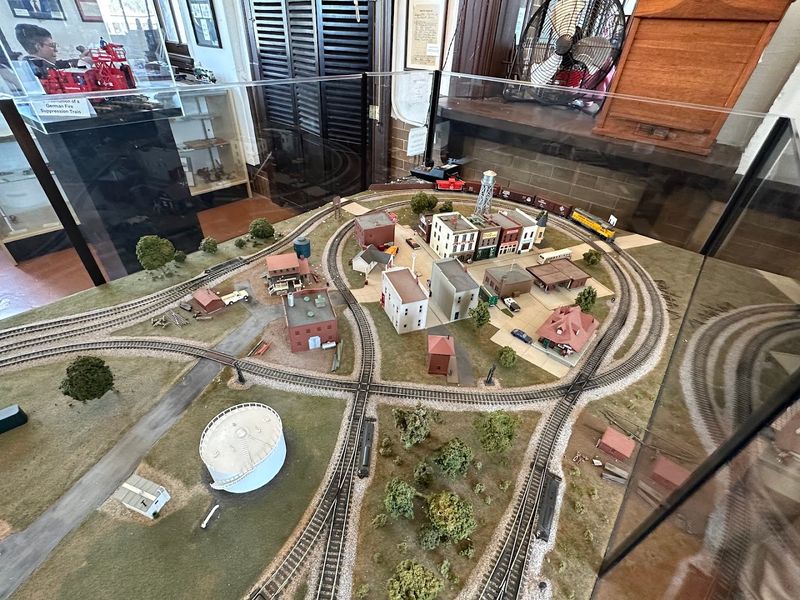
The museum’s collections span everyday tools and personal stories: lanterns, switch keys, dining car silverware, timetables, and pocket watches that once regulated rail lives. Photograph panels and donated family artifacts root the exhibits in personal narratives, and reading a single label can shift your sense of how railroading shaped local households.
The running model layout of 1940s DeQuincy is particularly well-researched and helps visualize the town at its operational peak.
Curators emphasize provenance; many items arrived with clear histories tied to DeQuincy families. That attention to origin turns objects into storytelling devices, making the collection feel both scholarly and intimate in equal measure.
Visitor Experience And Staff
The staff and volunteers are the museum’s human heart: welcoming, deeply informed, and eager to share local lore. Conversations with docents often include family stories and practical insights about the depot’s operational life, which you won’t find in a book.
Interaction feels personal rather than performative, and many visitors mention specific volunteers who elevate the visit by connecting artifacts to lived experience.
I noticed that staff rhythms shape how people move through the space; a friendly greeting can lead to a longer, more engaged visit. If you want context, ask for a guided tour or simply linger by the ticket window to hear stories the labels do not tell.
Accessibility And Family Amenities
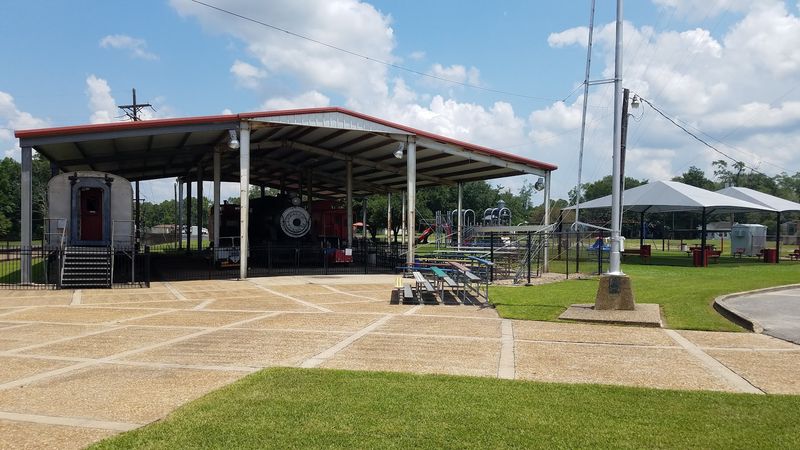
The DeQuincy site is refreshingly family-oriented: a landscaped park, playground gear, picnic tables, and a covered pavilion make it easy to linger. Notably, accessible features like a handicap merry-go-round and level paths mean visitors with mobility needs can engage with both the indoor exhibits and outdoor cars.
The museum’s approachable scale helps families manage younger children while still delivering substantive historical content for adults.
Practical touches include restroom facilities and ample parking at the front of the depot. For longer stays, pack a picnic and enjoy the shaded pavilion between exhibit sessions to keep everyone content and curious.
Timing Your Visit – When To Go
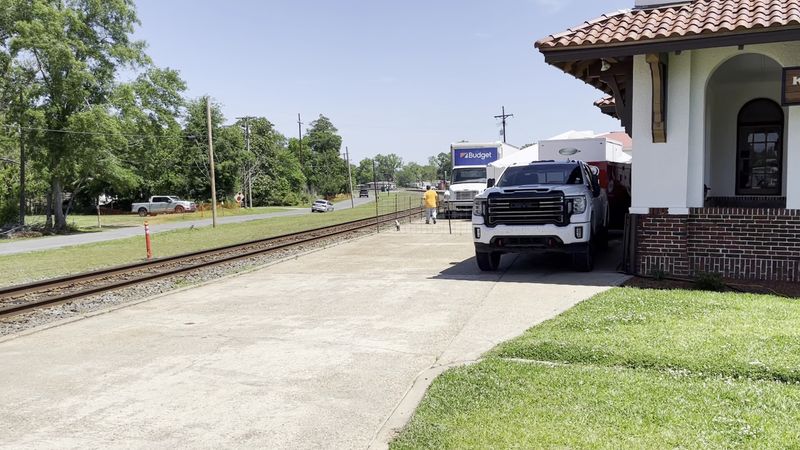
Museum hours typically run Tuesday through Saturday from mid-morning to late afternoon, so mid-day visits match local rhythms and allow time to watch active rail traffic. Weekday mornings are quieter and better for focused exploration, while Saturdays may host more families or events.
If you want to time a train sighting, late morning to mid-afternoon often brings passing Kansas City Southern trains visible from the depot platform or the east-end stage.
Plan around the annual Louisiana Railroad Days Festival in April if you enjoy community events, but expect larger crowds. For a low-key visit, aim for a weekday and allow at least an hour to see indoor and outdoor exhibits at a relaxed pace.
Special Events And Community Role
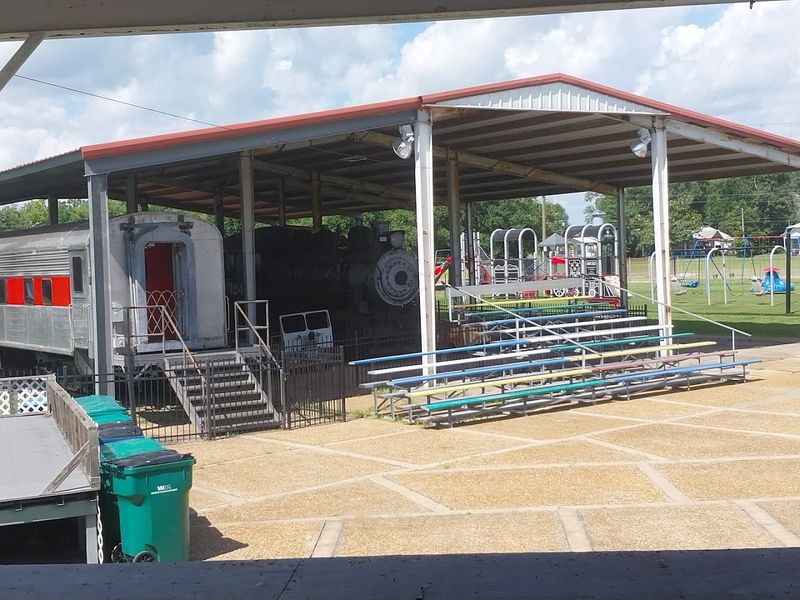
The museum is more than static displays; it anchors community rituals like the Louisiana Railroad Days Festival, held each April with rides, crafts, contests, live music, and a parade of local flavor. Farmers markets and public meetings also use the grounds, underscoring the depot’s role as a civic hub rather than a forgotten relic.
The festival atmosphere transforms static exhibits into active meeting points, encouraging both locals and visitors to engage with railroad history through celebration.
Events often feature volunteers who narrate history in accessible ways. Timing a visit to coincide with a public event can deepen your appreciation of how rail heritage remains woven into community life.
Nearby Railfanning Opportunities
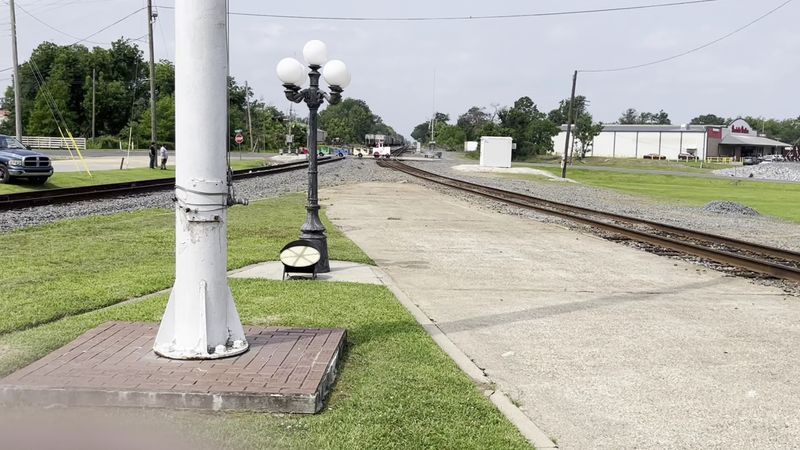
DeQuincy remains a working rail town, and the depot sits at a practical junction where lines meet, making railfanning a genuine side attraction. From the east end stage you can watch Kansas City Southern freight move through town, and a mile west at CS Junction the tracks of different carriers converge, offering dynamic train watching.
Bring binoculars or a camera with a telephoto lens if you want detailed shots of passing consists and liveries.
Rail etiquette matters: observe from public viewpoints, respect signage, and avoid trespassing on tracks. A patient hour on the platform often yields satisfying sightings and a sense of active continuity between past and present.
Gift Shop And Souvenirs
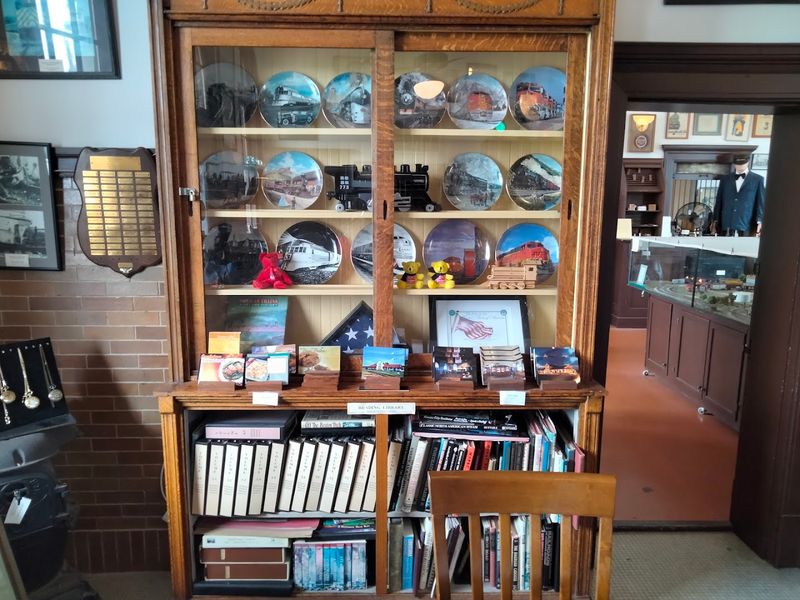
The gift shop is modest but well-curated with books, postcards, small model trains, and locally made souvenirs that reflect the museum’s focus. Items are affordable and functional, making them easy choices for mementos or gifts that won’t gather dust.
Purchases support the museum, so picking up a postcard or a history booklet feels like a small participatory act in preserving the depot’s mission.
If you want a keepsake tied to your visit, the gift shop is the place to look. Staff can also recommend reading if you want to dive deeper into DeQuincy’s railroad history after you return home.
Practical Visitor Tips
Admission is free and donations are welcome, which makes the museum an easy addition to a Southwest Louisiana itinerary. Check hours before you go as they typically operate Tuesday through Saturday, closing on Sundays and city holidays.
Parking is generous at the front of the depot and the onsite park invites longer stays, so bring water and comfortable shoes for walking among cars and exhibits. Restroom facilities and shaded picnic areas add convenience for families.
If you want a docent-led perspective, ask on arrival; volunteers are often available and can tailor a short tour to your interests. A measured visit of an hour to ninety minutes usually covers both indoor displays and outdoor rolling stock without rushing.