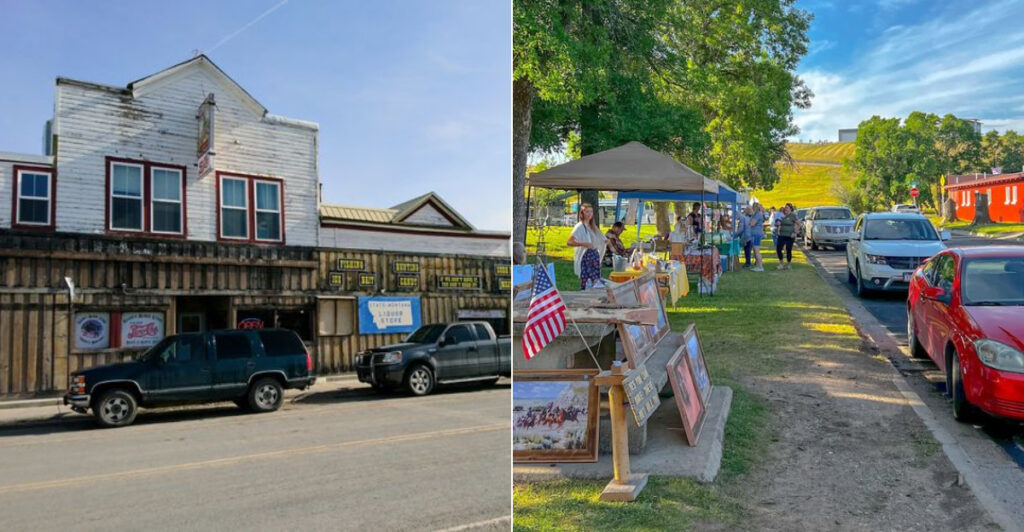
The big mountain views are real. The wide open highways deliver. But the small towns hiding along those same roads? That is where Montana gets truly interesting.
Sapphire mines, dinosaur trails, Victorian storefronts, and cowboy culture that has not been dressed up for tourists. These are places with real history, real character, and the kind of unhurried atmosphere that reminds a person what travel is actually supposed to feel like.
No crowds pushing through. No rush to get to the next thing. Ten small towns made this list, and every single one has earned its spot. The kind of places locals would honestly prefer stayed off the radar a little longer.
That alone should be reason enough to go looking. Montana rewards the curious traveler every time.
Load up the car, take the scenic route, and start discovering the side of this state that most visitors drive right past without ever knowing what they missed.
1. Philipsburg
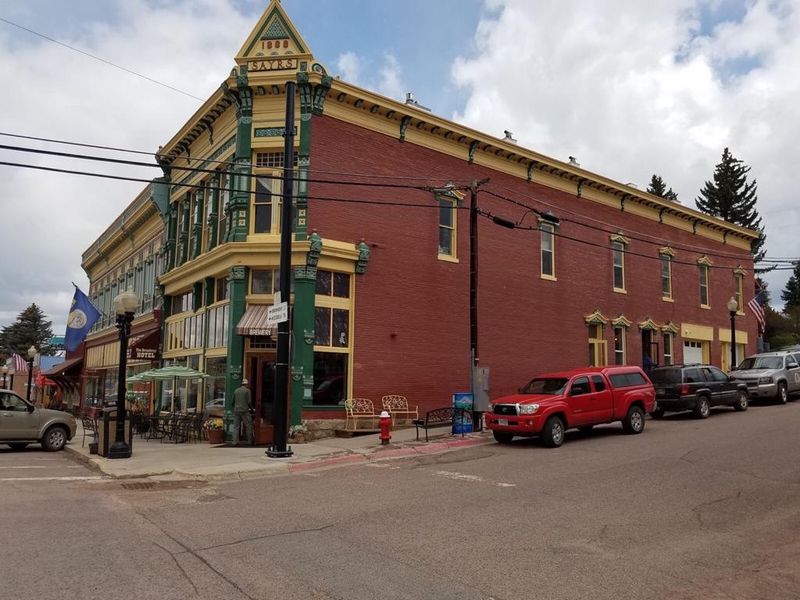
Picture a main street so colorful and well-preserved that it looks like it was painted by someone who really loved their job. That is exactly what greets you in Philipsburg, a former silver mining town in western Montana that has quietly reinvented itself into one of the most fun small towns in the state.
The Victorian buildings along Broadway Street have been lovingly restored, and today they house shops, sweet spots, and local businesses that make you want to slow down and stay a while.
One of the biggest draws here is sapphire mining. You can actually dig for your own Montana sapphires at nearby mines, which makes for a uniquely hands-on adventure that kids and adults both love.
After a day of digging, stop into the Sweet Palace, a legendary old-fashioned candy shop that has been satisfying sweet tooths since 1996. The sheer variety inside will make your eyes go wide.
Philipsburg sits about two hours from Missoula, making it an easy and very rewarding day trip or weekend escape. The surrounding Flint Creek Valley adds gorgeous scenery to every drive in or out of town.
You deserve a place that feels both lively and laid-back at the same time, and Philipsburg delivers exactly that.
2. Ennis
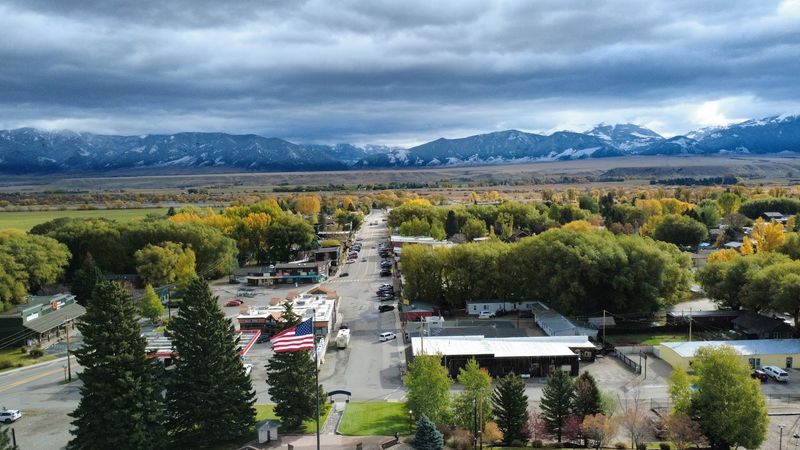
If you have ever dreamed of standing in a cold, clear river with a fly rod in your hand and mountains all around you, Ennis might just be your perfect destination. This small southwestern Montana town sits right in the heart of ranching country and is widely regarded as one of the top fly fishing spots in the entire country.
The Madison River runs right through the area, and it is part of what anglers call the Gold Triangle, a stretch of water so productive it has become almost legendary among fishing enthusiasts.
But Ennis is not only for fishing fans. The town itself has a genuine cowboy culture that feels authentic rather than performed.
Local galleries showcase Western art, and outdoor sculptures dot the area in a way that surprises first-time visitors.
Every year, the Ennis Fly Fishing and Outdoor Festival draws visitors from around the country who want to celebrate the outdoor lifestyle this town does so well.
The Madison Mountains provide a dramatic backdrop to everything you do here, and the wide open ranch land surrounding the town gives you that classic Big Sky feeling you came to Montana for in the first place.
You have earned a trip somewhere that feeds both your adventurous side and your need for quiet beauty.
3. Bigfork
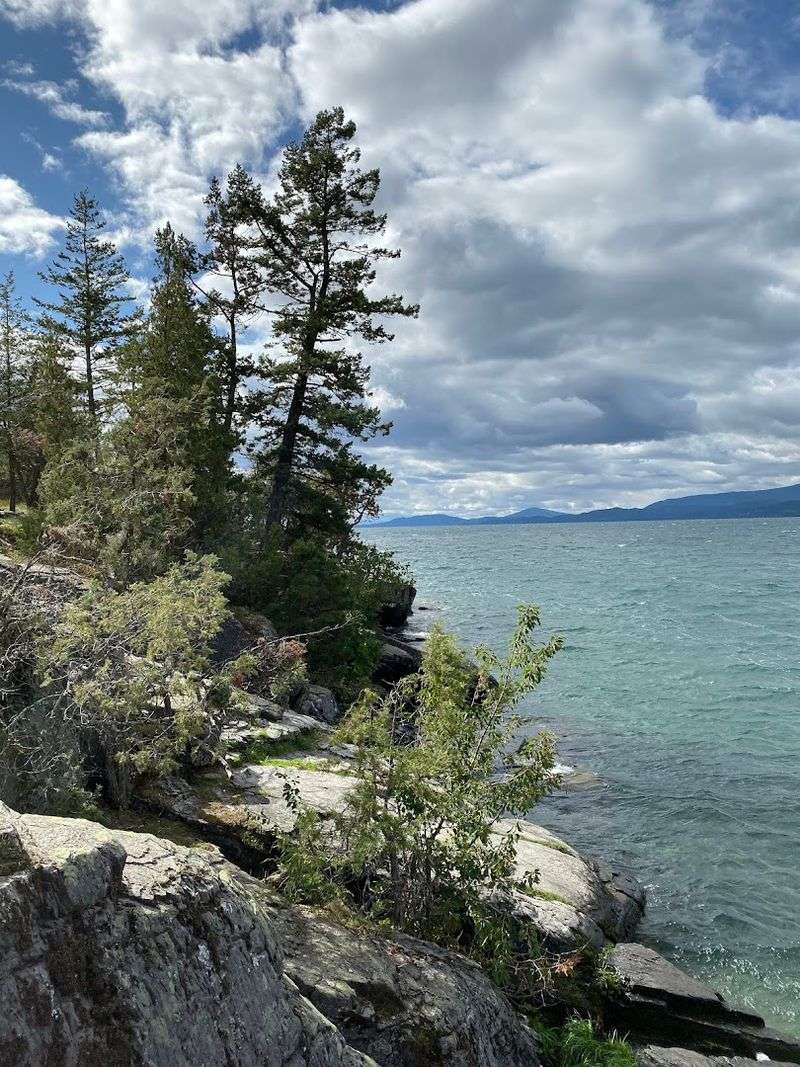
Not every small town can claim a world-class performing arts venue, a stunning lakeside location, and a walkable village full of galleries and boutiques. Bigfork, Montana pulls all of that off with ease, and it does so without making a big fuss about it.
Sitting at the northeast corner of Flathead Lake, the largest natural freshwater lake west of the Mississippi, Bigfork offers scenery that genuinely takes your breath away on a clear day.
Electric Avenue is the heart of the village, lined with independent shops, fine dining restaurants, and art galleries that reflect the strong creative community that has grown here over the decades.
The Bigfork Summer Playhouse has been staging professional theater performances since 1960, drawing audiences from across the region every summer.
Outside of town, the Swan River Nature Trail offers a peaceful walk through riverside scenery that feels a world away from everyday stress. Kayaking, paddleboarding, and sailing on Flathead Lake are popular warm-weather activities that make summer visits especially memorable.
The surrounding mountains and forests make fall visits equally spectacular, when the colors shift and the crowds thin out considerably.
You deserve a place that offers art, nature, and genuine small-town warmth all in one spot.
4. Choteau
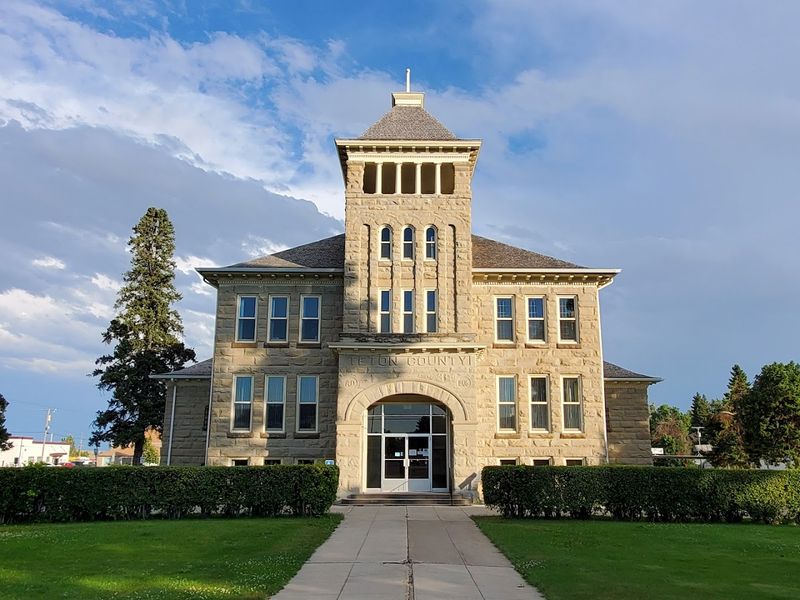
Standing in Choteau and looking west, you get one of the most dramatic landscape views in all of Montana. The flat, golden plains stretch out in front of you and then, almost without warning, the Rocky Mountain Front rises up like a wall of jagged white peaks.
It is the kind of view that makes you stop mid-sentence.
Choteau is a small town with a big story, and much of that story involves dinosaurs. The area sits along Montana’s Dinosaur Trail, and the Old Trail Museum in town does a fantastic job of bringing that prehistoric history to life alongside exhibits on the Old West.
Paleontologist Jack Horner, who inspired the lead scientist character in Jurassic Park, conducted significant dinosaur research near Choteau. That connection alone makes the area feel pretty special for science enthusiasts and curious travelers alike.
Freezout Lake, just a short drive from town, is a remarkable wildlife area famous for its massive concentrations of migrating snow geese and tundra swans every spring and fall. Birdwatchers travel from far away to witness those seasonal gatherings.
The nearby Rocky Mountain Front also provides access to Lewis and Clark National Forest, where hiking and wildlife watching opportunities are plentiful throughout the warmer months.
Pack your binoculars and your curiosity, because Choteau rewards both.
5. Stevensville
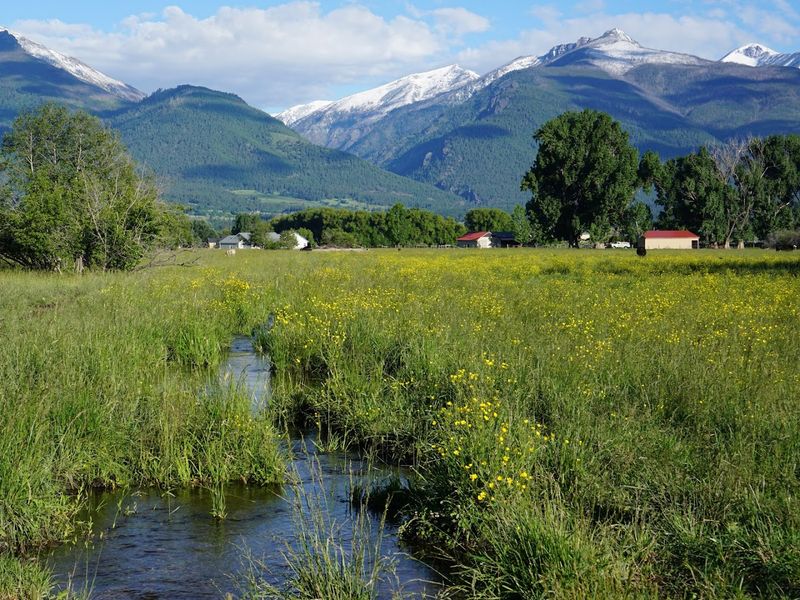
Every state has a starting point, and for Montana, that starting point is Stevensville. Founded in 1841, it holds the distinction of being Montana’s first permanent pioneer settlement, which means walking its streets puts you in the footsteps of history in a very literal way.
St. Mary’s Mission, right in town, is the landmark that started it all. Built by Jesuit missionaries, this beautifully preserved site is listed on the National Register of Historic Places and offers guided tours that bring the early history of the region to life in a genuinely moving way.
The historic Main Street is lined with charming independent shops and antique centers that are perfect for slow, unhurried browsing. Finding an unexpected treasure in one of those antique stores is a very real possibility, and half the fun is not knowing what you will come across.
Stevensville sits in the Bitterroot Valley, one of the most scenic valleys in all of Montana. The Bitterroot Mountains rise to the west and create a stunning backdrop for hiking, wildlife watching, and photography at any time of year.
Lee Metcalf National Wildlife Refuge is just minutes from town and offers peaceful trails through wetlands and forests where deer, osprey, and bald eagles are regularly spotted.
History, scenery, and small-town warmth are all here waiting for you.
6. Lewistown
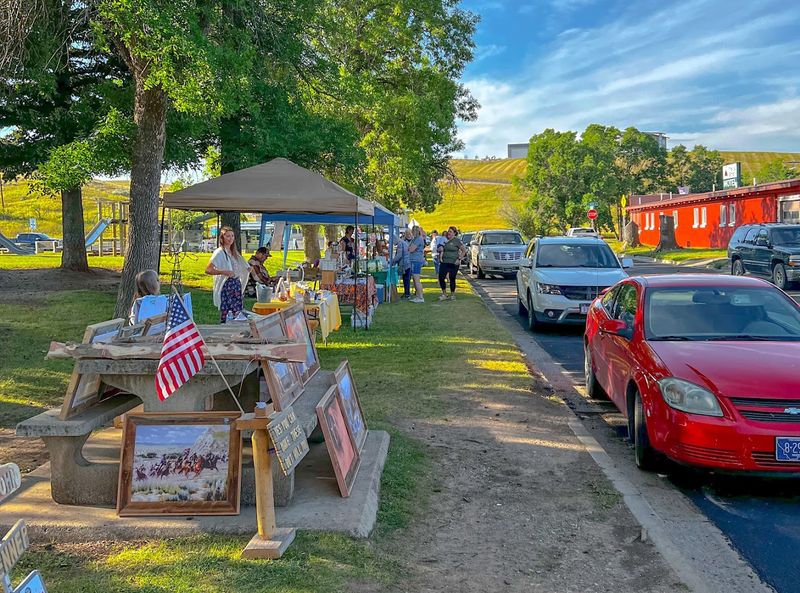
Right in the middle of Montana, both literally and figuratively, sits Lewistown. It is the geographic center of the state, a fact locals are quietly proud of, and it carries that central Montana character with a lot of charm.
The Big Snowy Mountains frame the town to the south, giving even the most ordinary afternoon errand a scenic backdrop that city dwellers would trade a lot for. Lewistown was founded as a trading post in the late 1800s, and that frontier spirit still lingers in its wide streets and friendly community feel.
Blue Spring Creek runs near town and is a favorite spot for trout fishing, offering a peaceful and productive outdoor experience that does not require a long drive or complicated planning. Just show up and enjoy it.
The Lewistown Art Center showcases local and regional artists and is worth a visit even if you are not usually an art gallery kind of person. The Central Montana Museum adds historical depth, covering everything from Native American heritage to homesteading days.
Downtown Lewistown has a relaxed, unhurried pace that feels increasingly rare. The streets are walkable, the people are genuinely welcoming, and the coffee shops and local restaurants give you every reason to linger longer than planned.
Sometimes the heart of something is exactly where you need to be. +
7. Augusta
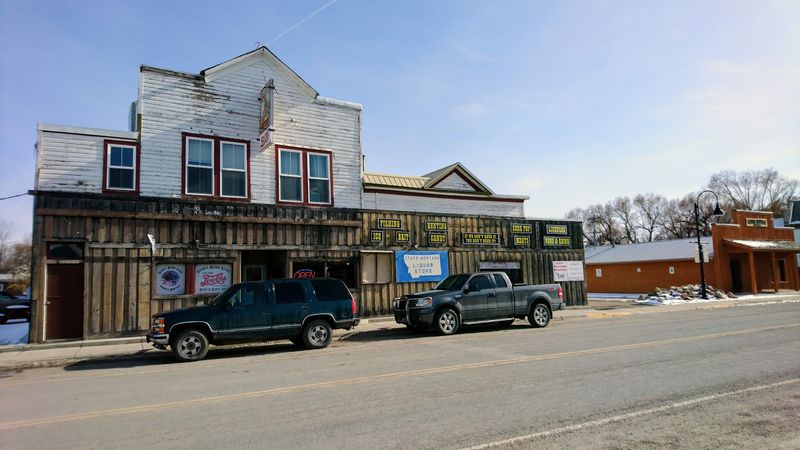
Some towns greet you with a sign and a stoplight. Augusta greets you with a horizon so wide and a sky so enormous that you instinctively slow down just to take it all in.
This tiny town on the eastern edge of the Rocky Mountain Front has a population of just a few hundred people, but it punches well above its weight when it comes to scenery and outdoor adventure.
Augusta is the gateway to the Bob Marshall Wilderness, one of the largest and most remote wilderness areas in the lower 48 states. Hikers, horseback riders, and backcountry enthusiasts come here specifically because the Bob, as locals call it, offers a true wild experience that is increasingly hard to find.
Every year, Augusta hosts one of Montana’s most beloved rodeos, the Augusta American Legion Rodeo, drawing cowboys and spectators from across the region for a genuine celebration of Western culture that has been running for decades.
The Sun River Game Preserve nearby is home to elk, bighorn sheep, mountain goats, and mule deer, making wildlife watching here remarkably productive even for casual observers.
The pace of life in Augusta is slow in the very best sense. There are no crowds, no lines, and no noise beyond the wind and the occasional meadowlark.
8. Darby
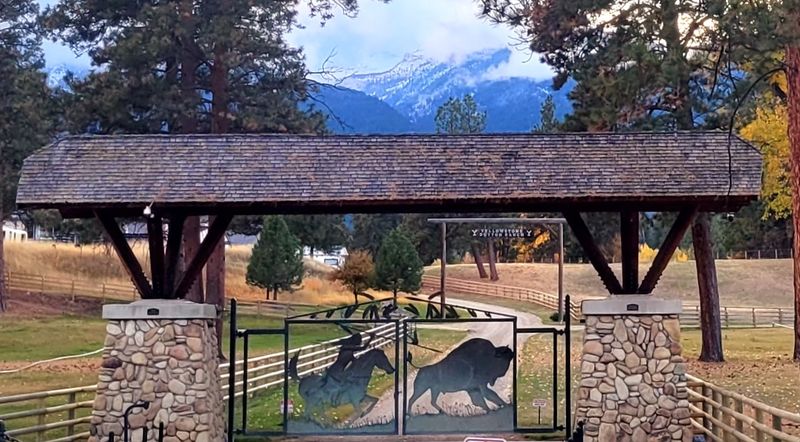
At the southern end of the Bitterroot Valley, where the valley narrows and the mountains crowd in close on both sides, you will find Darby. It is the kind of town that outdoor lovers discover once and then keep coming back to, sometimes without being entirely sure why until they are standing in the middle of it again.
Darby sits at the edge of the Selway-Bitterroot Wilderness, one of the largest wilderness areas in the United States. That proximity means hiking, fishing, and wildlife watching are not weekend activities here.
They are simply part of daily life.
The West Fork of the Bitterroot River runs through the area and is a favorite among fly fishers who prefer their rivers cold, clear, and not crowded. Float trips and streamside walks are equally popular and equally rewarding.
Darby itself has a small but spirited downtown with local shops and a historical museum that tells the story of the logging and ranching heritage that shaped this corner of Montana. The Darby Pioneer Memorial Museum is a genuinely interesting stop that does not overstay its welcome.
Fall is a particularly magical time to visit, when the larches turn golden and the whole valley glows in a way that feels almost unreal to anyone seeing it for the first time.
9. Emigrant
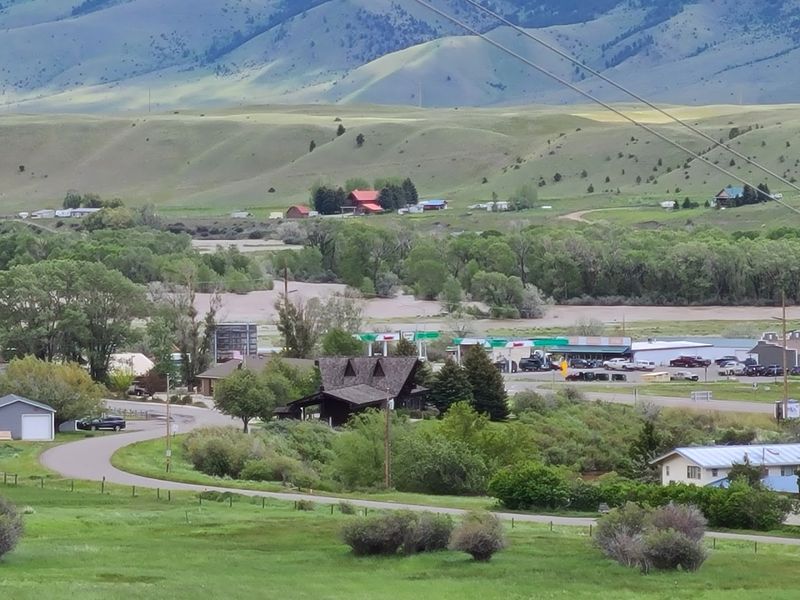
Just north of Yellowstone National Park, along a stretch of the Yellowstone River that seems almost too beautiful to be real, sits the tiny community of Emigrant. Blink and you might miss it, but stopping here might turn out to be one of the better decisions of your trip.
Emigrant Peak, the dramatic mountain that towers over the valley, is visible from practically everywhere in the area and gives this community one of the most recognizable natural backdrops in all of Paradise Valley. Photographers, painters, and anyone who appreciates a good view will find plenty to work with here.
The Yellowstone River near Emigrant is excellent for fly fishing and rafting, and the surrounding Absaroka-Beartooth Wilderness offers serious hiking for those who want to earn their views. Chico Hot Springs Resort, just minutes away, has been welcoming visitors since 1900 and offers a relaxing soak after a day on the trail.
Wildlife sightings in this valley are common and often spectacular. Elk, pronghorn, eagles, and even the occasional grizzly bear have been spotted in the area, making every drive feel like a slow-motion nature documentary.
Emigrant also serves as an excellent base for day trips into Yellowstone, which is less than an hour to the south. That combination of wilderness access and park proximity is genuinely hard to beat.
10. Deer Lodge
History has a funny way of showing up in the most unexpected places, and in Deer Lodge, it shows up everywhere you look. This small city in Powell County sits in the Deer Lodge Valley and carries more preserved history per square mile than most places twice its size.
The Grant-Kohrs Ranch National Historic Site is the crown of the town’s heritage. This working 19th-century cattle ranch, now managed by the National Park Service, gives visitors a rare and hands-on look at what life on a frontier ranch actually looked like.
The main ranch house, bunkhouses, and barns are all original and remarkably intact.
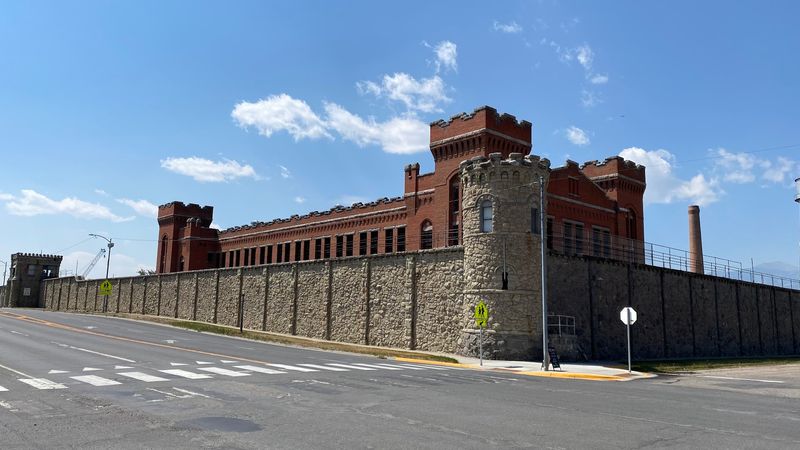
The Old Montana Prison Museum is another standout attraction that draws curious visitors from across the state. The prison operated from 1871 to 1979, and today its historic buildings house several museums covering everything from frontier justice to antique cars, all within the original stone walls.
Powell County Museum adds another layer of local storytelling, covering the region’s mining history and early settlement with well-curated exhibits that feel personal rather than dry.
Deer Lodge is also surrounded by natural beauty, with the Flint Creek Range and the Anaconda-Pintler Wilderness nearby for hiking and outdoor exploration during the warmer months.
Sometimes a town holds onto its past in the most generous way, letting every visitor share in it.