There is a version of Idaho that most people drive past without stopping. It sits in the central mountains, where the peaks turn jagged and the noise of everything familiar just drops away.
Nothing here is curated for efficiency or branded for the casual passerby. The valley runs on its own schedule, and the locals who know it have been quietly returning for years without making too much noise about the fact.
The appeal does not need explaining once you have arrived. The air is clean, the ridgelines are dramatic, the skies at night are genuinely shocking, and the water runs so clear it seems impossible.
Idaho rewards the traveler willing to push past the obvious, and this valley is the evidence.
The Valley That Time Forgot To Commercialize
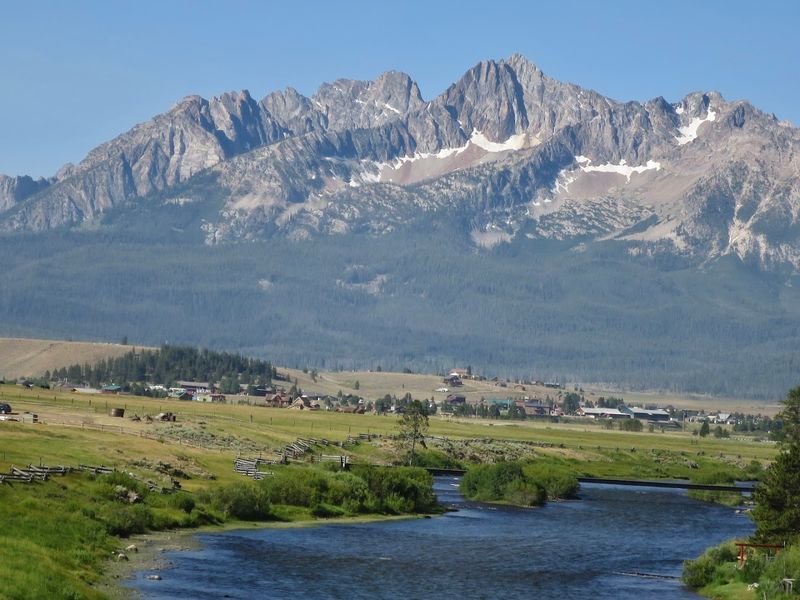
Forget polished visitor centers and souvenir shops on every corner. The Sawtooth Valley operates on a completely different frequency from most American destinations.
The landscape does the talking here. Jagged peaks punch into the sky above wide meadows that stretch for miles.
Crystal-clear streams cut through the grass, and the silence is so complete it almost feels loud.
Stanley, Idaho sits at the center of this untouched world, serving as the quiet gateway to the Sawtooth National Recreation Area. The town has barely a hundred year-round residents, which means the vibe stays genuine and unhurried no matter the season.
Visitors often describe the experience as stepping into a postcard that nobody thought to sell. The valley spans a remarkable amount of protected wilderness, giving every visitor the rare feeling of having found something real.
That feeling is exactly why locals have been returning here for years without telling too many people about it.
The Sawtooth Mountains Up Close
Sharp. Dramatic.
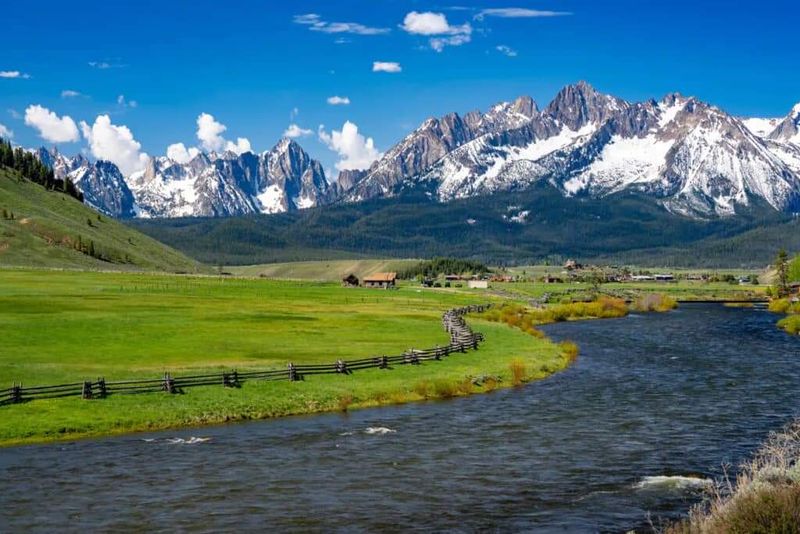
Completely unforgettable. The Sawtooth Mountains rise above the valley floor with a presence that stops people mid-sentence.
These peaks are considered Idaho’s best-kept secret among serious hikers and outdoor lovers. Despite their grandeur, they rarely appear on mainstream travel bucket lists, which keeps trail traffic refreshingly manageable.
The range is part of the larger Sawtooth National Recreation Area, a protected zone covering over 756,000 acres of pristine Idaho wilderness. Over 700 miles of trails wind through this terrain, offering routes for every fitness level.
Wildflowers carpet the lower slopes in summer. Higher up, the rock gets raw and rugged, rewarding those who push further with views that stretch across multiple mountain ranges.
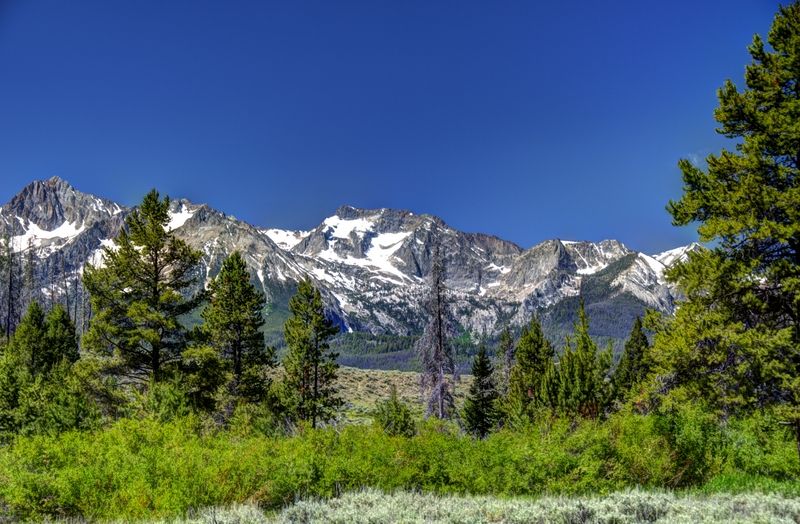
Snow lingers on the upper ridges well into summer, adding a striking contrast against the deep green of the pine forests below. Serious hikers call this range a lifetime destination, and the trails back that claim up completely.
More Than 300 Alpine Lakes Waiting To Be Found
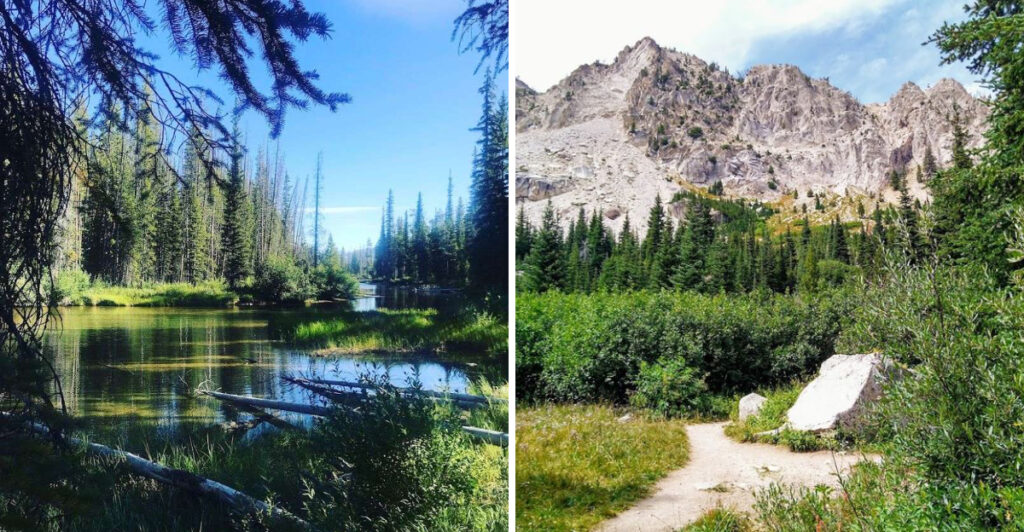
The numbers here are almost hard to believe. Over 300 alpine lakes dot the Sawtooth wilderness, each one colder, clearer, and more beautiful than the last.
Some lakes sit close to trailheads and welcome casual visitors. Others require a full day of hiking before revealing themselves, making the reward feel genuinely earned.
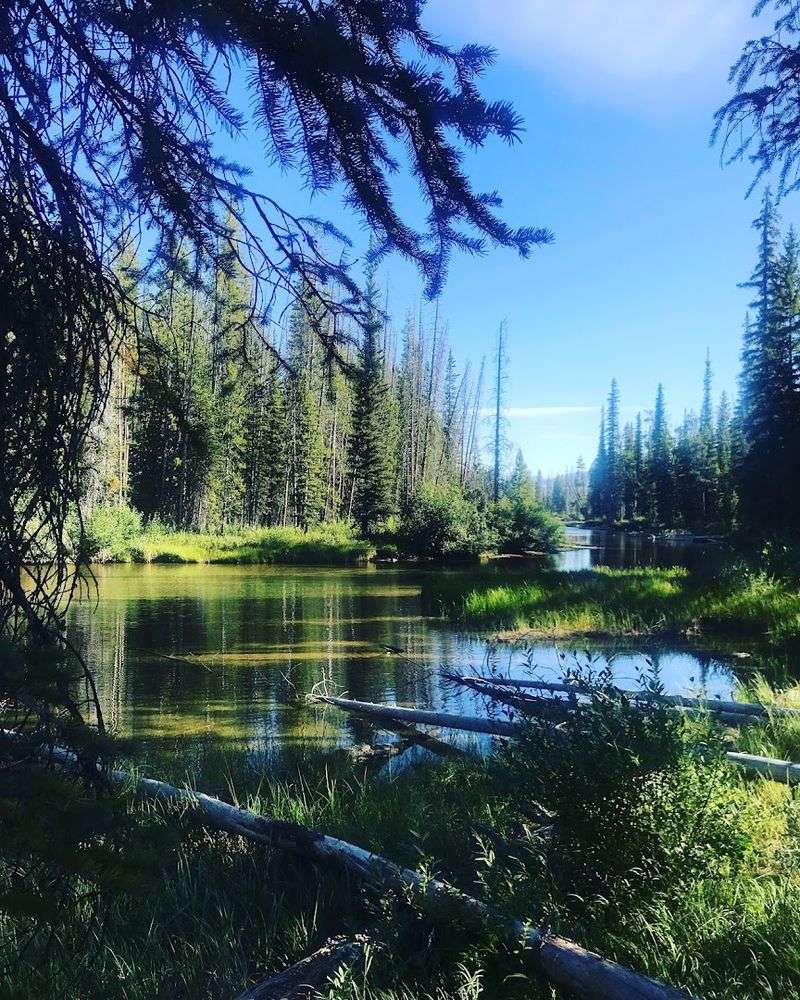
These water bodies range from small, mirror-like pools tucked between boulders to sprawling lakes that reflect the full Sawtooth ridgeline. The color of the water shifts throughout the day, moving from deep blue at midday to a glowing copper at sunset.
Fishing is a major draw at many of these lakes. The waters hold trout, and the experience of casting a line in complete mountain silence is something that sticks with people long after they leave Idaho.
Kayaking and paddleboarding have also grown popular on the larger lakes, turning a hike-in destination into a full outdoor adventure. Every lake feels like a private discovery.
Stanley’s Irresistible Small-Town Energy
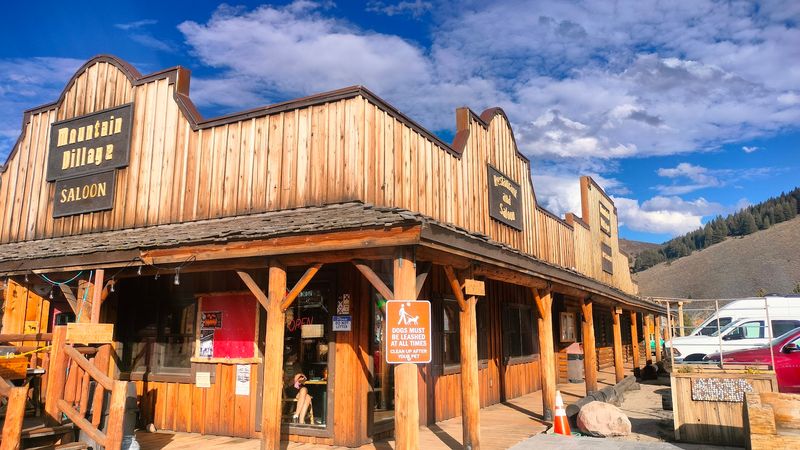
Tiny towns either feel forgotten or feel alive. Stanley, Idaho falls firmly into the second category, and visitors notice the difference the moment they arrive.
The town sits at an elevation that keeps the air crisp even in midsummer. Wooden storefronts line the main road, and the pace of interaction between locals feels warm and genuinely unhurried.
Local eateries serve hearty food that matches the rugged surroundings. Conversations at the counter tend to drift toward trail conditions, fish counts, and upcoming weather.
Nobody is in a hurry to wrap things up.
The community of barely a hundred permanent residents has shaped a culture built on self-reliance and quiet pride. Locals know every trail, every hot spring, and every shortcut through the valley.
That knowledge gets shared freely with visitors who show genuine curiosity and respect for the land.
Stanley does not try to impress. It simply exists on its own terms, and that honesty is exactly what makes it magnetic.
Natural Hot Springs Hidden In The Hills
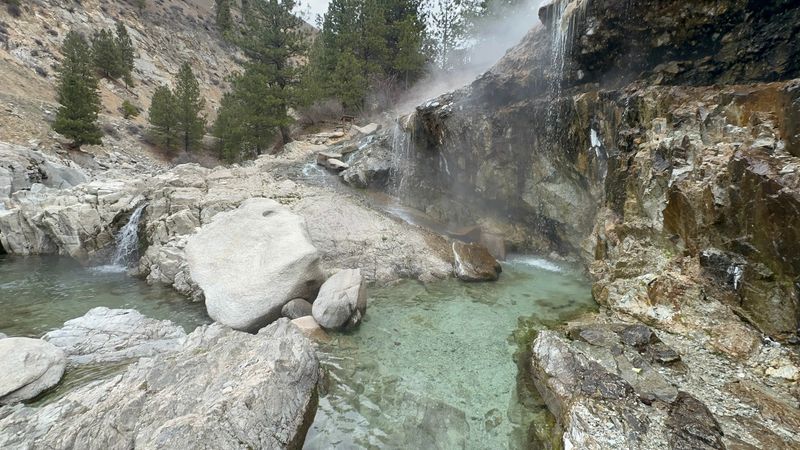
Hot springs and mountain wilderness make a combination that is hard to top. Around Stanley, natural hot springs are scattered across the landscape like quiet rewards for those willing to seek them out.
The springs range from developed pools with easy access to completely wild soaking spots that require a hike through dense forest. Water temperatures vary by location, but most offer a warmth that soothes tired muscles after a long day on the trail.
Soaking in a natural hot spring with a full view of Idaho’s snow-dusted peaks overhead is the kind of experience that resets the mind entirely. The combination of hot water, cold air, and total silence creates something that no spa can replicate.
Visiting during shoulder season, after the summer crowds thin out, makes these spots feel even more personal. The steam rises against the cool autumn air, and the surrounding colors shift to gold and amber.
It is one of the valley’s most sensory and memorable offerings.
Stargazing In The Central Idaho Dark Sky Reserve
Clear skies over the Sawtooth Valley do not just look good during the day. At night, the darkness here becomes one of the most spectacular things a visitor can witness.
The region is part of the Central Idaho Dark Sky Reserve, one of the largest protected dark sky areas in the United States. Light pollution is virtually nonexistent, and on a clear night, the Milky Way stretches across the sky in full, vivid detail.
Star trails, meteor showers, and satellite passes all become visible to the naked eye. No telescope required for a show that leaves most visitors speechless.
The best viewing conditions come in late summer and early fall, when nights grow longer and the air stays dry and stable. Finding a flat meadow away from any road is all the preparation needed.
This is the kind of sky that reminds people how vast the universe actually is. Idaho’s remote geography makes it one of the finest places in the country to experience it firsthand.
The Scenic Byways That Lead You In
Getting to Stanley is half the adventure. Two scenic routes bring travelers into the valley, and both deliver scenery that makes the drive feel intentional rather than just functional.
The Ponderosa Pine Scenic Byway, running along ID-21 from Boise, cuts through thick stands of ponderosa pine before opening into the broader mountain landscape. The road climbs steadily, offering overlooks that reward patience at every turn.
The Sawtooth Scenic Byway along ID-75 approaches from the south, following the Salmon River upstream through dramatic canyon sections before the valley finally opens wide. Both routes feel like deliberate introductions to what lies ahead.
Driving either road in autumn, when the aspens turn gold along the slopes, adds a layer of color that transforms the journey into something almost theatrical.
Road conditions can vary by season, so checking current status before departure is always a smart move. The destination is worth every mile, but the road itself gives travelers plenty of reasons to slow down and pay attention.
Hiking Trails For Every Kind Of Adventurer
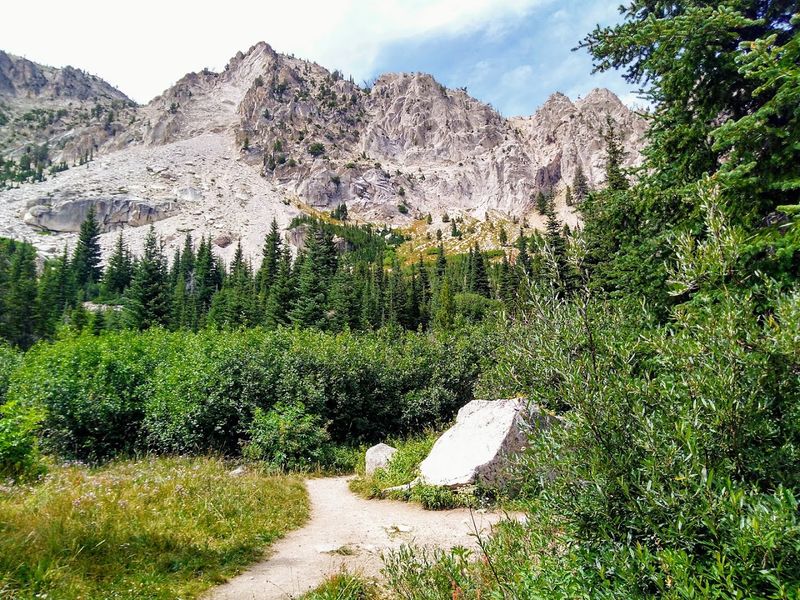
Over 700 miles of trails spread across the Sawtooth National Recreation Area. That number covers everything from flat riverside walks to multi-day backcountry routes that push deep into the wilderness.
Casual walkers can follow gentle paths along the valley floor, moving through meadows and beside streams without any serious elevation gain. The scenery rewards even the lightest effort.
More ambitious hikers find routes that climb into the high country, crossing ridgelines and passing through boulder fields before reaching panoramic summits. These trails demand preparation, solid footwear, and a good map.
Backpackers treat the Sawtooth backcountry as a destination in its own right. Multi-night routes connect lake basins, cross mountain passes, and drop into remote drainages that see very little foot traffic outside of peak summer weeks.
Trail conditions shift with the seasons. Snow can persist on higher routes well into June, and afternoon thunderstorms are common in summer.
Starting early and checking current conditions before heading out keeps the experience safe and enjoyable for everyone.
Fishing Where The Rivers Run Clear
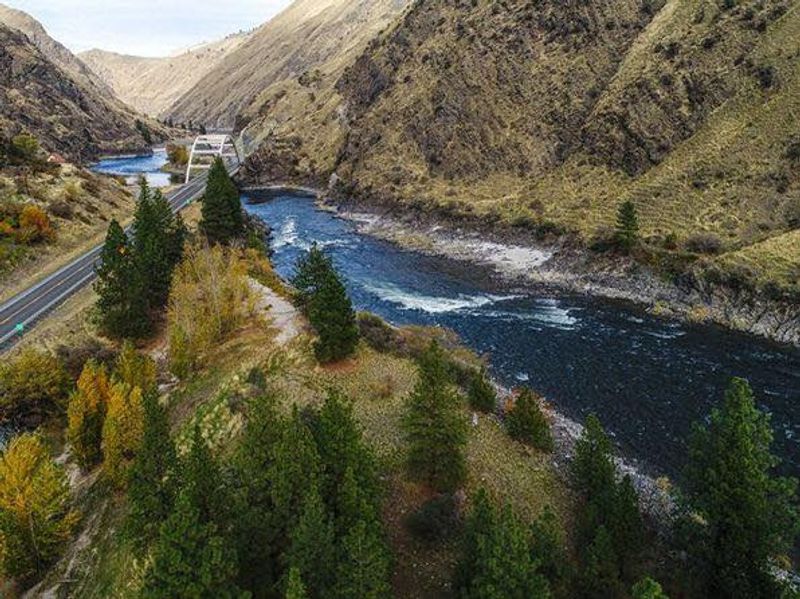
Rivers do not get much cleaner than the ones flowing through the Sawtooth Valley. Cold, fast-moving water pours down from the mountains and collects in streams that have been drawing anglers for generations.
The Salmon River originates near Stanley, making this one of the most storied fishing locations in all of Idaho. Trout are the primary target, and the populations stay healthy thanks to the protected status of surrounding lands.
Fly fishing is the dominant method here, and the sight of a well-executed cast on a clear mountain river is something that even non-anglers can appreciate. The rhythm of it matches the unhurried pace of the valley perfectly.
Fishing licenses are required, and regulations vary by water body and season, so checking current rules before heading out is essential. Early morning and late evening offer the best conditions, when light is low and fish activity peaks.
Standing knee-deep in a Sawtooth stream with nothing but forest and mountains in every direction is a version of peace that is very hard to manufacture anywhere else.
The Best Time To Visit For Real Solitude
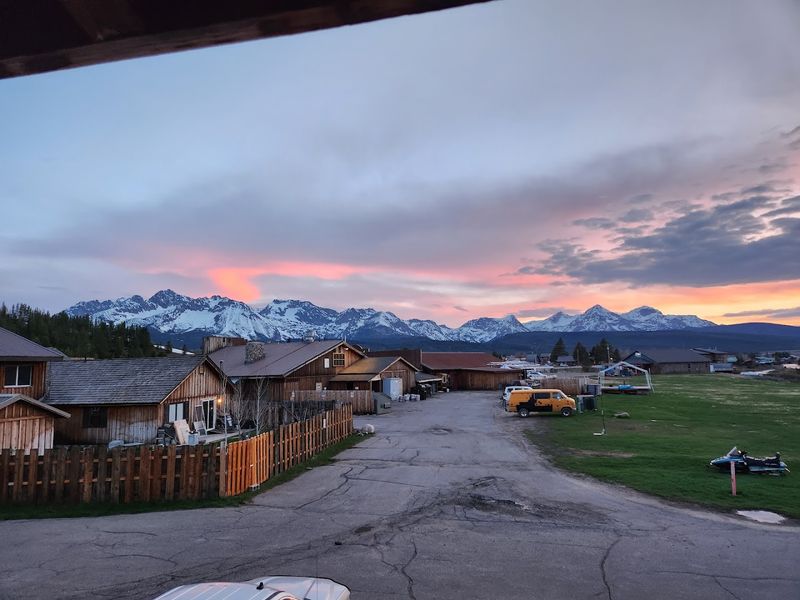
Timing a visit to the Sawtooth Valley changes everything about the experience. Summer brings the most visitors, and while the valley never gets truly overrun, popular trailheads and campgrounds can fill up during peak weeks.
Shoulder season, specifically the weeks after Labor Day, transforms the valley into something quieter and more personal. Temperatures drop, the aspens shift to gold, and the trails empty out considerably.
This post-summer window is when locals reclaim their favorite spots. Campfire smoke drifts through crisp air, and mornings arrive with a frost that makes the afternoon sunshine feel earned.
Spring visits offer a different kind of reward. Snowmelt fills the streams, wildflowers push through the soil early, and wildlife becomes more active and visible across the valley floor.
Winter in this part of Idaho is serious and cold, with heavy snowfall closing many roads and trails. Those prepared for winter camping or snowshoeing find a completely transformed landscape, silent and white, that feels entirely removed from the rest of the world.
Wildlife That Roams Without Apology
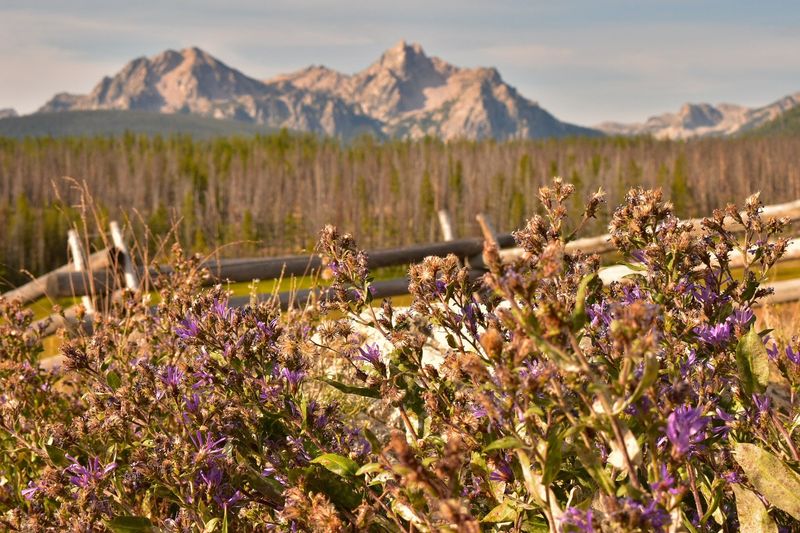
The Sawtooth Valley does not keep its wildlife hidden. Animals here move through the landscape with a confidence that comes from living in genuinely protected territory.
Elk are a common sight, especially in the early morning hours when they gather in open meadows before the day warms up. Mule deer appear regularly along roadsides and trail edges, often pausing long enough to be properly observed.
Pronghorn antelope move across the valley floor in small groups, covering ground with a speed that surprises first-time observers. Raptors circle overhead throughout the day, riding thermals above the ridge tops.
Black bears inhabit the surrounding forest, and while sightings are not guaranteed, the possibility keeps hikers alert and respectful. Proper food storage is standard practice in the backcountry here.
Birdwatchers find the valley particularly rewarding during migration seasons. Species variety spikes in spring and fall as birds move through the region.
The ecosystem here in Idaho supports a richness of life that reflects decades of thoughtful land protection and minimal human disruption.