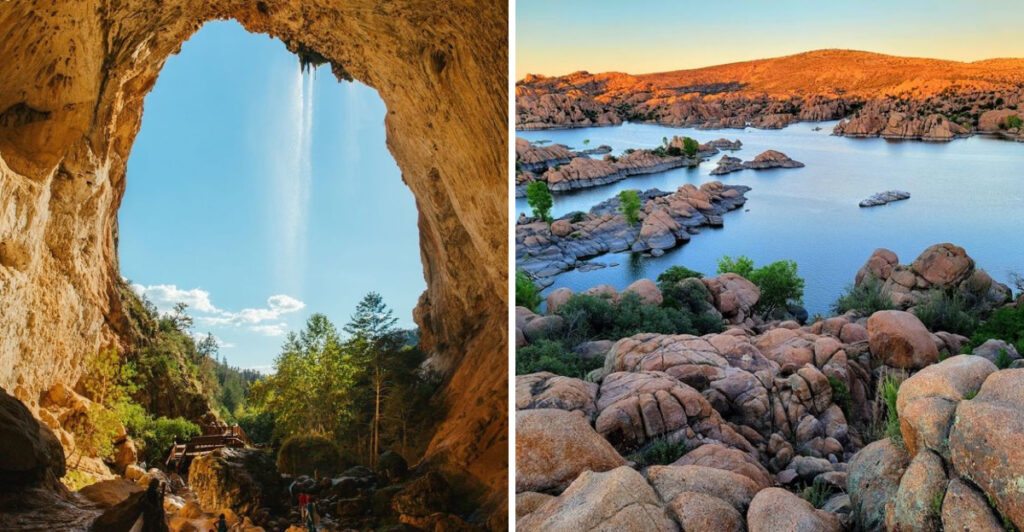
Most people who drive through Arizona check off the same three or four names.
The state has always kept its most extraordinary work hidden just far enough off the main highway to reward only the travelers willing to take a turn without a guarantee of what is on the other side. This road trip is built around exactly that instinct.
Ten stops spread across Arizona’s mountains, deserts, and canyon country, each one the kind of discovery that quietly reshapes how a traveler thinks about the state.
The famous landmarks are not going anywhere. This state saves its most jaw-dropping moments for the people willing to go looking past them, and this route finds ten of the best.
1. Montezuma Castle National Monument, Camp Verde
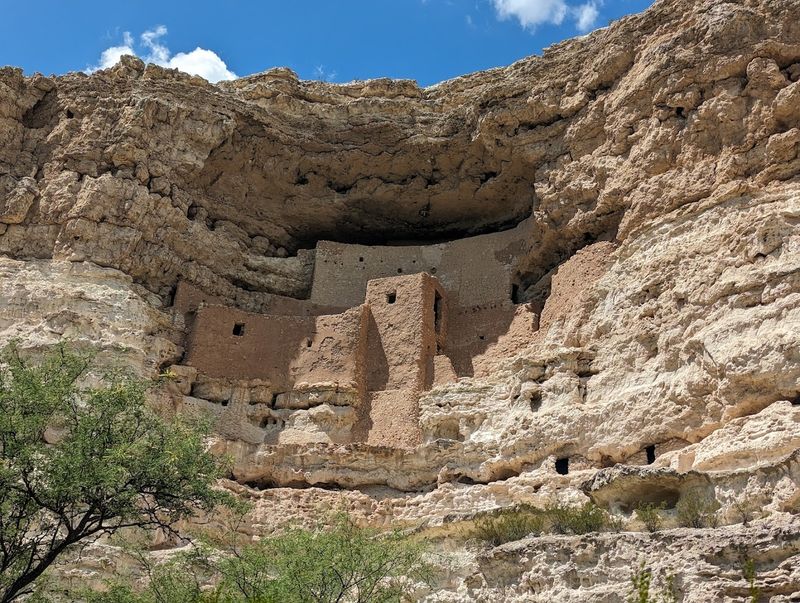
How does a five-story apartment complex built into a cliff 900 years ago sound for a road trip stop? Montezuma Castle National Monument near Camp Verde, Arizona, is one of the best-preserved cliff dwellings in North America, and it genuinely stops you in your tracks.
The Sinagua people constructed this remarkable structure high into the limestone cliff, using it as both shelter and protection. The trail leading to the viewing area is short, flat, and easy enough for kids and grandparents alike.
You get a clear, close-up view without needing to climb anything steep.
Go in the morning to avoid crowds and catch the soft light hitting the cliff face. The surrounding sycamore trees and Beaver Creek add a peaceful, almost dreamlike quality to the whole scene.
This spot rewards slow walkers and curious minds equally. Come ready to ask questions, because the history here runs incredibly deep.
2. Walnut Canyon National Monument, Flagstaff
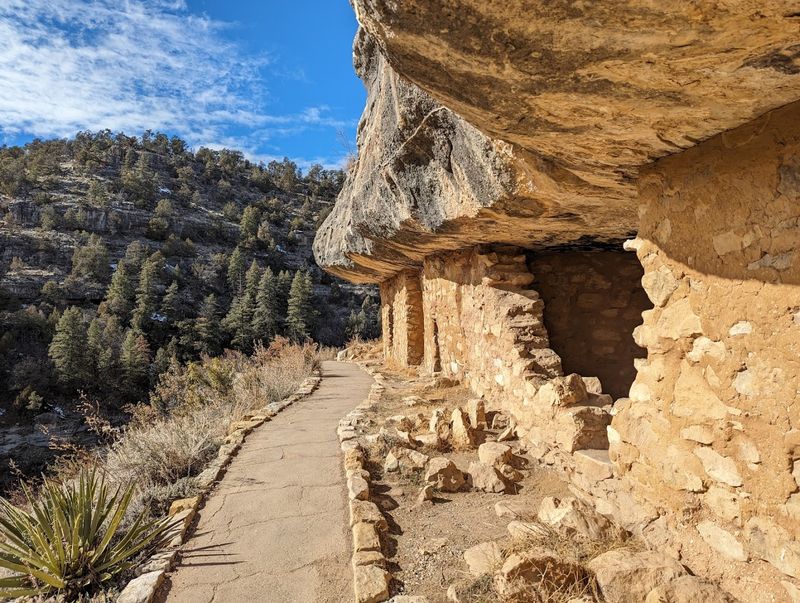
Forget everything you think you know about hiking near Flagstaff. Walnut Canyon National Monument sits just east of the city, and it holds something truly wild: dozens of cliff dwellings tucked beneath rocky overhangs, built by the Sinagua people back in the 1100s.
The Island Trail takes you down into the canyon on a staircase path, looping past around 25 individual cliff rooms. You walk right alongside them.
The Rim Trail offers a gentler option with sweeping views across the canyon if stairs are not your thing.
The canyon itself is lush and layered, with wildflowers, juniper, and Douglas fir creating a surprisingly green backdrop. It feels nothing like the dry desert you might expect just outside.
The contrast is genuinely striking and makes every photo look effortless.
Walnut Canyon tends to get less foot traffic than other Arizona monuments, so your experience here stays calm and personal. That quiet makes the whole visit feel more meaningful.
3. Tonto Natural Bridge State Park, Payson
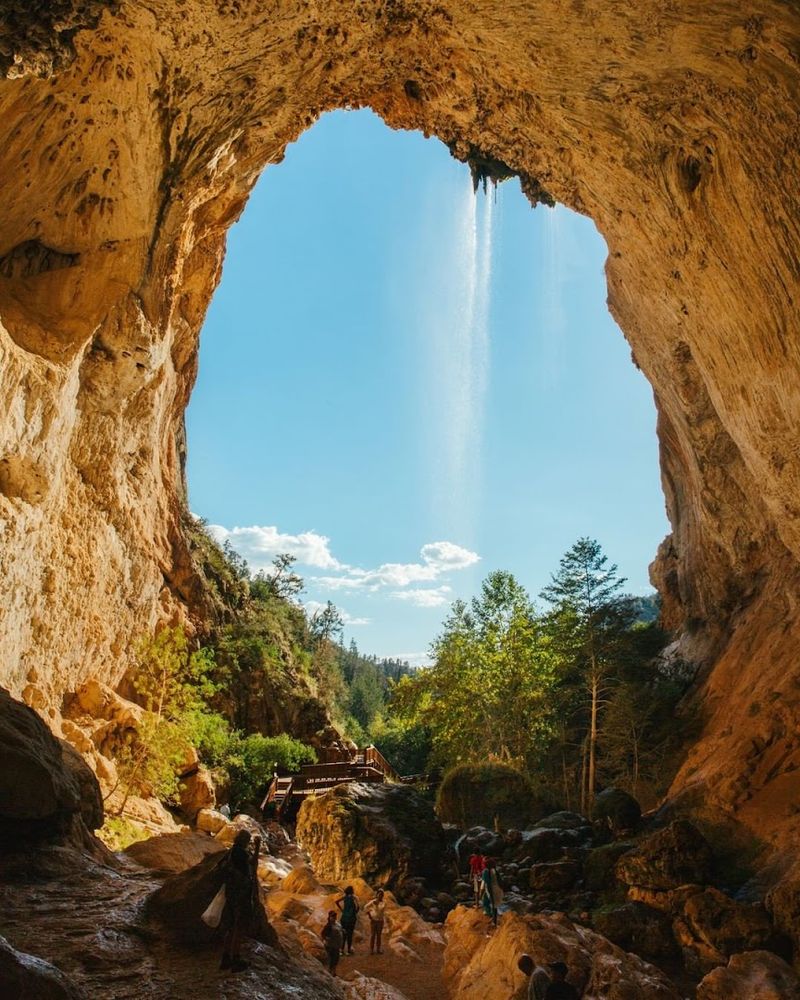
What if the world’s largest natural travertine bridge was hiding in a small canyon in central Arizona? That is exactly what Tonto Natural Bridge State Park near Payson delivers, and it is one of the most jaw-dropping surprises on any Arizona road trip.
The bridge stretches roughly 183 feet high and spans a 400-foot tunnel carved by water over thousands of years. Three hiking trails wind down into the canyon, each offering a different angle on this geological showstopper.
The trail conditions can be steep and slippery, so wear good shoes.
At the base, a natural pool sits beneath the arch, fed by a cool spring. On warm days, the mist from the water feels like a reward for making the climb down.
The surrounding canyon walls are draped in moss and ferns, giving the whole area a lush, almost tropical feel.
This park stays relatively quiet compared to bigger Arizona destinations. That makes every moment here feel like a personal discovery worth holding onto.
4. Jerome State Historic Park, Jerome
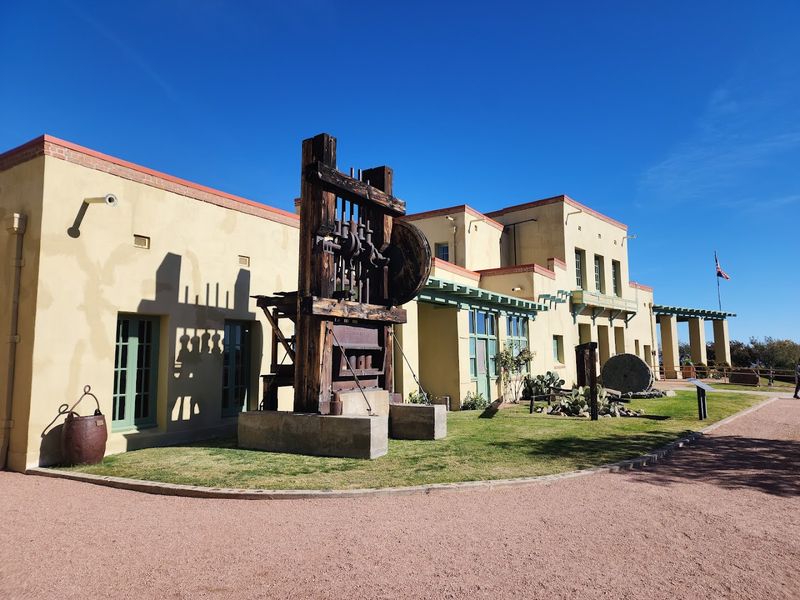
Clinging to the side of Cleopatra Hill at over 5,000 feet, Jerome is the kind of town that makes you slow down and stare. Jerome State Historic Park sits right in the heart of this former copper boomtown, housed inside the old Douglas Mansion, which once belonged to one of the wealthiest mining families in Arizona.
The park tells the story of Jerome’s wild rise and dramatic bust through mining artifacts, photographs, and interactive exhibits. You get a real sense of what life looked like when thousands of miners packed these steep streets.
The Verde Valley views from the mansion are absolutely worth the drive alone.
Jerome itself is quirky and full of character, with local artists and small shops filling the historic buildings. It pairs perfectly with the state park visit for a full afternoon of exploration.
The town earned a reputation as one of Arizona’s most atmospheric stops.
History, views, and a town that refused to disappear make this one of the most memorable stretches of any road trip through central Arizona.
5. Watson Lake Park, Prescott
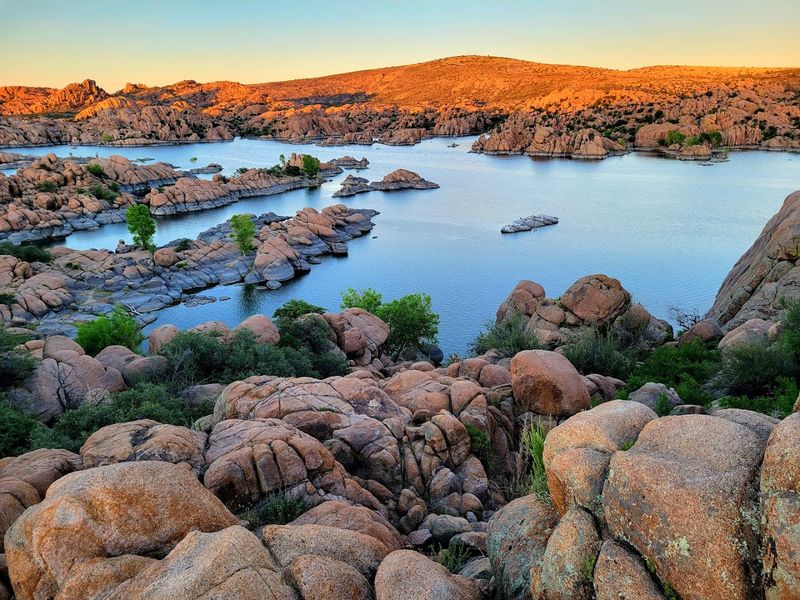
Boulders the size of houses rising straight out of a glassy lake sounds like something from a sci-fi film set. Watson Lake Park in Prescott, Arizona, is that scene made real, and it is one of the most photogenic spots in the entire state.
The Granite Dells formation surrounds the lake with rounded, rust-colored boulders that create a maze of coves, channels, and reflections. Kayaking and paddleboarding are popular ways to weave through the rocks at water level.
The views from a kayak looking back at the Dells are genuinely hard to describe.
Hiking trails loop around the lake and climb up into the boulders, giving you elevated perspectives over the water. Sunrise and sunset paint the granite in deep orange and pink tones that make every shot look professionally edited.
Bring a camera and extra storage.
Prescott itself is a charming Arizona town worth exploring before or after your time at the lake. Watson Lake Park proves that the best surprises are often just a short drive off the main road.
6. Coal Mine Canyon, Tuba City
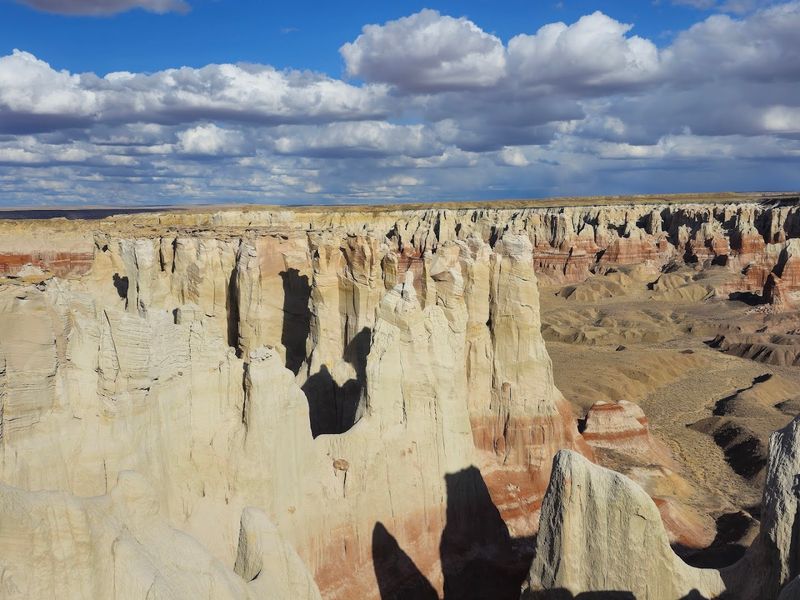
Most people driving through Tuba City have no idea what sits just a few miles off the highway. Coal Mine Canyon near Tuba City, Arizona, is one of the most surreal landscapes in the entire Southwest, and almost nobody talks about it.
The canyon drops suddenly into a maze of hoodoos, spires, and banded rock walls striped in red, white, and purple. The colors shift dramatically depending on the light, making early morning or late afternoon the ideal time to visit.
Midday sun washes out the contrast and flattens the visual drama.
Access requires crossing Navajo Nation land, so check current entry requirements and be respectful of the land and any posted guidelines. The canyon has no formal trails, so exploring the rim on foot is the safest approach for most visitors.
Stay well back from unstable edges.
Coal Mine Canyon rewards the curious traveler who is willing to venture beyond the obvious. It is the kind of place that makes you feel like you have genuinely discovered something the rest of the world overlooked.
7. Hualapai Mountain Park, Kingman
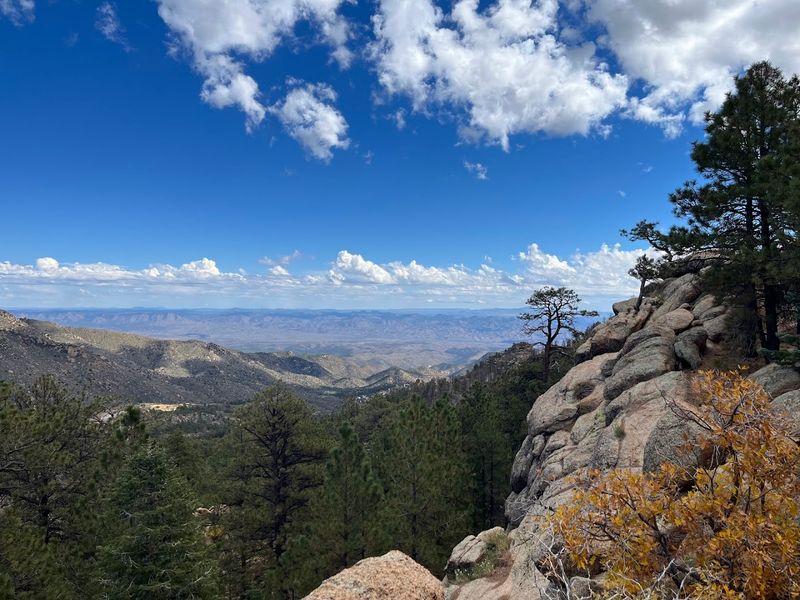
Rising sharply above the Mojave Desert floor, the Hualapai Mountains catch most drivers completely off guard. Hualapai Mountain Park near Kingman, Arizona, sits at elevations that bring cool pine forests and rocky peaks to a region most people associate with flat, scorched desert.
The park covers thousands of acres and offers trails ranging from easy nature walks to more challenging summit routes. You can spot mule deer, wild turkeys, and a wide variety of bird species throughout the forested terrain.
The biodiversity here feels genuinely unexpected given the desert surroundings just below.
Camping is available inside the park, and waking up among the pines with the desert stretching out far below is a hard experience to beat. The night skies at this elevation are spectacularly clear, making stargazing one of the top reasons to stay overnight.
Kingman itself is a classic Route 66 town, so pairing the mountain park with a cruise down the historic highway creates a road trip combination that feels both adventurous and nostalgic. The Hualapais are a true Arizona secret hiding in plain sight.
8. Petrified Forest National Park
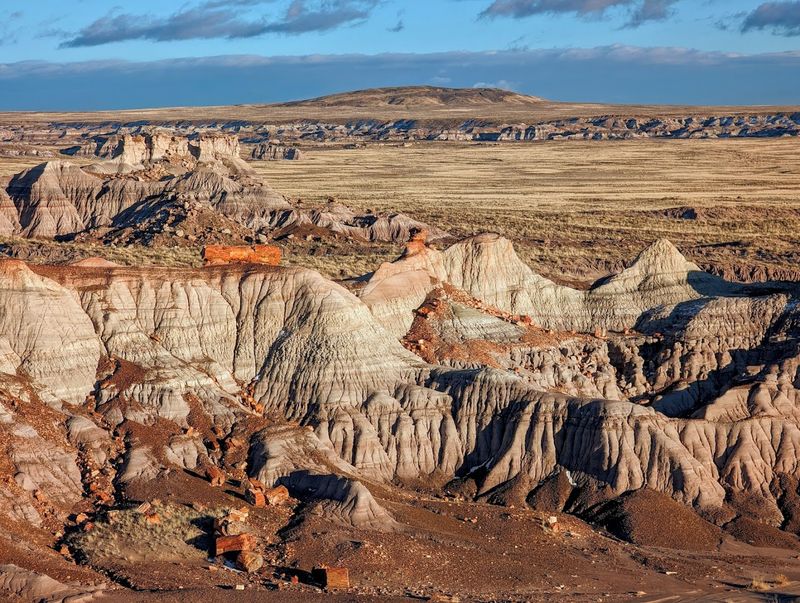
Imagine stumbling across trees turned entirely to crystal, scattered across a painted desert like a giant’s abandoned campfire. Petrified Forest National Park in northeastern Arizona is exactly that, and it manages to be both scientifically fascinating and visually stunning at the same time.
The park protects one of the world’s largest concentrations of petrified wood, formed over 225 million years when ancient trees were buried and slowly replaced by colorful minerals. The logs lie in pieces across the landscape, glittering with quartz, amethyst, and jasper.
No two look exactly alike.
The park also contains a section of the Painted Desert, where eroded badlands glow in shades of lavender, pink, and red depending on the time of day. A scenic drive connects the major viewpoints and trailheads, making it easy to cover a lot of ground without a strenuous hike.
Do not take any petrified wood as a souvenir, as it is strictly protected. Arrive with a full tank and plenty of water.
This park sits far from major services, and that remoteness is a big part of its charm.
9. Homolovi State Park, Winslow
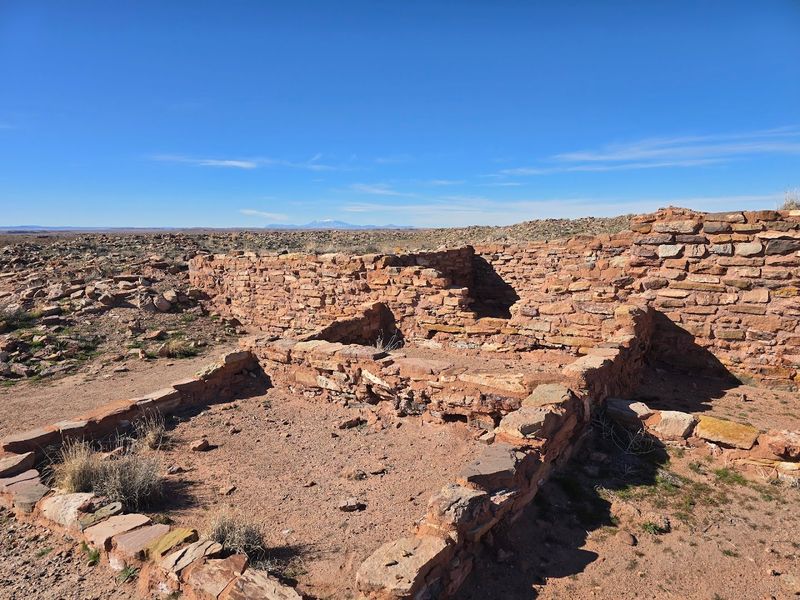
Just outside Winslow, Arizona, a series of ancient pueblo ruins sits quietly on a windswept plateau above the Little Colorado River. Homolovi State Park preserves these ancestral Hopi sites, which date back roughly 700 years and represent one of the most spiritually significant landscapes in the entire region.
The park contains several ruin sites connected by short trails, and interpretive signs explain the history and cultural importance of each location. The Hopi people still consider Homolovi a sacred ancestral homeland, which gives every visit a weight and significance that goes beyond typical sightseeing.
The landscape itself is wide open and dramatic, with big skies and long desert views stretching in every direction. Sunsets here are spectacular, painting the ruins and the surrounding terrain in deep amber tones.
Photographers and history enthusiasts both find a lot to work with.
Winslow is also famously mentioned in an Eagles song, so the area carries a certain cultural nostalgia alongside its deep Indigenous history. Homolovi offers a quieter, more reflective road trip experience that tends to stay with you long after you have driven on.
10. Sycamore Canyon Wilderness, Near Clarkdale
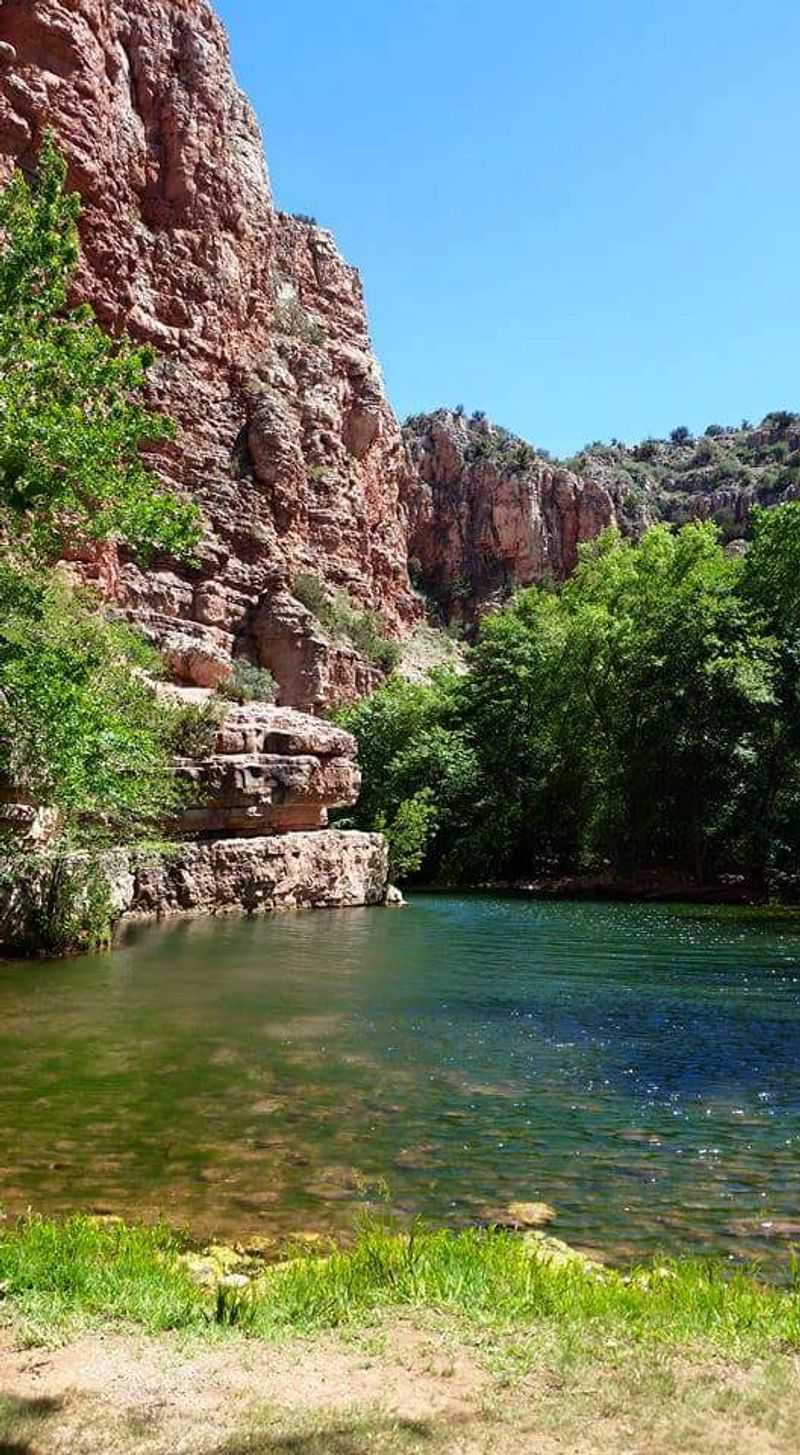
Called Arizona’s second Grand Canyon by those who know it well, Sycamore Canyon Wilderness near Clarkdale stretches for roughly 21 miles through some of the most untouched terrain in the state. The crowds that flock to the Grand Canyon have largely never heard of this place.
The canyon walls rise dramatically in shades of red, orange, and cream, carved by Sycamore Creek over millions of years. Cottonwood and sycamore trees line the canyon floor, creating a lush riparian corridor that shelters wildlife including black bears, mountain lions, and over 200 bird species.
Birdwatchers treat this as a premier destination.
Access points vary, and some routes require creek crossings that may be challenging depending on water levels. Plan your visit carefully and check trail conditions before heading in.
The wilderness designation means no motorized vehicles, so the quiet is absolute and restorative.
Sycamore Canyon rewards backpackers willing to spend multiple days exploring its full length. Even a short day hike from the Parsons Trailhead delivers stunning scenery and a genuine sense of wilderness that is increasingly hard to find in a popular state like Arizona.