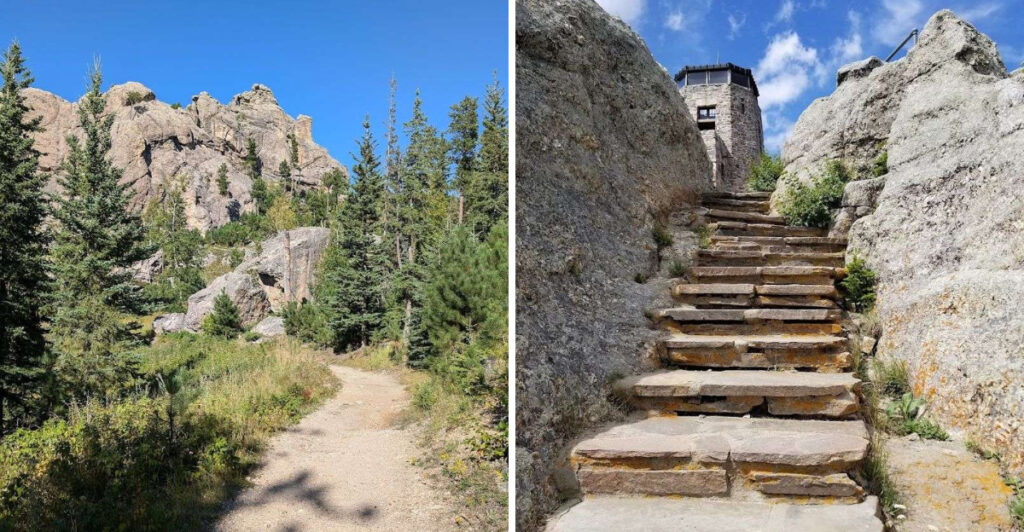
What if the hardest part of a hike was knowing you only get to do it for the first time once? Deep inside the Black Hills of South Dakota, a trail waits that builds from a pine-scented stroll into something that earns every breathtaking gasp at the summit.
You start flat. You start confident.
Then granite takes over, the tree line drops away, and stone steps carved right into the mountainside tell you the vista up ahead is about to change you a little.
At the top sits a fire tower built nearly a century ago, and the view from it stretches clear across four states. South Dakota truly does not do ordinary, and this hike is living, unforgettable proof.
The Trailhead at Sylvan Lake
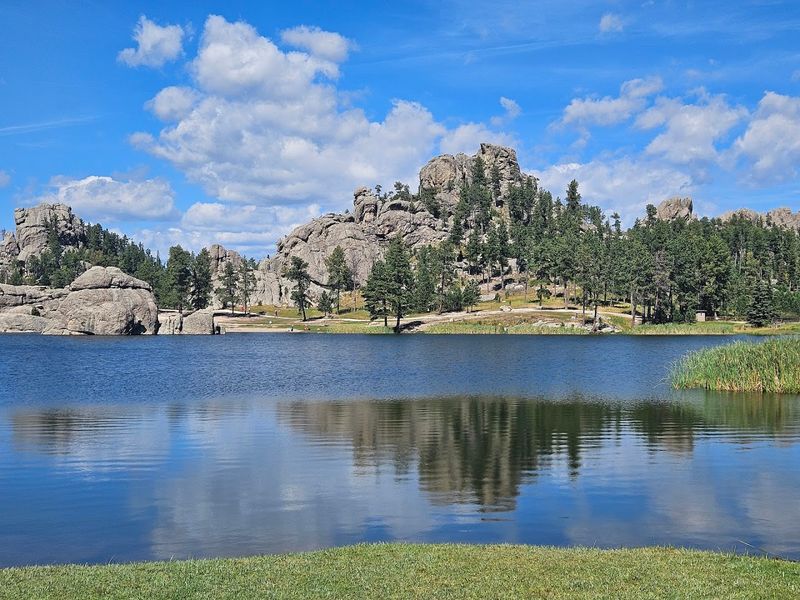
Few hikes begin with a view this good before the first step is even taken. Sylvan Lake, the sparkling starting point for the Black Elk Peak Trail in Custer State Park, South Dakota, greets hikers with clear water framed by massive granite boulders and tall ponderosa pines.
The trailhead sits just off the lake loop, and Trail 9 South is the most popular route heading toward the summit. The path starts wide and relatively flat, which gives hikers a chance to settle into a comfortable pace before the real climbing begins.
Parking at Sylvan Lake can fill up quickly during peak summer months, so arriving early in the morning is a smart move. Clean pit toilets are available near the trailhead, which is a welcome convenience before a long day on the trail.
A valid Custer State Park pass is required for entry, so plan ahead and have it ready before pulling in.
The First Mile and What Makes It Deceptively Inviting
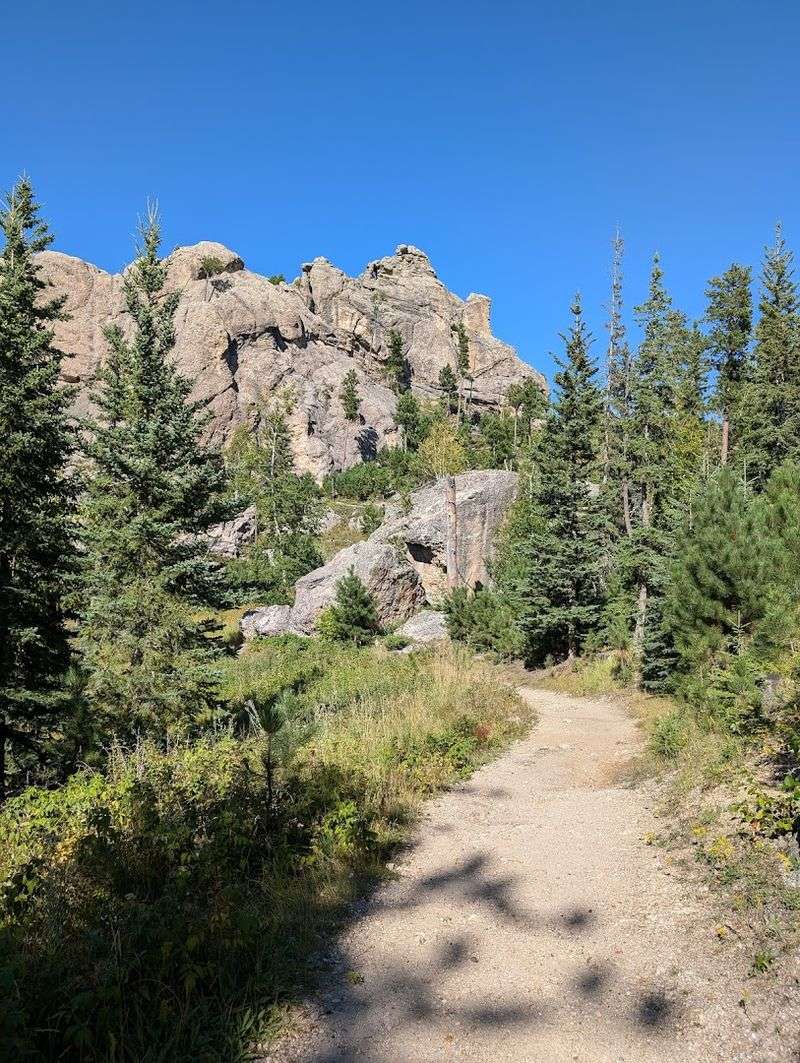
The first mile of this trail is practically a warm handshake. It rolls along at a gentle grade, passing through open pine forest with soft light filtering through the tree canopy above.
The gravel path is wide and easy to follow, which makes the beginning feel more like a walk in the woods than a mountain hike.
That ease is part of what makes this trail so accessible to a wide range of hikers. Families, first-timers, and seasoned trail walkers all find the opening stretch comfortable and enjoyable.
Wildflowers dot the meadow edges in warmer months, and the smell of pine is constant throughout.
Do not let the gentle start fool anyone, though. The trail begins to gain elevation steadily after that first easy mile, and the terrain shifts from smooth gravel to rockier footing as the summit gets closer.
The change is gradual enough to feel manageable, but the body will definitely notice the upward trend picking up pace.
Granite Outcroppings and Changing Terrain
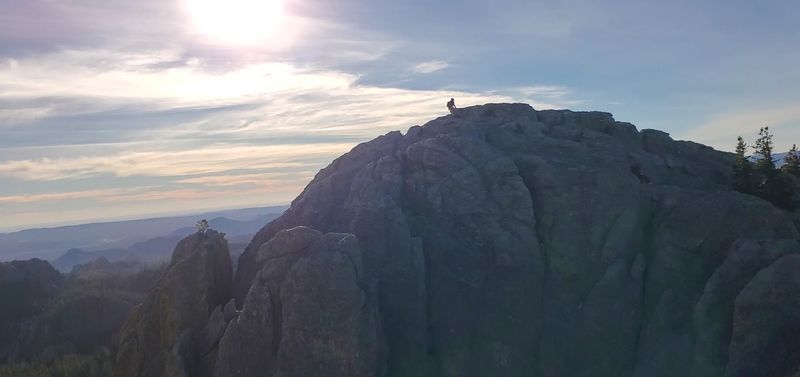
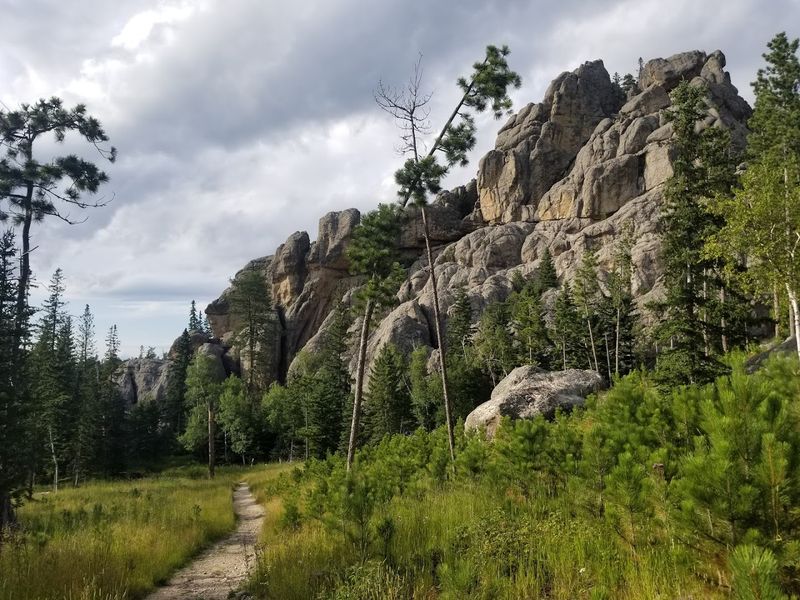
Somewhere around the midpoint of the hike, the trail starts to show its true character. Smooth dirt gives way to exposed granite slabs, and the path narrows as it winds between boulders and through rocky corridors.
The landscape feels wilder and more dramatic with every upward step.
These granite formations are part of what makes the Black Hills so visually striking. The rock faces catch the light differently at various times of day, and the contrast between the pale stone and dark green pines creates a scene that photographers absolutely love.
There are plenty of natural rest spots along the way where hikers can pause and take it all in.
Footing becomes more important here, especially near the upper sections of the trail where sandy patches between rocks can be slippery. Sturdy hiking shoes with good grip make a real difference on this stretch.
The terrain is challenging but never technical, meaning most hikers in reasonable physical shape can handle it without specialized gear or climbing experience.
Views Along the Way Before the Summit
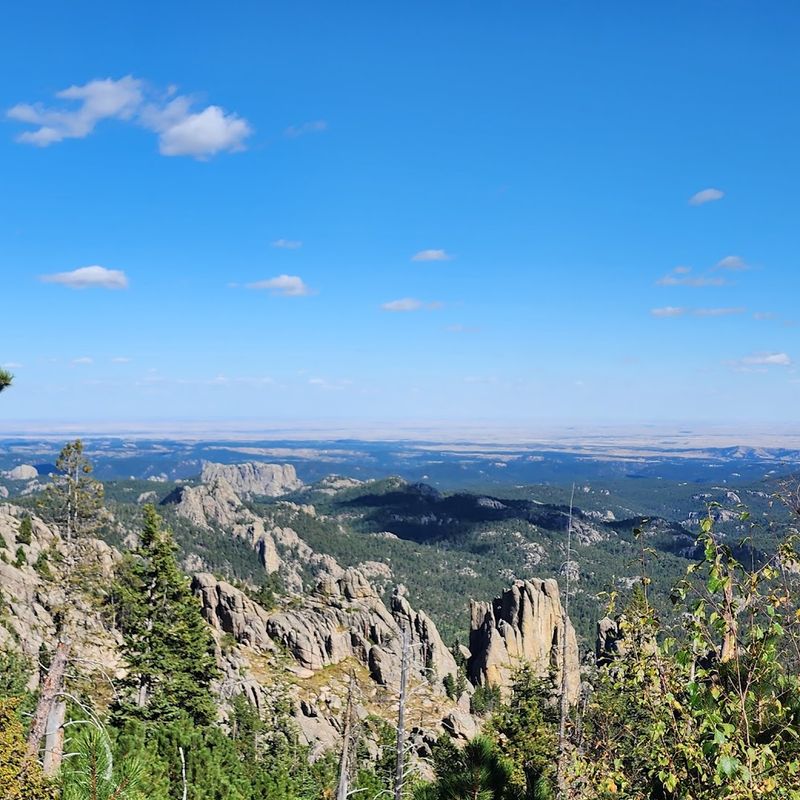
The summit is not the only place where the views impress. Long before reaching the top, the trail opens up at several points to deliver sweeping glimpses of the surrounding Black Hills.
Pine-covered ridges roll away in every direction, and the sense of height builds steadily as the elevation climbs.
Little Devils Tower is one of the most striking landmarks visible from the trail. Its sharp granite spires rise dramatically above the tree line and make for a genuinely memorable photo stop.
The Cathedral Spires area also comes into view on certain route variations, adding even more visual drama to an already spectacular hike.
These mid-trail views serve a practical purpose too. They give hikers a natural reason to stop, catch their breath, and appreciate how far they have already come.
The trail rewards patience. Rushing past these viewpoints to reach the top would mean missing some of the best scenery the Black Hills of South Dakota have to offer along the entire route up.
The Final Push and the Famous Stone Steps
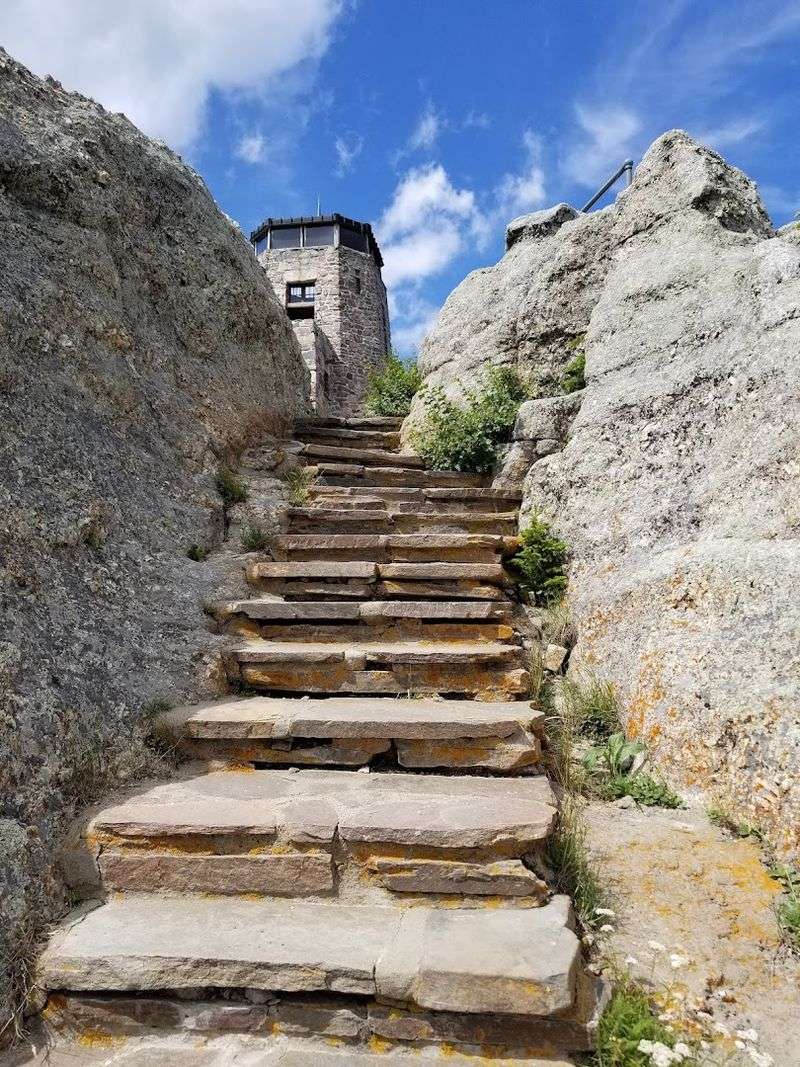
The last stretch before the summit is where the trail makes its boldest statement. A long series of stone steps cut directly into the granite mountainside signals that the top is close.
The steps are steep, and legs that have already covered several miles will feel every single one of them.
Built with care and designed to handle heavy foot traffic, these steps are solid and reliable. They also mark a shift in the atmosphere of the hike.
The trees thin out, the wind picks up, and the sky opens wide above. The feeling of being genuinely high up in the mountains becomes impossible to ignore at this point.
Most hikers find a second wind here, pushed forward by the knowledge that the summit is just minutes away. The steps can be slippery in wet conditions, so trekking poles are worth considering for extra stability on the way back down.
Taking it slow on the descent matters just as much as the climb itself, especially after tired legs have been working hard for hours.
The Historic Fire Lookout Tower at the Summit
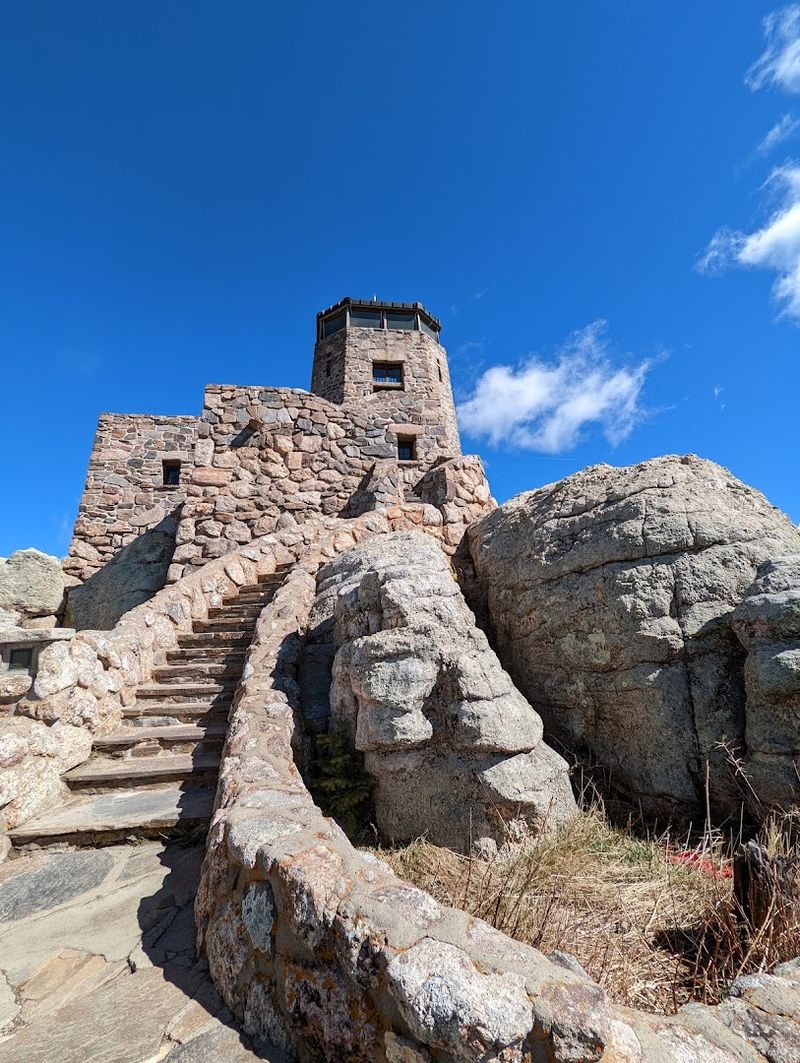
Reaching the top means coming face to face with one of the most iconic structures in the Black Hills. The stone fire lookout tower at the summit of Black Elk Peak was built by the Civilian Conservation Corps between 1935 and 1938, and last staffed in 1967.
It stands as a quiet piece of American history perched at 7,242 feet above sea level.
Hikers can walk up inside the tower and step out onto the enclosed observation deck. The structure is built entirely from local stone and blends into the rocky summit in a way that feels completely natural.
It is rugged, historic, and genuinely cool to explore after a long climb.
The tower adds a layer of meaning to the summit experience that goes beyond the view. Standing inside it and imagining the people who once kept watch from this same spot connects the present moment to a very different era in South Dakota history.
It is the kind of detail that makes this hike feel like more than just a physical challenge.
The 360-Degree Summit View That Makes It All Worth It
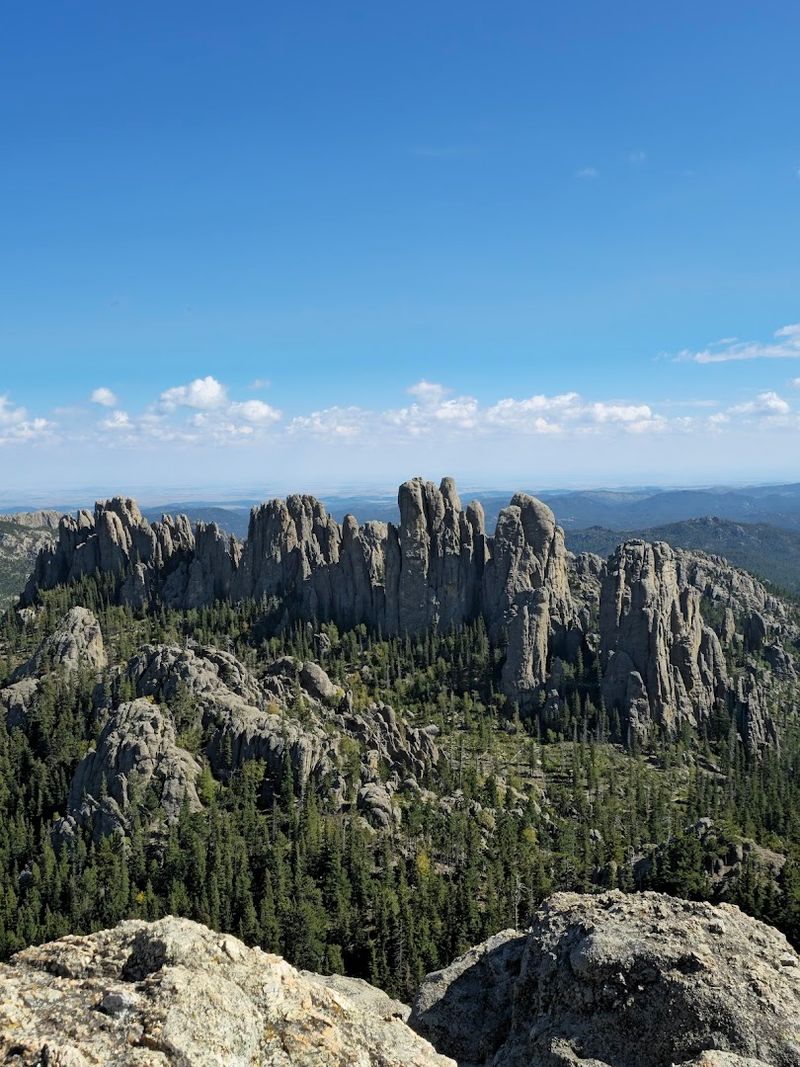
Nothing quite prepares a hiker for what waits at the top. The summit of Black Elk Peak delivers a full 360-degree panorama that stretches across the Black Hills and far beyond.
On a clear day, it is possible to spot parts of South Dakota, Wyoming, Montana, and Nebraska all at once from this single vantage point.
The view includes rolling pine forests, distant ridgelines, and the dramatic granite formations that define this part of the country. Mount Rushmore sits on a mountain visible from the peak, and the Cathedral Spires and Little Devils Tower are identifiable below.
The scale of the landscape from up here is genuinely hard to put into words.
Grassy areas near the summit make it a great spot to sit, eat a packed lunch, and soak up the surroundings before heading back down. The wind can be strong and the sun intense at this elevation, so packing layers and sun protection is always a good idea when planning a visit to this extraordinary high point.
Cultural Significance and the Name Behind the Peak
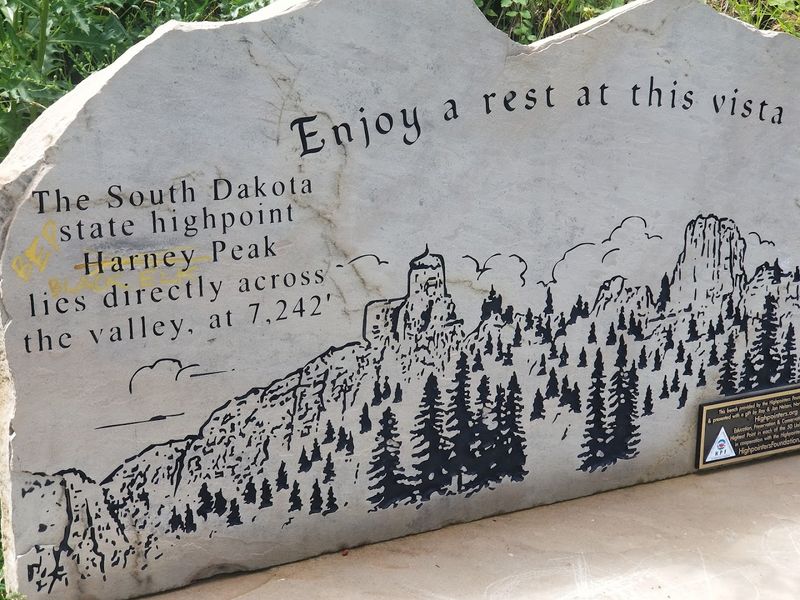
The mountain carries a name with deep meaning. Black Elk Peak was officially renamed from Harney Peak in 2016, honoring Black Elk, a revered Lakota Sioux holy man for whom this place held profound spiritual importance.
The Black Hills as a whole are considered sacred ground by the Lakota people, and this peak sits at the heart of that significance.
Native American prayer flags are sometimes found near the summit, placed there as offerings and markers of spiritual connection to the land. Their presence is a reminder that this mountain means something far greater than a hiking destination to many people.
Visitors are encouraged to treat these items with full respect and leave them undisturbed.
Understanding this cultural context adds genuine depth to the experience of hiking Black Elk Peak. The trail is not just a physical journey through South Dakota wilderness.
It is a path through history, identity, and a living relationship between a people and the land they have called home for generations longer than any trail map has existed.
Tips for Planning a Successful Hike
Smart preparation makes a real difference on this trail. Bringing more water than seems necessary is one of the most consistent pieces of advice from experienced hikers, as the sun and elevation combine to dehydrate faster than expected.
Snacks with good energy, sunscreen, and a light jacket for the windy summit are all worth packing before heading out.
Starting early in the morning has multiple benefits. Parking at Sylvan Lake fills up fast during summer, and the cooler morning temperatures make the climb far more comfortable.
Afternoon thunderstorms are common in the Black Hills during summer months, so finishing the hike before midday is a genuinely practical goal rather than just a suggestion.
Wearing proper footwear with solid ankle support and good grip is especially important for the rocky upper sections and sandy steps near the peak. The trail is located at Sylvan Lake, Custer State Park, South Dakota, and a valid park pass is required.
Multiple route options exist, including the popular Trail 9 and the slightly steeper Trail 4, so choosing based on fitness level and available time makes the whole experience more enjoyable.