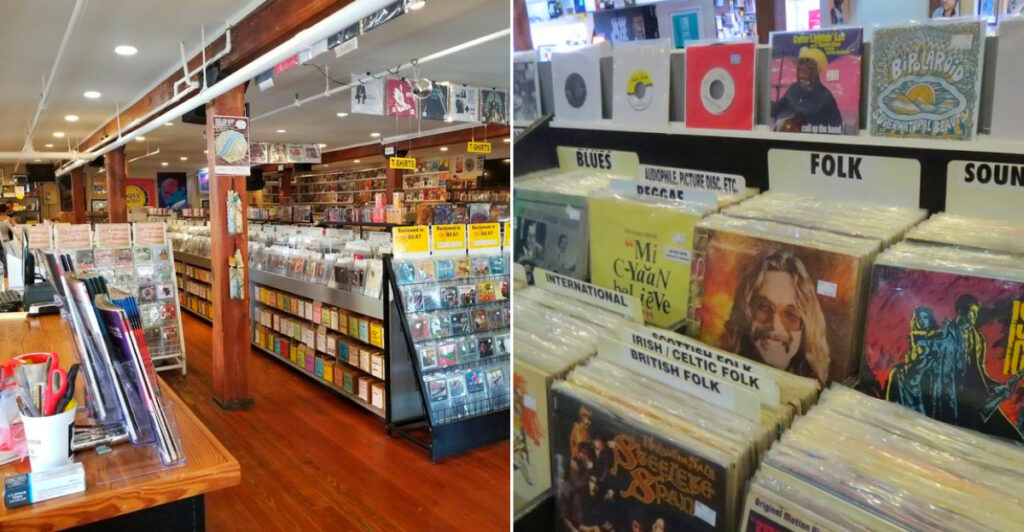
Step into this compact Frenchmen Street music shop and your casual browsing plans immediately lose control. One minute you are “just looking,” and the next you are studying vinyl spines like they contain directions to the city’s secret engine room.
The shelves feel less like inventory and more like a noisy, beautiful archive. Brass-band energy, swampy blues, zydeco rhythms, jazz history, and quiet piano moods all seem to press against each other, waiting for someone curious enough to pull them out.
I like places where the staff actually sounds like they listen to the records, not just alphabetize them with professional sadness.
This Frenchmen Street record shop gives New Orleans, Louisiana, visitors a rich, local music experience filled with vinyl, regional history, and live-performance spirit. Give yourself time here.
Ask for recommendations, follow one genre into another, and let the stacks remind you that New Orleans music is not background noise, it is a map.
The First Glance
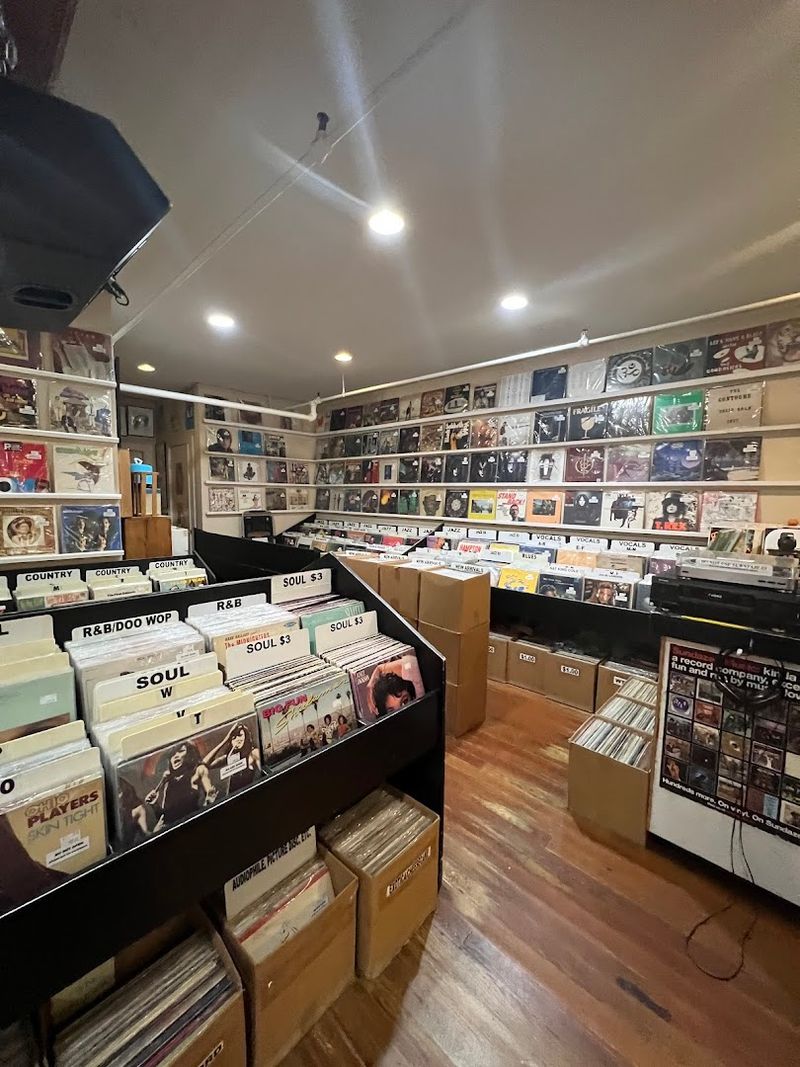
The moment you step inside the Louisiana Music Factory you notice how carefully the collection is curated. Records and CDs are grouped by local tradition so that jazz, blues, zydeco and swamp pop sit close enough to tell a conversation.
The aesthetic is tidy without being precious, which makes digging feel like discovery rather than duty.
Staff recommendations are visible on little hand-written tags and genre sections are clearly labeled; that organization helps even the mildly overwhelmed find a direction.
It’s small but dense, and every turn yields a new listening angle if you slow down and pay attention.
Let Frenchmen Street Do The Soundcheck
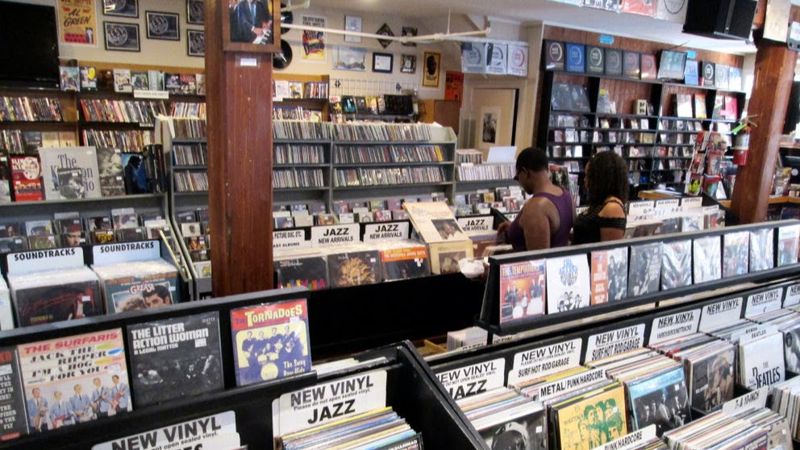
Louisiana Music Factory, 421 Frenchmen St, New Orleans, Louisiana 70116, sits in one of the city’s best walking zones for live music, record hunting, and late-day wandering.
Head toward Frenchmen Street and arrive with enough time to browse, not just dash in and out. This is the kind of stop where the shelves deserve patience, especially if you like finding something you did not know you needed.
Once you get close, slow down and let the street noise guide the mood. Park nearby if needed, walk the final stretch, and treat the shop as a musical pause before the neighborhood gets louder.
A Wall Of Local History
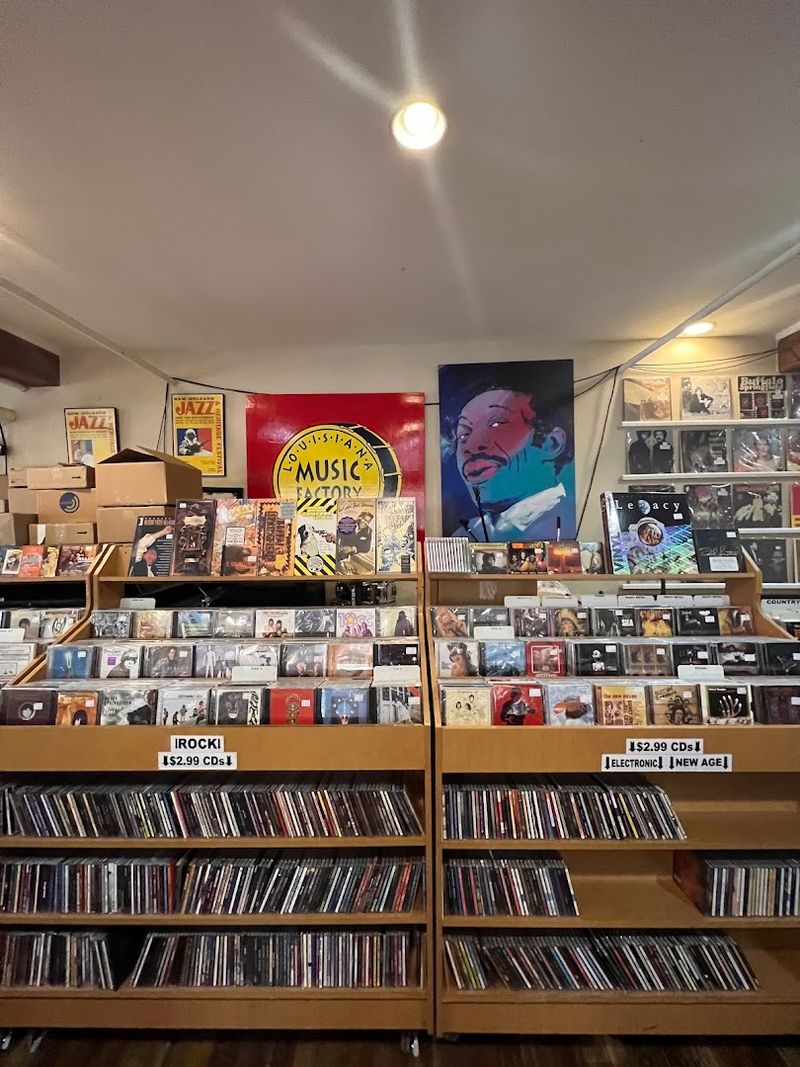
One wall reads like a local syllabus: posters, signed sleeves and archival photographs create a visual timeline of New Orleans music. It’s the kind of display that rewards those who slow down and read labels; small sleeve notes point to regional studios, indie labels and moments when styles shifted.
That context transforms records from objects into nodes in a larger cultural network.
Because the shop has been around since 1992, some items reflect decades of collecting and community ties. Spotting a familiar name or event on a poster can redirect an entire browsing session, prompting focused searches through the racks and online follow ups after you leave.
Staff Who Actually Know
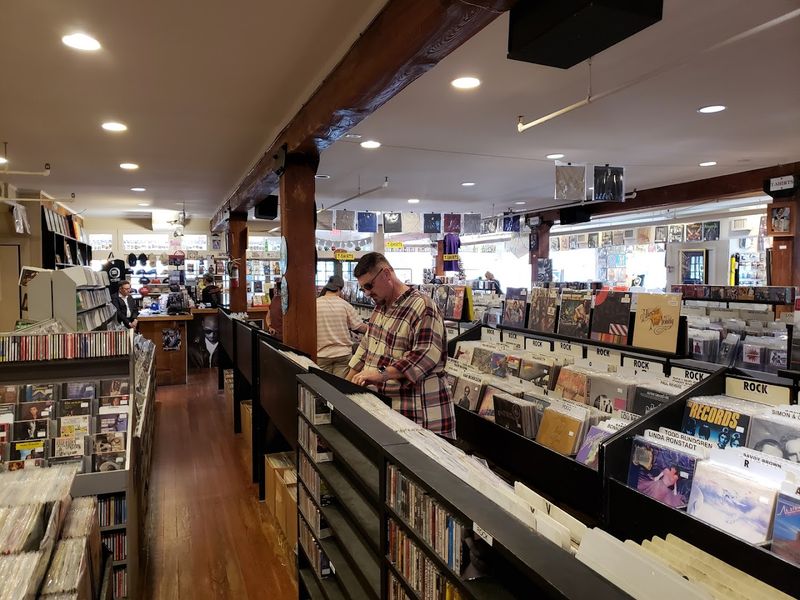
The staff at the Louisiana Music Factory are more than cashiers; they’re guides who can point you to hard to find local releases and explain label lineages. In conversations I had they mentioned local pressing quirks and recommended listening orders for compilations, which made purchases feel like curated acquisitions rather than impulse buys.
That expertise matters when you’re exploring styles that span a century.
They’re patient and pragmatic, happy to reserve or ship finds if you discover something rare. Those small acts of service make the shop feel anchored in the community rather than just a tourist stop, and that trust invites deeper exploration from visitors.
Vinyl And Used Treasures
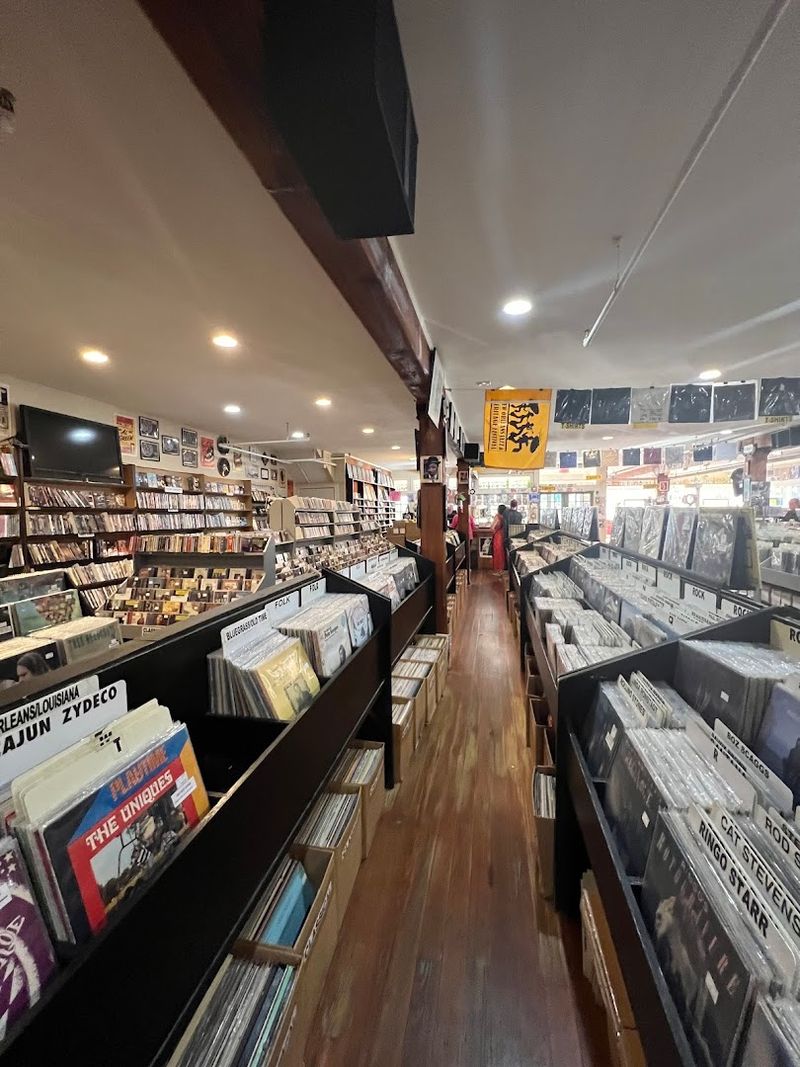
The used vinyl selection here rewards patience. Spines are indexed and the used bins are surprisingly well organized, which is a treat for diggers seeking regional pressings or early issues from local bands.
Prices are fair for condition and rarity, so the thrill of finding a long-sought pressing doesn’t come with sticker shock.
Because the store mixes new local releases with older finds, browsing often yields thematic juxtapositions that narrate a genre’s evolution. That layered arrangement turns each purchase into a research note and a listening promise, encouraging repeated visits to follow up on leads you discover during a single afternoon.
Compact But Deep Inventory
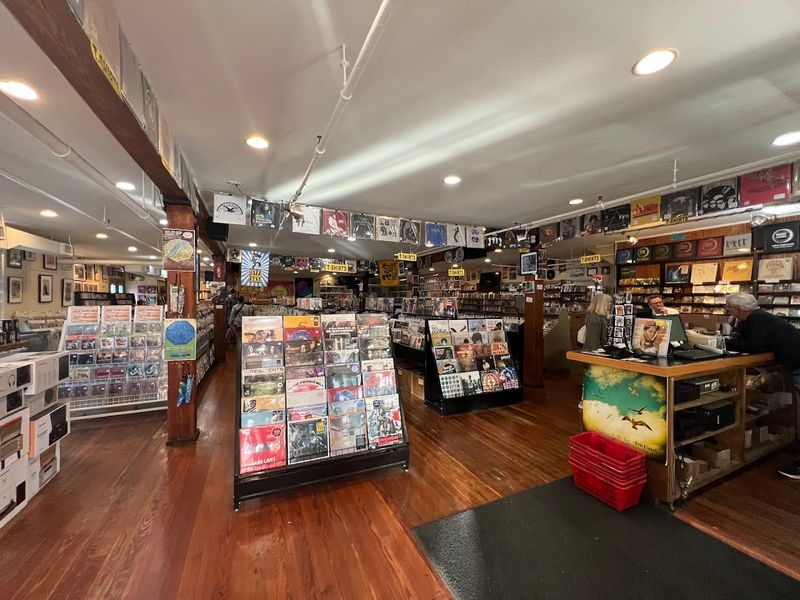
Despite its modest footprint, the store’s inventory depth is impressive across format types: new and used vinyl, CDs, cassettes, DVDs, books and sheet music. This range matters because some local labels still issue essential material on CD or cassette, formats that are often overlooked elsewhere.
That thoroughness makes the Factory a one-stop hub for regional research and gift shopping.
Browsing here feels efficient; curated sections cut down on aimless wandering while still letting serendipity happen. For someone serious about building a Louisiana-centric collection, this place saves time and supplies context you won’t easily find online.
In-Store Performances And Events
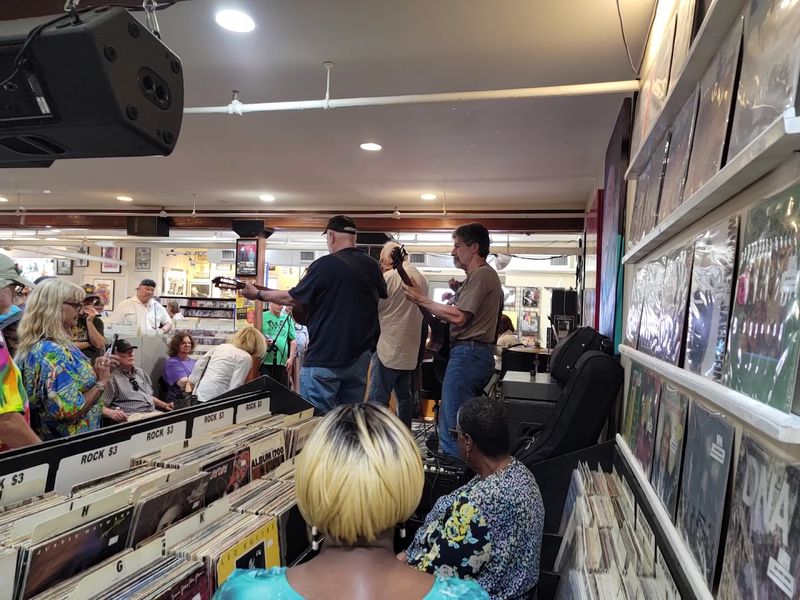
The store hosts regular in-store performances that turn browsing into live discovery. During festival season and around local events you can catch brief sets from emerging artists and classic local acts, which helps connect physical media to the living traditions they represent.
Those performances are short, intimate, and often followed by friendly meet-and-greet moments. I like that the setting keeps things informal; you are close enough to notice small musical details, quick jokes between songs, and the easy rapport that makes local performance culture feel accessible.
Arriving during a performance changes how you buy: you might pick up a live set or a recording mentioned onstage. It’s a powerful reminder that the store is part archive and part stage, and that records here are connected to ongoing musical practice rather than frozen artifacts.
Even a brief set can shift your browsing from collecting objects to following a living sound through the city.
Practical Visit Tips
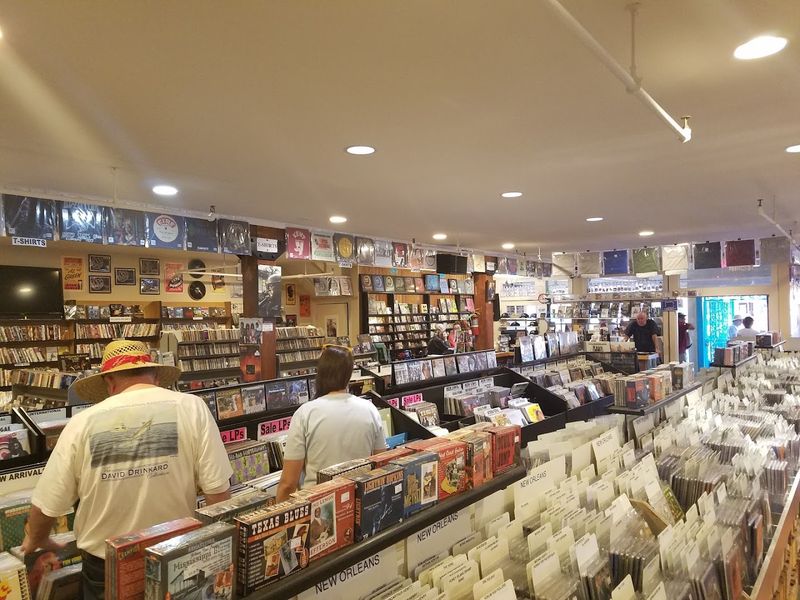
Plan for at least an hour if you want to dig; the store is compact but dense and time slips by when exploring regional catalogs. Weekends and festival periods are livelier, so consider a weekday morning if you prefer quiet browsing.
The shop opens at 11 AM most days, and staff can ship purchases if you can’t carry fragile items home immediately. That option is especially useful if you find heavier vinyl stacks, framed prints, or gifts you do not want to squeeze into luggage.
Parking in the Frenchmen Street area is limited, so I recommend using a rideshare or parking further away and walking. Give yourself a little extra time, because nearby streets can get busy fast once evening crowds start moving through the neighborhood.
Bring a list of local labels or artists you’re curious about to make searches more efficient and to spark targeted questions to staff.
Specialty Sections To Explore
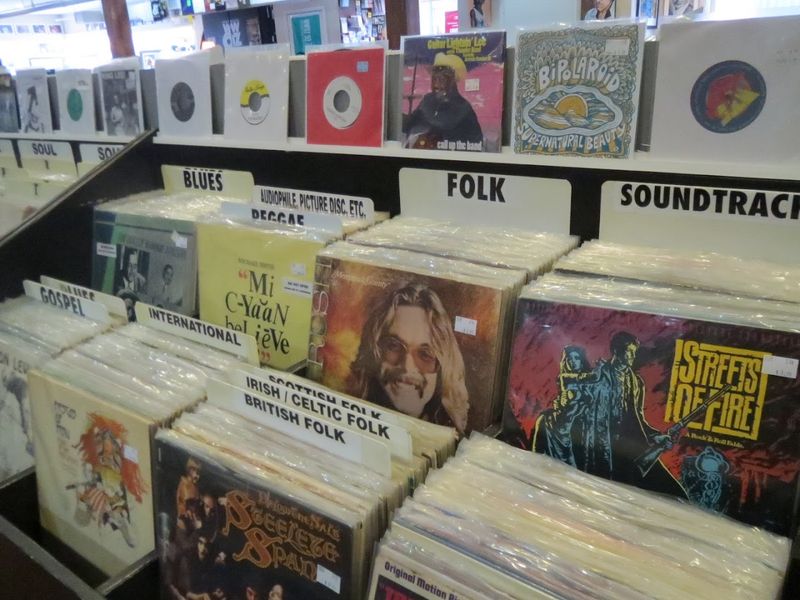
Sections dedicated to jazz, blues, zydeco, Cajun, and swamp pop make thematic browsing straightforward and rewarding. I appreciated how regional compilations and Mardi Gras collections are grouped so you can trace stylistic threads across multiple albums.
That clarity helps when you want to build context quickly without buying random singles that don’t cohere. It also makes the shop feel approachable for beginners, because you can follow a sound, a rhythm, or a neighborhood tradition instead of pretending you already know every artist on the shelf.
There’s also an international selection and other genres beyond Louisiana music, which is handy if you’re shopping for friends with different tastes. The way the store arranges material encourages curated listening lists rather than scattershot purchases, and that structure can turn a quick browse into a small self-guided lesson in musical geography.
Merch, Books And Ephemera
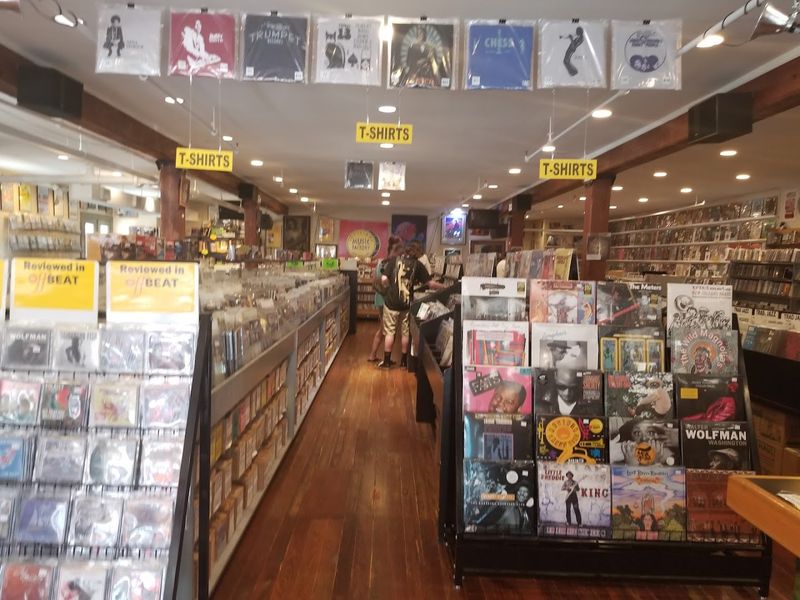
Beyond records, the Factory stocks books, sheet music, posters and themed T-shirts that deepen the historical picture. Picking up a local music history book or a printed songbook can turn a casual souvenir into a study tool.
Posters and prints are well chosen and often highlight local festivals, bands and record labels tied to the city’s musical narrative. I also like that these objects give you something to revisit later, especially after a trip when a song, cover design, or artist name suddenly starts to mean more.
These non-audio items make thoughtful gifts and provide tactile context for the sounds you discover. If you’re assembling a themed present, combining a record with a related book or poster makes for a memorable and informed package that reflects the city’s musical identity.
It feels more personal than a generic souvenir, and it gives the recipient a small doorway into New Orleans music culture.
Why Locals Keep Returning
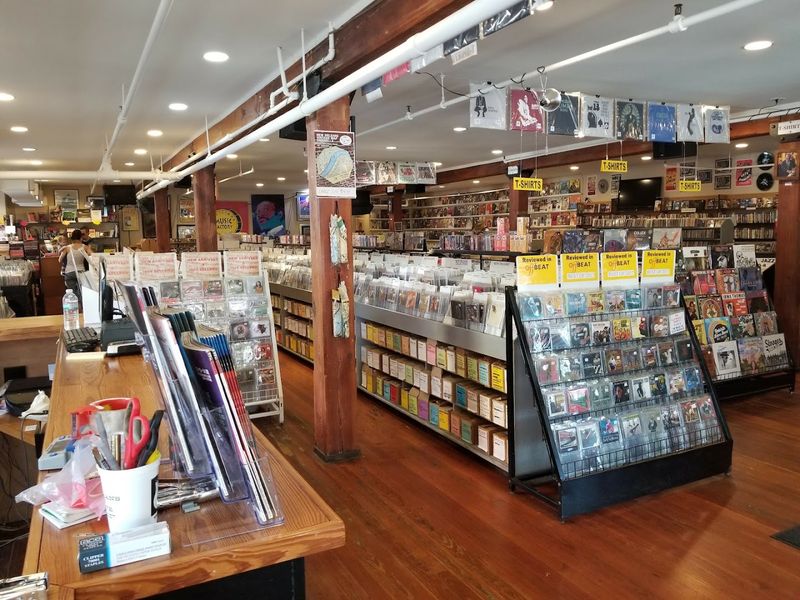
Regulars praise the Factory for consistent selection and friendly service, and it’s easy to see why. Longstanding ties to New Orleans music culture and knowledgeable staff create continuity; people come back because the store reliably surfaces both new releases and archival treasures.
That consistency builds trust and encourages collectors to check in regularly, especially since the shelves can feel different from one visit to the next without losing the shop’s dependable character.
For visitors, that local endorsement matters: shopping here feels like accessing a trusted source rather than browsing a tourist novelty. The recommendations carry the weight of lived listening, not scripted sales talk, which makes even a quick stop feel more personal.
Whether you’re a collector or just curious, the Louisiana Music Factory rewards attention with discoveries that deepen understanding of the city’s musical landscape.