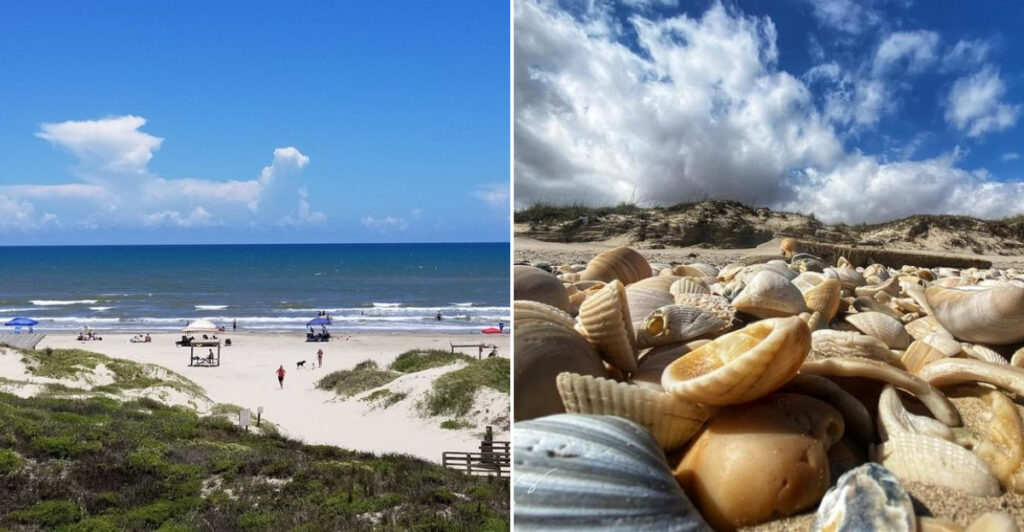
Aloha, y’all! Texas just shortened the commute to your favorite tropical island daydream.
Your passport may now file an official complaint. This coastal escape delivers the mood without demanding a flight over the Pacific.
The comparison sounds bold until beach expectations begin losing their argument. Texas rarely asks permission before surprising anyone.
Here, the surprise stretches far beyond one convenient patch of sand. The protected shoreline turns ordinary vacation planning into a much bigger proposition.
You may arrive expecting an easy afternoon and leave reconsidering your entire coastline ranking. The island also rewards travelers who trade certainty for a little preparation.
That bargain brings richer experiences and much better stories. Nature handles the persuasion, and it does not need a sales pitch.
Even your beach bag may demand a quick return. You should probably see it before Hawaii notices the competition.
This remarkable beach has several reasons to make your next drive longer.
The World Record Nobody Talks About Enough
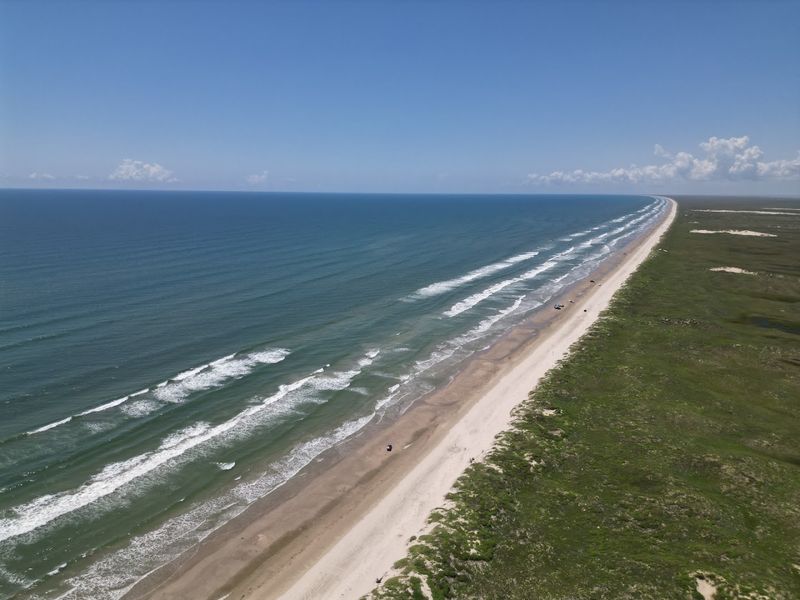
Texas brought a record to the beach.
Padre Island National Seashore protects roughly 66 miles of undeveloped coastline near Corpus Christi. The National Park Service calls it the world’s longest stretch of undeveloped barrier island.
Congress established the national seashore in 1962. That protection preserved a substantial section of coastline from the development common on many barrier islands.
Dunes and coastal prairie occupy the land behind the Gulf beach. Wetlands and tidal flats support another collection of plants and wildlife nearby.
The scale becomes easier to understand once the developed section disappears behind you. Miles of open shoreline continue south toward Mansfield Channel.
The park also protects one of the country’s last intact coastal prairie habitats. That landscape gives the seashore ecological importance beyond its photogenic sand.
Visitors can swim, camp, fish, watch wildlife, or simply spend time beside the water. The preserved setting gives each activity more breathing room.
That is one very long answer to “Which way to the beach?”
Getting To This Beautiful Spot
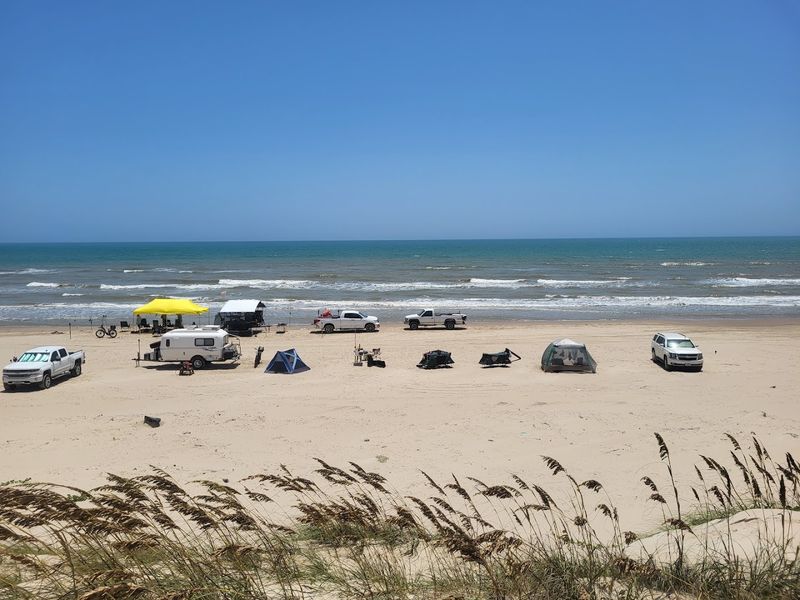
The pavement eventually resigns.
Drivers approach the national seashore through Corpus Christi and North Padre Island. Highway 358 connects with Park Road 22 before reaching the protected area.
Businesses near the developed island provide convenient places to collect fuel, food, and water. Services become limited after entering the park.
The paved route reaches Malaquite Visitor Center, Malaquite Campground, and the South Beach access area. Beyond that point, sand becomes the driving surface.
Two-wheel-drive vehicles are restricted to North Beach and the first five miles of South Beach. Conditions can make even those areas challenging.
South Beach beyond mile five requires four-wheel drive. Drivers should also check current tides, weather, beach conditions, and park alerts before continuing.
A full fuel tank and offline map deserve space in the plan. Cellular service can become unreliable deeper inside the seashore.
The route rewards preparation with access to quieter sections that ordinary pavement cannot reach.
The road leaves early, and adventure handles the rest of the mileage.
Malaquite Visitor Center And Its Secret Rooftop
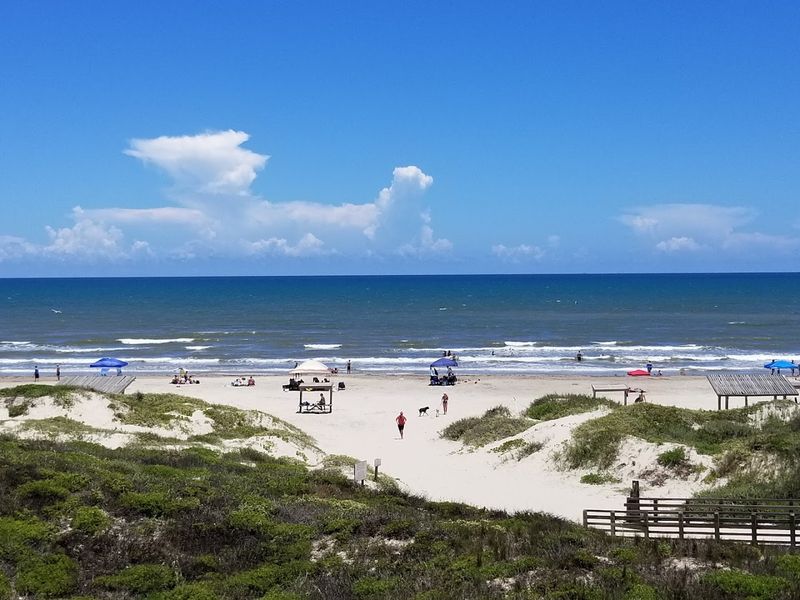
Even visitor centers can keep an ace upstairs.
Malaquite Visitor Center provides information, exhibits, and a bookstore near the park’s main developed beach. Rangers can explain current conditions and wildlife activity.
The surrounding facility area includes restrooms, drinking water, outdoor rinse showers, shaded picnic space, and convenient parking. Malaquite Beach itself stays free of public vehicle traffic.
The visitor center area is located at 20420 Park Road 22, Corpus Christi, Texas 78418. It makes a practical first stop before exploring farther south.
An upper observation area expands the view toward the Gulf and Laguna Madre sides. It also gives first-time visitors a useful sense of the island’s narrow geography.
Interpretive displays provide context for sea turtles, coastal habitats, and local history. Visitors can also ask for a bag to collect litter during a beach cleanup.
Accessibility information is available at the center. The nearby boardwalk offers a direct route toward Malaquite Beach.
Even the information desk comes with a horizon.
Sea Turtles That Actually Need Your Help
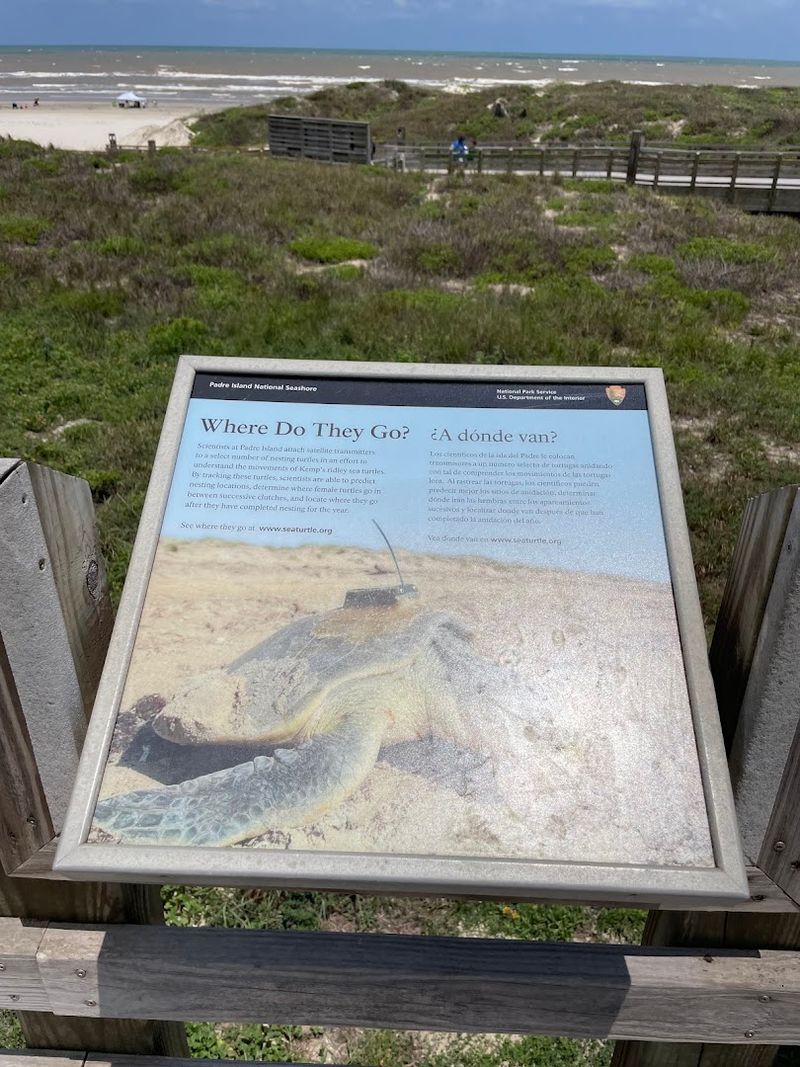
Tiny flippers carry enormous stakes here.
Kemp’s ridley sea turtles nest at Padre Island National Seashore more than anywhere else in the United States. The species is federally listed as endangered.
The park is also the only Texas location where nests from all five Gulf sea turtle species have been documented. That distinction gives its conservation program unusual importance.
Staff patrol nesting habitat, protect adult turtles, relocate vulnerable nests, and monitor eggs until hatching. Research conducted here also contributes to international recovery work.
Some hatchlings are released in view of the public during the nesting season. These events depend on the turtles, and public releases do not happen every day.
Visitors should follow ranger directions and give nesting turtles generous space. Beach drivers must stay alert because turtles and protected nests may appear near travel routes.
Temporary restrictions can protect sensitive areas. Respecting them helps the smallest travelers complete the most important journey on the island.
Tiny flippers give the entire seashore a very large responsibility.
Birdwatching At A Globally Recognized Hotspot
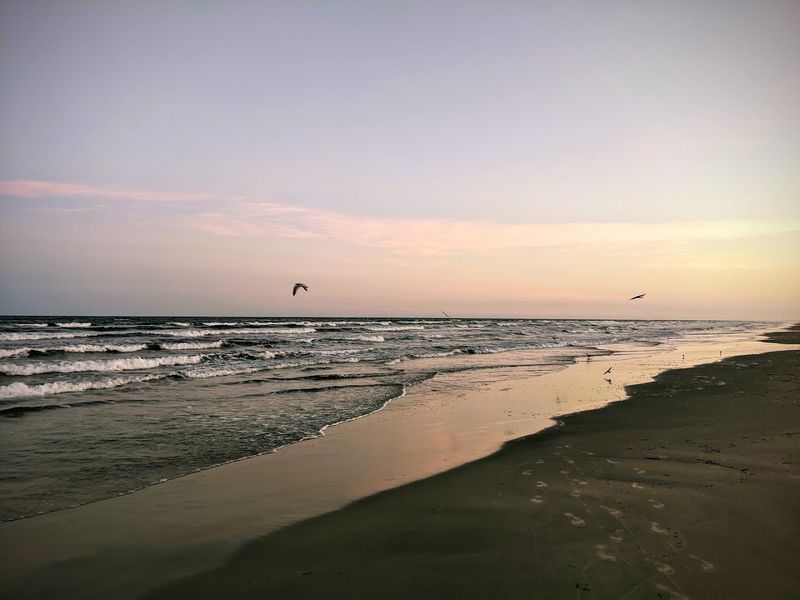
The guest list sometimes comes on wings.
More than 380 bird species have been documented at Padre Island National Seashore. That total represents nearly half the species recorded in North America.
The island sits along the Central Flyway, a major migration route. Seasonal movement can bring striking changes in both numbers and species.
The park has earned designation as a Globally Important Bird Area. It is also recognized as a Site of International Importance for shorebirds.
Beach, prairie, wetlands, dunes, and tidal flats provide distinct habitats. Each supports resident birds or traveling species seeking food and rest.
Pelicans often draw attention along the Gulf side, while wading birds use shallower areas near the Laguna Madre. Raptors and smaller migrating birds expand the possibilities.
Bird Island Basin offers another productive area for patient observers. Binoculars help reveal activity that casual walkers may miss.
Even beginners can appreciate the variety without memorizing every name.
Your beach list may gain feathers before lunch.
Driving On The Beach Like It Is Completely Normal
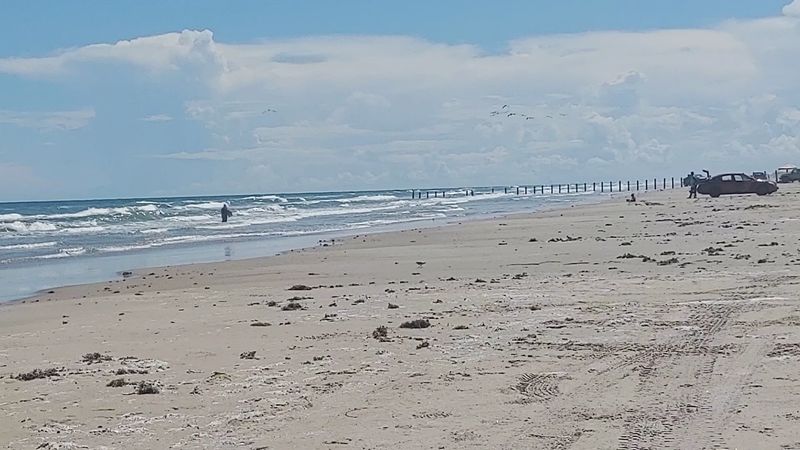
Your beach drive is about to become literal.
North Beach and South Beach function as both recreation areas and travel routes. Vehicles share the sand with walkers, campers, anglers, and wildlife.
Four-wheel drive is always recommended. Two-wheel-drive vehicles may only use North Beach and South Beach between mile zero and mile five.
Anything south of the five-mile point requires four-wheel drive. Beach conditions can change quickly after tides, storms, or strong winds.
Drivers must follow posted speed limits and yield appropriately. Northbound traffic has the right of way when vehicles meet on narrow sections.
Dunes, vegetation, wetlands, and tidal flats are closed to driving. Staying on approved beach routes protects fragile habitat and avoids costly trouble.
Carry recovery equipment, extra water, and enough fuel for the return. The park does not tow private vehicles, and outside recovery can take considerable time.
Check predicted tides before leaving pavement because high water can cover portions of the route.
Your navigation app may return with sand in its shoes.
Camping Where The Only Ceiling Is Stars
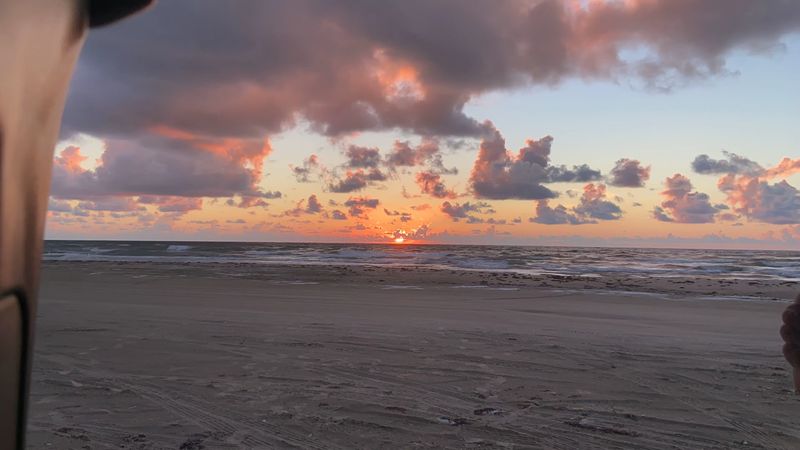
The stars handle roof duty tonight.
Malaquite Campground provides designated sites for tents and recreational vehicles near beach access. Sites are offered without advance reservations.
The campground includes restrooms, picnic tables, and cold-water showers. It does not provide campsite utility hookups, so campers need to prepare accordingly.
Primitive camping is allowed on North Beach, South Beach, and at Yarborough Pass under current park rules. Camping is generally prohibited on Malaquite Beach.
The two developed campgrounds require self-issued camping permits. Primitive beach areas follow separate requirements, while park entrance rules continue to apply.
Wind can challenge tents, awnings, and lightweight equipment. Tide forecasts become especially important when selecting a position along the beach.
Cellular service is limited, and nearby services disappear after entering remote sections. Water, food, fuel, and basic recovery supplies belong in the vehicle.
Darkness removes the daytime distractions and gives the Gulf a stronger voice.
The stars clock in after the campsite settles down.
The Laguna Madre And Its Hypersaline Mysteries
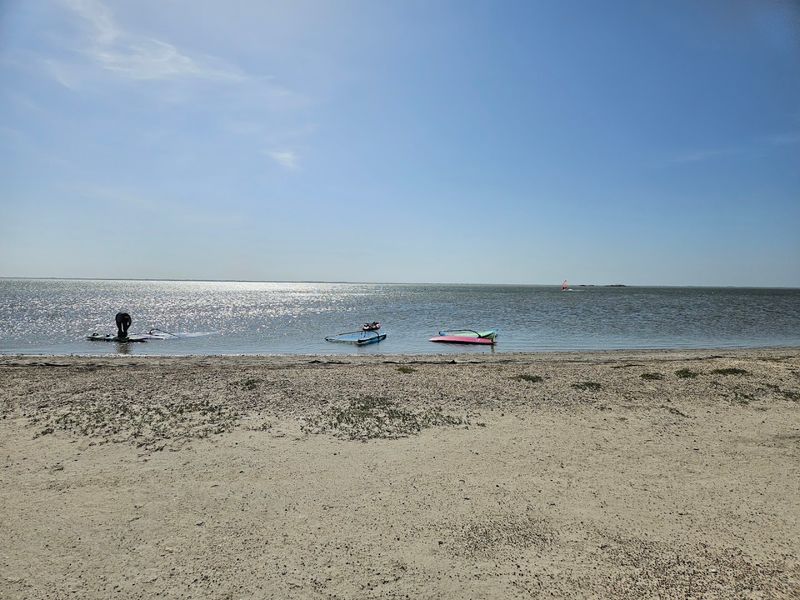
The lagoon keeps salt on overtime.
Laguna Madre borders the western side of Padre Island National Seashore. It belongs to a small group of hypersaline lagoons worldwide.
Its water can become saltier than the open Gulf because evaporation exceeds freshwater input. That chemistry supports an unusual and productive coastal ecosystem.
Shallow water, tidal flats, and seagrass beds provide feeding habitat for fish, birds, and sea turtles. The lagoon’s ecological role reaches far beyond recreation.
Bird Island Basin provides access for paddling, boating, and wind-powered water sports. Steady coastal wind has made the area internationally known among windsurfers.
Kayaks and canoes allow visitors to explore at a quieter pace when conditions cooperate. The lagoon presents a clear contrast with the wave-driven Gulf side.
Seeing both shorelines helps explain why the protected island supports such varied wildlife and recreation.
The island brought a second waterfront and gave it extra salt.
Fishing, Shells, And The Simple Pleasures
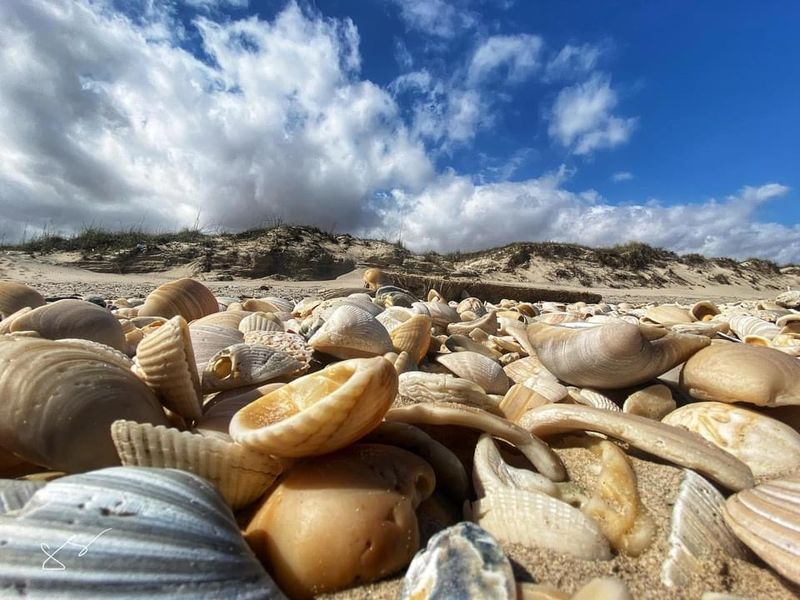
The beach gives patience a fishing license.
Surf fishing draws many visitors to the Gulf side of the national seashore. Anglers need a valid Texas fishing license and must follow current regulations.
Remote sections provide long stretches for casting, but distance does not replace preparation. Drivers need the right vehicle before chasing a quieter fishing spot.
Beachcombing offers a slower alternative. The National Park Service specifically highlights seashells and sea beans among the objects visitors may find.
Little Shell Beach and Big Shell Beach sit farther down South Beach and require four-wheel drive. Loose sand can make access challenging even for capable vehicles.
Tides and currents rearrange the shell line regularly. Empty shells may be collected where rules allow, while living animals should stay undisturbed.
Photography and wave watching require almost no equipment. A chair and enough patience can occupy an afternoon surprisingly well.
The beach offers no stopwatch, which is exactly the arrangement.
Practical Tips For Making The Most Of Your Visit
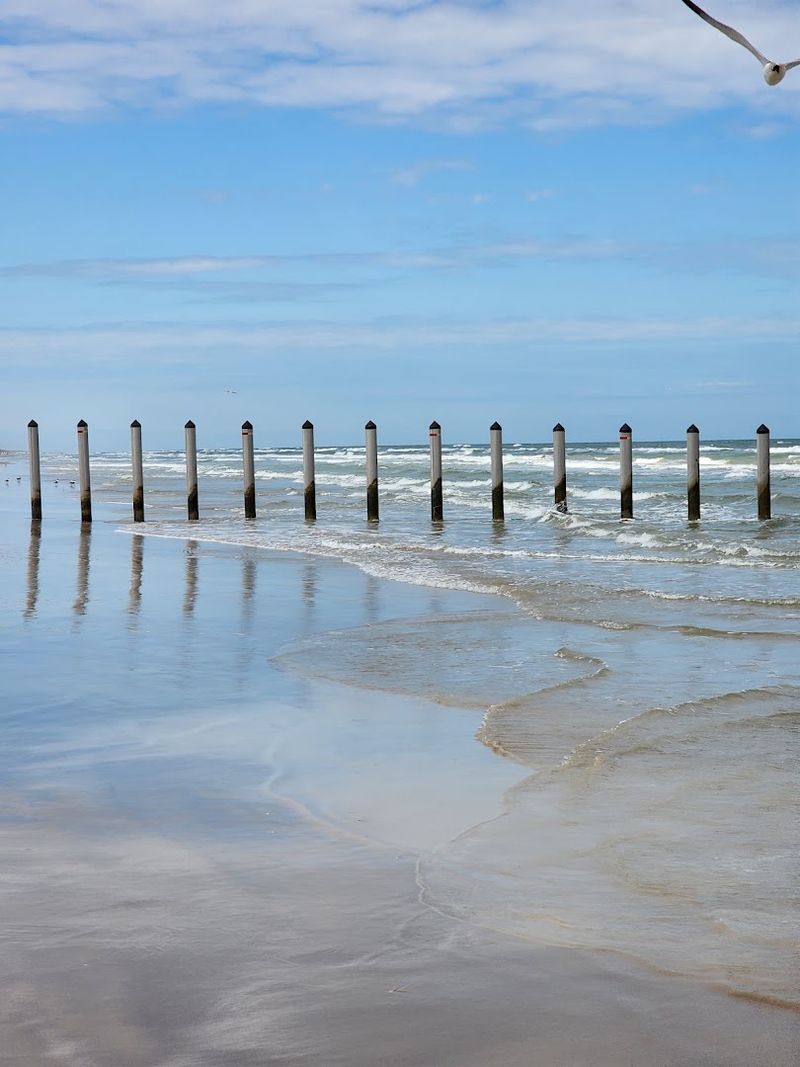
Preparation is the quiet hero of this beach trip.
Bring insect repellent, sun protection, drinking water, and food before entering remote sections. Wind can also send unsecured equipment on an unwanted sprint.
An entrance pass is required throughout the national seashore. Camping and certain facility uses may involve separate requirements.
Current park alerts deserve attention before departure. Water quality, storms, tides, beach driving conditions, and temporary wildlife protections can affect plans.
Download maps before cellular coverage weakens. Tell someone your intended route if driving several miles down South Beach.
Leashed pets are allowed on beaches, campgrounds, trails, and boardwalks. They cannot enter park buildings, and owners must remove their waste.
Pack more water than a short coastal drive appears to require. Remote travel changes the consequences of a forgotten bottle or low fuel tank.
Texas offers plenty of coast, but this section asks visitors to arrive prepared and travel responsibly.
Preparation gets you there. The island earns the story you tell everyone later.